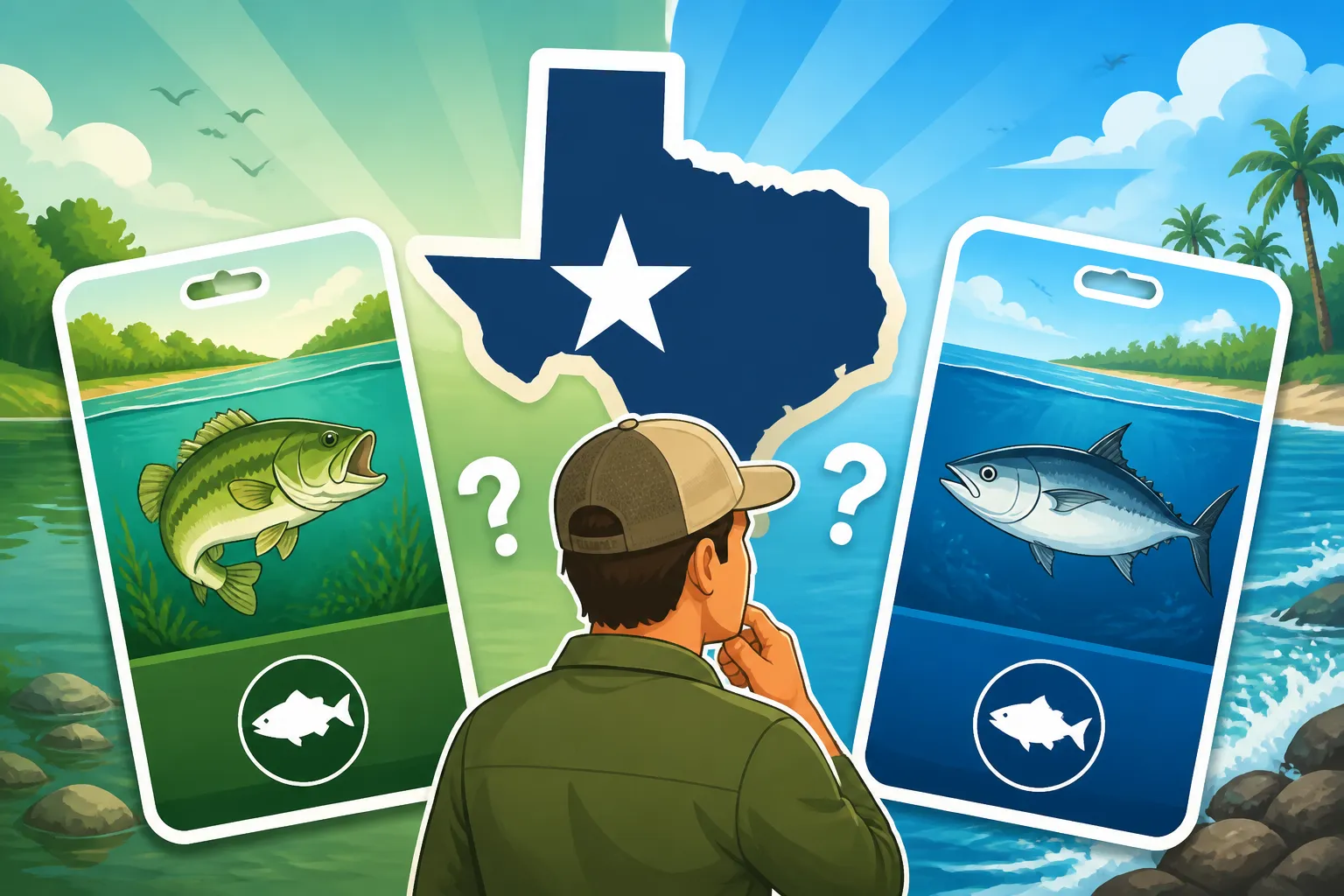
Do you need both a freshwater and saltwater license in Texas?
It's a question that trips up so many anglers, whether you're a seasoned Texan exploring new waters or a visitor trying to figure out the rules: do you really need both a freshwater and a saltwater license to fish in Texas? The truth is, the system can seem a little complicated, but understanding the Texas Parks and Wildlife Department (TPWD) approach can save you a lot of hassle and ensure you're fishing legally. This comprehensive guide will break down the nuances of Texas fishing licenses, clarifying exactly what you need based on where you plan to cast your line.
Understanding the Texas Fishing License Structure
Navigating the world of fishing licenses can feel like trying to untangle a particularly stubborn knot in your fishing line. For many states, you simply buy a freshwater or a saltwater license, and that's that. Texas, however, has a slightly different system that often leads to confusion, particularly around the "all-water" concept and endorsements. Let's dive into how it all works.
The Convenience of the All-Water License
The easiest way to cover all your bases in Texas is by purchasing a "All-Water" Fishing Package. This isn't just a clever name; it truly bundles everything you need for both freshwater lakes and rivers, and the vast expanse of our Gulf Coast and its bays. Imagine planning a trip that starts with some largemouth bass fishing on Lake Fork, then a week later you're headed to Galveston Bay for some redfish action. Without an all-water package, you'd be scratching your head, wondering if you needed to buy two separate licenses.
This package is designed for the versatile angler, the one who loves the thrill of a big blue catfish in the Trinity River as much as the tug of a speckled trout near Port Aransas. It removes the guesswork, ensuring you're compliant whether your boat is in a reservoir or headed out past the jetties. For anyone who anticipates fishing in both freshwater and saltwater during the license year (which runs from September 1st to August 31st, by the way), this is almost always the most straightforward and often the most economical choice. You won't have to worry about accidentally violating regulations just because you decided on a spontaneous coastal trip. The official title for this comprehensive option is typically the "Resident All Water Fishing Package" or "Non-Resident All Water Fishing Package," depending on your residency status. You can learn more about what this package entails in our detailed guide on the Texas All-Water Fishing License Explained.
Deconstructing the "Endorsement" System
Here's where the Texas system often differs from what anglers might expect from other states. Instead of two entirely separate licenses, Texas primarily offers a "Freshwater Fishing Package" and then adds a "Saltwater Endorsement" onto it. Think of the endorsement like an extra stamp on your base freshwater license that grants you permission to fish coastal waters. You can't just buy a "Saltwater License" outright as a standalone product. You're effectively buying a freshwater license with a saltwater add-on.
So, if you're a dedicated freshwater angler, you'd buy the "Freshwater Fishing Package." But if you want to fish in the bays, estuaries, or the Gulf, you must add the "Saltwater Endorsement." This is a critical distinction. Many people mistakenly think that if they only fish saltwater, they just need to buy a "saltwater license," but that's not how it's structured in Texas. The saltwater endorsement is what legalizes your coastal endeavors. This system ensures that all anglers, regardless of whether they predominantly fish fresh or saltwater, are contributing to the conservation efforts of both aquatic environments through their license purchase. It's a pragmatic approach to fund the diverse needs of Texas's incredible fishing habitats.
Cost-Effectiveness and Simplification
When you consider buying licenses, you're not just buying a piece of paper; you're investing in the future of fishing in Texas. The cost of fishing licenses supports critical conservation programs, fish stocking, habitat restoration, and enforcement by the TPWD. So, let's talk about the practical side: does it make more financial sense to buy the all-water package, or try to piece together a freshwater license and a separate saltwater endorsement?
For the vast majority of anglers who even think they might fish both freshwater and saltwater within a license year, the all-water package is almost always the more cost-effective choice. It bundles the freshwater package and the saltwater endorsement at a slightly reduced rate compared to buying them individually. Beyond the potential savings, the biggest benefit is the simplification. You make one purchase, get one license, and you're good to go anywhere in Texas. No more second-guessing whether you have the right credentials when you're suddenly invited on a weekend trip to Corpus Christi Bay after a week of catching catfish on Lake Livingston.
Here's a simplified look at how the license components stack up for a Texas resident (note: actual prices can vary slightly with administrative fees and may change year to year, always check the official TPWD site for the most current figures):
| License Type | Covers Freshwater? | Covers Saltwater? | General Purpose |
|---|---|---|---|
| Freshwater Fishing Package | Yes | No | Fishing in lakes, rivers, and streams (inland waters) |
| Saltwater Endorsement | No (add-on only) | Yes | Required in addition to Freshwater Package for coastal waters |
| All-Water Fishing Package | Yes | Yes | Comprehensive coverage for all public Texas waters |
| One-Day All-Water | Yes | Yes | Short-term option for residents & non-residents |
As you can see, the all-water package truly is the "one and done" solution for complete coverage. This really simplifies things, especially if you're like me and sometimes make last-minute decisions on where to wet a line. Buying a fishing license is one of the most fundamental Texas Fishing License Requirements Explained, so understanding these options is key.
When a Separate Freshwater or Saltwater License Makes Sense
While the all-water package is fantastic for many, it's not the only option, nor is it always necessary. There are plenty of scenarios where an angler might only need one component of the license system. It all boils down to your specific fishing habits and where you plan to spend your time.
Dedicated Freshwater Anglers
If your heart truly belongs to the inland waters of Texas, then a standalone Freshwater Fishing Package is likely all you need. This is the license for the angler who exclusively chases largemouth bass on places like Lake Travis, searches for crappie in brush piles on Lake Palestine, or enjoys the peaceful pursuit of catfish in the many rivers like the Brazos or the Colorado River. You might be targeting white bass during their famous spring run up the various creeks and rivers, or perhaps you're one of those dedicated folks who fly fish for rainbow trout in the Guadalupe River during winter stockings.
In these situations, where saltwater fishing isn't even on your radar, purchasing the full All-Water Package would mean paying for a saltwater endorsement you simply won't use. It's like buying a convertible when you only ever drive in the snow; it's more car than you need for your specific conditions. For those who stick to the lakes, ponds, and rivers, the Freshwater Fishing Package is perfectly adequate and keeps a few extra dollars in your pocket for bait, lures, or a new fishing hat. Always make sure you're aware of the specific Texas Freshwater Fishing Regulations that apply to the species and locations you're targeting.
Dedicated Saltwater Anglers
Now, this is where that "endorsement" concept becomes really important. If your passion is purely for the coastal waters—the vast expanses of Galveston Bay, the jetties of Port Aransas, the Laguna Madre, or venturing into the Gulf of Mexico for snapper—you still won't buy a standalone "saltwater license." Instead, you'll purchase the Freshwater Fishing Package PLUS the Saltwater Endorsement. Together, these two components grant you the legal right to fish in Texas's marine environments.
I've seen many folks, especially visitors from other states, get confused by this. They assume a "saltwater license" exists as a separate item. But no, the saltwater endorsement is the key. So, while you might never cast a line in a Texas lake, your license will still technically be a freshwater license with that crucial saltwater add-on. This structure ensures that even dedicated saltwater anglers contribute to the overall Texas fishing ecosystem. If you exclusively fish the coast, you'll need to be well-versed in the Texas Saltwater Fishing Regulations, which cover everything from redfish and speckled trout to flounder and drum.
Exploring Youth, Senior, and Other Exemptions
Texas is pretty generous with exemptions and special considerations, which can also influence what kind of license you need. It's not a one-size-fits-all situation, which is great news for certain demographics.
For starters, kids under the age of 17 don't need a fishing license at all to fish in Texas waters, whether fresh or salt! This is fantastic for encouraging young anglers and making family outings more affordable. Imagine a trip with the grandkids to a community fishing pond or a day casting off a pier in Rockport; no license needed for the little ones! This often applies to both residents and non-residents, making Texas a very welcoming place for family fishing trips. You can read more about this in our guide on Who Doesn't Need a Texas Fishing License.
Seniors also get a break. Texas residents who were born before January 1, 1931, are exempt from needing a license. For those born after that date but are 65 years or older, there's a discounted senior resident all-water fishing package. This is a wonderful way to honor our elder Texans and ensure they can continue to enjoy the sport they love. If you're over 65, definitely check out the Texas Senior Fishing License Discount to take advantage of these savings.
There are also special exemptions for disabled veterans and active-duty military personnel. Texas offers free fishing licenses to qualifying disabled veterans, and in some cases, active-duty military personnel might have specific rules regarding their license needs. It's always best to check the latest TPWD guidelines for these specific circumstances to ensure you have the proper documentation.
Navigating Special Situations and Common Misconceptions
The nuances of Texas fishing licenses don't stop at freshwater versus saltwater. There are several specific scenarios and common misunderstandings that can trip up even experienced anglers. Knowing these details can keep you on the right side of the law and make your fishing trips stress-free.
The Bay vs. Gulf Question: Do You Need an Endorsement to Fish Bays?
This is perhaps one of the most frequently asked questions and a source of common confusion for new coastal anglers: "Do I need a saltwater endorsement to fish in the bays?" The short answer is a resounding YES. Many people mistakenly assume that since bays are somewhat protected, calmer, and closer to shore than the open Gulf, they might be considered "intermediate" waters that don't quite fall under the strict saltwater rules. This is absolutely incorrect.
Texas bays—like Galveston Bay, Matagorda Bay, Aransas Bay, and Corpus Christi Bay—are unequivocally considered saltwater environments by the TPWD. They are estuarine systems where freshwater from rivers mixes with the tides and currents of the Gulf of Mexico. The fish you catch there (redfish, speckled trout, flounder, drum) are saltwater species, and thus, your license must reflect your legal right to pursue them. So, if you're planning on wade fishing the flats near Rockport or dropping a line off a pier in Port O'Connor, you absolutely need that Freshwater Fishing Package with the Saltwater Endorsement, or the All-Water Fishing Package. Skipping this crucial detail could lead to fines and a ruined fishing day. We delve deeper into this specific point in our article: Do you need a saltwater endorsement to fish Texas bays?
Temporary Licenses and Out-of-State Anglers
Texas is a popular destination for tourists, and many of them want to experience the fantastic fishing opportunities our state offers. If you're visiting from out of state, your home state's fishing license does not count in Texas. You will need to purchase a Texas fishing license to fish here.
However, recognizing that visitors might not need a full-year license, Texas offers convenient short-term options. The Non-Resident All-Water Fishing Package is available, but for those only visiting for a day or a few days, the Non-Resident Special 1-Day All-Water Fishing License is a game-changer. This license covers both freshwater and saltwater for a single calendar day, making it perfect for a quick fishing excursion. It's an excellent, affordable way for tourists to enjoy Texas fishing without committing to an annual non-resident license. Just remember, it's valid for the specific date printed on it, so plan accordingly. Our guide on the Texas One-Day Fishing License for Visitors provides all the details. Even if you're only planning a brief trip, it's easy to purchase one of these licenses online before you even hit the water.
Combination Hunting and Fishing Licenses
For the outdoor enthusiast who loves both chasing game and catching fish, Texas offers a fantastic solution: the "Super Combo" Hunting and All-Water Fishing Package. This is an incredibly popular option for residents, as it provides all the necessary licenses, permits, and endorsements for both hunting and fishing throughout the state. It typically includes the resident hunting license, the all-water fishing package (meaning both freshwater and saltwater components are covered), and various endorsements like migratory game bird, archery, and upland game bird.
If you're an avid outdoors person who enjoys the full spectrum of Texas's natural resources, this Super Combo can be a very convenient and often more economical choice than buying each component separately. It simplifies your licensing needs to a single purchase, covering you from the deer stand to the fishing boat. Just imagine the ease of knowing you're fully covered, whether you're heading out for dove season or planning a weekend fishing trip to Lake Texoma. For a full breakdown of this integrated option, check out our piece on the Texas Combination Hunting and Fishing License.
How to Purchase Your Texas Fishing License
You've figured out what kind of license you need – great! Now, how do you actually get your hands on it? Texas makes purchasing a fishing license relatively easy, with several convenient options designed to fit different preferences and situations. It's all about getting you on the water as quickly and legally as possible.
Online, In-Person, and Phone Options
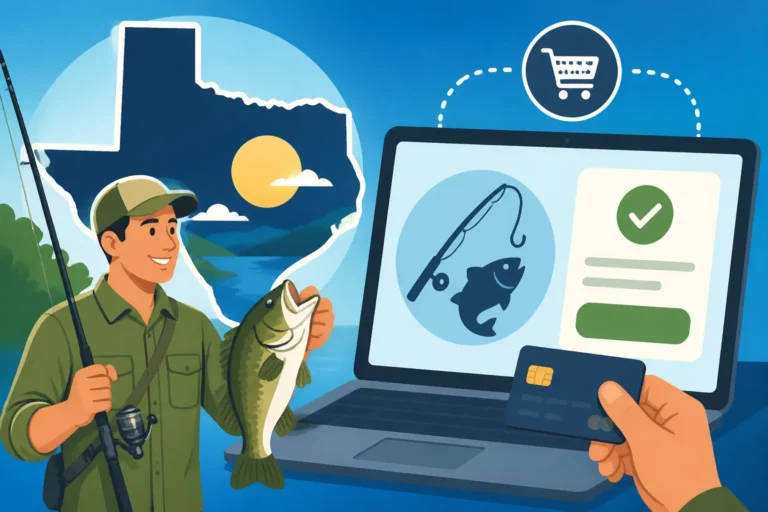
The most popular and often quickest way to secure your Texas fishing license is online through the official Texas Parks and Wildlife Department (TPWD) website. Their system is user-friendly, and you can usually print a temporary license immediately after purchase, which is valid until your official license arrives in the mail. This digital convenience means you can literally buy your license from your phone while sitting at the boat ramp, though it's always smarter to do it beforehand! This method is especially handy for last-minute trips or for those who prefer to handle everything from home. Our detailed guide on How to buy a Texas fishing license online walks you through the entire process step-by-step.
If you prefer a more traditional approach or need to ask a question face-to-face, you can purchase a license in person at over 1,800 retailers across the state. This includes most Academy Sports + Outdoors stores, Bass Pro Shops, marinas, bait and tackle shops, and even some Walmart locations. Just look for locations that sell hunting and fishing licenses. This is a great option if you're already stopping by for bait or other gear, or if you don't have internet access.
Finally, for those who prefer speaking to someone directly, you can purchase your license by phone through the TPWD customer service line. This provides a personal touch and can be helpful if you have specific questions or prefer not to use online portals. No matter which method you choose, the goal is the same: to get you legal and ready to fish.
What You Need to Know Before You Buy
Before you dive into purchasing your license, there are a few essential pieces of information you'll want to have ready. First and foremost, you'll need proof of residency if you're a Texas resident. This typically means a valid Texas driver's license or ID card. For non-residents, a valid ID from your home state will suffice. Don't forget, there are different Texas Resident Fishing License Cost and Texas Nonresident Fishing License Cost, so declaring your correct residency is important.
Another critical detail is understanding the Texas fishing license year. Unlike many state licenses that run for 12 months from the date of purchase, all annual Texas fishing licenses are valid from September 1st through August 31st of the following year. This means if you buy a license in March, it will still expire on August 31st of that same year, not the following March. It's a common point of confusion, so always keep that expiration date in mind. You can find more information about this system in our article, Texas fishing license year explained: why it ends August 31. This unique cycle ensures that all licenses align with the state's biological data collection and regulatory periods.
Displaying Your License and Staying Compliant
Once you've purchased your license, the next step is to ensure you're carrying it correctly while fishing. The law states that you must have your license in your possession while engaged in fishing activities. This doesn't necessarily mean a physical paper copy anymore! Thanks to technology, the TPWD offers a digital option. You can often display your valid Texas fishing license directly on your phone using the official My Texas Hunt Harvest app or by showing a clear photo of your license. This is incredibly convenient and means one less thing to accidentally leave on the kitchen counter. Our guide, Can you show a Texas fishing license on your phone?, provides all the specifics on this.
However, while convenient, ensure your phone is charged! A dead battery won't be an acceptable excuse if a game warden asks to see your license. It's always a good idea to keep a physical copy in your tackle box or boat, just as a backup. Lost your license? Don't panic. You can easily get a replacement online, in person, or over the phone for a small fee. Staying compliant means knowing these rules and being prepared. After all, the last thing you want is a fine for something as simple as not having your license visible.
As you prepare for your next angling adventure, whether you're targeting bass or redfish, remember to grab all the necessary gear. While you can't buy your license on Amazon, it's a fantastic place to stock up on essentials like quality fishing line, new lures, or a reliable pair of polarized sunglasses before you head out. Getting your license sorted first means you can focus on the fun part: picking out your bait and heading to the water!
Disclaimer
Please remember that fishing regulations and license requirements can change. While this guide aims to provide accurate and up-to-date information based on current Texas Parks and Wildlife Department guidelines, it is always your responsibility to verify the latest rules directly with TPWD before fishing. This content is for informational purposes only and should not be considered legal advice.