Guadalupe River trout fishing season
It’s easy to feel a bit lost when you first hear about trout fishing in Texas. After all, the Lone Star State is famous for its scorching summers and big bass, not typically cold-water species like trout. But thanks to some unique geographical features and dedicated conservation efforts, the Guadalupe River offers a truly special, cool-water escape right in the heart of the Texas Hill Country. If you're wondering when the best time is to chase these elusive beauties, this guide will unravel everything you need to know about the Guadalupe River trout fishing season, helping you plan your perfect angling adventure.
Understanding the Guadalupe River's Unique Trout Fishery
Texas might be hot, but the Guadalupe River holds a secret that allows trout to thrive here, making it a bucket-list destination for many anglers. It’s not just a happy accident; it’s a deliberate, and frankly, quite ingenious setup.
Why Trout Thrive in Central Texas
The magic all starts with Canyon Lake. This massive reservoir, formed by damming the Guadalupe River, plays an absolutely critical role. While the lake itself warms up like any other Texas lake, the water released from the bottom of Canyon Dam is consistently cold. We're talking cold, usually in the low 50s Fahrenheit, sometimes even cooler, even when it’s 90 degrees in July. This cold water creates what anglers call a "tailwater fishery" – essentially, a river stretch downstream from a dam that maintains a cold-water environment.
This stretch of the Guadalupe River, particularly from the Canyon Dam release downstream for several miles, stays cool enough year-round for trout to not just survive but often hold over through the summer months. It’s a remarkable ecological niche that provides a stark contrast to the vast majority of Texas rivers and lakes, which are dominated by warm-water species like bass, catfish, and sunfish. For Texans craving a trout fishing experience without traveling out of state, the Guadalupe River is an absolute godsend. It's a testament to how human intervention, when done thoughtfully, can create incredible natural opportunities.
The Annual Trout Stocking Program
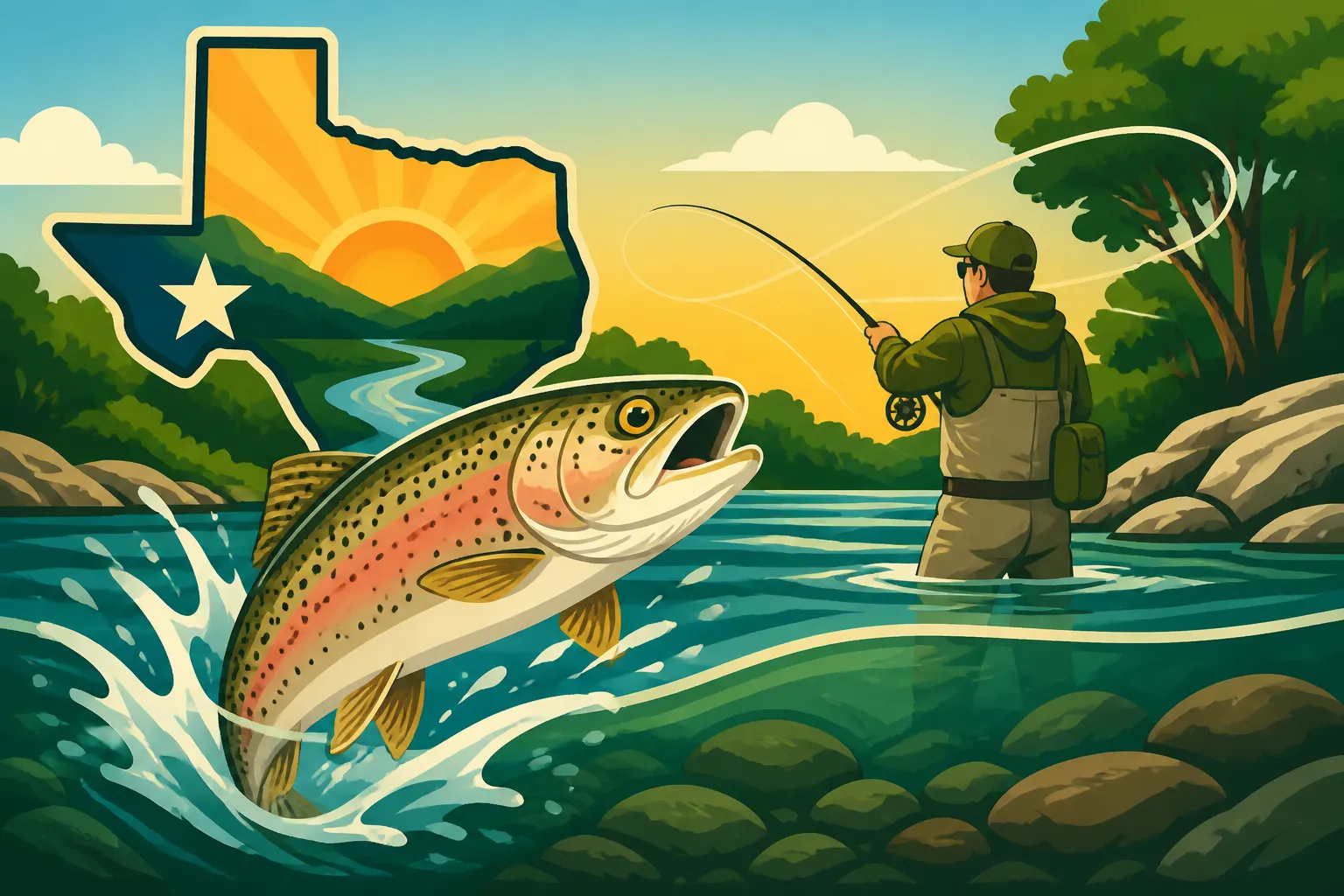
Because Rainbow Trout aren't native to Texas and can't naturally reproduce in the Guadalupe's tailwater (the water is cold enough to survive, but not quite cold enough for natural spawning cycles), their presence is entirely thanks to the Texas Parks and Wildlife Department (TPWD) stocking program. Think of it as a "put-and-take" fishery, though many anglers practice catch-and-release to preserve the larger, older "holdover" trout that survive from previous seasons.
TPWD begins stocking Rainbow Trout annually, typically starting in late November or early December, and continues through early March. These are usually healthy, feisty catchable-sized trout, often ranging from 8 to 12 inches, though larger ones are occasionally mixed in. The goal is to provide ample opportunity for anglers to enjoy a unique fishing experience during the cooler months. Without this dedicated stocking effort, the Guadalupe River wouldn’t be the premier trout fishery it is today. It’s a huge undertaking that brings a little bit of mountain stream charm right into the heart of Texas.
Pinpointing the Guadalupe River Trout Fishing Season
Knowing that trout are stocked is one thing, but knowing when to go is the real secret to a successful trip. The "season" isn't a fixed calendar date but rather a window dictated by water temperatures and stocking schedules.
The Official Stocking Schedule and Peak Season
The primary and most reliable trout fishing season on the Guadalupe River generally runs from November through early March. This is when the TPWD is actively stocking Rainbow Trout, ensuring a fresh supply of fish for anglers. The cooler ambient temperatures during these months keep the river water at optimal levels for trout activity.
To get the most up-to-date information, your best bet is always to check the official TPWD stocking schedule on their website. They provide precise dates and locations for each stocking event, which can be invaluable for planning. Imagine knowing exactly when and where a fresh batch of trout is being released – it's like getting an insider tip! Typically, the river sees several stockings throughout this window, often spaced a few weeks apart, ensuring continuous opportunities. The period immediately following a stocking event can be incredibly productive, as the fish are often disoriented and eager to bite.
If you’re keen on maximizing your chances, consider hiring a local guide. They often have the latest intelligence on stocking dates and the best spots. Services like FishingBooker are fantastic for connecting with experienced local guides who know the Guadalupe River intimately and can put you on the fish, even if you're unfamiliar with the area. They'll know the nuances of the river that a casual visitor might miss.
Factors Influencing Season Length and Success
While November to March is the general rule, Mother Nature always has the final say. Several factors can influence the exact length and success of the trout season.
Firstly, water temperature is paramount. Even with cold water releases from Canyon Dam, a prolonged stretch of unusually warm weather, especially towards the end of winter or early spring, can cause the river's temperature to rise above comfortable levels for trout. If the water gets too warm, the trout become stressed, less active, and are more likely to die off. This can effectively shorten the "fishable" season for freshly stocked trout. Conversely, a long, cool winter can extend the period when trout thrive.
Secondly, water flow and dam releases from Canyon Lake can drastically impact fishing conditions. TPWD aims to maintain stable flows, but releases can fluctuate based on rainfall and reservoir management. High flows can make wading dangerous and spread fish out, while extremely low flows can concentrate fish but also make them more susceptible to predation and higher water temperatures in shallow areas. Checking the river flow rates before your trip is a smart move, and guides found through FishingBooker can offer real-time advice on current conditions.
Finally, fishing pressure is a big one. The Guadalupe is a popular destination, especially right after stocking events. Weekends can be bustling with anglers. If you prefer a quieter experience, aiming for weekdays or trying less accessible spots can pay off. The early morning hours are almost always a good bet, regardless of the day of the week, as trout are often most active then.
Regulations and Best Practices for Guadalupe River Trout
To ensure a smooth and enjoyable fishing experience while respecting the fishery, it's crucial to understand the rules and adopt best practices.
Essential Licenses and Endorsements
First and foremost, anyone aged 17 or older needs a valid Texas fishing license to fish the Guadalupe River for trout. It's a non-negotiable requirement. On top of that, you'll also need a Freshwater Fishing Endorsement (often referred to as a "stamp"). This endorsement specifically covers fishing for freshwater species like trout.
You can purchase your license and endorsement online through the TPWD website, by phone, or in person at most sporting goods stores like Academy Sports + Outdoors or Walmart. It's really quite easy to get a Texas fishing license. If you're wondering about the specific costs for residents and nonresidents or even the Texas Freshwater-Only License Cost, there are great resources available. Remember, showing up without the proper paperwork can lead to a hefty fine, so it's not worth the risk. Some folks might be exempt, like certain seniors born before a specific date, or during Texas Free Fishing Day, but for most, a license is a must. Always double-check if you qualify for a Texas Senior Fishing License Discount.
Gear, Bait, and Lure Recommendations for Trout
Trout, especially stocked Rainbows, are not particularly picky, but they do respond best to lighter tackle and presentation.
- Rods and Reels: A light to ultralight spinning rod (4-6 foot range) paired with a small spinning reel (size 1000 or 2000) spooled with 4-6 lb test monofilament or fluorocarbon line is ideal. This setup allows for sensitive feel and delicate presentations.
- Baits: For bait fishing, tried-and-true options include Berkley PowerBait (in various colors like "rainbow" or "chartreuse garlic"), canned corn kernels (yes, really!), small worms, or even pieces of shrimp. Use a small hook (size 10-14) with a tiny split shot or a very light slip sinker to allow the bait to drift naturally.
- Lures: Small inline spinners like Rooster Tails or Panther Martins (1/16 oz to 1/8 oz) in silver, gold, or brass colors with a touch of red or yellow are deadly. Small spoons (e.g., Kastmasters) can also be effective.
- Fly Fishing: The Guadalupe River is renowned for its excellent fly-fishing opportunities. Fly anglers often use 3-5 weight fly rods with floating or sink-tip lines. Popular fly patterns include various nymphs (Prince, Pheasant Tail, Hare's Ear), streamers (Woolly Bugger), and dry flies when conditions allow. For more in-depth advice on this, check out our guide on Fly Fishing Techniques for Texas Rivers, and for specific patterns, Best Flies for Guadalupe River Trout.
The key is often stealth and a natural presentation. Trout have good eyesight, especially in clear water, so bright lines or clumsy casting can spook them.
Conservation and Catch Limits
While the Guadalupe is a "put-and-take" fishery, responsible angling means understanding and adhering to the Texas Freshwater Bag Limits by Species. For Rainbow Trout on the Guadalupe River, the daily bag limit is generally 5 fish per person, with no minimum length limit.
However, many seasoned anglers and guides encourage catch-and-release, particularly for the larger "holdover" trout that have survived previous seasons. These fish are valuable to the fishery, providing a challenge for anglers and adding to the river's unique character. If you plan to release fish, handle them gently with wet hands, minimize their time out of the water, and use barbless hooks to reduce injury. This practice ensures that others, and even you on future trips, have the chance to catch these beautiful, larger trout.
Top Fishing Spots and Planning Your Trip
With its picturesque canyons and consistent cold water, the Guadalupe offers numerous access points. Knowing where to go and how to plan can make all the difference for your trout adventure.
Popular Access Points Along the Guadalupe
The stretch of river below Canyon Dam is where you'll find the best trout fishing. Several popular spots offer access, each with its own advantages:
- Canyon Lake Tailrace/Dam Area: Right below the dam, this area offers immediate access to the coldest water. You’ll often find anglers here, especially after a stocking. Access can be a bit tricky depending on private property and specific park rules, so always check signage.
- Guadalupe River State Park: A fantastic resource, offering several miles of river frontage. While further downstream, and thus potentially slightly warmer water, it still holds plenty of trout during peak season, especially after stockings. The park provides excellent public access for bank fishing and wading.
- River Road Access Points: Numerous private campgrounds, resorts, and outfitters along River Road (FM 306) between Canyon Lake and New Braunfels offer access to the river for a fee. Places like Whitewater Sports, Mountain Breeze Camp, and Rio Guadalupe Resort are popular. These often provide amenities like restrooms and easy entry points.
- Wade Fishing vs. Floating: Many anglers prefer to wade fish, moving slowly upstream or downstream, carefully covering pools and runs. Others enjoy floating the river in kayaks, canoes, or rafts, stopping to fish promising spots. Just be mindful of private property rights along the banks if you choose to float.
It’s always a good idea to scout an area online or drive through before committing to a spot. And remember, respecting private property is crucial in Texas; if it’s not clearly public access, assume it’s private.
Finding Guides and Accommodations
For those new to the Guadalupe River or trout fishing in general, or if you simply want to maximize your time on the water, hiring a local fishing guide is an excellent investment. These professionals spend countless hours on the river and understand its intricate nuances – where the fish are holding, what they’re biting on, and how to navigate the ever-changing conditions. They can also provide all the necessary gear, which is a huge plus if you don't own specific trout tackle.
Platforms like FishingBooker are incredibly useful for finding reputable and experienced Guadalupe River trout guides. You can browse different guides, read reviews from other anglers, and book your trip with confidence. A good guide will not only put you on fish but also teach you valuable techniques specific to this unique fishery. It transforms a fishing trip into a learning experience. For more on the specifics of the area, a Guadalupe River Trout Fishing Guide can provide a deeper dive into the hot spots and seasonal strategies.
As for accommodations, the nearby towns of New Braunfels, Sattler, and Gruene offer a range of options from hotels and motels to cabin rentals and charming bed-and-breakfasts. Many of these are just a short drive from the prime fishing stretches, making it easy to get an early start on the water.
Here's a quick overview of the Guadalupe River trout season:
| Feature | Details |
|---|---|
| Primary Season | November through early March |
| Stocking Source | Texas Parks and Wildlife Department (TPWD) |
| Fish Species Stocked | Primarily Rainbow Trout |
| Key Factor | Cold water releases from Canyon Lake Dam are essential for creating the tailwater fishery. |
| Required Licenses | Valid Texas fishing license + Freshwater Fishing Endorsement. |
| Daily Bag Limit | 5 Rainbow Trout (no minimum length limit, but check current TPWD regulations as these can change). |
| Recommended Gear | Light to ultralight spinning gear (4-6 lb line) or 3-5 wt fly rod. |
| Common Baits/Lures | PowerBait, corn, small worms; small inline spinners (Rooster Tail, Panther Martin), small spoons; various nymphs, streamers, dry flies for fly fishing. |
| Best Practices | Check TPWD stocking schedule, monitor river flows and temperatures, practice catch-and-release for holdovers, respect private property, consider hiring a local guide (e.g., via FishingBooker). |
| Nearest Towns/Access | New Braunfels, Sattler, Gruene; Guadalupe River State Park, various private access points along River Road. |
| Special Consideration | This is a unique "put-and-take" cold-water fishery in a warm state; conservation efforts and adherence to regulations ensure its continued enjoyment for all. Early morning and weekdays often offer less crowded conditions. |
Disclaimer
Please remember that fishing regulations, stocking schedules, and river conditions can change. Always consult the official Texas Parks and Wildlife Department (TPWD) website for the most current information before planning your trip. This guide is for informational purposes only and should not be considered a substitute for official regulations.