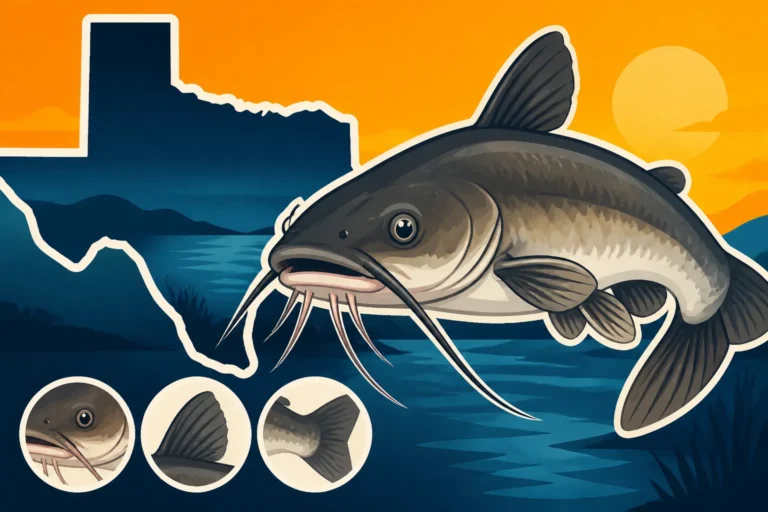
How to tell a redfish from a black drum
Anyone who's spent more than a few minutes fishing the Texas coast knows the thrill of a bending rod, but also the momentary pause when you reel in a drum-like fish and wonder, "Is this a redfish or a black drum?" It's a super common conundrum, especially with how often these two species share the same waters. This guide is here to clear up that confusion once and for all, giving you all the nitty-gritty details you need to confidently identify your catch, whether you're targeting dinner or just enjoying a day on the water.
Why Knowing the Difference is Crucial for Texas Anglers
Let's be honest, beyond just wanting to know what you caught, there are some really practical reasons why distinguishing between a redfish and a black drum is important. Texas has incredibly diverse and rich fisheries, but with that comes a set of regulations designed to protect these resources. Misidentification can lead to keeping a fish that's out of season or outside the legal slot limit, and trust me, nobody wants that kind of headache from a game warden.
Navigating Texas Fishing Regulations
Texas Parks and Wildlife Department (TPWD) has specific rules for nearly every game fish, and redfish and black drum are no exception. Their bag limits and length limits can differ significantly. For example, redfish often have a much tighter slot limit and a lower daily bag limit than black drum. Imagine catching a beautiful 25-inch fish, thinking it's a black drum, only to find out it was an oversized redfish when you get back to the dock. That's a ticket waiting to happen! Knowing these distinctions ensures you stay within the legal framework and do your part to conserve our precious fish populations. Always check the latest Texas Saltwater Fishing Regulations before heading out.
Culinary Considerations
Beyond regulations, let's talk about the dinner plate. While both are excellent table fare, many anglers have a strong preference, and for good reason. Redfish, especially those in the slot, are renowned for their firm, flaky white meat and mild flavor. They're incredibly versatile in the kitchen. Black drum, particularly the smaller "puppy drum" (not to be confused with red drum pups), are also delicious, but larger black drum can develop a coarser texture and sometimes harbor parasitic worms, which, while harmless if cooked properly, can be a turn-off for some. Knowing which one you've got means you can make an informed decision about what to keep for your next meal or release to fight another day.
Dissecting the Visual Differences: Redfish vs. Black Drum
Alright, let's get down to brass tacks. These fish look similar at a glance, especially if they're thrashing around in your net. But once you get a good look, there are several key characteristics that will help you tell them apart every single time. It's like learning the difference between a cardinal and a robin – once you know what to look for, it's easy!
Spotting the "Spot": The Redfish's Signature Mark
The absolute easiest way to identify a redfish (also known as a red drum) is by its tail spot, or spots.
The Iconic Tail Spot
Redfish, almost without exception, will have at least one prominent, dark spot, often black, on the upper part of their tail (caudal fin) base. This spot is usually quite distinct and resembles an eye. It's a natural defense mechanism, believed to confuse predators into thinking the fish is looking in a different direction. While one spot is most common, some redfish can have multiple spots – two, three, four, or even dozens clustered along their tail and body! I've even seen "leopard reds" that are just covered in spots. But that one defining spot on the tail is usually present. If you catch a fish that looks like a drum and has a spot on its tail, it's almost certainly a redfish.
Body Coloration
Redfish typically boast a beautiful coppery-bronze to reddish-brown coloration on their backs, fading to a lighter, often pearly white on their bellies. The intensity of the red hue can vary greatly depending on their habitat. Fish caught in clearer, shallower water with sandy bottoms might be lighter and more golden, while those from muddier bays or marsh systems might be a deeper, darker bronze or even almost purple. This rich, metallic sheen is quite distinctive. Texas Redfish Fishing Guide goes into more detail about their appearance and habits.
Black Drum's Defining Features: Barbels and Stripes
Black drum, on the other hand, lack the prominent tail spot and have their own unique set of identifiers. They're built a bit more stoutly and have some very interesting facial features.
Chin Barbels
The most tell-tale sign of a black drum, aside from the absence of a tail spot, is the presence of several whisker-like barbels under their chin. These barbels are sensory organs, and the drum uses them to feel around the bottom for food like oysters, clams, and crabs. They look a bit like a goatee or a series of short, fleshy tentacles. You won't find these barbels on a redfish. Seriously, once you see them, you can't unsee them, and they are a dead giveaway.
Color and Pattern
Black drum tend to be a darker, more uniform gray or silvery-gray, often with a darker, almost black, back that fades to a white belly. Younger black drum, often called "puppy drum" (which, confusingly, can also refer to smaller red drum), have a very distinct pattern of four or five dark vertical bars on their sides. These bars are quite pronounced and look like stripes. As black drum grow larger, these vertical bars tend to fade, and older, bigger fish can be a very dark, almost solid charcoal gray or even black, sometimes with a purplish or brownish tint. These larger, older fish are often referred to as "bull drum." For a deeper dive, check out Texas Black Drum Fishing Guide.
Mouth Shape and Scale Differences
Beyond spots, barbels, and color, take a moment to look at their mouths and scales. These features really highlight their different feeding habits.
Redfish Mouth
Redfish have a slightly underslung mouth, meaning their upper jaw extends a bit beyond the lower jaw. Their mouth is also somewhat downturned, adapted for rooting around on the bottom and sucking up crustaceans and small fish. They have small, pavement-like teeth suited for crushing shells. If you're using a topwater lure, you'll see a redfish aggressively slash at it, but their mouth shape is built for foraging.
Black Drum Mouth
Black drum have a distinctly downturned mouth, positioned almost directly on the underside of their head. This "sucker-like" mouth is perfectly designed for vacuuming up mollusks, crabs, and worms from the bottom. They also possess powerful pharyngeal (throat) teeth, which they use to crush the shells of oysters and clams. You can often hear a distinct "grinding" sound if you hold a black drum and they're chewing their dinner!
Scales and Body Shape
Redfish tend to have larger, more uniform scales and a slightly more streamlined, torpedo-shaped body, built for speed and chasing prey in open water. Black drum, on the other hand, have smaller, rougher scales and a deeper, more robust, almost hump-backed body profile, particularly as they get larger. They're built for power and rooting around structure, not necessarily for long, fast chases.
Here's a quick comparison table to help summarize the key differences:
| Feature | Redfish (Red Drum) | Black Drum |
|---|---|---|
| Tail Spot(s) | Almost always 1+ prominent dark spot(s) on tail | Never has tail spots |
| Chin Barbels | Absent (no whiskers) | Present (multiple whisker-like feelers) |
| Body Color | Coppery-bronze to reddish-brown; white belly | Silvery-gray to dark gray/black; white belly |
| Body Stripes | Generally no vertical stripes (juveniles may have faint bands) | Juveniles have distinct dark vertical bars; fade with age |
| Mouth Position | Slightly underslung, downturned | Distinctly downturned, sucker-like |
| Scales | Larger, smoother | Smaller, rougher |
| Body Shape | More streamlined, torpedo-shaped | Deeper body, often hump-backed (especially large fish) |
| Pectoral Fins | Often reddish tint | Usually clear or dusky |
Habitat and Behavior Clues
Sometimes, where and how you catch a fish can offer additional hints about its identity, even before you get it in your hands. While there's a lot of overlap, subtle differences in habitat preferences and behavior can tip you off.
Where Redfish Like to Hang Out
Redfish are incredibly adaptable and can be found in a wide variety of saltwater habitats along the Texas coast. They love shallow water, especially grassy flats, oyster reefs, and around mangroves and marsh edges. They're often spotted "tailing" in super shallow water, with their tails breaking the surface as they root for crabs and shrimp. How to Wade Fish for Redfish in Texas is all about targeting them in these environments. You'll also find them in deeper channels, around jetties, and in guts, especially when the weather cools. They're often cruising or actively feeding in the water column or just above the bottom.
Black Drum's Preferred Haunts
Black drum are more bottom-oriented feeders. They absolutely love oyster reefs, muddy bottoms, and areas with lots of structure where mollusks and crustaceans thrive. You'll often find them schooled up in deeper channels, around bridge pilings, jetties, and near passes, especially in winter. They're less likely to be seen "tailing" in inches of water unless it's a really unique feeding situation. Their strong pharyngeal teeth are made for crushing, so anywhere there's shellfish, you can expect to find black drum. They're pretty common catches off piers and jetties, especially when using natural baits like cracked crab or shrimp on the bottom.
Feeding Habits and How They Influence Your Catch
Think about what bait you're using and how you're presenting it. This can often hint at which species you're likely to hook.
Redfish as Opportunistic Hunters
Redfish are opportunistic predators. While they'll gladly suck up a shrimp or crab off the bottom, they're also keen on chasing down baitfish. This is why artificial lures like spoons, soft plastics (like a MirrOlure Lil' John or a Z-Man PaddlerZ), and topwater plugs are so effective for them. If you're casting a lure and getting strikes, there's a good chance it's a redfish actively hunting. Best Bait and Lures for Texas Fishing offers a broader look at effective baits for various species.
Black Drum as Bottom Foragers
Black drum are classic bottom feeders. They're not typically chasing down fast-moving lures. Your best bet for black drum is a dead shrimp, a piece of cracked crab, or even a section of cut mullet, fished directly on the bottom with a Carolina rig or a heavy drop shot. If you're fishing these baits in deeper holes or near structure and getting bites that feel like a subtle tug or a slow pull, it's very often a black drum.
Common Confusion and Quick Identification Tips
Even with all this information, sometimes the fish just isn't cooperating, or it's a murky day, or you're just learning. It happens! Let's address some common points of confusion and offer some final quick tips.
"Puppy Drum" Confusion
This is perhaps the biggest culprit for misidentification. Both redfish and black drum are sometimes referred to as "puppy drum" when they're small.
- Small Redfish: Juvenile redfish (under about 18 inches) have their signature tail spot(s) and reddish tint. They are often caught in the same shallow bay systems as small black drum.
- Small Black Drum: Juvenile black drum (also called "puppy drum") will have those distinct vertical bars and the chin barbels, but no tail spot. Their color will be more silvery-gray.
So, if it's small and striped, check for barbels and no tail spot – that's your black drum. If it's small, reddish, and has a tail spot, it's a redfish.
Visibility Challenges and Gear for Identification
Sometimes, the water is muddy, or the light isn't great. This is where good gear can make a difference.
- Polarized Sunglasses: Seriously, invest in a good pair of polarized sunglasses. They cut glare off the water, allowing you to see deeper and often distinguish features on a fish before you even net it. You can find excellent options on Amazon.
- Fish ID App/Book: A waterproof fish identification chart or app on your phone can be a lifesaver. Keep it handy on your boat or in your tackle box. Many detailed guides are available, even on platforms like Amazon, that specifically highlight the features we've discussed.
The Grunt Test
Here's a fun one: black drum are known for their ability to make a distinct "drumming" or "grunting" sound. They do this by vibrating muscles against their swim bladder, often when they're stressed or out of the water. Redfish can also make a drumming sound, but it's usually less pronounced and less frequent than a black drum's. If you land a fish and it's making a loud, guttural grunting sound, it's very likely a black drum.
By keeping these characteristics in mind – especially the presence of barbels on a black drum and the tell-tale tail spot(s) on a redfish – you'll be able to confidently identify your catch on the Texas coast. It's all part of the fun and responsibility of being an angler in our amazing state! Now go out there and fish smart!
Disclaimer
This article is for general informational purposes only and does not constitute professional advice. Laws, prices and regulations vary by location and change over time. Consult a qualified professional for guidance on your specific situation.