Texas Paddlefish Status and Rules
For many Texas anglers, the image of a massive paddlefish, with its distinctive, elongated paddle-like snout, is something straight out of a history book or a distant dream. There's a real frustration when you hear about these incredible, ancient fish but have no idea if they even exist in our state anymore, or what the heck you're supposed to do if you ever did encounter one. This guide is here to cut through the confusion and give you the definitive lowdown on the Texas paddlefish, its current status, and the rules surrounding this remarkable species.
The Enigma of the Paddlefish: A Living Fossil
Paddlefish are truly one of a kind. Often called "spoonbill" catfish, though they're not actually catfish, these magnificent creatures look like they swam right out of the dinosaur age. They are filter feeders, cruising open waters with their huge mouths agape, sifting plankton and tiny invertebrates from the water column. Unlike many of the more aggressive predatory fish we chase in Texas, the paddlefish lives a surprisingly serene existence, if a large, ancient fish can be described as serene.
Unique Physical Characteristics
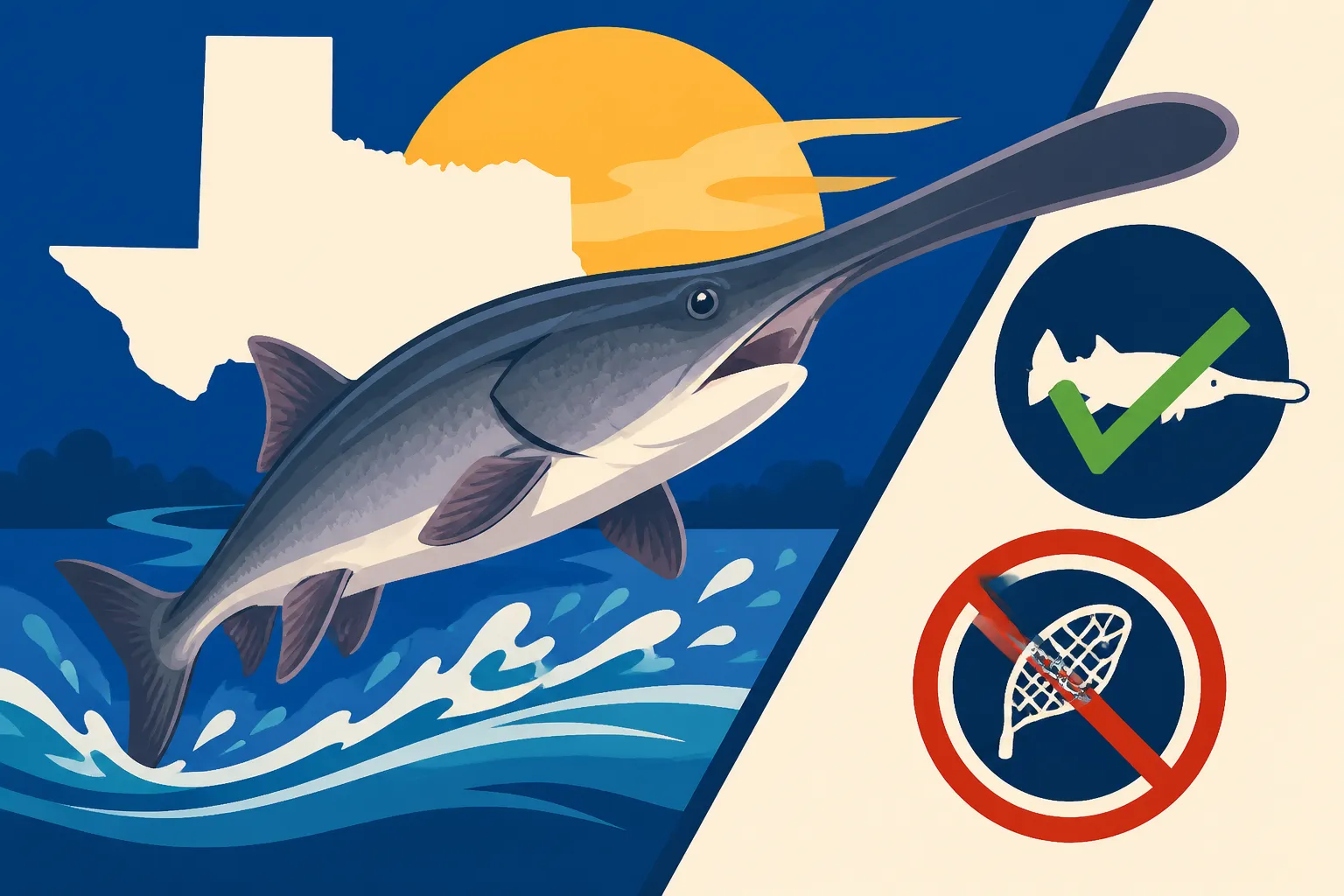
The most striking feature of the paddlefish, hands down, is its rostrum – that long, flattened, paddle-like snout. It's not just for show; this "paddle" is packed with electroreceptors that help the fish detect weak electrical fields, making it incredibly adept at finding its planktonic meals even in murky water. Imagine trying to navigate a dark room just by sensing subtle energy shifts around you – that's what this fish does. Their bodies are smooth, almost shark-like, lacking the scales found on most fish, giving them a sleek, prehistoric appearance. They can grow to incredible sizes, easily surpassing five feet in length and weighing well over 100 pounds. Finding a net on Amazon that could handle one of these giants would be a challenge!
Natural Habitat and Diet
Historically, paddlefish thrived in large, slow-moving rivers and associated oxbow lakes, feeding predominantly on zooplankton. Think of the vast river systems of the central United States, like the Mississippi and its major tributaries, including parts of the Red River system that borders Texas. They need expansive, interconnected waterways to migrate for spawning, often traveling long distances upstream to find suitable gravel bars. The health of a paddlefish population is often a strong indicator of the overall health of a large river ecosystem, reflecting the presence of ample plankton and unobstructed migratory routes. Their reliance on these specific conditions makes them particularly vulnerable to habitat changes.
Paddlefish vs. Other Texas Fish
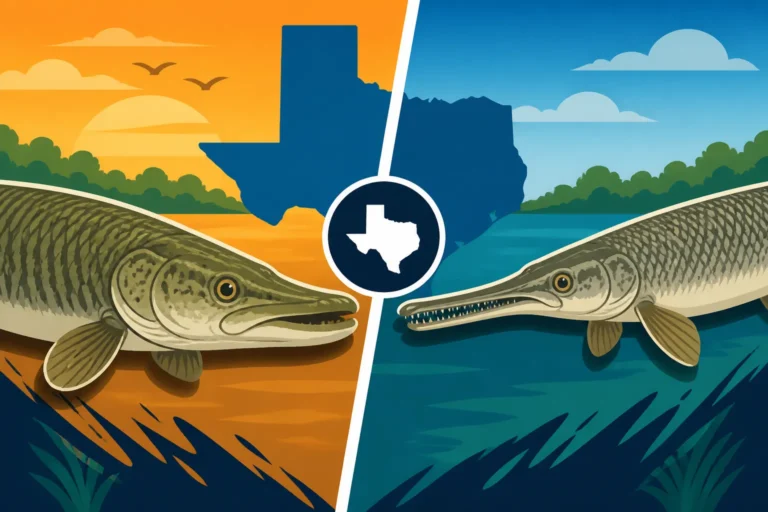
While their size and general body shape might initially bring to mind other large Texas fish, paddlefish are in a league of their own. They're often confused with the various gar species, particularly the Texas Alligator Gar Fishing Guide, due to their elongated bodies and ancient look. However, gar have bony plates and a mouth full of formidable teeth, clearly designed for predation, while the paddlefish is a filter feeder with a cartilaginous skeleton and no teeth to speak of. They also share waterways with various Texas Catfish Species Guide, which, like paddlefish, often inhabit the deeper, muddier sections of rivers. But again, the paddlefish's unique rostrum and filter-feeding mouth set it apart from any other species you'll encounter in Texas waters. They are truly unique, making them a marvel to behold, even if it's only in pictures.
A Glimpse into History: Paddlefish in Texas
It's hard for many modern anglers to imagine, but there was a time when paddlefish were a natural part of the aquatic landscape in certain regions of Texas. They were never as widespread as, say, largemouth bass, but they held their own in the right conditions. Their presence speaks to a past era of immense, free-flowing rivers before extensive damming and other human impacts fundamentally altered our waterways.
Native Range in Texas Waters
Historical records and fossil evidence indicate that paddlefish were native to the Red River basin and its associated tributaries within Texas. This included areas along the northern border, where the Red River forms a natural boundary with Oklahoma, and perhaps even some of the larger feeder streams that eventually flowed into it. These were the grand, untamed rivers with plenty of deep channels, slow currents, and seasonal flooding that created the perfect habitat for these plankton-eating giants. Back then, catching a paddlefish, though rare, wasn't an impossibility for an angler fortunate enough to be in the right place at the right time.
Factors Leading to Extirpation
The sad truth is that paddlefish disappeared from Texas waters primarily due to human activity. The construction of numerous dams across the Red River and its major tributaries was a huge blow. Dams fragment rivers, blocking the long migratory routes paddlefish need to reach their spawning grounds. They also alter water flow and temperature, disrupting the plankton blooms that are essential for their survival. Furthermore, extensive commercial fishing in the late 19th and early 20th centuries, particularly for their valuable roe (caviar), also put immense pressure on populations across their entire range. It's a classic story of habitat loss and overexploitation contributing to a species' decline. This kind of impact is a stark reminder of why we have Texas Freshwater Fishing Regulations and conservation efforts in place today.
Echoes of a Bygone Era: Angler Stories
While modern sightings in Texas are virtually non-existent, some older generations of anglers or historians might recall tales of paddlefish being caught or observed. These stories, though increasingly rare, serve as a poignant reminder of what once was. Imagine reeling in a fish that's over five feet long, not a gar or a massive blue catfish, but a smooth-skinned, long-nosed paddlefish! It must have been an incredible experience, a true testament to the wildness of those earlier Texas rivers. Such tales underscore the importance of understanding the history of our waterways and the species that once called them home.
Current Status: Officially Extirpated in Texas
Let's get straight to it: the Texas paddlefish is currently listed as "extirpated" within the state. This isn't the same as "extinct" globally, but it means that the species no longer exists in its wild native range within Texas. It's a somber classification, reflecting the significant changes our aquatic environments have undergone over the last century.
Official Classification by TPWD and Federal Agencies
The Texas Parks and Wildlife Department (TPWD) officially classifies the paddlefish (Polyodon spathula) as extirpated in Texas. This means that while populations may still exist in other states within its broader North American range, it has been eradicated from its historical habitats within Texas's borders. Federally, the species is not listed as endangered or threatened across its entire range, but many states where it does still exist have their own protections due to localized declines. This dual layer of classification highlights the importance of state-level conservation efforts, even for species that might be doing better elsewhere. Understanding these distinctions is crucial for anyone interested in Which Texas fish species can you not keep.
Defining "Extirpated" in a State Context
When a species is "extirpated" from a particular region, it means that the local population has been completely wiped out, even if the species continues to thrive elsewhere. Think of it like a local branch of a family tree that has ended, while other branches still flourish in different towns. For Texas, this means there are no naturally reproducing wild paddlefish populations within its borders. Any paddlefish seen would likely be a rare stray from an upstream state or an illegally stocked fish, neither of which constitutes a viable, native population.
Why the Strict Protection
Given their extirpated status, any encounter with a paddlefish in Texas is incredibly rare and legally sensitive. The strict regulations against possessing or harvesting these fish are in place for a few critical reasons. First, it prevents any potential harm to individuals that might stray into Texas from healthier populations in neighboring states. Second, it maintains the scientific integrity of Texas's conservation efforts, ensuring that if any future reintroduction efforts were considered, they wouldn't be undermined by unauthorized takes. Finally, it sends a clear message about the value of these unique, ancient fish and the importance of respecting their protected status. It's a reminder that conservation isn't just about protecting what's abundant, but also about recognizing and mourning what we've lost, and preserving any glimmer of hope for its return.
The Role of Texas Parks and Wildlife in Conservation
Even for an extirpated species, the Texas Parks and Wildlife Department plays a vital role in understanding the past, monitoring the present, and informing potential future actions. Their work ranges from ecological research to public education, ensuring that the legacy of the paddlefish, and the reasons for its disappearance, are not forgotten.
Monitoring Historical Habitats
While no active paddlefish populations are known in Texas, TPWD biologists maintain vigilance over the state's major river systems, especially those historically inhabited by paddlefish. This monitoring isn't necessarily about spotting paddlefish directly, but rather about assessing habitat health. They look for signs of improving water quality, restored flow regimes, and the overall ecological conditions that could potentially support paddlefish should they ever naturally reappear or be considered for reintroduction. This includes ongoing studies of aquatic invertebrates and fish communities that would form the base of the paddlefish food chain. Tools like advanced sonar and electrofishing gear, which can be found through suppliers on Amazon for research purposes, are invaluable in these ongoing assessments.
Interstate Collaboration for Conservation
Fish don't respect state lines, and river systems are shared resources. TPWD actively collaborates with wildlife agencies in neighboring states, particularly Oklahoma and Louisiana, where paddlefish populations still exist. This collaboration is crucial for several reasons:
- Information Sharing: Understanding population dynamics, spawning success, and conservation strategies in adjacent states provides valuable insights for Texas.
- Preventing Poaching: Coordinated enforcement efforts can help prevent illegal harvest or transport of paddlefish across state borders.
- Potential for Natural Recolonization: If upstream populations are healthy enough and migration routes were ever restored, paddlefish could theoretically move back into Texas waters. Knowing the health of those upstream populations is key.
- Reintroduction Discussions: Any future discussions about reintroducing paddlefish to Texas would absolutely require strong interstate partnerships and shared scientific understanding. This cooperation is vital to protecting the integrity of regional fish stocks.
Public Education and Awareness
Perhaps one of TPWD's most important roles is educating the public about the paddlefish and its extirpated status. Many anglers might not even know paddlefish once lived here, or they might mistake another large fish, like a gar, for one. Educational materials, online resources, and outreach programs help inform Texans about:
- Species Identification: How to correctly identify a paddlefish if encountered.
- Conservation History: The story of why paddlefish disappeared from Texas.
- Regulations: The strict rules against catching or possessing them.
- Ecological Importance: Why these filter feeders are significant to river health.
This awareness is crucial because an informed public is the best first line of defense in conservation, helping to report unusual sightings and adhere to regulations.
Rules and Regulations: What Anglers Need to Know
This is where it gets critical for anyone casting a line in Texas. The rules around paddlefish are very clear: you cannot legally target or keep them. Understanding these regulations is paramount for any responsible angler to avoid serious legal trouble. These rules are as important to follow as knowing the proper Texas Fishing License Requirements Explained.
The Absolute Prohibition: Catch and Release Only (If Encountered)
Let's be absolutely clear: it is illegal to catch, possess, or harvest paddlefish in Texas. If, by some incredibly rare chance, you accidentally hook one while fishing in Texas waters, the law requires you to immediately release it unharmed. This isn't a suggestion; it's a non-negotiable legal requirement. You cannot take photos that delay release, you cannot bring it into your boat, and you certainly cannot take it home. The priority is the immediate and safe return of the fish to the water. Think of it like accidentally catching a protected bird – you release it immediately.
Accidental Capture Protocols
While an accidental paddlefish catch is exceedingly rare, it’s best to be prepared. If you find yourself in this unique situation, here's what to do:
- Do Not Bring it Ashore or into Your Boat: Keep the fish in the water as much as possible.
- Minimize Handling: Use long-nose pliers or a dehooking tool to remove the hook quickly. If the hook is deeply embedded, cut the line as close to the hook as possible. Don't try to rip it out.
- Support its Body: If you must handle the fish, support its entire body horizontally. Do not hold it vertically by the head or tail, as its large size can cause internal injury.
- Immediate Release: Gently guide the fish until it swims away on its own power.
- Report the Sighting (Optional but Encouraged): While not legally required for an immediate release, contacting TPWD to report the location, date, and any details (like a photo in the water before release) can be valuable for their monitoring efforts. This helps them track potential stray individuals.
It's a lot like handling a protected fish from Which Texas fish species can you not keep, only with even more urgency due to its extirpated status.
Penalties for Illegal Possession
Breaking these rules carries significant consequences. Illegally possessing or harvesting a paddlefish in Texas can result in hefty fines, loss of fishing privileges, and potentially even jail time, depending on the specifics of the offense. These penalties are designed to deter any actions that could harm such a vulnerable and ecologically important species. Fishing without a license itself can incur Penalties for Fishing Without a Texas License, but illegally taking a protected species goes well beyond that in severity. The state takes its conservation laws very seriously, and ignorance of the law is generally not considered an excuse. Always err on the side of caution when dealing with rare or protected species.
The Hope for Tomorrow: Potential Reintroduction Efforts
Despite their extirpated status, the story of the Texas paddlefish isn't necessarily over. Conservation efforts in other states have shown that with careful planning and significant investment, reintroduction can sometimes be successful. The dream of paddlefish once again filtering the waters of Texas rivers, however distant, remains a topic of scientific interest.
Feasibility Studies and Challenges
Reintroducing a species like the paddlefish is an incredibly complex undertaking. It's not as simple as just dumping a bunch of fish into a river. Extensive feasibility studies would need to be conducted, assessing critical factors like:
- Habitat Suitability: Are the historical habitats now capable of supporting a viable paddlefish population? This includes water quality, flow regimes, and the abundance of zooplankton.
- Migration Routes: Are there still unobstructed pathways for them to migrate to spawning grounds? Dams are a major challenge here.
- Source Populations: Are there healthy, genetically diverse paddlefish populations in other states that could serve as a source for reintroduction?
- Public Support: Would there be public and political will to support such a long-term and potentially costly project?
- Genetic Considerations: Ensuring that any introduced fish are genetically compatible with historical Texas populations is crucial.
These studies are lengthy and expensive, requiring significant scientific expertise and commitment. It's not just about getting the fish back, it's about making sure they can thrive for generations to come.
Success Stories from Other States
Texas can look to other states for inspiration. Several states, notably Missouri and Oklahoma, have had successful paddlefish reintroduction and management programs. Oklahoma, for instance, maintains a vibrant paddlefish fishery, demonstrating that with careful stocking, habitat management, and strict regulations, these fish can indeed make a comeback. These successes often involve hatcheries, where paddlefish are raised and then released into suitable waters. Learning from these programs, understanding their methodologies, and identifying pitfalls are all crucial steps for Texas if reintroduction is ever to move beyond discussion. The success stories offer a blueprint, but also highlight the immense dedication required.
The Future of Paddlefish in Texas
What does the future hold for paddlefish in Texas? It's a complex question with no easy answers. While there are currently no active reintroduction programs, the ongoing work by TPWD to monitor river health and collaborate with other states keeps the possibility alive. Advances in dam modification, fish passage technologies, and continued improvements in water quality could, over many decades, create a more welcoming environment for this ancient species.
For now, the focus remains on understanding and protecting what we have. But the idea of paddlefish once again swimming in Texas rivers is a powerful reminder of the importance of conservation and a testament to the resilience of nature when given a chance. Imagine the day when anglers might be able to visit Best Places to Fish in Texas and actually have a chance, however slim, to spot one of these incredible fish. It’s a distant dream, but one worth nurturing. The tools and knowledge for potential future efforts are constantly evolving, from specialized sonar for tracking fish movements to filtration systems for maintaining hatchery health, many of which are available globally through retailers like Amazon.
| Aspect | Texas Paddlefish Current Status | General Status in Other States (e.g., OK, MO) | Implications for Anglers in Texas |
|---|---|---|---|
| Official Listing | Extirpated | Managed, Protected, or Open Season (with limits) | Illegal to target, possess, or harvest. |
| Population | None (wild, native populations) | Stable to recovering in specific regions | Any sighting is extremely rare. |
| Conservation | Monitoring historical habitats, interstate collaboration | Active management, stocking, harvest regulations | Strict catch-and-release if accidentally caught. |
| Future Outlook | Potential for future reintroduction efforts (long-term) | Continued management and conservation efforts | Do not interfere with any potential natural or managed recolonization. |
Internal Links to Explore Further
- Texas Alligator Gar Size and Growth
- Texas Catfish Species Guide
- Texas Crappie Fishing Guide
- Texas Freshwater Fishing Regulations
- Penalties for Fishing Without a Texas License
- Texas Longnose Gar vs Alligator Gar
- Is it legal to keep an alligator gar in Texas
- How to find TPWD stocking reports for Texas lakes
- Which Texas fish species can you not keep
- Texas fishing license requirements explained
- Best Places to Fish in Texas
Disclaimer
This article is for general informational purposes only and does not constitute professional advice. Laws, prices and regulations vary by location and change over time. Consult a qualified professional for guidance on your specific situation.