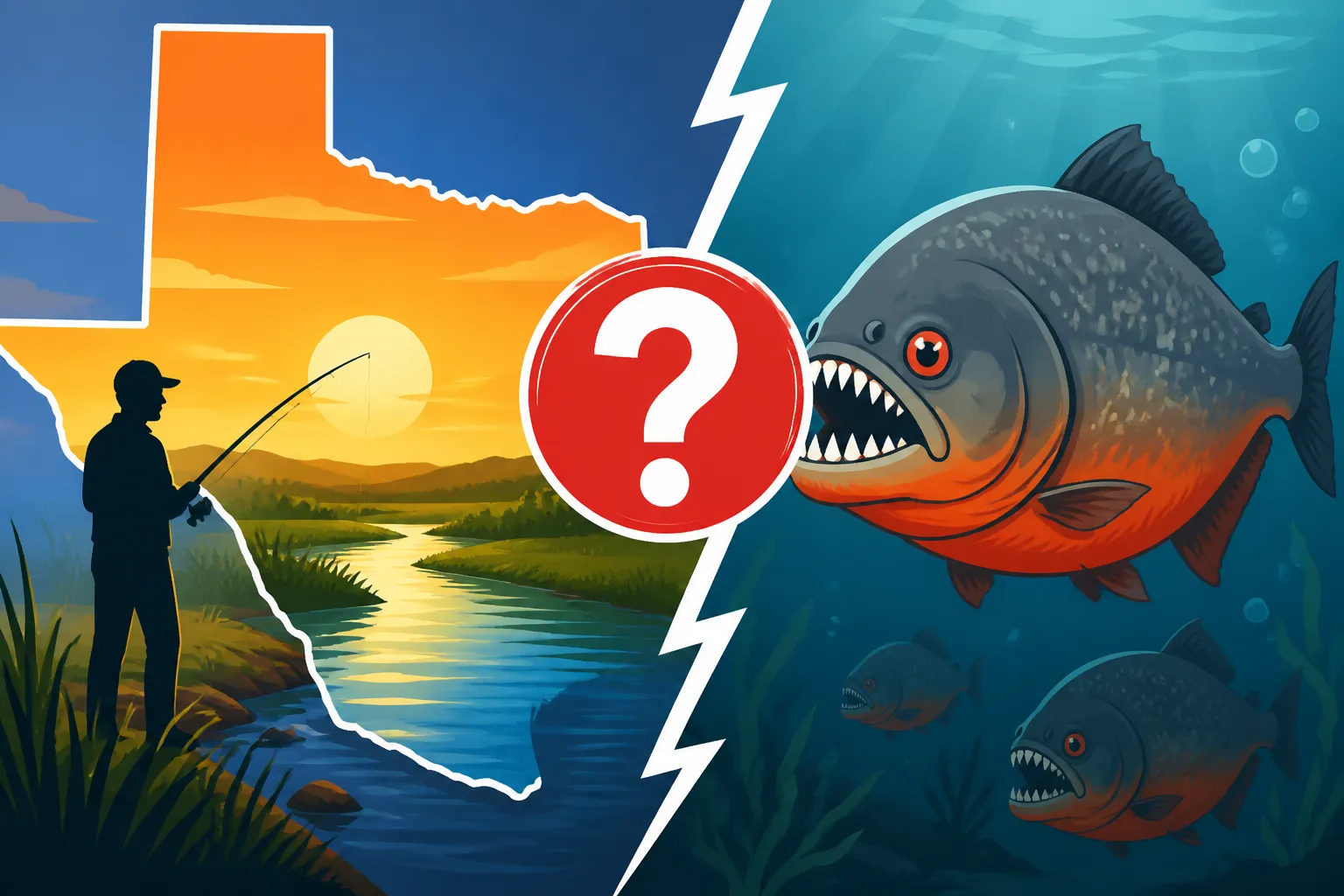
Are piranha found in Texas waters
It's a question that often pops up in conversations among Texas anglers, sometimes with a chuckle, sometimes with a genuine shiver: "Are there really piranhas in our Texas waters?" The image of these sharp-toothed fish often comes from Hollywood movies or sensationalized stories, making it easy to imagine them lurking in our favorite lakes and rivers. This guide is here to cut through the myths and provide a clear, realistic look at whether these notorious fish actually swim in the diverse aquatic environments of our great state.
Understanding Piranhas: The Real Story vs. the Myth
When most people think of piranhas, they conjure up images of a frenzied feeding attack, stripping a carcass to bones in seconds. This vivid picture, while dramatic, is largely a product of fiction and misunderstanding. It's important to separate the Hollywood hype from the biological reality to understand why the idea of piranhas in Texas sparks such widespread curiosity and concern.
What Exactly is a Piranha?
Piranhas are a type of freshwater fish native to South American rivers, particularly the Amazon basin. There are actually many species of piranhas, and not all of them are the aggressive, flesh-eating predators often depicted. The most famous, and the one most commonly associated with these fearsome traits, is the red-bellied piranha. These fish are characterized by their distinctive, sharp, interlocking teeth, powerful jaws, and often a reddish hue on their underside, hence the name. They typically grow to about 6 to 10 inches in length, though some species can get larger.
Their diet, even for the more carnivorous species, usually consists of other fish, insects, crustaceans, and carrion. While they can bite and certainly have formidable teeth, unprovoked attacks on humans leading to serious injury are exceedingly rare in their native habitat. They are opportunistic feeders, often schooling for protection and efficiency, but their role in the ecosystem is complex, acting as scavengers and predators that help maintain the health of their aquatic environment. Understanding their true nature is the first step in dispelling the myths that might make one worry about them showing up in a Texas lake.
Why the Fear and Misconception?
The intense fear surrounding piranhas can largely be traced back to exaggerated tales and dramatic portrayals in popular culture. Movies, books, and even some sensationalized documentaries have cemented an image of piranhas as unstoppable, bloodthirsty monsters. President Theodore Roosevelt's account of a piranha attack in Brazil in the early 20th century, though likely dramatized, significantly contributed to this narrative in the Western world. He described a feeding frenzy that stripped a cow to bone, but what he might not have fully conveyed was that the fish were likely trapped in a small, isolated pool during a drought and starved, making them exceptionally aggressive.
This kind of storytelling has a powerful impact, leading many to believe that any body of water potentially housing a piranha is a death trap. This misconception is not unique to piranhas; many wild animals suffer from similar misrepresentations. When you hear a story about a piranha in a local lake, it often triggers this ingrained fear, leading to panic or widespread speculation, even if the evidence is scarce or misleading. It's a natural human reaction to fear the unknown and the seemingly dangerous, but it's crucial to rely on factual information, especially when it comes to the safety of our cherished fishing spots.
Piranhas and Texas: Are They a Native Species?
Let's get straight to the point: piranhas are absolutely not native to Texas waters. Their natural range is thousands of miles away in South America. The vast majority of what you'll find swimming in our lakes, rivers, and coastal areas are species perfectly adapted to our unique Texas ecosystems, and these do not include piranhas.
The Native Species of Texas Waters
Texas boasts an incredible diversity of native and established fish species that make our waterways fantastic places to fish. From the mighty Texas Largemouth Bass Fishing Guide that makes Lake Fork famous to the whiskered Texas Catfish Species Guide patrolling the depths of Lake Livingston, our waters are teeming with familiar and exciting fish. We have robust populations of Texas Crappie Fishing Guide, white bass, sunfish, and even formidable Texas Alligator Gar Fishing Guide, a prehistoric native predator that truly earns its fearsome reputation.
These species are part of a delicate balance, supported by specific food webs and environmental conditions unique to Texas. Our climate, water temperatures, and prey availability are generally not conducive to sustaining breeding populations of piranhas, which thrive in warmer, more stable tropical environments with different ecological pressures. When anglers cast their lines in Texas, they are almost certainly going to encounter these native and established game fish, not some exotic intruder. The joy of fishing here comes from understanding and appreciating this rich, local biodiversity, all governed by Texas Freshwater Fishing Regulations and Texas Fish Bag and Length Limits.
The Rare Case of the Red-Bellied Piranha in Texas
Now, for the extremely rare instances that fuel the rumors. While piranhas are not native and cannot typically establish breeding populations in Texas, there have been occasional, isolated reports of individual piranhas being caught. Almost without exception, these are instances of the red-bellied piranha ( Pygocentrus nattereri ), and they are virtually always traced back to illegal aquarium releases. People buy these fish from pet stores or online (you can even find aquarium supplies for them on platforms like Amazon), raise them in home aquariums, and then, for various reasons (the fish gets too big, the owner can't care for it anymore, or simply boredom), they irresponsibly release them into a local pond or river.
The key word here is "isolated." These fish are typically solitary finds, meaning they haven't found a mate, successfully bred, and established a sustainable, reproducing population. Our winters, even mild Texas winters, often prove too cold for these tropical fish to survive long-term. Even if a few manage to live through a mild year, they rarely form the self-sustaining populations needed to become a genuine threat or a permanent fixture in our aquatic environment. Texas Parks and Wildlife Department (TPWD) takes these reports seriously and actively monitors for invasive species, but the overall risk from piranhas establishing themselves is considered extremely low.
What to Do if You Encounter a Suspect Fish in Texas
While the chances of encountering a piranha in Texas are incredibly slim, it's always good to be prepared and informed. Knowing what to look for and what steps to take can help both protect our native ecosystems and put your mind at ease.
Identifying Potential Non-Native Species
If you catch a fish that looks strikingly unfamiliar or has characteristics that make you think "piranha," the first step is to correctly identify it. Many native Texas fish, such as some sunfish species or even certain types of carp, can sometimes be mistaken for something more exotic by an untrained eye. Look closely at the teeth. Piranhas have very distinctive, sharp, triangular, interlocking teeth, almost like tiny razor blades, and often a deep, compressed body with a reddish or orange belly.
It's helpful to have a Texas Freshwater Game Fish Species Guide handy, or even a good fish identification app on your phone. Take clear photos of the fish, especially its mouth and overall body shape, if you can do so safely. Comparing it to images of known piranha species (like the red-bellied piranha) and common Texas fish can help you determine what you've actually caught. Remember, even if it looks aggressive, most native fish are just protecting themselves. For example, some of the larger sunfish, while not nearly as intimidating as a piranha, can give a surprisingly strong bite if handled improperly.
Here's a quick comparison of key identification features:
| Feature | Piranha (e.g., Red-bellied) | Common Texas Native (e.g., Largemouth Bass) | Common Texas Native (e.g., Bluegill) |
|---|---|---|---|
| Teeth | Very sharp, triangular, interlocking, visible | Small, sandpaper-like on jaws and roof of mouth | Small, conical, brush-like |
| Body Shape | Deep-bodied, laterally compressed | Elongated, somewhat compressed, robust | Deep-bodied, roundish, very compressed |
| Coloration | Silvery to gray, often with red/orange belly | Green to dark olive back, lighter sides, dark band | Olive to dark blue, yellow/orange belly |
| Dorsal Fin | Single, high, often pointed | Two dorsal fins, separated or barely connected | Single dorsal fin, connected to soft-rayed part |
| Native Range | South America | North America (including Texas) | North America (including Texas) |
Reporting Non-Native Fish Sightings
If you are reasonably sure you've caught a non-native species, especially one like a piranha, the most important thing is to do not release it back into the water. Keeping the fish (if legal and safe to do so) and reporting it immediately to the Texas Parks and Wildlife Department (TPWD) is crucial. They are the experts in managing our state's fisheries and combating What invasive fish species are found in Texas lakes.
You can contact your local TPWD office or use their online reporting tools. Provide as much detail as possible: the exact location where you caught it, the date and time, and any photos you took. This information helps wildlife biologists track potential introductions, understand pathways of invasion, and determine if any rapid response is needed. Even if it turns out to be a misidentification, reporting helps them gather data and educate the public. Your responsible action is a vital part of protecting our precious natural resources.
Preventing the Introduction of Invasive Species
This is where every angler and pet owner plays a role. The vast majority of non-native fish, including the few piranhas found in Texas, are introduced through human activity. One of the biggest culprits is the irresponsible release of aquarium pets. Many fish, like goldfish or even certain exotic catfish species, grow larger than anticipated, and owners mistakenly think they're doing the fish a favor by releasing them into a local pond. However, this can have devastating consequences for native ecosystems, introducing diseases, outcompeting native species for food, or disrupting food webs.
Another common pathway is the improper disposal of bait. Live bait, especially minnows or other small fish bought from a bait shop, can sometimes contain non-native species or even diseases that can spread rapidly in a new environment. Always dispose of unused bait in the trash, never release it into the water. Anglers looking for Best Bait and Lures for Texas Fishing should be mindful of where their bait comes from. Responsible pet ownership and careful bait management are the easiest and most effective ways to prevent harmful invasive species from ever establishing a foothold in Texas.
Protecting Texas Waters from Invasive Species
While the sensationalism of piranhas gets a lot of attention, the real threats to Texas waters from invasive species are often less dramatic but far more insidious. These are the species that do successfully establish populations, sometimes with devastating impacts on our native fish and aquatic habitats.
The Broader Threat of Aquatic Invasive Species
Beyond the occasional piranha, Texas faces ongoing challenges from a variety of aquatic invasive species. These can range from plants like giant salvinia and hydrilla that choke out waterways and native vegetation, to invertebrates like zebra mussels that clog pipes and alter water chemistry. Then there are other fish species, like the armored catfish (pleco) or common carp, that outcompete native fish for food and habitat, or disrupt spawning grounds. These species might not have razor-sharp teeth, but their impact on fishing, boating, and ecological health can be profound.
These invaders can alter water quality, reduce biodiversity, and even impact the recreational opportunities that Texans cherish. Imagine your favorite fishing hole, once vibrant with Texas Largemouth Bass Fishing Guide and Texas Crappie Fishing Guide, now covered in a thick mat of invasive plants, or the shoreline littered with sharp zebra mussel shells. The economic costs of managing and mitigating these invasive species run into millions of dollars annually, affecting everything from municipal water supplies to the tourism industry. This is why vigilance against any non-native species, not just the dramatic ones, is so important.
How Anglers Can Help
Every angler is a first line of defense against invasive species. Your actions on and off the water can make a huge difference. The golden rule is "Clean, Drain, Dry."
- Clean: Before leaving any launch, inspect your boat, trailer, fishing gear, waders, and anything else that came into contact with the water. Remove all visible mud, plants, fish, and aquatic organisms. Pay close attention to anchor ropes, fishing lines, and crevices.
- Drain: Pull your drain plug and drain all water from your boat, live wells, bilge, and bait buckets before leaving the ramp. Texas law requires drain plugs to be removed when transporting boats on public highways. This prevents the transport of microscopic larvae or organisms.
- Dry: Allow all your gear, especially waders, nets, and fishing lines, to thoroughly dry for an extended period (ideally several days) before using it in another body of water. This kills any remaining organisms.
Beyond "Clean, Drain, Dry," always use local bait if possible, or never release baitfish purchased from one water body into another. If you're into Beginner Fishing Techniques for Texas Anglers or a seasoned pro, adopting these habits is crucial. For pet owners, never, ever release unwanted aquarium fish or plants into natural waters. If you have an unwanted pet fish, try to rehome it with another aquarium enthusiast, donate it to a school, or, as a last resort, humanely euthanize it rather than releasing it into our beautiful Texas lakes and rivers. Your responsible actions ensure that our native fish continue to thrive and that "piranhas in Texas" remains a thrilling but ultimately untrue rumor.
Disclaimer
This article is for general informational purposes only and does not constitute professional advice. Laws, prices and regulations vary by location and change over time. Consult a qualified professional for guidance on your specific situation.