What do white bass eat
One of the most common frustrations for anglers, especially those new to chasing white bass in Texas, is trying to figure out what these feisty fighters are actually eating. You can cast all day, but if your bait doesn't mimic their natural prey, you're likely to come up empty-handed. This guide is going to strip away the guesswork, diving deep into the white bass diet so you can confidently select the right lures and techniques to bring more of these energetic fish to your net.
The Core Diet of White Bass: Primarily Forage Fish
Let's be real, if you're talking about white bass in Texas, you're primarily talking about a predator that loves to chase down smaller fish. They are built for speed and schooling, and their diet reflects that. When you understand this fundamental truth, everything else about catching them starts to click into place.
Threadfin and Gizzard Shad: The Main Course
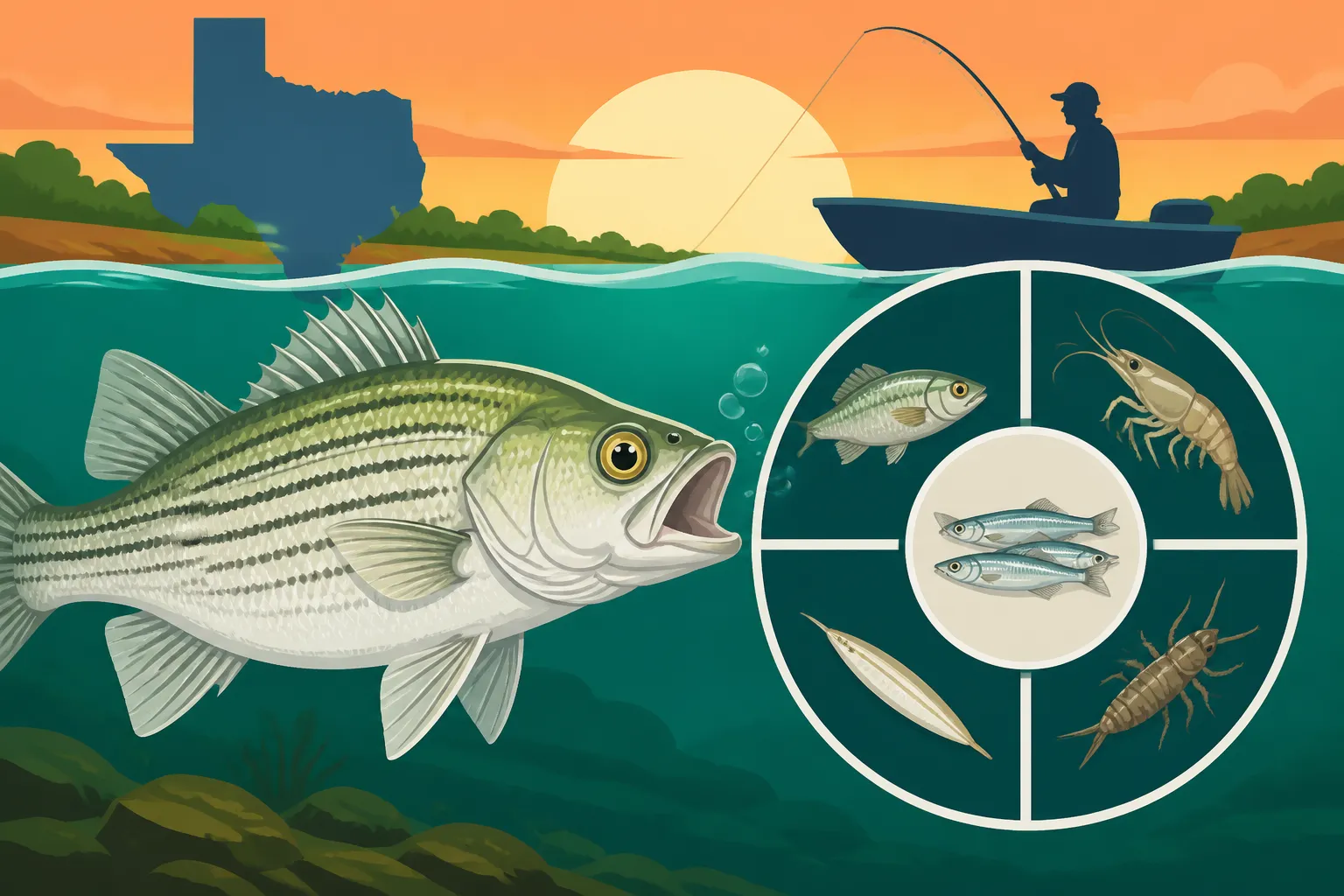
Without a doubt, threadfin and gizzard shad are the absolute staples in the diet of adult white bass across most Texas reservoirs and rivers. These small, silvery baitfish form massive schools, and white bass, in turn, form massive schools to hunt them. It's a classic predator-prey relationship that drives the white bass's behavior. Imagine a vast underwater buffet of these easily accessible, protein-packed morsels. White bass will gorge themselves on shad, especially when they can pin schools against structure or the surface.
This reliance on shad means that if you can locate the baitfish, you're very likely to find the white bass. During the hotter months, these shad schools often move into deeper, cooler waters, and the white bass follow right along. In the spring, as waters warm, the shad become more active in shallower coves, and the white bass are right there to capitalize on the abundance. It's an endless cycle that dictates much of their movement and feeding patterns.
Mimicking Shad: The Key to Lure Selection
Given their overwhelming preference for shad, your lure selection needs to reflect this. The goal is to present something that looks, acts, or even feels like a struggling or fleeing shad. This is where your tackle box really gets put to the test. Think about the size, color, and action of a shad. They're typically silvery, slender, and dart erratically.
Small crankbaits, particularly those with a tight wobble and in chrome, white, or silver finishes, are fantastic choices. Look for models that dive to the depth where you're seeing shad on your sonar. Spoon lures, especially slab spoons, are incredibly effective because they imitate a dying baitfish fluttering down through the water column—an irresistible target for hungry white bass. Soft plastic swimbaits, often rigged on a jig head, also do an excellent job of replicating a shad's profile and swimming action. Brands like Bobby Garland or Mister Twister offer some great options for jigging plastics. You can often find a wide array of these effective shad-imitating lures on platforms like Amazon, making it easy to stock up before your next trip. Best Bait and Lures for Texas Fishing offers even more suggestions.
Opportunistic Eaters: Beyond Just Shad
While shad might be the main course, white bass aren't entirely one-trick ponies. They're opportunistic feeders, and their diet can diversify, especially when their primary food source is scarce or when they are younger. Understanding these variations can give you an edge, particularly in specific seasons or locations.
Insect Larvae and Small Invertebrates: Especially for Younger Fish
For smaller, juvenile white bass, insect larvae and various small invertebrates play a much more significant role in their diet. When they first hatch, they're tiny and can't possibly tackle a full-sized shad. They start with zooplankton, moving on to aquatic insect larvae like those from midges, mayflies, and caddisflies as they grow. Think of these as the "baby food" for young white bass.
As they mature, the proportion of insects in their diet decreases, but it doesn't vanish entirely. During certain times of the year, especially in river systems or smaller tributaries where insect hatches can be prolific, even larger white bass might snack on emerging insects or their larvae. This is less common for the big lake-dwelling fish but can be a factor in specific river stretches or around areas with heavy submerged vegetation. Knowing this can help you decide on ultra-light tackle and tiny jigs if you're targeting smaller fish in specific environments.
Crayfish and Other Crustaceans: A Less Common but Important Meal
Crayfish are another food source that white bass will consume, though it's typically less frequent than shad. Crayfish are bottom-dwellers, and white bass are often found higher in the water column or chasing schools. However, if shad populations are low, or if white bass are foraging near the bottom in rocky areas where crayfish are abundant, they won't hesitate to snap one up.
Other crustaceans, like small freshwater shrimp or scuds, can also contribute to their diet, particularly in certain environments. This is where having a few jigs or small crankbaits that mimic a crayfish in color (browns, greens, oranges) could potentially pay off, especially if you notice the fish are holding close to rocky bottoms or timber. While not a primary food source, it's a good example of their opportunistic nature. When the easy meal isn't around, they'll broaden their menu.
Seasonal and Environmental Influences on Diet
Just like us, white bass don't eat the same thing, or in the same way, all year round. Their diet and feeding behavior are heavily influenced by the seasons and the specific environmental conditions of their Texas habitat. Being aware of these shifts is crucial for consistent success.
The Spring Run: Focusing on Spawning and Aggression
Ah, the Texas White Bass Run Timing! This is probably the most anticipated time of year for many white bass anglers, and for good reason. As waters warm, typically from late winter through early spring, white bass migrate en masse from larger reservoirs up into tributary rivers and creeks to spawn. During this period, their feeding behavior can be incredibly aggressive and often less selective. They're expending a tremendous amount of energy on their journey and reproduction, and they need to refuel.
While shad are still a major component of their diet, the sheer volume of fish concentrating in river systems means competition for food is high. They'll hit almost anything that looks like an easy meal. This is when small inline spinners, tiny spoons, and jig-and-grub combos really shine. The fish are often in a feeding frenzy, and their aggression overrides some of their usual pickiness. Understanding Where does the white bass run happen in Texas can help you pinpoint these hungry schools.
Summer and Fall: Schooling and Deep Water Foraging
As summer heat sets in and water temperatures rise, white bass often retreat to deeper, cooler sections of lakes and reservoirs. The shad schools they pursue will also seek comfort in these deeper waters. This means that white bass fishing in the summer often becomes a game of finding those deep-water schools, typically suspending over humps, points, or along old creek channels. Their diet remains heavily focused on shad, but your presentation needs to adapt to deeper columns.
In the fall, as temperatures begin to drop, white bass can become incredibly active, often exhibiting a "fall feeding frenzy" as they fatten up for winter. They'll often push shad to the surface in what we call "topwater boils"—a truly exciting experience to witness and fish! At these times, they are relentlessly chasing schools of baitfish, and topwater lures, poppers, or fast-retrieved crankbaits can be deadly. However, when those boils aren't happening, they're still focused on shad in various parts of the water column. Best Time of Year to Fish in Texas elaborates on these seasonal shifts.
Tailoring Your Bait to Their Menu
Now that we've dug into what white bass eat, let's talk about how to use that knowledge to your advantage. It's all about matching what's available and what they're actively looking for with what you're presenting on your line.
Live Bait Options: Simple and Effective
Sometimes, the simplest approach is the best. If you want to put white bass in the boat, especially if they're being finicky, live bait is often unbeatable.
- Minnows: Small minnows are incredibly effective. They perfectly mimic the size and action of many of the smaller baitfish white bass prey upon. You can fish them under a bobber, on a slip-sinker rig, or even slow-trolled.
- Shad: If you can get your hands on live threadfin or gizzard shad, you've hit the jackpot. This is literally what they eat, so it's a guaranteed winner. Catching your own can be a challenge, requiring a cast net, but it's worth the effort if you're serious about targeting white bass.
- Small Panfish: In some situations, especially if you're trying to target larger white bass, a small bluegill or perch can also be effective. However, this is less common for typical white bass fishing than shad or minnows.
When using live bait, remember presentation is key. Keep your bait lively, and fish it in areas where you suspect white bass are actively feeding or schooling.
Artificial Lures: Matching the Hatch
Artificial lures offer versatility, allowing you to cover water and fish various depths efficiently. The goal is to imitate their natural food sources, primarily shad, in terms of size, shape, color, and action.
| Food Source Imitated | Lure Type | Common Colors | Presentation | Notes |
|---|---|---|---|---|
| Shad (Small) | Small inline spinners | Silver, White, Chartreuse | Steady retrieve, vary speed | Great for How to catch white bass during the spring run |
| Shad (Dying/Injured) | Jigging Spoons (Slabs) | Chrome, White, Gold | Vertical jigging, drop-and-lift | Excellent for deep schooling fish |
| Shad (Swimming) | Small crankbaits (tight wobble) | Chrome, White, Silver, Shad patterns | Steady retrieve, varying depths | Effective for covering water and different depths |
| Shad (Swimming) | Soft plastic swimbaits/grubs on jig heads | White, Pearl, Chartreuse, Silver flake | Cast and retrieve, retrieve with bounces | Very versatile, can be fished at various depths. |
| Insects/Small Forage | Tiny jigs, fly patterns | White, Black, Olive | Slow retrieve, twitches, light jigging | Best for smaller white bass or specific river/creek conditions. |
| Aggressive Feeding | Topwater poppers/walk-the-dog | Chrome, White, Silver | Erratic retrieve, pauses, "walk the dog" action | Exciting when white bass are busting on the surface. |
When fishing artificials, pay close attention to what the fish are telling you. If they're hitting a silver spoon, stick with it. If they're ignoring everything but a small white grub on a jig head, then that's your ticket. Don't be afraid to experiment with retrieve speeds and depths until you find what triggers a strike. Many anglers find great deals on these diverse lure types through retailers like Amazon, allowing them to build a comprehensive tackle box. Remember, the Texas fishing regulations for different species might influence your approach, so always check the latest rules. For a broader look at this species, check out Texas White Bass Fishing Guide and What is a white bass.
Disclaimer
This article is for general informational purposes only and does not constitute professional advice. Laws, prices and regulations vary by location and change over time. Consult a qualified professional for guidance on your specific situation.