What is a Rio Grande cichlid
For many Texas anglers, the pursuit often revolves around our famous largemouth bass, hard-fighting redfish, or schooling striped bass. But sometimes, when you're casting your line into a quiet river or a lesser-known creek, you might just hook into something truly unique, something that doesn't quite fit the typical Texas fish profile. This is where the fascinating Rio Grande cichlid comes into play, an often-overlooked but incredibly vibrant fish that deserves our attention, and this guide will explore everything you need to know about this native Texas gem.
The Rio Grande Cichlid: An Unconventional Texas Native
When most people think of cichlids, their minds often drift to exotic aquarium fish from Africa or South America. It's usually a surprise to learn that we have a native cichlid right here in the Lone Star State. The Rio Grande cichlid ( Herichthys cyanoguttatus ), also affectionately known as the Texas cichlid, is truly special because it's the only cichlid species indigenous to the United States. It's a testament to the incredible biodiversity of our Texas waters, proving that there's always something new and exciting to discover right in our own backyard.
Identifying the Rio Grande Cichlid
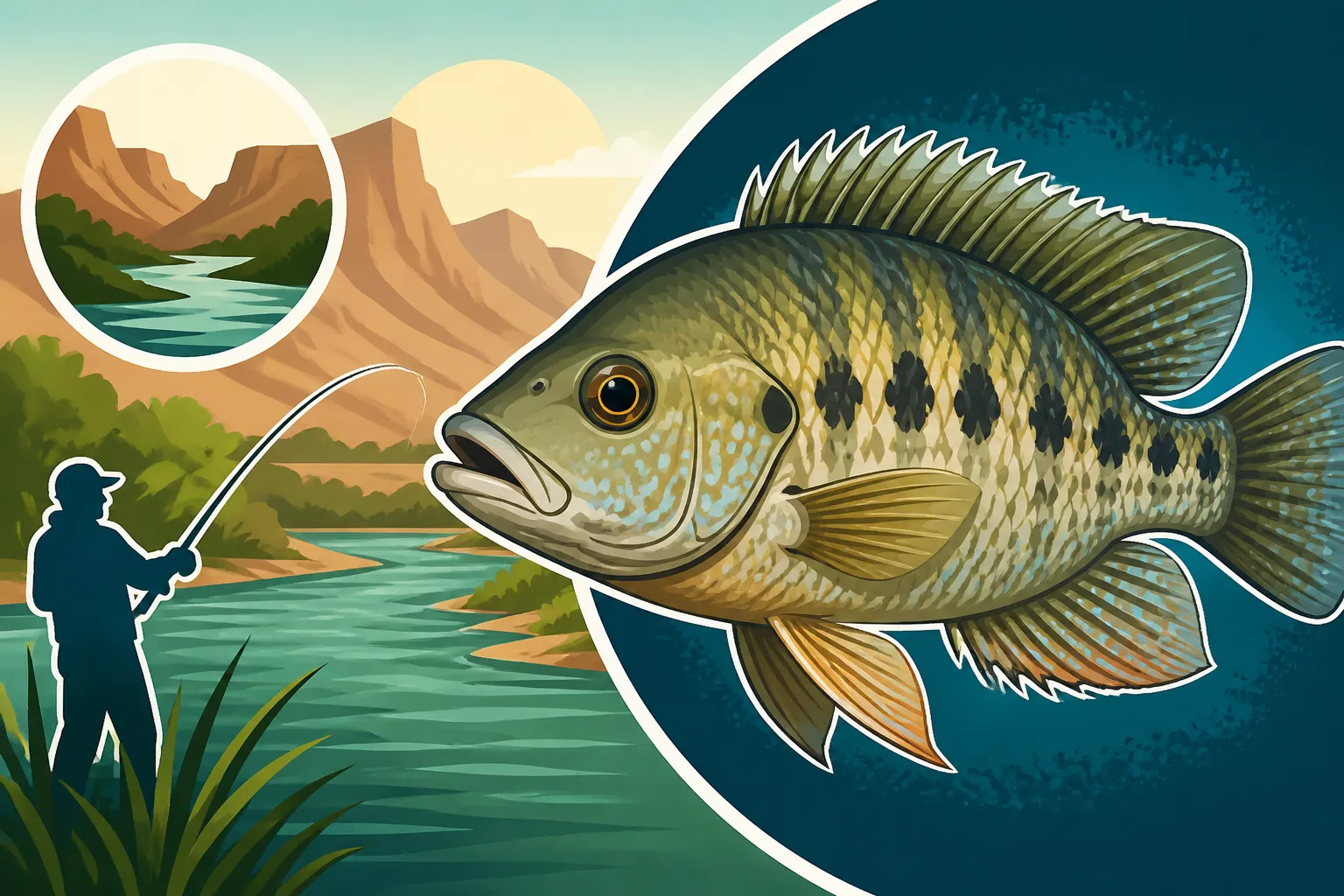
The Rio Grande cichlid is a strikingly beautiful fish, especially when displaying its vibrant breeding colors. They typically grow to about 8-10 inches, though some larger individuals have been observed. Their base color is usually an olive-brown to grayish-blue, heavily adorned with iridescent blue-green spots and streaks across their body, fins, and head. These spots are what give them their scientific name, cyanoguttatus, meaning "blue-spotted."
One of their most distinctive features is a prominent dark spot, sometimes ringed with a lighter color, on their flanks just below the dorsal fin. During breeding season, their colors intensify dramatically, with a dark bar pattern emerging on their sides, and the blue spots become even more brilliant, particularly on the males. They have a deep, laterally compressed body, and their fins are generally large and rounded, adding to their robust appearance. You can often see their thick, fleshy lips, adapted for rooting around in the substrate.
Native Habitat and Range
As their name suggests, the Rio Grande cichlid's native range is primarily within the Rio Grande river basin. This includes the main stem of the Rio Grande itself and its various tributaries in South Texas, extending into northeastern Mexico. Historically, you would find them in the clear, rocky streams and rivers of the Edwards Plateau and south towards the coast. They prefer moving water, often associating with areas that have rocky bottoms, submerged vegetation, or fallen timber, which provide both cover and feeding opportunities.
However, due to their popularity as an aquarium fish and their hardiness, they have been introduced into other water bodies across Texas, and even beyond. While the official stance focuses on their native range, anglers sometimes encounter them in unexpected places, especially in urban ponds or reservoirs where they might have been released by well-meaning (or perhaps not so well-meaning) aquarium hobbyists. This expansion of their range, while interesting for anglers, does raise questions about their interaction with local species outside their historical habitat.
Why They're Special: A True Texas Original
The Rio Grande cichlid holds a unique place in Texas ichthyology. Being the only native cichlid in the entire United States makes them a truly special species. Unlike many other cichlids that are aggressive or can become invasive, the Rio Grande cichlid is generally a well-behaved native that integrates into its ecosystem fairly well. They add a splash of color and a touch of the exotic to our already diverse aquatic environments. For anglers, they offer a different kind of challenge, often putting up a surprisingly feisty fight on light tackle.
Their presence speaks to the diverse ecological connections Texas shares with Mexico, highlighting the rich biodiversity of shared river systems. Fishing for them isn't just about catching a fish; it's about connecting with a unique piece of Texas natural heritage. It's a reminder that our waters are full of surprises, and there's always more to learn about the creatures that call them home. Plus, they can be a great target for younger anglers or those just starting out, as they are often eager biters. For those interested in the full scope of our aquatic life, understanding species like the Rio Grande cichlid is just as important as knowing about Texas Largemouth Bass Fishing Guide or Texas Catfish Species Guide.
Life and Habits of the Rio Grande Cichlid
Understanding the daily life and habits of the Rio Grande cichlid can significantly improve your chances of finding and catching them. Like all fish, their behavior is largely dictated by their need to feed, reproduce, and stay safe from predators. They are relatively active fish, especially during warmer months, and exhibit some fascinating social behaviors that distinguish them from many other freshwater species in Texas.
What Do They Eat?
Rio Grande cichlids are omnivores, meaning they have a varied diet consisting of both plant and animal matter. This adaptability is one of the reasons they can thrive in various environments. Their natural diet includes insects, small crustaceans like shrimp and crayfish, worms, and even other small fish when the opportunity arises. They are also known to graze on algae and other plant detritus, rooting around in the substrate with those distinctive thick lips. This diverse palate makes them relatively easy to tempt with a variety of baits.
You'll often see them sifting through gravel or nibbling at submerged logs and rocks, searching for hidden snacks. This bottom-feeding behavior means that presenting your bait close to the substrate can be very effective. If you're using small worms or cut bait, letting it settle on the bottom or drift slowly along the current where they might be foraging is a smart strategy. Their opportunistic nature is a big part of their success story in Texas waters.
Breeding Habits and Parental Care
One of the most remarkable aspects of cichlid behavior, and certainly true for the Rio Grande cichlid, is their intensive parental care. Unlike many fish that simply lay eggs and leave them to fend for themselves, Rio Grande cichlids are dedicated parents. Both the male and female participate in guarding their eggs and fry. They typically spawn in spring and early summer, when water temperatures are consistently warm.
They are substrate spawners, meaning they'll clean a flat surface, often a rock or a log, and deposit their eggs there. The male and female will take turns fanning the eggs to keep them oxygenated and free from sediment, while also aggressively defending their nesting site from any perceived threat. Once the eggs hatch, the tiny fry are closely guarded by both parents, often herded into depressions in the substrate or amongst vegetation. This level of parental investment is quite rare among Texas freshwater fish and makes observing them during the spawning season a truly captivating experience. You might spot a pair fiercely guarding a patch of gravel, a clear sign of their breeding efforts.
Behavior and Where to Find Them
Rio Grande cichlids are generally found in relatively shallow waters, often around cover such as rocks, aquatic vegetation, or submerged wood. They are somewhat territorial, especially during breeding season, and can be seen chasing away other fish from their chosen spots. While they can tolerate a range of water conditions, they tend to prefer clearer water with a good current, which helps keep their habitat oxygenated. Look for them in areas with a mix of rock and gravel bottoms, particularly where there are drop-offs or eddies that provide a break from strong currents.
They are active during the day, though their feeding intensity can peak during early morning and late afternoon. If you're exploring smaller creeks and rivers that feed into the Rio Grande basin, or even some of the larger rivers like the San Antonio River or Guadalupe River in its lower stretches, keep an eye out for these distinctive fish. You might find them schooling loosely in non-breeding periods, but once breeding starts, they'll form pairs and become more localized. For general advice on finding fish in various environments, you might want to read Best Places to Fish in Texas.
Fishing for Rio Grande Cichlids
Catching a Rio Grande cichlid can be a delightful surprise, especially for anglers accustomed to other Texas species. They are not typically targeted by dedicated trophy anglers, but they offer consistent action and a fun fight on appropriate tackle. If you're looking to add a new species to your catch list or simply enjoy a relaxing day of catching, the Rio Grande cichlid is a great option.
Recommended Gear and Tackle
Because Rio Grande cichlids don't typically grow to massive sizes, light tackle is your best friend. A lightweight spinning rod, perhaps in the 5-foot to 6-foot range, paired with a small spinning reel spooled with 4-8 pound test monofilament or fluorocarbon line, is ideal. This setup allows for accurate casts with small baits and provides excellent sensitivity to feel their sometimes subtle bites. It also makes even a small cichlid feel like a mighty adversary.
You won't need heavy-duty hooks either. Small, sharp hooks in sizes 8 to 12 work perfectly. A simple slip-sinker rig or a small bobber setup can be very effective. The key is to keep your presentation natural and unobtrusive. If you're planning a trip and need to stock up on new gear, check out the wide selection of light tackle options available on Amazon. They have everything from ultralight rods to tiny hooks perfect for cichlids. For more general gear advice, Best Fishing Rods for Texas Anglers and Best Fishing Reels for Texas Anglers offer good insights.
Effective Baits and Lures
Given their omnivorous diet, Rio Grande cichlids are not particularly picky eaters, which is good news for anglers. Live baits are often the most successful. Small pieces of earthworm, mealworms, or crickets are virtually irresistible to them. You can also try small pieces of shrimp or even small bits of corn. These natural offerings mimic what they would typically forage for.
| Bait Type | Effectiveness | Presentation | Notes |
|---|---|---|---|
| Earthworms | High | Small pieces on a size 8-12 hook, near the bottom | Classic, almost always works |
| Mealworms | High | One or two on a small hook, light bobber or bottom rig | Great for smaller cichlids |
| Cracked Corn | Medium | Small kernels on a tiny hook | Effective in heavily pressured or clear waters |
| Small Lures | Medium | Micro jigs, tiny spinners, small soft plastics | Can attract larger individuals, more active approach |
| Shrimp (cut) | High | Small piece, fished near bottom | Strong scent, good for murky water |
When it comes to artificial lures, think small! Micro jigs, tiny inline spinners, or very small soft plastic baits (like grub tails or worms) rigged on equally tiny jig heads can also draw strikes. The movement and flash of these lures can mimic small insects or baitfish. Remember, the presentation is key: keeping your bait or lure near the bottom, where they are actively feeding, will yield the best results. For a broader look at bait choices in Texas, see Best Bait and Lures for Texas Fishing. Many of these smaller baits and micro jigs are readily available on Amazon for convenient delivery.
Regulations and Conservation
While Rio Grande cichlids are native to Texas, it's always critical to be aware of the specific Texas Freshwater Fishing Regulations in the waters you're fishing. Generally, there are no specific bag or length limits for Rio Grande cichlids, as they are not typically classified as a major game fish. However, this could vary depending on specific local regulations or if you are fishing in a special conservation area, so always double-check with the Texas Parks and Wildlife Department (TPWD) before your trip. It's a good habit for any angler, no matter the species.
Beyond legal requirements, practicing responsible angling is vital. Catch and release is a great way to ensure healthy populations for future generations. If you do choose to keep some for the table (they are considered quite tasty by some!), only take what you need and adhere to good handling practices to minimize stress on the fish. Never release non-native species into public waters, as this can disrupt delicate ecosystems. You don't want to unknowingly create an invasive species problem just because you had an extra cichlid from your aquarium. Always remember that a Texas Fishing License Requirements Explained is a fundamental part of responsible fishing, along with understanding the Texas Fishing License Cost for Residents and Nonresidents.
The Rio Grande Cichlid in the Texas Ecosystem
The Rio Grande cichlid, despite its smaller size compared to trophy bass or catfish, plays a significant role in the ecosystems it inhabits. Like all native species, it's part of a complex web of life, interacting with other fish, invertebrates, and the physical environment. Understanding their ecological footprint helps us appreciate their presence and the importance of maintaining healthy aquatic habitats across Texas.
Ecological Impact and Interactions
In their native range, Rio Grande cichlids are part of the natural food web. They serve as a food source for larger predatory fish like largemouth bass, channel catfish, and various wading birds. Conversely, they help control populations of insects and other invertebrates, and their bottom-sifting activities can help aerate and clean the substrate. Their aggressive parental care, while admirable, can also mean they are quite territorial around their nesting sites, potentially impacting other small fish trying to use the same areas for spawning.
However, when introduced outside their native range, their impact can be different. While generally not considered a highly invasive species, any non-native introduction can potentially compete with native fish for food and habitat, or even prey on the eggs and fry of other species. This is why strict adherence to "don't dump your bait bucket" and "never release aquarium fish" rules is so important. The balance of an ecosystem is delicate, and even a seemingly benign fish can cause unintended ripples. Protecting our native ecosystems is a collective responsibility for all anglers and outdoor enthusiasts.
Conservation Status and Threats
Currently, the Rio Grande cichlid is generally considered stable within its native range and is not listed as endangered or threatened. However, like many freshwater fish, they face ongoing challenges from habitat degradation. Water quality issues, river fragmentation due to dams and diversions, and altered flow regimes can all impact their populations. Pollution, whether from agricultural runoff or urban development, can degrade the clean, flowing water they prefer.
Preserving the health of the Rio Grande and its tributaries is crucial for the long-term survival of this unique Texas native. Anglers can contribute by practicing responsible catch and release, properly disposing of trash, and supporting conservation efforts that protect our rivers and streams. Education, like learning about the Rio Grande Cichlid Native Texas Fish, is the first step in appreciating and protecting these valuable species.
Beyond the Hook: Appreciating the Cichlid
Beyond just being a fun fish to catch, the Rio Grande cichlid offers a window into the rich natural history of Texas. Their vibrant colors, fascinating breeding behaviors, and unique status as the only native cichlid in the U.S. make them truly special. Spending time observing them in their natural habitat, whether through snorkeling or simply watching them dart around a clear-water creek, can be a rewarding experience.
They remind us that Texas fishing isn't just about the biggest bass or the most prolific redfish. It's about the entire tapestry of aquatic life, from the smallest baitfish to the most unusual native species. So, the next time you're out exploring the freshwater wonders of Texas, keep an eye out for these blue-spotted beauties. You might just find a new favorite target, and you'll certainly gain a deeper appreciation for the diverse aquatic treasures our state holds. Even small, often overlooked species like the Rio Grande cichlid contribute to the rich experience of Texas Freshwater Game Fish Species Guide. You can find resources and even field guides on Amazon to help identify all the unique species you might encounter in Texas waters.
Disclaimer
This article is for general informational purposes only and does not constitute professional advice. Laws, prices and regulations vary by location and change over time. Consult a qualified professional for guidance on your specific situation.