Texas Sunfish and Bream Species Guide
Have you ever been out fishing in Texas, pulled in a beautiful, feisty little fish, and found yourself wondering, "Is this a bluegill, a perch, or just some kind of bream?" You're definitely not alone! It's incredibly common for anglers, especially those new to the Lone Star State's abundant waters, to get a little confused by the sheer variety of smaller, colorful fish that often get lumped under general terms. This comprehensive guide is here to untangle that confusion, offering a deep dive into the fascinating world of Texas sunfish and bream species, helping you identify your catches and understand where to find these vibrant fish.
Understanding the Sunfish Family in Texas: A Diverse Bunch
When we talk about "sunfish" in Texas, we're actually referring to a pretty large and diverse family of fish known scientifically as Centrarchidae. This family includes not only the small, pan-sized fish that most people think of as sunfish or bream, but also the various species of black bass, which are essentially overgrown sunfish! It's a rich tapestry of aquatic life that plays a crucial role in our lakes, rivers, and ponds, providing both ecological balance and endless angling opportunities.
The "Bream" Misconception: More Than Just One Fish
Let's clear up one of the biggest points of confusion right off the bat: the term "bream." In many parts of the South, including Texas, "bream" is used as a catch-all term for almost any small, flat, pan-sized sunfish. You might hear someone say they're "going bream fishing," and they could be targeting bluegill, redear, or even green sunfish. While it's a common and accepted colloquialism, it doesn't refer to a single species of fish. Instead, think of "bream" as a friendly nickname for a whole group of different, though related, species. Each of these species has its own unique characteristics, preferences, and even different ways they like to bite your hook!
This generalized use of "bream" can sometimes lead to missed opportunities for anglers. If you don't know the specific habits of a bluegill versus a redear, you might be using the wrong bait or fishing in the wrong spot, making your day on the water less productive. Understanding the individual species underneath that broad "bream" umbrella can significantly improve your fishing success and appreciation for these beautiful fish. It's about recognizing the nuances that make each species special.
Why Sunfish Matter to Texas Anglers
Sunfish, regardless of their specific type, are absolutely vital to the Texas aquatic ecosystem and to the angling community. Ecologically, they form the backbone of the food chain in many freshwater bodies. They are a primary forage source for larger game fish like Texas Largemouth Bass Fishing Guide, catfish, and even some predatory birds. Without a healthy population of sunfish, the bigger, more sought-after species simply wouldn't thrive. They help maintain balance by consuming insects, larvae, small crustaceans, and even plant matter, keeping waterways healthier.
From an angler's perspective, sunfish are pure gold, especially for families and beginners. They are generally abundant, eager to bite, and don't require expensive, complicated gear. There's nothing quite like the excitement of a child catching their first fish, and more often than not, that fish is a feisty bluegill or green sunfish. They provide endless hours of low-stress fun, making them perfect for introducing new generations to the joys of fishing. Plus, many sunfish species are excellent table fare, offering delicious, flaky white meat perfect for a fresh-caught meal.
Common Texas Sunfish Species: Your Everyday Catches
While Texas boasts a good variety of sunfish, there are a few species you're much more likely to encounter on a regular basis. These are the workhorses of the panfish world, providing consistent action and enjoyment for anglers across the state. Getting to know these common species will make your fishing trips much more rewarding.
Bluegill: The Ubiquitous Panfish
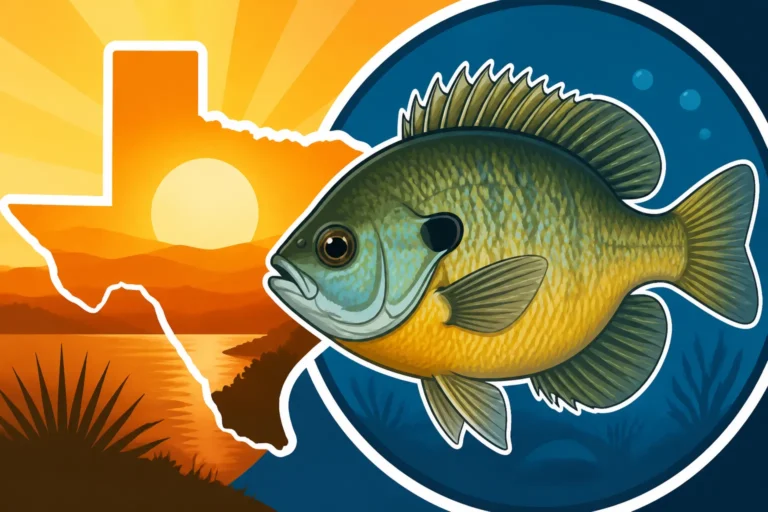
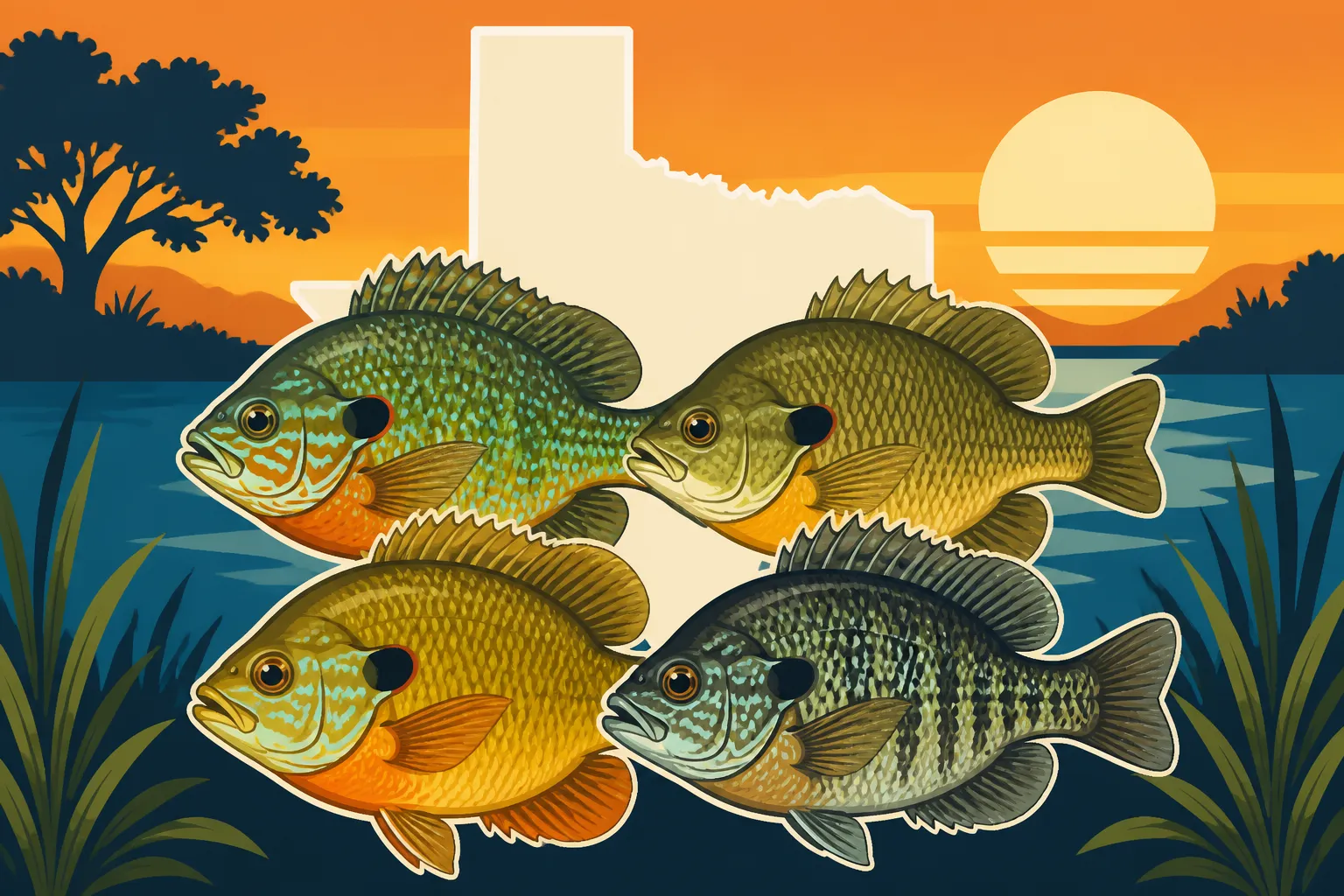
The bluegill ( Lepomis macrochirus) is arguably the most recognizable and widespread sunfish in Texas, if not the entire country. You can find them in virtually every lake, pond, and slow-moving river system. They're characterized by their deep, laterally compressed bodies, small mouths, and a distinctive black "ear flap" on their gill cover. Often, they have several dark, vertical bars on their sides and a dark blotch near the soft dorsal fin. Their name comes from the iridescent blue-green coloration often found on their gill plates.
Bluegill are known for their eager bite and fighting spirit, often punching well above their weight on light tackle. They typically feed on insects, insect larvae, small crustaceans, and even plant matter. They are gregarious fish, often schooling in large numbers, which means if you catch one, there are likely many more nearby. A good-sized bluegill can measure 6-8 inches, with larger individuals hitting 10 inches or more, making them fantastic for the frying pan. Check out our detailed Texas Bluegill Fishing Guide for even more tips on landing these common beauties.
Redear Sunfish (Shellcracker): A Snail-Eating Specialist
The redear sunfish ( Lepomis microlophus), affectionately known as a "shellcracker," is another popular and widely distributed sunfish in Texas. These fish are similar in body shape to bluegill but generally grow a bit larger and have a more subdued coloration, often olive green to golden brown on their backs, fading to lighter shades on their belly. The defining characteristic that gives them their name is a distinctive red or orange margin on the opercular flap (the "ear flap"), which is much more prominent in males.
What truly sets the redear apart is its diet. Unlike bluegill, redear sunfish have specialized pharyngeal teeth, which are plate-like structures in their throat, perfectly adapted for crushing the shells of snails, clams, and other mollusks. This unique feeding habit is where they earned their "shellcracker" nickname. When you're targeting redear, understanding this preference can guide your bait choice. They tend to be a bit more elusive than bluegill, often preferring deeper water and soft bottoms where their preferred prey resides.
Green Sunfish: The Feisty and Hardy Opportunist
The green sunfish (Lepomis cyanellus) is another common Texas panfish, though often smaller than bluegill or redear. You'll recognize them by their slightly more elongated body shape, larger mouth (which can extend past the front of the eye), and a dark spot at the base of their dorsal and anal fins. They typically have a mottled greenish-brown coloration, often with iridescent blue or green spots on their cheeks and body, and a distinctive orange-yellow margin on their fins. The opercular flap is usually black with a light-colored margin, but without the prominent red of the redear.
Green sunfish are incredibly hardy and adaptable, able to thrive in a wider range of habitats, including smaller ponds, creeks, and even stagnant ditches where other fish might struggle. They are aggressive little predators, often hitting baits with surprising force for their size. Their larger mouth means they can engulf surprisingly big baits or lures. While they don't grow as large as some other sunfish, their feisty nature makes them a blast to catch, and they're excellent for teaching kids how to fish because they're rarely picky.
Other Notable Texas Sunfish and Their Unique Traits
Beyond the big three common sunfish, Texas waters host several other fascinating members of the sunfish family. These species might not be as widespread or numerous in every body of water, but they each possess unique beauty, behaviors, and challenges for the discerning angler. Exploring these lesser-known species adds another layer of appreciation to the diverse aquatic life of our state.
Longear Sunfish: The Colorful Stream Dweller
The longear sunfish (Lepomis megalotis) is truly one of the most vibrant and beautiful freshwater fish in Texas, often described as a living jewel. As their name suggests, they are characterized by an extremely long opercular flap that extends well past the rear edge of the gill cover, often with a white or red margin. Their bodies are ablaze with iridescent blues, greens, oranges, and reds, especially the males during spawning season. They have a small mouth and a robust, deep body.
You'll typically find longear sunfish in clear, rocky streams and rivers, preferring areas with moderate current and aquatic vegetation or submerged structure. They are often found alongside species like the Guadalupe Bass Texas State Fish Guide. While they don't usually grow very large—most are only 4-6 inches long—their incredible coloration makes them a prized catch for sight-fishing enthusiasts and anyone who appreciates natural beauty. They'll readily strike small flies, tiny lures, or live bait like worms and crickets. If you're exploring some of our beautiful clear-water Texas Rivers for Fishing, keep an eye out for these living rainbows.
Warmouth: A Bass-Like Sunfish
The warmouth (Lepomis gulosus) is a fascinating sunfish that often causes confusion due to its appearance, which can be somewhat intermediate between a true sunfish and a black bass. They have a deeper, more robust body than many other sunfish, with a notably larger mouth that extends to or beyond the middle of the eye. Their coloration is typically a mottled olive-brown to dark green, with dark lines radiating from the eye (like war paint!) and often three to five spines in the anal fin, compared to the typical three in most other sunfish.
Warmouth are more predatory than bluegill or redear, feeding on small fish, crayfish, and larger insects, which is reflected in their larger mouth. They prefer murky, vegetated waters, often found in slow-moving streams, swamps, and pond edges with plenty of cover like logs, lily pads, and submerged brush. They are incredibly hardy and can tolerate low oxygen levels. While they don't grow as large as bass, a good warmouth can reach 8-10 inches and put up a surprisingly strong fight. They're often caught when anglers are targeting other species, but they are a fun and unique catch in their own right. If you're comparing them to their larger cousins, our Texas Black Bass Species Comparison can offer more insights.
Spotted Sunfish (Stumpknocker): The Cover Lover
The spotted sunfish (Lepomis punctatus), sometimes called a "stumpknocker," is another smaller but intriguing sunfish species found in Texas. Their name comes from the rows of small, dark spots found along their sides, which are particularly noticeable on their olive-brown to greenish bodies. They have a relatively small mouth and a deep, compressed body, similar to a bluegill but with a more rounded profile. Their opercular flap is typically dark with a reddish or orange margin.
These sunfish are particularly fond of heavy cover, hence the "stumpknocker" moniker. You'll often find them lurking around submerged logs, cypress knees, dense aquatic vegetation, and other forms of woody debris in slow-moving streams, small rivers, and backwater areas. They are usually caught on very small baits or lures presented precisely into these tight, snaggy spots. While they generally stay on the smaller side, usually 4-7 inches, their beauty and their preference for challenging habitat make them a rewarding catch for anglers who enjoy finesse fishing in close quarters.
The Black Bass Connection: Largemouth, Smallmouth, and Guadalupe Bass
It might surprise some anglers to learn that the mighty black bass — the coveted largemouth, the scrappy smallmouth, and our very own state fish, the Guadalupe bass — are all part of the same sunfish family (Centrarchidae) as the smaller panfish we've been discussing. They're essentially the larger, more predatory cousins in this diverse clan. Understanding this connection helps to appreciate the evolutionary breadth of the sunfish family and why they share some fundamental characteristics.
How Black Bass Fit into the Sunfish Family
Genetically and morphologically, black bass share many defining features with other sunfish. They all possess similar fin structures, including a spiny dorsal fin followed by a soft-rayed dorsal fin (sometimes appearing as one continuous fin with a notch), and a generally deep, compressed body shape. Their reproductive strategies, such as nest-building and paternal care of the eggs and fry, are also characteristic of the sunfish family. The primary differences lie in their size, predatory nature, and the shape of their mouths.
While you're probably not going to confuse a 10-pound Texas Largemouth Bass Fishing Guide with a 6-inch bluegill, the underlying biological similarities are undeniable. Think of it like different dog breeds – a chihuahua and a great dane are both dogs, just at opposite ends of the size spectrum with different specialized traits. Black bass evolved to be apex predators in their freshwater environments, developing larger mouths and more streamlined bodies for chasing down prey, but they still carry the sunfish blueprint.
Distinguishing Black Bass from Other Sunfish
The most obvious distinction between black bass and other sunfish is size, with bass growing significantly larger. However, there are also key physical characteristics that help differentiate them. Black bass typically have a more elongated, torpedo-shaped body compared to the more disc-like or "pan-shaped" bodies of most smaller sunfish. The most definitive feature is the mouth. Black bass have much larger, more prominent mouths. For instance, on a largemouth bass, the jaw extends past the eye, while on other sunfish, it typically doesn't extend past the front of the eye.
Another tell-tale sign is the dorsal fin. While both have spiny and soft-rayed sections, in black bass, there's a deep notch separating these two parts, sometimes making them appear as two distinct fins. In most other sunfish, the notch is less pronounced, making it look like a single, continuous fin. Coloration can vary wildly for all species based on habitat, but generally, black bass will have a darker lateral line or blotchy pattern, while many panfish exhibit vertical bars or vibrant iridescent colors. For a closer look, you might want to consult our Texas Largemouth Bass Identification Guide or delve into the specifics of Guadalupe Bass vs Smallmouth Bass to truly grasp the differences within the bass family itself.
Fishing for Texas Sunfish: Gear, Techniques, and Fun for All Ages
One of the greatest joys of sunfish fishing in Texas is its accessibility. You don't need a boatload of expensive gear or years of experience to have a fantastic day catching these abundant and eager fish. In fact, keeping it simple is often the key to success. This makes sunfish fishing the perfect entry point for beginners, a relaxing pastime for seasoned anglers, and an unbeatable activity for family outings.
Simple Gear for Maximum Enjoyment
For sunfish, less is often more when it comes to gear. Forget the heavy bass rods or specialized saltwater setups. A lightweight spinning rod and reel combo, often called an ultralight or light action combo, is absolutely perfect. A rod between 4.5 and 6 feet long with a sensitive tip will allow you to feel even the lightest nibbles from these small fish. Pair that with a small spinning reel spooled with 4-6 pound test monofilament or fluorocarbon line, and you're good to go. You can find fantastic, affordable beginner combos on Amazon that will get you started without breaking the bank.
Beyond the rod and reel, your tackle box can be incredibly basic. You'll need a selection of small hooks (sizes 6-10 are usually ideal), a few small split-shot weights to get your bait down, and some bobbers to indicate bites. A simple bobber that floats on the surface is not only effective but also incredibly engaging to watch, especially for kids. Add a pair of small pliers for hook removal, a stringer or small cooler if you plan to keep your catch, and perhaps a small tackle box or a fishing backpack. Our Beginner Fishing Gear Checklist for Texas offers more detailed suggestions for getting started.
Best Baits and Lures for Panfish
When it comes to enticing Texas sunfish, you really can't go wrong with natural, live bait. They are opportunistic feeders, and living, wriggling snacks are hard to resist. The absolute champions for sunfish are:
- Worms: Red wigglers, nightcrawlers (cut into smaller pieces), or even earthworms from your garden are irresistible.
- Crickets: These are a bluegill's absolute favorite, especially when fished under a bobber.
- Mealworms/Waxworms: Smaller, cleaner alternatives to worms, great for smaller hooks.
For those who prefer artificials, sunfish will readily strike tiny jigs (1/32 to 1/16 ounce) tipped with a small plastic grub or tube bait. Colors like chartreuse, white, and black are often effective. Small spinners or tiny crankbaits can also work, especially for more aggressive green sunfish or warmouth. You can easily find multi-packs of small panfish jigs and soft plastics on Amazon, offering a variety of options to experiment with. The key is to keep your presentation small and subtle, mimicking the insects and tiny prey items they naturally consume.
Where to Find Sunfish: From Ponds to Rivers
The beauty of sunfish is their widespread distribution across Texas. You can find them in almost any freshwater body, from sprawling reservoirs to tiny farm ponds and winding creeks. However, knowing where to focus your efforts within these environments will dramatically increase your catch rates.
Look for areas with structure and cover. Sunfish, being smaller prey fish, love to hide. This means:
- Aquatic Vegetation: Lily pads, hydrilla beds, cattails, and submerged grass offer both cover from predators and a bounty of insects.
- Woody Debris: Fallen trees, submerged logs, brush piles, and old stump fields are prime sunfish real estate.
- Docks and Piers: The shaded areas under man-made structures provide protection and attract baitfish, which in turn attract sunfish.
- Rocky Areas: In some lakes and rivers, rocky bottoms or riprap shorelines can hold good numbers of sunfish, especially longear sunfish in rivers.
- Shallow Spawning Beds: During spring and early summer, sunfish will congregate in shallow, protected areas to spawn, often creating visible "nests" on the bottom.
Many Texas State Parks offer excellent opportunities for Free Shoreline Fishing at Texas State Parks where sunfish are abundant and easy to catch from piers or the bank. Local community ponds, often part of the Texas Parks and Wildlife Department's Neighborhood Fishin' program, are also regularly stocked and provide fantastic sunfish action. Whether you're targeting big bluegill in some of the Best Texas Lakes for Family Fishing or seeking colorful longear in Best Texas Rivers for Fishing, focusing on areas with cover and food sources is always a winning strategy.
Conservation and Management of Texas Sunfish
While sunfish are incredibly abundant and resilient, responsible angling practices and sound conservation efforts are still crucial to ensure healthy populations for generations to come. Every angler plays a role in maintaining the balance of Texas's aquatic ecosystems. Understanding bag limits, practicing ethical catch and release when appropriate, and supporting habitat preservation are all part of being a good steward of our natural resources.
Why Healthy Sunfish Populations Matter
Healthy sunfish populations are absolutely fundamental to the overall health and productivity of any freshwater ecosystem in Texas. They serve as a vital forage base for virtually all predatory game fish. Without a thriving sunfish population, species like largemouth bass, catfish, and even crappie would struggle to find enough food, leading to stunted growth, reduced populations, and an imbalanced ecosystem. They are the primary food source that allows our trophy bass lakes to produce giants and our catfish populations to flourish.
Beyond their role as prey, sunfish also contribute to the health of the aquatic environment by consuming a variety of insects, larvae, and sometimes even algae, helping to keep insect populations in check and water quality maintained. They are a keystone species for many smaller aquatic food webs. Moreover, the ease of catching sunfish makes them indispensable for angler recruitment, drawing new anglers into the sport and fostering an appreciation for nature, which is a critical part of future conservation efforts.
Regulations and Responsible Angling
Even for species as common as sunfish, regulations are in place to help manage their populations and ensure sustainable fishing. The Texas Parks and Wildlife Department (TPWD) sets Texas Fish Bag and Length Limits for various species, including sunfish. While many common sunfish species often have generous statewide bag limits, it's always important to consult the current TPWD Outdoor Annual before heading out. Regulations can vary slightly by lake or river, especially for certain species or in specific conservation areas.
Here are a few responsible angling tips specifically for sunfish:
- Check Local Regulations: Always verify the current bag and possession limits for the specific water body you're fishing.
- Practice Selective Harvest: While it's great to keep some sunfish for a meal, consider releasing the larger, healthier individuals to ensure they can spawn and contribute to future generations. These larger fish are often the best breeders.
- Handle Fish Gently: If you plan to release a fish, handle it minimally with wet hands and get it back into the water quickly.
- Don't Over-Harvest: Even if the bag limit is generous, take only what you will realistically eat. There's no need to fill a cooler just because you can.
- Educate Others: Share your knowledge with new anglers, especially kids, about the importance of conservation and respectful fishing practices.
By following these guidelines, we can all contribute to keeping Texas's sunfish populations robust and ensure that these delightful fish continue to provide joy and sustenance for many years to come.
Texas Sunfish and Bream Species Comparison
To help you distinguish between the most common sunfish and bream you'll encounter in Texas, here's a quick comparison table highlighting their key characteristics.
| Feature | Bluegill | Redear Sunfish (Shellcracker) | Green Sunfish | Longear Sunfish | Warmouth | Spotted Sunfish (Stumpknocker) |
|---|---|---|---|---|---|---|
| Max Size | 10-12 inches | 10-12 inches | 8-9 inches | 6-8 inches | 10-11 inches | 7-8 inches |
| Mouth Size | Small, doesn't pass eye | Small, doesn't pass eye | Large, passes front of eye | Small, doesn't pass eye | Large, passes middle of eye | Small, doesn't pass eye |
| Ear Flap | Black, no trim | Black with red/orange trim | Black with light trim | Very long, colorful trim | Black, often faint trim | Dark with red/orange trim |
| Body Shape | Deep, round | Deep, round | More elongated | Deep, round | Robust, bass-like | Deep, round |
| Coloration | Olive/blue, vertical bars | Olive/brown, subtle | Green/brown, blue spots | Vibrant blue/orange/red | Mottled olive/brown | Olive/brown, small dark spots |
| Diet Focus | Insects, larvae, plants | Snails, mollusks | Insects, small fish, crayfish | Insects, small crustaceans | Small fish, crayfish, insects | Insects, larvae, crustaceans |
| Typical Habitat | Lakes, ponds, slow rivers | Lakes, ponds, soft bottoms | Ponds, creeks, ditches | Clear streams, rocky rivers | Murky, vegetated waters | Heavy cover, woody debris |
Disclaimer
This article is for general informational purposes only and does not constitute professional advice. Laws, prices and regulations vary by location and change over time. Consult a qualified professional for guidance on your specific situation.