What is a bluegill
For many folks just starting their fishing journey here in Texas, or even seasoned anglers introducing their grandkids to the joys of the water, the bluegill is often the very first fish they encounter. These feisty, colorful panfish are abundant, relatively easy to catch, and provide endless entertainment. This guide is all about getting to know this little powerhouse, from how to spot one to the best ways to reel them in across our diverse Texas waters.
Bluegill: An Iconic Texas Panfish
There's something universally charming about the bluegill. Maybe it's their vibrant colors, or perhaps the sheer determination they show on the end of a line, but they've earned a special place in the hearts of Texas anglers. Understanding what makes a bluegill tick is the first step to consistently finding and catching these delightful fish.
What Exactly is a Bluegill?
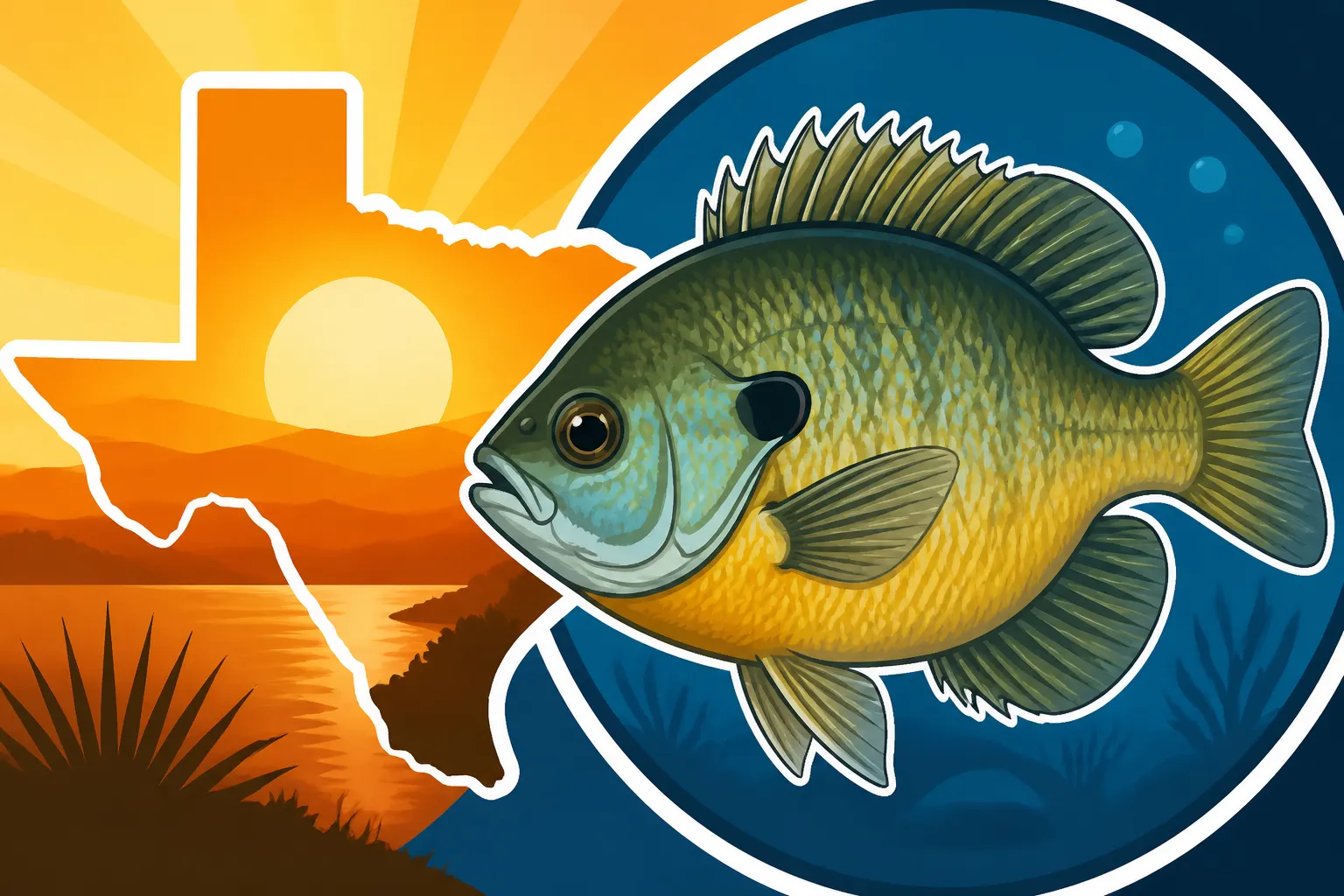
At its core, the bluegill (scientific name: Lepomis macrochirus) is a species of freshwater ray-finned fish, belonging to the sunfish family. Here in Texas, they are one of the most common and beloved panfish, known for their distinctive appearance and enthusiastic bites. Physically, bluegill typically have a deep, laterally compressed body, giving them that classic "panfish" shape—like a dinner plate turned on its side. Their coloration can vary quite a bit depending on their habitat, diet, and even their mood, but generally, you'll see olive-green to dark blue on their backs, fading into lighter, often yellowish sides, with an orange or yellow belly. Some individuals display faint vertical bars along their sides, adding to their unique charm.
One of their most defining characteristics, and often the easiest way to identify them, is the prominent dark spot located at the posterior edge of the gill cover, which gives them part of their common name. They also have a small mouth compared to some of their predatory cousins. While they don't grow to massive sizes, a big bluegill, often called a "hand-sized" or "dinner plate" bluegill, is a prized catch, offering a surprising fight for its size. These fish are incredibly important to the ecosystem, serving as a primary food source for larger game fish like Texas Largemouth Bass Fishing Guide and Texas Catfish Species Guide, while also being a fantastic entry point for new anglers.
Distinguishing Bluegill from Similar Species
In Texas, we have a wonderfully diverse array of sunfish, and it's easy to confuse a bluegill with some of its relatives. Knowing the key identification marks can help you tell them apart. The most common look-alikes include the green sunfish, redear sunfish (also known as shellcrackers), and sometimes even a warmouth. The primary differentiator for a bluegill is that characteristic black "ear flap" or opercular tab on the gill cover, which is entirely black with no noticeable lighter trim.
Green sunfish, for instance, often have a more robust body, a larger mouth that extends back past the eye, and a dark spot on their dorsal fin. Their ear flap usually has a light, often yellow or orange, margin. Redear sunfish, another popular panfish, are identifiable by the red or orange margin on their opercular flap and tend to have a blunter snout. They also lack the faint vertical barring often seen on bluegill. Warmouths have a more bass-like body shape, with a larger mouth and noticeable teeth, and often have dark lines radiating from their eyes. Once you know what to look for, distinguishing a bluegill from its sunfish cousins becomes much easier, helping you better understand your catch.
Where Bluegill Thrive in Texas Waters
Texas is a vast state with an incredible variety of aquatic environments, and thankfully, bluegill have adapted to make most of them home. From the smallest farm pond to the largest reservoir, these adaptable fish find ways to flourish.
Preferred Habitats and Ecosystems
Bluegill are true masters of versatility when it comes to habitat. They absolutely adore areas with plenty of submerged cover and aquatic vegetation. Think about a quiet cove on Lake Fork, a slow-moving stretch of the Guadalupe River, or even your neighborhood park pond – if there are lily pads, cattails, brush piles, or even submerged timber and boat docks, you're likely to find bluegill. These features provide them with crucial protection from predators and also serve as excellent ambush points for their own meals, mostly insects and small crustaceans.
They also prefer water that isn't too fast-moving, so you'll find them more often in the calm backwaters of rivers and creeks rather than the main current. During different times of the year, their depth preferences might shift, but generally, they stick to relatively shallow waters where sunlight penetrates and vegetation thrives. They are often found in schools, especially smaller fish, which offers a degree of safety in numbers. This schooling behavior can be a boon for anglers, as catching one bluegill often means there are many more to be found in the immediate vicinity.
Bluegill Distribution Across the Lone Star State
You'd be hard-pressed to find a freshwater body in Texas where bluegill aren't present. They are truly ubiquitous, populating virtually every major lake, reservoir, river, and pond across the state. Whether you're in the piney woods of East Texas, the rolling hills of the Hill Country, the panhandle, or South Texas, you'll encounter bluegill. Their widespread distribution is a testament to their adaptability and hardy nature.
From large, well-known reservoirs like Lake Conroe, Lake Livingston, and Lake Ray Roberts, to countless smaller community fishing ponds managed by the Texas Parks and Wildlife Department (TPWD), bluegill provide accessible fishing opportunities for everyone. This wide distribution means that no matter where you are in Texas, you're probably not far from a spot where you can catch a bluegill. This makes them an ideal target for spontaneous fishing trips or for introducing new anglers to the sport without having to travel great distances. Just be sure to check local regulations for any specific body of water you plan to visit, though bluegill limits are generally quite liberal.
Mastering the Art of Bluegill Fishing in Texas
Catching bluegill isn't complicated, which is part of their appeal. However, understanding a few simple techniques and knowing when and where to present your bait can significantly increase your success and make the experience even more enjoyable.
Simple Techniques for Consistent Catches
The beauty of bluegill fishing lies in its simplicity. You don't need a boat full of high-tech gear or years of experience to have a blast. A basic ultralight spinning rod and reel combo is absolutely perfect. The lighter action of the rod makes even a small bluegill feel like a trophy, and the thin line allows for delicate presentations. When it comes to bait, bluegill are not picky eaters. Live bait like small worms (red wigglers or pieces of nightcrawlers), crickets, and grasshoppers are irresistible to them. You can often find these at local bait shops or even in your backyard!
For artificial lures, tiny jigs (1/32 to 1/64 ounce) tipped with a small piece of grub or soft plastic, or even micro spinners, can be incredibly effective. The classic method involves a small hook (size 8 or 10 is usually good), a tiny split-shot weight about 6-12 inches above the hook, and a small bobber to suspend your bait and signal bites. Cast your bait near cover – those brush piles, docks, or weed lines we talked about – and wait. Bluegill bites are often subtle at first, a gentle dip of the bobber, but they can quickly turn into an enthusiastic tug. Keep your presentation light and natural, and you'll be surprised how many you can catch. For more ideas on what to tie on, check out Best Bait and Lures for Texas Fishing.
Best Times and Conditions to Target Bluegill
Like most fish, bluegill have their preferred times to feed, and understanding these patterns can make a huge difference in your catch rate. Generally, the best times to target bluegill in Texas are during the spring and early summer. This is when the water temperatures are warming up, and the fish become very active, often moving into shallower areas to spawn. During these seasons, early mornings and late afternoons, when the sun isn't at its harshest, are usually prime feeding times. You might even find them biting well into the evening.
During the scorching Texas summers, bluegill can still be caught, but they might move a bit deeper or seek out shadier, cooler spots. Fishing early in the morning before the sun gets too high or as evening approaches can still be productive. Overcast days or after a gentle rain can also trigger a good bite. Calm conditions are often better than strong winds, as it makes it easier to spot bobber movements and keeps your light tackle from getting blown around. For a broader look at seasonal fishing, check out Best Time of Year to Fish in Texas, and for tips on beating the heat, consider How to Fish in Hot Texas Summers.
Gear Recommendations for a Successful Bluegill Trip
Having the right, albeit simple, gear can truly enhance your bluegill fishing experience. An ultralight spinning combo, typically a 4.5 to 6-foot rod with a small reel spooled with 2-6 pound test monofilament or fluorocarbon line, is ideal. The light line helps with casting those tiny baits and jigs, and the sensitivity of an ultralight rod lets you feel every twitch and nibble. You can find a fantastic selection of these combos, often very affordably, on platforms like Amazon, making it easy to get started without breaking the bank.
Here’s a quick breakdown of essential gear:
| Item | Description | Why it's Important |
|---|---|---|
| Rod | Ultralight spinning, 4.5-6 ft | Sensitive, makes fighting small fish fun, casts light baits well. |
| Reel | Small spinning reel (500-1000 series) | Matches the rod, holds light line. |
| Line | 2-6 lb monofilament or fluorocarbon | Low visibility, good knot strength, casts smoothly. |
| Hooks | Small, long-shanked hooks (size 8-10) | Fits small mouths, long shank aids in hook removal. |
| Bobbers | Small, sensitive clip-on or slip bobbers | Signals bites, suspends bait at desired depth. |
| Weights | Small split-shot sinkers | Helps cast light baits, gets bait to desired depth. |
| Bait | Live worms, crickets, small artificial jigs/spinners | Irresistible to bluegill. |
| Pliers/Forceps | Small, for easy hook removal | Essential for safely unhooking fish. |
| Tackle Box | Small, organized box for hooks, weights, bobbers (many options on Amazon) | Keeps small items tidy and accessible. |
| Net | Small landing net (optional, for bigger bluegill) | Helps land larger fish without losing them. |
Don't forget essentials like a small cooler with drinks, sunscreen, a hat, and polarized sunglasses, which can help you spot fish or cover. For a more comprehensive overview of getting started, take a look at our Beginner Fishing Gear Checklist for Texas. Many anglers enjoy building their kit by browsing options on Amazon, especially for small terminal tackle like hooks and weights.
Ecological Importance and Consumption
Beyond their status as a fantastic sportfish for all ages, bluegill play a vital role in the aquatic ecosystems of Texas and also offer a delightful option for the dinner table.
Bluegill in the Texas Ecosystem
Bluegill are truly unsung heroes of the freshwater ecosystem in Texas. They sit firmly in the middle of the food chain, serving as a critical forage species for nearly every larger predatory fish. Largemouth bass, striped bass, crappie, and various species of catfish all rely heavily on bluegill as a consistent food source. Without healthy bluegill populations, these larger game fish would struggle to find enough to eat, impacting their growth rates and overall numbers. This makes bluegill an essential part of the ecological balance, ensuring that the larger, more sought-after species continue to thrive.
Furthermore, bluegill are prolific breeders, reproducing multiple times throughout the warmer months. This high reproductive capacity ensures a steady supply of food for predators, even with significant predation pressure. They also help control insect populations by feeding on aquatic larvae and small terrestrial insects that fall into the water. Their presence is often a good indicator of a healthy aquatic environment, as they require decent water quality and adequate cover to flourish. Maintaining robust bluegill populations is key to a vibrant and balanced Texas fishery.
Are Texas Bluegill Good to Eat?
Absolutely! Bluegill are considered excellent table fare by many, often prized for their sweet, flaky white meat. While they might be small, catching a mess of them for a family fish fry is a cherished tradition for countless Texans. The flavor is mild, not "fishy," making them a great option even for those who are sometimes hesitant about eating fish.
Frying is perhaps the most popular way to prepare bluegill. They are often scaled, gutted, and either cooked whole (with the head and tail removed) or filleted, especially the larger ones. A simple breading of cornmeal or seasoned flour, followed by a quick fry in hot oil, yields crispy, delicious results. Pan-searing or grilling can also be fantastic options. Given their small size, it takes a bit of effort to clean enough for a meal, but the reward is well worth it. There are typically no length limits for bluegill in Texas, meaning you can keep as many as you'd like within the generous daily bag limits, which are usually quite high for non-game fish (always double-check current regulations with TPWD for the specific waterbody you are fishing). It's a wonderful way to enjoy the bounty of Texas waters. If you're wondering about other species, you might be interested in Are catfish good to eat from Texas lakes.
Disclaimer
This article is for general informational purposes only and does not constitute professional advice. Laws, prices and regulations vary by location and change over time. Consult a qualified professional for guidance on your specific situation.