How big do striped bass get in Texas lakes
There's a special thrill that comes with hooking into a hard-fighting striped bass, especially here in Texas. Many anglers wonder just how big these powerful fish can get in our vast lakes and reservoirs, dreaming of that true trophy catch. This guide will dive deep into the impressive growth potential of striped bass in Texas, covering everything from average sizes to the colossal giants that make state records, and what factors contribute to their remarkable dimensions.
The Allure of Texas Stripers: What Makes Them Grow So Big?
Texas lakes are known for producing some truly massive fish across various species, and striped bass are certainly no exception. The sheer size potential of these anadromous fish (meaning they typically live in saltwater but spawn in freshwater) when stocked in large, fertile freshwater impoundments is a major draw for anglers. Unlike their ocean-dwelling cousins who migrate freely, Texas stripers are landlocked, relying entirely on the ecosystem of the specific lake they inhabit. This unique situation often leads to sustained growth when conditions are right, as they don't expend energy on long migrations.
Genetics and Growth Potential
Striped bass, Morone saxatilis, are inherently built for size and power. Genetically, they have the capability to reach impressive lengths and weights, often exceeding what many other freshwater game fish can achieve. In Texas, our robust stocking programs introduce healthy fingerlings into numerous lakes, giving them a head start. These fish are essentially living in a buffet-style environment if the lake's forage base is strong, allowing them to grow quickly and efficiently. We also have Texas Hybrid Striped Bass vs Pure Striped Bass, which are a cross between striped bass and white bass. While hybrids grow fast and fight hard, pure stripers generally hold the potential for the truly colossal sizes.
The Role of Forage and Habitat
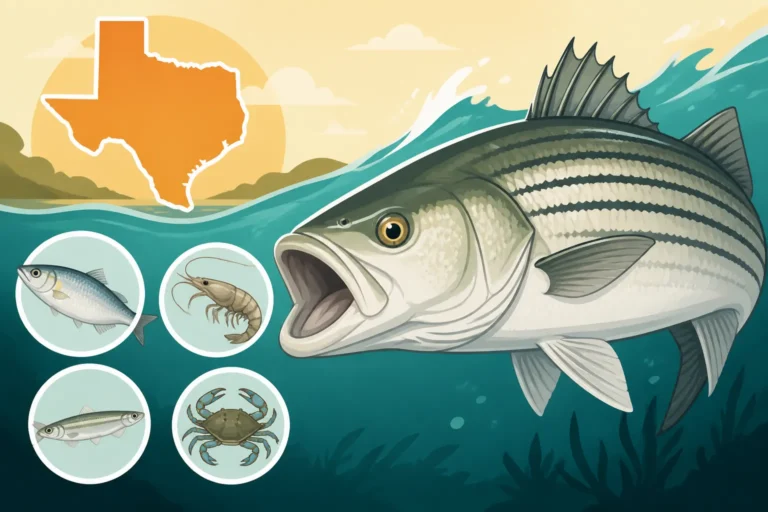
A striped bass is a voracious predator. Their growth is directly tied to the availability of ample forage fish, especially open-water baitfish like gizzard shad and threadfin shad. Lakes with thriving populations of these baitfish provide the consistent high-calorie diet necessary for stripers to pack on pounds. Our large Texas reservoirs, with their expansive open waters and deep channels, offer the perfect habitat for both stripers and their prey to flourish. The extensive underwater structure, deep thermal refuges during hot summers, and vast areas for schooling all contribute to a healthy environment where these fish can grow without excessive stress. Understanding What do striped bass eat can give you a real edge in finding them.
Average vs. Trophy: Realistic Striped Bass Sizes in Texas
While it's exciting to think about record breakers, it's helpful to have a realistic expectation of what most anglers encounter. Striped bass size in Texas lakes varies widely depending on the specific water body, the age of the fish, and environmental conditions.
Common Catch Sizes
For most anglers targeting striped bass in Texas, a common catch will typically range from 2 to 10 pounds. Fish in this size range are abundant in many of our popular striper lakes like Lake Texoma, Possum Kingdom Lake, and Lake Whitney. These are healthy, hard-fighting fish that provide excellent sport. A 5-pound striper offers a memorable battle, and catching several of them in a single outing is a fantastic day on the water. These "eater" size fish are also excellent table fare. Many anglers head to stores like Amazon to stock up on the right lures and tackle for this size range, as it's what they'll encounter most often.
What Qualifies as a "Trophy" Striper in Texas?
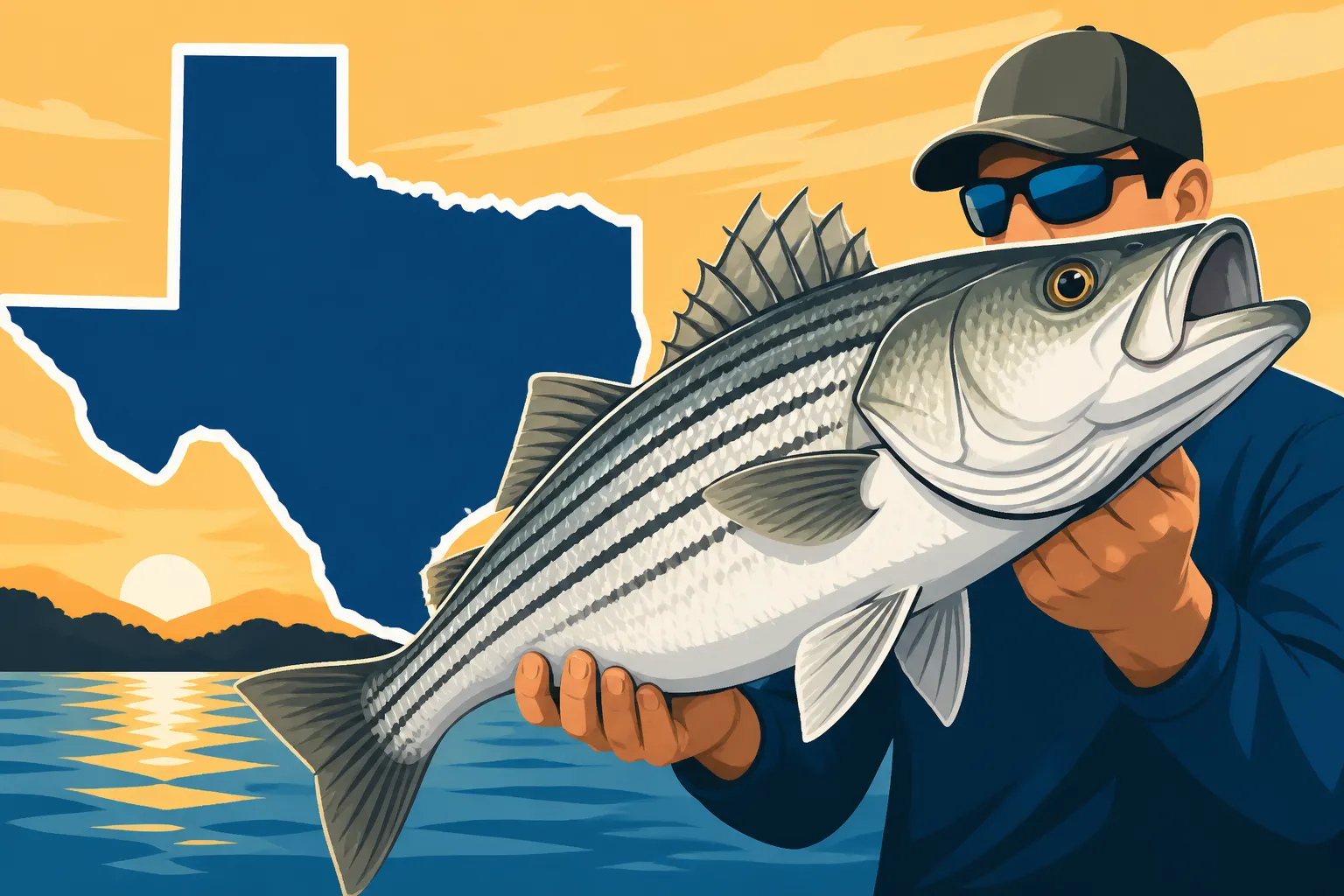
When you start talking about "trophy" striped bass in Texas, you're generally looking at fish that weigh 15 pounds or more. A striper pushing 20 pounds is considered a truly exceptional catch, a fish that most dedicated striper anglers might only land a few times in their lives. Fish in the 20 to 30-pound range are rare, but they are out there, usually in the lakes with a proven history of producing giants. These fish have likely survived many seasons, grown consistently, and found a way to avoid both anglers and natural predators. Landing one requires specialized gear, patience, and often a bit of luck. Texas Striped Bass Fishing Guide offers more insights into chasing these larger fish.
Size Comparison: Pure Stripers vs. Hybrids
It's important to remember the distinction between pure striped bass and hybrid striped bass. While hybrids are incredibly popular in Texas for their aggressive nature and rapid growth, they generally do not reach the colossal sizes of pure stripers. A trophy hybrid might be in the 10-15 pound range, with larger ones being quite rare, while a pure striper can easily double that weight. When discussing "how big do striped bass get," we're usually focusing on the purebred species for the upper end of the size spectrum. The Texas Striped Bass Identification Guide can help you tell the difference.
Record-Breaking Stripers: The True Giants of Texas Lakes
Every angler dreams of catching a state record, and while it's an incredibly rare feat, knowing the potential inspires us to keep casting. Texas has a rich history of producing some truly massive striped bass.
The Current State Record
The current Texas state record for a landlocked striped bass is a behemoth that truly highlights the immense growth potential of these fish in our lakes. This record-breaking fish was caught weighing an astonishing 67.5 pounds. Imagine the fight, the sheer power of a fish that large! It's a testament to the rich ecosystems of certain Texas lakes and the ability of stripers to thrive and reach incredible sizes when conditions are optimal. This record was set decades ago, but it remains the benchmark, inspiring generations of anglers.
Notable Trophy Lakes for Striped Bass
While the state record came from Lake Texoma, it's not the only lake capable of producing giants. Other lakes like Possum Kingdom, Lake Whitney, and occasionally even smaller reservoirs like Lake Buchanan have histories of yielding stripers over 30 and 40 pounds. These lakes typically boast expansive open water, deep thermoclines that provide cool water refuge in summer, and a robust forage base of large shad. Consistently catching large stripers from these lakes requires a deep understanding of their patterns, often involving trolling large baits or targeting specific deep-water structures. For instance, Lake Texoma Striped Bass Fishing Spots details areas where big fish are often found.
The Lifespan of a Giant
For a striped bass to reach record-breaking size, it doesn't just need a lot of food; it also needs time. These exceptional fish are often quite old, perhaps 15-20 years or even more. Their longevity, combined with consistent food availability and favorable environmental conditions, allows them to accumulate mass over many seasons. A fish that has evaded capture for so long and grown to such an impressive size is a truly remarkable specimen.
Factors That Fuel a Striper's Growth to Impressive Sizes
Understanding the mechanics behind a striper's growth can help you better target larger fish and appreciate the environmental factors at play. It's a complex dance between biology, habitat, and management.
Consistent Forage Base
This is arguably the most critical factor. A lake that consistently holds a huge population of large gizzard shad or other high-protein baitfish will produce bigger stripers. These fish need to eat, and they need to eat a lot. If the forage base declines, the average size and overall health of the striper population will suffer. Fisheries biologists regularly monitor these populations to ensure a healthy balance. Many anglers consult fishing reports and even use specialized electronics to locate these baitfish schools, knowing where the bait is, the stripers won't be far behind. Finding the best bait for How to Catch Striped Bass on Lake Texoma often involves mimicking this natural forage.
Water Temperature and Oxygen Levels
Striped bass are cool-water fish and are sensitive to high water temperatures and low oxygen levels, especially in the deeper parts of a lake. During the scorching Texas summers, stripers seek out the "thermocline" – a layer of water where temperature changes rapidly with depth – which offers cooler, oxygenated water. Lakes with deep, stable thermoclines and ample oxygen at depth provide critical refuge, allowing stripers to survive and continue feeding through the hottest months. Lakes that "stratify" well (form distinct temperature layers) are usually better for sustaining large stripers.
Stocking Programs and Management
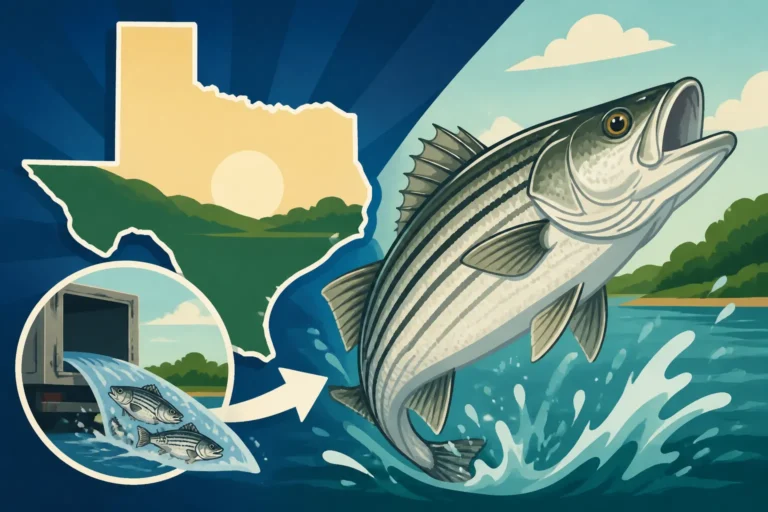
The Texas Parks and Wildlife Department (TPWD) plays a vital role in sustaining our striped bass populations. Since When were striped bass first stocked in Texas, they have regularly stocked fingerlings into suitable reservoirs. These programs ensure a steady supply of young fish that can grow into the next generation of trophies. Management strategies also include regulations like bag and length limits, which are designed to protect larger, spawning-age fish and ensure the long-term health of the fishery. These rules contribute directly to allowing fish to live longer and grow larger.
Fishing Pressure and Angler Practices
While not a direct growth factor, fishing pressure can influence the availability of large fish. Heavily fished lakes might see more large stripers harvested, or they might become warier, making them harder to catch. Catch-and-release practices, especially for truly large fish, can help sustain the presence of trophy-sized stripers in a lake. Many anglers are now focused on careful handling and quick release to ensure these magnificent fish continue to thrive. You can find essential catch-and-release tools, like dehookers and measuring boards, on sites like Amazon.
Preparing for a Big One: Gear and Considerations
Dreaming of a trophy striper means being prepared. These fish fight hard and demand reliable gear.
Rods and Reels for Heavy Duty
When you're targeting stripers that could potentially weigh 20, 30, or even 40+ pounds, your typical bass rod and reel might not cut it. You need robust gear built for power.
For rods, look for medium-heavy to heavy power, with a fast action, typically between 7 and 8 feet in length. These rods provide the backbone to turn a big fish and absorb powerful runs. Brands like Penn, Shimano, and Daiwa offer excellent options.
Reels should be sturdy baitcasting reels with a good drag system and high line capacity (size 300-400 equivalent for baitcasters) or heavy-duty spinning reels (size 5000-8000). A smooth, reliable drag is paramount for fighting large stripers. You'll find many suitable options on Amazon, often with detailed specifications for line capacity and drag ratings.
Line and Terminal Tackle
Heavy braided line is a popular choice for striper fishing due to its strength, sensitivity, and lack of stretch. Anywhere from 30 to 60-pound test braided line is common, often paired with a fluorocarbon leader of 20 to 40 pounds. The leader provides abrasion resistance and can be less visible to the fish in clear water. For terminal tackle, use strong, sharp hooks appropriate for the baits you're using. Circle hooks are excellent for live bait and aid in preventing gut hooks. Heavy-duty swivels and snaps are also essential to withstand the immense pressure exerted by a large striper.
Essential Tools for Landing and Measuring
Landing a large striped bass safely and efficiently requires the right tools. A large, rubberized landing net is ideal, as it helps protect the fish's slime coat and prevents hooks from getting tangled. If you plan to release the fish, a measuring board is crucial for accurately documenting its length without stressing it. Many anglers also carry a reliable digital scale to get a weight quickly. Remember, proper handling is key to ensuring the survival of a released trophy. Investing in these tools, which are readily available through retailers like Amazon, is a small price to pay for the health of our fisheries.
| Size Category | Typical Weight Range (Pure Striper) | Typical Length Range | Common Locations |
|---|---|---|---|
| Common Catch | 2-10 pounds | 18-28 inches | Lake Texoma, Possum Kingdom, Whitney, Buchanan |
| Trophy Class | 15-30 pounds | 30-40+ inches | Lake Texoma, Possum Kingdom, Whitney |
| Exceptional/Record | 30+ pounds | 40+ inches | Lake Texoma (especially historically) |
| Texas State Record | 67.5 pounds | N/A | Lake Texoma |
Best Time to Target Big Stripers
While stripers can be caught year-round, certain seasons offer better opportunities for bigger fish. The spring and fall months, when water temperatures are more moderate, often trigger strong feeding binges. In summer, big stripers move to deeper, cooler water, making them harder to locate but often concentrated. Winter can also be productive, especially on warmer days, as stripers will school up and feed aggressively. Understanding Best Time to Catch Striped Bass in Texas can significantly increase your odds of encountering a giant.
Disclaimer
This article is for general informational purposes only and does not constitute professional advice. Laws, prices and regulations vary by location and change over time. Consult a qualified professional for guidance on your specific situation.