When were striped bass first stocked in Texas
Ever wondered about the history behind those incredible striped bass fisheries we have here in Texas? It’s a common question, especially when you reel in a big one and marvel at its power. For many of us, it almost feels like they've always been here, but their presence is actually a testament to some visionary thinking and a lot of hard work. This guide is going to take you back in time to explore the fascinating journey of how striped bass first came to call Texas home, the reasons behind their introduction, and how they've shaped our angling scene into what it is today.
The Genesis of Striped Bass in Texas: Early Stocking Efforts
For decades, many Texas anglers only dreamed of catching a striped bass, a powerful, hard-fighting fish native to the Atlantic seaboard and Gulf of Mexico tributaries. Our sprawling freshwater lakes, while fantastic for bass and catfish, didn't naturally support this kind of open-water predator. That all changed when state fisheries biologists began looking for ways to diversify our sport fishing opportunities and utilize the vast open-water forage bases in our large reservoirs. The idea was ambitious: bring a marine-adapted fish into landlocked freshwater environments.
The pioneering efforts to introduce striped bass to Texas freshwater began in the late 1960s. This wasn't a casual decision; it was a carefully planned, scientific endeavor. Biologists with the Texas Parks and Wildlife Department (TPWD) studied the successes and failures of other states that had attempted similar introductions. They recognized the potential these fish held for creating a dynamic new fishery that could thrive in the deep, clear waters of many Texas reservoirs, which often had an abundance of gizzard shad, a perfect food source for growing stripers.
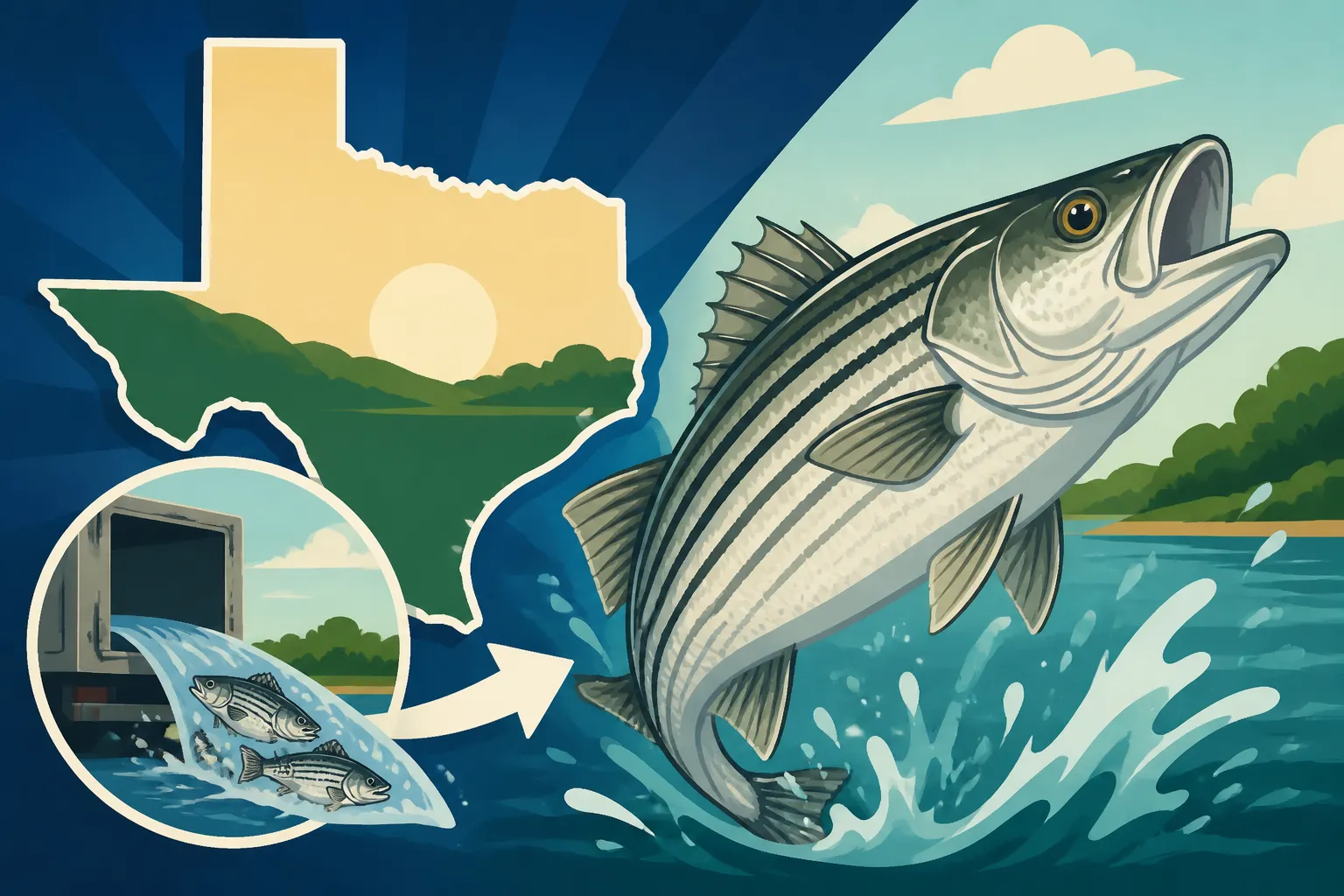
The very first batch of striped bass fingerlings was stocked in Texas waters in 1967. This initial stocking took place in Lake Whitney, a large reservoir on the Brazos River. These tiny fish, fresh from hatcheries, were the vanguard of what would become a highly successful and beloved sport fishery across the state. It was a moment that fundamentally altered the course of Texas fishing, laying the groundwork for the incredible striper action we enjoy today.
The Initial Introductions and Pioneering Lakes
The decision to choose Lake Whitney for the inaugural stocking wasn't arbitrary. Biologists looked for large reservoirs with stable water levels, ample forage fish, and suitable habitat that could mimic the open-water environments stripers prefer. Whitney proved to be an excellent candidate, providing deep channels and vast expanses where these pelagic predators could roam. The initial stockings were small by today's standards, but each tiny fish represented a massive investment of hope and scientific effort.
Following the initial success at Lake Whitney, the TPWD expanded its stocking program to other major reservoirs. Lakes like Spence and E.V. Spence also received early stockings, with biologists carefully monitoring the survival rates and growth patterns of the introduced fish. These early studies were crucial in understanding how well striped bass adapted to our unique Texas freshwater conditions, and what factors were most important for their success. It was a learning process, with each stocking providing valuable data that would refine future strategies.
As the program gained traction, other lakes eventually entered the stocking rotation, including the iconic Lake Texoma, which would later become world-renowned for its self-sustaining striped bass population. The early years involved a lot of trial and error, but the commitment of the TPWD to this new fishery was unwavering, fueled by the enthusiastic response from anglers who were quickly falling in love with these hard-fighting newcomers. The goal was clear: to establish robust, recreational fisheries that could endure for generations.
Overcoming Early Challenges
Introducing a non-native species, even one as desirable as the striped bass, is rarely without its hurdles. One of the primary challenges was simply the logistics of obtaining and transporting enough healthy fingerlings to make a significant impact. Hatchery technology and fish transport methods were not as advanced as they are today, and ensuring the survival of delicate young fish during long journeys was a constant battle. This required meticulous planning and execution to minimize stress and mortality.
Another significant challenge was understanding the specific environmental needs of striped bass in a freshwater context. Would they reproduce naturally? What water temperatures were ideal? How would they interact with native species? These were all questions that needed answers. Early on, it became clear that while adult stripers could thrive, natural reproduction in most Texas freshwater lakes was limited, if it happened at all, due to a lack of long, free-flowing rivers necessary for their eggs to hatch successfully.
This realization led to the understanding that sustained stocking efforts would be necessary to maintain these fisheries. It meant ongoing resource commitment, from breeding programs in state hatcheries to the careful distribution of fingerlings. It also necessitated continuous research into habitat management and forage availability to ensure that the lakes could support these new apex predators without negatively impacting existing ecosystems. The TPWD embraced this long-term commitment, ensuring the future of Texas stripers.
Why Striped Bass Were Introduced: Ecological and Angler Benefits
The decision to introduce a new species into a complex ecosystem is never taken lightly. For striped bass in Texas, there were compelling reasons that aligned with both ecological management goals and the desire to enhance recreational angling opportunities. Biologists saw an opportunity to fill a particular niche in the larger reservoirs, while anglers yearned for a new kind of fishing challenge.
Many of our large Texas reservoirs were built primarily for flood control and water supply, resulting in vast, open-water environments that, while productive, sometimes lacked a dominant, large, open-water predator. Native species like largemouth bass tend to stick to cover and shallower areas, leaving the deeper, pelagic zones underutilized by top predators. Striped bass, with their schooling behavior and preference for open water, were perfectly suited to exploit this ecological gap.
From an angler's perspective, the introduction of striped bass was a game-changer. These fish are renowned for their strength, speed, and sustained fighting ability, offering a thrill that was distinctly different from battling a largemouth or even a powerful catfish. They could grow to impressive sizes, providing the potential for trophy catches that would draw anglers from all over. The promise of such a dynamic new sport fish fueled public support for the stocking programs.
Filling an Ecological Niche
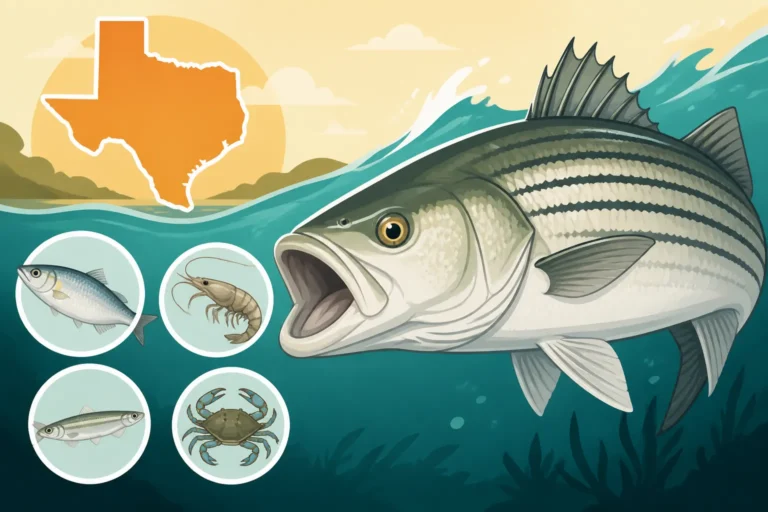
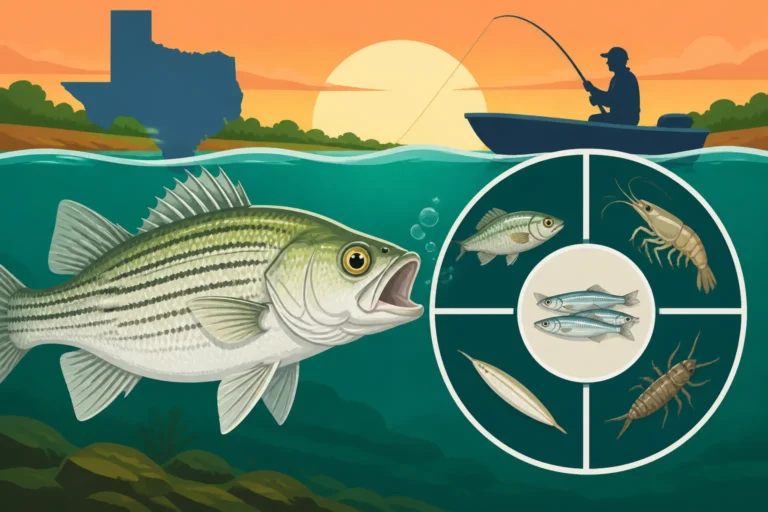
Large Texas reservoirs often develop immense populations of gizzard shad, a small, schooling forage fish. While these shad provide food for many species, their sheer numbers can sometimes become overwhelming, leading to stunted growth in some predator populations or underutilized biomass in the open water. Striped bass are voracious predators of shad, perfectly adapted to hunting them in large schools across expansive open waters.
By introducing stripers, biologists aimed to create a more balanced ecosystem. These fish act as an effective natural control on shad populations, transforming a plentiful but sometimes excessive food source into desirable sport fish. This utilization of the open-water food chain helps ensure healthier forage fish populations overall and allows for a more efficient transfer of energy within the lake's food web. It’s a classic example of using a targeted species introduction to improve overall ecological health and productivity from an angling standpoint.
Furthermore, striped bass don't typically compete directly with native largemouth bass or other warm-water species for habitat or primary food sources in the same way some other introduced fish might. Because stripers prefer the cooler, deeper, open-water areas, especially during the hot Texas summers, they occupy a different part of the lake. This spatial separation minimizes competition, allowing both native and introduced species to thrive in their preferred environments.
Creating a New Sport Fishery
The allure of a new, hard-fighting game fish was undeniably a massive driving force behind the sustained efforts to stock striped bass. Imagine the excitement of Texas anglers, who were already passionate about bass and catfish, suddenly having the opportunity to target a fish known for making screaming runs and prolonged battles. This wasn't just another fish; it was a completely different angling experience.
A successful striper fishery also brings significant economic benefits. Anglers travel, stay in hotels, eat at local restaurants, and buy gear. Tackle shops thrive on the demand for specialized striper rods, reels, and lures. Looking for the best braided line for those long casts? Or maybe a new heavy-duty spinning reel? Amazon and local tackle stores both see increased activity thanks to the popularity of these fish. This boost to local economies around prime striper lakes, such as Lake Texoma Fishing Guide, was and continues to be a tangible benefit of the stocking program.
The creation of this new sport fishery wasn't just about big fish; it was about expanding the definition of fishing in Texas. It gave fly anglers a new challenge, offered boaters exciting open-water action, and even provided opportunities for bank anglers willing to put in the time. The excitement around striped bass fundamentally changed the angling landscape, adding a vibrant new dimension to what it means to go fishing in the Lone Star State.
The Impact and Evolution of Striped Bass Fisheries in Texas
The initial stockings in 1967 laid the groundwork for what would become some of the most exciting and productive striped bass fisheries in the country. From those humble beginnings, the program blossomed, adapting to challenges and evolving to meet the demands of a growing number of striper fanatics. The story of striped bass in Texas is one of remarkable success, driven by scientific management and dedicated anglers.
One of the most significant impacts was the establishment of several world-class fisheries. Lake Texoma, straddling the Texas-Oklahoma border, stands out as a unique success story where striped bass not only thrive but also sustain a naturally reproducing population – a rarity for freshwater stripers. This natural reproduction, coupled with continued stocking, has made Texoma a mecca for striper anglers, drawing thousands annually. Other lakes, while requiring continuous stocking, have also developed incredible reputations.
The evolution of the fishery has also seen the rise of the hybrid striped bass. Recognizing the challenges of natural reproduction for pure stripers in most lakes, and seeking a fish that might tolerate warmer water better, biologists began to experiment with crossing striped bass with white bass. This resulted in the "hybrid striper" or "wiper," a robust, fast-growing, and equally hard-fighting fish that has become a staple in many Texas reservoirs.
The Rise of the Texas Striper Fishery
Once established, the striped bass fisheries in Texas quickly gained legendary status. Anglers discovered the thrill of catching these powerful fish, often in schooling frenzies that could last for hours. The sheer size potential, with stripers regularly reaching double-digit weights and occasionally pushing into the 30s or even 40s pounds in certain lakes, captivated the fishing community. This led to a surge in specialized gear and techniques, from trolling with deep-diving crankbaits to live bait fishing with shad.
Lakes like Lake Whitney, Lake Texoma, and later others such as Lake Lavon and Richland Chambers, became synonymous with excellent striper fishing. Guides emerged, specializing in locating and catching these open-water giants, further cementing the fish's popularity. The success stories from these lakes spread far and wide, attracting out-of-state anglers keen to experience the unique fight of a Texas striper. If you’re interested in learning more about specific techniques, a Texas Striped Bass Fishing Guide can offer invaluable tips.
The success of the striper program also highlighted the effectiveness of state fisheries management. The TPWD continued to monitor populations, adjust stocking rates, and implement regulations to protect the health of the fisheries. This proactive approach has ensured that despite intense fishing pressure, the opportunity to catch a trophy striper in Texas remains a very real possibility for dedicated anglers.
The Role of Hybrid Stripers
As the pure striped bass program matured, the hybrid striped bass (a cross between a female striped bass and a male white bass) emerged as an incredibly valuable addition to the Texas fishing landscape. These hybrids exhibit "hybrid vigor," meaning they often grow faster and are hardier than either parent species, adapting well to a wider range of water conditions, including the warm summers that can sometimes stress pure stripers.
Hybrid stripers quickly proved to be an excellent choice for reservoirs where pure striped bass struggled with natural reproduction or heat stress. They offer an equally aggressive fight, school readily, and provide abundant angling opportunities. Many anglers even find them more accessible, as they tend to be found in shallower water and tolerate warmer temperatures better than pure stripers, making them a fantastic option for those looking for consistent action. For a detailed comparison, check out Texas Hybrid Striped Bass vs Pure Striped Bass.
Today, hybrid stripers are stocked in numerous Texas lakes, often alongside or in lieu of pure stripers, depending on the specific characteristics of the reservoir. They have become a cornerstone of the state's open-water sport fishing, providing countless hours of enjoyment for anglers and contributing significantly to the ecological balance of our reservoirs by continuing to prey on abundant forage species like gizzard shad. Their introduction represents an adaptive and successful evolution of the original striper stocking vision.
Finding Striped Bass Today: Where to Experience the Legacy
The legacy of those first stockings in 1967 is vibrant and thriving across Texas. If you're looking to experience the power of a striped bass or a hybrid striper, you have fantastic options. These fish continue to be a premier sportfish, challenging anglers with their strength and schooling patterns. Knowing where to go and what gear to use can make all the difference in connecting with these incredible fish.
From the wide-open waters of major reservoirs to smaller lakes with robust hybrid populations, Texas offers diverse opportunities for striper fishing. The key is often finding the baitfish, as stripers will almost always be close by. Modern electronics, like fish finders, can be incredibly helpful in locating schools of bait and the predators lurking beneath them. Many anglers find that investing in quality gear, which can easily be researched and purchased on platforms like Amazon, significantly enhances their success.
Whether you prefer the thrill of topwater explosions at dawn, the steady pull of a trolled lure in deeper water, or the intense action of live bait fishing, striped bass and hybrid stripers offer it all. They demand respect, both in their fight and in the regulations designed to sustain them. Remember to always check current Texas Fish Bag and Length Limits before heading out.
Prime Texas Lakes for Striped Bass
When you think of Texas striped bass, one name immediately comes to mind: Lake Texoma. This massive reservoir on the Red River is unique for its self-sustaining population of pure striped bass, meaning natural reproduction occurs consistently. It's a national treasure for striper fishing, famous for huge schools and large individual fish. If you’re planning a trip, definitely look into Lake Texoma Striped Bass Fishing Spots for some prime locations.
Beyond Texoma, several other Texas lakes offer incredible opportunities for both pure and hybrid striped bass. Richland Chambers Reservoir, Lake Lavon, and Lake Whitney continue to be powerhouse lakes for consistent action, often yielding impressive numbers and sizes. Farther west, lakes like Possum Kingdom also boast strong striper populations. These lakes are regularly stocked by the TPWD, ensuring a healthy supply of fish for anglers to pursue.
For hybrid stripers specifically, you'll find excellent fishing in lakes like Stillhouse Hollow, Belton Lake, and Canyon Lake. These hybrids provide fantastic action, often growing large and putting up an incredible fight. No matter where you choose to fish, a little research into recent fishing reports will give you the best chance of success, helping you understand where the fish are holding and what they're biting on.
Essential Gear for Striper Anglers
To truly enjoy striped bass fishing, having the right gear is paramount. These fish fight hard and demand sturdy tackle. A medium-heavy to heavy action rod, typically 7 to 8 feet long, paired with a robust spinning reel or baitcasting reel capable of holding 20-30 pound test line, is a good starting point. Braided line is often preferred for its strength and sensitivity, especially when fishing deeper or around structure. You can find a wide array of options for Best Rods for Texas Striped Bass Fishing and reels online.
Lure choices for stripers are varied, but some classics stand the test of time. Topwater plugs are exhilarating during low-light conditions, while sassy shads, swimbaits, and large spoons are excellent for targeting schooling fish or those holding deeper. For trolling, deep-diving crankbaits in shad patterns are incredibly effective. A selection of these lures, easily found on Amazon or at your local bait shop, will cover most situations. Don't forget a sturdy landing net, as these powerful fish can be difficult to land by hand.
Beyond rods and reels, consider essentials like a good pair of polarized sunglasses to cut glare and spot schooling fish, and a reliable tackle box or bag to keep your gear organized. A bait cooler for live shad, if you plan to use them, is also a must. Investing in quality gear not only makes the experience more enjoyable but also helps ensure you're prepared for the fight when that trophy striper takes your bait.
| Feature | Pure Striped Bass | Hybrid Striped Bass (Wiper) |
|---|---|---|
| Origin | Native to Atlantic Coast; stocked in Texas | Crossbreed of Striped Bass & White Bass |
| Appearance | Seven or eight distinct, unbroken dark stripes | Broken or irregular stripes, sometimes faded |
| Body Shape | More elongated, torpedo-shaped | Stockier, deeper body |
| Growth Rate | Can grow very large, but often slower than hybrids | Faster growing, can reach large sizes quickly |
| Natural Reproduction | Very limited in most Texas freshwaters (except Texoma) | None (must be hatchery produced) |
| Habitat Preference | Prefers cooler, deeper, open water | More tolerant of warmer water, often shallower |
| Fight | Long, powerful runs, sustained fight | Aggressive, hard-fighting, powerful bursts |
| Typical Length | 15-40 inches (can exceed) | 12-25 inches (can exceed) |
| Lifespan | Longer (up to 20 years in some areas) | Shorter (typically 5-7 years) |
Disclaimer
This article is for general informational purposes only and does not constitute professional advice. Laws, prices and regulations vary by location and change over time. Consult a qualified professional for guidance on your specific situation.