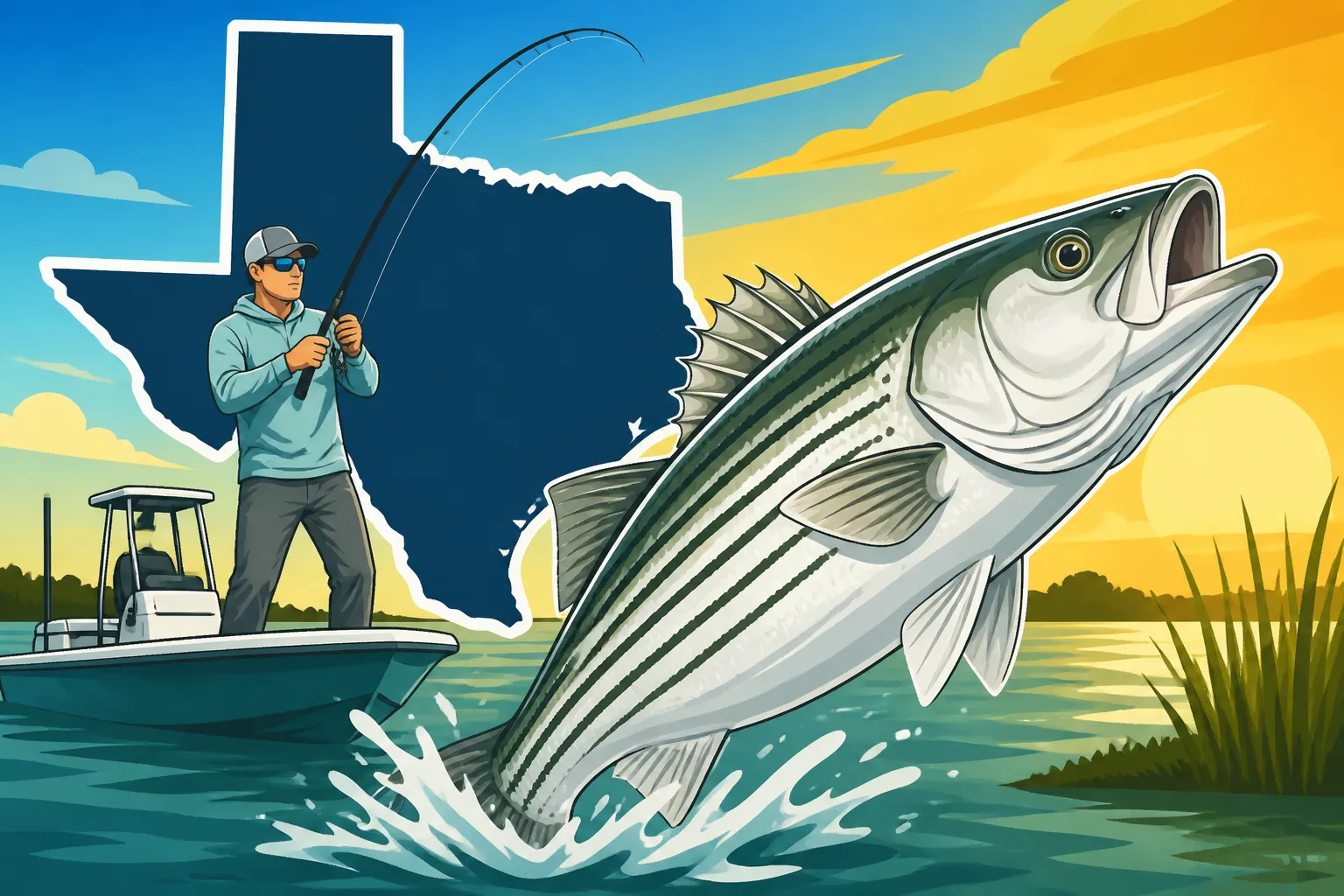
Texas Striped Bass Fishing Guide
Few things are more thrilling than the sheer power of a Texas striped bass pulling on your line. However, chasing these formidable fish across our vast lakes can feel like a real mystery, especially when you're not sure where to start, what gear to use, or how their patterns shift with the seasons. This comprehensive guide is here to unravel those mysteries, equipping you with the knowledge and confidence to target and land some incredible striped bass right here in the Lone Star State.
Understanding Texas Striped Bass
Let's be real, striped bass are a different breed. They're not your typical largemouth cruising the shallow weeds or a catfish hunkered down in a river channel. Stripers, as we affectionately call them, are powerful, fast, and often found in open water, making them an exciting challenge for any angler. Their presence in Texas lakes is largely due to extensive stocking programs, bringing a bit of the coast inland for us to enjoy.
Identification and Characteristics
When you hook into a striped bass, you'll know it. They're built for speed and power, with a long, silvery body marked by distinct horizontal black stripes that run from gill plate to tail. These stripes are usually unbroken and clear, setting them apart from their close cousins, the hybrid striped bass, whose stripes tend to be broken or patchy. Stripers also have two distinct dorsal fins, with the first being spiny and the second soft-rayed. Their mouths are rather large, perfectly designed for engulfing baitfish.
They can grow to impressive sizes in Texas waters, with some truly enormous specimens being pulled from our major reservoirs. These fish are strong fighters, often making powerful, long runs that will test your drag and your biceps. Their muscle and stamina are what make them such a prized game fish for many anglers. When you're out there, really pay attention to those stripes – it's the easiest way to differentiate a pure striper from a hybrid, and understanding the nuances of each can sometimes help you fine-tune your approach for more consistent success. Knowing your target species is always the first step to becoming a more effective angler. If you're curious about all the details, we have a whole guide dedicated to Texas Striped Bass Identification Guide.
Stocking Efforts and Population Dynamics
It’s important to understand that most of the striped bass populations in Texas freshwater lakes aren't naturally reproducing; they're sustained by the incredible efforts of the Texas Parks and Wildlife Department (TPWD) through their stocking programs. These programs ensure that our lakes remain vibrant with this exciting game fish. TPWD raises striped bass in hatcheries and then releases them into carefully selected reservoirs across the state. This means that the populations you're fishing for are actively managed, and their numbers can fluctuate based on stocking schedules and environmental conditions.
The TPWD aims to stock lakes where stripers can thrive, often in large, deep reservoirs that can support their need for cooler, oxygenated water during the hotter summer months. This commitment to stocking is why we have such fantastic striped bass fishing opportunities in Texas, turning some of our inland lakes into bona fide striper hot spots. Without these continuous efforts, the thrill of catching a big striper far from the Gulf would simply not be possible. It's a testament to good fishery management and a real gift to Texas anglers, allowing us to pursue these powerful fish year after year.
Prime Texas Striped Bass Fishing Lakes
Texas is a big state, and luckily, we've got some truly incredible lakes that consistently produce fantastic striped bass action. While you might find them in a few other places, these particular reservoirs stand out as prime destinations for anyone serious about chasing stripers. Each one offers a slightly different experience, but they all share one thing in common: the potential for a bent rod and a screaming reel.
Lake Texoma: The Striped Bass Mecca
If you talk about striped bass in Texas, Lake Texoma is probably the first name that comes to mind for most anglers, and for very good reason. This massive reservoir, straddling the Texas-Oklahoma border, is often referred to as the "Striped Bass Capital of the World." What makes Texoma so special? Well, unlike most other Texas lakes, Lake Texoma boasts a naturally reproducing population of striped bass, thanks to its unique mix of fresh and saltwater currents from the Red and Washita Rivers. This natural reproduction, combined with additional stocking, means a robust and healthy population of stripers, many of which reach impressive sizes.
Fishing Texoma is an experience unto itself. You'll find anglers targeting stripers in a variety of ways, from trolling large swimbaits in the open water to casting topwaters during the explosive "guide trips" when the fish are schooling on the surface. The sheer volume of fish and the potential for a true trophy make Texoma a bucket-list destination for any serious striper angler. It's not uncommon to see multiple boats working the same area, all hooked up at once, especially during the peak seasons. If you're planning a trip, definitely check out our comprehensive Lake Texoma Fishing Guide for all the local insights.
Other Top-Tier Striped Bass Reservoirs
While Texoma holds a special place, Texas has several other fantastic lakes where you can get your striped bass fix. These lakes are typically stocked by TPWD and offer excellent opportunities, especially if you're looking for something closer to home or a different fishing environment.
One such gem is Lake Whitney. Known for its clear, deep waters and dramatic bluffs, Whitney offers great striper fishing, particularly in its lower end. Anglers often find success here by trolling or using live bait, especially during the warmer months when stripers seek out cooler, deeper water. The scenery alone is worth the trip, and the fight of a Whitney striper is something to behold.
Then there's Lake Belton, a bit further south but still a consistent producer of stripers. Belton can be a bit more challenging due to its complex structure, but for those who put in the time, the rewards are often substantial. Live bait and downrigging are popular methods here, especially around the main lake points and humps.
Lake Buchanan in the Texas Hill Country is another excellent option. It's one of the oldest lakes in Texas and provides good striper fishing, often with a focus on live bait such as shad. The fish tend to school up in open water, making them a great target for those with good electronics.
And let's not forget Canyon Lake. While perhaps better known for its clear water and recreational opportunities, Canyon Lake also holds a respectable population of striped bass. Anglers here often target them near the dam or in deeper parts of the lake, especially in the cooler months.
Each of these lakes presents its own unique challenges and rewards, but they all offer exciting opportunities for anglers eager to battle a Texas striped bass. It often pays to check local fishing reports before heading out, as striper patterns can vary from lake to lake and even change weekly.
| Lake Name | Primary Location | Key Features for Stripers | Common Fishing Methods |
|---|---|---|---|
| Lake Texoma | North Texas/Oklahoma Border | Natural Reproduction, Large Population, Trophy Potential | Trolling, Live Bait, Topwater, Jigging |
| Lake Whitney | Central Texas | Clear, Deep Water, Dramatic Bluffs | Trolling, Live Bait (Shad), Downrigging |
| Lake Belton | Central Texas | Complex Structure, Consistent Producer | Live Bait, Downrigging, Jigging |
| Lake Buchanan | Central Texas (Hill Country) | Older Lake, Open Water Schooling Fish | Live Bait (Shad), Trolling |
| Canyon Lake | Central Texas (Hill Country) | Clear Water, Deep Sections, Dam Area | Live Bait, Trolling, Jigging |
Essential Gear for Texas Striped Bass
Chasing striped bass isn't just about finding the fish; it's also about having the right tools for the job. These powerful fish demand gear that can handle their incredible runs and powerful surges. Skimping on your tackle can quickly lead to heartbreak when you hook into a true monster. Let’s break down the essential components that will give you the best chance of success.
Rod and Reel Combinations
For striped bass, you're going to want something with a bit more backbone than your typical bass setup. A medium-heavy to heavy action rod, usually in the 7 to 8-foot range, is ideal. This length provides the leverage needed for long casts and the power to control a strong fish. Graphite rods are popular for their sensitivity and lighter weight, but fiberglass or composite rods can offer a more forgiving action, which can be beneficial when fighting a hard-pulling fish. Look for a rod with a strong butt section and a sensitive tip.
Pair that rod with a robust spinning reel or a baitcasting reel designed for heavy-duty use. For spinning reels, a 4000 to 6000 series size is usually appropriate, ensuring you have enough line capacity and a smooth, reliable drag system. If you prefer baitcasters, a reel with a good braking system and a high line capacity is key. The drag system is paramount; it needs to be smooth and capable of handling sustained pressure without faltering. Remember, a screaming drag is the sound of a striper taking line, and you want that drag to be consistent throughout the fight. You can find a wide selection of suitable rods and reels on Amazon that cater to different budgets and preferences.
Line Selection and Leader Systems
Your line is the direct connection to the fish, so choosing wisely is crucial. For striped bass, most anglers opt for braided line as their main line. Braided line offers superior strength-to-diameter ratio, no stretch for excellent sensitivity and hook sets, and incredible casting distance. A good starting point is 30 to 50-pound test braided line. The exact pound test might vary based on the size of fish you're targeting and the amount of cover in the area.
However, direct tying to braid isn't always ideal, especially in clear water or when fish are line-shy. This is where a fluorocarbon leader comes into play. Fluorocarbon is nearly invisible underwater, extremely abrasion-resistant, and provides a bit of shock absorption. A leader of 15 to 30-pound test fluorocarbon, anywhere from 2 to 6 feet long, is typically connected to your braided main line using a strong knot like an FG knot or an Albright knot. The knot strength is critical here; practice tying these knots until they're perfect. This leader system gives you the benefits of both braided and fluorocarbon lines, providing a stealthy presentation with the strength to battle big stripers. For deeper dives into setting up your lines, consider checking out guides on Best Fishing Rods for Texas Anglers and Best Fishing Reels for Texas Anglers.
Must-Have Lures and Baits
Striped bass are opportunistic feeders, and their diet primarily consists of smaller baitfish like shad, perch, and small bream. Therefore, your lure and bait choices should mimic these natural food sources.
When it comes to artificial lures, a few categories are indispensable:
- Jigs: Bucktail jigs, soft plastic swimbaits on jig heads, and lead-head jigs are incredibly effective. White, chartreuse, and natural baitfish colors are consistent producers. Heavy jigging spoons also work wonders when stripers are holding deep.
- Swimbaits: Paddle tail swimbaits, often rigged on a heavy jig head or as an umbrella rig, are fantastic for imitating schools of baitfish. Sizes ranging from 4 to 8 inches are common.
- Topwater Lures: Nothing beats the explosive strike of a striper on a topwater plug. Poppers, walk-the-dog lures, and pencil poppers can be incredibly exciting, especially during low-light conditions or when stripers are schooling on the surface.
- Crankbaits and Lipless Crankbaits: Deep-diving crankbaits are great for trolling or casting to fish holding at specific depths. Lipless crankbaits can cover a lot of water quickly and are great for searching for active fish.
- Umbrella Rigs (Alabama Rigs): These rigs, mimicking a school of baitfish, can be devastatingly effective for schooling stripers, especially when they are targeting larger bait pods.
For live bait, shad is king. Threadfin and gizzard shad are the primary forage for stripers in most Texas lakes. Catching your own shad with a cast net is often the most effective method, as fresh, lively bait is always preferred. Other live baits like small sunfish or perch can also work. When fishing live bait, a simple Carolina rig or a free-lined bait are common presentations. Regardless of your chosen method, having a good selection of Best Lures for a Texas Tackle Box for stripers is key to adapting to changing conditions on the water.
Effective Techniques for Catching Striped Bass
Striped bass are constantly on the move, chasing baitfish in open water, which means successful striper fishing often requires a dynamic approach. You can't just anchor up and wait; you've got to be willing to cover water, adapt to the conditions, and present your bait or lure in a way that triggers their predatory instincts. Let's dive into some of the most effective techniques that Texas anglers use to put stripers in the boat.
Trolling Strategies
Trolling is perhaps one of the most popular and consistently effective methods for catching striped bass in Texas, especially on large, open-water reservoirs like Lake Texoma or Lake Whitney. It allows you to cover vast amounts of water and present multiple lures at different depths simultaneously, increasing your chances of finding active fish.
The basic idea behind trolling is to drag your lures behind a moving boat at a controlled speed, mimicking swimming baitfish. You'll want to use a combination of deep-diving crankbaits, swimbaits on weighted lines, or even live bait on planer boards or downriggers. Downriggers are particularly useful for keeping your lures at a precise depth, which is crucial when stripers are holding deep. Pay close attention to your boat speed; typically, 2 to 4 miles per hour is a good starting point, but slight variations can make a big difference. Experiment with speed until you find what triggers bites.
Your electronics (fish finder/chartplotter) become your best friend when trolling. Look for bait balls and suspended fish, then adjust your lure depth and trolling path to intercept them. Don't be afraid to make turns and S-curves; these changes in speed and lure action can often provoke a strike. Trolling is a fantastic search method, and once you locate a school of fish, you can sometimes switch to casting or jigging if the conditions allow. Mastering this technique can dramatically improve your success rate, especially when fish are scattered or holding deep.
Live Bait Fishing Techniques
When it comes to consistency, especially for larger stripers, it's hard to beat live bait. Striped bass are apex predators, and a struggling, lively baitfish is often an irresistible meal. As mentioned, shad are the preferred choice, and fresh is always best.
There are several ways to present live bait effectively:
- Free-lining: This technique involves simply hooking a live shad through the nose or back and allowing it to swim naturally with little to no weight. This is incredibly effective when stripers are schooling on the surface or near the surface, or when they are particularly wary. The key is to let the bait swim freely among the school.
- Balloon Rigging: Similar to free-lining, but you attach a small balloon a few feet above your bait. This helps keep your bait at a specific depth, prevents it from diving too deep, and also serves as a visual strike indicator.
- Carolina Rig: When stripers are holding deeper or near the bottom, a Carolina rig is excellent. Use an egg sinker (1/2 to 1 oz, or more depending on current and depth) above a swivel, then a 2-4 foot fluorocarbon leader to your hook. This allows the bait to move somewhat naturally off the bottom while keeping it in the strike zone.
- Downrigging with Live Bait: Combining the precision of downriggers with the appeal of live bait can be deadly. This puts your lively shad directly into deep-holding schools.
Regardless of the presentation, use a strong, sharp circle hook that matches the size of your bait. Circle hooks are generally safer for the fish and result in more consistent hookups in the corner of the mouth, making for easier release if desired. Keeping your bait lively in a well-aerated livewell is crucial for success. Many guides on Lake Texoma Striped Bass Fishing Spots will emphasize the importance of fresh, lively bait.
Artificial Lure Presentations
While trolling and live bait are fantastic, casting artificial lures for stripers offers a more active and often exhilarating experience. This is where your rod-and-reel skills really come into play.
- Topwater Action: When stripers are chasing bait on the surface, often referred to as a "boil" or "schooling," throwing a topwater lure is pure adrenaline. Cast beyond the commotion and retrieve your popper or walk-the-dog lure through the school. The strikes are often violent and spectacular. This usually happens early morning or late evening, or on cloudy days.
- Jigging: When stripers are suspended deeper or holding near structure, vertical jigging with bucktail jigs, slab spoons, or heavy swimbaits can be incredibly effective. Drop your lure to the depth where fish are marked on your electronics, then aggressively jig it up and down, letting it flutter on the fall. The strike often comes on the pause or the fall.
- Casting Crankbaits and Swimbaits: For stripers that are scattered or cruising at a specific depth, casting deep-diving crankbaits or soft plastic swimbaits and retrieving them steadily can draw strikes. Match the size and color of your lure to the prevailing baitfish. Vary your retrieve speed and incorporate pauses to see what triggers a bite.
- Umbrella Rig Casting/Retrieving: While often trolled, umbrella rigs can also be cast and retrieved, especially when fish are schooling just below the surface and you want to present a larger, more compelling school of baits.
The key to successful artificial lure fishing is observation and experimentation. Watch for bird activity, look for surface disturbances, and constantly monitor your fish finder. Be prepared to change lures, depths, and retrieve styles until you dial into what the fish want on any given day. Always be ready for a hard fight once that lure connects with a hungry striper!
Seasonal Strategies for Striped Bass in Texas
Striped bass patterns shift dramatically throughout the year in Texas, largely influenced by water temperature, baitfish movements, and their spawning cycles. Understanding these seasonal changes is crucial for consistent success. What works in spring won't necessarily work in the scorching summer, and vice-versa. Let's break down how to approach stripers month by month.
Springtime Runs and Spawning Aggression
Ah, spring in Texas! The water starts warming up, and the striped bass begin their annual migration up tributaries to spawn. While true spawning in most stocked lakes isn't successful due to lack of suitable conditions, the instinct to spawn still drives them to make these upstream movements. This is a fantastic time for anglers, as stripers become highly active and concentrated.
From March through May, look for stripers to move into the rivers and creeks that feed the main lake. On Lake Texoma, for instance, the Red and Washita River arms become hotspots. Fish will be aggressive, gorging themselves before and after the spawn-like behavior. Live shad, large swimbaits, and even topwater lures can be incredibly effective as fish feed heavily in shallower areas. Focus on current breaks, rocky points, and submerged timber. The fish might not be truly reproducing in all our lakes, but their biological clock still tells them to run, making it a predictable and exciting time to target them. It's often considered the Best Time to Catch Striped Bass in Texas if you're looking for sheer numbers and aggressive bites.
Summer Deepwater Tactics
Once the scorching Texas summer heat sets in and water temperatures climb, striped bass in most lakes will retreat to deeper, cooler, and more oxygenated water. This doesn't mean the fishing stops; it just means you need to adjust your tactics. From June through August, stripers will often be found suspended over deep humps, along thermoclines, or near the dam.
This is prime time for downrigging and vertical jigging. You'll want to use your fish finder extensively to locate schools of baitfish and the stripers lurking beneath them. Trolling deep-diving crankbaits or live shad on downriggers can place your offering directly in the strike zone. If you mark fish holding tighter in a school, dropping heavy jigging spoons or large soft plastic swimbaits directly on top of them can trigger aggressive bites. Early mornings and late evenings might see some fish push shallower or chase bait on the surface for a short period, but for most of the day, plan on targeting the deeper water. Hydration and sun protection are key when fishing in the Texas summer heat!
Fall Feeding Frenzies
As the oppressive summer heat begins to break and water temperatures start to cool in September and October, striped bass enter a voracious feeding period. They're trying to pack on weight for the upcoming winter, making them highly aggressive and often easier to catch.
This is arguably one of the most exciting times to fish for stripers. They'll often be found closer to the surface, chasing huge schools of baitfish in massive "boils" or "blow-ups" that can last for extended periods. Watch for diving birds – they're often a dead giveaway to schooling stripers driving bait to the surface. Topwater lures, fast-retrieved swimbaits, and chrome jigging spoons become incredibly effective. Look for them on main lake points, humps, and submerged islands. The fall bite can be truly epic, with multiple hook-ups common when you find an active school. The cooler weather also makes for a much more pleasant day on the water.
Winter Patterns
Don't put your striper gear away just because it's cold! Winter fishing for striped bass in Texas can be incredibly productive, though the tactics might shift again. From November through February, stripers will often school tightly in deep water, but they can still be active feeders.
Look for them to congregate in the deepest parts of the lake, often near the dam, in river channels, or on prominent main lake humps. Their metabolism slows down a bit, so they might not chase a fast-moving lure as readily. Slower presentations are often key. Vertical jigging with heavy spoons or large soft plastic swimbaits is a go-to method. Live bait, fished slowly on a Carolina rig or suspended with a slip float, can also be deadly. Pay close attention to your electronics, as finding those tightly packed schools is half the battle. Once you find them, you can often pick off several fish from the same school. Dress warmly, bring a thermos of hot coffee, and be prepared for some intense cold-weather battles.
Texas Striped Bass Regulations and Limits
Knowing the rules isn't just about avoiding a ticket; it's about being a responsible angler and contributing to the health of our fisheries. Texas has specific regulations for striped bass, and they can vary by lake, so it’s essential to be informed before you cast a line. Never assume; always check the current year's Outdoor Annual from the Texas Parks and Wildlife Department.
License Requirements and Endorsements
First and foremost, if you're going to fish for striped bass in Texas, you need a valid Texas fishing license. This is non-negotiable for most anglers. There are various types of licenses available, including annual resident and nonresident options, as well as shorter-term licenses for visitors. Make sure you purchase the correct license for your situation. Many anglers opt for an All-Water Fishing Package, which covers both freshwater and saltwater fishing, ensuring you're covered no matter where your angling adventures take you.
In addition to your general fishing license, if you plan to fish in state waters along the Texas coast for saltwater species, you would need a "saltwater endorsement" or "saltwater stamp." However, for striped bass in freshwater lakes like Texoma, Whitney, or Belton, the general freshwater fishing license (or the all-water package) is what you need. It's always a good idea to double-check the specifics with TPWD, as rules can change. You can find out everything you need to know about purchasing one in our Texas Fishing License Requirements Explained and How to Get a Texas Fishing License guides.
Remember that certain individuals, like very young children or those born before a certain date, may be exempt from needing a license, but it's crucial to confirm these specifics. For example, Can kids under 17 fish without a license in Texas? is a common question, and generally, they can. Always carry your license with you while fishing, either physically or digitally on your phone, to show a game warden if requested. Penalties for fishing without a license can be significant, so it's not worth the risk.
Bag and Length Limits
Texas has established bag and length limits for striped bass to help manage their populations and ensure sustainable fishing for future generations. These limits typically define the minimum or maximum length a fish must be to be legally harvested, and the maximum number of fish you can keep per day.
For most Texas freshwater bodies, the general rule for striped bass is a 16-inch minimum length limit and a 5-fish daily bag limit. However, and this is critical, Lake Texoma has its own specific regulations due to its unique bi-state management. On Lake Texoma, the bag limit for striped bass is generally 10 fish per day, with a minimum length of 10 inches. There are also specific rules about keeping fish over 20 inches, usually allowing only two fish over that length within your daily bag. These rules can be nuanced because they are agreed upon by both Texas and Oklahoma.
It is absolutely vital to check the current Texas Parks and Wildlife Outdoor Annual for the most up-to-date regulations before you head out, especially if you're fishing a border lake like Texoma. Regulations can change annually or even mid-season if biologists determine it's necessary for the health of the fishery. Ignorance of the law is not an excuse, and game wardens are out there enforcing these rules to protect our resources. Be sure to know your Texas Fish Bag and Length Limits for all species, as keeping fish outside the legal slot or over the bag limit can result in hefty fines. Always measure your fish carefully and release any that don't meet the legal requirements.
Tips for Success and Safety on the Water
Catching striped bass is thrilling, but it's even better when you do it safely and efficiently. Being prepared and understanding your environment goes a long way towards maximizing your enjoyment and success on the water.
Reading the Water and Electronics
Successful striper fishing often hinges on your ability to "read" the water and effectively use your boat's electronics. Stripers follow bait, and bait follows conditions, so understanding these dynamics is paramount.
- Surface Activity: Always keep an eye out for surface commotion. Diving birds, splashing water, or even subtle ripples can indicate stripers pushing bait to the surface. This is your cue to grab a topwater lure or cast a swimbait into the fray.
- Thermoclines: In deeper lakes during summer, a thermocline forms – a layer where water temperature changes rapidly. Stripers often stack up just above or in this layer, as it provides cooler, oxygenated water. Your fish finder can help you locate this crucial depth.
- Structure: While stripers are open-water fish, they will relate to submerged humps, points, ledges, and creek channels, especially when current is present. Use your chartplotter to identify these features and focus your efforts around them.
- Fish Finder (Sonar): This is your most important tool. Learn to interpret what you see. Arches typically represent individual fish, while dense clouds indicate schools of baitfish. Look for "bait balls" with larger arches lurking around or below them – those are your stripers! Pay attention to the depth at which fish are holding and adjust your presentation accordingly. Modern side-imaging and down-imaging sonar units can also reveal structure and fish off to the sides of your boat, expanding your search capabilities. You can find excellent fish finders on Amazon suitable for striper fishing.
Safety First: Weather and Hydration
Fishing in Texas, especially on large open reservoirs, demands respect for the elements. Safety should always be your top priority.
- Weather Monitoring: Texas weather can change on a dime, especially thunderstorms. Always check the forecast before heading out, and keep an eye on the sky and weather radar while on the water. Large lakes can get incredibly rough quickly, turning a pleasant day into a dangerous situation. If storms are approaching, head for shore or seek safe harbor immediately. High winds can also make boat control and fishing incredibly challenging.
- Life Jackets: Ensure everyone on board has a properly fitting life jacket, and that children are wearing theirs at all times. Texas Life Jacket Requirements for Boats are clear, and it's simply good practice to wear one, especially if you're fishing alone or in adverse conditions.
- Hydration: Texas summers are no joke. Dehydration can sneak up on you, leading to heatstroke. Bring plenty of water, sports drinks, and stay hydrated throughout the day. Consider wearing sun-protective clothing, a wide-brimmed hat, and polarized sunglasses to protect yourself from the intense sun.
- Boat Safety: Make sure your boat is in good working order, with all required safety equipment on board (fire extinguisher, sound-producing device, navigation lights, etc.). Tell someone where you're going and when you expect to return. Consider taking a boater education course, which is required for certain age groups in Texas. If you're using a boat, understanding Texas Boat Registration Requirements is crucial.
By combining sharp angling skills with a vigilant approach to safety, you'll ensure your Texas striped bass fishing adventures are both productive and memorable for all the right reasons.
Disclaimer
This article is for general informational purposes only and does not constitute professional advice. Laws, prices and regulations vary by location and change over time. Consult a qualified professional for guidance on your specific situation.