How to Get a Texas Fishing License
There's nothing quite like the feeling of anticipating a fishing trip in Texas – the wide-open lakes, the winding rivers, the vast expanse of the Gulf Coast. But before you can cast your line and enjoy all that bountiful nature, there's a crucial step that often feels a little daunting: figuring out how to get your Texas fishing license. It can seem like a bureaucratic maze, especially if you're new to the state or haven't bought one in a while, leaving you wondering if you've got the right documents, the correct type of license, or if you're even exempt. This comprehensive guide is designed to cut through that confusion, walking you through every step of securing your Texas fishing license, ensuring you're fully prepared and legal for your next angling adventure.
Why Getting Your Texas Fishing License is a Must-Do
You might be tempted to think, "It's just fishing, do I really need a license?" And the answer, almost unequivocally, is yes. Beyond the legalities, which are significant, your license plays a vital role in ensuring that the incredible fishing opportunities we enjoy in Texas continue for generations to come. It’s not just a piece of paper; it’s an investment in the future of our waters.
The Legal Imperative: Avoiding Fines and Headaches
Let's be blunt: fishing without the proper license in Texas is against the law, and the consequences can quickly turn a peaceful day on the water into a stressful and expensive ordeal. Texas Parks and Wildlife Department (TPWD) game wardens are out there, and they're serious about enforcing regulations designed to protect our natural resources.
Imagine you're out on Lake Fork, a prime spot for trophy bass, having the day of your life. You've just landed a lunker, and you're beaming, snapping a photo. Suddenly, a TPWD patrol boat pulls up alongside you. The game warden is friendly but firm: "May I see your fishing license, please?" If you can't produce one, or if it's expired, that moment of triumph can quickly dissolve into a citation. Penalties for fishing without a license in Texas can range from a fine of around $75 to $500, not including court costs. It’s a substantial hit to the wallet, far more than the cost of a license itself. More importantly, it leaves a black mark on your record and can make future interactions with law enforcement more complicated. The peace of mind that comes with knowing you're fully compliant and can simply flash your license (or show it on your phone) when asked is truly invaluable. It means you can focus entirely on the joy of fishing, not on looking over your shoulder.
Supporting Conservation Efforts
Every time you purchase a Texas fishing license, you're not just buying permission to fish; you're directly contributing to the conservation and management of Texas's diverse aquatic ecosystems. The revenue generated from license sales goes into a dedicated fund managed by the TPWD. This fund is the lifeblood for countless programs that benefit anglers and the environment alike.
Think about the incredible efforts that go into stocking our lakes with millions of fish each year, from largemouth bass to rainbow trout. These programs ensure healthy fish populations for us to enjoy. Your license fees also support habitat restoration projects, improving water quality, and maintaining public access sites like boat ramps and fishing piers. Furthermore, a portion of these funds is used for research and education, helping biologists understand fish populations better and teaching the next generation about responsible angling. Without these crucial funds, many of our favorite fishing spots would quickly decline, becoming less productive and enjoyable. By getting your license, you're becoming an active participant in safeguarding the future of Texas fishing, ensuring that those thrilling moments on the water can be experienced by your kids and grandkids.
Understanding Texas Fishing License Requirements Explained
Navigating the ins and outs of who needs a fishing license in Texas can sometimes feel a bit like deciphering an ancient scroll. There are rules, exceptions, and special considerations that can trip up even experienced anglers. Knowing these details upfront will save you time, money, and potential frustration.
Who Needs a License and Who Doesn't
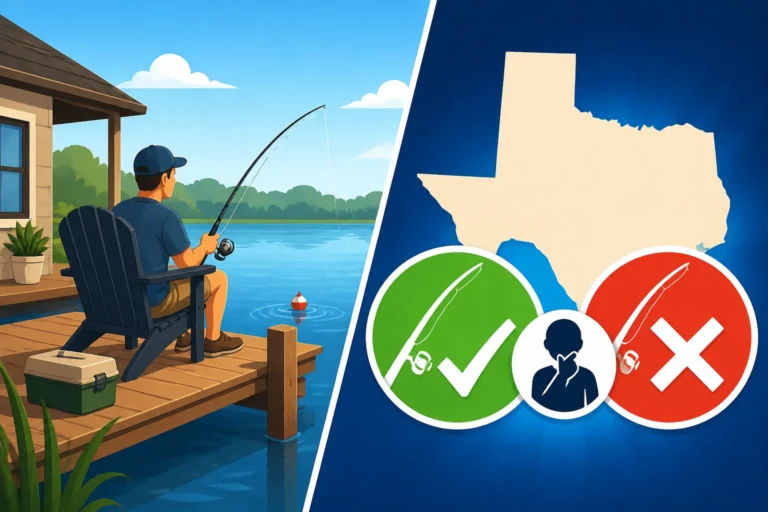
Generally speaking, if you're 17 years of age or older and plan to fish in public waters in Texas, you're going to need a license. This covers nearly everyone who wants to wet a line. However, Texas, in its wisdom, has carved out some very specific exemptions that are important to understand.
For starters, children under the age of 17 are completely exempt from needing a license. This is fantastic news for families, as it makes it easier and more affordable to introduce youngsters to the joys of fishing without an extra hurdle. Just imagine the pure delight on a child's face when they reel in their first fish, and you don't have to worry about the paperwork! On the other end of the spectrum, Texas also offers exemptions for certain older residents. If you were born before January 1, 1931, you are exempt from needing a fishing license. This "grandfather clause" acknowledges a lifetime of contributions and makes fishing accessible for our elder community. Beyond age, there are other noteworthy exemptions. For example, if you're fishing on private property that you own or have permission to fish, and that property is entirely enclosed, you might not need a license. This often applies to small, private ponds or tanks that have no connection to public waterways. Furthermore, Texas hosts an annual Texas Free Fishing Day, typically in June, where anyone can fish in public waters without a license. This is a brilliant opportunity for beginners to try their hand at fishing or for seasoned anglers to introduce a friend. There are also specific exemptions for disabled veterans and active-duty military personnel, recognizing their service. For a comprehensive overview, it's always a good idea to check the official guidelines on Who Doesn't Need a Texas Fishing License.
Resident vs. Non-Resident: What You Need to Know
One of the most fundamental distinctions when buying a fishing license in Texas revolves around your residency status. The rules and costs for Texas residents are generally more favorable than those for non-residents, reflecting the idea that residents contribute to the state's tax base and economy year-round.
So, what exactly makes you a Texas resident for licensing purposes? According to TPWD, you are considered a Texas resident if you've resided continuously in the state for more than six months immediately before buying a license. This typically means having a Texas driver's license or identification card, or other proof of residency like voter registration or utility bills in your name. For those who have recently moved to Texas, it’s important to wait until you meet this six-month criteria before purchasing a resident license, as misrepresenting your residency can lead to serious legal trouble. Non-residents, on the other hand, include anyone who doesn't meet the Texas residency criteria. This means visitors, tourists, and even those who own property in Texas but don't reside there continuously for six months are classified as non-residents. The difference in cost can be quite significant, with non-resident licenses often being considerably more expensive. For instance, a basic annual resident fishing license costs less than its non-resident counterpart, and a non-resident annual all-water license can be substantially higher. It's not just about the cost, though; some license types or endorsements might be exclusively available to residents. College students who are residents of other states but attend school in Texas often ask about their status. In most cases, if your permanent home is outside Texas, you would still be considered a non-resident for licensing purposes, even if you live here for the academic year. Understanding these distinctions is paramount to purchasing the correct license and avoiding any future complications. You can find detailed breakdowns of these costs and distinctions in guides like Texas Fishing License Cost for Residents and Nonresidents.
Exploring the Different Types of Texas Fishing Licenses
Once you've established whether you're a resident or non-resident, the next step in getting your Texas fishing license is choosing the right type of license for your angling adventures. Texas offers a variety of licenses tailored to different fishing environments and durations, and picking the correct one will ensure you're covered for all your intended outings.
All-Water, Freshwater, and Saltwater Options
The Texas landscape is incredibly diverse, offering everything from vast freshwater reservoirs to the expansive saltwater bays and offshore waters of the Gulf. Naturally, the licensing system reflects this diversity with specific options.
The most straightforward option for many anglers is the "All-Water" fishing license. This is the granddaddy of licenses, covering both freshwater and saltwater fishing activities throughout the state. If you're someone who loves the challenge of chasing bass in Lake Conroe one month and then heads to Galveston Bay for redfish the next, the Texas All-Water Fishing License Explained is probably your best bet. It simplifies things by providing comprehensive coverage without the need to purchase separate endorsements. However, if your angling passions are more focused, you might consider the specific freshwater or saltwater licenses. A "Freshwater-Only" license is perfect for those who exclusively fish Texas's numerous lakes, rivers, and streams, targeting species like largemouth bass, catfish, or crappie. This option is typically less expensive than the all-water license, making it a good choice if you know you won't be heading to the coast. Conversely, the "Saltwater-Only" license, often requiring a separate Texas Saltwater Endorsement Explained, is designed for anglers who exclusively fish the marine environments. This includes bays, estuaries, and the Gulf of Mexico, where you'd target species like speckled trout, redfish, and flounder. It's crucial to understand that even with a Saltwater-Only license, you must have the corresponding saltwater endorsement to legally fish in saltwater. This endorsement ensures that funds are specifically allocated to coastal conservation efforts. Choosing between these options depends entirely on your personal fishing habits and where you plan to spend most of your time with a line in the water.
Combination Licenses and Other Specialty Permits
Beyond the basic freshwater, saltwater, and all-water options, Texas offers a few other license types and permits that cater to specific needs, whether you're a multi-sport enthusiast or just visiting for a quick trip.
For those who enjoy both hunting and fishing, the "Combination Hunting and Fishing" license is an excellent value. Instead of buying separate licenses for each activity, this combined package covers most general hunting and fishing requirements, often at a reduced total cost compared to purchasing them individually. This is a popular choice for many Texans who spend their falls in a deer blind and their springs on the water. You can learn more about its benefits and specifics in the Texas Combination Hunting and Fishing License guide. If you're just visiting Texas for a short fishing excursion, perhaps a weekend trip to Lake Texoma or a quick wade in the coastal flats, you might not need an annual license. For these situations, the "One-Day All-Water" fishing license is incredibly convenient. As its name suggests, it provides full all-water coverage for a single calendar day, making it ideal for tourists or those testing the waters (literally) to see if fishing is for them. These licenses are a practical and affordable way for visitors to enjoy Texas fishing without committing to an annual purchase. For detailed pricing and validity, check out Texas One-Day Fishing License for Visitors. Additionally, certain specialized fishing gear or activities might require their own specific tags or permits. For instance, if you plan to use trotlines or juglines for catching catfish, you'll need to purchase gear tags in addition to your regular fishing license. These tags help TPWD manage fishing pressure and prevent overharvesting. It’s always wise to check the current Outdoor Annual for any niche activities you might be planning to ensure you’re fully compliant.
Step-by-Step Guide: How to Buy Your Texas Fishing License
Now that you understand the different types of licenses, let's get down to the practicalities of actually acquiring one. The Texas Parks and Wildlife Department (TPWD) has made the process quite accessible, offering several convenient ways to purchase your fishing license, ensuring you can get on the water with minimal hassle.
Purchasing Online: The Easiest Route
In our increasingly digital world, buying your Texas fishing license online is by far the quickest and most convenient method for most people. You can do it from the comfort of your home, any time of day or night, and be ready to fish almost instantly.
To get started, simply navigate to the official Texas Parks and Wildlife Department website. Look for the "Licenses" or "Buy a License" section. The online portal is generally user-friendly, guiding you through the selection process. You’ll need to provide some personal information, such as your full name, date of birth, driver's license number, and current address. Make sure all information is accurate to avoid any issues. Once you've selected the license type you want (e.g., Annual All-Water Resident), you'll proceed to a secure payment gateway. Be aware that there's typically a small online administrative fee added to the base cost of your license, often around $5. While it's a minor addition, it's good to be prepared for it, as detailed in Texas fishing license cost with the $5 admin fee included. After your purchase is complete, you'll usually receive an immediate confirmation email with a temporary license or instructions on how to access your digital license. You can then print this out to carry with you, or even better, display it directly on your smartphone. The TPWD even has a dedicated mobile app, as explored in Texas fishing license mobile app explained, which makes carrying and displaying your license incredibly simple. This digital convenience means you don't have to worry about losing a paper copy, as long as your phone is charged and protected (perhaps in a waterproof case you picked up on Amazon!). For a detailed walkthrough, refer to How to buy a Texas fishing license online.
In-Person Options: Retailers and TPWD Offices
While online purchasing is popular, sometimes you prefer to handle things in person, or maybe you're already out and about when the fishing bug bites. Luckily, Texas offers plenty of physical locations where you can purchase your fishing license.
Most major sporting goods stores, like Academy Sports + Outdoors or Bass Pro Shops, are authorized license retailers. Many larger discount retailers, such as Walmart, also have license sales counters, making it convenient to pick one up during your regular shopping trip. You'll also find licenses available at countless independent bait and tackle shops across the state. These smaller, local shops are often treasure troves of local fishing knowledge, and buying your license there is a great way to support local businesses. When purchasing in person, be sure to bring a valid form of identification, typically a Texas driver's license or state ID card, especially if you're claiming resident status. You'll also need your preferred method of payment. The process is usually quick and straightforward: fill out a short form, pay the fee, and you'll walk out with a physical license in hand. In addition to retailers, you can also purchase licenses at any TPWD law enforcement office or many Texas State Parks. Some smaller park offices might have limited hours or services, so it's a good idea to call ahead if you're planning a special trip. Remember, these locations can also often provide you with a wealth of information about local fishing conditions, regulations, and even some tips for the area. If you prefer face-to-face interaction or need assistance, Where to Buy a Texas Fishing License In Person offers more details on these locations.
Buying by Phone: A Convenient Alternative
For those who don't have immediate internet access or prefer to speak with someone directly without visiting a store, purchasing your Texas fishing license by phone is another viable option. It strikes a good balance between convenience and direct assistance.
The Texas Parks and Wildlife Department operates a dedicated phone service for license sales. While the specific number might change, it's always prominently displayed on their official website. When you call, a representative will guide you through the process, asking for the same personal details you would provide online or in person: your name, date of birth, driver's license information, and current address. They'll also help you select the appropriate license type for your needs. This can be particularly helpful if you have specific questions about license types or exemptions that aren't easily answered by an online FAQ. You'll need a credit or debit card ready for payment over the phone. Just like with online purchases, a small administrative fee usually applies to phone transactions. After your purchase is processed, you'll receive a confirmation number. You can often use this confirmation number as temporary proof of your license until your physical license arrives in the mail, or you can access a digital version through the TPWD app or website. This means you can often head straight to the water after hanging up the phone, knowing you're legally covered. It’s a great option for situations where you're already packed and ready to go but realize you forgot to renew your license!
Essential Details After Getting Your License
Congratulations! You've successfully navigated the process and now hold your valid Texas fishing license. But the journey doesn't end there. To truly be a responsible and compliant angler, there are a few more crucial details you need to be aware of regarding your license's validity, how to carry it, and the overarching regulations that come with it.
Understanding Your License's Validity and Expiration
One of the most common pitfalls for Texas anglers, even seasoned ones, is misunderstanding the license year. It's not a rolling 12-month period from the date of purchase, which can catch people off guard.
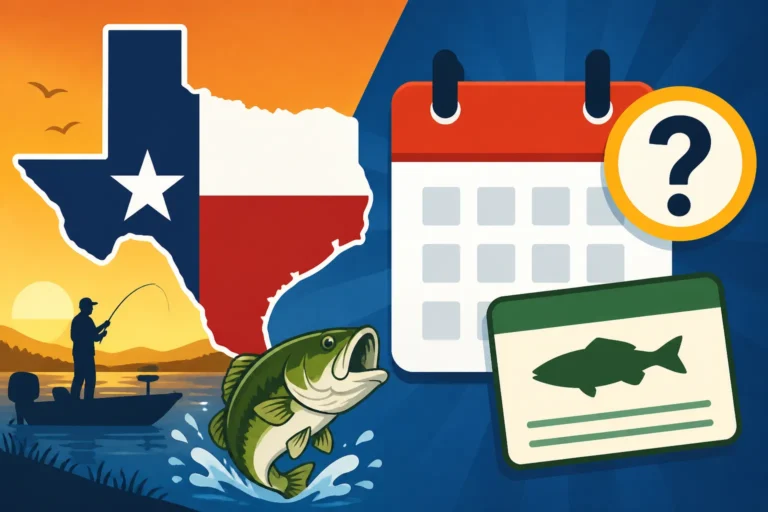
Unlike many other states or typical annual memberships, a Texas fishing license operates on a specific regulatory calendar. All annual recreational hunting and fishing licenses in Texas are valid from September 1st of one year through August 31st of the following year. This means if you buy your license in, say, March, it will still expire on August 31st of that same year, not the following March. This unique system is designed to align with the state's wildlife management and survey cycles, providing a consistent period for data collection and regulation updates. It's why you often see a rush to renew licenses in late August and early September. If you're planning a trip around that time, it's absolutely critical to double-check your license's expiration date. Many an angler has been surprised on September 1st, only to realize their license from the previous year is no longer valid. Mark your calendar, set reminders, and make sure you're always fishing with a current license. Being proactive about Texas Fishing License Renewal Rules can save you from a costly citation. Understanding When does a Texas fishing license expire and the reasoning behind Texas fishing license year explained: why it ends August 31 is key to being a responsible Texas angler.
Carrying Your License and Proving It
Having a license is one thing; being able to present it when requested by a game warden is another. Texas law requires that you have your license on your person while fishing and be able to exhibit it upon demand.
For many years, this meant carrying a physical paper copy of your license, often tucked into a wallet or a waterproof pouch. And that's still a perfectly valid and safe way to carry it. However, with technological advancements, the TPWD has embraced digital solutions. You can now carry a digital version of your license on your smartphone. Many anglers find this incredibly convenient, as their phone is often already with them on the water. The official TPWD Outdoors App is the best way to do this, as it securely stores your license information and allows for easy display. Just make sure your phone is adequately charged and protected from the elements, perhaps in a robust, waterproof case you purchased from a site like Amazon, especially if you're out on the water. While Can you show a Texas fishing license on your phone? is a resounding yes, you should also have a backup plan in case your phone battery dies or gets damaged. If, for some unfortunate reason, you lose your physical license while out fishing, it's important to know how to handle the situation. While a warden might be understanding if you have a photo of your license on your phone, you are still legally required to carry the official license. Knowing How to replace a lost Texas fishing license quickly is crucial so you can get a duplicate and remain compliant.
Navigating Special Regulations
Possessing a valid fishing license is just the first step in legal and ethical angling. Texas, with its incredible diversity of fish species and habitats, has a complex set of regulations designed to protect these resources, and every angler is responsible for understanding them.
These regulations primarily revolve around bag limits (the maximum number of fish of a certain species you can keep in a day) and length limits (the minimum and/or maximum size a fish must be to be legally kept). These limits vary significantly by species and even by specific bodies of water. For example, the bag and length limits for largemouth bass on Lake Fork might be different from those on Lake Palestine. Coastal species like redfish and speckled trout also have very specific slot limits, meaning you can only keep fish within a certain size range, with oversized fish needing to be released. This is why it's absolutely vital to consult the annual Texas Parks and Wildlife Department Outdoor Annual before each fishing trip, or at least familiarizing yourself with the species you intend to target in the area you'll be fishing. The Outdoor Annual is available online, as a free app, and in physical copies at most license retailers. Ignoring these regulations isn't just unethical; it can lead to hefty fines and confiscation of your catch. Beyond bag and length limits, there are also rules about legal fishing methods, prohibited gear, and even closed seasons for certain species (like flounder). Understanding Texas Fish Bag and Length Limits is fundamental to responsible angling. Always double-check before you cast your line – what’s legal one day or in one lake might not be in another.
Common Questions and Troubleshooting Your License Journey
Even with all the information in the world, little hiccups or unique situations can pop up when dealing with fishing licenses. It's perfectly normal to have questions or need some troubleshooting. Let's tackle some of those common concerns.
What to Do If You've Lost Your License
It happens to the best of us: you reach for your wallet, or check your tackle box, and your fishing license is nowhere to be found. Whether it slipped out, got wet, or just vanished into the ether, a lost license can be a frustrating experience, especially if you're planning a fishing trip soon.
The good news is that replacing a lost Texas fishing license is a fairly straightforward process. Your first step should be to access your license information online through the TPWD website or their mobile app. If you've previously purchased online or registered your license, you should be able to retrieve and print a duplicate copy. This digital access is a lifesaver in these situations. If you prefer, or if you don't have online access, you can also visit any authorized license retailer (like those sporting goods stores or Walmart mentioned earlier) or a TPWD office. They can look up your record using your ID and issue a replacement. Keep in mind that there might be a small fee for a duplicate license, typically a nominal charge to cover administrative costs. While it's an extra expense, it's far less than the fine you'd receive for fishing without one. Always prioritize getting a replacement quickly, especially if you have upcoming fishing plans. Imagine driving all the way to Lake Whitney for a striped bass trip, only to realize your license is gone. That's a perfect example of why knowing How to replace a lost Texas fishing license can save your day!
Special Considerations for Unique Situations
Texas is a big state with diverse landscapes and borders, leading to a few unique licensing situations that anglers should be aware of. What works in one part of the state might not apply elsewhere.
One of the most frequently asked questions concerns Lake Texoma Fishing License Rules. This massive reservoir straddles the Texas-Oklahoma border, and fishing here can be a bit more complicated than your average Texas lake. To fish anywhere on Lake Texoma, anglers need either a valid Texas fishing license with a Lake Texoma endorsement, an Oklahoma fishing license with a Lake Texoma endorsement, or a valid Lake Texoma fishing license, which is a specific joint license offered by both states. This special arrangement ensures anglers from either state can enjoy the entire lake, but it requires careful attention to the details. Another common scenario involves border waters with Louisiana, particularly on bodies like Toledo Bend Reservoir or the Sabine River. Texas and Louisiana have what are known as "reciprocal license agreements." This means that under certain conditions, a valid fishing license from one state might be honored in the bordering waters of the other. For example, if you're a Texas resident with a valid Texas fishing license, you might be able to fish the Louisiana side of Toledo Bend without needing a separate Louisiana license, and vice-versa. However, these agreements usually have specific stipulations, such as sticking to the shared body of water and adhering to the regulations of the state whose waters you are fishing in. It's absolutely critical to research and understand these specific Texas-Louisiana Reciprocal Fishing License Rules before you venture onto border waters, as misunderstandings can easily lead to citations.
The Real Cost: Breaking Down Fees and Add-ons
Understanding the base cost of your Texas fishing license is important, but it's also helpful to be aware of the potential additional fees and how different license choices impact your overall expenditure. This allows you to budget correctly and choose the most cost-effective option for your angling habits.
First off, it's crucial to remember that almost all license purchases, whether online, by phone, or in person, will include a small administrative fee. This is often an additional $5.00 on top of the base license price, as detailed in Texas fishing license cost with the $5 admin fee included. While minor, it's a consistent charge to factor into your budget. Beyond that, the biggest determinant of cost is your residency status and the type of license you select. An annual resident freshwater license will be the least expensive annual option for most Texans, while a non-resident all-water license will be significantly higher. Many anglers also consider the value of a combination hunting and fishing license, which often provides savings if you participate in both activities. It's also worth comparing the cost of buying an "All-Water" license versus buying a separate "Freshwater" and "Saltwater Endorsement." Often, the "All-Water" option simplifies things and can sometimes be more economical than piecing together individual components, especially if you plan to fish both environments regularly.
Here’s a general overview of common Texas fishing license types and approximate costs (note: prices can change, always check the current TPWD Outdoor Annual for exact figures):
| License Type | Texas Resident Annual | Non-Resident Annual | Special Conditions |
|---|---|---|---|
| All-Water Fishing | ~$40 | ~$68 | Covers all public waters |
| Freshwater Fishing | ~$30 | N/A | Only for freshwater lakes/rivers |
| Saltwater Fishing | ~$30 + ~$10 endorsement | N/A | Requires Saltwater Endorsement for coastal waters |
| One-Day All-Water (Resident/Non-Resident) | ~$11 | ~$11 | Valid for one calendar day |
| Combo Hunting & All-Water Fishing | ~$68 | N/A | Includes most general hunting & all-water fishing |
| Senior All-Water (65+) | ~$12 | N/A | For Texas Residents 65+ |
Note: Prices listed are approximate and do not include the ~$5 administrative fee. Always consult the current Texas Parks and Wildlife Department Outdoor Annual for the most up-to-date and exact pricing.
As you can see, there's a range of options, and understanding these costs helps you make an informed decision. For accessories to go with your new license, don't forget to check out Amazon for deals on fishing hats or tackle boxes!
Disclaimer
The information provided in this guide is for general informational purposes only and is not intended as legal advice. Fishing regulations, license requirements, and fees in Texas are subject to change by the Texas Parks and Wildlife Department (TPWD). While we strive to keep the information up-to-date and accurate, it is the sole responsibility of the angler to verify all current rules, regulations, and license requirements directly with the TPWD or through their official publications, such as the Outdoor Annual, before engaging in any fishing activities. Compliance with all applicable laws is mandatory.