Texas Crappie Bag Limits
There's nothing quite like the thrill of feeling that subtle tug on your line, signaling a crappie bite in the calm waters of a Texas lake. It's a cherished experience for so many of us, but the joy can quickly turn to confusion when trying to remember all the specific rules. Understanding the daily limits and minimum lengths for crappie across various Texas waters can feel like a complex puzzle. This comprehensive guide is designed to clarify all the ins and outs of Texas crappie bag limits, ensuring your next fishing trip is both bountiful and completely compliant with state regulations.
Understanding Texas Crappie Regulations
Fishing for crappie in Texas is a truly rewarding experience, whether you're chasing white crappie or black crappie. These delicious panfish are sought after by anglers of all ages, but like all of our precious natural resources, their populations need careful management. The Texas Parks and Wildlife Department (TPWD) is the agency tasked with this important job, setting the rules to ensure that crappie populations remain healthy and abundant for generations to come. It’s not just about what you catch, but how much and what size you keep, all playing a crucial role in maintaining that delicate ecological balance. Ignoring these regulations isn't just a risk for a fine; it impacts the long-term health of our fisheries.
The Importance of Bag Limits for Crappie Conservation
Bag limits aren't arbitrary numbers pulled from thin air; they are scientifically determined measures designed to protect fish populations from overfishing. For crappie, which can be prolific spawners but are also highly susceptible to angling pressure, these limits are vital. Imagine if everyone kept every crappie they caught, regardless of size or quantity. It wouldn't take long for even the most productive lakes to see a drastic decline in their crappie numbers, affecting future fishing opportunities for everyone.
By establishing daily bag limits, TPWD helps distribute the catch more evenly among anglers and prevents a single individual or group from depleting a local population. This conservation effort ensures that there are enough adult crappie left in the water to reproduce, sustaining the population cycle. It’s a collective responsibility we share as anglers, and adhering to these limits is a cornerstone of responsible fishing.
How TPWD Sets Crappie Limits in Texas
The process of setting crappie limits is far more intricate than many realize. It involves extensive biological research, population surveys, and environmental assessments conducted by TPWD fisheries biologists. They study factors such as crappie spawning success rates, growth rates, natural mortality, and angler harvest data for specific lakes and regions. If a lake shows signs of a declining crappie population or an imbalance in size distribution, TPWD may implement more restrictive regulations to help the population recover. Conversely, if a lake has a thriving, robust crappie population that could benefit from increased harvest, limits might be adjusted to encourage anglers to keep more fish, thereby reducing competition for food and promoting faster growth among the remaining fish.
These regulations are often influenced by public input as well, through forums, surveys, and advisory committees. This ensures that the rules reflect not only scientific necessity but also the needs and desires of the angling community. This dynamic approach means that regulations can change from year to year, which is why it’s always critical to consult the most current Texas Freshwater Fishing Regulations before heading out on your trip.
General Statewide Crappie Bag and Length Limits
For the vast majority of lakes and rivers throughout the Lone Star State, there are standard, uniform rules that apply to crappie fishing. These are the baseline regulations that every Texas angler should commit to memory. While some specific reservoirs have unique guidelines, understanding the statewide limits is your first and most important step in fishing legally. These rules are designed to protect the overall crappie population across the diverse aquatic environments of Texas.
Daily Bag Limits Explained for Crappie
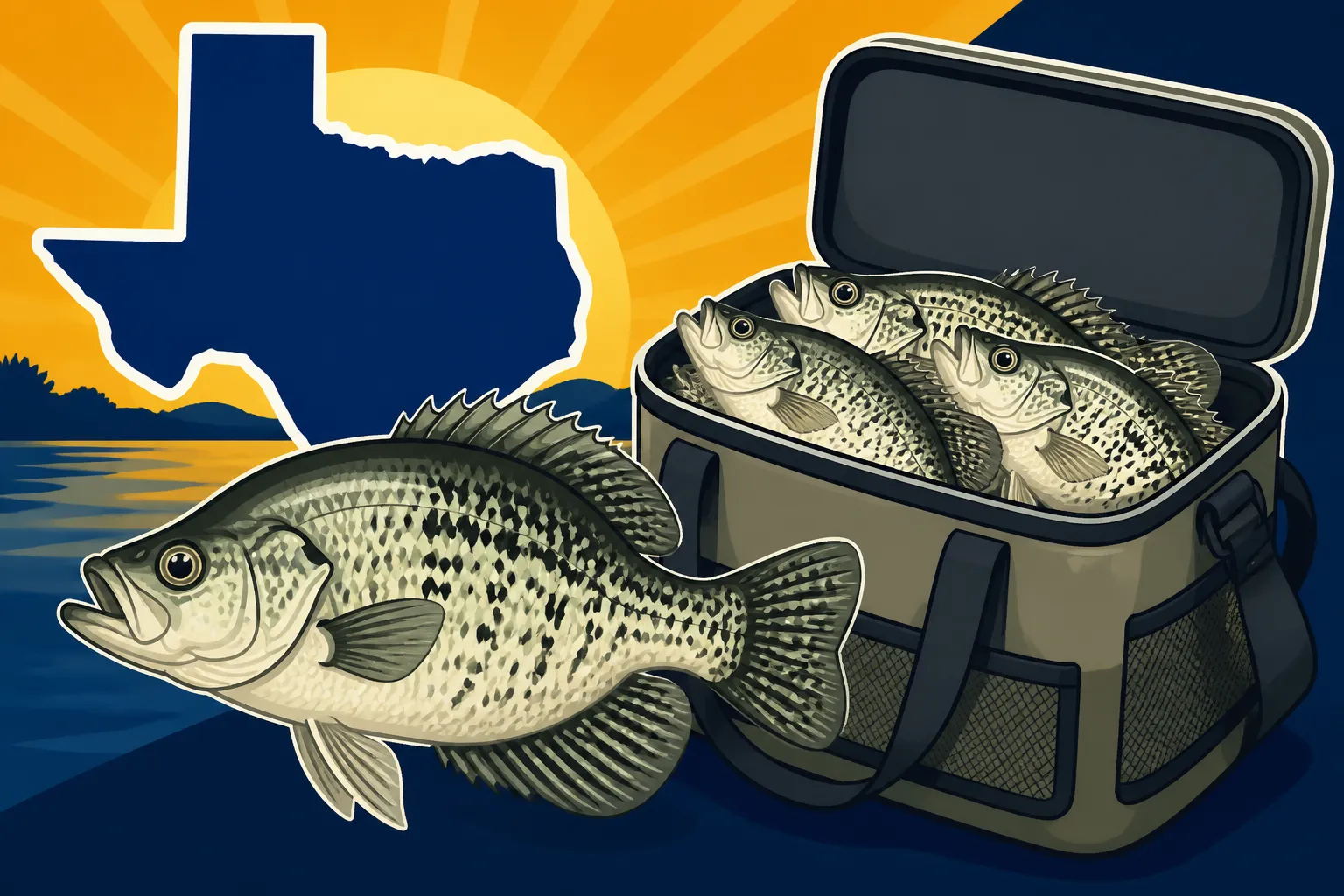
The statewide daily bag limit for crappie, which includes both white and black crappie in any combination, is 25 fish per person per day. This means that when you're out on the water, you can't keep more than 25 crappie total within a 24-hour period. It's a straightforward rule, but sometimes folks get confused about what constitutes a "day" or if it's based on when you start fishing. The daily bag limit applies from midnight to midnight. So, if you catch 25 crappie today, you can't go out tonight or early tomorrow morning and catch another 25 until the next legal fishing day begins.
This limit is designed to allow for a generous harvest while still ensuring plenty of crappie remain in the lake to spawn and grow. It helps prevent over-harvesting on popular bodies of water and maintains healthy competition for food resources among the crappie population. Remember, it’s not just a guideline; it’s a legal requirement that carries potential penalties if violated.
Minimum Length Limits for Crappie
Alongside the daily bag limit, there's also a statewide minimum length limit for crappie. Generally, any crappie you keep must be at least 10 inches in length. This rule is crucial for protecting juvenile fish, allowing them to grow to maturity and contribute to the spawning population before they are harvested. Crappie typically reach sexual maturity before they hit the 10-inch mark, so this limit helps ensure they have at least one or two opportunities to spawn.
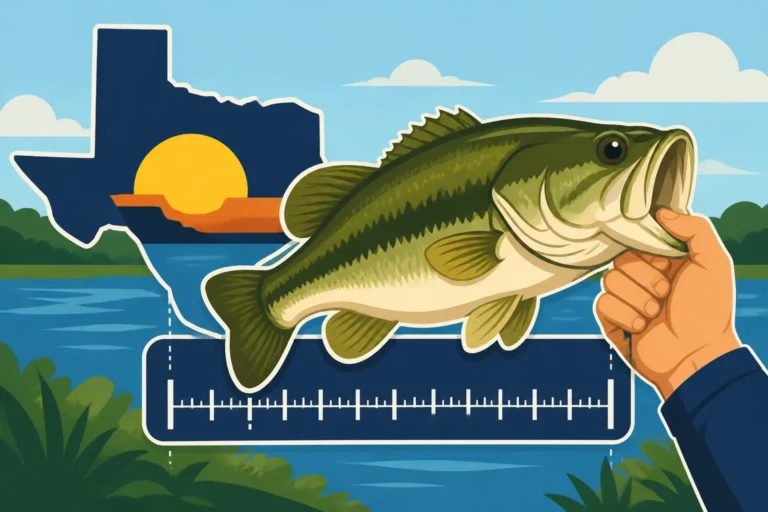
Measuring your crappie correctly is vital. From the tip of the jaw (with the mouth closed) to the farthest tip of the tail (with the tail compressed), your fish must meet or exceed this 10-inch mark. Fish shorter than 10 inches, even if otherwise healthy, must be immediately released back into the water where they were caught. Keeping undersized fish is just as serious a violation as exceeding your bag limit, so always err on the side of caution and measure carefully.
Crappie Possession Limits Beyond the Daily Catch
While the daily bag limit dictates how many crappie you can keep in a 24-hour period, the possession limit generally refers to the maximum number of fish you can have on your person, in your boat, or in your vehicle at any given time. For most Texas waters, the possession limit for crappie is the same as the daily bag limit: 25 fish. This means you can't accumulate multiple days' worth of limits in your cooler or freezer and transport them. If you're on a multi-day fishing trip, you can only possess your current day's limit.
However, this is where some confusion can arise, especially when traveling. Once you've left the lake and are heading home, if you have 25 crappie from a legal day's catch, you are usually in compliance. The intent of the possession limit is to prevent anglers from taking more than their fair share over a sustained period without the fish being consumed. It reinforces the daily limit and prevents commercial-scale harvesting by recreational anglers. Always be prepared to show your catch to a game warden if requested, ensuring they can easily verify your compliance with all Texas Fish Bag and Length Limits.
Special Crappie Regulations on Specific Texas Lakes
Texas is a massive state with an incredible diversity of lakes, and sometimes, what's best for one lake's crappie population isn't necessarily the rule for another. This is where the general statewide regulations sometimes take a back seat to site-specific rules. These special regulations are put in place by TPWD when local conditions, population dynamics, or unique circumstances (like shared waters with another state) necessitate a different approach to conservation and management. It's these nuanced differences that can trip up even experienced anglers, making it vital to check the local rules for your chosen fishing spot.
Navigating Reservoir-Specific Crappie Rules
While the statewide crappie limits of 25 fish daily with a 10-inch minimum apply to a vast number of popular crappie destinations like Lake Fork, Sam Rayburn Reservoir, Lake Palestine, and Cedar Creek Reservoir, there are notable exceptions. The most prominent instances of these altered regulations often occur on lakes that share a border with another state, requiring reciprocal agreements and unique rules to manage shared resources.
-
Toledo Bend Reservoir: This massive lake, shared with Louisiana, is a prime example. On Toledo Bend, the daily bag limit for crappie is a generous 50 fish, with a 10-inch minimum length. What's even more unique is the possession limit: you can possess up to 100 crappie. This higher limit acknowledges the size of the lake, its incredible productivity, and the cooperative management efforts between Texas and Louisiana. If you're heading to Toledo Bend, remember that these specific rules apply to all anglers fishing in either the Texas or Louisiana portions of the lake. Learning about Lake Texoma Fishing License Rules is another good example of how shared water bodies can have unique regulations.
-
Caddo Lake: Another stunning border lake, Caddo Lake, which straddles Texas and Louisiana, also operates under special crappie regulations similar to Toledo Bend. Anglers here can keep 50 crappie per day with a 10-inch minimum length, and the possession limit is 100 crappie. The cypress-laden waters of Caddo offer some fantastic crappie fishing, and these relaxed limits are a testament to the lake's rich ecosystem and the joint management strategies in place.
It's absolutely paramount to identify if the lake you're fishing has specific rules before you even cast a line. A quick check of the current TPWD Outdoor Annual or their website can save you a lot of headache and potential legal trouble.
Why Certain Lakes Have Different Crappie Limits
The reasoning behind these localized deviations from statewide rules is typically rooted in specific biological and environmental factors unique to those particular reservoirs. For instance, the higher bag and possession limits on border lakes like Toledo Bend and Caddo Lake aren't just about cross-state agreements; they often reflect the sheer size and immense productivity of these water bodies. These lakes can sustain a higher harvest rate without detrimentally impacting the overall crappie population. Their vastness provides abundant habitat and food sources, allowing crappie populations to thrive and recover quickly even under increased fishing pressure.
Furthermore, different lakes can have varying nutrient levels, water temperatures, predator-prey relationships, and fishing pressure, all of which influence crappie growth rates and population densities. TPWD biologists conduct intensive studies on these individual lakes, monitoring fish health, spawning success, and angler harvest data. If a particular lake consistently demonstrates a robust crappie population that can handle more harvesting, or conversely, if a population is struggling due to overfishing or environmental stressors, the limits will be adjusted accordingly to best serve the long-term health of that specific fishery. This tailored approach ensures that conservation efforts are as effective and appropriate as possible for each unique aquatic ecosystem.
How to Stay Compliant and Avoid Penalties
Fishing should be a relaxing and enjoyable experience, not one filled with anxiety about breaking the rules. However, the onus is always on the angler to know and follow the regulations. Game wardens take their job seriously, and ignorance of the law is rarely an acceptable excuse. Taking a few proactive steps can ensure your crappie fishing trips remain stress-free and entirely legal, allowing you to fully enjoy the natural beauty and fantastic angling opportunities Texas has to offer.
Measuring Crappie Correctly on the Water
Accurate measurement of your crappie is non-negotiable, especially with that 10-inch minimum length limit. It’s not just about guessing or eyeballing; you need a reliable method. A good, stiff measuring board is your best friend here. These are readily available at most tackle shops or online retailers like Amazon. When measuring, lay the fish flat against the board. Close its mouth and ensure the tip of its jaw is touching the zero mark. Then, gently compress the tail fin and read the measurement at the very end of the tail.
Avoid using flexible tape measures or rulers that can bend, as this can lead to inaccurate readings, especially on a rocking boat. It’s also wise to have a measuring device permanently affixed to your boat or a designated spot on your kayak for quick and consistent checks. If there's any doubt about whether a fish meets the minimum length, it’s always best to release it. A little extra caution goes a long way in avoiding a citation.
Keeping Track of Your Crappie Catch
When the crappie are biting, it's easy to lose count, especially with a 25 or even 50-fish daily bag limit. However, keeping an accurate tally is critical to avoid exceeding your limit. There are several simple strategies you can employ:
- Clicker Counters: A small, handheld clicker counter (like those used for golf or attendance) is an inexpensive and effective tool. Click it once for every crappie you place in your livewell or cooler.
- Designated Stringers/Baskets: If you're fishing with multiple people, ensure each person has their own stringer or fish basket, making it clear whose catch is whose and making it easier to count individual limits.
- Mental Checkpoints: Every few fish, do a quick mental count. "Okay, that's 10, just 15 more to go."
- Physical Markers: Some anglers use rubber bands on a rod or specific spots in a cooler. For instance, if you have a 25-fish limit, you might have five sections in your cooler, each holding five fish.
Whatever method you choose, make it a habit from the very first fish. This proactive approach ensures you never find yourself in a tricky situation with a game warden, unsure if you've gone over the legal limit.
Common Mistakes to Avoid with Crappie Regulations
Anglers often make honest mistakes that can unfortunately lead to penalties. Being aware of these common pitfalls can help you steer clear of trouble.
- Not Checking Current Regulations: The most frequent mistake! Regulations can change annually. Relying on what you knew "last year" or what a buddy told you can be a recipe for disaster. Always consult the official TPWD Outdoor Annual before you go. This includes general rules and any specific lake exceptions.
- Inaccurate Measuring: As discussed, a wobbly tape or a quick "eyeball" can lead to keeping undersized fish. Always use a proper measuring device and measure carefully from tip of jaw to compressed tail.
- Mixing Limits in a Group: If multiple anglers are in a boat, each person is entitled to their own daily bag limit. However, if all the fish are thrown into one cooler without clear separation or a running tally, it becomes impossible to prove individual compliance. If a game warden stops you, they'll count the total fish, and if that total exceeds the combined legal limits of the anglers present, everyone could be in violation. Keep catches separate if possible, or maintain a communal, verified tally.
- Possessing More Than the Daily Limit (away from border lakes): If you fish for two days and keep 25 crappie each day, you can't have 50 crappie in your cooler when you leave on the second day from most lakes. The possession limit is usually the daily bag limit. The exceptions, like Toledo Bend or Caddo Lake, are few and far between, so don't assume.
By simply being diligent and prepared, you can avoid these common errors and enjoy your crappie fishing legally and ethically.
Tools and Resources for Texas Crappie Anglers
Being a responsible angler means more than just knowing the rules; it means having the right tools and knowing where to find the most accurate information. The Texas Parks and Wildlife Department provides a wealth of resources, and a few key pieces of gear can make adherence to regulations much easier and more efficient. Don't underestimate the power of preparation – it's what separates a hassle-free day on the water from one filled with potential headaches.
Official TPWD Resources for Crappie Regulations
The absolute best and most authoritative source for all Texas fishing regulations is the Texas Parks and Wildlife Department. Their resources are indispensable:
- TPWD Outdoor Annual: This comprehensive guide is updated annually and contains all the regulations for hunting and fishing in Texas. You can pick up a physical copy at most license retailers or download the free digital version, often available as a PDF or through the official TPWD Outdoor Annual mobile app for both iOS and Android devices. This app is incredibly convenient, allowing you to quickly look up regulations by specific lake or species right from your phone while on the water.
- TPWD Website: The official TPWD website (www.tpwd.texas.gov) has dedicated sections for fishing regulations, including specific pages detailing Texas Freshwater Fishing Regulations and Texas Fish Bag and Length Limits. You can also find stocking reports, fishing forecasts, and educational materials there.
- "Neighborhood Fishin'" Program: For urban anglers, the "Neighborhood Fishin'" program often has specific rules for small community lakes that are regularly stocked. Check the TPWD website for details on these local ponds.
Before every fishing trip, especially to a new lake, make it a habit to check these resources. Regulations can occasionally change mid-season, so staying informed is crucial.
Essential Gear for Measuring and Handling Crappie
Having the right gear isn't just about catching fish; it's about handling them responsibly and legally. For crappie, a few items are absolutely essential:
- Fish Measuring Board: As mentioned earlier, a rigid, easily readable measuring board is a must-have. Look for one that's durable, waterproof, and clearly marked with inches. Many anglers prefer those made of plastic or aluminum for longevity. You can find a wide variety of reliable options on Amazon.
- Net or Lip Gripper: While crappie generally aren't fighters that require heavy-duty landing gear, a small, rubberized net can help land fish gently, especially if you plan to release them. Rubberized nets minimize damage to the fish's slime coat and fins. Alternatively, a gentle lip gripper can help control the fish for measuring without handling them directly, especially for those bigger slabs.
- Cooler with Ice/Livewell: If you intend to keep your crappie, a well-insulated cooler filled with ice is crucial for preserving their freshness. A livewell in your boat can also keep crappie alive and healthy until you decide to keep or release them. This is especially important if you're trying to selectively harvest fish to meet length limits or are practicing catch-and-release until you've caught your limit of legal-sized fish. Ensure your livewell is adequately aerated, and consider adding a livewell treatment to keep the water healthy, available through stores like Amazon.
- Clicker Counter: A simple, inexpensive clicker counter helps you maintain an accurate count of your kept fish, preventing accidental over-bagging. You can easily strap one to your belt or keep it in a tackle box for quick access.
Using these tools demonstrates your commitment to responsible angling and helps ensure you're always within the bounds of Texas law.
Texas Crappie Fishing Limits Table
To help you quickly reference the most common crappie regulations in Texas, here's a handy table summarizing the statewide rules and key exceptions for shared waters:
| Water Body / Region | Daily Bag Limit (White & Black Crappie Combined) | Minimum Length Limit | Possession Limit | Notes |
|---|---|---|---|---|
| Most Texas Waters (Statewide) | 25 fish | 10 inches | 25 fish | Applies to majority of lakes (e.g., Lake Fork, Sam Rayburn, Lake Palestine) |
| Toledo Bend Reservoir | 50 fish | 10 inches | 100 fish | Shared waters with Louisiana; special reciprocal agreement. |
| Caddo Lake | 50 fish | 10 inches | 100 fish | Shared waters with Louisiana; special reciprocal agreement. |
Always consult the current TPWD Outdoor Annual for the most up-to-date and specific regulations for your chosen fishing location, as rules can change.
Crappie Fishing Tips Beyond the Regulations
Adhering to bag and length limits is just one part of being a great angler. To truly enjoy crappie fishing and contribute to the health of our fisheries, it's beneficial to adopt ethical practices that go beyond simply staying legal. These tips can help you not only catch more fish but also ensure that the crappie populations remain vibrant for future generations of anglers, fostering a sustainable and enjoyable fishing environment for everyone.
Ethical Angling Practices and Crappie Release Strategies
Part of being a responsible angler is knowing when and how to release fish, especially those that don't meet the length requirements or if you've already reached your bag limit. Proper catch-and-release techniques minimize stress and injury to the fish, significantly increasing their chances of survival.
- Handle with Care: When you catch an undersized crappie, try to handle it as little as possible. If you must touch it, do so with wet hands to protect its protective slime coat, which is vital for preventing disease.
- Quick Release: Remove the hook quickly and gently. If the fish is deeply hooked, especially in the gills or stomach, it might be better to cut the line as close to the hook as possible rather than trying to remove it, which can cause more damage. Barbless hooks can also make removal much easier.
- Support the Fish: If you need to hold the crappie for a quick photo (only for legal-sized fish you intend to keep!), support its body horizontally. Avoid holding it vertically by the jaw, as this can damage its internal organs, especially for larger fish.
- Revive If Necessary: If a crappie seems lethargic after being caught, gently hold it in the water, facing into the current, until it regains its strength and can swim away on its own. Don't just toss it back; ensure it's ready to go.
- Limit Air Exposure: Fish breathe underwater, so prolonged exposure to air can be very harmful. Try to keep the crappie in the water as much as possible during hook removal and measurement.
By following these practices, you're not just complying with the law; you're actively contributing to crappie conservation. For more general advice on responsible fishing, consider learning about Beginner Fishing Techniques for Texas Anglers.
Finding Crappie Hotspots While Respecting Limits
Knowing where crappie congregate can significantly improve your chances of success, but it also comes with the responsibility of adhering to limits. Crappie are often structure-oriented, meaning they like to hang around submerged trees, brush piles, docks, bridge pilings, and ledges. They're also known to follow baitfish schools.
- Seasonal Movements: Crappie move with the seasons. In spring, they're often in shallower waters for spawning. In summer, they head deeper to cooler, oxygenated water, often suspending over brush piles or near thermoclines. Fall sees them moving shallower again, feeding actively before winter. Understanding these patterns, perhaps by reading up on How to Find Crappie in the Winter or Best Depth to Find Crappie in Summer, can greatly increase your success.
- Electronics are Your Friend: A good fish finder can be invaluable for locating crappie schools and the structures they relate to. Look for schools of baitfish or arches/dots near submerged cover.
- Focus on the Details: Pay attention to water temperature, clarity, and wind direction. These factors can influence where crappie are holding.
- Scout New Waters: Don't be afraid to explore new areas. Sometimes the less-pressured spots hold the biggest crappie.
Even when you find a phenomenal crappie hotspot, remember your limits. Once you've caught your legal bag, consider practicing catch-and-release, targeting other species, or simply enjoying the peaceful atmosphere of the lake. The goal is a sustainable fishery, not just a full cooler every time.
Disclaimer
The information provided in this guide is intended for general informational purposes only and is based on typical Texas Parks and Wildlife Department regulations. Fishing regulations are subject to change, and specific rules may vary by lake, river, or season. It is the angler's sole responsibility to consult the most current official Texas Parks and Wildlife Department Outdoor Annual or website before engaging in any fishing activity to ensure full compliance with all applicable laws and regulations. This guide does not constitute legal advice.