Texas Freshwater Fishing Regulations
Let's be honest, trying to decipher all the fishing regulations in Texas can feel like you need a law degree just to cast a line. The Texas Parks and Wildlife Department (TPWD) does an incredible job protecting our aquatic resources, but sometimes, their rules and exceptions can leave even seasoned anglers scratching their heads. This comprehensive guide is here to untangle the complexities, walking you through the ins and outs of Texas freshwater fishing regulations so you can spend less time worrying and more time reeling in your next big catch.
Why Texas Freshwater Regulations Matter
It’s easy to feel overwhelmed by regulations, but every single rule has a purpose. These aren't just arbitrary hoops to jump through; they're vital tools designed to keep our freshwater ecosystems healthy and ensure future generations can enjoy the same incredible fishing opportunities we do. Understanding this underlying "why" can make it a lot easier to appreciate and adhere to the rules, knowing you're contributing to a bigger picture.
Protecting Our Natural Resources
Texas boasts an incredible diversity of freshwater fish, from the legendary largemouth bass of Lake Fork to the feisty catfish in the Brazos River. These fish populations, along with their habitats, are delicate ecosystems that require careful management. Overfishing, habitat destruction, and the introduction of invasive species can have devastating long-term effects. Regulations, like bag and length limits, are put in place to prevent such scenarios, ensuring that fish populations can reproduce sustainably and thrive. Think of it as leaving enough fish in the water to make more fish, securing the sport for years to come. Without these protections, popular species could decline rapidly, changing the fishing landscape forever.
Ensuring Fair and Sustainable Fishing
Imagine a world where everyone could just keep every fish they caught, regardless of size or quantity. It wouldn't take long for our lakes and rivers to be depleted. Freshwater regulations create a level playing field, ensuring that resources are shared equitably among all anglers. They also promote sustainable practices, encouraging catch-and-release for certain species or in specific size ranges. This isn't just about fish numbers; it's about the health of the individual fish and the overall genetic strength of the population. By following these rules, we're all doing our part to make sure there's always a healthy stock of fish for everyone to enjoy, whether you're a weekend warrior or a dedicated tournament angler.
Avoiding Penalties and Fines
Let’s be real, no one wants to cut a fun day on the water short with a hefty fine or, even worse, a trip to court. Ignorance of the law is rarely an excuse when it comes to fishing regulations. Game Wardens are out there to enforce these rules, and they take their job seriously. Penalties for fishing without a proper license, keeping oversized or undersized fish, or exceeding bag limits can range from substantial fines to the confiscation of your gear, and even jail time in severe cases. It's not just about the monetary cost; it's the hassle, the potential loss of fishing privileges, and the stain on your record. A quick review of the regulations before you go can save you a world of trouble. You can learn more about the potential repercussions in our guide on Penalties for Fishing Without a Texas License.
Understanding the Basics: General Statewide Rules
Before diving into species-specific nuances or lake-specific exceptions, it's crucial to grasp the foundational statewide regulations. These are the rules that apply broadly across most of Texas's freshwater bodies, forming the backbone of responsible and legal fishing practices. Getting these basics down will make understanding the more complex details much easier.
Statewide Daily Bag and Length Limits
The most common regulations you'll encounter are daily bag limits and length limits. A "daily bag limit" is the maximum number of a certain species you can keep in a single day, regardless of how many trips you make to the water. A "possession limit" is typically double the daily bag limit and refers to the maximum number of fish you can have in your possession at any given time, including those at your home. Length limits specify the minimum or maximum size of a fish you can legally retain, often using "slot limits" where only fish within a certain size range can be kept. For instance, many lakes have a 14-inch minimum for largemouth bass, meaning anything under that length must be immediately released. These limits are frequently adjusted based on biological surveys and management goals, so staying current is key.
Legal Fishing Methods and Gear
Texas has clear rules about how you can legally catch fish in freshwater. For most recreational anglers, this means using a rod and reel. However, other methods like trotlines, juglines, throwlines, and even bowfishing have specific regulations. For instance, trotlines and juglines must be clearly marked with the angler's name and address or customer number, and there are limits on the number of hooks. Using illegal gear, such as nets not specifically permitted for baitfish or electrofishing equipment (unless you're a licensed researcher), is strictly prohibited and carries severe penalties. Always double-check if you plan to use anything beyond a standard rod and reel. Our article on Texas Trotline and Jugline Rules provides a detailed look into these alternative methods.
General License Requirements
Unless you fall into a specific exemption category, practically everyone aged 17 and older needs a valid Texas fishing license to fish in public freshwater. This includes residents and non-residents alike. The general license covers basic recreational fishing with a rod and reel. It's important to remember that a fishing license is valid from September 1st through August 31st of the following year, regardless of when you purchase it. So, if you buy your license in July, it still expires on August 31st. There are specific licenses for freshwater-only, saltwater-only, or an all-water package. Make sure you have the correct one for where you plan to fish. We've got a comprehensive guide to Texas Fishing License Requirements Explained that covers all the different types and who needs them.
Key Freshwater Species and Their Specific Regulations
While statewide rules provide a baseline, Texas freshwater fishing truly shines in its diversity of species, each with its own specific set of regulations. These rules are tailored to the biology and population dynamics of each fish, helping ensure healthy stocks across the state's vast network of lakes and rivers. Knowing these specifics for your target species is paramount for a legal and successful outing.
Largemouth Bass Rules
Largemouth bass are arguably the most popular freshwater game fish in Texas. Their regulations are designed to protect larger breeding females and encourage the growth of a healthy population. The statewide daily bag limit for largemouth bass is five fish, with a minimum length limit of 14 inches. However, this is where things get interesting and where lake-specific regulations often come into play. Many prominent bass lakes like Lake Fork, Sam Rayburn Reservoir, and Toledo Bend Reservoir have special slot limits or different minimums to foster trophy bass production. For example, some lakes might have an 18-inch maximum length, meaning you can only keep bass under 18 inches, or a protected slot, where bass between 14 and 24 inches must be released. Always check the current Outdoor Annual for the specific body of water you're fishing. Our article on Texas Largemouth Bass Length Limits delves deeper into these nuances.
Catfish Species: Channel, Blue, and Flathead
Texas is a paradise for catfish anglers, with abundant populations of channel, blue, and flathead catfish. While often lumped together, their regulations do have some differences.
- Channel Catfish: The statewide daily bag limit for channel catfish is 25 fish, with no minimum length limit. This makes them a fantastic target for family fishing trips, especially in community fishing lakes and smaller ponds. You can use multiple rods, trotlines, or juglines, but always refer to the gear tagging requirements.
- Blue Catfish: These can grow to enormous sizes in Texas lakes and rivers. The statewide daily bag limit for blue catfish is 25 fish, with a 12-inch minimum length limit. However, many larger reservoirs have a special exception, allowing one blue catfish over 30 inches to be retained within the 25-fish bag limit. This acknowledges their trophy potential while still managing overall harvest.
- Flathead Catfish: Known for their elusive nature and preference for live bait, flatheads have a more restrictive bag limit due to their slower growth rates. The statewide daily bag limit for flathead catfish is 5 fish, with an 18-inch minimum length limit.
When fishing for catfish, especially larger ones, remember that these limits are cumulative across all three species unless otherwise specified for a particular water body. So, if you catch 20 channel cats, 4 blue cats, and 1 flathead, you've hit your combined limit. More detailed information can be found in our guide to Texas Catfish Bag Limits.
Crappie White and Black Limits
Crappie, both white and black, are a favorite among Texas anglers, especially in the cooler months. Their regulations are generally straightforward, but like bass, specific lakes can have their own nuances. The statewide daily bag limit for crappie (white and black combined) is 25 fish, with a 10-inch minimum length limit. This minimum ensures that enough fish reach maturity and have a chance to reproduce, maintaining healthy populations. Finding a good brush pile or standing timber on a lake like Lake Palestine or Cedar Creek Reservoir during the spawn can yield impressive numbers, so it's easy to hit that bag limit if you're on a hot bite. Always measure your fish carefully to ensure compliance. If you're passionate about these panfish, check out our insights on Texas Crappie Bag Limits.
White Bass and Striped Bass Regulations
These schooling, hard-fighting fish provide some of Texas's most exciting freshwater action, especially during their spring spawning runs.
- White Bass: Often found in rivers during their annual "runs" or schooling in open water, white bass are incredibly popular. The statewide daily bag limit for white bass is 25 fish, with a 10-inch minimum length limit. During the peak of the spring run, it's not uncommon for anglers to fill their limits quickly, offering a fantastic opportunity for fresh fish fries.
- Striped Bass (and Hybrids): Pure striped bass are primarily found in Lake Texoma, where special reciprocal license agreements with Oklahoma exist. Elsewhere, you'll mostly find hybrid striped bass, a cross between striped bass and white bass, stocked in many reservoirs across the state. For striped bass and hybrid striped bass combined, the statewide daily bag limit is 5 fish, with an 18-inch minimum length limit. However, Lake Texoma has its own unique regulations due to its unique population and interstate management. Always verify the rules for Lake Texoma before fishing there.
These larger, pelagic predators offer thrilling fights, and their regulations are designed to manage harvest while supporting their growth potential.
Here's a quick summary table of common statewide freshwater game fish regulations:
| Species | Statewide Daily Bag Limit | Statewide Minimum Length Limit | Common Exceptions / Notes |
|---|---|---|---|
| Largemouth Bass | 5 | 14 inches | Many lakes have special slot limits or different minimums. |
| Channel Catfish | 25 | None | Some lakes may have specific gear or harvest rules. |
| Blue Catfish | 25 | 12 inches | One fish over 30 inches allowed in many reservoirs. |
| Flathead Catfish | 5 | 18 inches | |
| Crappie (White & Black) | 25 | 10 inches | Combined limit. Some lakes may have different rules. |
| White Bass | 25 | 10 inches | Popular during spring runs. |
| Striped Bass / Hybrids | 5 | 18 inches | Lake Texoma has unique reciprocal regulations. |
Always refer to the official TPWD Outdoor Annual for the most current and specific regulations for your chosen body of water.
Navigating Exceptions and Special Regulations
Just when you think you have a handle on the statewide rules, Texas throws in a curveball with a myriad of exceptions and special regulations. These are often implemented to address specific ecological conditions, population challenges, or recreational goals unique to particular water bodies or angler groups. Ignoring these local nuances can quickly land you in hot water, so paying close attention to them is critical.
Community Fishing Lakes and Special Zones
Many urban and suburban areas in Texas benefit from the TPWD's Neighborhood Fishin' Program, which stocks community fishing lakes (CFLs) with catfish and rainbow trout. These lakes are fantastic for introducing kids to fishing and offer convenient access. However, they often have their own simplified, yet distinct, regulations, which are usually posted directly at the lake. For instance, many CFLs have a five-fish daily bag limit for all species combined, regardless of the statewide limit, and often require immediate release of bass. Always look for signage at these locations. Beyond CFLs, certain rivers, like segments of the Guadalupe River known for trout stocking, may have "catch-and-release only" zones or tackle restrictions to protect their unique fisheries. This patchwork of specific rules means that relying solely on general statewide information isn't enough when you're exploring different waters.
Reservoir-Specific Regulations
This is where things can get truly complex. Texas has hundreds of public reservoirs, and many of the larger, more prominent ones have regulations that deviate from the statewide norm. These "special regulations" are designed by TPWD fisheries biologists to fine-tune management for that specific lake's fish populations. For example, a lake known for trophy bass production, like Choke Canyon Reservoir, might have a different slot limit or a higher minimum length to protect larger fish. Conversely, a lake struggling with overpopulation of a certain species might have increased bag limits or no length limit at all to encourage harvest. You'll find these exceptions listed in the "Exceptions to Statewide Freshwater Harvest Regulations" section of the Outdoor Annual. It's crucial to cross-reference your chosen fishing spot with this section every single time you plan a trip, as these rules can change from year to year based on fish population surveys and environmental factors. For example, knowing the specific rules for a lake like Lake Texoma Fishing License Rules is essential before you even leave your driveway.
Exceptions for Kids, Seniors, and Disabled Veterans
Texas is pretty generous when it comes to exemptions for certain groups, particularly recognizing the importance of getting youth involved in fishing and honoring our seniors and veterans.
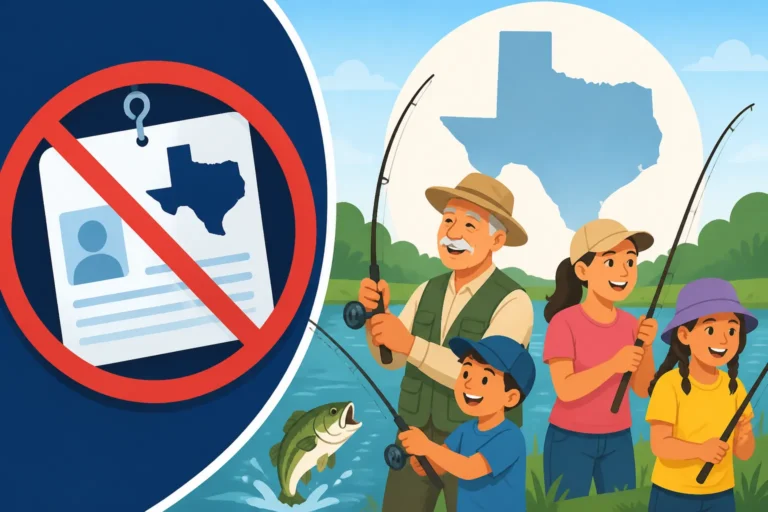
- Kids: The biggest exception for youth is that anyone under 17 years of age does not need a fishing license to fish in Texas public waters. This is a fantastic incentive for families to get out there and enjoy the sport without the added expense or hassle of purchasing multiple licenses. They still, however, must abide by all bag and length limits.
- Seniors: Texas residents born before January 1, 1931, are exempt from needing a fishing license. For residents born after that date, there's a discounted senior fishing license available for those aged 65 and older. This makes it more affordable for our older population to continue enjoying their favorite pastime. You can learn more about the Texas Senior Fishing License Discount in our detailed guide.
- Disabled Veterans: Texas residents who are disabled veterans, with a 50% or more service-connected disability or a loss of a lower extremity, are eligible for a free Super Combo hunting and fishing license. This is a profound way to thank those who served. Proper documentation is required to obtain this license.
- Free Fishing Day: Additionally, Texas hosts an annual Texas Free Fishing Day in June where anyone, resident or non-resident, can fish in most public waters without a license. All other regulations (bag, length, gear) still apply. It’s a perfect opportunity for newcomers to try fishing without the initial license investment.
These exceptions are designed to encourage participation and recognize contributions, but remember, while the license requirement might be waived, all other regulations like bag and length limits still apply to everyone on the water.
Essential Gear and Practices for Responsible Freshwater Fishing
Having the right gear and adopting responsible fishing practices are just as crucial as knowing the regulations. It's about respecting the environment, ensuring the well-being of the fish, and ultimately enhancing your own enjoyment of the sport. Being prepared and mindful makes a huge difference, whether you’re targeting a trophy bass or a stringer full of crappie.
Recommended Gear for Texas Freshwater
While a basic rod, reel, line, and hook can get you started, having a few specialized items can greatly improve your success and adherence to regulations.
- Measuring Device: A reliable tape measure or a marked bump board is absolutely critical for accurately checking fish lengths against legal limits. Don't eyeball it; a few fractions of an inch can mean the difference between a legal fish and a fine. You can find excellent, durable measuring boards on Amazon that will last for years.
- Needle-Nose Pliers or Hemostats: These are indispensable for safely removing hooks, especially when practicing catch-and-release or dealing with deeply hooked fish. They minimize stress on the fish and protect your fingers.
- Fishing Net: A landing net, particularly one with rubberized mesh, is gentle on a fish's slime coat and fins, making it ideal for safely bringing fish into the boat or onto the bank for measurement and release.
- Cooler and Ice: If you plan to keep fish, a good cooler filled with ice is essential, especially in Texas's often sweltering heat. This keeps your catch fresh and safe for consumption. Consider a high-quality cooler from brands like YETI or RTIC, readily available on Amazon, to ensure your fish stay cold all day.
- Sun Protection: Sunscreen, a wide-brimmed hat, and polarized sunglasses are not just about comfort; they're vital for protecting you from the intense Texas sun. Polarized lenses also help you see into the water, potentially spotting structure or even fish.
Having these items readily accessible means you’re not scrambling when you land a fish that needs to be quickly measured or released.
Proper Fish Handling and Conservation
Responsible fish handling is a cornerstone of conservation, particularly when practicing catch-and-release.
- Minimize Out-of-Water Time: The longer a fish is out of water, the more stressed it becomes. Have your measuring device and camera ready, snap a quick photo if you like, and get the fish back into the water as quickly as possible.
- Wet Hands: Always wet your hands before handling a fish. Dry hands can remove the fish's protective slime coat, making it vulnerable to disease and infection.
- Support the Fish Properly: When holding a fish horizontally, support its belly. For larger fish, a lip grip can be used, but always support the tail end with your other hand to prevent damage to the jaw or spine. Avoid holding fish by their gills or eyes.
- Revive If Necessary: If a fish seems lethargic after being released, hold it gently in the water, facing into a current, and move it back and forth to force water over its gills until it regains strength and swims away on its own.
- Barbless Hooks: Consider using barbless hooks, especially when targeting fish for catch-and-release. They make hook removal much easier and less damaging.
By practicing these simple techniques, you significantly increase the survival rate of released fish, contributing directly to the health of our freshwater fisheries.
Disposing of Waste and Preventing Aquatic Invasive Species
Our lakes and rivers are precious, and keeping them clean and free of harmful invaders is everyone's responsibility.
- Pack It In, Pack It Out: This golden rule of outdoor ethics applies strongly to fishing. Never leave behind fishing line, bait containers, food wrappers, or any other trash. Fishing line, in particular, is a deadly hazard for wildlife. Always bring a small trash bag with you to collect any refuse.
- Preventing Aquatic Invasive Species (AIS): AIS, like zebra mussels, giant salvinia, and various invasive carp, pose a severe threat to Texas's aquatic ecosystems. They can outcompete native species, clog waterways, and damage infrastructure. The TPWD encourages anglers to "Clean, Drain, Dry" their boats, trailers, and fishing gear after every outing.
- Clean: Remove all visible mud, plants, fish, or animals from your boat, trailer, waders, and gear.
- Drain: Drain all water from your boat, livewell, bilge, and engine before leaving the ramp.
- Dry: Allow all equipment to thoroughly dry before your next trip. If you can't dry it, consider rinsing with high-pressure hot water.
By diligently following these practices, you play a crucial role in preventing the spread of AIS, protecting our beautiful freshwater resources for future generations of anglers.
Where to Find Official Texas Freshwater Regulations
It’s one thing to get a general overview, but for the absolute, undeniable truth about Texas freshwater fishing regulations, you need to go directly to the official sources. Relying on outdated information or hearsay from a fellow angler can lead to honest mistakes that still come with real consequences. Knowing exactly where to look for the most current rules is an essential part of being a responsible Texas angler.
The Texas Parks and Wildlife Department Website
The TPWD website is your ultimate digital resource for all things related to Texas fishing. Their "Outdoor Annual" section online is constantly updated and searchable. You can navigate through sections on statewide regulations, species-specific rules, and, critically, the "Exceptions to Statewide Freshwater Harvest Regulations" which lists all the lake-specific deviations. The website also provides stocking reports, fishing forecasts, and information on aquatic invasive species. It's user-friendly and accessible 24/7, making it the first place you should check before heading to an unfamiliar body of water. Bookmark it on your phone or computer, so it’s always just a click away.
Official Outdoor Annual Print and Digital
Every year, the Texas Parks and Wildlife Department publishes the official Outdoor Annual. This comprehensive guide covers all hunting and fishing regulations for the upcoming season (September 1st to August 31st). You can pick up a physical copy for free at most sporting goods stores, bait shops, and TPWD offices across the state. Having a physical copy is incredibly handy, especially if you find yourself fishing in areas with spotty cell service. Many anglers keep a copy in their tackle box or boat. Alternatively, the full Outdoor Annual is available as a free PDF download on the TPWD website, and there's usually a mobile app available too. The app is particularly useful because it often allows you to download the regulations for offline access, a lifesaver when you're out in the boonies. You can also often find previous years' editions or specialty printings on Amazon for reference or collector's purposes, but always ensure you're referencing the current year's rules for active fishing.
Local Game Wardens and Tackle Shops
While the digital and print versions of the Outdoor Annual are your primary sources, sometimes you just need a human to clarify a nuance or a tricky interpretation. Don't hesitate to reach out to a local Texas Game Warden. They are the experts on the ground and are usually happy to answer questions, especially if it helps prevent a violation. Their contact information can often be found on the TPWD website. Additionally, many reputable local tackle shops and marinas are excellent sources of information. The owners and staff are often avid anglers themselves and stay up-to-date on the regulations for their local waters. They can also provide real-time updates on local conditions or any temporary advisories. Just make sure you're speaking with someone truly knowledgeable, as even well-meaning advice can sometimes be incorrect.
Common Misconceptions and Troubleshooting
Despite the wealth of official information, certain myths and misunderstandings persist among anglers. Clearing up these common misconceptions can save you frustration, potential fines, and ensure you're always fishing within the bounds of the law. Let's tackle a few of the most frequently asked questions and enduring urban legends.
The "Private Pond" Myth
One of the most persistent and potentially costly misconceptions is the idea that you don't need a fishing license to fish on "private property." This is partially true but largely misunderstood. You do not need a Texas fishing license to fish in a private pond or lake that is wholly on private land and entirely isolated from public waters. This means the pond cannot have any inlets or outlets connected to public rivers, creeks, or other lakes. The moment a private pond connects to a public waterway, even intermittently (like during heavy rain), it becomes part of the public water system, and a license is required. If you're fishing a private pond that does connect to public water, or any pond that is part of a subdivision or shared property where others have access, you need a license. It's always safest to assume a license is needed unless you are 100% certain the water body is entirely self-contained on private land. Our article, Do you need a license to fish on private property in Texas?, explores this in greater detail.
Reciprocity with Bordering States
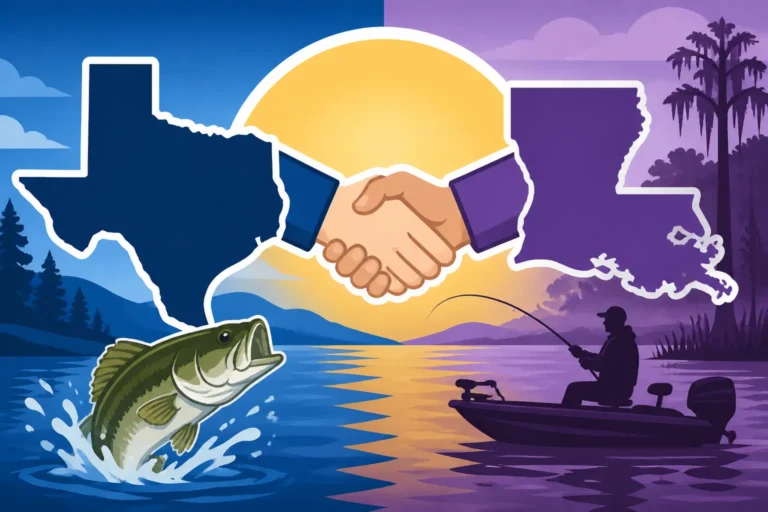
Texas shares several prominent fishing waters with neighboring states, most notably Lake Texoma with Oklahoma, and Toledo Bend Reservoir with Louisiana. The question of reciprocal licenses often arises here.
- Lake Texoma: This is a special case. Anglers licensed in Texas or Oklahoma may fish the waters of Lake Texoma, regardless of state boundaries, as long as they are within the reciprocal agreement area. However, if you possess a Texas license and fish in Oklahoma waters off Texoma, or vice-versa, you would need the appropriate state's license. There are also specific regulations for striped bass on Lake Texoma that differ from statewide Texas rules. Always consult the Lake Texoma-specific rules in the Outdoor Annual. You can get more clarity on Lake Texoma Fishing License Rules in our dedicated guide.
- Toledo Bend Reservoir: Similar to Texoma, Texas and Louisiana have a reciprocal license agreement for Toledo Bend. A valid fishing license from either state allows you to fish the entire lake. This simplifies things immensely for anglers on both sides of the border. This reciprocity typically applies to the shared lake waters, not necessarily the rivers feeding into them or other water bodies in either state. Our guide to Texas-Louisiana Reciprocal Fishing License Rules offers more comprehensive information.
For any other border waters, such as the Red River, Sabine River, or Caddo Lake, always verify the specific reciprocal agreements, as they can vary or not exist at all. When in doubt, it's safer to have a license for the state whose waters you are in.
Understanding the Fishing License Year
Many anglers get confused by the fishing license year. Unlike a calendar year or a 12-month period from purchase, Texas fishing licenses operate on a specific cycle: they are valid from September 1st through August 31st of the following year. This means if you buy your license in March, it will still expire on August 31st. Similarly, if you buy it on September 2nd, it's good for almost a full year. This fixed annual cycle aligns with the TPWD's administrative and biological management periods. It's crucial to remember this annual expiry date so you don't accidentally find yourself fishing without a valid license. Many seasoned anglers make it a habit to renew their license shortly after September 1st each year to avoid any last-minute rushes or forgetting entirely. There are plenty of options for Texas Fishing License Renewal Rules to make this process easy.
Disclaimer
The information provided in this guide is intended for general informational purposes only and is not a substitute for the official Texas Parks and Wildlife Department (TPWD) Outdoor Annual or direct consultation with a Texas Game Warden. Regulations can change frequently. Always consult the most current official TPWD Outdoor Annual before engaging in any fishing activities to ensure compliance with all state laws and regulations.