Texas Largemouth Bass Length Limits
It's incredibly frustrating to head out to your favorite Texas fishing spot, catch what feels like a trophy bass, only to realize you're not entirely sure if it meets the legal length requirements. That knot of uncertainty can really take the joy out of the moment, and worse, misunderstanding the rules can lead to hefty fines or unknowingly contributing to conservation issues. This comprehensive guide is here to untangle all the complexities surrounding Texas Largemouth Bass length limits, ensuring you're confident and compliant every time you cast a line.
Understanding Statewide Largemouth Bass Length Limits in Texas
Texas, with its vast network of lakes and rivers, offers incredible opportunities for bass fishing, but it also comes with a responsibility: knowing and following the regulations. For largemouth bass, these rules are primarily designed to protect the population and ensure sustainable fishing for generations to come.
The Standard Daily Bag and Length Limit
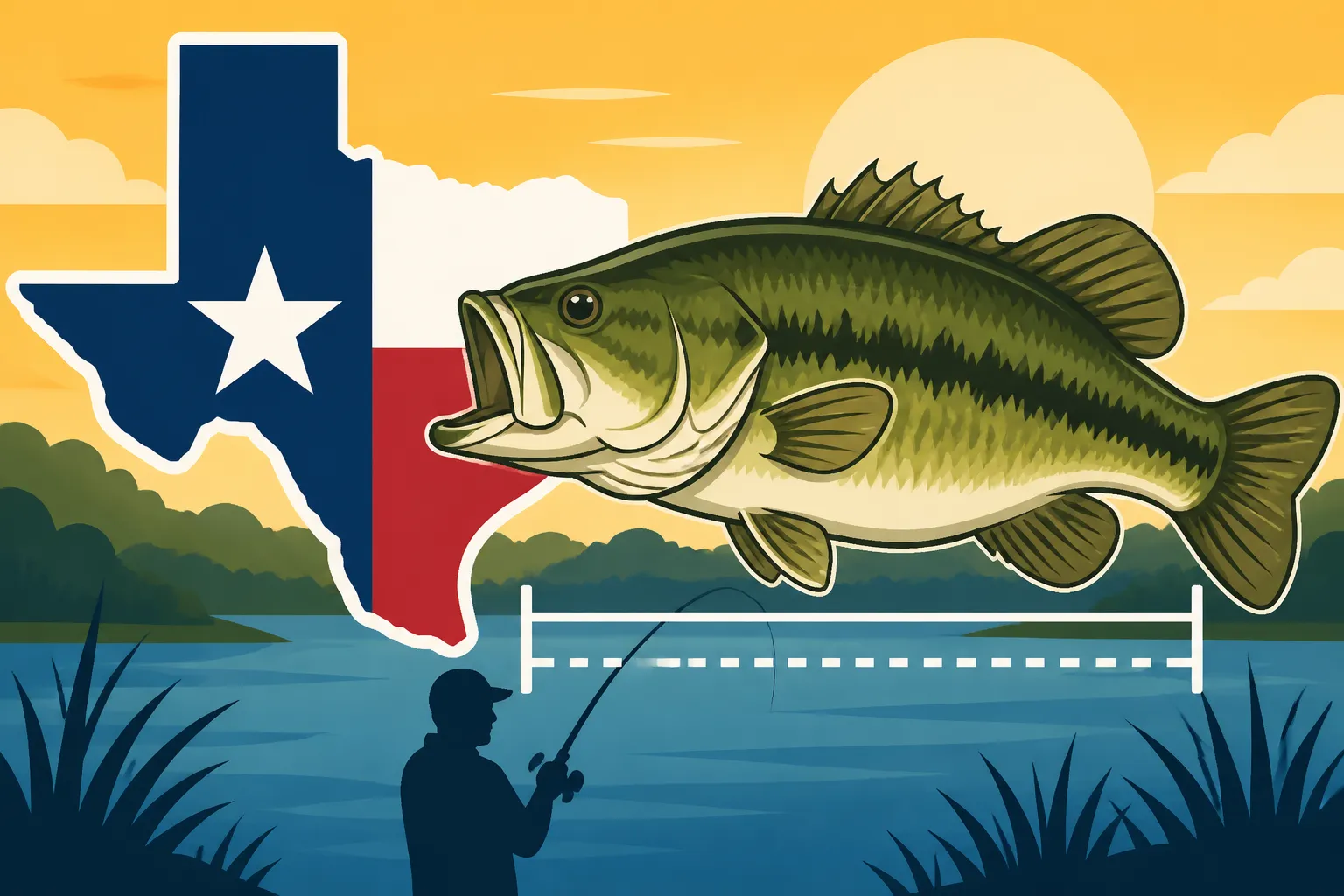
Across the majority of public waters in Texas, a very straightforward regulation applies to largemouth bass: there's a 14-inch minimum length limit, and a daily bag limit of 5 fish. This means any largemouth bass you catch that measures less than 14 inches from the tip of its snout to the end of its tail (with the tail compressed) must be immediately released unharmed. You also cannot keep more than 5 legal-sized largemouth bass in a 24-hour period, regardless of how many lakes or rivers you might fish within that timeframe.
Imagine you're out on Lake Travis, a beautiful Central Texas reservoir. You've been casting a jig all morning and finally hook into a feisty largemouth. You land it, carefully place it on your measuring board, and it comes up just shy at 13.5 inches. Even though it's a perfectly healthy fish, you must release it. Keeping it, even by accident, could lead to trouble with a game warden. This standard regulation acts as a baseline, a general rule of thumb for most of our fantastic bass fisheries. It's the first rule you learn when you start understanding the Texas Freshwater Fishing Regulations.
Why These Limits Exist
You might wonder why these specific numbers – 14 inches and 5 fish – are chosen. It's not arbitrary; these limits are the result of extensive biological research and fisheries management strategies employed by the Texas Parks and Wildlife Department (TPWD). The 14-inch minimum length limit, for example, is primarily a conservation effort aimed at protecting juvenile fish. By allowing smaller bass to grow past this size, they have a better chance to reach sexual maturity, spawn at least once (often several times, especially during the crucial Texas Largemouth Bass Spawning Months in spring), and contribute to the overall reproduction of the population. This helps ensure a healthy, self-sustaining bass fishery.
Furthermore, these regulations are designed to prevent overharvesting. If anglers were allowed to keep an unlimited number of small bass, the population could quickly decline, impacting the ecosystem and the quality of fishing for everyone. The 5-fish daily bag limit, coupled with the minimum length, helps distribute the harvest more evenly among anglers and reduces pressure on the fish population. It’s about balance: allowing anglers to enjoy their sport while simultaneously ensuring that bass populations remain robust and capable of producing trophy-sized fish for years to come. It’s a delicate dance between sport and sustainability, and these rules are key players.
Navigating Special Largemouth Bass Regulations by Lake
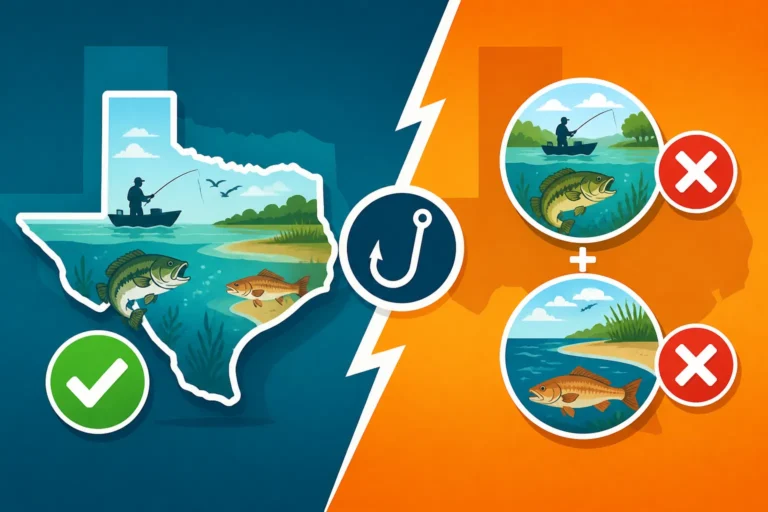
While the statewide 14-inch minimum and 5-fish bag limit apply to many Texas waters, it's absolutely crucial to understand that many lakes have special regulations that supersede the general rule. Missing these lake-specific rules is one of the most common ways anglers get into trouble.
Common Special Regulations Types
Texas fisheries biologists are always working to optimize bass populations in individual lakes, and sometimes that means implementing unique rules. The most common types of special regulations you'll encounter include:
- Slot Limits: These are perhaps the most complex but also the most effective for managing specific fisheries. A slot limit means you can only keep fish outside a certain length range, or perhaps only a limited number within or above that range. For example, a common slot limit might be "14 to 18-inch slot limit, only 5 fish may be retained, with no more than one fish over 18 inches." This means all bass caught between 14 and 18 inches must be immediately released. You can keep fish under 14 inches (if that's part of the rule for that specific lake) and one fish over 18 inches. Slot limits are typically used on lakes where biologists want to reduce the number of medium-sized fish (often stunted due to overpopulation or lack of forage) to allow the remaining fish to grow larger, or to protect the prime spawning-size bass.
- No Minimum Length Limit: On some lakes, you might find "no minimum length limit" for largemouth bass. This is usually implemented on lakes where there's an overpopulation of small bass, and biologists want anglers to remove smaller fish to reduce competition for food, allowing the remaining bass to grow bigger and healthier. These lakes often still have a daily bag limit, like the standard 5 fish, but you can keep any size.
- Catch-and-Release Only: As the name suggests, these lakes require all largemouth bass to be immediately released. These regulations are typically found on highly managed trophy lakes or experimental fisheries where the goal is to maximize the potential for exceptionally large bass, or where the population is still recovering.
Understanding the nuances of these different regulation types is paramount. You can't just assume the standard rules apply everywhere. Always, always check the current regulations for the specific body of water you intend to fish. These details are meticulously outlined in the TPWD Outdoor Annual, which is available online, as a mobile app, or in print at most sporting goods stores. These specialized rules are vital for effective Texas Freshwater Bag Limits by Species management.
Notable Lakes with Specific Largemouth Bass Limits
Texas is famous for its diverse and often spectacular bass fishing, and many of its premier lakes operate under special regulations designed to produce those lunker bass we all dream about. Knowing these exceptions is key to a successful and legal outing.
One of the most iconic examples is Lake Fork, located in East Texas, which is legendary for its trophy largemouth bass and is often considered one of the Best Bass Lakes in Texas. For years, Lake Fork has had a very specific slot limit: you can only keep largemouth bass that are under 16 inches or over 24 inches. Anything caught between 16 and 24 inches must be immediately released. The daily bag limit is 5 bass, but only one of those 5 can be 24 inches or greater in length. This aggressive slot limit is a primary reason Lake Fork consistently produces some of the biggest bass in the state, allowing the prime breeding stock and trophy-sized fish to thrive. If you're planning a trip, diving into a Lake Fork Fishing Guide is essential to grasp all its specific rules.
Other lakes with unique regulations include Millers Creek Reservoir in the Panhandle, which has a 14 to 18-inch slot limit, and Calaveras Lake near San Antonio, which used to have a 14-inch minimum but may have adjusted over time to manage its unique fishery, which includes red drum. Alan Henry Reservoir near Lubbock also often has special regulations, sometimes a 16-inch minimum length, aimed at growing larger fish. These examples highlight the variability across the state. Biologists constantly monitor fish populations, and factors like forage availability, angler pressure, and overall fish health can lead to regulation changes.
To stay completely current, always consult the most recent TPWD Outdoor Annual. The specific regulations for each lake are listed, often under the "Public Fresh Water Lakes and Streams" section, organized alphabetically by water body name. Trust me, spending five minutes reviewing the rules before launching your boat can save you a lot of headache (and potential fines) later on.
Here's a quick reference for a few prominent Texas lakes and their general largemouth bass regulations, keeping in mind these can change annually:
| Lake Name | Largemouth Bass Length Limit (as of recent data) | Daily Bag Limit | Notes |
|---|---|---|---|
| Statewide General Rule | 14-inch minimum | 5 | Applies to most waters without special regulations |
| Lake Fork | Under 16 inches OR over 24 inches | 5 (only 1 over 24") | Famous trophy lake, 16-24" slot |
| Millers Creek Reservoir | 14 to 18-inch slot limit | 5 (only 1 over 18") | Release bass 14-18", can keep under 14" and 1 over 18" |
| Purtis Creek State Park | Catch-and-release only | 0 | Managed for trophy potential, all bass must be released |
| Choke Canyon Reservoir | 18-inch minimum | 5 | Specific to this lake, promoting larger fish |
Please note: These are examples and regulations can change. Always verify current rules with the official Texas Parks and Wildlife Department Outdoor Annual before fishing.
Practical Tips for Measuring and Handling Largemouth Bass
Knowing the regulations is only half the battle; the other half is knowing how to accurately measure your catch and, more importantly, how to handle it responsibly, especially if it needs to be released. Proper technique isn't just about legality, it's about the fish's survival.
Proper Measuring Techniques
The difference between a legal fish and one that's too short can sometimes be just a fraction of an inch, making accurate measurement critical. Texas Parks and Wildlife Department (TPWD) defines length as the "total length," measured from the tip of the snout to the farthest extremity of the tail when the tail is compressed. Here’s how to do it correctly:
- Use a Reliable Measuring Device: Don't rely on a tape measure pulled from your pocket. Invest in a dedicated, rigid fish measuring board. These boards have a fixed upright at one end and clear markings, ensuring consistency. Many excellent options are available from retailers like Amazon, ranging from simple plastic boards to more elaborate ones designed for tournament anglers. A good measuring board will help you avoid errors caused by a fish wiggling or the tape flexing.
- Lay the Fish Flat: Gently lay the fish flat on the measuring board. It's crucial that the fish is level and not contorted.
- Close the Mouth: Push the fish's snout against the upright of the measuring board. Ensure the mouth is completely closed. Sometimes, an excited fish might try to gape its mouth open, but for an accurate measurement, it needs to be shut.
- Compress the Tail: While holding the fish gently but firmly against the upright, slide your hand down the body to compress the tail lobes together. Then, read the measurement at the furthest point of the compressed tail.
It’s often a two-person job if possible, especially with a lively fish. One person can hold the fish while the other ensures the tail is compressed and reads the measurement. Remember, if there's any doubt about the length, err on the side of caution and release the fish. A citation for a short fish is not worth the risk.
Best Practices for Catch and Release
Most largemouth bass caught in Texas, especially those falling within slot limits or under minimum length requirements, will be released. How you handle that fish after it's caught significantly impacts its survival rate. Our goal as anglers should always be to ensure the fish swims away healthy to fight another day.
- Minimize Fight Time: While a good fight is fun, try to land the fish as quickly as possible without overtly stressing it. Prolonged fights, especially in warm water, can exhaust a bass, making it harder for it to recover.
- Use Wet Hands: Always wet your hands before touching a fish. Dry hands can remove the fish's protective slime coat, making it vulnerable to disease and infection.
- Support the Fish's Body: When lifting a bass, especially a larger one, support its entire body horizontally. Never hold a big bass vertically by the jaw alone, as this can dislocate its jaw or damage its internal organs. Use one hand to grasp the jaw (with a lip grip if preferred) and the other hand to support its belly and tail.
- Quick Hook Removal: Have your hook removal tools ready. Pliers, like long-nose pliers or specialized dehookers, are invaluable. Many anglers find specific brands, easily found on Amazon, to be incredibly helpful for quick and clean hook extraction. If the fish is deeply hooked, it’s often best to cut the line as close to the hook as possible rather than tearing vital organs trying to retrieve it.
- Revive if Necessary: If the fish seems sluggish after hook removal, gently hold it upright in the water, facing into the current (if any), and move it back and forth to force water over its gills. Only release it when it can swim away under its own power.
- Avoid Dry Surfaces: Keep the fish off hot, dry surfaces like boat decks or sandy banks as much as possible. A wet mat or a dip in the livewell (if you plan to measure and release) is preferable.
By following these catch-and-release guidelines, you not only comply with regulations but also demonstrate responsible angling ethics, contributing to the health and longevity of Texas's incredible bass fisheries.
The ShareLunker Program and its Relationship to Length Limits
Texas isn't just about managing bass populations; it's also about growing giant bass. The Toyota ShareLunker program is a testament to this commitment, and it operates in a unique way that sometimes interacts with the standard length limits.
What is the ShareLunker Program?
The Toyota ShareLunker program, run by the Texas Parks and Wildlife Department, is one of the most successful freshwater fisheries conservation programs in the world. Its primary purpose is to selectively breed truly exceptional largemouth bass to enhance the genetics of the state's public lake populations. Anglers who catch a largemouth bass weighing 13 pounds or more can donate it to TPWD for spawning purposes at the Texas Freshwater Fisheries Center in Athens. These "Legacy Class" ShareLunkers are then used to produce offspring, which are subsequently stocked into public waters across Texas, improving the chances for future generations of anglers to catch trophy bass.
The program creates a fascinating dynamic with traditional length limits. A 13-pound largemouth bass will, almost without exception, be well over the standard 14-inch minimum length limit, and likely even outside the "slot" on lakes like Lake Fork. In essence, the ShareLunker program provides a special exemption. If you catch a fish that qualifies for the program, the normal harvest rules are temporarily suspended to allow for its collection and transport to the hatchery. However, this is a very specific situation, and only applies to fish that meet the strict 13-pound minimum (or higher, depending on the current program year and class). This initiative is a cornerstone of the Texas ShareLunker Program Explained and has made Texas a global leader in trophy bass management.
Reporting and Donating a ShareLunker Bass
Catching a 13+ pound bass is a dream come true for most anglers, and if you're lucky enough to land one, knowing the exact steps to report and donate it is crucial to ensure its survival and contribution to the program. Time is of the essence when dealing with a potential ShareLunker.
- Verify Weight: First and foremost, weigh the fish on a certified scale if possible. If not, use the most accurate scale you have. It must be 13 pounds or more.
- Contact TPWD Immediately: As soon as you suspect you have a ShareLunker, call the ShareLunker program hotline. This number is typically available 24/7 during the active collection season (usually January through March). A TPWD biologist will guide you through the next steps.
- Keep the Fish Alive and Healthy: This is paramount. The fish must be kept alive and in good condition for the program. Place it in a large, aerated livewell with cool, clean water. Minimize handling. If you don't have an adequate livewell, the biologist may advise you on temporary solutions or arrange for immediate transport.
- Provide Information: Be prepared to provide details about where and when the fish was caught, the bait or lure used, and your contact information.
- Await Transport: A TPWD representative will arrange to meet you to collect the fish. This might be at the boat ramp, a local tackle shop, or a pre-arranged location.
- Recognition: If your fish is accepted, you'll become part of a special group of anglers and receive recognition for your contribution to Texas bass fishing.
It’s an incredible experience that goes beyond mere fishing; it's contributing directly to the future of trophy bass fishing in Texas. Always have the ShareLunker hotline number saved in your phone if you're targeting big bass – you never know when it might pay off!
Penalties for Violating Bass Length and Bag Limits
Fishing regulations aren't just polite suggestions; they are laws designed to protect natural resources. Violating Texas Largemouth Bass length and bag limits can lead to serious consequences that can quickly turn a fun day on the water into a very expensive and regrettable experience.
Consequences of Non-Compliance
The Texas Parks and Wildlife Department takes violations of fishing regulations very seriously. The exact penalties can vary depending on the severity of the offense, the number of fish involved, and whether it's a first-time or repeat offense, but they typically include:
- Fines: This is the most common penalty. Fines for exceeding bag limits or keeping undersized fish can range from hundreds to thousands of dollars per violation. For instance, a single undersized bass could cost you several hundred dollars in fines and court fees. If you have multiple undersized fish, the fines can quickly add up.
- Court Costs: In addition to the fine, you'll almost certainly incur court costs, which can further increase the financial burden.
- Loss of Fishing Privileges: Game wardens and courts have the authority to suspend or revoke your fishing license. This means you could be legally prohibited from fishing in Texas waters for a certain period, which for passionate anglers, is a significant blow.
- Jail Time: While less common for minor infractions, repeated or severe violations, especially those involving commercial poaching or gross negligence, can lead to misdemeanor or even felony charges, potentially resulting in jail time.
- Seizure of Equipment: In some cases, your fishing gear, boat, or other equipment used in the commission of a serious offense might be seized by law enforcement.
It’s truly not worth the risk. The small thrill of keeping an extra fish or a slightly undersized one pales in comparison to the financial and legal headaches, not to mention the stain on your fishing record. These penalties are designed to deter illegal activity and reinforce the importance of conservation, much like the broader Penalties for Fishing Without a Texas License.
The Role of Game Wardens and Responsible Angling
Texas Game Wardens are dedicated professionals tasked with enforcing all state wildlife and fisheries laws. They have the authority to check your license, inspect your catch, and verify that you are in compliance with all regulations. They patrol lakes, rivers, and coastal areas, often blending in with other anglers, so you never know when you might be observed. Their presence is not to ruin your day, but to safeguard the resources we all enjoy.
As responsible anglers, we play a crucial role beyond just following the rules ourselves. It’s about being informed and promoting ethical behavior within the fishing community.
- Be Informed: Before every fishing trip, especially to a new lake, always consult the current TPWD Outdoor Annual for that specific body of water. Regulations can change annually (the license year ends August 31st), so what was legal last year might not be this year.
- Know Your Fish: Be able to accurately identify the species you're catching. Sometimes, a spotted bass might be mistaken for a largemouth, and they can have different regulations. Being familiar with the distinct characteristics of species covered in a Texas Largemouth Bass Fishing Guide will help you avoid misidentification.
- Educate Others: If you see someone unintentionally making a mistake (like measuring incorrectly), a polite and educational conversation can often prevent a violation. However, if you witness egregious or repeated illegal activity, it's your civic duty to report it to TPWD (Operation Game Thief hotline: 1-800-792-GAME).
- Lead by Example: Practice proper catch-and-release techniques, clean up after yourself, and be respectful of other anglers and property owners. These actions collectively ensure that Texas remains a top-tier fishing destination for everyone.
Ultimately, adherence to length and bag limits isn't just about avoiding penalties; it's about being a good steward of our shared natural resources and contributing to the thriving future of Texas fishing.
Staying Informed About Ever-Changing Regulations
The world of fishing regulations isn't static. It's a dynamic environment, constantly adjusting to the realities of fish populations, environmental conditions, and scientific discoveries. Staying informed is a continuous process, not a one-time check.
Best Resources for Up-to-Date Information
It can feel like a chore to keep up, but thankfully, the Texas Parks and Wildlife Department provides excellent, accessible resources to help you stay compliant.
-
The TPWD Outdoor Annual: This is your bible for all Texas hunting and fishing regulations. It's published annually and available in several formats:
- Print Version: You can pick up a physical copy for free at most sporting goods stores, bait shops, and TPWD offices. It's handy to keep in your tackle box or truck.
- Online Version: The complete Outdoor Annual is available as a PDF download or browsable webpage on the official TPWD website. This is often the most current version.
- Mobile App: TPWD offers a fantastic mobile app (available on both iOS and Android) that includes the full Outdoor Annual, along with convenient features like sunrise/sunset times, license purchase options, and reporting tools. It's an absolute must-have for any serious Texas angler.
The Outdoor Annual details statewide regulations, but critically, it also contains a comprehensive section listing all special regulations for specific lakes and rivers. Before heading out, especially to a new body of water, always check the "Public Fresh Water Lakes and Streams" section for any rules that supersede the general statewide limits.
-
TPWD Website and Social Media: The official TPWD website (tpwd.texas.gov) is a wealth of information. Beyond the Outdoor Annual, you can find news releases about regulation changes, fish stocking reports, and detailed information about various fisheries. Following TPWD on their social media channels can also provide timely updates and alerts.
-
Local Tackle Shops and Guides: While not official sources, the folks who work at local tackle shops or professional fishing guides are often incredibly knowledgeable about the immediate area's regulations. They can provide valuable local insights, but always cross-reference with official TPWD sources, as their information might be anecdotal or not perfectly current.
Remember, ignorance of the law is not an excuse. Making the habit of checking the Outdoor Annual before each season, and especially before visiting a new lake, is a small effort for significant peace of mind. Learning How to Get a Texas Fishing License is only the first step; understanding the rules is the ongoing journey.
Why Regulations Change and How to Adapt
It's natural to wonder why fishing regulations can't just be set once and left alone. The truth is, fisheries management is an intricate science, and a healthy ecosystem is constantly evolving. Regulations change for a variety of critical reasons:
- Ecological Factors: Droughts, floods, sudden shifts in water temperature, or the introduction of invasive species can drastically impact fish populations. For example, a severe drought might concentrate fish and make them more vulnerable to harvest, leading to tighter limits. Conversely, a period of excellent water levels and forage might lead to relaxed limits to manage an abundant population.
- Fish Population Surveys: TPWD biologists regularly conduct surveys using electrofishing, netting, and creel census methods to assess fish health, growth rates, age structures, and reproductive success in various lakes. If a lake's bass population shows signs of stunting (too many small fish) or decline, regulations might be adjusted to correct the imbalance.
- Scientific Research and Best Practices: As fisheries science advances, new best practices emerge. TPWD continuously integrates the latest research to optimize management strategies, leading to refined length or bag limits that are more effective at achieving specific conservation goals, whether it's growing trophy bass or ensuring sustainable harvest.
- Public Input: TPWD often solicits public comments on proposed regulation changes. Anglers have a voice in the process, and their feedback, combined with scientific data, helps shape the final rules.
Adapting to these changes is part of being a responsible angler. It means making the annual check of the Outdoor Annual a routine. It means understanding that the best time of year to fish in Texas can be influenced by how biologists are managing specific species and that Texas Fishing Seasons Month by Month might see subtle shifts in regulations. Instead of viewing these changes as an inconvenience, consider them a sign that dedicated professionals are actively working to preserve and enhance the incredible fishing opportunities we have in Texas. Our compliance directly supports their efforts and ensures that our state remains a top destination for bass fishing for many years to come.
Disclaimer
Please remember that fishing regulations, including those pertaining to Largemouth Bass length limits in Texas, can change. While this guide provides comprehensive and accurate information based on current knowledge, it is your responsibility to consult the most recent official Texas Parks and Wildlife Department (TPWD) Outdoor Annual or their official website (tpwd.texas.gov) before engaging in any fishing activity to ensure full compliance. This article is for informational purposes only and does not constitute legal advice.