Texas Largemouth Bass Spawning Months
For many Texas anglers, figuring out exactly when largemouth bass decide to hit the spawning beds feels like trying to crack a secret code. It's a frustrating puzzle, especially when you're eager to capitalize on those prime fishing opportunities or simply understand the life cycle of these incredible fish. This guide will meticulously break down the typical spawning months for largemouth bass across our vast state, exploring the crucial environmental triggers and regional differences that dictate when these coveted fish will be focused on reproduction.
Understanding the Largemouth Bass Spawning Cycle in Texas
The spawning cycle of largemouth bass isn't a single event but a dynamic process that unfolds over several weeks, even months, depending on where you are in Texas. It’s a fascinating time when their instincts take over, shifting their focus from aggressively feeding to diligently reproducing. Knowing the different stages of this cycle is absolutely key to understanding their behavior and, if you choose to fish, how to approach them ethically and successfully.
Pre-Spawn Excitement: The Build-Up
Before the actual spawning begins, bass enter a crucial pre-spawn phase. This is often heralded by warming water temperatures, typically reaching the mid-50s to low-60s Fahrenheit. During this time, the bass are on the move, migrating from their deeper winter haunts towards shallower staging areas near future spawning grounds. Think of them like athletes carb-loading before a big race; they're intensely focused on feeding to build up the energy reserves they'll need for the arduous spawning process. This is often considered one of the most exciting times to fish, as bass are actively looking for substantial meals, making them highly receptive to a variety of lures. They'll gorge themselves on shad, crawfish, and any unsuspecting baitfish, putting on weight and preparing their bodies for the upcoming reproductive efforts.
Anglers often target points, humps, and channel swings adjacent to shallow flats, knowing these are the highways bass use to move towards their nesting areas. Large crankbaits, spinnerbaits, and even swimbaits can be incredibly effective during this period, as bass are less particular and more aggressive in their pursuit of calories. You can find a huge array of these "Best Bait and Lures for Texas Fishing" options on platforms like Amazon, ensuring you're stocked for the pre-spawn bite. Understanding this build-up phase is critical because it explains why bass can seem to "disappear" from one area only to show up in another, staging and waiting for that perfect moment to move onto the beds. It's a strategic period for the fish, and a golden opportunity for anglers who understand these movements.
The Spawning Peak: Nests and Eggs
When water temperatures consistently hit the mid-60s, typically ranging from 62 to 68 degrees Fahrenheit, that's when the real magic happens. Male largemouth bass will scout out suitable spawning sites, usually in shallow, protected coves or along gradually sloping banks, often near some type of cover like submerged brush, docks, or even large rocks. They'll fan out circular depressions in the substrate, known as "beds" or "nests," meticulously clearing away debris with their tails. Once a bed is prepared, the male will attract a female, and the actual spawning takes place, with the female depositing her eggs and the male fertilizing them. Females often lay thousands of eggs, which then adhere to the bottom of the nest.
After spawning, the female typically leaves, often heading to slightly deeper water to recover from the strenuous process. The male, however, remains to guard the nest fiercely. He’ll protect the eggs from predators like sunfish, crawfish, and even other bass, fanning them to keep them oxygenated. This protective instinct is why spawning bass can be so vulnerable to anglers who sight-fish, as the males will strike at anything perceived as a threat to their precious cargo. While this period can offer exciting sight-fishing opportunities, many ethical anglers choose to minimize disturbing bass on beds to ensure successful reproduction and healthy fish populations.
Post-Spawn Recovery: The Fatigue Factor
Once the eggs have hatched and the fry have dispersed from the nest, the male bass's parental duties are largely complete. Both male and female bass then enter the post-spawn phase, a period characterized by recovery and often a temporary lull in aggressive feeding. The spawning process is incredibly taxing, depleting their energy reserves and leaving them somewhat lethargic. Females, especially, are often skinny and tired, needing time to regain their strength. They'll typically move to slightly deeper, cooler water, often suspending near cover like submerged timber or weed lines, where they can recuperate.
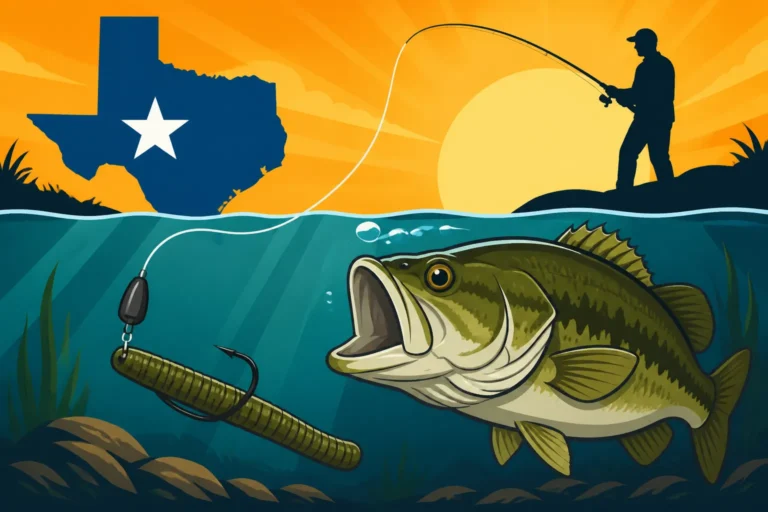
During this post-spawn period, bass aren't usually in a mood for a high-speed chase. They prefer easier meals, and their bites can be subtle. Finesse techniques, smaller baits, and slower presentations often prove more effective. Think about soft plastics, shaky heads, or small worms fished painstakingly slowly, perhaps even a "How to fish a Texas rig for bass" with a lighter weight. This phase can be challenging for anglers, as bass seem less predictable and more scattered. However, as they recover, they'll gradually resume more active feeding patterns, eventually transitioning into their summer routines. Understanding this post-spawn fatigue helps anglers adjust their strategies and avoid frustration when the aggressive bites of the pre-spawn suddenly disappear.
Key Factors Influencing Texas Bass Spawning
While water temperature is undeniably the most significant trigger for largemouth bass spawning, it’s not the only factor at play. Texas, with its diverse geography and varying climates, presents a complex tapestry of conditions that influence exactly when and where bass decide to lay their eggs. Understanding this interplay of environmental cues can provide a much clearer picture of the spawning window.
Water Temperature: The Ultimate Trigger
No single factor dictates the timing of the largemouth bass spawn more profoundly than water temperature. As mentioned, the magic window typically falls between 62 and 68 degrees Fahrenheit. However, it's not just about hitting that temperature once; it needs to be sustained. A brief warm spell followed by a sudden cold front can delay the spawn significantly, sending bass retreating to deeper water. This can be particularly frustrating for anglers who rely on consistent weather patterns. Many seasoned Texas anglers constantly monitor water temperatures, often using specialized thermometers or the fish finder readings on their boats. If you're wondering "Best water temperature for bass fishing in Texas," the mid-60s is generally prime for spawning activity.
Different bodies of water warm at different rates. Shallow, muddy lakes, especially in regions like East Texas, tend to warm up faster than deeper, clearer reservoirs in the Hill Country or North Texas. This explains why the spawn often kicks off earlier in the southern and eastern parts of the state. Furthermore, specific areas within a single lake, such as shallow, protected coves with dark bottoms, will warm quicker than main lake points or open water. This micro-climate effect means that bass in one part of a large reservoir might be actively spawning, while those just a few miles away could still be in the pre-spawn phase, waiting for their preferred temperature range.
Photoperiod and Lunar Phases
While temperature is king, the increasing length of daylight hours, known as photoperiod, also plays a subtle but critical role. As winter gives way to spring, the days grow longer, signaling to the bass's internal clock that it's time to prepare for reproduction. This consistent increase in light, regardless of daily temperature fluctuations, acts as a foundational trigger for hormonal changes within the fish, preparing their bodies for the upcoming spawn. Think of it as the ultimate "start your engines" signal.
Additionally, some anglers and researchers believe that lunar phases can influence the peak of the spawn, particularly the full moon in spring. Anecdotal evidence from many a fishing tale suggests that major spawning pushes often coincide with the full moon following the initial temperature threshold. The theory is that the increased gravitational pull associated with a full moon might influence tides or water movement, or perhaps the brighter moonlight allows for more prolonged nesting activity or better visibility for predators, leading bass to spawn in concentrated bursts during these periods. While not as definitively proven as temperature, many experienced anglers still consult a lunar calendar when planning their spring fishing trips, hoping to hit one of these peak windows.
Habitat and Nesting Preferences
The physical environment of a lake or river also significantly impacts where and when bass will spawn. Largemouth bass prefer relatively stable water levels and clear, firm bottoms for their nests. They'll seek out protected areas away from strong currents or heavy wave action, which could wash away their eggs or make guarding difficult. Shallow coves, protected pockets, and areas behind breakwaters are prime real estate. Submerged vegetation, such as hydrilla or pondweed, offers excellent cover and protection for nests and fry, making lakes with healthy aquatic plant life popular spawning grounds.
Consider a lake like Lake Fork, famous for its trophy bass. Its abundant timber and submerged vegetation provide countless ideal nesting sites, contributing to its reputation for prolific bass populations. Conversely, in a clearer, rockier lake with sparse vegetation, bass might utilize natural depressions, rock ledges, or man-made structures like boat docks and rip-rap. The availability and quality of these nesting habitats can dictate how quickly and successfully bass complete their spawn in any given body of water. A sudden drop in water levels during the spawn can expose nests and be devastating, while stable conditions allow for a more successful reproductive effort.
Regional Variations in Spawning Across Texas
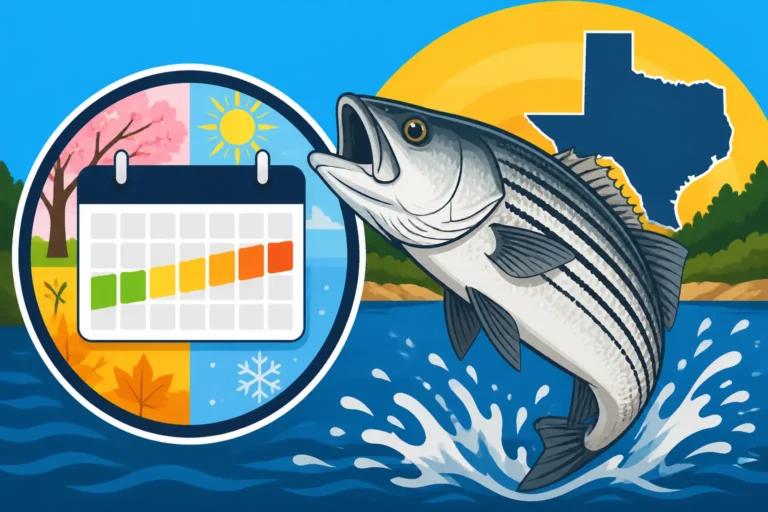
Texas is a massive state, covering over 268,000 square miles, with climates ranging from the arid west to the humid, subtropical east. It stands to reason that the largemouth bass spawning season doesn't arrive uniformly across this vast landscape. Instead, it unfolds in a gradual progression, starting earliest in the warmer southern regions and moving northward as spring deepens.
South Texas: An Early Bloom
If you're looking for the earliest bass spawn in Texas, head south. Lakes in the Rio Grande Valley and other southern regions, like Falcon Lake or Amistad Reservoir, experience consistently warmer temperatures much earlier in the year. It's not uncommon for bass in these areas to begin their pre-spawn movements as early as late January, with the peak spawn occurring throughout February and often extending into early March. The milder winters mean water temperatures reach that crucial 62-68 degree Fahrenheit range much sooner than anywhere else in the state.
Imagine fishing Falcon Lake in mid-February, feeling the warmth of the sun on your face while anglers further north are still bundling up against winter chills. This early start means that by the time March rolls around, many bass in South Texas might already be entering their post-spawn recovery, while their northern cousins are just getting ready to move up. This early window provides unique opportunities for anglers, but it also means adapting quickly to changing conditions as bass move through their stages at an accelerated pace. Understanding this regional nuance is crucial, especially for those who travel across the state to chase trophy bass.
Central and East Texas: The "Sweet Spot"
The heart of Texas bass fishing, including many of the state's most famous lakes like Lake Fork, Sam Rayburn Reservoir, and Toledo Bend Reservoir, typically sees its largemouth bass spawn from late February through March and often well into April. This period is often considered the "sweet spot" by many anglers, offering the most consistent and widespread spawning activity. Water temperatures in these regions usually stabilize within the ideal range during these months, providing extended windows for successful reproduction.
In East Texas, with its abundant rainfall and numerous timber-filled reservoirs, the spawn can be incredibly productive. Anglers flock to these lakes during March and April, eager to capitalize on the aggressive pre-spawn bites and the concentrated bass on beds. Lakes like Lake Conroe and Lake Livingston also fall into this prime central/east Texas window. Even though these lakes are bustling with activity during the spawn, responsible angling is always encouraged. The gradual warming trend allows for multiple waves of spawning, as not all bass spawn at the exact same time, creating opportunities that can last for several weeks. Knowing your "Texas Largemouth Bass Fishing Guide" can really help during this prime time.
North Texas Lakes: A Cooler Start
Moving further north, lakes around the Dallas-Fort Worth metroplex and the Texas Panhandle experience a later start to the spawning season. Think about lakes like Lake Ray Roberts, Lake Texoma, or Lake Grapevine. Here, the colder winters mean water temperatures take longer to reach the critical spawning threshold. Typically, the pre-spawn begins in March, with the peak spawning activity occurring from April into early May. It's not uncommon for a cold front in March to push bass back, delaying the full onset of the spawn until later in April.
For anglers in North Texas, patience is often a virtue. While southerners might be bragging about early catches, northern anglers know their time is coming. The spawn here can be just as explosive, but it simply shifts later on the calendar. This means that an angler could theoretically follow the spawn from south to north, starting in February near Del Rio and finishing up in May near Gainesville. Understanding this progression allows for strategic planning, maximizing your chances of hitting the spawn at its peak, regardless of where you decide to drop a line in the massive state of Texas.
Fishing Strategies During the Spawning Months
Fishing during the largemouth bass spawning season requires a nuanced approach. The fish's behavior changes dramatically through the pre-spawn, spawn, and post-spawn phases, and successful anglers are those who can adapt their techniques to match these shifts. It's not just about what lure you throw, but how and where you throw it.
Pre-Spawn Tactics: Feeding Frenzy
The pre-spawn period is arguably one of the most exciting times to fish for largemouth bass in Texas. As we discussed, bass are on a mission to fatten up, making them incredibly aggressive and less wary than at other times of the year. They’re actively hunting, often in slightly deeper staging areas adjacent to their eventual spawning flats. This is a time for power fishing.
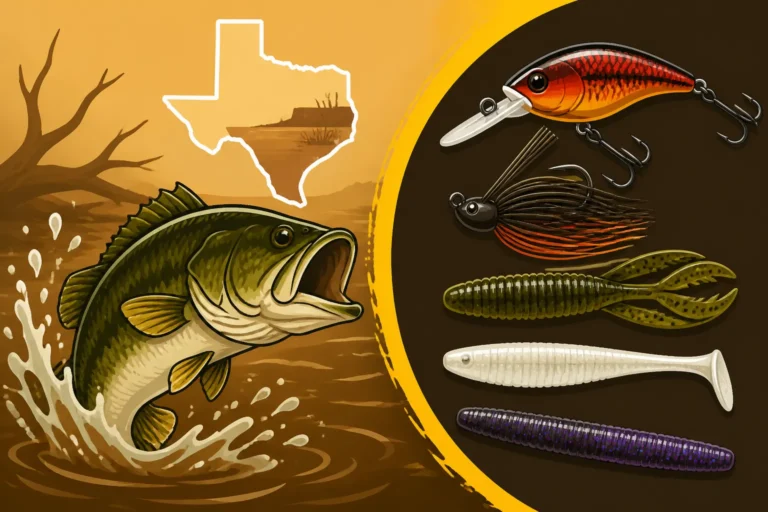
Large, erratic lures that mimic vulnerable baitfish or crawfish are often highly effective. Think about deep-diving crankbaits that bang off submerged timber or rock piles, triggering reaction strikes. Spinnerbaits with thumping blades, especially in chartreuse or white, can be excellent for covering water and locating active fish. Lipless crankbaits, fished with a yo-yo retrieve, can also be dynamite. Don't be afraid to throw larger profile swimbaits or jigs with bulky trailers, as bass are looking for a substantial meal to fuel their reproductive efforts. Target transition areas – where deep water meets shallow, along creek channels, or on points leading into coves. If you're looking for guidance on "How to Catch Bass in Spring in Texas", focusing on these aggressive, calorie-driven fish in their staging areas is a fantastic strategy. The goal is to present a big, easy target that screams "meal" to a hungry bass.
On the Bed: Sight Fishing Ethics
Once bass move onto their beds, a different set of strategies comes into play, particularly sight fishing. This involves visually locating bass on their nests in shallow, clear water. The male bass, as the primary nest guardian, becomes incredibly territorial and will strike at anything it perceives as a threat to its eggs. This makes them vulnerable to various baits, from soft plastic creature baits and lizards to jigs. The key is to repeatedly present the bait to the bed, often bumping the bass or its nest, to provoke a reaction strike. Patience and precision are paramount.
However, fishing for bedding bass raises significant ethical considerations. While it's legal in Texas to catch a bass off its nest, many conservation-minded anglers choose to avoid it or practice immediate, careful catch and release. Removing a male bass from its nest, even for a short time, leaves the eggs vulnerable to predators, potentially reducing the reproductive success of the fish. If you do choose to target bedding bass, using a soft plastic lure that the bass can easily mouth and then release quickly minimizes harm. Always prioritize the health of the fishery. Understanding the "Texas Freshwater Fishing Regulations" is also key to ensure you're compliant with any specific rules that might apply to certain waters during spawning periods.
Post-Spawn Patterns: Recuperation Bites
After the rigors of spawning, both male and female bass are exhausted and need time to recover. They typically move to slightly deeper water, often suspending around cover like submerged timber, deep weed lines, or brush piles. Their metabolism slows down, and they're less inclined to chase fast-moving baits. This is when finesse fishing truly shines.
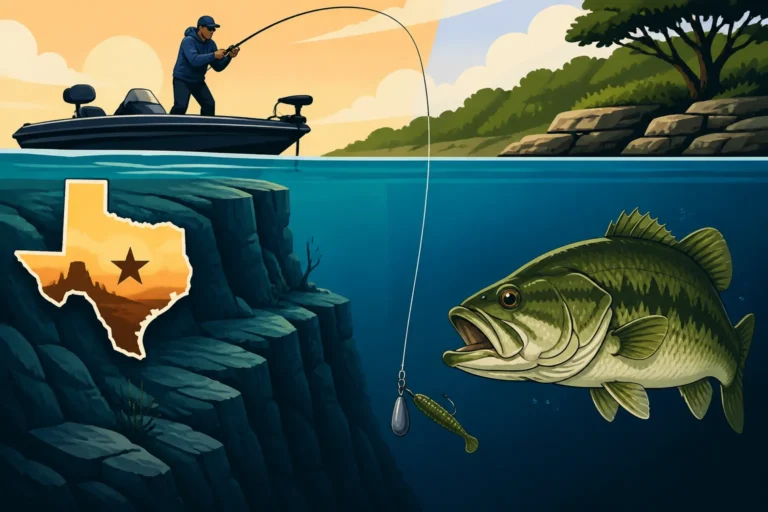
Focus on slower presentations and smaller, more subtle baits. Weightless wacky-rigged worms, shaky heads, or small Texas-rigged worms fished painstakingly slowly can often coax a bite from a lethargic bass. They're still feeding, but they're looking for an easy, readily available meal rather than expending precious energy chasing something down. Target the edges of vegetation, shaded areas under docks, or brush piles in 8-15 feet of water, depending on the lake's depth and clarity. Look for areas where baitfish might congregate, as bass will often recover close to their food source. Many anglers find the "Best techniques for post-spawn bass" involve a lot of patience and a willingness to downsize their baits and slow down their retrieve. This phase can be tough, but cracking the code to post-spawn bass can lead to some rewarding catches once you dial it in.
Protecting Spawning Bass and Their Habitats
As anglers who cherish the incredible fishing opportunities Texas offers, it’s our collective responsibility to ensure the health and sustainability of our largemouth bass populations. This becomes especially critical during the vulnerable spawning months. Practicing responsible angling and supporting conservation efforts helps secure the future of bass fishing for generations to come.
Catch and Release Best Practices
During the spawning season, catch and release practices become even more important. While it's exhilarating to catch a big bass off a bed, minimizing the stress on the fish and returning it quickly is paramount. When handling a bass, always use wet hands to protect its slime coat, which is a crucial barrier against disease. Avoid holding the fish by the mouth in a vertical position if it's a large, heavy fish, as this can damage its jaw. Instead, support its belly with your other hand.
Get the fish back into the water as quickly as possible. If it's a particularly large bass, or if it fought hard, take a moment to gently revive it by holding it upright in the water, allowing water to flow over its gills until it swims away under its own power. Consider using single, barbless hooks, which make hook removal much easier and reduce damage to the fish's mouth. These small acts of care can make a huge difference in the survival rate of spawning bass, ensuring they return to their nests to finish their reproductive duties or recover effectively. Even though you might have found some great deals on various "Best Fishing Rods for Texas Anglers" on Amazon, remember to pair them with ethical angling practices.
Minimizing Nest Disturbance
One of the most direct ways to protect spawning bass is to minimize disturbance to their nests. While it's a legal and often exciting part of bass fishing to target bedding fish, constant pressure or removing a guarding male for an extended period can leave eggs and fry highly vulnerable to predators. Sunfish, crawfish, and even other bass are opportunistic and will quickly devour unguarded eggs or newly hatched fry.
Consider adjusting your approach. If you find a bed, perhaps observe the bass, learn its behavior, and then move on. If you do decide to fish for it, make it a quick catch and release, ensuring the fish is returned promptly to its nest. Avoid repeated casting to the same bed for hours on end. Furthermore, be mindful of boat wakes in shallow, protected coves where bass are likely to be spawning. Excessive waves can wash out nests or displace fry. Practicing quiet and respectful angling during this sensitive period contributes directly to higher reproductive success and stronger bass populations in your favorite "Best Bass Lakes in Texas".
Supporting Conservation Efforts
Beyond individual angling practices, supporting broader conservation efforts is vital. Organizations like the Texas Parks and Wildlife Department (TPWD) work tirelessly to manage and protect our fisheries through stocking programs, habitat restoration, and enforcing regulations like "Texas Largemouth Bass Length Limits". Anglers can contribute by purchasing fishing licenses, which directly fund these initiatives.
Beyond license fees, consider volunteering for lake clean-up events, participating in citizen science projects that monitor fish populations, or joining local fishing clubs that advocate for responsible resource management. Educating fellow anglers, especially newer generations, about the importance of protecting spawning bass is also a powerful way to foster a culture of conservation. By being proactive stewards of our waterways, we help ensure that the thrill of catching a Texas largemouth bass remains a vibrant part of our state's outdoor heritage for many years to come. Your passion for fishing can directly translate into positive action for the environment.
Common Misconceptions About Bass Spawning
The bass spawn is a topic surrounded by a lot of folklore and half-truths, especially among new anglers. Clearing up these common misconceptions can help you approach the spawning season with a more realistic and effective strategy, leading to greater success and a deeper understanding of these incredible fish.
Myth: All Bass Spawn at Once
Perhaps the most common misconception is that all the largemouth bass in a given lake will spawn simultaneously, like a synchronized event. This simply isn't the case. As we've discussed, the spawn is a prolonged process influenced by various factors, with water temperature being the primary driver. Even when the conditions are ideal, bass don't all get the memo at the exact same moment.
Instead, the spawn occurs in waves. The first fish to move onto the beds are often the smaller, younger males, followed by the larger, more mature females and males as temperatures stabilize and warm further. A cold front can push some fish off the beds, only for them to return when conditions improve. This staggered approach means that for several weeks, you might find bass in all three stages: pre-spawn, actively spawning, and post-spawn, all within the same body of water, sometimes even in adjacent coves. This is why the "Best Time of Year to Fish in Texas" for bass can feel so extended in the spring – because there's always a wave of fish doing something related to spawning. This prolonged window is good news for anglers, as it means there are continuous opportunities if you adapt to the different stages.
Myth: Spawning Bass Won't Bite
Another widely held belief is that once bass are on their beds, they completely stop feeding and won't bite a lure. While it's true their primary focus shifts from feeding to reproduction and nest guarding, they are far from impossible to catch. The bites during the actual spawning phase are often defensive, a reaction to perceived threats to their nest, rather than a hunger strike.
Male bass guarding nests are incredibly territorial. They will aggressively strike at anything that comes too close to their eggs, including lures that mimic crawfish, lizards, or even other small fish that might prey on their offspring. This is the basis of sight fishing. Females, while less aggressive after laying eggs, still need to feed to recover. Their bites might be more subtle, requiring a slower, more finesse presentation. So, while their feeding patterns change, they absolutely will bite. The key is to understand why they're biting and adjust your lure choice and presentation accordingly. Sometimes, a tiny creature bait, perhaps a finesse jig found on Amazon, fished patiently on the edge of a bed is all it takes, even if a bass might pass up a larger bait thrown in the same spot.
Myth: All Bass in a Lake Spawn Annually
It's easy to assume that every mature bass in a lake participates in the spawn every single year. However, this isn't always the case, especially with larger, older fish or in systems under stress. Factors like poor health, insufficient energy reserves, or unfavorable environmental conditions (such as dramatic water level fluctuations or prolonged cold fronts during the prime spawning window) can cause some bass to "sit out" a spawn.
This is more common with exceptionally large females, particularly those that might be considered "trophy" class. The energy expenditure required to produce and lay eggs, combined with the stress of the spawning process, is immense. If a female hasn't accumulated enough fat reserves during the pre-spawn period, her body might simply not be capable of undergoing a successful spawn. Understanding this helps manage expectations and highlights the importance of protecting all bass, not just those actively on beds, to ensure a healthy and resilient population. The well-being of the entire ecosystem contributes to successful reproduction, year after year.
| Texas Bass Spawning Region | Typical Pre-Spawn | Peak Spawning Window | Average Water Temp | Key Lakes (Examples) |
|---|---|---|---|---|
| South Texas | Late Jan – Feb | Feb – Early March | 60-66°F | Falcon Lake, Amistad Reservoir |
| Central/East Texas | Feb – March | March – April | 62-68°F | Lake Fork, Sam Rayburn, Toledo Bend, Conroe |
| North Texas | March – April | April – Early May | 62-68°F | Lake Ray Roberts, Lake Texoma, Grapevine Lake |
Disclaimer
Fishing conditions, regulations, and fish behavior can change rapidly. Always consult the latest Texas Parks and Wildlife Department (TPWD) regulations before heading out. The information provided here is for general educational purposes and should not be considered legal advice. Stay safe and enjoy your time on the water!