How to fish a Ned rig for bass
Ever hit a Texas lake on a bluebird day after a cold front, or fished a heavily pressured spot only to feel like the bass have packed up and moved to another state? It's a frustrating experience many of us know all too well. When the bite gets tough and those big bass get finicky, a change in approach is often necessary. This guide will dive deep into one of the most effective finesse techniques out there: how to fish a Ned rig for bass, helping you unlock bites even when other lures fail in the diverse waters of Texas.
Why the Ned Rig is a Texas Bass Angler's Secret Weapon
Let's face it, Texas lakes see a lot of fishing pressure. Whether you're on a popular reservoir near a big city or a smaller community pond, bass get smart. They've seen every crankbait, spinnerbait, and jig in the book. That's where the Ned rig shines – it offers a subtle, non-threatening presentation that can fool even the most educated bass. It’s not just a small bait; it’s an entire mindset shift in your approach.
The Finesse Advantage in Pressured Waters
Imagine fishing a busy Saturday on Lake Fork or Sam Rayburn. Boats are everywhere, and those bass are probably feeling a lot of vibration and seeing a constant parade of traditional lures. When fish are pressured, they often shy away from anything too aggressive or unnatural. This is where the Ned rig truly earns its stripes as one of the Best finesse techniques for pressured lakes. Its tiny profile and unique standing action scream "easy meal" rather than "threat."
I've been in countless situations where the conventional power fishing bite totally died, and switching to a Ned rig literally saved the day. It’s like presenting a perfectly baked cookie to someone who’s been offered a whole cake all day long – sometimes, they just want something small and irresistible. Bass in these situations become more curious than aggressive, and the Ned rig caters perfectly to that curiosity, offering just enough action to draw them in without spooking them. You're giving them a snack they can't refuse, often when they aren't even actively feeding on larger prey items.
Mimicking Natural Forage with Minimal Effort
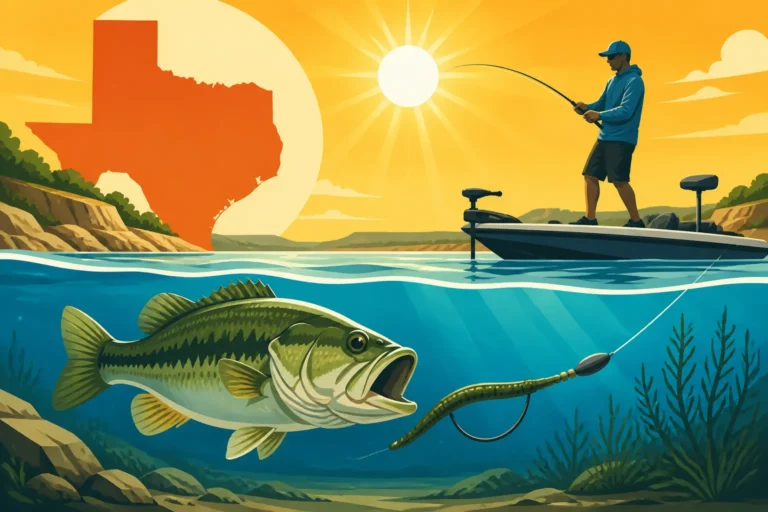
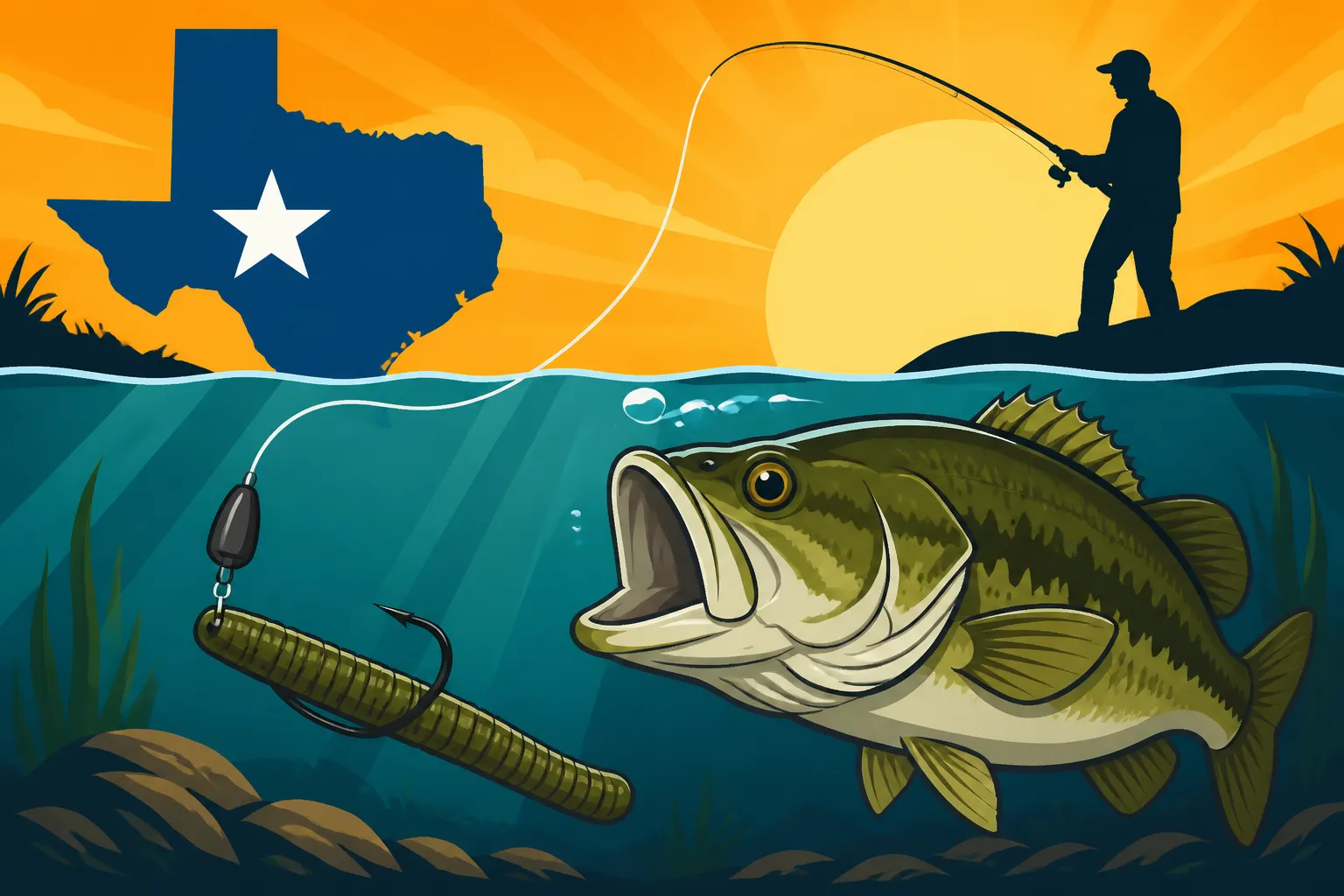
One of the most captivating aspects of the Ned rig is its ability to imitate dying or disoriented baitfish and crawfish with incredibly minimal effort from the angler. Picture a small shiner struggling near the bottom, or a tiny crawfish trying to burrow into the sediment. The Ned rig, particularly when paired with buoyant soft plastics, stands straight up on the bottom with the hook exposed, creating an almost irresistible vertical presentation. This posture is simply something other jigs and worms can't consistently achieve.
This "standing" action, combined with a subtle quiver from the rod tip or a gentle current, makes the bait look alive but vulnerable. It’s not fleeing; it’s struggling. Texas bass, whether they are largemouth, spotted, or even smallmouth in certain areas, are opportunistic predators. They are constantly looking for an easy meal, and a small, struggling creature fits the bill perfectly. When other baits are lying flat or moving too quickly, the Ned rig is sitting there, practically begging to be eaten. It triggers a different kind of strike, often a slow, deliberate "eat" rather than a violent reaction bite, which requires a keen sense from the angler.
Versatility for Various Conditions
The beauty of the Ned rig isn't just its finesse appeal; it's also incredibly versatile across a wide range of fishing conditions that Texas anglers frequently encounter. From the crystal-clear waters of Canyon Lake to the stained rivers like the Brazos, the Ned rig can be adapted.
In clear water, its subtle nature doesn't spook fish, and the small profile blends in naturally. On those bright, sunny days when fish are hugging the bottom, a Ned rig can be meticulously dragged through cover without being overly intrusive. When the water is a bit stained or murky, the compact profile still creates a presence, especially when paired with a slightly darker color, and its slow movement allows bass to home in on it. Furthermore, it works well in both cold and warm water. In the winter months, when bass are sluggish and metabolism is slow, a Ned rig can be fished incredibly slowly, almost dead-sticked, to entice bites. Conversely, in the heat of a Texas summer, when bass might be lethargic, working a Ned rig in shady, deeper spots can still trigger strikes. It's truly a year-round tool for the dedicated Texas bass angler.
Essential Components of a Texas Ned Rig Setup
Just like any specialized fishing technique, getting the most out of a Ned rig requires the right gear. You can't just slap a tiny worm on your heavy flipping stick and expect finesse magic. A dedicated setup allows the bait to perform as intended and helps you detect those incredibly subtle bites that are common with this technique. Think of it as a surgeon's scalpel compared to a butcher's cleaver – both cut, but one requires much more precision.
Rod, Reel, and Line Choices for Optimal Performance
To properly fish a Ned rig, you need to step down in your tackle. Forget the heavy-action rods you use for pitching jigs or throwing big crankbaits. For Ned rigging, a light to medium-light spinning rod is ideal. Look for a rod in the 6'6" to 7'2" range with a fast or extra-fast action. This combination provides enough backbone to fight a good fish but offers a sensitive tip that allows you to feel the lightest tap and impart subtle action to the bait. The fast action helps with quicker hook sets on those less aggressive bites. For recommendations, check out our guide on Best Fishing Rods for Texas Anglers.
When it comes to reels, a spinning reel in the 1000 to 2500 size range is perfect. These sizes are lightweight, balance well with finesse rods, and offer smooth drag systems for protecting light lines. You'll want a reel with a good retrieve ratio, but the main focus here is smoothness and reliability. Our advice on Best Fishing Reels for Texas Anglers can help you pick a suitable model.
For line, a braided main line of 6-10 pound test is the way to go, primarily because of its sensitivity and lack of stretch. This allows you to feel everything your Ned rig is doing, even in deeper water or windy conditions. To maintain stealth, you'll need to tie on a fluorocarbon leader of 4-8 pound test. Fluorocarbon is nearly invisible underwater and provides abrasion resistance. I typically use a 10-foot leader, connecting it to my braid with an FG knot or an Albright knot for a strong, smooth connection. This two-line system is crucial for maximizing feel and minimizing visibility.
Choosing the Right Jig Heads
The jig head is arguably the most critical component of the Ned rig. It's what gives the bait its signature standing action. Most Ned rig jig heads are characterized by a flat, mushroom-shaped head. This design allows the bait to stand upright on the bottom, mimicking natural forage.
- Weight: The most common weights range from 1/16 oz to 1/8 oz.
- 1/16 oz: Perfect for very shallow water, calm conditions, or when fish are extremely finicky and you need the slowest fall rate possible.
- 1/10 oz: A great all-around choice for many situations, offering a slightly faster fall than the 1/16 oz but still very subtle. Many popular brands like Z-Man offer this unique weight.
- 1/8 oz: Ideal for deeper water (10+ feet), windy conditions, or when you need to punch through light cover more effectively.
- Hook Size: Generally, you'll want a 1/0 or 2/0 hook to match the small profile of the plastics. Many jig heads come with weedguards, which are a huge plus when fishing around grass or timber. Look for strong, sharp hooks that can handle a feisty Texas bass. Z-Man, for instance, makes a range of jig heads specifically designed for Ned rigs, often featuring stout, custom-designed hooks.
Selecting the Perfect Soft Plastics
The soft plastic bait for a Ned rig isn't just any worm; it needs specific characteristics to truly shine. The material is paramount.
- Material: The most effective Ned rig plastics are made from highly buoyant and durable materials, with ElaZtech being the gold standard (popularized by brands like Z-Man). This material causes the bait to float, ensuring that "standing up" action when the jig head hits the bottom. It's also incredibly tough, often lasting through dozens of fish before needing replacement, saving you money in the long run.
- Shapes: While there are many options, the most common shapes include:
- Small stick baits: Typically 2.5-3 inches long, these are the classic Ned rig worms.
- Small creature baits: Some anglers prefer tiny crawfish or bug imitations, especially when bass are feeding on crustaceans.
- Finesse worms: Even smaller, stubbier worms can be effective.
- Colors: Matching the hatch is always a good idea, but some universal colors work wonders in Texas:
- Green Pumpkin: A perennial favorite, it imitates crawfish and various natural forage.
- Watermelon Red: Great in slightly stained water or when bass are feeding on red-tinted crawfish.
- Black/Blue: Excellent in darker water or on overcast days, offering a strong silhouette.
- Natural/Light colors: For extremely clear water or bright days, lighter greens and browns can be more effective.
The key is to keep the bait relatively small – most Ned rig plastics are in the 2.5 to 3.5-inch range. Anything much larger starts to lose the finesse appeal and the signature standing action. If you're looking for some great options, check out our guide on Best Soft Plastics for Texas Bass Fishing.
| Jig Head Weight | Ideal Depth Range | Water Conditions | Cover Type | Fall Rate |
|---|---|---|---|---|
| 1/16 oz | 0-8 feet | Calm, Clear | Sparse Grass, Open Water | Very Slow, Subtle |
| 1/10 oz | 5-15 feet | Light Chop, Slightly Stained | Docks, Rock Piles | Moderate |
| 1/8 oz | 10-25+ feet | Windy, Stained | Deeper Structure, Brush | Faster, More Direct |
| 1/6 oz | 15-30+ feet | Strong Wind, Current | Heavy Cover, Ledges | Quick, Firm Contact |
Step-by-Step Ned Rig Fishing Techniques for Texas Lakes
Now that you've got your gear sorted, let's talk about how to actually fish this tiny wonder. The Ned rig isn't about power or speed; it's about subtlety, patience, and precise presentation. It requires a different rhythm than most bass fishing techniques, but once you get it down, it can be incredibly rewarding.
The Basic Retrieve: Drag, Hop, and Pause
The core of Ned rig fishing revolves around a slow, deliberate retrieve. There isn't one single "correct" way, but a combination of dragging, hopping, and pausing is usually most effective.
- Cast it Out: Make a controlled cast to your target. Since the bait is light, you might need a smooth, sweeping motion rather than a hard flick. Let the bait sink on a semi-slack line. Watch your line carefully as it falls; often, a bass will grab it on the initial drop. This is especially true if you're targeting suspended fish or those around brush piles.
- Make Bottom Contact: Once it hits the bottom, let it sit for a few seconds. This pause is crucial, allowing the bait to stand up and often triggering an immediate strike from curious bass. Many times, the bite happens right here, before you even move the bait.
- The Drag: Slowly drag the jig head along the bottom with your rod tip. Think of it as pulling the bait rather than reeling it. Use your rod to pull the bait a foot or two, then reel up the slack. Keep your rod tip slightly elevated to maintain a sense of what the bait is doing. This motion kicks up a little puff of sediment, mimicking a foraging crawfish or baitfish.
- The Hop: Occasionally, give your rod tip a short, sharp twitch to lift the bait a few inches off the bottom, then let it fall back down. This mimics a struggling baitfish or a crawfish trying to escape. Again, pay close attention on the fall – many bites occur as the bait descends.
- The Pause: This is perhaps the most important element. After every drag or hop, let the bait sit motionless for several seconds. Remember, the buoyant plastic will keep it standing upright, and this vulnerable presentation is often what triggers the bite. Bass might follow it for a bit and then commit during a pause.
- Detecting the Bite: Ned rig bites are often very subtle. It might not be a violent strike. You could feel a slight "tick," a mushy sensation, or simply notice your line jump or start moving sideways. Sometimes it just feels like your bait got "heavy." When you feel anything out of the ordinary, set the hook with a smooth, upward sweep of the rod, rather than a hard, snapping jerk. You're using light tackle, so a strong, controlled sweep is key.
Targeting Key Structures and Cover
The Ned rig is versatile enough to be effective in various Texas fishing environments, whether you're on a vast reservoir or a smaller pond. Understanding where bass typically hold can help you present your Ned rig effectively.
- Deep Water Humps and Points: Bass often congregate on submerged humps and along points, especially during transitions in weather or seasons. Dragging a 1/8 oz Ned rig slowly over these contours, letting it fall into small depressions or along edges, can be incredibly productive. Use your electronics to locate these spots, and consult resources like How to read lake contour maps for bass fishing for deeper understanding.
- Rock Piles and Riprap: Rocky areas, whether natural or man-made (like dam riprap or bridge pilings), are crawfish havens and offer excellent ambush points. Pitch your Ned rig close to these structures and work it slowly along the bottom, allowing it to bump and crawl over the rocks. The small profile is less likely to get hung up than a larger jig.
- Boat Docks and Piers: Docks provide shade, cover, and structure for baitfish, attracting bass. Skipping or pitching a Ned rig under docks, letting it fall near the pilings or in the darker recesses, can be deadly. Bass often school up under docks, and a subtle offering is less likely to spook the entire school.
- Sparse Grass Lines and Edges: While not ideal for punching through thick hydrilla, a Ned rig can be excellent along the edges of grass beds or in areas with sparse, submerged vegetation. The weedguard on many jig heads helps prevent snagging. Work it slowly where the grass meets open water or where channels cut through grass flats.
- Deep Drop-Offs and Ledges: In larger reservoirs, bass will often stage on deep drop-offs and ledges. This is where a slightly heavier Ned rig (1/8 oz or even 1/6 oz) can shine. Finesse techniques like the Ned rig are covered in How to fish deep drop-offs for bass, where you learn how to slowly drag and hop it down the contour, focusing on any irregularities or isolated cover.
Adjusting for Different Water Conditions and Seasons
Texas weather and water conditions can change dramatically, sometimes within the same day! The good news is the Ned rig can be adapted to remain effective.
- Clear Water: In crystal clear lakes like Amistad or Canyon Lake, stealth is paramount. Use lighter fluorocarbon leaders (4-6 lb) and natural bait colors like green pumpkin or watermelon. Focus on longer casts and more subtle retrieves, allowing the bait to sit for extended periods between movements. Remember that How water clarity changes lure choice can significantly impact your success.
- Stained Water: When the water has a bit of color, you can opt for slightly darker or more vibrant bait colors, such as black/blue, junebug, or even chartreuse patterns, to improve visibility. You might also find that a slightly faster retrieve with more frequent hops can help bass locate the bait in reduced visibility.
- Cold Water (Winter): During the colder months, bass metabolism slows down, and they become much less active. This is where the Ned rig truly excels. Focus on painfully slow retrieves, sometimes dragging the bait only a few inches at a time and pausing for 10-15 seconds. Often, the bass will just swim up and inhale it without a noticeable strike. This is essential knowledge for How to catch bass when the water is cold.
- Warm Water (Summer): In the scorching Texas summer, bass often seek refuge in deeper, cooler water or dense shade. Target deeper structure, boat docks, or areas with current. While you can still fish it slowly, you might find that a slightly more active retrieve with more frequent small hops can trigger a reaction bite from lethargic fish. Early morning and late evening can be prime times. Our guide on How to catch bass in the heat of a Texas summer offers more insights into summertime strategies.
- Windy Conditions: Wind can make Ned rig fishing challenging due to line bow. Use a slightly heavier jig head (1/8 oz) to maintain bottom contact and help detect bites. Keep your rod tip low to the water to minimize wind's effect on your line. You'll need to stay extra focused on watching your line for any subtle movement.
Common Mistakes to Avoid When Fishing a Ned Rig
While the Ned rig is incredibly effective, there are a few common pitfalls that can diminish its success. Avoiding these can significantly improve your catch rate and confidence with this finesse technique. Remember, it's about refining your approach, not just throwing out a tiny bait.
Using Overly Heavy Gear or Incorrect Line
This is probably the most frequent mistake I see anglers make when trying the Ned rig for the first time. They often try to use their medium-heavy baitcasting setups designed for bigger lures. The problem? Heavy gear kills the finesse aspect entirely. A heavy rod won't allow the bait to act naturally, and you'll struggle to impart the subtle movements that make the Ned rig so deadly. Furthermore, a heavy, stiff line will severely dampen your sensitivity, making it nearly impossible to feel those gentle Ned rig bites.
Imagine trying to feel a feather landing on a thick rope; it’s just not going to happen. The lightweight jig heads (1/16 oz, 1/10 oz) require a responsive rod tip to even load the rod during a cast, let alone feel the bottom. If your line is too thick, it creates too much drag in the water, preventing the bait from sinking properly and hindering its natural action. Stick to that light or medium-light spinning rod, paired with braided main line and a light fluorocarbon leader. It makes all the difference, trust me.
Rushing the Retrieve and Overworking the Bait
Another common error is treating the Ned rig like a fast-moving crankbait or a jig that needs to be hopped aggressively. The Ned rig is all about subtlety and patience. If you're constantly reeling, jerking, or moving the bait too quickly, you're defeating its purpose. The essence of the Ned rig is to present a small, vulnerable, easy meal. A fast-moving small bait often just looks like a confused piece of plastic, not a meal.
Bass, especially pressured ones, are often in a neutral or negative feeding mood. They don't want to chase. They want something that barely moves, something that looks like it's taking its last breath. Slow down. Think "less is more." Allow long pauses. Let the bait sit there for 5-10 seconds, sometimes even longer, especially in cold water or when the fish are extremely inactive. A gentle drag, a slight hop, and then a generous pause. This rhythm takes practice, but once you embrace the slow approach, your success will skyrocket. It's truly a test of patience, but the rewards are well worth it.
Ignoring Subtle Bites
Because the Ned rig is a finesse technique designed for finicky fish, the bites are rarely aggressive. You might not get that jarring "thump" that you'd feel with a Texas rig or a spinnerbait. This leads many anglers to miss fish, thinking they're just feeling the bottom or some light cover.
A Ned rig bite can manifest in several ways:
- A "mushy" or "spongy" feeling: It's like your bait suddenly weighs more, or you feel resistance that isn't a snag.
- A light "tick": A very faint tap, almost like a piece of grit hitting your line.
- Line movement: Your line might twitch, jump sideways, or simply begin moving off without you doing anything. This is why watching your line is as important as feeling for bites.
- Your rod tip loads up: Sometimes, the bass just slowly inhales it, and your rod tip will just gradually bend over, without any distinct "hit."
When in doubt, set the hook! It's better to set on a phantom bite than to miss a trophy bass. The super-sensitive braided line and fast-action rod will help you detect these minute changes. Training yourself to interpret these subtle cues is a key part of mastering the Ned rig for Texas bass, helping you connect with more fish, especially those larger, more experienced ones.
Disclaimer
This article is for general informational purposes only and does not constitute professional advice. Laws, prices and regulations vary by location and change over time. Consult a qualified professional for guidance on your specific situation.