How to catch bass when the water is cold
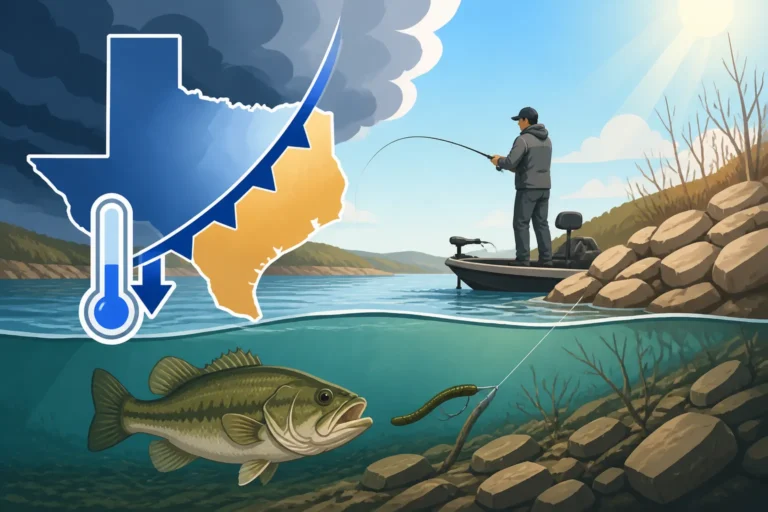
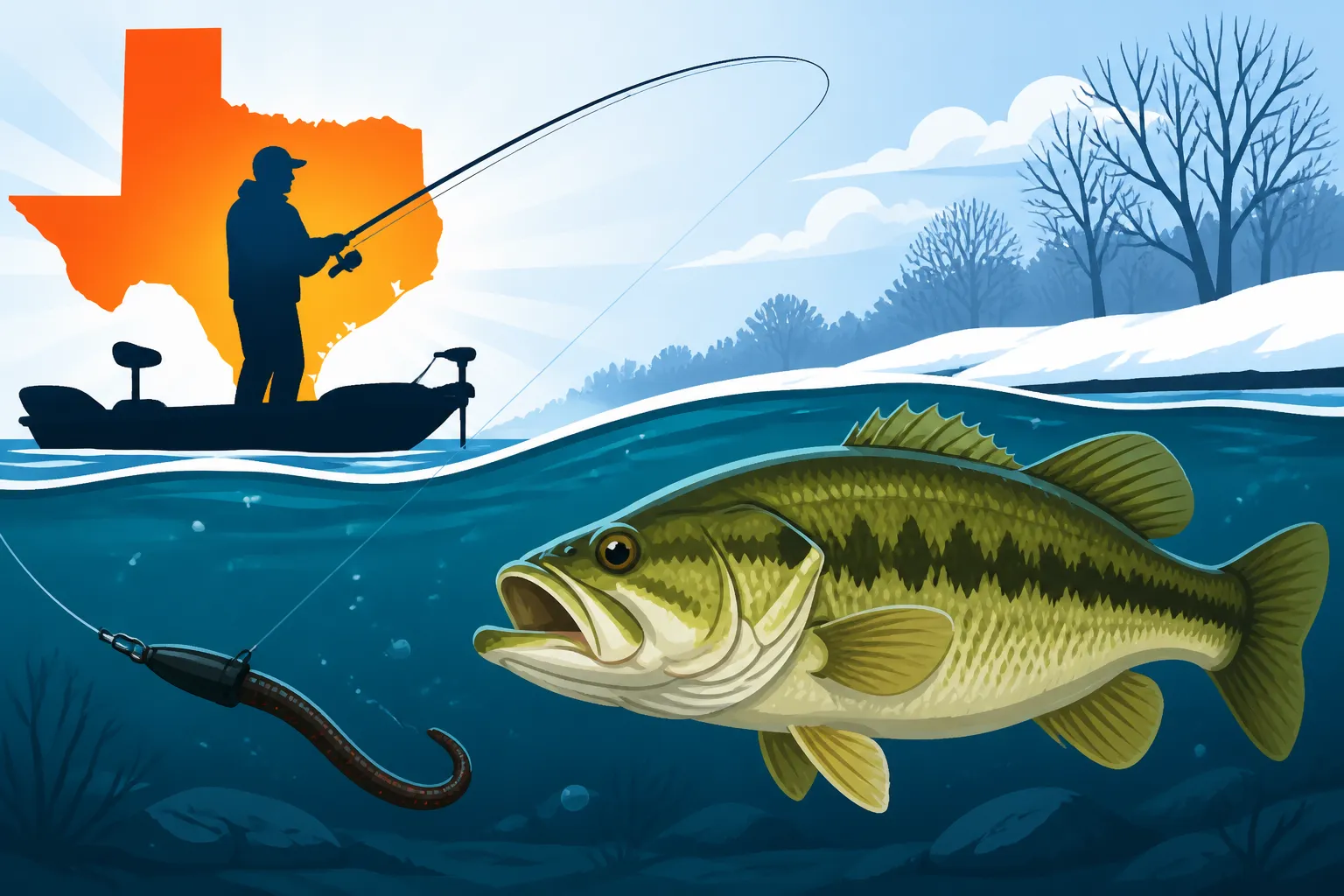
Oh, the crisp bite in the air, the frosty mornings, and the sheer challenge of trying to coax a bass into biting when the water temperature plummets. It's a scenario many Texas anglers face each winter, and let me tell you, it can be downright frustrating. Those aggressive strikes you get in spring and fall seem like a distant memory, replaced by subtle taps or just a feeling of "heavy" on your line. But don't despair! This guide is going to walk you through the nitty-gritty of catching bass when the water is cold, covering their behavior, the right gear, and the patient techniques you'll need to turn those chilly days into productive ones.
Understanding Cold Water Bass Behavior in Texas
When the mercury drops, both in the air and in our beloved Texas lakes, bass fundamentally change their behavior. It's not because they're being finicky; it's a matter of survival. Their cold-blooded nature means their body temperature mirrors the water around them, directly impacting their metabolism. Understanding this shift is the first step to unlocking success on those frigid days.
The Impact of Water Temperature on Bass Metabolism
Think of bass like us trying to run a marathon in freezing weather without proper gear. We'd slow down, try to conserve energy, and definitely wouldn't be as active. Bass are no different. When water temperatures dip below 55°F, and especially below 50°F, their metabolism significantly slows down. This isn't just a minor adjustment; it's a biological imperative. They don't need to eat as often, and when they do, they're not going to expend a ton of energy chasing down a fast-moving meal. Their digestive process slows, meaning a big meal might last them days.
This physiological change dictates everything about how we should approach them. Forget the fast retrieves, the loud topwater presentations, or the aggressive jigging you might do in warmer months. In cold water, bass are looking for an easy meal that doesn't require much effort to catch. They're often lethargic, hugging tight to cover, and only willing to move a short distance for food. Your presentation needs to be excruciatingly slow, sometimes even paused for extended periods, to give these slow-moving fish time to find, track, and commit to your bait. It’s a complete shift in mindset from the more active seasons.
Where Bass Hide When the Water is Cold
Finding bass in cold water often feels like searching for a needle in a haystack, but there are patterns. They seek out areas that offer stable temperatures and readily available cover or structure. These aren't always the shallow flats or vast submerged grass beds they frequent in spring.
Deep water is a common refuge. Bass will often move to deeper ledges, points, and humps where the water temperature is more stable and often a degree or two warmer than the shallows. These areas also provide easy access to different depths, allowing bass to move up and down with subtle temperature changes or baitfish movements without expending much energy. For instance, on a big reservoir like Sam Rayburn or Toledo Bend, bass will often stack up on the deepest ends of main lake points or along creek channel swings that drop quickly into deeper water.
Thermal refuges are also critical. While open water cools quickly, certain areas retain heat better. Darker bottom compositions, especially those with rock or shale, absorb solar radiation more efficiently and can be a few crucial degrees warmer. Northern banks of a lake, which receive more direct sunlight throughout the day, can also be hotspots, especially on sunny, calm winter afternoons. You might find bass temporarily moving up shallower on these banks to bask in the warmth. Specific examples include rock-lined banks on Lake Travis or the deep, rocky points of Canyon Lake. Also, areas with warm water discharges from power plants, such as Calaveras Lake and Braunig Lake near San Antonio, are legendary for their winter bass fishing because the bass flock to the consistently warmer waters.
Lastly, don't overlook heavy cover. Submerged timber, brush piles, and even thick submerged vegetation (if it's still healthy) provide crucial thermal cover and ambush points. These dense areas offer protection from cold currents and also serve as a barrier, giving bass a place to hide and ambush prey without having to chase. Look for the deepest, thickest brush piles you can find, especially those positioned on or near a sharp drop-off. If you’re fishing a lake like Lake Fork, the standing timber and deep brush are absolute magnets for winter bass.
Essential Gear and Bait for Cold Water Bass Fishing
The gear you choose for cold water fishing is paramount. You're not trying to overpower fish; you're trying to entice them with subtlety and precision. This often means scaling down your tackle and relying on lures that excel at slow, deliberate presentations.
Rod and Reel Setups for Finesse Techniques
When bass are lethargic, they often take baits very softly. This means you need a rod and reel combination that prioritizes sensitivity and finesse. For most cold water scenarios, spinning gear is often preferred over baitcasting setups, especially for lighter baits and lines.
Opt for a medium-light to medium power spinning rod, typically 6'9" to 7'3" in length, with a fast or extra-fast action. The sensitive tip allows you to detect those incredibly subtle bites, while the backbone still provides enough power to set the hook and fight a cold-water lunker. A rod like a St. Croix Bass X or a Duckett Fishing Ghost spinning rod would be excellent choices, offering the blend of sensitivity and strength you need. For more specific recommendations, our guide on the best fishing rods for Texas anglers offers a deeper dive into various options.
Pair this with a smooth, lightweight spinning reel in the 2000-3000 size range, spooled with 6-10 lb fluorocarbon line. Fluorocarbon is a fantastic choice for cold water for several reasons: it's nearly invisible underwater, it has low stretch for superior sensitivity, and it sinks, which can be advantageous when trying to keep your bait down in the strike zone. If you prefer braid, tie on an 8-10 lb fluorocarbon leader of at least 10-15 feet to maintain invisibility and sensitivity. Check out our recommendations for the best fishing reels for Texas anglers to find a suitable match for your cold water setup. You can find a wide array of these specialized rods, reels, and lines on Amazon, ensuring you have the right tools for the job.
Top Cold Water Baits and Lures
The key to cold water baits is their ability to be fished slowly and effectively. Here are some proven performers for Texas bass when the water is cold:
- Jigs (Football Jigs, Finesse Jigs): Jigs are kings in cold water. Football jigs, especially in 3/8 to 1/2 oz, are excellent for crawling along rocky bottoms, mimicking crawfish. Finesse jigs, often 1/4 to 3/8 oz, paired with smaller trailers, are perfect for pitching into brush piles or fishing around docks. Darker colors like black and blue, brown, or green pumpkin are consistent producers. The key is to drag them slowly, feeling for every little rock and stick.
- Jerkbaits: A suspending jerkbait is an absolute must-have. Brands like Lucky Craft, Megabass, or Strike King make excellent suspending jerkbaits that, when paused, literally hang motionless in the water, right in a bass's face. The retrieve is crucial: cast it out, give it a few sharp twitches, and then pause it for what might feel like an eternity (5-15 seconds, sometimes longer!). This long pause often triggers a strike from a hesitant bass. For more general advice on baits, our guide on the best tackle for Texas bass fishing can provide additional context.
- Blade Baits: Lures like the Sebile Vibrato or the Rapala RipStop are fantastic for vertical jigging. Drop them down to the depth where you're seeing fish, then use short, sharp lifts and drops. The vibration and flash can draw strikes, and their compact size makes them an easy meal.
- A-Rigs / Umbrella Rigs: When baitfish are schooled up in deep water, an A-rig can be deadly. It mimics an entire school of baitfish, and when retrieved slowly near suspended bass, it can trigger some aggressive bites even in cold water. Ensure your rig is legal in Texas waters (check hook limits).
- Spoons: Metal spoons, like a Johnson Silver Minnow or a Bass Pro Shops XPS Spoon, are classic vertical jigging baits. Drop them to the bottom, rip them up, and let them flutter back down on a slack line. The flash and erratic fall can be irresistible.
- Soft Plastics (Grubs, Worms, Ned Rigs, Drop Shots): These are the ultimate finesse tools. Small grubs on a jig head, Texas-rigged worms dragged slowly, or a Ned Rig (a mushroom-shaped jig head with a small, buoyant plastic) are all incredibly effective. The Ned Rig, in particular, stands out for its subtle, upright presentation. Our article on how to fish a Ned rig for bass offers detailed instructions. Drop shots are another excellent choice for targeting suspended fish or specific pieces of cover. If you want to learn more about the technique, check out our piece on how to fish a drop shot for bass. You can easily stock up on a variety of these essential cold water baits and lures on Amazon, making sure you're prepared for any winter fishing trip.
Mastering Cold Water Bass Fishing Techniques
Having the right gear is only half the battle; knowing how to use it is where the real magic happens. Cold water fishing demands patience, precision, and an understanding of how bass are likely to react.
The Art of Slow Presentation
This cannot be stressed enough: slow down. Your retrieve speed in cold water should feel painfully slow compared to what you're used to. For most baits, the goal is to keep them in the strike zone for as long as possible.
- Jigs: When fishing a jig, don't hop it aggressively. Instead, drag it along the bottom, feeling for subtle changes in bottom composition or structure. Every now and then, give it a slight twitch or lift, then let it settle back down. The key is to maintain constant contact with the bottom and your lure. If you're familiar with how to fish a Texas rig for bass in warmer water, adapt that methodical dragging motion, but make it even slower and include longer pauses.
- Jerkbaits: The twitch-twitch-pause retrieve is standard, but the length of that pause is critical. In water below 50 degrees, your pause might be 10-20 seconds. Yes, it feels like an eternity, but it gives the lethargic bass ample time to approach the bait and decide to strike. Many strikes happen on the pause, so watch your line intently.
- Soft Plastics: Whether it's a Ned Rig, a small grub, or a Carolina rig, slow dragging and subtle shaking are the way to go. Barely move the bait; let the buoyancy of the plastic or the current do most of the work. For instance, when learning how to fish a Texas Carolina rig, remember that in cold water, you'll want to drag it even slower, allowing the bait to suspend and flutter more delicately.
Embrace the silence, feel for every pebble, every stick, every whisper of a bite. Cold water bass bites are often not the violent "thump" you'd expect. They might feel like a spongy weight, a slight tick, or simply your line moving sideways. Being attuned to these subtle signals is vital.
Targeting Key Cold Water Structures
Once you understand why bass are in deep water and heavy cover, you can be more strategic about where you cast.
- Ledges and Drop-offs: These are prime real estate. Bass will often position themselves at a specific depth along a ledge, depending on the thermocline (if one exists), baitfish presence, or current. Use your electronics to find these vertical structures and look for schools of baitfish or arches representing bass on them. Focus on the sharpest breaks or any irregularities like small points or turns along the ledge.
- Timber and Brush Piles: Not all timber is equal. Look for the densest piles, especially those that extend into deeper water or are located on a transition area. Pitch jigs or drop shots right into the heart of these piles. Remember, bass will often be buried deep within the cover, so precise casting is crucial.
- Rock Piles and Boulders: Rocks absorb and radiate heat, making them warmer than surrounding mud or sand bottoms. Use your fish finder to locate isolated rock piles on flats or along channels. Football jigs and crankbaits that deflect off these rocks can be highly effective.
- Docks: Docks provide shade, cover, and often deeper water access. Bass will suspend under them, particularly if there are brush piles or other structures beneath. Skipping jigs or weightless worms under docks can yield big results.
Reading the Water and Weather
Even in winter, conditions can vary, and bass will adjust accordingly.
- Sunny Days: A few days of consecutive sunshine, especially after a cold front, can draw bass shallower on north-facing banks or over dark bottom areas. These fish might be more receptive to a slightly faster retrieve or a jerkbait.
- Post-Front Conditions: After a strong cold front passes through Texas, fishing usually gets tougher. The wind shifts, the barometer rises, and the fish shut down even more. On these days, you need to go even slower, fish even deeper, and be prepared for extremely subtle bites. Our guide on how water clarity changes lure choice can also come into play, as post-front conditions often mean clearer water, requiring more natural lure colors.
- Water Clarity: Clear water (common in winter) demands natural colors and smaller baits. Stained or muddy water might allow for bolder colors and slightly larger profiles, as bass rely more on vibration and scent.
Advanced Tips for Texas Winter Bass
For those looking to push their cold water game even further, integrating technology and refining your senses can make a significant difference.
Utilizing Electronics for Precision
Modern fishing electronics are game-changers for cold water bass fishing. They allow you to pinpoint fish and structure that would be impossible to find otherwise.
- Side Imaging and Down Imaging: These technologies allow you to scan wide swaths of the bottom (side imaging) or get a detailed, photo-like view directly below your boat (down imaging). Use side imaging to quickly locate brush piles, rock formations, or even schools of baitfish and bass tucked away from traditional sonar beams. Once you find a promising target, use down imaging to get a clearer picture of what's there and precisely where the fish are positioned. Our guide to the best fishing electronics for Texas anglers delves deeper into these tools.
- GPS Waypoints: Once you find a productive spot, mark it immediately with a GPS waypoint. Cold water bass often relate to very specific pieces of structure, and knowing their exact location allows you to return to it with precision, even if conditions change. This is especially useful on large bodies of water like Lake Whitney or Lake Livingston.
- Temperature Gauges: Your boat's graph likely has a surface temperature reading, but having a thermometer that can measure subsurface temperatures can be invaluable. Even a one or two-degree difference at a certain depth can concentrate bass. Focus your efforts on the slightly warmer water. If you're interested in maximizing your electronic setup, our article on how to use a fish finder for bass fishing provides excellent insights.
Understanding Subtle Bites
When water temperatures are in the 40s or low 50s, a bass strike is rarely a jarring thump. It's often so subtle that inexperienced anglers miss it entirely.
- Feeling Weight: Sometimes, it feels less like a bite and more like your lure simply getting "heavy." It's as if your bait just stopped moving, or you feel a slight resistance when you try to move it again. Set the hook!
- Spongy Feeling: Another common cold water bite is a soft, spongy sensation, almost like you've hooked into a wet sponge or a clump of moss. Don't second-guess it; set the hook hard.
- Line Movement: Often, the most reliable indicator in cold water is watching your line. Any subtle twitch, jump, or slow pull of your line sideways, especially on the pause of a jerkbait or while dragging a jig, signals a bite. This is where high-visibility braid with a fluorocarbon leader can be a great advantage, as you can see those slight movements more easily.
It takes practice and focus to distinguish these subtle bites from natural bottom contact, but once you learn, you'll start catching fish you would have otherwise missed. Always assume any unusual sensation or line movement is a bite and react accordingly.
When and Where to Find Winter Aggressors
While the general rule is "slow and steady wins the race," there are exceptions. Occasionally, you'll encounter bass that are surprisingly aggressive, even in winter. These instances often occur under specific conditions:
- Brief Warming Trends: A few consecutive days of mild, sunny weather can slightly raise water temperatures, especially in shallow, dark-bottomed areas. This brief warming can temporarily activate bass, making them more willing to chase. Look for these windows of opportunity to potentially incorporate slightly faster presentations.
- Power Plant Lakes: Lakes with warm water discharges, like Calaveras and Braunig Lakes, offer an anomalous environment where bass metabolism stays elevated year-round. These lakes can provide incredibly consistent cold water fishing, with bass often behaving more like they would in spring. The best winter fishing spots in Texas often include these thermal lakes.
- Deep Suspended Bait Balls: If you find large schools of shad or other baitfish suspended over deep water, there's a good chance bass are nearby, often suspended just below or within the bait. In these scenarios, vertical jigging spoons or A-rigs can be very effective, as the bass are already focused on a moving meal. Pay close attention to your electronics to locate these bait schools.
Remember, fishing in cold water requires a different approach, but it can be incredibly rewarding. The bass you catch in winter are often larger, healthier fish that are holding in predictable locations. With patience, the right gear, and a keen eye for subtle signs, you can conquer the chill and enjoy some fantastic Texas bass fishing all winter long.
| Lure Type | Best Use Case | Retrieval Technique (Cold Water) | Key Characteristics |
|---|---|---|---|
| Jig (Finesse/Football) | Targeting deep structure, brush piles, rocky bottoms | Slow drag, subtle hops, long pauses, maintain bottom contact | Crawfish imitation, excellent feel, versatile trailers |
| Suspending Jerkbait | Suspended bass, open water, near cover | Twitch-twitch-pause (5-20 sec), erratic darting, long pauses | Stays in strike zone, triggers reaction strikes, flashes |
| Ned Rig | Finesse presentations, rocky/hard bottoms, pressured fish | Slow drag, subtle shakes, dead sticking, keeps bait upright | Small profile, buoyant plastic, very subtle action |
| Drop Shot | Vertical fishing, suspended fish, specific cover | Vertical jig, light shakes, keeps bait above weight, precise depth | Highly precise, excellent for detecting subtle bites, natural bait action |
| Blade Bait | Vertical jigging, deep water, suspended bait schools | Short rips, controlled drops, feel for the flutter | Vibration, flash, compact size, mimics injured baitfish |
| A-Rig / Umbrella Rig | Mimicking bait schools, suspended bass, open water | Slow, steady retrieve, occasionally pump the rod | Creates illusion of multiple baitfish, can cover water efficiently |
Disclaimer
Fishing conditions and regulations in Texas can change. Always consult the latest Texas Parks and Wildlife Department (TPWD) regulations before heading out on the water. This guide is for informational purposes only and should not replace official guidelines.