How to fish a Texas reservoir after a cold front
There’s nothing quite as frustrating as planning a weekend fishing trip to your favorite Texas reservoir, only for a pesky cold front to roll through right before you hit the water. One day the bass are biting aggressively on topwaters, and the next, it feels like the lake has gone completely dead. Don't worry, you're not alone in that experience! This comprehensive guide will walk you through the subtle yet critical adjustments you need to make to successfully fish a Texas reservoir after a cold front, helping you turn those tough days into productive ones.
Understanding the Impact of a Cold Front on Texas Reservoirs
Cold fronts aren't just a change in weather; they're a complete shake-up to the underwater world of a Texas reservoir. They bring with them a cascade of effects that drastically alter fish behavior, making your usual tactics less effective, or even useless. Understanding why fish react the way they do is the first step toward figuring out how to catch them.
Water Temperature Drops and Fish Metabolism
The most immediate and obvious impact of a cold front is the drop in air temperature, which in turn cools the surface water of the reservoir. While it might seem like a small change to us, even a few degrees can be a big deal for fish. Fish are cold-blooded creatures, meaning their body temperature is regulated by their environment. When the water gets colder, their metabolism slows down significantly. Think of it like a human trying to run a marathon in freezing temperatures – you're just not going to be as energetic or efficient.
This metabolic slowdown means fish become more sluggish. They don't need to eat as often, and when they do, they're not going to chase a fast-moving bait with the same vigor. They conserve energy, often hunkering down in areas where they can maintain a more stable body temperature. This is why those aggressive topwater bites or fast crankbait retrieves that worked so well pre-front suddenly stop producing. The fish simply aren't in the mood to expend that much energy.
Pressure Changes and Fish Behavior
Beyond temperature, cold fronts are also associated with significant shifts in barometric pressure. Before a front arrives, you often experience falling pressure, which can actually make fish more active and willing to feed. This is often when anglers experience some of the best fishing. However, once the front passes, the pressure typically rises sharply and then stabilizes at a higher level. This high-pressure system can be a real game-changer, and not in a good way for anglers.
For many fish species, particularly bass, high pressure can make them feel uncomfortable and push them deeper. It's thought that this change in pressure affects their swim bladders, making them seek out deeper water where the pressure is more constant, or where they can relieve that discomfort by getting under dense cover. This is a common pattern observed when you're trying to figure out how barometric pressure affects fishing. They become less inclined to roam and feed actively, preferring to hold tight to cover or the bottom. This means you’ll often find them hunkered down, practically glued to structure, and not willing to move far for a meal.
Water Clarity and Location Shifts
Another variable a cold front can bring is changes in water clarity. Strong winds accompanying a front can stir up sediment in shallower areas, making the water muddy or stained. Conversely, a strong front can also bring clear, calm conditions in its wake. Both scenarios influence where fish decide to hang out.
If the water becomes muddy, fish might move to clearer pockets or use their lateral lines more to detect prey. If the water clears up dramatically, fish can become warier of predators, including you and your boat. This often causes them to seek out deeper water or denser cover for security, especially if the skies are bright and sunny. They simply don't feel as exposed. Recognizing these shifts in water clarity is crucial for predicting where the fish might have relocated within the reservoir, away from their usual haunts.
Locating Fish After a Cold Front
Knowing that fish are sluggish and hunkered down is one thing; actually finding them is another challenge entirely. Post-front fishing is less about covering water quickly and more about being methodical and targeted. You're essentially looking for fish that don't want to be found.
Targeting Deeper Water and Structure
As mentioned, fish often retreat to deeper, more stable environments after a cold front. This means you need to shift your focus from shallow flats or visible cover to the hidden depths of the reservoir. Think submerged creek channels, deep ledges, offshore brush piles, and sunken roadbeds. These areas offer thermal refuge, protecting fish from the rapid temperature fluctuations and providing a stable, high-pressure environment they prefer.
Start by using your electronics to identify these deeper structures. Your fish finder is your best friend here, helping you pinpoint humps, drops, and brush. Once you locate a promising area, don't just make a few casts and move on. These fish are often tightly grouped and reluctant to move. You need to make repeated, precise casts to the exact same spots, almost trying to hit them on the head with your bait. This is where a good understanding of how to read lake contour maps for bass fishing really pays off, allowing you to visualize the underwater terrain even before you cast.
Focusing on Northern Banks and Warmer Pockets
While fish generally move deep, there's an exception to consider, especially in the afternoon: northern banks. Due to the angle of the sun, northern banks (those facing south) receive the most direct sunlight throughout the day. This prolonged exposure can warm the shallower water along these banks by a crucial few degrees, even if it's still cold. These subtle temperature increases can be enough to draw a few sluggish bass out of the depths, particularly if there's cover present like docks, laydowns, or rock beds.
Look for small coves or pockets on the northern side of the lake that are somewhat protected from the wind. These areas can sometimes hold a few active fish that are trying to absorb some solar warmth. Even a single large rock or a patch of dark bottom that absorbs heat could be enough to attract a fish or two looking for a slight temperature bump. It's a low-percentage play compared to deep structure, but it can sometimes pay off with an unexpected bite when everything else is tough.
Look for Baitfish Concentration
Even though game fish are less active after a cold front, they still need to eat. And where there's food, there will eventually be predators. Baitfish, like shad or sunfish, also react to cold fronts, often schooling up tightly and seeking out similar thermal refuges in deeper water. Finding these baitfish concentrations can be a huge clue to where the game fish are holding.
Again, this is where your fish finder shines. Look for dense schools of baitfish, often appearing as large clouds or arcs on your screen, typically suspended near structure or along deeper channels. If you find the bait, the predators are likely nearby, even if they're not actively chasing. They're just waiting for an easy meal to swim by. Sometimes, these baitfish might also be found in those warmer, protected pockets on northern banks. Keep an eye on any subtle surface activity, even small flickers, that might indicate baitfish presence.
Adjusting Your Techniques and Lures for Post-Front Conditions
Once you've located potential holding areas, the next critical step is adapting your fishing techniques and lure choices. What worked before the front is unlikely to work now. It’s all about finesse, patience, and mimicking what a lethargic fish might actually be willing to eat. This is a far cry from how to fish in hot Texas summers, where aggressive retrieves often rule the day.
Slowing Down Your Presentation
This is, without a doubt, the most important adjustment you can make. Fish are slow, so your bait needs to be even slower. Forget power fishing techniques that rely on speed and flash. Instead, think deliberate, subtle movements, and long pauses. A bait that sits motionless for an extended period can be just the trigger a reluctant fish needs. They might not chase it, but if it's right in front of their face and looks like an easy meal, they might inhale it.
Imagine a bait slowly crawling along the bottom, or a suspended jerkbait hanging tantalizingly in the water column for 10, 15, or even 20 seconds. This gives the fish ample time to approach, inspect, and finally commit to the bite without having to exert much energy. Even on an internal link like the Texas Largemouth Bass Fishing Guide, you'll find that slowing down is a universal truth when fish are finicky. This extreme slowdown applies to almost every lure you might choose, from jigs to soft plastics.
Finesse Techniques and Natural Baits
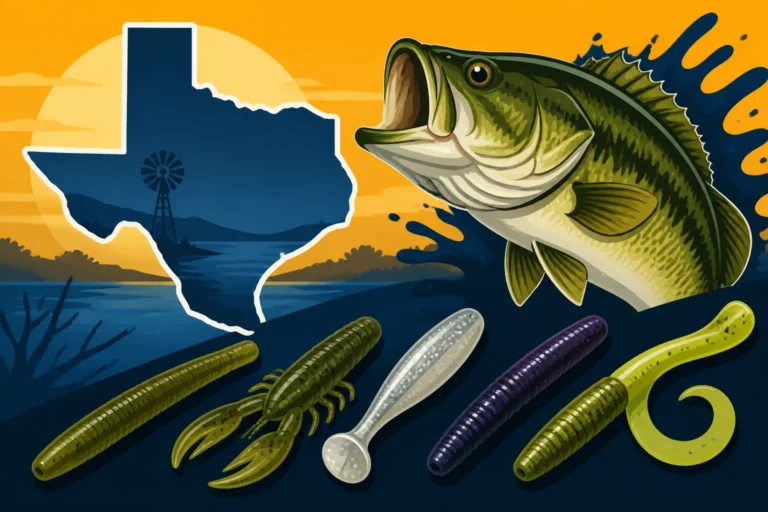
When fish are lethargic, smaller, more natural-looking baits presented with finesse are often the ticket. This is where techniques like the Ned rig, drop shot, and shaky head truly shine. These rigs allow for subtle presentations and keep your bait in the strike zone for longer periods.
- Ned Rig: This tiny jig head paired with a short, buoyant worm is fantastic for slowly dragging or hopping along the bottom. Its subtle action and small profile make it irresistible to inactive bass. Learning how to fish a Ned rig for bass is a highly effective skill for these conditions.
- Drop Shot: The drop shot rig allows you to present a small plastic worm or creature bait off the bottom, directly at the fish's eye level. You can twitch your rod tip to give the bait action without moving it horizontally much. This is perfect for fish suspended on structure or tightly grouped. If you're wondering how to fish a drop shot for bass, mastering it will open up a lot of post-front opportunities.
- Shaky Head: A shaky head jig is another excellent choice for probing deep structure. A finesse worm or creature bait threaded onto a jig head allows you to shake the bait in place, mimicking a dying or struggling prey item.
- Live Bait: Don't overlook live bait if conditions are truly tough. A lively shiner, minnow, or nightcrawler presented on a simple Carolina rig or under a slip bobber in deeper water can often entice a bite when artificial lures fail. Sometimes, the real deal is just what a finicky fish needs.
When choosing colors, lean towards natural hues like greens, browns, and black-and-blue, especially in clearer water. If the water is stained, slightly brighter or darker colors might provide better contrast, but still keep profiles small. Many great options for these types of baits can be found on Amazon, allowing you to experiment without breaking the bank.
Jerkbaits and Reaction Baits with Pauses
While finesse is generally key, there are times when a reaction strike is the only way to get a bite after a cold front. This is where a suspending jerkbait comes into play. Unlike a crankbait that you retrieve steadily, a jerkbait is designed to be twitched, then paused for extended periods.
Cast your jerkbait near deep cover or along ledges. Give it a few sharp twitches to get it down to depth and impart some action, then – and this is crucial – pause. Let it sit absolutely motionless for 5, 10, even 20 seconds. The suspending nature of the lure means it just hangs there, often slowly rising or falling ever so slightly, mimicking a dying or disoriented baitfish. That long pause, followed by another twitch, can often trigger an aggressive strike from a fish that was otherwise unwilling to move. Experiment with various retrieve patterns, but always incorporate those long, nerve-wracking pauses. For your tackle box, make sure you have jerkbaits in natural baitfish patterns as well as some with a little flash or chartreuse, especially if the water has some stain. You can often find a good selection of these on Amazon too.
Essential Gear and Mindset for Post-Front Fishing
Fishing after a cold front isn't just about changing your lures; it often requires a shift in your approach and reliance on certain tools to give you an edge. It's a test of patience as much as skill, and having the right gear can make all the difference. For more general advice, you might want to look into the Best Time of Year to Fish in Texas, which often touches on these challenging conditions.
Electronics and Mapping
In post-front conditions, your boat's electronics go from being helpful tools to absolute necessities. You're trying to find fish that are hunkered down, often in deep, unseen structure. A high-quality fish finder with down imaging and side imaging capabilities can reveal those submerged brush piles, rock formations, and even individual fish that are holding tight to the bottom or suspended in the water column. The best fish finder for deep Texas reservoirs will allow you to quickly scan large areas and pinpoint productive spots that you might otherwise miss.
Combine your fish finder with detailed GPS mapping of the reservoir. Navigational charts that show contours, creek channels, and old roadbeds are invaluable for identifying potential deep-water holding areas. Mark any productive spots with your GPS so you can return to them later. Post-front fishing is often about finding small, precise areas where fish are congregated, and your electronics are your eyes underwater.
Rod, Reel, and Line Selection
For the finesse techniques often required after a cold front, your rod, reel, and line choices are paramount. You need sensitivity to detect those subtle, almost imperceptible bites from lethargic fish.
- Rods: Opt for a medium-light to medium power spinning rod with a fast or extra-fast action. This provides the backbone to fight fish while maintaining a very sensitive tip to feel those light taps. A good quality graphite rod will transmit even the slightest bite up the blank to your hand. If you’re considering an upgrade, check out some options for the best rod and reel setup for Texas bass fishing; sensitivity is key.
- Reels: Pair your spinning rod with a smooth, lightweight spinning reel. A good drag system is important for finesse fishing, as you'll often be using lighter lines.
- Line: Fluorocarbon line is often preferred for finesse techniques. Its low stretch provides excellent sensitivity, and it's virtually invisible underwater, which can be critical for wary fish. A lighter pound test, typically 6-10 lb, is common. Consider the best line weight for Texas bass fishing for specific species, but generally, lighter is better for finicky bass. You might even find some good deals on fluorocarbon line on Amazon.
Patience and Persistence
Let's be real: post-cold front fishing can be tough. It can be slow, frustrating, and sometimes you might feel like you're just casting into an empty lake. This is where your mindset becomes as important as your gear and techniques. You need a boatload of patience and an unwavering commitment to persistence.
Understand that you might not get many bites, and each bite could be incredibly subtle. Don't get discouraged by long periods without action. Instead, focus on executing your techniques perfectly, meticulously dissecting every piece of structure, and believing that a quality fish is eventually going to find your bait. This isn't the time for a numbers game; it's the time for seeking out those one or two quality bites that can turn a tough day around. Remember, every angler faces these challenges, and success often comes to those who refuse to give up. The Texas Fishing Seasons Month by Month guide will reiterate that patience is a virtue in many conditions, not just after a cold front.
Here’s a quick summary of how to adjust your approach after a cold front:
| Category | Pre-Cold Front Conditions | Post-Cold Front Adjustments |
|---|---|---|
| Fish Behavior | Active, aggressive, chasing bait | Lethargic, hunkered down, seeking stability |
| Location | Shallow flats, visible cover, open water | Deeper channels, ledges, submerged brush, northern banks |
| Technique | Power fishing (fast retrieves), covering water | Finesse, slow dragging, long pauses, precise casts |
| Lure Type | Topwaters, crankbaits, spinnerbaits | Ned rigs, drop shots, shaky heads, suspending jerkbaits |
| Retrieve Speed | Fast to moderate, erratic | Extremely slow, prolonged pauses |
| Line | Braided, monofilament, heavier fluorocarbon | Lighter fluorocarbon for sensitivity |
| Electronics | Helpful for finding bait/structure | Essential for locating deep, subtle structure and fish |
| Mindset | Aggressive, confident | Patient, methodical, persistent |
Disclaimer
This article is for general informational purposes only and does not constitute professional advice. Laws, prices and regulations vary by location and change over time. Consult a qualified professional for guidance on your specific situation.