How to Fish a Texas Reservoir in the Heat
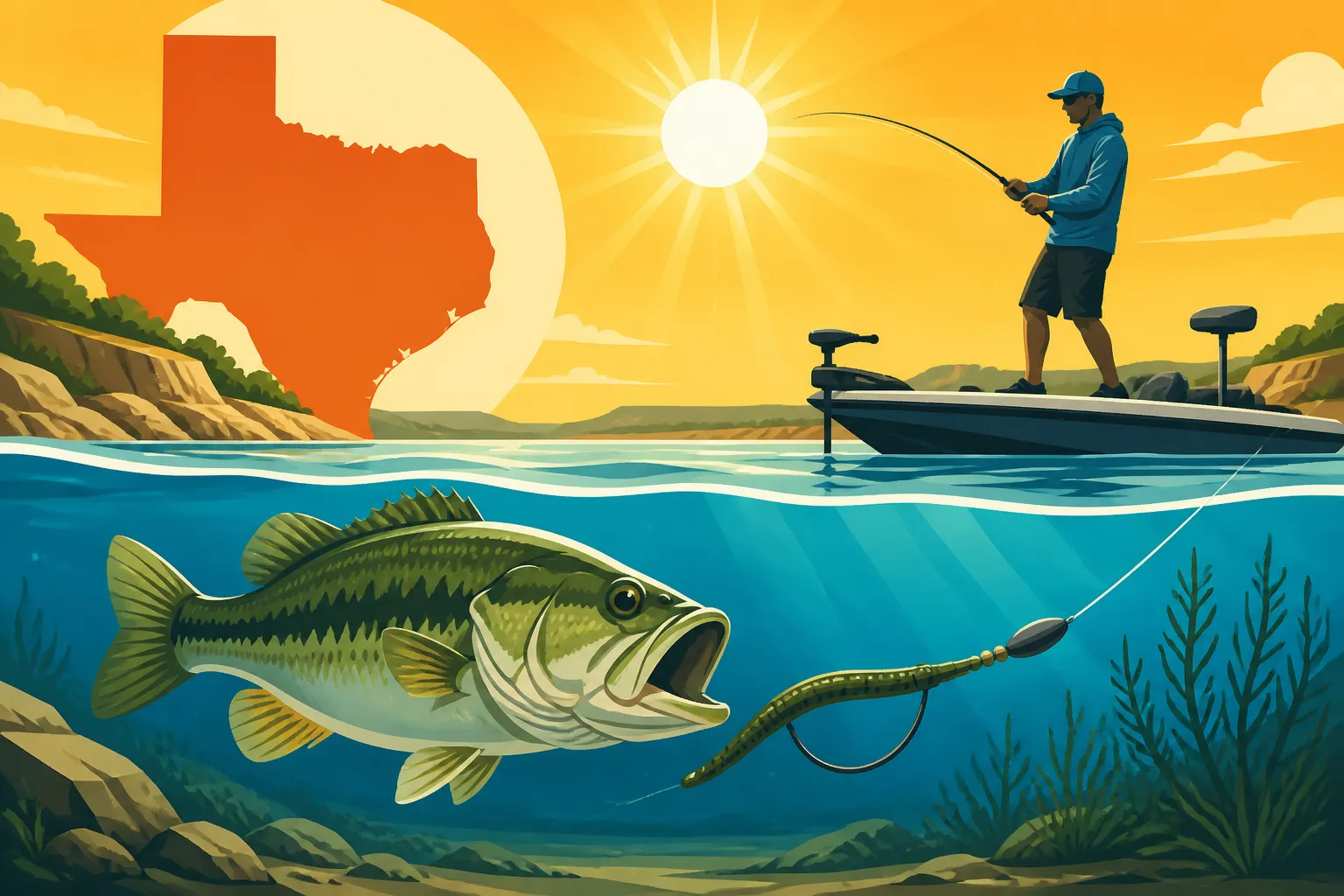
The scorching Texas sun can turn a beautiful reservoir into what feels like a lifeless bathtub, making many anglers pack up their gear before noon. It’s incredibly frustrating to spend a morning baking on the water with no bites, feeling like the fish have simply vanished. But trust me, they haven't; they've just changed their habits to cope with the heat, and this guide is here to help you understand those changes and adapt your strategies to find success when the mercury climbs.
Understanding How Heat Affects Reservoir Fish Behavior
When the Texas heat truly settles in, often from late May through September, the fish in our reservoirs aren't just lounging around; they're actively seeking relief from the oppressive conditions. This isn't just about discomfort; it's a matter of survival, and understanding their physiological responses to high water temperatures is the first step to figuring out where they've gone and how to catch them.
The Search for Cooler Water
Just like us, fish have an optimal temperature range where they thrive. When the surface water temperatures climb into the high 80s or even 90s, the metabolism of many popular game fish, like largemouth bass, can become stressed. Their activity levels often decrease, and their feeding patterns shift dramatically. They're not going to be chasing fast-moving baits in open, sun-baked water when they can conserve energy and find comfort elsewhere.
They start to move to deeper sections of the lake where the water remains cooler and more stable. Think about those deep creek channels, submerged roadbeds, or the base of steep bluff walls. These aren't just random spots; they're thermal refuges. For example, on lakes like Lake Fork or Sam Rayburn, you'll often find bass dropping into the old river channels, sometimes 20 to 30 feet deep, seeking out that slight temperature difference that makes all the world to them. This behavior is crucial when considering the Best Time of Year to Fish in Texas
It's not just about temperature; it's also about oxygen. Warmer water holds less dissolved oxygen, which can be another stressor for fish. Areas with cooler, more oxygenated water, such as deeper pockets or areas with active current, become prime real estate. Understanding this innate drive for comfort is key to predicting their movements, especially during those notoriously slow afternoon bites.
Changes in Feeding Patterns and Metabolism
With elevated water temperatures, fish metabolism often slows down. This doesn't mean they stop eating entirely, but they might not need to eat as frequently or exert as much energy to hunt. Instead of aggressive, wide-ranging hunts, they become more opportunistic and lethargic. You'll rarely see them schooling up and chasing shad on the surface in the middle of a blazing summer day unless there's a very specific, short window of opportunity, usually at dawn or dusk.
Their digestive processes can also be impacted, making them less inclined to chase down a high-energy meal. They might prefer a slower, easier target. This metabolic shift directly influences the types of baits and presentations you should use. Gone are the days of ripping a spinnerbait across shallow flats. Instead, think about subtle presentations, slower retrieves, and baits that mimic an easy meal. This is where your finesse techniques really shine, appealing to a fish that's not willing to expend much energy. Even the Texas Largemouth Bass Spawning Months are long past, so their priorities have completely shifted from reproduction to survival and energy conservation.
Identifying Productive Hot Weather Fishing Locations
So, if the fish aren't shallow, where are they? The secret to hot weather success lies in understanding the types of structures and depths that offer relief from the sun and heat. It's about thinking like a fish and finding their comfort zones.
Seeking Deeper Water Haunts
This is probably the most critical adjustment for summer reservoir fishing. As soon as the surface water starts heating up, fish migrate to deeper, more stable environments. This isn't just "deep" in a vague sense; it's often very specific structures within deeper water.
Look for main lake points that extend far out, especially those with rock or timber on them. These points act as highways for fish moving between deep and shallower water, and they provide ambush points. Creek channels, especially where they intersect with main lake points or humps, are absolute goldmines. The channel itself provides a deeper path, and the edges of that channel, often lined with stumps or brush, are where fish will hold. Submerged roadbeds are another fantastic deep-water feature; they create distinct contours and often have associated cover. When fishing these areas, don't just drop your bait straight down. Work the edges of the channel, drag your bait over the tops of humps, and pay close attention to any breaks in the bottom contour your fish finder reveals. These subtle changes can hold concentrations of fish.
Targeting Shade and Overhanging Cover
Even if fish are in shallower water, they will be tucked into the darkest, coolest pockets of shade they can find. This applies to both freshwater and saltwater species. On Texas reservoirs, this means docks, bridges, and dense vegetation.
Docks provide excellent overhead cover, blocking the sun's direct rays and often having deeper water underneath from boat traffic. The shadier the side of the dock, the better. You'll often find fish suspended just under the pilings or tucked tight against the floats. Bridges, especially their pilings and the shadows they cast, are also prime real estate. The concrete absorbs less heat and often scours deeper holes around the pilings, providing both shade and depth. Dense aquatic vegetation, like hydrilla or lily pads, creates a thick canopy that keeps the water underneath several degrees cooler. Fish will bury themselves in this cover, sometimes in seemingly impenetrable mats. Getting your bait into these tight spaces requires precise casting and robust gear, but the reward can be substantial. For those who enjoy bank fishing, even a single overhanging tree can create a productive pocket of shade.
Exploiting Thermoclines and Oxygenated Zones
Understanding the thermocline is like having a secret weapon in hot weather. In many deeper reservoirs, especially during summer, the water column will stratify into distinct temperature layers. The upper layer (epilimnion) is warm, the middle layer (thermocline) is where the temperature changes rapidly, and the bottom layer (hypolimnion) is cold. Fish will often suspend right on or just above the thermocline because it offers the coolest, most oxygenated water before the oxygen levels drop off significantly in the deepest water.
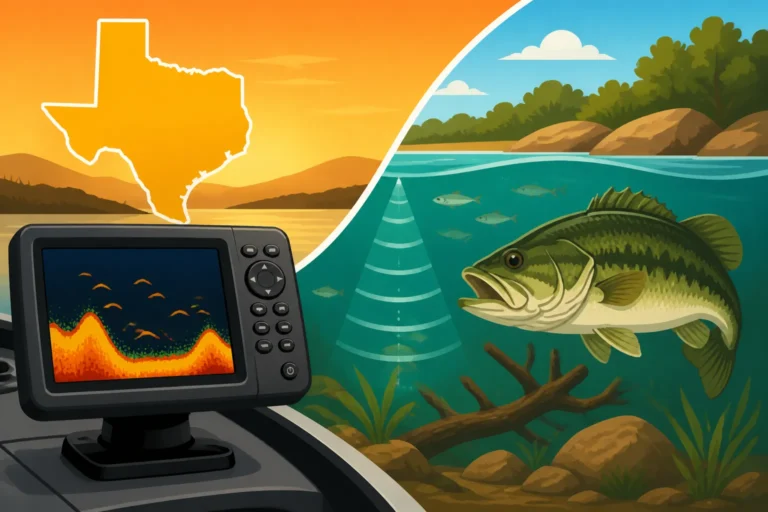
Your fish finder is your best friend here. Look for that distinct, often hazy line on your sonar screen that indicates the thermocline. Once you identify it, you know the depth range where fish are most likely to be holding. You might find schools of baitfish, and consequently, game fish, congregating just above or within this layer. Additionally, pay attention to areas with increased water movement, such as dam outflows, river feeder creeks, or even windy points. These areas can sometimes introduce more oxygen into the water, making them more attractive to fish, even if the temperature isn't drastically different. This is particularly relevant when considering the Texas Largemouth Bass Fishing Guide and what their preferences are during different times of the year.
Effective Lures and Presentation Techniques
When fish are hot and sluggish, they're not looking for a chase. Your lure selection and how you present it need to cater to their reduced activity levels. Slow, subtle, and easy-to-catch presentations are the name of the game.
Finesse Approaches for Lethargic Fish
Forget power fishing during the hottest parts of the day. This is the time for finesse, patience, and subtlety. Your goal is to tempt, not provoke, a strike.
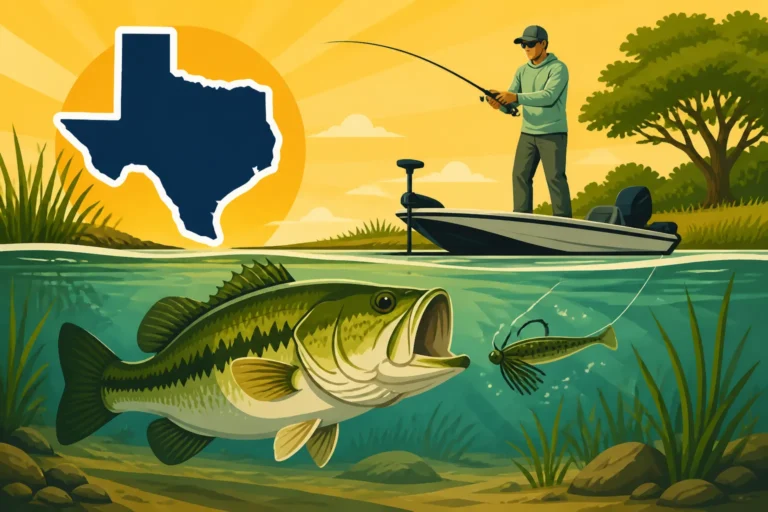
- Drop Shots: The drop shot rig is an absolute killer for suspended fish in deep water. It allows you to present a small, soft plastic bait at a precise depth, often right in the face of a suspended fish, without the weight interfering with its natural action. You can just twitch your rod tip, making the bait dance tantalizingly while the weight stays on the bottom. This is incredibly effective when you've located fish on your sonar holding to a specific depth. Anglers often find success with small worms, minnow imitations, or creature baits.
- Carolina Rigs: For dragging baits along deep bottom structures like creek channels, humps, or submerged roadbeds, the Carolina rig is hard to beat. The leader length allows your bait to float freely, slightly above the weight, giving it a natural, enticing action as you slowly drag it. This rig is fantastic for covering water slowly and thoroughly, searching for fish that are hugging the bottom. Use soft plastic lizards, worms, or even small creature baits in natural colors. Many anglers swear by the subtle flutter of a Zoom Trick Worm or a V&M Pork Shad on a Carolina rig.
- Shaky Heads: When fish are relating to rocky bottoms or sparse cover in deeper water, a shaky head jig with a straight-tail worm is incredibly effective. The worm stands upright on the bottom, giving it a subtle, vibrating action with minimal rod tip movement. It's a fantastic bait for tempting finicky bass that are sitting tight to cover and aren't willing to chase. The key is to work it slowly, letting it sit, then giving it small shakes.
Slow-Moving Bottom Baits
As mentioned, fish often move to the bottom in deep water during the heat. This makes slow-moving bottom baits incredibly effective.
- Jigs: Heavy jigs, especially football jigs or skirted jigs paired with craw imitations, are excellent for probing deep rock, timber, or brush piles. The larger profile and slow fall can entice a strike from a less active fish. Work them slowly, bouncing them off structure, letting them fall, and pausing frequently. A heavy jig gets down quickly and allows you to maintain bottom contact in wind or current. For many anglers, a dark-colored jig (like black and blue) with a matching trailer from brands available on Amazon is a go-to for deep water.
- Deep Diving Crankbaits: While not a "bottom bait" in the traditional sense, deep diving crankbaits can reach impressive depths and are fantastic for hitting the thermocline or bouncing off deep structure. The key is to find a crankbait that dives to the depth where the fish are holding and then retrieve it slowly, letting it bang off rocks, stumps, or ledges. The deflection can often trigger a reaction strike from a hesitant fish. Brands like Strike King and Norman make crankbaits that can reach 20+ feet. Choose natural colors that mimic baitfish in the area.
- Worms (Texas Rigs): The classic Texas rig with a worm remains a staple, even in the heat. When pitched into thick cover, brush piles, or along deep ledges, a weighted worm can be incredibly effective. Use heavier weights to ensure it penetrates cover and gets down quickly. The slower the retrieve, the better. Just let the worm sink, feel for any tap, and then slowly drag or hop it along the bottom. This is one of the most versatile rigs, perfect for working around those deep timber lines you'll find on many Texas lakes.
Early Morning and Late Evening Topwater
While finesse and deep presentations dominate the midday, the bookends of the day offer a completely different, and often exhilarating, opportunity: topwater action.
During the first hour or two after sunrise and the last hour or two before sunset, the surface water is at its coolest point, and fish often move shallower to feed. This is your chance to throw walking baits, poppers, or hollow-body frogs (especially over matted vegetation). The low light conditions also make fish less wary. Don't be afraid to throw big topwater baits; a large profile can create a commotion that entices a sluggish fish to strike. Think about a Heddon Super Spook or a Booyah Pad Crasher frog. The key is to work them slowly and deliberately, pausing frequently to allow fish to track them down. This is truly the Best Time of Day to Catch Bass in Summer in Texas. Even on the warmest days, these windows can be incredibly productive for explosive surface strikes.
Essential Gear and Safety Considerations
Fishing in the Texas heat isn't just tough on the fish; it's tough on the angler. Having the right gear, both for fishing and for your own well-being, is absolutely crucial. You don't want to cut a trip short because of equipment failure or, worse, heat-related illness.
Angler Comfort and Hydration
Let's be real, staying out on a Texas reservoir in summer can feel like an oven. Your comfort and safety are paramount.
- Sun Protection: This isn't optional; it's mandatory. Long-sleeve, breathable, UV-protective shirts are a game-changer. Look for brands that offer UPF 30+ or 50+ ratings. A wide-brimmed hat or a neck gaiter (buff) will protect your face and neck from direct sun exposure. Good polarized sunglasses are also critical, not just for eye protection but for spotting fish and structure. Don't forget sunscreen – reapply it often, even on cloudy days. You can find excellent options for all these items on Amazon.
- Hydration: Always bring more water than you think you'll need. Electrolyte drinks are also a wise choice to replenish what you lose through sweat. Keep a cooler packed with ice and drinks. Staying hydrated helps prevent heat exhaustion and heatstroke, which can turn a great fishing day into an emergency. Many anglers use insulated tumblers or hydration packs to keep their drinks cold and accessible.
- Cooling Gear: Consider investing in cooling towels that you can wet down and drape around your neck. A small, battery-operated fan can also provide a surprising amount of relief in still air. Some boats even have misters installed. Every little bit helps to combat the relentless heat. Having a good, large cooler, like those discussed in Best Coolers for Texas Summer Fishing Trips, is invaluable.
Specialized Rods and Reels for Deep Water
Your standard medium-action shallow water setup might not cut it when you're targeting deep, heavy fish in hot water.
- Rod Selection: For deep cranking, you'll want a longer rod (7' to 7'6") with a moderate action to allow the bait to work correctly and absorb the shock of a strike. For Carolina rigs and heavy jigs, a sensitive, medium-heavy to heavy power casting rod (7' to 7'6") with a fast tip is ideal. This allows you to feel subtle bites at depth and have enough backbone to set the hook and fight a large fish. When you're fishing a drop shot, a medium-light to medium power spinning rod with a fast tip is often preferred for sensitivity. For recommendations, check out the Best Fishing Rods for Texas Anglers.
- Reel Selection: For cranking and Carolina rigging, a baitcasting reel with a lower gear ratio (5.x:1 or 6.x:1) is often preferred. This provides more torque for reeling in deep-diving baits and makes it easier to work heavier rigs slowly. For drop shots or shaky heads, a quality spinning reel with a smooth drag system is the way to go, often spooled with braided line for sensitivity, followed by a fluorocarbon leader.
- Line Choice: Fluorocarbon is fantastic for deep-water presentations due to its low stretch and invisibility underwater. However, for targeting fish in heavy cover or for ultimate sensitivity with finesse rigs, braided line with a fluorocarbon leader is often preferred. The no-stretch nature of braid transmits even the slightest tap, and the leader maintains stealth.
Electronics and Mapping
Modern electronics are not just a luxury; they are a necessity for efficiently fishing hot Texas reservoirs. They help you find the fish and navigate the complex underwater topography.
- Fish Finders (Sonar): A good fish finder with down imaging and side imaging capabilities is invaluable. You can use it to pinpoint schools of baitfish, identify individual game fish, and locate subtle changes in bottom contour or structure like submerged brush piles. Learning How to Use a Fish Finder for Bass Fishing effectively will dramatically increase your success rate. Look for models from brands like Humminbird, Lowrance, or Garmin that offer high-definition imaging.
- GPS and Lake Mapping: Detailed lake maps, whether on your fish finder unit or a separate GPS device, are essential for navigating and finding those key deep-water structures. Contour lines on these maps reveal channels, humps, points, and ledges. You can mark waypoints on your GPS for productive spots, allowing you to return to them precisely. This is especially useful on large reservoirs where identical-looking shoreline can hide a vast, complex underwater world. Many modern units combine fish-finding and GPS mapping into one integrated system, making navigation and fish location seamless.
Strategic Timing and Adaptations for Reservoir Fishing
Fishing in the heat isn't just about where you fish and what you use; it's also profoundly about when you fish and how you adjust to the day's evolving conditions.
Capitalizing on Low Light Conditions
The pre-dawn hours, dawn, and the post-dusk period are often the most productive times on a hot Texas reservoir. These are the windows when the water temperature is at its lowest and fish are most likely to move shallower to feed.
- Sunrise Blitz: Get on the water before the sun peeks over the horizon. The first hour or two of daylight often sees fish moving to shallower flats, points, and even shorelines to chase baitfish. This is your prime time for topwater lures, shallow-running crankbaits, or even spinnerbaits. The fish are more active, less wary, and willing to chase. As the sun gets higher, you'll notice the bite shifting. Don't be afraid to keep an eye on active schools of baitfish breaking the surface; where there's bait, game fish are often close behind.
- Sunset & Twilight Feeding: Similar to the morning, the late evening as the sun begins to set and the twilight hours offer another opportunity for shallow water action. Fish will once again move up to feed as the water cools and light levels drop. This is a great time to repeat your morning patterns, focusing on the same types of baits and presentations. Sometimes, the evening bite can be even more aggressive than the morning bite, as fish try to get one last meal before the long night.
- Night Fishing: For the truly dedicated angler, night fishing can be incredibly productive during the summer. The surface water cools significantly, and fish become much more active, often moving into surprisingly shallow water. Popular techniques include throwing large dark-colored spinnerbaits, bladed jigs, or soft plastic worms. Catfish anglers particularly thrive at night, using stink baits or cut bait on the bottom. Just remember to have proper lighting, navigation equipment, and tell someone where you're going. You can learn more about specific tactics in How to Catch Catfish at Night in Texas.
Adapting to Midday Lulls
Let's face it, the midday hours on a summer Texas reservoir can be brutal. The sun is high, the air is thick, and the bite can completely shut down. This is when patience and strategic adjustments are absolutely critical.
- Deep Water Focus: During the heat of the day, almost all your efforts should be focused on deep water structures. This means fishing those creek channels, deep points, ledges, and humps we discussed earlier. Use your electronics to find concentrations of fish or bait. Slow down your retrieve significantly. Sometimes, a fish will only take a bait that's practically handed to it. Think of it as convincing them, not exciting them.
- Flipping and Pitching Heavy Cover: If you insist on fishing shallow during the midday, your best bet is to target the densest, darkest cover imaginable. This means flipping and pitching heavy jigs or Texas-rigged creature baits into the heart of lily pad mats, thick hydrilla, or the darkest shadows under boat docks. The fish that are in these areas are often tucked in tight, seeking maximum shade, and you need to get your bait directly into their living room. This requires heavy line, a powerful rod, and precise casting.
- Taking a Break: Honestly, sometimes the best adaptation is to take a break. Head to the air-conditioned cabin for lunch, recharge, and wait for the evening bite to start. Pushing through the most unproductive and dangerous part of the day, for yourself and potentially the fish (stressing them further in warm water), isn't always the best strategy. Enjoy the experience, and don't feel pressured to fish 100% of the daylight hours.
Monitoring Weather and Water Conditions
Even within the broad category of "summer heat," conditions can vary, and being adaptable to these nuances can make a big difference.
- Wind: A strong wind can be your friend or foe. On the one hand, it can break up the surface, making fish less wary, and it can push baitfish into concentrated areas, leading to feeding opportunities. On the other hand, it can make boat control and precise casting extremely difficult, especially when trying to hold over a deep-water spot. On a windy day, focus on the windblown side of points or humps, as baitfish will often be pushed there.
- Rain/Cloud Cover: A summer rain shower or an overcast day can be a blessing. Cloud cover instantly drops light levels, making fish more comfortable in shallower water and often triggering a bite. A good rain can also temporarily cool the surface water and increase oxygen levels, particularly in areas where runoff enters the reservoir. After a heavy rain, target those areas where fresh, slightly cooler water is flowing in. The fish often relate to this new influx of water and food. For more about this, check out How to Fish Muddy Water in Texas.
- Water Levels: Texas reservoirs are notorious for fluctuating water levels. In summer, lower water levels can concentrate fish into remaining deep channels or force them off submerged vegetation that is now exposed. Higher water can flood new cover, spreading fish out but also opening up new opportunities in previously inaccessible areas. Always check current lake levels before your trip and adjust your strategies accordingly.
This table summarizes some general strategies for fishing Texas reservoirs during the intense summer heat:
| Time of Day | Location Focus | Recommended Lures & Techniques | Angler Considerations |
|---|---|---|---|
| Pre-Dawn/Sunrise | Shallow flats, main lake points, coves, shorelines | Topwaters (poppers, walkers), shallow cranks, spinnerbaits | High alert, watch for surface activity, enjoy cooler air |
| Early Morning | Outer edges of shallow cover, secondary points | Jigs, Texas-rigged worms, Chatterbaits, shallow cranks | Hydrate early, sun protection as sun rises |
| Midday (Lull) | Deep creek channels, humps, ledges, thick overhead cover, thermocline | Carolina rigs, drop shots, heavy jigs, deep cranks, flipping/pitching jigs | Max hydration, seek shade, take breaks, focus on safety |
| Late Afternoon | Transition areas (deep to shallow), shade lines | Finesse worms, swimbaits, slowly worked jigs | Reapply sunscreen, prepare for evening bite |
| Dusk/Sunset | Shallow flats, main lake points, coves, shorelines | Topwaters, shallow cranks, spinnerbaits | Similar to sunrise, watch for surface activity, low light |
| Night Fishing | Shallow to mid-depth cover, lighted docks (if allowed) | Dark spinnerbaits, large worms, bladed jigs, live bait (catfish) | Safety lighting, navigation, bug spray, extra hydration |
Fishing Texas reservoirs in the heat is a challenge, no doubt about it. But with the right mindset, a willingness to adapt your techniques, and a focus on your own safety, you can still have incredibly rewarding days on the water. The fish are there; you just have to know where to find them and how to entice them when they're feeling the burn!
Disclaimer
Fishing regulations and conditions can change. Always consult the latest Texas Parks and Wildlife Department (TPWD) regulations before heading out on the water. Be aware of local conditions, weather forecasts, and prioritize safety at all times. This guide is for informational purposes only and does not constitute professional advice.