How to Fish Shallow Water for Bass
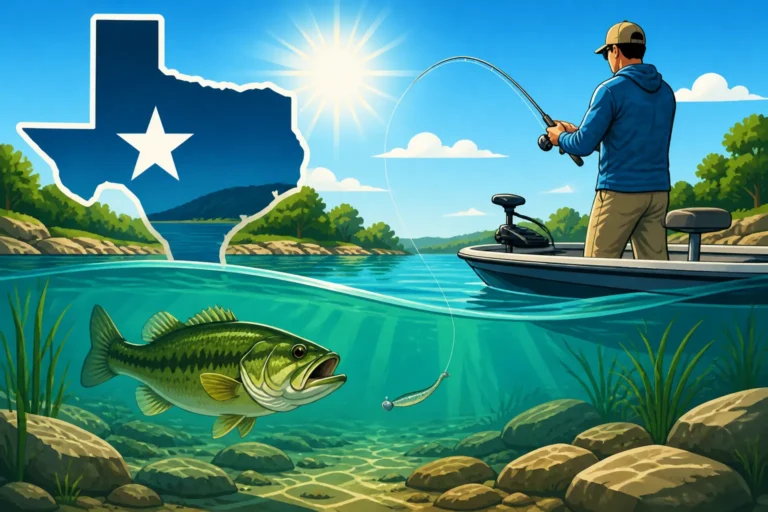
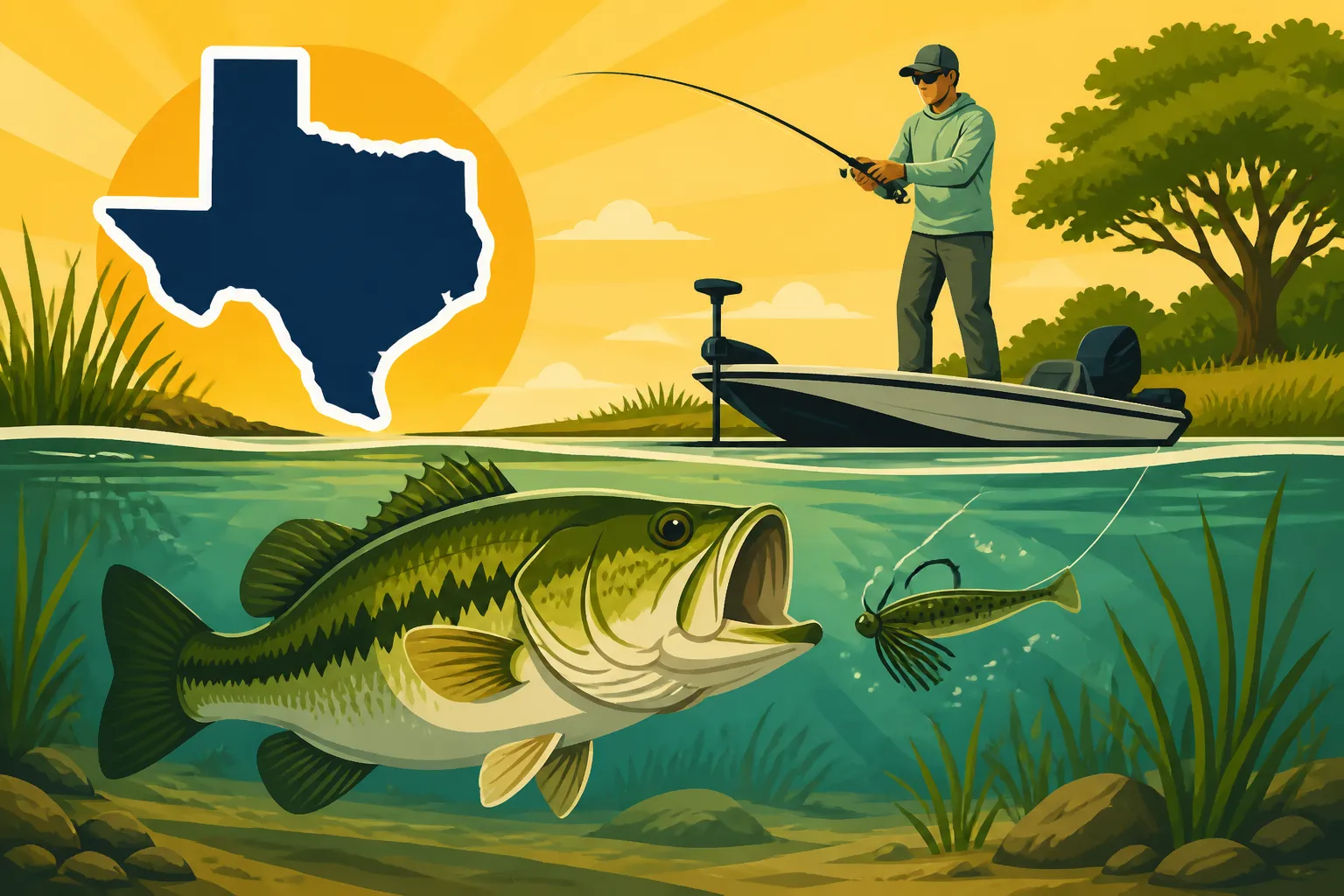
Many Texas anglers find themselves glued to their fish finders, constantly searching for those deep-water giants, convinced that the biggest bass are always lurking in the abyss. But what if I told you that some of the most exciting and productive bass fishing in our great state happens right under your nose, in the skinny water? It’s a common frustration to pass over those seemingly barren shallows, only to hear tales of monster bass caught just a few feet from shore. This comprehensive guide is here to unravel the mysteries of how to fish shallow water for bass, helping you unlock incredible opportunities for trophy catches that many others overlook.
The Allure and Challenge of Shallow Water Bass Fishing
There's a unique thrill that comes with fishing shallow water for bass. It's often more visual, more engaging, and can lead to explosive strikes that get your heart pounding. But it's also where bass can be the most wary, the most easily spooked, and the most challenging to approach. Many anglers shy away from it, fearing they'll just scare the fish away or get constantly snagged. The truth is, mastering shallow water means understanding both its immense potential and its inherent difficulties.
Why Bass Gravitate Towards Shallow Water
Bass aren't just in shallow water by accident; they're there for very specific and compelling reasons. Think about it from a bass's perspective: shallow areas often offer a buffet of food sources. Minnows, crawfish, frogs, and even small birds and rodents that fall into the water are much more accessible here than in the depths. These areas also warm up faster in the spring, signaling the arrival of spawning season and increased metabolism. The sun penetrates more effectively, boosting aquatic plant growth which, in turn, attracts baitfish and provides crucial cover. For a bass, shallow water is often synonymous with dinner, comfort, and safety from larger predators like birds of prey, provided there's sufficient cover. It's a prime hunting ground, especially during certain times of the year and under specific conditions.
Overcoming the Hurdles of Shallow Water
Fishing shallow water isn't without its challenges. One of the biggest is the increased visibility. Bass in shallow, clear water can see you, your boat, and your shadows much more easily, leading to them spooking and fleeing. This requires a more stealthy approach, longer casts, and often, lighter line or more natural presentations. Another common frustration is getting snagged. Shallow areas are typically laden with various forms of cover – stumps, rocks, hydrilla, lily pads, and brush piles – which are bass magnets but also lure eaters. It demands a keen eye for reading water, precise casting, and selecting weedless or snag-resistant baits. But don't let these hurdles intimidate you; they're simply part of the game and, once understood, can be managed with the right techniques and gear.
Understanding Bass Behavior in Shallow Environments
To consistently catch bass in shallow water, you need to think like a bass. Their behavior is largely dictated by factors like water temperature, light penetration, and the availability of food and cover. These elements constantly shift, making bass dynamic creatures that adapt their shallow-water patterns throughout the day and across the seasons.
Seasonal Shifts and Bass Movement
Bass aren't static; they move in and out of shallow water depending on the time of year, largely driven by their biological imperatives. In early spring, as water temperatures rise into the 50s and 60s, bass move shallow to find warmer water and begin their pre-spawn feeding frenzy. This is when you'll find them gorging themselves near points, flats, and coves. As temperatures continue to climb into the 60s and 70s, the spawn hits, and they'll be nesting in extremely shallow, protected areas, guarding their eggs. Our Texas Bass Spawning Season Guide offers a deep dive into this crucial period.
After the spawn, many bass transition to a post-spawn pattern, often retreating to slightly deeper water nearby to recover, but still making forays into the shallows for feeding. In the heat of summer, they might be shallow during low-light conditions (early morning, late evening, or at night) and then pull back to deeper cover during the scorching midday sun. As fall approaches and temperatures cool, bass become very active in the shallows again, feeding aggressively to build up fat reserves for winter. Even in winter, you can find bass shallow on sunny days, especially in stained water that absorbs heat better or near warm water discharges. Knowing these general patterns is your first step to success.
Light, Water Clarity, and Weather Impact
Bass are highly sensitive to light. On bright, sunny days, especially in clear shallow water, they'll often tuck into the thickest cover they can find – dense hydrilla, under docks, or tight against submerged logs. Overcast days, however, can be golden for shallow water fishing, as the diffused light encourages bass to roam more freely and actively hunt in open shallow areas. This is when topwater lures can be incredibly effective.
Water clarity also plays a huge role. In stained or muddy water, bass rely more on their lateral line (vibration detection) and scent, making noisier, bulkier baits or those with strong scents more effective. They'll also be less spooky in dirty water. In clear water, however, a subtle, natural presentation is key. Long casts, lighter lines, and finesse baits become your best friends, as any unnatural movement or flashy presentation can send them fleeing. Always adjust your approach based on the specific conditions you face on a given day, whether it's a bright, calm morning on Lake Travis or a cloudy, windy afternoon on Lake Conroe.
Essential Gear for Shallow Water Bass Fishing
Fishing shallow water successfully often boils down to having the right tools for the job. You'll need tackle that allows for precision casting, handles heavy cover, and has the power to extract feisty bass before they can bury you in the weeds or wrap your line around a stump.
Rods, Reels, and Line for the Shallows
For shallow water power fishing, you're generally going to want a medium-heavy to heavy action rod, typically 7 to 7 and a half feet long. This gives you the backbone to wrestle bass out of dense cover and the leverage for strong hooksets. A fast tip is crucial for accurate casting and feeling those subtle bites. Brands like St. Croix, Lew's, and Shimano offer excellent options that can be found on Amazon. For specific recommendations, our Best Fishing Rods for Texas Anglers guide has more details.
Pairing that rod with a high-quality baitcasting reel is paramount. Look for a reel with a fast retrieve ratio (7.1:1 or higher) to quickly pick up slack, especially when flipping and pitching into tight spots, and to keep fish from burying themselves once hooked. A good drag system is also essential. Our Best Fishing Reels for Texas Anglers article delves into more specifics. As for line, this is where many anglers make mistakes. In heavy cover, braided line (30-65 lb test) is often the top choice due to its strength, sensitivity, and lack of stretch. For clearer water or when fishing around abrasive cover like rocks, a fluorocarbon leader (15-20 lb test) can be added. You want something stout enough to withstand abuse and prevent break-offs when a big bass makes a run for the nearest log.
Baits and Lures for Skinny Water Dominance
The array of baits for shallow water bass fishing is vast, but certain categories consistently produce. Think about what a bass sees and hears in shallow water and what evokes their predatory instincts.
- Soft Plastics: These are incredibly versatile. Texas-rigged worms, creature baits, and senkos are phenomenal for working through grass, wood, and around docks. Their weedless nature makes them ideal for heavy cover, and their subtle action can coax bites from wary bass. Our How to fish a Texas rig for bass guide is a must-read for mastering this technique.
- Jigs: Flipping jigs and swim jigs are shallow water staples. Flipping jigs (paired with a creature bait trailer) are perfect for punching through matted vegetation or probing under docks. Swim jigs, often resembling baitfish, can be retrieved through sparse cover, mimicking a fleeing meal.
- Topwater Lures: Nothing beats the explosive strike on a topwater bait! Frogs, poppers, walking baits, and buzzbaits are incredibly effective in low-light conditions, over submerged grass, or around lily pads. These baits draw bass up from cover and create unforgettable moments. For more options, check out our Best Topwater Lures for Texas Bass article.
- Spinnerbaits and Bladed Jigs: These baits shine in stained water or when bass are actively chasing baitfish. The flash and vibration can trigger reaction strikes, especially when retrieved around sparse cover or along grass lines.
- Shallow-Diving Crankbaits: When bass are suspended or cruising along contours in slightly deeper shallow water (2-5 feet), a shallow-running crankbait can be deadly. Look for models that deflect off cover, as this often triggers a strike.
It's always a good idea to have a diverse selection of these lures in your tackle box. Many of these excellent options can be found on Amazon, offering convenience and variety.
Top Techniques for Shallow Water Bass
Now that we've covered the "why" and "what," let's get into the "how." Fishing shallow water requires a specific set of techniques that allow you to present your bait effectively without spooking fish or getting hung up.
Flipping and Pitching: Precision in Close Quarters
Flipping and pitching are perhaps the most essential techniques for shallow water, especially when dealing with dense cover. These methods allow you to present a bait quietly and accurately into small openings, under docks, or into thick vegetation with minimal splash and disturbance.
- Flipping involves letting out a small amount of line, swinging the bait forward with your rod tip, and feeding line out by hand as it falls. It's for very close-range presentations, often within 10-15 feet of the boat, allowing you to silently drop your bait into the tightest spots. Think of it as a silent, surgical strike into a specific target.
- Pitching uses a similar motion but allows for a slightly longer cast, typically 15-30 feet. You swing the bait out with a pendulum motion and release the line with your thumb, guiding it to the target. Both techniques prioritize a soft entry into the water, crucial for not alerting wary bass. When fishing docks or standing timber, like you'd find in the upper reaches of Lake Sam Rayburn, these techniques are indispensable. The key is to make several quiet presentations to a single piece of cover before moving on, because often, bass won't bite on the first drop. They might need a few cycles to get agitated enough to strike.
Topwater and Reaction Baits: Explosive Strikes
When conditions are right, there's nothing more exhilarating than a bass exploding on a topwater lure in shallow water. Early mornings, late evenings, or overcast days, especially when there's a bit of ripple on the water, are prime times for topwater action.
- Topwater Frogs: For fishing over matted vegetation, lily pads, or dense aquatic grass, a weedless frog lure is unbeatable. How to fish a frog lure in heavy cover is a skill worth learning. You can literally drag it over the top of the nastiest stuff, pausing it in open pockets, and waiting for the bass to ambush it from below. Brands like Spro and Livetarget make excellent frog lures that are readily available. The key is to wait a beat or two after the strike before setting the hook, giving the bass time to fully engulf the bait.
- Walking Baits & Poppers: These are fantastic for more open shallow water, working along grass edges, or over submerged humps. A "walk-the-dog" retrieve with a walking bait creates a side-to-side sashay that mimics a wounded baitfish, while poppers create a splash and gurgle that can call bass from a distance.
- Buzzbaits and Spinnerbaits: These are "reaction" baits that work by creating noise, vibration, and flash, often triggering an aggressive strike from bass that might not be actively feeding. They're excellent for covering water quickly in shallow areas, especially in stained water or around sparse cover. A fast, steady retrieve is usually best for buzzbaits, while spinnerbaits can be retrieved at varying speeds or even "slow-rolled" through cover.
Wading and Kayak Fishing: The Stealth Advantage
Sometimes, the best way to fish shallow water is to get out of the big boat entirely. Wading or using a kayak offers a stealth advantage that's hard to beat, allowing you to approach shallow areas quietly and get into spots larger boats simply can't reach.
- Wading: For anglers targeting vast shallow flats in our coastal bays or river stretches for Guadalupe bass, wading is a game-changer. It eliminates boat noise and allows you to move with incredible stealth. You can literally sneak up on fish that would have spooked at the sight or sound of a boat. Focus on casting parallel to shorelines, working around isolated cover, and paying attention to subtle water movements. Just be mindful of your footing and any local regulations.
- Kayak Fishing: Kayaks are also fantastic for shallow water. They're quiet, can navigate extremely shallow water, and offer a low profile that makes you less noticeable to fish. Kayak fishing allows you to explore flooded timber, lily pad fields, and narrow coves where bass love to hide. Many modern fishing kayaks are equipped with pedal drives, allowing for hands-free propulsion, which is invaluable when casting and fighting a fish. The best part? You can often launch them from unimproved access points, opening up many more fishing opportunities.
| Lure Type | Best Conditions / Cover | Retrieve Style | Bass Behavior Targeted | Stealth Requirement |
|---|---|---|---|---|
| Texas-Rigged Soft Plastics | Dense grass, brush piles, docks, clear/stained water | Slow drag, hop, subtle twitch, punch through cover | Feeding, hiding | High |
| Flipping Jigs | Heavy wood, docks, matted vegetation, deep shade | Vertical drop, slight lift, shake, dead stick | Ambush predators | Very High |
| Topwater Frogs | Matted grass, lily pads, heavy surface cover | Walk, pop, long pauses | Reaction, feeding | Moderate |
| Walking Baits | Open water, grass lines, low-light, calm conditions | Walk-the-dog, erratic jerks | Reaction, chasing bait | Moderate |
| Buzzbaits | Low-light, stained water, sparse cover, active fish | Fast, steady retrieve, keep on surface | Reaction, aggressive | Low |
| Spinnerbaits | Stained water, sparse grass, windy conditions | Slow roll, moderate retrieve, yo-yo | Reaction, chasing bait | Low |
| Shallow Crankbaits | Rip-rap, sparse wood, hard bottom, 2-5 ft depth | Steady retrieve, deflect off cover | Reaction, suspended fish | Moderate |
Reading Shallow Water Cover and Structure
Bass don't just hang out randomly in shallow water; they associate with specific features that provide cover, ambush points, or access to food. Being able to "read" the water and identify these key areas is a skill that separates successful shallow water anglers from the rest.
Grass Beds and Hydrilla Fields
Texas lakes are famous for their expansive grass beds, particularly hydrilla, milfoil, and pondweed. These are absolute bass magnets in shallow water, offering everything a bass could want: oxygen, shade, cover from predators, and a thriving ecosystem of baitfish and crawfish.
- Emergent Grass: This is grass that breaks the surface, like lily pads or cattails. Bass will hold in the shade and protection they offer, often right on the edges or in small pockets within the field. Focus on skipping jigs or Texas-rigged plastics into these open pockets or using weedless frogs directly over the pads.
- Submerged Grass (Hydrilla): This is the real deal. Hydrilla, especially common in lakes like Lake Fork or Sam Rayburn, forms dense underwater forests. Bass will sit on top of the mat, in tunnels within the mat, or along the deeper edges. Key areas to target are points of hydrilla, channels running through a field, or isolated clumps. Punching heavy jigs or creature baits through the mat is incredibly effective. Alternatively, running a swim jig or spinnerbait along the outside edges can draw strikes from cruising fish. Don't be afraid to get your hands dirty and really feel for the texture of the grass; subtle changes often indicate a prime ambush point.
Wood, Rocks, and Man-Made Structure
Beyond vegetation, shallow water is often littered with hard cover – wood, rock, and various man-made structures – which are equally important for bass.
- Wood: This includes fallen trees, stumps, brush piles, and standing timber, common in many East Texas reservoirs like Lake Palestine or Toledo Bend. Bass love wood for ambush points and shade. Focus on pitching jigs or Texas rigs right into the heart of the cover. When fishing laydowns (fallen trees), work every branch from the deepest part to the shallowest. For standing timber, cast to individual tree trunks or into dense clumps. Our How to fish standing timber for bass article offers more specific tactics.
- Rocks and Rip-Rap: Rocky banks, jetties, and rip-rap (rocky erosion control) warm up quickly in the spring and provide crevices for crawfish, making them prime shallow water targets. Crankbaits that bounce off rocks, spinnerbaits, or even shaky heads can be very effective here. Look for changes in rock size or any isolated boulders that might act as a solitary ambush point.
- Man-Made Structure: Docks, piers, bridge pilings, and boat houses offer incredible shade and cover, especially on bright, sunny days. Bass will often position themselves tightly to these structures, waiting for baitfish to swim by. Flipping and pitching jigs or soft plastics right up against the pilings or under the deck of a dock is a highly productive strategy. The shade line is your friend here – bass will often sit right where the shadow meets the light.
Seasonal Strategies for Shallow Water Bass
While bass can be caught shallow year-round, your approach needs to adapt dramatically with the changing seasons in Texas. What works in a cool spring morning won't cut it during a scorching August afternoon.
Spring: Pre-Spawn and Spawn Aggression
Spring is arguably the best time for shallow water bass fishing in Texas. As water temperatures climb into the 50s and 60s, bass move shallow to stage for the spawn. They are hungry and aggressive, actively feeding to build energy reserves.
- Pre-Spawn: Target points, shallow flats leading into spawning coves, and creek channels that offer access to deeper water. Spinnerbaits, bladed jigs, lipless crankbaits, and even jerkbaits can cover water quickly and draw aggressive strikes. As temperatures push into the high 50s, focus on transition areas where bass are moving from deeper staging areas to their eventual bedding grounds. Our How to Catch Bass in Spring in Texas guide has tons of tips for this prime time.
- Spawn: When water temperatures hit the mid-60s to low 70s, bass will be on their beds, guarding eggs. They become highly territorial. Look for light-colored circular patches on the bottom in shallow, protected coves. Soft plastics like lizards, creature baits, or even senkos presented right into the bed can trigger a defensive strike. Remember, responsible angling during the spawn means minimizing stress on fish and releasing them quickly to protect their nests. The Texas Largemouth Bass Fishing Guide has more details on bass biology.
Summer: Early Morning, Evening, and Night Raids
The Texas summer heat can make shallow water fishing challenging, but certainly not impossible. Bass will still move shallow, but typically during low-light periods to avoid the scorching sun and high water temperatures.
- Early Morning & Late Evening: These are prime times for topwater action! Buzzbaits, walking baits, and frogs can be deadly over submerged hydrilla, along grass lines, or around docks. As the sun gets higher, bass will retreat to the densest shade and cover available. Target the deep shade under docks, thick mats of vegetation, or isolated brush piles. Flipping and pitching heavy jigs or Texas-rigged creature baits into these dark sanctuaries is your best bet. Our How to Catch Bass in Summer in Texas guide provides more in-depth strategies.
- Night Fishing: Don't overlook night fishing in the summer! Bass will move extremely shallow under the cover of darkness, actively hunting. Dark-colored spinnerbaits, worms, and jigs can be very effective. Try slow-rolling a spinnerbait or working a Texas-rigged worm along grass edges and shallow points. The cooler water temperatures at night make bass much more comfortable and willing to feed in the shallows.
Fall and Winter: Transition and Opportunistic Feeding
As temperatures cool in the fall, bass once again become active in shallow water, feeding aggressively to fatten up for winter. During winter, shallow bites are less frequent but can be incredibly rewarding on the right days.
- Fall Turnover & Feeding Frenzy: Fall often brings a "turnover" where lake waters mix, potentially scattering baitfish. But as waters cool, baitfish move shallow, and bass follow. This is a fantastic time for covering water with lipless crankbaits, spinnerbaits, and shallow-running crankbaits. Bass will be chasing schools of baitfish along creek channels, points, and shallow flats. The bite can be fast and furious! Check out our How to Catch Bass in Fall in Texas article for more specific insights.
- Winter Warm-Ups: During the colder months, bass will generally hold in deeper water. However, a prolonged period of sunny, mild weather, especially after a cold front has passed, can draw them shallow. Look for north-facing banks that receive direct sunlight throughout the day, stained water that absorbs heat, or areas near warm water discharges. Slow-moving baits like jigs, suspending jerkbaits, or Texas-rigged worms fished painstakingly slowly can entice bites from sluggish bass. Our How to Catch Bass in Winter in Texas content offers detailed advice for cold-weather angling.
The beauty of Texas fishing is its diversity, and these shallow water tactics, coupled with an understanding of bass behavior, will undoubtedly elevate your game. Good luck out there!
Disclaimer
Fishing regulations, conditions, and fish behavior can change rapidly. Always consult the latest Texas Parks and Wildlife Department (TPWD) regulations before heading out. Safety should always be your top priority on the water.