How to Catch Bass in Spring in Texas
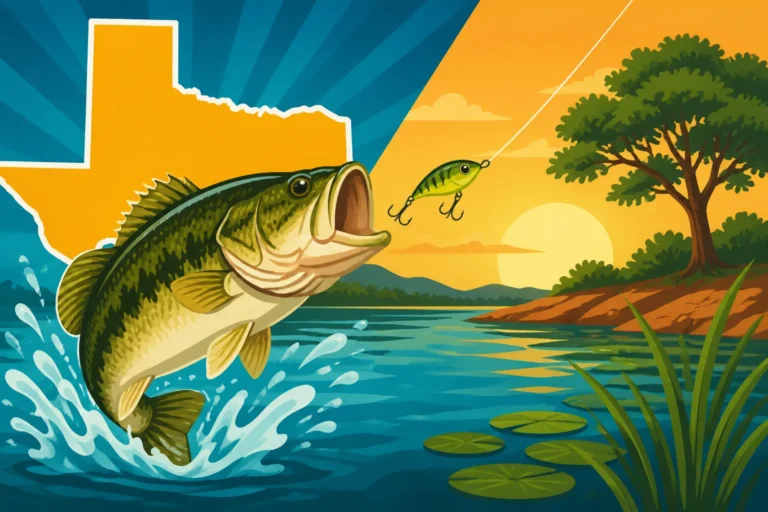
Ah, spring in Texas! There's something truly magical about those first warm days when the bass start to shake off their winter sluggishness and really get active. But let's be honest, "spring fishing" isn't one monolithic thing; it's a dynamic, sometimes frustrating, and ultimately incredibly rewarding period with distinct phases that demand different approaches. If you've ever felt like you missed the bite or weren't sure what the bass were doing, you're not alone. This comprehensive guide is here to walk you through the nuances of catching bass during the Texas spring, covering everything from their behavior to the best techniques and gear.
Understanding Spring Bass Behavior and the Spawn Cycle
Spring isn't just a season; for a Texas largemouth bass, it's a frantic, instinct-driven period centered around reproduction. Ignoring this fundamental biological drive is like trying to solve a puzzle without all the pieces. Understanding where bass are in their spawn cycle is the single most important factor in locating and catching them.
The Pre-Spawn Frenzy: Bulking Up Before the Bed
Think of pre-spawn as the bass equivalent of training for a marathon. Their internal clocks are ticking, and as water temperatures begin their steady climb from the mid-50s into the low 60s, these fish enter a high-energy feeding mode. Their primary goal is to pack on as much weight and energy as possible before the strenuous act of spawning. This is often the time when anglers have the best chance at catching a true lunker, as big females are actively feeding and can be incredibly aggressive.
During this phase, bass will typically stage in slightly deeper water near their eventual spawning grounds. This means you'll find them on points, humps, channel swings, and ledges adjacent to shallower coves, creeks, and protected flats. They're basically hanging out in the "waiting room," ready to push shallow when conditions are just right. They might make quick forays into the shallows to test the waters, especially on warmer, sunny days, only to retreat to deeper comfort zones when a cold front rolls through. This push-and-pull behavior can make them seem finicky, but knowing they're typically close to deeper water is key. Think about areas where a creek channel sweeps close to a shallow flat, or a long main lake point extends into a protected pocket. These are classic staging areas where hungry pre-spawn bass will congregate.
The Spawn: Nesting and Protecting the Fry
When water temperatures consistently hit the mid-60s to low 70s, the main event begins. This is the fabled Texas Largemouth Bass Spawning Months, where bass move into the absolute shallowest, most protected areas to build their nests (beds) and lay eggs. Males usually arrive first, fanning out circular depressions on hard bottoms – typically gravel, sand, or shell – in water from a few inches to a few feet deep. Females follow, deposit their eggs, and then often retreat to slightly deeper water, though some may linger. The male then guards the nest fiercely until the fry hatch and disperse. This is a crucial, vulnerable time for the bass, and they are incredibly defensive.
Finding spawning bass often means visually spotting them on beds, especially in clearer water. Look for light-colored circular patches on the bottom. These fish are not typically feeding out of hunger; they're reacting to anything perceived as a threat to their offspring. Presentation needs to be precise and often irritating enough to provoke a strike. Popular spots include shallow coves, back pockets, protected main lake flats with scattered cover, and even along riprap banks in marina basins. Any shallow, calm water with a firm bottom and some overhead cover like docks, lily pads, or submerged timber can hold spawning bass. It's a truly fascinating time to observe their behavior, but remember to treat these fish with respect, as you're interrupting a vital natural process.
Post-Spawn Recovery: The Transition Period
After the rigors of spawning, both male and female bass are exhausted. Their energy reserves are depleted, and they need time to recover. Water temperatures in this phase typically range from the low 70s and continue to climb. The females, especially, can be very lethargic immediately after dropping their eggs. They'll often move to nearby cover, often slightly deeper than the beds, but still relatively shallow, seeking shade and easy ambush points. Males will remain on the beds for a while longer, guarding the fry, but eventually, they too will transition.
This phase can be tricky for anglers because bass aren't necessarily concentrated in one specific depth or area. Some fish might still be spawning, some recovering, and others are starting to move out towards their summer haunts. The key is to look for bass transitioning from the immediate spawning areas to secondary points, scattered submerged cover, or the edges of vegetation lines. They're still somewhat shallow but beginning to think about deeper water. They'll often feed on smaller, easier meals, or suspend around baitfish schools. Don't be afraid to fish a variety of depths and covers during this period, as fish will be spread out. Think about throwing a lighter presentation or something that mimics a dying baitfish, as they're not always chasing down big meals with the same vigor as in pre-spawn.
Key Environmental Factors for Spring Success
Beyond the spawn cycle, several environmental factors play a huge role in determining where bass will be and how they'll react to your presentations. Ignoring these is like trying to drive blindfolded – you might get lucky, but it's not a sustainable strategy.
Water Temperature: The Ultimate Trigger
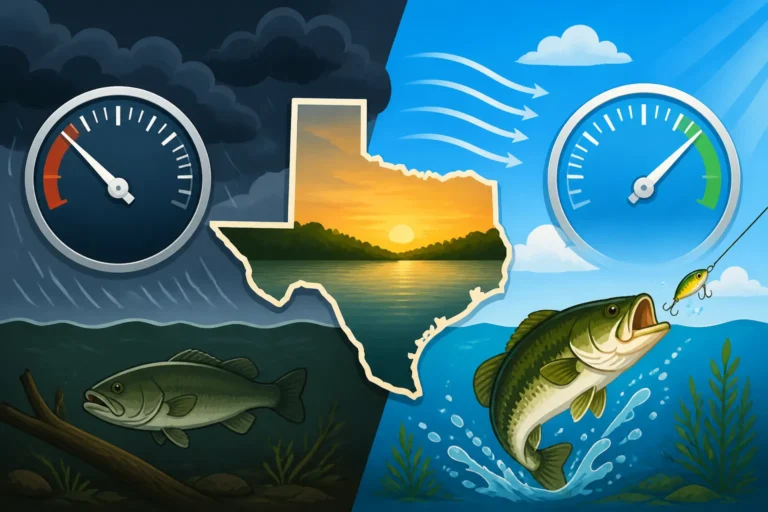
Water temperature is, without a doubt, the single most critical factor for locating spring bass. It dictates their metabolic rate, their activity levels, and ultimately, their movement into and out of spawning areas. Anglers often keep a close eye on their boat's thermometer, and for good reason.
- Cooler Temps (Low 50s – Mid 50s): Early spring. Bass are still deep, lethargic, but starting to feel the pull to move up. They might be grouped tightly on deep structure or main lake points. Slow presentations are key.
- Warming Temps (Mid 50s – Low 60s): Pre-spawn. Bass are actively moving up and down the water column, staging near spawning flats, feeding aggressively. This is often when big females are most accessible. Focus on secondary points and creek channel bends.
- Optimal Spawning Temps (Mid 60s – Low 70s): The spawn is in full swing. Bass are committed to the shallows, on beds, and highly defensive. Look for clear, protected areas with firm bottoms.
- Rising Post-Spawn Temps (Low 70s and up): Bass are recovering, moving out from the immediate beds to nearby cover, and starting to orient towards summer patterns. They might be found suspended or on outside grass lines.
Understanding the "Best water temperature for bass fishing in Texas" is paramount. A sudden drop in temperature, especially after a warm spell, can push fish back to deeper water and shut down the bite, making them incredibly difficult to catch. Conversely, a steady warming trend will encourage them to move shallower and become more active.
Water Clarity and Depth
The clarity of the water and the available depth influence how bass perceive their surroundings, hunt for food, and select spawning sites. It fundamentally changes how you should approach your fishing.
- Clear Water: In clear Texas lakes like Canyon Lake or Lake Travis, bass rely heavily on sight. They'll often spawn deeper (3-5 feet) to avoid predation and will be more wary of presentations. You'll need more natural lure colors, lighter line, and longer casts to avoid spooking them. Sight fishing for bedding bass is common in clear water, but requires stealth. Fish will be able to see your boat and your lure from further away, so subtle presentations are often more effective.
- Stained or Murky Water: In lakes like Lake Fork or Sam Rayburn Reservoir where the water can be more stained, bass don't rely as much on sight. They'll often spawn shallower (1-3 feet) because the reduced visibility offers them more protection. Vibrating baits, louder colors (chartreuse, white), and bulkier profiles become more effective as bass use their lateral line to detect prey. Don't be afraid to get closer to cover in stained water, as the bass's strike zone will be smaller. The "thump" of a spinnerbait or the rattle of a lipless crankbait can be irresistible here.
Depth also dictates where bass will stage and spawn. In shallow, fertile lakes, bass might only move from 8 feet to 2 feet to spawn. In deep, clear reservoirs, that transition could be from 25 feet to 5 feet. Always consider the lake's overall depth profile when predicting bass movements.
Weather Patterns and Fronts
Texas weather in spring is notoriously fickle. One day it's shorts and a t-shirt, the next it's a winter coat. These abrupt changes, particularly cold fronts, can dramatically impact the bass bite.
- Stable Warm Weather: This is what every angler dreams of in spring. Steady warm temperatures and light winds mean bass are active, feeding, and progressing through their spawn cycle. They'll typically be shallower and more aggressive.
- Cold Fronts: A cold front can be a real momentum killer. The high-pressure system that follows a front often brings clear skies, colder air, and plummeting water temperatures. Bass, especially those that have already moved shallow, will often retreat to deeper, thicker cover and become much less active. This is when you need to slow down your presentation, downsize your baits, and fish painfully slowly. Sometimes, the fish completely shut down for a day or two after a harsh front.
- Rain and Overcast Days: Overcast conditions can be fantastic for spring bass fishing. The reduced light often encourages bass to stay shallower longer and be more aggressive, even during the middle of the day. Rain, especially a warm, gentle rain, can activate the bite by washing nutrients and baitfish into the water, and also by breaking up the surface tension, making bass less wary. Heavy rains, however, can muddy the water, drop temperatures, and blow out prime areas, requiring adjustments in lure choice and location.
Paying attention to the forecast isn't just about packing the right clothes; it's about predicting bass behavior and adjusting your strategy accordingly.
Essential Gear and Tackle for Texas Spring Bass
You wouldn't bring a butter knife to a steak dinner, and you shouldn't go spring bass fishing with the wrong tools. Having a versatile setup allows you to adapt to the changing conditions and moods of the bass throughout the season. Many anglers find a good selection of gear on Amazon to build their arsenal.
Rod and Reel Setups for Versatility
Spring fishing in Texas demands a range of rod and reel combinations to effectively present different lure types and handle powerful fish.
- Medium-Heavy Casting Rod (6'10" – 7'4"): This is arguably your most versatile setup. Paired with a baitcasting reel with a medium-fast retrieve ratio (around 6.3:1 to 7.1:1), this rod is ideal for throwing Texas rigs, Carolina rigs, spinnerbaits, bladed jigs, and medium-diving crankbaits. The backbone allows for powerful hooksets and the ability to pull fish out of cover, while the moderate action still provides enough give for solid hook penetration. Consider a high-quality rod from brands like Bass Pro Shops or Lew's. For specific recommendations, check out a guide on Best Fishing Rods for Texas Anglers.
- Heavy Casting Rod (7'3" – 7'10"): For punching through heavy vegetation, flipping jigs into thick cover, or throwing oversized swimbaits, a stout heavy-action rod with a fast-retrieve baitcaster (7.1:1 or higher) is essential. This setup provides maximum power and control, critical for dealing with large fish in dense cover during the spawn or post-spawn.
- Medium Spinning Rod (6'6" – 7'0"): A good quality medium-light or medium spinning rod paired with a 2500-3000 size spinning reel is invaluable for finesse techniques. Think weightless worms, shaky heads, drop shots, and small jerkbaits. This lighter setup allows for longer casts with lighter baits and is crucial for when bass are finicky, especially after a cold front or in clear water. It's also often the preferred choice for fishing visible beds with precise presentations.
Having at least two or three of these setups rigged and ready on your boat or even for bank fishing will ensure you're prepared for whatever the bass throw at you.
Line Choices and Strengths
The right fishing line is your direct connection to the fish, and choosing wisely can make all the difference.
- Fluorocarbon Line (12-20 lb test): Fluorocarbon is incredibly versatile and a favorite for many Texas anglers. It's nearly invisible underwater, offers excellent sensitivity, and has good abrasion resistance. It's perfect for Texas rigs, Carolina rigs, jigs, and crankbaits where stealth and feel are critical. The higher pound tests (17-20 lb) are great for flipping and pitching into heavier cover, while lighter tests (12-15 lb) are excellent for shallower presentations.
- Braided Line (30-65 lb test): When fishing heavy cover, such as thick hydrilla, lily pads, or submerged timber, braided line is king. Its zero stretch provides unmatched sensitivity and incredible power to rip fish out of dense vegetation. It's ideal for frogging, punching, and flipping heavy jigs. However, it's highly visible, so many anglers will use a fluorocarbon leader (15-25 lb) when fishing jigs or soft plastics on braid, especially in clearer water.
- Monofilament Line (10-17 lb test): While less common for many techniques, monofilament still has its place, particularly for topwater baits and some crankbaits. Its buoyancy helps topwater lures sit higher and walk more easily, and its stretch can be an advantage when fishing crankbaits, allowing the fish to engulf the lure without ripping the hooks out. For more details on line choices, consult a guide on Best Tackle for Texas Bass Fishing.
Match your line strength to your lure size and the type of cover you're fishing. Lighter line for open water and finesse, heavier line for dense cover.
Terminal Tackle Essentials
Don't overlook the small stuff! Hooks, weights, and swivels are crucial components of your rigging.
- Hooks:
- EWG (Extra Wide Gap) Worm Hooks: Essential for Texas rigging soft plastics. Sizes 3/0 to 5/0 will cover most worm and creature bait applications.
- Straight Shank Flipping Hooks: For heavy cover applications with braid, these hooks offer maximum penetration and strength.
- Offset Worm Hooks: Great for smaller worms or when you need a slightly lighter wire hook.
- Round Bend Hooks (e.g., octopus hooks): For wacky rigging or Neko rigs.
- Weights:
- Bullet Weights (Texas Rig): Tungsten is preferred for its smaller size and increased sensitivity. Carry 1/8 oz to 3/4 oz to match depth and cover.
- Carolina Rig Weights (Egg Sinkers/Tungsten): Typically heavier, from 1/2 oz to 1 oz, used with a swivel and leader.
- Dropshot Weights: Pencil or cylindrical weights from 1/8 oz to 1/2 oz.
- Jig Heads: Various sizes and styles for shaky heads, swim jigs, and bladed jigs.
- Swivels: High-quality barrel or ball bearing swivels are essential for Carolina rigs to prevent line twist and connect your main line to your leader.
- Leader Material: Spools of 10-20 lb fluorocarbon for tying leaders when using braided main line, especially for clear water or finesse presentations.
Having a well-stocked tackle box with a variety of these terminal tackle items, like those you can find on Amazon, will allow you to quickly adjust your rig to changing conditions.
Top Techniques for Targeting Spring Bass
Spring bass require a dynamic approach. You can't just throw one bait all day and expect consistent success. You need a repertoire of techniques that allows you to probe different depths, cover types, and respond to the bass's mood.
Covering Water with Search Baits
In spring, especially during pre-spawn, bass are on the move and often grouped. "Search baits" are designed to cover large areas quickly, helping you locate active fish.
- Crankbaits and Lipless Crankbaits: These are absolute workhorses in spring. Lipless crankbaits (e.g., Rat-L-Trap, Red Eye Shad) are fantastic for covering shallow to medium depths, especially over grass beds or flats. Their loud rattles and tight wobble can draw strikes from aggressive pre-spawn bass. Medium-diving crankbaits are great for exploring depths from 5-15 feet, bumping off submerged timber or rock piles on points and ledges where bass are staging. Vary your retrieve speed and incorporate pauses to trigger strikes. For effective use, consider how to fish a crankbait, a technique that excels in spring.
- Spinnerbaits and Bladed Jigs: When the water is stained or there's some wind, these baits shine. The flash and vibration of a spinnerbait or the rhythmic thump of a bladed jig (e.g., ChatterBait) are incredibly effective at calling bass out of cover. Fish them around shallow cover like submerged brush, docks, or over grass beds. Experiment with blade combinations (Colorado/willow) and trailer colors to find what the fish prefer. These are also excellent choices for fishing around flooded timber in the early spring.
The key with search baits is to keep moving and constantly adjust your retrieve until you find what the bass are reacting to. Once you get a bite, slow down and thoroughly work that area, as there are likely more fish nearby.
Finesse Approaches for Finicky Biters
Sometimes bass just aren't in an aggressive mood. This can happen after a cold front, in highly pressured lakes, or during the post-spawn slump. Finesse techniques are designed to entice these unwilling biters.
- Texas Rigged Worms and Creatures: This is a classic Texas technique and for good reason. A Texas rig is weedless, allowing you to fish it effectively in brush, grass, and around docks. It's incredibly versatile for probing various depths and eliciting strikes from both active and passive fish. During pre-spawn, a heavier weight and a bigger worm (8-10 inches) can draw big bites. During the spawn, a smaller, compact creature bait fished slowly can irritate bedding bass into striking. Learn how to fish a Texas rig for bass for maximum effectiveness.
- Shaky Heads and Neko Rigs: These are more subtle presentations. A shaky head jig with a straight worm or finesse worm provides a tantalizing, upright presentation that can tempt wary bass. The Neko rig, which involves inserting a nail weight into one end of a straight worm and hooking it wacky-style, offers a unique shimmy on the fall and can be deadly around docks or isolated cover. These methods are excellent for targeting fish on secondary points or around isolated cover where bass might be suspended or less aggressive.
- Drop Shot Rigs: When bass are suspended or holding tight to deeper structure, a drop shot rig is unparalleled. It allows you to present a small plastic bait (like a minnow imitation or small worm) at a precise depth, keeping it in the strike zone longer. This is particularly effective in clear water or when fish are holding tight to brush piles or rock ledges. You can learn more about how to fish a drop shot for bass to truly master this finesse technique.
Finesse techniques require patience and attention to detail. Focus on feeling for subtle bites and setting the hook quickly.
Targeting Cover and Structure
Bass are rarely just swimming aimlessly in open water; they associate with cover and structure for ambush points, protection, and spawning. Mastering how to effectively fish these areas is critical.
- Flipping and Pitching: This is a short-range, accurate casting technique used to present jigs or creature baits into dense cover. Think docks, boat houses, thick brush, lily pads, or flooded timber. During the spawn, flipping a jig or a soft plastic into a visible bed or thick cover nearby can be incredibly effective. This technique requires a heavy rod, strong line, and a compact bait to get into tight spots where big bass often hide.
- Docks and Boathouses: These man-made structures are bass magnets, offering shade, cover, and often deeper water access. Fish the fronts, sides, and especially the backs of docks. Skipping jigs or worms under docks is a deadly technique, allowing you to reach areas most anglers miss. These structures hold fish throughout the spring, from pre-spawn staging to post-spawn recovery.
- Laydowns and Brush Piles: Natural cover like fallen trees (laydowns) and submerged brush piles are always good bets. Bass will use the limbs for cover and ambush points. Pitch jigs, Texas rigs, or spinnerbaits into and around these areas. Be prepared for hang-ups, but also for explosive strikes from fish hiding within the branches.
Always approach cover and structure cautiously to avoid spooking fish. Make accurate casts and be ready for an immediate bite, as bass often strike as soon as your lure enters their sanctuary.
Strategic Lure Selection for Texas Spring Bass
The array of lures available can be overwhelming, but knowing when and where to throw specific types will simplify your choices and increase your success. Spring allows for a huge variety, so having a good selection is key.
Crankbaits and Lipless Crankbaits
These are essential for covering water and triggering reaction strikes, especially when bass are actively feeding.
- Lipless Crankbaits (e.g., Bill Lewis Rat-L-Trap, Strike King Red Eye Shad): These shine in early spring when water temps are in the 50s and low 60s. They're excellent for fishing over submerged grass beds, across shallow flats, or around sparse cover. Their loud rattle and tight wobble make them perfect for stained water. Popular colors include chrome/blue, crawfish patterns, and shad imitations. A fast retrieve with occasional pauses can be deadly.
- Medium-Diving Crankbaits (e.g., Strike King KVD 2.5, Rapala DT-6): As bass move to secondary points and channel swings, a medium-diving crankbait that bumps the bottom or deflects off cover in 6-12 feet of water can be incredibly effective. Crawfish patterns (reds, browns) are often key in early spring, transitioning to shad or bluegill patterns as the water warms. Focus on hitting stumps, rocks, or any irregular bottom features.
- Shallow Squarebill Crankbaits (e.g., KVD 1.5, Lucky Craft LC RTO 1.5): These are fantastic for fishing extremely shallow water (1-5 feet) around wood, rocks, or sparse grass. Their aggressive wobble and ability to deflect off cover without snagging make them ideal for active bass in tight quarters. Again, crawfish colors are a go-to, as are natural shad or bream patterns.
Always consider the retrieve depth of your crankbait in relation to the structure you're targeting. You want it to be hitting something to provoke that reaction strike.
Soft Plastics for Every Situation
Soft plastics are arguably the most versatile lure category for spring bass, capable of being fished in countless ways.
- Texas Rigged Worms and Creature Baits: This is a year-round staple, but particularly effective in spring. For pre-spawn, try larger worms (8-12 inches) or bulky creature baits in junebug, green pumpkin, or plum colors. As fish move to beds, downsize to compact creature baits or tubes to mimic bluegill or crawfish guarding their young. For post-spawn, a lighter Texas rig with a 6-inch worm can be productive. The key is to get it into cover and work it slowly.
- Jigs (Flipping Jigs, Swim Jigs, Football Jigs): Jigs are like a meal in a single bite for a bass.
- Flipping Jigs: Pair with a craw or creature trailer, these are deadly around docks, brush, and laydowns, especially during the spawn. Black and blue, green pumpkin, and brown craw are classic colors.
- Swim Jigs: Excellent for fishing through sparse grass or around shallow cover. Choose natural colors (white, shad, bluegill) with a matching paddle tail swimbait trailer.
- Football Jigs: Best for fishing deeper rocky points, humps, and ledges. They mimic crawfish perfectly.
- Finesse Worms (Shaky Heads, Drop Shots, Neko Rigs): When the bite is tough, a small 4-6 inch finesse worm (Roboworm, Zoom Finesse Worm) in green pumpkin, natural shad, or watermelon seed colors can often get bites when nothing else will. These are fished slowly and methodically, often targeting isolated cover or suspended fish. These are excellent choices for highly pressured lakes or for catching a wary bedding bass. You can find a huge variety of these soft plastics on Amazon.
When choosing soft plastics, consider not just color, but also profile and action. Sometimes a subtle wiggle is better than an aggressive paddle.
Spinnerbaits and Bladed Jigs
These baits excel at generating reaction strikes and calling fish out of cover, especially in stained water or on windy days.
- Spinnerbaits: The classic search bait. In early spring, opt for larger blades (Colorado for thump, willow for flash) in 1/2 oz or 3/4 oz to mimic larger baitfish or crawfish. White/chartreuse, all white, or chartreuse/blue are great choices. Fish them around shallow grass, wood, or on windy points. On calmer days, a tandem willow leaf spinnerbait can be effective, mimicking schooling baitfish.
- Bladed Jigs (e.g., Z-Man ChatterBait): These have exploded in popularity for their unique vibration and weedless design. They combine the flash of a spinnerbait with the erratic action of a crankbait. They're fantastic for ripping through grass, fishing around wood, or on points. Add a grub or paddle tail swimbait as a trailer for added bulk and action. Again, white, green pumpkin, and black/blue are go-to colors. These are excellent choices for the "white bass run" areas if you're targeting white bass as well, as their vibration can draw a lot of attention.
Both spinnerbaits and bladed jigs are about triggering an instinctual strike, so don't be afraid to experiment with retrieve speeds and stop-and-go actions.
Adapting Your Approach for Different Spring Water Bodies
Texas is a vast state with an incredible diversity of fishing environments. From massive reservoirs to small farm ponds and winding rivers, each presents unique challenges and opportunities in spring.
Large Reservoirs and Main Lake Points
Massive lakes like Lake Fork, Sam Rayburn Reservoir, or Toledo Bend Reservoir offer immense opportunities but can also be intimidating due to their sheer size. In these water bodies, bass will utilize the vast amount of structure available.
- Pre-Spawn Strategy: Focus on main lake points, secondary points, and creek channel bends that lead into large spawning flats or coves. These are highways and staging areas for bass moving up. Look for hard bottom areas, brush piles, or isolated stumps on these points. Lipless crankbaits, medium-diving crankbaits, and heavy Texas rigs are excellent for probing these depths. Don't overlook the importance of fishing the mouths of creeks and large coves, as bass will often stage there before committing to the very back of the creek. Consider areas mentioned in our Lake Fork Fishing Guide for prime examples.
- Spawn Strategy: Head deep into the major creek arms and large protected main lake coves. Look for large shallow flats with scattered wood, hydrilla, or sandy patches. Marinas and protected boat lanes can also be spawning hot spots. Visual bed fishing with jigs or soft plastics can be effective, but also blind casting swim jigs or Texas rigs around shallow cover will pick up fish you can't see. Pay attention to changes in bottom composition, as bass prefer firmer bottoms for beds.
- Post-Spawn Strategy: Fish will disperse from the immediate spawning areas but often won't go far. Look for scattered hydrilla lines, isolated brush piles on secondary points, or the shady sides of docks near the spawning coves. Spinnerbaits, swim jigs, and weightless worms can be effective as bass recover and start to chase smaller baitfish. Some bass may also school up and chase shad on main lake humps or points.
Understanding the specific layout of a large reservoir and identifying key transition zones between deep and shallow water is crucial for consistent spring success.
Smaller Lakes and Ponds
Often overlooked, smaller lakes and farm ponds can offer phenomenal spring bass fishing, especially if they receive less pressure. Their smaller size means bass movements are more predictable.
- Pre-Spawn Strategy: Bass in ponds will still stage, but typically in the deepest part of the pond or around any significant structure like a dam, a drain pipe, or a submerged timber line. Cast lipless crankbaits or spinnerbaits to cover water quickly, then slow down with a Texas rig or jig once you locate fish. Look for the warmest side of the pond – often the north side that receives more direct sunlight.
- Spawn Strategy: Ponds are excellent for identifying spawning activity. Bass will often bed along the entire perimeter, especially in shallow coves, around lily pads, or any overhanging bank cover. Sight fishing for beds is more common here due to potentially clearer water and smaller scale. A shaky head or a small creature bait fished precisely can tempt bedding fish.
- Post-Spawn Strategy: After spawning, bass will often retreat to the cover closest to their beds – dense lily pads, submerged brush, or even the shade of an overhanging tree. Topwater frogs or a weightless senko can be deadly over and around matted vegetation. Don't be afraid to try different angles and presentations in these smaller, more contained environments.
The beauty of ponds is their accessibility and the concentration of fish. They're perfect for a quick trip or for honing your spring techniques.
River and Creek Systems
Fishing rivers and larger creeks for bass in spring presents a unique set of challenges and rewards, especially with current playing a significant role. The Trinity River or Guadalupe River are great examples of diverse river fishing.
- Pre-Spawn Strategy: Bass in rivers will often stage in slower-moving water adjacent to the main current. Look for eddies, oxbows, backwaters, and bends where the current breaks. Submerged logs, rock piles, and undercut banks are prime targets. Jigs, Texas rigs, and spinnerbaits that can be worked slowly with the current are effective. Upstream casts that allow your lure to drift naturally into a potential holding spot can be very productive.
- Spawn Strategy: Spawning areas in rivers are typically found in calm, shallow backwater pockets, oxbows, or protected coves where there's little to no current. Look for firm, sandy or gravelly bottoms. The same bed-fishing techniques apply here. Focus on areas where the main current flow is significantly reduced or completely absent.
- Post-Spawn Strategy: After spawning, river bass will often move back to the edges of the main current, finding cover in brush piles, log jams, or rock eddies where they can ambush baitfish without expending too much energy fighting the flow. Swim jigs, small crankbaits, or even topwater baits like buzzbaits can be effective when fished along current seams.
Understanding how current dictates fish location is paramount in river systems. Bass will always seek areas where they can expend minimal energy while having access to food.
Spring in Texas truly is a special time for bass fishing. While it can be challenging with its unpredictable weather and the bass's ever-changing spawn cycle, armed with the right knowledge, gear, and techniques, you can unlock some of the most exciting fishing of the year. Remember to stay flexible, pay attention to the conditions, and enjoy the process of deciphering what these amazing fish are doing.
Disclaimer
Fishing involves inherent risks, and conditions can change rapidly. Always prioritize safety on the water. Consult the latest Texas Parks and Wildlife Department (TPWD) regulations for current fishing license requirements, bag limits, and specific rules for the water body you intend to fish. This guide provides general information and should not replace official regulations or professional advice.