Best Topwater Lures for Texas Bass
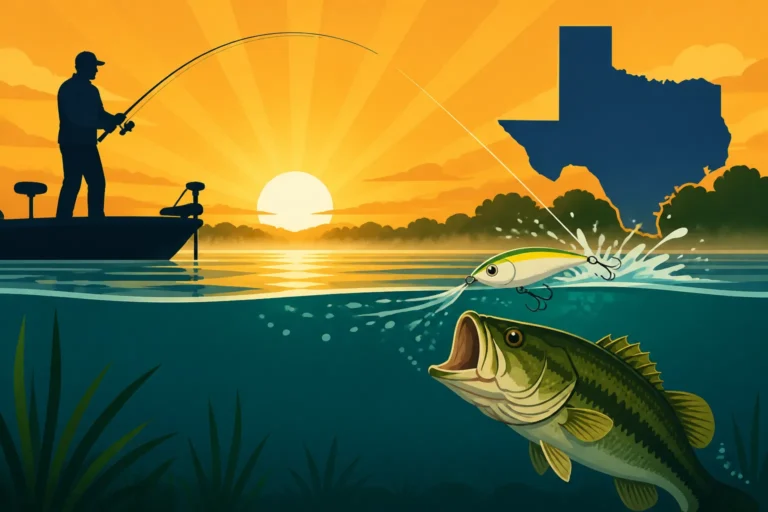
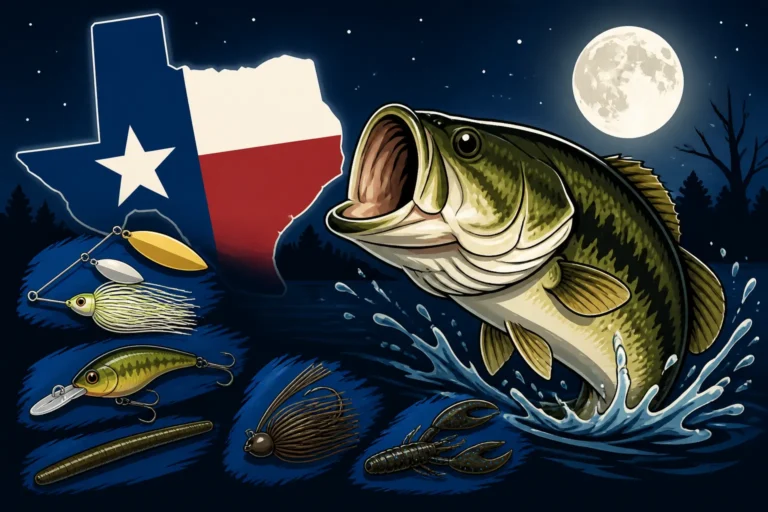
There's nothing quite like the heart-stopping explosion of a Texas largemouth bass absolutely annihilating a topwater lure. It’s an electrifying moment that every angler chases, but if you've ever spent hours casting without a single blow-up, you know the frustration. This guide is here to break down the best topwater lures for Texas bass and how to use them, helping you transform those quiet mornings into explosive memories on the water.
Why Topwater Lures Are Irresistible to Texas Bass
For many anglers, topwater fishing isn't just a technique; it's an addiction. The visual thrill of a bass breaking the surface is unmatched, and in Texas, with our expansive lakes and feisty largemouth, it's an incredibly effective strategy when conditions are right. It’s not just about the show, though; there are some solid biological and behavioral reasons why bass can't resist a well-presented topwater bait.
Triggering Reaction Strikes
Bass are ambush predators, and they're wired to react to sudden, erratic movements. A topwater lure, especially one that creates a disturbance on the surface, perfectly mimics a distressed baitfish, a struggling frog, or an insect that has fallen into the water. This immediate visual and auditory cue often triggers an aggressive, instinctual strike from a bass that might not even be actively feeding. They see it as a fleeting opportunity that they simply cannot afford to miss, often resulting in a violent, unhesitating attack.
Think about those moments when you're watching a calm stretch of water, and suddenly a panicking baitfish skitters across the surface, trying desperately to escape an unseen threat. Bass are tuned into those vibrations and visual disturbances. A well-worked topwater lure plays directly into that predatory instinct, prompting a bass to lash out before its "prey" gets away. It's less about a leisurely meal and more about a primal, explosive reaction.
Mimicking Natural Prey
Texas lakes are teeming with natural prey items that frequently find themselves on or just below the surface. Everything from frogs and cicadas to shad and bluegill can become a bass's next meal, and topwater lures are designed to imitate these creatures with remarkable accuracy. A hollow-bodied frog hopping across lily pads, a walking bait mimicking a dying shad, or a popper sputtering like a gulping sunfish — these are all scenarios that play out daily on our waters.
The key is selecting a topwater lure that closely matches the prevalent forage in the specific body of water you're fishing. If you're on a lake known for its abundant shad population, a chrome or white walking bait might be deadly. If you're targeting bass around heavy vegetation in places like Lake Fork, a frog imitation is often the ticket. Matching the hatch, even on the surface, can make a significant difference in your success rate, offering a bass a tempting, familiar meal they're already programmed to hunt.
Visibility and Excitement
Let's be honest, part of the appeal of topwater fishing is the sheer excitement it generates. For the angler, seeing the strike is half the fun. For the bass, the high visibility of a surface lure, especially in low-light conditions or slightly stained water, makes it an easy target. The silhouette against the sky, the ripples, and the splashes all combine to make the lure stand out.
This visibility factor is particularly crucial during those golden hours of dawn and dusk when bass are often most active, feeding aggressively before the sun gets too high. The distinct profile and disturbance of a topwater bait cut through the diminished light, making it simple for a hungry bass to hone in on. It's a high-reward approach that leverages both the bass's predatory instincts and the physical properties of light and water to create an unforgettable fishing experience.
Different Types of Topwater Lures for Texas Bass
The world of topwater lures is incredibly diverse, each designed to create a unique action and sound on the water's surface. Choosing the right one often depends on the conditions, the cover you're fishing, and what the bass are keying in on. Let's dive into some of the most effective types you'll want in your tackle box for Texas bass.
Poppers and Chuggers
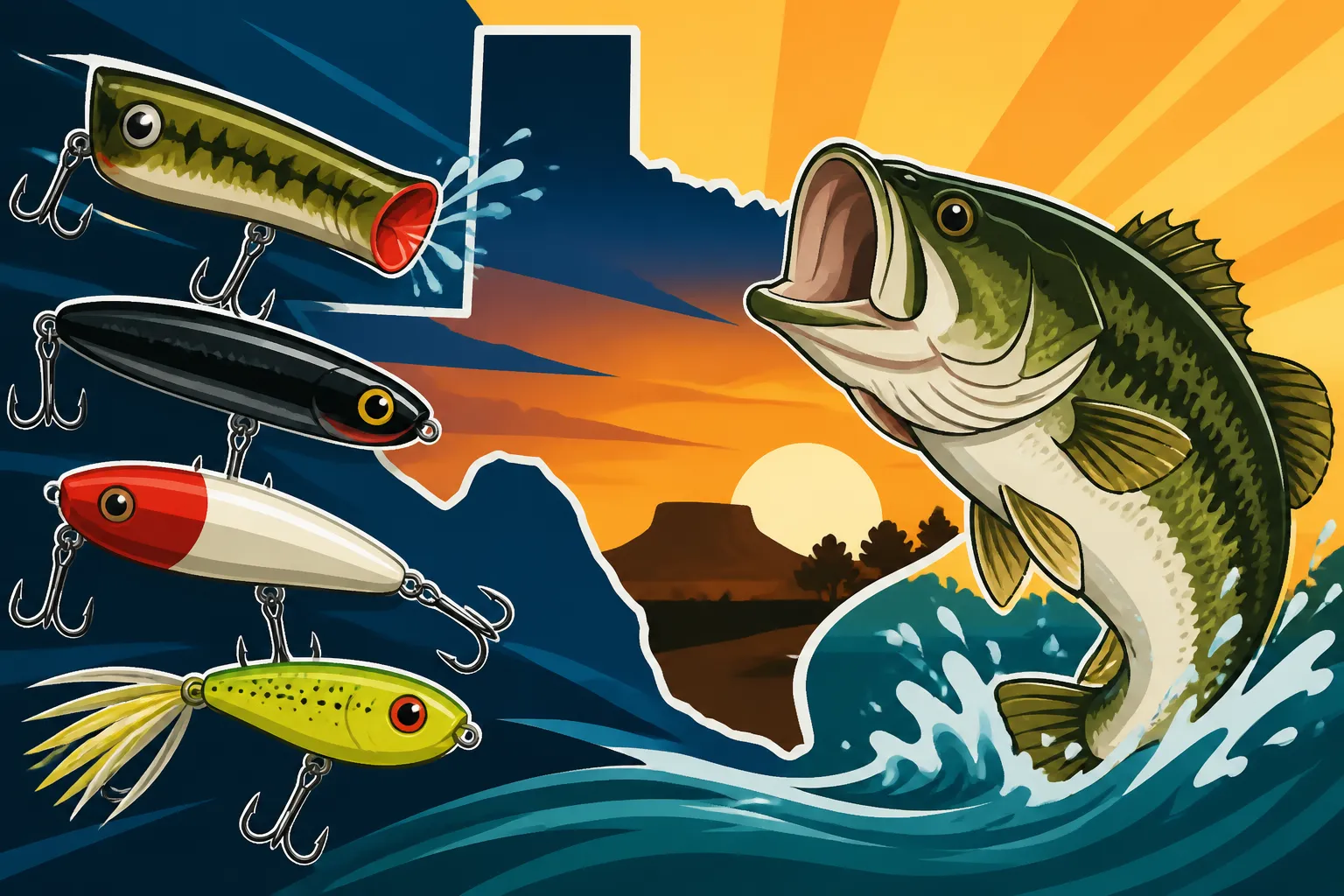
These are perhaps the most iconic topwater lures, instantly recognizable by their cupped or dished faces. This design allows them to "chug" water forward when retrieved, creating a distinct blooping or popping sound. This action mimics a struggling baitfish, a frog gulping air, or even a smaller fish feeding on the surface, making them incredibly attractive to bass.
Poppers are fantastic when bass are holding tight to cover like boat docks, submerged timber, or weed lines. Their ability to stay in one small area and create a lot of commotion makes them ideal for drawing out hesitant fish. Some popular examples include the Heddon Pop-R and the Rebel Pop-R. You can vary your retrieve from short, sharp pops to longer chugs, followed by pauses, letting the ripples dissipate before moving the lure again. Often, the strike comes on the pause, so resist the urge to retrieve too quickly.
Walking Baits or Walk-the-Dog Lures
Walking baits are characterized by their cigar-shaped bodies and the distinctive "walk-the-dog" retrieve they impart. This retrieve involves twitching your rod tip down while simultaneously reeling in slack, causing the lure to zig-zag from side to side across the surface. This serpentine motion perfectly imitates a dying shad or a panicked baitfish struggling to swim.
Lures like the Heddon Super Spook and the Zara Spook are legendary for their ability to call in big bass. They excel in open water, along grass lines, over submerged hydrilla, or where baitfish are schooling. The erratic, gliding action can be absolutely mesmerizing to a bass, often drawing them up from significant depths to investigate. It takes a bit of practice to master the "walk," but once you get it down, it's one of the most productive and exciting ways to catch bass in Texas, especially when bass are wary of more aggressive presentations.
Prop Baits and Buzzbaits
Prop baits feature one or more small propellers, typically at the front and/or rear, that churn water and create a gurgling, sputtering sound as they're retrieved. This action is designed to mimic a fleeing baitfish or a buzzing insect, and the commotion can be a powerful attractor for aggressive bass.
Buzzbaits, a subset of prop baits, have a large, single or double blade that spins rapidly around a wire arm, creating an intense, sputtering commotion on the surface. Unlike other topwaters, buzzbaits are designed to be retrieved constantly and fairly quickly. They're excellent search baits, covering water efficiently and triggering explosive strikes from active fish. They truly shine in low-light conditions, over sparse grass, or along seawalls. The Colorado River often yields great results with buzzbaits. Companies like Strike King and War Eagle make some fantastic buzzbaits that Texas anglers swear by.
Frogs and Toads
When you're fishing heavy cover—think dense lily pads, matted hydrilla, or thick cattails—hollow-bodied frog lures are your best friend. These weedless wonders are designed to slide over vegetation without snagging, mimicking a real frog or toad hopping across the surface. The soft body collapses when a bass strikes, exposing the upward-facing hooks for a solid hookset.
Texas has plenty of lakes with extensive aquatic vegetation, and frogs are indispensable for targeting bass hiding within these impenetrable jungles. Favorites include the SPRO Bronzeye Frog and the Livetarget Frog. The key is to cast them directly onto the mats or into pockets, letting them sit for a moment before twitching them across the surface. Be patient, as bass often need a moment to locate the lure. When they strike, wait until you feel the weight of the fish before setting the hook forcefully. This technique is deadly in places like Caddo Lake Fishing Guide, where cypress trees and heavy vegetation dominate.
Wakebaits
Wakebaits are a bit of a hybrid, technically a topwater, but they swim just barely beneath the surface, creating a distinct V-wake behind them. They often resemble baitfish or small rodents, with a wider profile and a diving lip that keeps them just on the surface film. Their action is often a seductive, rolling, or wobbling retrieve that sends significant vibrations through the water.
These lures are particularly effective when bass are slightly less aggressive or when the water is calmer, and a more subtle presentation is needed compared to the splash of a popper. They're great for fishing over submerged structure, along shallow flats, or even near rocky banks. Wakebaits offer a different profile and action that can sometimes entice finicky bass that might ignore more traditional topwater presentations.
Here's a quick comparison of some popular topwater lure types:
| Lure Type | Action/Sound | Ideal Conditions | Typical Retrieve | Best for Cover Type |
|---|---|---|---|---|
| Poppers/Chuggers | "Bloop," "pop," splash | Calm water, low light, around cover | Pop/pause, twitch/pause | Docks, timber, weed edges |
| Walking Baits | Zig-zag glide, subtle splash | Calm to light chop, open water, grass lines | Walk-the-dog (twitch-reel) | Open flats, submerged grass, points |
| Prop Baits/Buzzbaits | Gurgle, sputter, buzz | Low light, light chop, active fish | Steady, fast retrieve | Sparse grass, seawalls, logs |
| Frogs/Toads | Hop, walk, splash | Heavy matted vegetation | Twitch/pause, hop across mats | Lily pads, hydrilla, heavy cover |
| Wakebaits | V-wake, subtle roll | Calm water, less aggressive fish | Slow, steady retrieve | Shallow flats, rocky banks, structure |
Best Conditions for Using Topwater Lures in Texas
While topwater fishing is thrilling, it's not always the most effective strategy. Understanding when and where to deploy these lures can drastically improve your catch rate. Texas, with its diverse climate and extensive waterways, offers a variety of conditions that are perfect for topwater action.
Low Light and Calm Water
The classic scenario for topwater success is during low-light conditions, specifically at dawn and dusk. As the sun begins to rise or set, the harsh overhead light softens, reducing the visibility of the angler and making bass feel more comfortable feeding in shallower water. The calmer water also allows the subtle disturbances of a topwater lure to be more pronounced and less masked by surface chop.
In these times, bass often move from deeper holding areas to ambush points along the shorelines, points, and humps. A well-placed walking bait or a sputtering prop bait can be deadly as they actively hunt for an easy meal. Even on overcast days, especially those with a light drizzle, these conditions can extend throughout the day, providing excellent topwater opportunities. Many anglers find the period right before and after sunrise to be the "magic hour" for topwater strikes on lakes like Lake Conroe Fishing Guide.
Warmer Water Temperatures
Topwater fishing truly comes alive when water temperatures are on the rise and stay consistently warm, typically above 65 degrees Fahrenheit. Bass become more active and willing to chase prey to the surface. This usually aligns with late spring, summer, and early fall in Texas. During these warmer months, baitfish are also very active and frequently school near the surface, making topwater presentations incredibly realistic.
The heat of summer can be brutal in Texas, but that doesn't mean you have to give up on topwater. In fact, knowing How to Fish in Hot Texas Summers can actually lead to some fantastic topwater action, particularly during those early morning and late evening bites before the sun bakes the water. As the water warms, the bass's metabolism increases, making them more inclined to expend energy on an aggressive surface strike.
Post-Spawn and Summer Patterns
Following the bass spawn, which generally occurs in early to late spring in Texas depending on the region and specific lake, many bass move into a "post-spawn funk." After the exhausting process of spawning, they often disperse, recuperate, and then move to deeper cover or nearby staging areas. As they recover and start feeding aggressively again, especially smaller males and some larger females, topwater lures become incredibly effective.
Throughout the peak summer months, bass often establish patterns around available cover and structure, such as grass lines, standing timber, and boat docks. The combination of warm water, abundant baitfish, and bass actively feeding makes summer an prime time for topwater. This is particularly true during the Best time of day to catch bass in summer, when the sun is low. Anglers often find success working walking baits over submerged grass beds or throwing frog lures into matted vegetation during these patterns. Understanding the Texas Bass Spawning Season Guide can give you a heads-up on when these post-spawn patterns will emerge.
Mastering Topwater Techniques for Texas Bass
Getting a topwater lure to perform correctly isn't just about casting it out and reeling it in. There's an art to the retrieve, a rhythm to the presentation, and a keen sense of observation required to turn those thrilling blow-ups into landed fish.
Cadence and Presentation
The effectiveness of any topwater lure heavily relies on your retrieve cadence and presentation. Each type of lure demands a slightly different approach:
- Poppers: For poppers, a common technique is the "pop-pop-pause." Give the rod tip two sharp twitches, creating two distinct "bloop" sounds, then let the lure sit motionless for several seconds. The pause is critical, as bass often strike when the lure is still, watching the ripples disappear. Experiment with single pops, continuous chugs, and varying pause lengths until you find what the fish prefer. Sometimes a long, deliberate pause of 10-15 seconds can be the key to drawing a strike from a wary bass.
- Walking Baits: Mastering the "walk-the-dog" retrieve for lures like the Super Spook requires practice. It involves a rhythmic, downward snap of the rod tip while reeling in slack with your other hand. This combination makes the lure glide from side to side. The key is to keep a consistent slack line, not too tight, not too loose. Focus on a steady, fluid motion that makes the lure appear alive and injured. Many anglers find it helpful to look at the line, not the lure, to get the rhythm right.
- Buzzbaits: Buzzbaits are all about speed. You want to retrieve them fast enough to keep the blade spinning and the lure on the surface, creating that enticing buzzing sound and commotion. They're often most effective as a "wake-up" call for aggressive bass in the early morning. Vary your retrieve speed slightly, but generally, a medium-fast retrieve is the standard. Don't be afraid to burn them across the water.
- Frogs: With hollow-bodied frogs, a slow, deliberate approach is usually best. Cast onto a mat of vegetation, let it sit for a moment, then twitch it gently. Make it hop, crawl, and pause. The weedless nature of these lures means you can drag them through the densest cover, giving bass little choice but to attack. Often, the bass will create a "hole" in the mat before striking; wait for the line to move or the actual weight of the fish before setting the hook.
Remember, bass are curious. Sometimes a lure that makes a lot of noise will draw them in, and other times a subtle, quiet presentation is what they want. Don't be afraid to experiment with your retrieve until you crack the code for that particular day.
Reading the Water and Structure
Effective topwater fishing goes beyond just the lure and retrieve; it's about understanding the environment. Bass relate to structure and cover, and knowing where to cast your topwater bait is paramount.
Look for areas where bass are likely to ambush prey. This includes:
- Shallow cover: Lily pads, hydrilla mats, cattails, standing timber, and brush piles near the shoreline are prime locations. Bass will hide in these areas, waiting for an unsuspecting meal to pass overhead.
- Points and humps: Submerged points and humps extending into deeper water can act as highways and feeding grounds for bass, especially during low light. A walking bait fished over these areas can be incredibly effective.
- Seawalls and docks: These man-made structures provide shade and cover, attracting baitfish and, consequently, bass. Poppers worked slowly around dock pilings or along seawalls can draw strikes.
- Baitfish activity: Keep an eye out for schooling baitfish near the surface or signs of bass actively feeding, such as busting fish. If you see activity, cast your topwater into the mix! This is often a sign of a feeding frenzy, and your topwater lure could be the perfect mimic.
Consider the clarity of the water as well. In clear water, bass might be more wary, requiring longer casts and more subtle presentations. In stained or slightly muddy water, louder, more disruptive topwater lures can help bass locate your bait more easily.
Hook Setting and Fighting Fish
The most common frustration in topwater fishing is the missed strike. It's incredibly exciting to see a bass blow up on your lure, but the instinct to set the hook immediately is often what leads to a missed fish.
The Golden Rule: Resist the urge to set the hook the instant you see the splash. Instead, wait until you feel the weight of the fish on your line. Bass often miss the lure on their initial strike, or they might just swat at it to stun it. If you set too early, you'll pull the lure away from them. Once you feel that solid pull, then deliver a powerful, sweeping hookset to embed the hooks firmly.
Fighting a topwater bass, especially a big one, can be chaotic. They've likely eaten the lure near the surface, and their first instinct is to try and jump, throwing the hooks. Keep your rod tip down, or at least angled towards the water, to minimize their ability to get airborne. Maintain constant pressure, and try to steer the fish away from any heavy cover where it might snag your line. With a strong hookset and steady pressure, you'll significantly increase your chances of landing that trophy bass.
Choosing the Right Gear for Topwater Success
Having the right rod, reel, and line can make a huge difference in your ability to cast topwater lures accurately, work them effectively, and successfully land those aggressive surface-striking bass. Don't underestimate the importance of your setup.
Rod and Reel Selection
For most topwater applications, a medium-heavy to heavy power casting rod, typically 6'6" to 7'6" in length, is ideal.
- Rod Power: The medium-heavy power provides enough backbone to cast larger topwater lures, penetrate the mouth of a bass with a good hookset, and control a fighting fish. A heavy power rod might be preferred for fishing frogs in extremely thick cover, where you need to muscle a bass out.
- Rod Action: A moderate-fast or fast action rod is generally preferred. This means the rod bends mostly in the top third or half, providing enough tip flexibility for accurate casting and imparting subtle lure actions, while the powerful mid-section helps with hooksets and fighting.
- Rod Length: Shorter rods (6'6" – 6'10") offer more accuracy for close-quarters casting around docks or tight cover. Longer rods (7' – 7'6") excel at long casts, covering more water with walking baits, and giving you better leverage to fight big fish.
Pair your rod with a baitcasting reel with a gear ratio between 6.4:1 and 7.1:1.
- Gear Ratio: A moderate gear ratio (6.4:1) is versatile for many topwater techniques, allowing you to slow down for poppers or speed up for buzzbaits. A faster gear ratio (7.1:1) is excellent for quickly taking up slack, which is crucial for walking baits, and for rapidly retrieving buzzbaits.
- Braking System: Ensure your reel has a reliable braking system to prevent backlashes, especially when casting lightweight lures or fishing in windy conditions. Many great options can be found on Amazon, offering a wide range of features to suit different budgets. For a deeper dive into choices, check out Best Fishing Reels for Texas Anglers.
Line Choice and Leader Material
Your choice of fishing line is critical for topwater fishing, as it directly impacts lure action, casting distance, and hook-setting ability.
- Monofilament Line: Many experienced topwater anglers swear by monofilament line, particularly for lures like poppers and walking baits. Mono floats, which helps keep your topwater lure riding high on the surface and doesn't pull down on the bait, allowing it to work more naturally. It also has a bit of stretch, which can be forgiving on aggressive strikes, preventing hooks from tearing out. A good starting point is 12-20 lb test mono.
- Braided Line: Braided line is an excellent choice for fishing frogs in heavy cover due to its incredible strength, zero stretch, and abrasion resistance. The lack of stretch provides immediate feedback on bites and powerful hooksets that can yank a bass out of thick vegetation. However, braid floats too well for some applications and can sometimes dig into the surface of other topwater lures, hindering their action. If using braid, consider 30-65 lb test.
- Fluorocarbon Leader: If you're using braided line with walking baits or poppers in clear water, adding a short (12-24 inch) fluorocarbon leader (12-17 lb test) can be beneficial. Fluorocarbon is nearly invisible underwater, which can be an advantage in clear conditions, and it sinks, which can help keep some topwater lures sitting slightly lower in the water, giving them a more natural profile. However, be aware that fluoro sinks, so it might slightly alter the action of some pure topwater baits. For more guidance on choosing the right line, see Best Line for Texas bass fishing.
Terminal Tackle Considerations
When it comes to terminal tackle for topwater, simplicity is usually best.
- Snaps and Split Rings: Avoid using large, heavy snaps or swivels, as they can negatively impact the lure's action. If you prefer to quickly change lures, a small, light, high-quality snap might be acceptable, but directly tying your line to the lure is almost always the better option for optimal action. Ensure your split rings on the lure are strong and high-quality, especially if you're targeting larger bass; sometimes replacing factory split rings with stronger ones is a good idea.
- Hooks: Most quality topwater lures come with good treble hooks, but if you're experiencing missed fish or want to ensure maximum penetration, consider upgrading to sharper, stronger trebles. Some anglers replace the rear treble with a single, dressed feathered hook to add a bit more attraction and a larger target for the bass. For frog lures, ensure the hooks are sharp and robust enough to handle violent strikes and pulling fish from heavy cover.
- Knot Tying: Learn a strong, reliable knot like the Palomar knot or the Improved Clinch knot. A secure knot is your last line of defense against losing that trophy fish that just blew up on your topwater.
Having a dedicated topwater setup or at least optimizing your existing gear for this technique will significantly increase your confidence and success rate when those bass decide to strike the surface. For a full breakdown of what to carry, check out Best Tackle for Texas Bass Fishing.
Troubleshooting Common Topwater Challenges
Even with the best lures and techniques, topwater fishing can present its fair share of challenges. Missed strikes, snagged lures, and difficult conditions are all part of the game. Knowing how to adapt can turn a frustrating day into a successful one.
Short Strikes and Missed Fish
Nothing is more disheartening than seeing a giant bass blow up on your lure, only to miss it completely or "short strike" it, barely nipping the tail. This common issue can be caused by several factors:
- Setting the hook too early: As discussed, this is the number one culprit. Train yourself to wait until you feel the weight of the fish before setting the hook. It's tough, but crucial.
- Lure size: Sometimes, bass might be hesitant to fully commit to a larger lure. Try downsizing your topwater bait. If you're using a large walking bait, switch to a smaller one or a popper.
- Lure speed/cadence: Bass might be following the lure but not fully committing. Experiment with slowing down your retrieve, adding longer pauses, or even speeding it up slightly to trigger a reaction. A subtle change in cadence can make all the difference. Sometimes, a completely dead-sticked retrieve after a few twitches is what seals the deal.
- Hook sharpness: Dull hooks will lead to missed fish. Always check your hooks for sharpness and replace or sharpen them as needed. Even new lures can sometimes benefit from a quick touch-up with a hook sharpener.
- Water clarity: In extremely clear water, bass might be able to get a better look at the lure and become wary. Try longer casts and more subtle presentations, or consider lures with more natural patterns. Conversely, in murky water, louder lures might be needed to help them locate the bait.
Fishing in Heavy Cover
While frog lures are designed for heavy cover, other topwater baits can be a nightmare to use around dense vegetation or timber. Snags are inevitable, but you can minimize them and adapt your strategy.
- Frog Lures are King: When fishing matted vegetation, lily pads, or dense slop, a hollow-bodied frog is your go-to. Its weedless design allows it to glide over obstacles. If you're not getting bites with a frog, try a walk-the-dog action with it, or vary your pauses. How to fish a frog lure in heavy cover is an art form worth mastering.
- Targeting Pockets and Edges: For other topwater types, focus on open pockets within the cover, the edges of grass lines, or along the perimeter of timber. Make accurate casts to these "strike zones" and work your lure just enough to create a disturbance before reeling it in to avoid snags.
- Reaction Strikes from Cover: Bass hiding deep within cover might be hesitant to leave their ambush point. A loud prop bait or a buzzbait retrieved along the edge of the cover can sometimes draw them out for a reaction strike. The key is to get the lure as close to the cover as possible without getting hung up.
- Rod and Line for Cover: If you anticipate fishing heavy cover, use a heavy power rod and braided line (50-65 lb test). This setup gives you the power to pull a big bass out of the thick stuff and minimizes break-offs when snags occur.
Dealing with Wind and Current
Wind and current can be both a blessing and a curse for topwater fishing. They can create natural ripples that break up the surface, making your lure appear more natural and harder for bass to scrutinize. However, too much wind or strong current can make it incredibly difficult to work your lure effectively and detect strikes.
- Wind: In light to moderate wind, a walking bait can often shine. The chop helps conceal the lure's artificiality, and the steady "walk" can still be maintained. On very windy days, it might be tough to keep slack out of your line, hindering proper lure action. Consider using heavier lures that cast better into the wind, or switch to a different technique entirely. If the wind is creating white caps, topwater might not be the most effective choice.
- Current: In river systems or near dams (like the tailraces below the Lake Texoma dam), current can be a factor. Position your boat or cast upstream and work your lure downstream with the current. This makes the lure appear natural, as baitfish are often swept downstream. Poppers and buzzbaits can be very effective in current, as their aggressive action can cut through the water flow. If the current is too strong, it might be impossible to control your lure's action; consider a heavier lure or different presentation. Remember the Texas 600-foot dam fishing restriction explained when fishing near these structures.
Always observe the conditions and be willing to adapt. Topwater fishing is dynamic, and the anglers who can adjust their lures, techniques, and presentation to match the prevailing conditions are often the ones who find the most success.
Disclaimer
Fishing regulations and conditions can change. Always check the latest Texas Parks and Wildlife Department (TPWD) regulations before heading out on the water. This guide is for informational purposes only and should not replace official guidelines.