How to Catch Speckled Trout in Winter
Fishing for speckled trout in Texas during the winter months can feel like trying to solve a cryptic puzzle while battling the elements. Those lively topwater bites of summer often vanish, leaving many anglers scratching their heads, wondering where the fish have gone and how on earth to entice a strike when the water turns chilly. If you've ever found yourself bundled up, shivering, and questioning your sanity on a brisk winter morning, this comprehensive guide is for you. We're going to break down the nuances of targeting speckled trout when the mercury dips, offering practical strategies and insights to make your cold-weather outings successful and enjoyable.
Understanding Winter Trout Behavior
The biggest challenge with winter speckled trout isn't that they disappear entirely; it's that their behavior shifts dramatically. What worked in the balmy summer months or even the pleasant fall simply won't cut it when the water temperatures plummet. Understanding these fundamental changes in their physiology and habitat preference is your first step towards cracking the winter trout code. It's all about thinking like a cold-blooded creature trying to conserve energy.
The Impact of Cold Water on Trout Metabolism
Imagine trying to run a marathon in freezing weather without proper gear or motivation – that's essentially how a speckled trout feels in cold water. As water temperatures drop below 60 degrees Fahrenheit, and especially below 50 degrees, a trout's metabolism slows down considerably. This isn't just a slight dip; it's a profound change that affects everything from their digestion to their swimming speed and, most importantly for us anglers, their feeding habits. They simply don't need to eat as often, and when they do, they're looking for an easy, high-calorie meal that requires minimal effort to catch.
This metabolic slowdown means that the aggressive, chasing strikes we often associate with warmer months are largely absent. Instead, winter trout become lethargic, conserving energy. They're less likely to pursue a fast-moving lure over a long distance. This is why presentation becomes absolutely paramount. A lure whizzing by too quickly will often be ignored, seen as too much effort for too little reward. We need to present baits in a way that practically lands in their mouth, making it an irresistible, effortless meal.
Where Speckled Trout Go When Temperatures Drop
When the cold fronts roll through Texas, speckled trout, like many other saltwater species, seek out areas where water temperatures are more stable and slightly warmer. This often means moving away from expansive, shallow flats that cool down rapidly and venturing into deeper channels, guts, bayous, and protected coves. These deeper areas act as thermal refuges, offering a more consistent temperature range that prevents extreme fluctuations. Think about the deeper pockets in Galveston Bay Fishing Spots or the channels weaving through Matagorda Bay Fishing Spots.
Another key location for winter trout is around structures that provide cover and heat absorption. Oyster reefs, rock piles, submerged grass beds in deeper water, and even man-made structures like jetties or bridge pilings can hold heat longer or offer sanctuary from strong currents and frigid winds. These spots not only provide warmth but also offer ambush points for these energy-conserving predators. Sometimes, trout will also push far up into river mouths and tidal creeks where the water can be slightly fresher and often holds a more stable temperature, especially after a prolonged cold spell.
Reading the Weather and Water Conditions
Successfully catching winter trout hinges heavily on your ability to interpret weather patterns and water conditions. After a strong cold front blasts through, the bite can be tough. High pressure, clear skies, and light winds often accompany these fronts, leading to plummeting water temperatures and finicky fish. However, as the high pressure stabilizes and temperatures begin a slow, gradual climb, or even during a warming trend between fronts, the bite can pick up dramatically.
Look for several key indicators: stable air temperatures over a few days, particularly a slight rise; light winds or winds from the south; and, most crucially, water clarity. Winter often brings clearer water to the bays, which can make fish more wary. However, clear water also means you can more easily spot subtle signs of baitfish or even cruising trout, especially if you're wearing quality polarized lenses. Pay close attention to tide movement as well; a slow, steady incoming or outgoing tide can often trigger a brief feeding window, especially around choke points where bait is funneled. Understanding Texas Saltwater Fishing Regulations is also crucial, as conditions might influence where you can legally fish.
Essential Gear for Cold Water Speckled Trout
Winter fishing demands a different approach to your gear. It’s not just about what you cast, but how you’re dressed and equipped to handle the chill. Being prepared with the right rods, reels, lines, and appropriate clothing will not only make you more comfortable but also more effective in coaxing those sluggish winter specks. Don't let uncomfortable hands or frozen feet cut your trip short.
Rods, Reels, and Line Choices
For winter speckled trout, sensitivity is the name of the game. A slow, subtle bite is common, and you need to feel every tick. I highly recommend a medium-light to medium power spinning rod, typically 6'6" to 7'6" in length, with a fast action tip. This setup allows for long casts with lighter lures while providing the backbone to handle larger trout and enough sensitivity to detect those faint winter takes. Brands like St. Croix, G. Loomis, or even a good quality Ugly Stik GX2 (for budget-conscious anglers) are solid choices you might find on Amazon.
Pair your rod with a lightweight spinning reel in the 2000 to 3000 size range, spooled with 10-15 lb braided line. The no-stretch property of braid transmits even the slightest bump directly to your hand. For a leader, I use 20-30 lb fluorocarbon. Fluorocarbon is nearly invisible in clear winter water and offers excellent abrasion resistance against oyster shells. The length of your leader can vary, but 2-3 feet is a good starting point. Remember that in clear, cold water, visibility is heightened, so your line choice makes a significant difference.
Cold Weather Apparel and Accessories
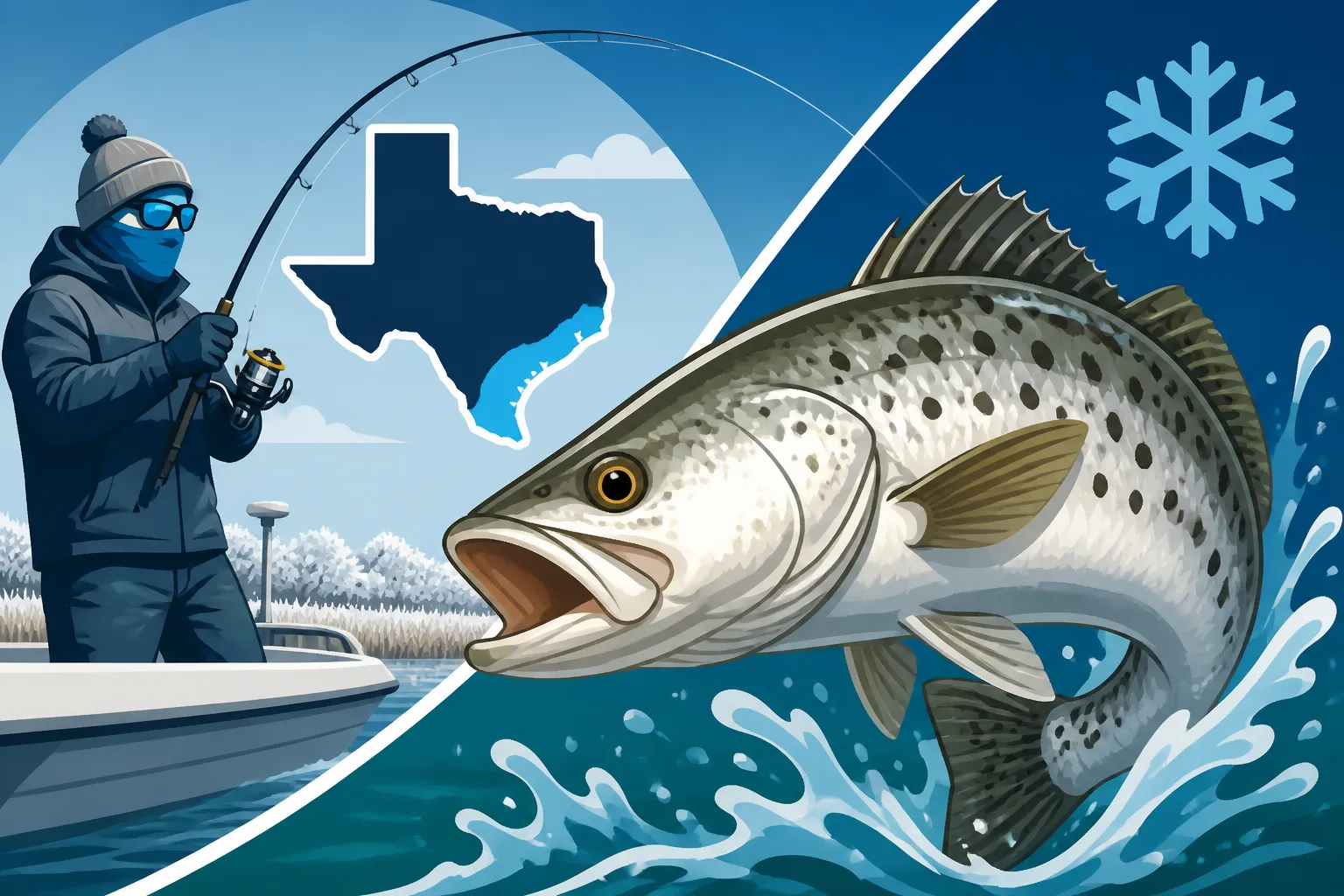
Staying warm and dry is absolutely non-negotiable for winter fishing in Texas. Layering is key. Start with a good moisture-wicking base layer (merino wool or synthetic, never cotton) to pull sweat away from your skin. Add a fleece or insulated mid-layer for warmth, and top it off with a waterproof and windproof outer shell. Brands like Simms, Grundéns, or even some of the more affordable options available on Amazon for good outdoor wear can be invaluable. Don't forget insulated waders if you plan on wading – leaky waders are a recipe for misery.
Beyond clothing, several accessories are crucial. A quality pair of waterproof, insulated gloves or fingerless gloves with covers will protect your hands from the cold while allowing dexterity for knot tying and casting. A warm beanie or neck gaiter prevents significant heat loss. Hand warmers (those little packets you shake) are a lifesaver on truly frigid days. And of course, your personal flotation device, required by Texas Life Jacket Requirements for Boats, can offer an extra layer of warmth as well as safety.
Terminal Tackle and Live Bait Setup
When it comes to terminal tackle for winter trout, simplicity often reigns supreme. Jigheads in 1/8 to 1/4 ounce are standard, paired with soft plastics (which we'll discuss next). For live bait, a simple popping cork rig with a 1/0 or 2/0 Kahle hook, or a free-lined shrimp or mud minnow, can be incredibly effective. Consider using a small, clear float for subtlety if fish are skittish.
If you're using live shrimp, a small cork can keep it suspended at the right depth. In the colder months, shrimp tend to be less abundant, but mud minnows (killifish) or small finger mullet can be absolute trout magnets. Keep your live bait well-aerated in a bait bucket to ensure they stay lively, as sluggish bait is often ignored by sluggish fish. Even a simple minnow trap can help you gather bait in certain areas. Also, don't forget to review Texas Saltwater Endorsement Explained to ensure you have the proper licenses for fishing the bays and coastal waters.
Top Winter Speckled Trout Techniques
Okay, you're dressed for success and your gear is dialed in. Now, how do you actually get these cold-blooded creatures to bite? The short answer is: slow down, think finesse, and match the hatch (or lack thereof). Forget the fast retrieves and aggressive presentations of summer; winter calls for a more deliberate approach that appeals to a trout's energy-saving instincts.
Slow and Steady Retrieve Strategies
This cannot be emphasized enough: slow down your retrieve. A common mistake in winter is fishing too fast, presenting a lure that looks like too much effort for a cold, lethargic trout. Imagine a struggling baitfish, barely able to swim – that's the cadence you're aiming for. For soft plastics on a jighead, a slow, deliberate twitch-twitch-pause retrieve is often deadly. Let the jig sink slowly, then give it a couple of small twitches with your rod tip, allowing it to flutter down again, mimicking a wounded baitfish.
The pause is critical. Sometimes, the bite will come on the fall, or just as the lure is suspended motionless. When fishing a suspending twitchbait, use a retrieve that's more twitch-twitch-pause-pause-pause. Let that lure hang in the strike zone for an extended period. This gives the trout ample time to decide if it's worth the energy expenditure. On super cold days, a dead-sticking approach, where you literally let the lure sit motionless for several seconds, can be the only way to get a reaction. Your best bet is to check out Best Lures for Speckled Trout in Winter for specific recommendations on what works.
Patience and Persistence in Cold Water
Winter trout fishing isn't about covering vast expanses of water quickly. It's about thoroughly working productive areas. You might find a small "honey hole" holding a school of fish, but they could be stacked tight and unwilling to move much. This means making repeated casts to the same area, sometimes from slightly different angles, and varying your retrieve ever so slightly until you find what triggers them. This often means staying longer in one promising spot rather than running and gunning.
Don't get discouraged if the bites are few and far between. Winter fishing requires a different mindset – celebrating each bite, understanding that a single good fish can make your day. The fish are there, but they demand a more patient, persistent angler. If you're wading, move slowly and deliberately, disturbing the water as little as possible. If you're on a boat, use your trolling motor sparingly and quietly. These fish are often more sensitive to noise and disturbance in clearer, colder water.
Effective Lure Selection for Winter
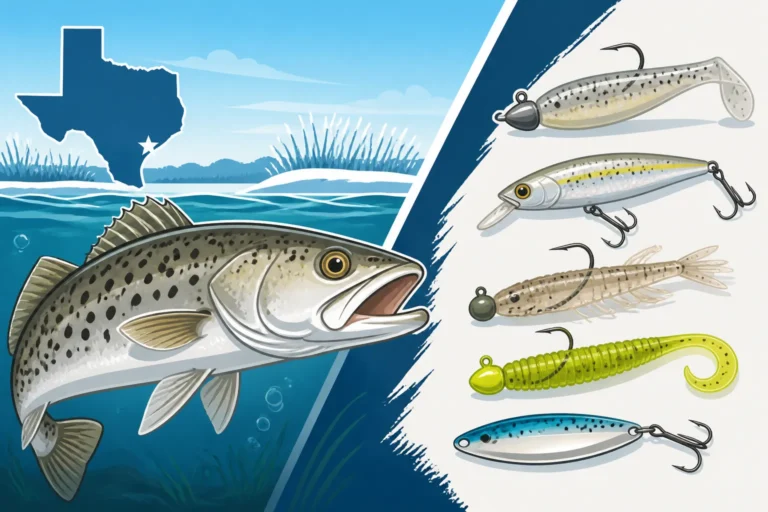
When it comes to lures, winter trout generally prefer smaller profiles and more natural colors, especially in clearer water. Soft plastics are kings, particularly those mimicking shrimp or small baitfish. Popular choices include Norton Sand Eels, DOA Shrimp, or MirrOlure Lil' Johns. Colors like pearl, plum/chartreuse, "limetreuse," and various natural baitfish patterns often excel. You can find a huge variety of these soft plastics on Amazon, making it easy to experiment.
Suspending twitchbaits like the MirrOlure MirrOdine or Paul Brown's Fat Boy are incredibly effective. Their ability to "hang" motionless in the water column during a pause is deadly for lethargic trout. Work them slowly, with long pauses. For even slower presentations, consider a small jigging spoon or a Gulp! shrimp under a popping cork, especially if you're marking fish on your electronics. Remember the goal: easy meal, minimal effort.
Finding Speckled Trout in Texas Winter Spots
One of the biggest questions facing any winter angler is, "Where have all the fish gone?" It often feels like the bay has emptied out, but rest assured, the trout are still there. They’ve just relocated to more comfortable, stable environments to weather the cold. Knowing where to focus your efforts is paramount to finding them. It's about understanding thermal refuges and current breaks.
Targeting Deep Water Structures
As we discussed, deeper water offers more stable temperatures, making deep channels, bayous, and guts prime winter trout real estate. Look for areas with depths ranging from 5 to 15 feet, especially those with some sort of structure on the bottom. Oyster reefs, submerged shell pads, or even depressions in the bottom can hold fish. These structures provide cover and ambush points, and often harbor small baitfish or crustaceans that the trout are feeding on.
When targeting these areas, position your boat or yourself (if wading nearby) to cast along the edges of these structures or across the channel. Let your lure sink to the bottom, and work it slowly. Sometimes, the trout will be right on the drop-off, waiting for bait to be swept over. If you're fishing from a boat, your fishfinder will be your best friend, helping you locate these deeper contours and even mark schools of bait or trout. Remember that a good Best GPS Units for Texas Boaters can really help in navigating and marking these productive spots.
Key Areas in Bays and Estuaries
Specific bays and estuaries along the Texas coast have earned reputations as stellar winter trout fisheries. Sabine Lake, Galveston Bay, Matagorda Bay, Aransas Bay, and the Lower Laguna Madre are all excellent examples. Within these larger bodies of water, focus your attention on the back lakes, deeper bayous, and protected coves that connect to the main bay systems. These areas are typically shallower and warm up faster on sunny winter days, and they offer refuge from strong winds.
Another excellent strategy is to explore river and creek mouths emptying into the bays. These freshwater inflows can create a slight temperature difference, attracting bait and, consequently, trout. The Trinity River into Galveston Bay, for instance, can be a fantastic winter spot. Look for subtle current breaks, points, or submerged structures where bait might congregate. On a mild, sunny day, these areas can really light up as the water warms just enough to stimulate a feeding frenzy.
Identifying Productive Wintertime Flats
While deep water is a general rule, there are specific shallow flats that can also be highly productive during winter, especially after a few consecutive sunny days. These are typically darker-bottomed flats (mud or shell) that absorb solar heat more efficiently than light sand bottoms. Look for flats that are adjacent to deeper channels or bayous, allowing trout easy access to deeper water if temperatures drop overnight.
The key here is timing. These shallow flats are often best fished during the warmest part of the day, usually from late morning to mid-afternoon, after the sun has had a chance to warm the water. On these flats, trout might be found in very shallow water, sunning themselves or feeding on baitfish that have also ventured onto the warmer shallows. Wade fishing can be particularly effective in these areas, as you can move stealthily and cover ground quietly, almost like you're learning How to Wade Fish for Redfish in Texas. Always pay attention to water clarity; if it’s too clear, trout can be easily spooked in the shallows.
Here's a quick comparison of typical winter speckled trout haunts:
| Location Type | Characteristics | When to Fish | Ideal Conditions |
|---|---|---|---|
| Deep Channels/Guts | Stable water temps, often 5-15 ft deep | Anytime, especially after cold fronts | Calm winds, incoming/outgoing tide |
| Back Lakes/Protected Coves | Less exposed to wind, warm up faster | Afternoons, during warming trends | Sunny, light winds |
| River/Creek Mouths | Freshwater inflow, subtle temp differences | Afternoons, during rising temps | Stable weather, light current |
| Dark-Bottomed Flats | Absorb solar heat, usually 2-4 ft deep | Warmest part of day (late morning-mid-afternoon) | Sunny, mild, light winds, clear water |
| Oyster Reefs/Shell Pads | Structure, bait aggregation, thermal mass | Anytime, especially tide changes | Light current, stable temperatures |
Before heading out, make sure you're aware of the current Texas Speckled Trout Bag Limits and length limits, as these can change.
Safety Considerations for Winter Fishing
While the allure of catching winter trout is strong, the cold weather brings with it significant safety concerns that cannot be overlooked. The potential for hypothermia, cold shock, and other cold-related incidents is real, especially when out on the water. Prioritizing safety ensures that your fishing trip is memorable for the right reasons, not for an emergency.
Staying Warm and Dry
As mentioned in the gear section, layering is your absolute best defense against the cold. But it's not just about piling on clothes; it's about strategic layering. Your base layer should wick moisture. Your mid-layers should insulate even if damp. And your outer layer must be waterproof and windproof. A simple splash from a wave or a sudden rain shower can turn a chilly day into a dangerous situation if your clothing isn't up to snuff.
Always bring extra dry clothes in a waterproof bag, even if you don't plan on getting wet. A spare hat, gloves, and a set of socks can be a game-changer if something goes wrong. Pack a thermos with a hot beverage like coffee, tea, or soup; it provides internal warmth and a morale boost. Staying hydrated is also crucial, as dehydration can impair your body's ability to regulate temperature. Don't underestimate the persistent Texas wind chill, even on a seemingly "mild" winter day.
Understanding Hypothermia and Cold Shock
Hypothermia is a serious risk when fishing in cold weather. It occurs when your body loses heat faster than it can produce it, leading to a dangerously low core body temperature. Symptoms include shivering, confusion, slurred speech, clumsiness, and eventually, loss of consciousness. If you or someone in your group starts exhibiting these signs, seek immediate shelter, remove wet clothing, and warm them up slowly. Have a plan for emergency contact and know your location, especially if you're in a remote part of the Best Texas Gulf Coast Fishing Spots.
Cold shock is an immediate, involuntary response to sudden immersion in cold water (anything below 70°F). It can cause gasping, hyperventilation, and increased heart rate and blood pressure. This can lead to disorientation and, in severe cases, cardiac arrest or drowning, especially if you're not wearing a life jacket. If you fall in, try to control your breathing, float on your back, and assess your situation before attempting to swim. This emphasizes the critical importance of always wearing a life jacket, even if you're an experienced swimmer.
Boat and Wading Safety in Winter
Boat owners need to take extra precautions in winter. Check your battery, fuel lines, and engine thoroughly before heading out. Cold weather can impact marine batteries, and you don't want to be stranded on a frigid day. Carry extra safety gear: flares, a whistle, a fully charged cell phone in a waterproof case, and a marine radio. Tell someone where you're going and when you expect to return. Always adhere to Texas Boat Registration Requirements and ensure all safety equipment is onboard and in working order.
For those planning to wade, be acutely aware of your surroundings. The bottom can be softer or more uneven in winter, and clear water can sometimes be deceptive about depth. Know your limits and avoid wading in areas with strong currents or depths that exceed your comfort level. A wading staff can provide stability and help probe the bottom. If you're wading in remote areas, consider going with a buddy. Always keep an eye on the weather; a sudden strong cold front or unexpected storm can turn a calm bay into a dangerous place very quickly. And for your catch, ensure you have a good Best Coolers for Texas Summer Fishing Trips (which works just as well in winter) to keep your fish fresh on ice, especially if you're planning a long day out.
Disclaimer
The information provided in this guide is for general informational purposes only and does not constitute professional advice. Fishing conditions, regulations, and safety requirements can change. Always consult the latest Texas Parks and Wildlife Department regulations and local weather forecasts before planning any fishing trip. Personal safety should always be your top priority.