Texas Saltwater Endorsement Explained
Texas fishing can be an absolute blast, but let's be honest, navigating all the license requirements can feel like trying to untangle a particularly stubborn fishing knot. One of the most common points of confusion for anglers, especially those venturing to our incredible coast, revolves around the Texas Saltwater Endorsement. This guide is here to clear up exactly what this endorsement is, who needs it, how to get it, and why it's so vital for preserving our precious coastal fisheries.
Understanding the Texas Saltwater Endorsement
Before you even think about casting a line into our gorgeous bays or the vast Gulf of Mexico, it's crucial to understand a key component of Texas fishing regulations: the saltwater endorsement. This isn't just an arbitrary fee; it's a specific requirement designed to help manage and conserve our vibrant saltwater ecosystems.
What the Endorsement Covers
The Texas Saltwater Endorsement isn't a standalone license that allows you to fish anywhere you please. Think of it more as an essential "add-on" or "stamp" that you must possess in addition to your basic Texas fishing license if you plan to fish in public saltwater. Your general fishing license covers the act of fishing itself, but the endorsement specifies where you can apply that privilege – specifically to saltwater environments. It’s tied directly to the pursuit and possession of any saltwater fish species, whether you intend to keep them for dinner or practice catch-and-release. Without it, even attempting to catch a redfish in Galveston Bay, a speckled trout in Laguna Madre, or a flounder in Matagorda Bay, is considered fishing without the proper authorization.
This distinction is important because the management of freshwater and saltwater fisheries involves different ecological considerations, different species, and often, different conservation strategies. The funds generated from this endorsement play a direct role in supporting these specific marine conservation efforts. It's a system designed to ensure that those who enjoy our coastal resources also contribute directly to their sustainability for generations to come.
Why it's Separate from a Basic License
You might wonder why there isn't just one "all-inclusive" fishing license that covers everything. The separation of the saltwater endorsement stems from the unique challenges and management needs of Texas's marine environments. Historically, fisheries management has evolved to address the distinct pressures faced by different ecosystems. Saltwater fisheries, with their vastness and the migratory patterns of many species, require specialized research, monitoring, and enforcement. The Texas Parks and Wildlife Department (TPWD) manages these resources diligently, and the revenue from the saltwater endorsement provides dedicated funding.
This separate funding mechanism ensures that money collected from saltwater anglers goes directly back into programs that benefit saltwater fishing. This includes vital scientific research on fish populations, habitat restoration projects in estuaries, stocking programs for certain species, and law enforcement efforts to protect coastal waters. Without this dedicated funding stream, it would be much harder to sustain the health and abundance of species like red drum, spotted seatrout, and various other highly sought-after game fish. It’s a bit like how some states have specific stamps for trout or waterfowl hunting; it allows for targeted funding for specific conservation goals.
Who Needs a Saltwater Endorsement in Texas?
Understanding who exactly needs this endorsement can sometimes be tricky, as there are a few age and residency considerations that come into play. It's crucial to get this right to avoid any unwelcome surprises from a game warden while you're out on the water.
Age and Residency Requirements
Generally speaking, if you are 17 years of age or older and plan to fish in the public saltwaters of Texas, you need a valid Texas fishing license with a saltwater endorsement. This applies to both Texas residents and non-residents alike. So, whether you're a seasoned Texan angler or just visiting for a coastal fishing trip, if you're an adult, this endorsement is a must-have.
There's good news for our younger anglers! Kids under the age of 17 are completely exempt from needing a fishing license and any endorsements, including the saltwater one. This makes Texas an incredibly welcoming state for families wanting to introduce their children to the joys of fishing. It's a wonderful opportunity for them to experience the thrill of a redfish tugging on the line without any bureaucratic hurdles.
For our senior citizens, the rules are slightly different but generally favorable. Texas residents born before January 1, 1931, are exempt from needing a license entirely. However, for residents born after that date but who are 65 years or older, they qualify for a discounted senior license. This discounted license often includes the statewide freshwater and saltwater endorsement automatically, making it quite convenient. Always double-check the specifics when purchasing your Texas Senior Fishing License Discount to ensure you have all the necessary components for your intended fishing activities.
Specific Fishing Scenarios Requiring the Endorsement
It's not just about where you are, but also what you're doing and what you might catch. The saltwater endorsement is required if you are engaging in any fishing activity where you are likely to take or attempt to take saltwater fish. This includes a wide array of popular Texas coastal pastimes. If you’re casting a line from a fishing pier in Port Aransas, wading the flats of Aransas Bay, or running a boat out into the Gulf of Mexico, you absolutely need the endorsement. This requirement extends to fishing from jetties, beaches, docks, or any other public access point that is considered saltwater. Even if you're strictly catch-and-release, the act of attempting to catch saltwater species means you need the endorsement.
The trickiest part for many anglers comes with brackish water – those zones where freshwater and saltwater mix, often found at river mouths or up estuaries. The general rule of thumb is that if you are catching or targeting saltwater species, you need the endorsement. This can be challenging because some species, like redfish or speckled trout, can venture surprisingly far up tidal rivers where the water might taste almost fresh. Conversely, freshwater species like catfish can sometimes be found in slightly brackish conditions. A safe bet is always to err on the side of caution: if you're in a coastal area, or anywhere there's a possibility of encountering fish like redfish, flounder, or trout, it's best to have that saltwater endorsement. This ensures you're covered regardless of what happens to grab your bait.
How to Acquire Your Texas Saltwater Endorsement
Getting your Texas Saltwater Endorsement is a straightforward process, designed to be as convenient as possible so you can spend less time dealing with paperwork and more time on the water.
Online and In-Person Purchase Options
The most convenient way for many modern anglers to get their fishing license and the associated saltwater endorsement is through the Texas Parks and Wildlife Department's official website. It's a secure platform that allows you to purchase your license, add the endorsement, and even print a temporary copy right from your home computer. You can then carry a digital copy on your phone or wait for your official hard card to arrive in the mail. This online method is fantastic for those who plan their trips ahead of time or simply prefer the ease of digital transactions. If you want a detailed walkthrough, our guide on How to Buy a Texas Fishing License Online has you covered.
However, if you prefer a more traditional approach or need to get your license on short notice, you have plenty of in-person options. Most major sporting goods stores across Texas, such as Academy Sports + Outdoors, as well as many local bait and tackle shops, are authorized TPWD license retailers. Even large chains like Walmart often have a customer service desk where you can purchase your license. Buying in person sometimes offers the added benefit of chatting with local staff who can provide current fishing reports or advise on specific gear you might need for the coast. They can also help ensure you select the correct license and endorsement for your specific needs, which can be particularly helpful if you’re unsure about the nuances of your chosen fishing spot.
Understanding the Costs and Fees
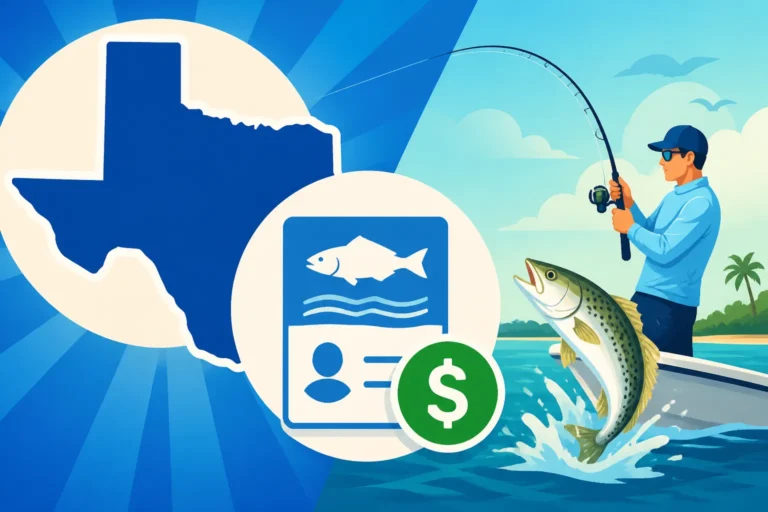
The cost of the Texas Saltwater Endorsement itself is quite affordable, usually adding just a few extra dollars to your total license purchase. For example, in recent years, the endorsement might cost around $10 for residents when added to a general fishing license. Non-residents would pay a similar add-on fee to their non-resident license. This fee is a small price to pay for access to some of the finest coastal fishing in the country and knowing you're contributing to its preservation. It's worth noting that the total price for your license will depend on whether you are a resident or non-resident, your age, and if you opt for a specific combination license like the All-Water Fishing Package.
Beyond the endorsement fee itself, you might encounter some additional administrative charges. When purchasing online through the TPWD website, a small online transaction fee is typically applied. Similarly, retailers often add a modest service fee to cover their processing costs. These fees are usually just a dollar or two and are clearly disclosed at the time of purchase. For a full breakdown of potential additional costs, especially when buying online, check out our article on Texas Online License Purchase Fees. It’s always a good idea to factor these small charges into your budgeting when planning your fishing trip. Remember, all Texas fishing licenses, including the saltwater endorsement, are valid from September 1st of one year through August 31st of the next, regardless of when you purchase them. This means if you buy your license in June, it will still expire on August 31st of that same year, so plan your purchase accordingly. Our guide on When does a Texas fishing license expire can help you understand the annual cycle.
Where the Saltwater Endorsement Applies
Knowing that you need the saltwater endorsement is one thing, but knowing precisely where it applies can sometimes be a bit of a gray area, especially when you're exploring the transition zones between freshwater and saltwater.
Defining Texas Saltwater Boundaries
The Texas Saltwater Endorsement is required for fishing in all public waters classified as "saltwater" by the state. This encompasses an enormous and incredibly diverse range of aquatic environments, from the vast expanse of the Gulf of Mexico to our intricate system of bays and estuaries. Popular destinations like Galveston Bay, Matagorda Bay, Aransas Bay, Corpus Christi Bay, and the legendary Laguna Madre are prime examples of areas where the endorsement is unequivocally necessary. These bay systems are the nurseries and feeding grounds for many popular species like redfish and speckled trout, and they are critical for the health of our marine ecosystems. If you're planning a trip to these fantastic coastal areas, consider checking out our guide to the Best Texas Gulf Coast Fishing Spots for some prime locations.
The endorsement also applies to all coastal rivers and streams that are tidally influenced and contain saltwater fish species, as well as the Intracoastal Waterway. Essentially, if you are within earshot of the ocean or perceive any tidal flow, it’s safe to assume you are in saltwater territory. Even jetties extending into the Gulf, or beachfront access points where waves are breaking, fall under the saltwater classification. It's not necessarily about the exact salinity level you measure with a refractometer, but rather the type of habitat and the species of fish that typically inhabit it.
Common Areas of Confusion
One of the most frequently asked questions revolves around fishing in tidal rivers far upstream. For instance, the lower stretches of the Trinity River or the Brazos River are indeed tidally influenced, and saltwater species like redfish, flounder, and even bull sharks can push many miles inland. If you're targeting or catching these types of marine species in such areas, even if the water tastes mostly fresh, the saltwater endorsement is required. The key isn't necessarily the visible salt content, but the presence of saltwater game fish. If you land a redfish in a river, you'd better have that endorsement.
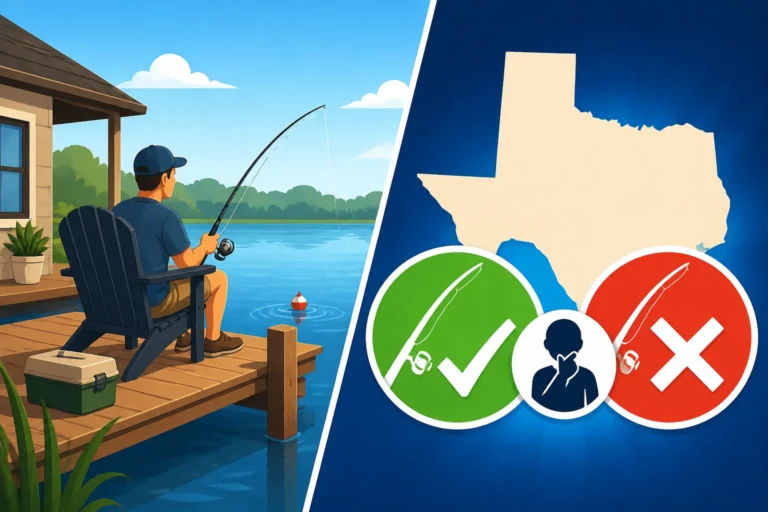
Another area of confusion can be artificial ponds or private lakes that are very close to the coast. While private waters generally don't require a public fishing license, if these ponds are fed by tidal creeks or are stocked with saltwater species, it can create a legal gray zone. Always check with the property owner or local regulations if you're unsure. The Texas Parks and Wildlife Department makes a clear distinction: if the water is public and contains marine life you're targeting, the endorsement is needed. Lastly, while it’s a freshwater exception, many anglers ask about Lake Texoma Fishing License Rules – it’s a popular border lake with Oklahoma, but its special reciprocal license rules are for freshwater species and do not involve the Texas saltwater endorsement. It's a separate issue entirely, but often comes up when discussing unique license situations in Texas.
Consequences of Fishing Without an Endorsement
Fishing without the proper license and endorsement might seem like a small oversight to some, but the Texas Parks and Wildlife Department takes these regulations seriously. The consequences can be far more disruptive and costly than the small fee for the endorsement itself.
Penalties and Fines
Let me tell you, Texas Game Wardens are out there, they are diligent, and they are experts at spotting anglers who might be bending the rules. Getting caught fishing without a required saltwater endorsement, even if you have a general fishing license, is treated as a Class C misdemeanor. While it might not sound as severe as some other legal infractions, the fines can be significant. You could be looking at penalties ranging from $25 to $500, plus court costs. That's a lot more than the $10 or so the endorsement would have cost you! Imagine paying over $100 in fines and fees just because you didn't spend ten minutes and ten dollars on the right paperwork.
Beyond the monetary penalty, there's the inconvenience and embarrassment. Your fishing trip will undoubtedly be cut short, and you'll likely face a stern lecture from a game warden. In some cases, depending on the circumstances, your fishing gear or the fish you've caught could potentially be confiscated. It's just not worth the risk. It's a much better feeling to know you're fully compliant, able to enjoy your time on the water without the constant worry of a game warden pulling up. Our article on the Penalties for Fishing Without a Texas License dives deeper into the legal ramifications of non-compliance, and it's definitely worth a read.
Impact on Conservation Efforts
The financial penalties are just one aspect of the consequences. More broadly, fishing without the necessary endorsements undermines the very conservation efforts that make Texas a world-class fishing destination. Every dollar collected from license and endorsement sales goes directly into the Texas Parks and Wildlife Department's coffers, funding critical programs. This includes scientific research into fish populations, habitat restoration, fish stocking, public access projects, and enforcement efforts that keep our waters healthy and abundant.
When anglers bypass the system, they are essentially taking advantage of resources without contributing their fair share to their upkeep. This leads to a shortfall in funding, which can directly impact the ability of TPWD to manage our coastal fisheries effectively. Less funding might mean fewer fish stocked, less research on declining populations, or slower responses to environmental threats. Our magnificent coastal ecosystems, home to species like redfish and speckled trout, are incredibly valuable, and it's up to all of us to ensure they thrive. Being a responsible angler means understanding and adhering to these regulations, not just to avoid a fine, but to actively participate in the stewardship of our natural resources.
Important Considerations and Tips
Now that we've covered the ins and outs of the Texas Saltwater Endorsement, let's talk about some practical advice to ensure your coastal fishing adventures are both legal and enjoyable.
Always Check Current Regulations
Texas fishing regulations are not static; they change from year to year, and sometimes even within a season, especially for specific species. It is absolutely imperative that before every fishing trip, you consult the current Texas Parks and Wildlife Department Outdoor Annual. This isn't just a suggestion; it's a fundamental part of responsible angling. Bag limits, length limits, and even specific seasons for certain fish (like the temporary closure for flounder) can vary, and what was legal last year might not be this year. Our detailed guide on Texas Saltwater Fishing Regulations is an excellent resource for understanding these rules, but nothing beats the official annual.
Remember that having your endorsement only allows you to attempt to catch saltwater fish; it doesn't exempt you from adherence to specific bag and length limits. For instance, there are strict rules for how many redfish you can keep and what their size must be. The same goes for prized speckled trout. Always know the current Texas Fish Bag and Length Limits for the species you're targeting. For example, if you're chasing redfish, you need to know the slot limit – how many you can keep and their acceptable length. Being informed is your best defense against inadvertently breaking the law and ensures that you're contributing to sustainable fishing practices. Beyond regulations, consider your gear. Saltwater fishing is tough on equipment, so invest in corrosion-resistant reels and quality line. You can find excellent options for saltwater reels and specialized lines on Amazon that are built to withstand the harsh marine environment.
Planning Your Texas Coastal Adventure
A successful saltwater fishing trip in Texas starts long before you cast your first line. Researching the specific fish species you want to target is crucial. Are you hoping for a trophy redfish, a limit of speckled trout, or maybe some delicious flounder? Each species has its preferred habitats, feeding patterns, and best times of year to catch them. For instance, knowing the current Texas Redfish Size and Bag Limits or Texas Speckled Trout Bag Limits will directly influence your approach and what gear you bring. Understanding the seasons and typical behavior of these fish will greatly improve your chances of success.
If you're new to saltwater fishing or the Texas coast, consider hiring a local fishing guide. They are intimately familiar with the waters, current conditions, and regulations, and can dramatically increase your chances of a memorable trip. Many guides even handle the licensing questions for their clients. Finally, don't forget the practical essentials. The Texas sun can be intense, especially on the water. Good quality polarized sunglasses are a must for spotting fish and protecting your eyes; you'll find a wide selection of top brands on Amazon. Sunscreen, a wide-brimmed hat, and appropriate clothing are also vital for comfort and safety. Proper preparation ensures your focus remains on the thrill of the catch, not on sunburn or legal woes.
Texas Saltwater Fishing License Requirements at a Glance
For quick reference, here's a simple breakdown of common license scenarios regarding the Texas Saltwater Endorsement:
| Angler Type | Basic Fishing License Needed? | Saltwater Endorsement Needed? | Notes |
|---|---|---|---|
| Texas Resident (17-64 years old) | Yes | Yes | Required for fishing in public saltwaters. |
| Texas Resident (65+ years old, born after 1931) | Yes (Senior License) | Yes (often included) | Discounted senior license typically includes the endorsement, but always verify. |
| Texas Resident (Born before Jan 1, 1931) | No | No | Exempt from all license and endorsement requirements. |
| Non-Resident (17+ years old) | Yes | Yes | Required for non-residents fishing in public saltwaters. |
| Angler Under 17 years old | No | No | Fully exempt from all license and endorsement requirements. |
| Disabled Veteran (TX resident) | No (Free License) | No (often included) | Eligible for a free license that typically covers both freshwater and saltwater. |
| Fishing on Texas Free Fishing Day | No | No | Specific designated days, but bag/length limits still apply. Check TPWD dates. |
Disclaimer
The information provided in this guide is for general informational purposes only and does not constitute legal advice. While we strive to keep the information accurate and up-to-date, Texas fishing regulations are subject to change by the Texas Parks and Wildlife Department (TPWD). Always consult the official TPWD Outdoor Annual or website for the most current and authoritative regulations before engaging in any fishing activity. Non-compliance with fishing laws can result in fines and penalties.