Best Texas Gulf Coast Fishing Spots
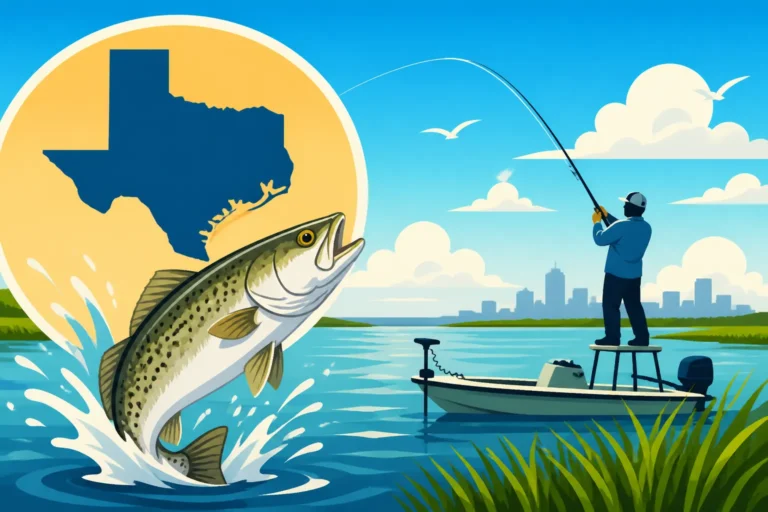
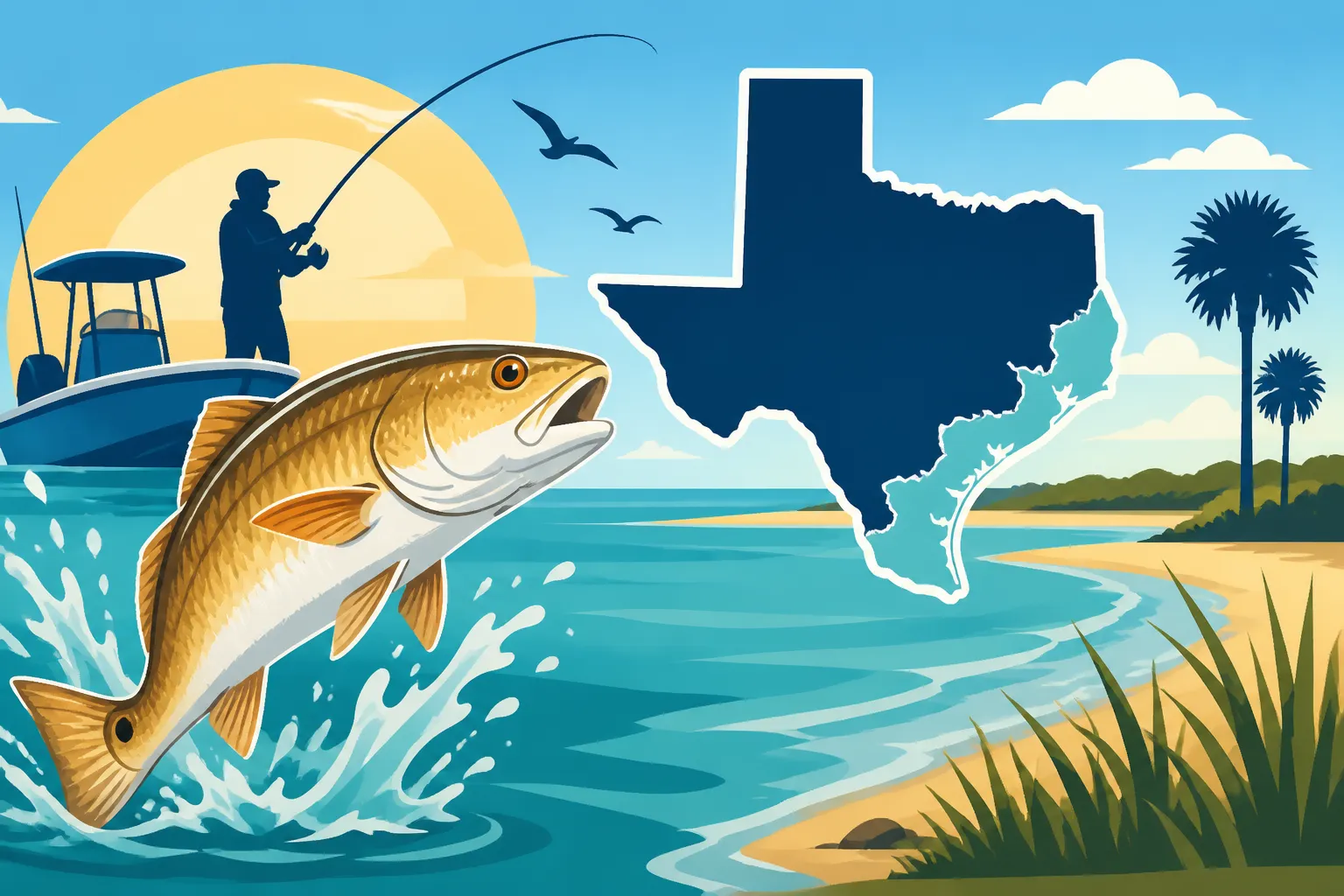
Oh, the vastness of the Texas Gulf Coast! It's a truly incredible place, but let's be real: trying to figure out where to even start fishing can feel like trying to find a needle in a haystack, especially if you're not a seasoned local. With hundreds of miles of coastline, sprawling bay systems, and countless channels, knowing the truly productive spots can make all the difference between a frustrating blank and a day to remember. This comprehensive guide is here to cut through the confusion and lead you straight to the best Texas Gulf Coast fishing spots, breaking down each major area so you can plan your next saltwater adventure with confidence.
The Allure and Challenge of Texas Gulf Coast Fishing
The Texas Gulf Coast is a unique and vibrant ecosystem, a sprawling network of bays, estuaries, barrier islands, and open Gulf waters that beckon anglers from all walks of life. But don't let its beauty fool you; fishing here comes with its own set of challenges, from ever-changing tides and weather patterns to navigating vast, shallow flats. Understanding what makes this fishery tick is the first step to consistent success.
Diverse Habitats and Target Species
What truly sets the Texas Coast apart is its incredible diversity of habitats. We've got everything from muddy bottom bays, teeming with nutrient-rich estuaries where juvenile fish thrive, to crystal-clear grass flats perfect for sight-casting. Then there are the passes and jetties, acting like funnels for migrating baitfish and predatory species, and finally, the vast open waters of the Gulf, home to larger, pelagic species.
This variety of environments means an incredible array of target species. Inshore, you're primarily chasing the "Big Three": the hard-fighting Texas Redfish Size and Bag Limits, the elusive and aggressive Texas Speckled Trout Bag Limits, and the cunning Texas Flounder Season and Limits which migrate through the passes. But don't forget about black drum, sheepshead, and various panfish that can offer fantastic light tackle action. Head offshore, and the game changes entirely to snapper, kingfish, mahi-mahi, and even billfish depending on the season and how far out you venture. Each species has its preferred habitat, meaning a successful angler learns to "read" the water and structure.
The Dynamic Nature of Coastal Fishing
Unlike a relatively stable freshwater lake, the Texas Gulf Coast is a constant dance of tides, currents, wind, and salinity. These factors don't just influence where the fish are; they dictate how, when, and with what you should be fishing. A strong incoming tide can push baitfish into shallow guts, making them easy targets for hungry redfish. A stiff northerly wind can blow water out of a bay, concentrating fish in deeper channels. Understanding these dynamics is crucial.
The weather here can be notoriously fickle, too. One minute it's calm and sunny, the next a squall rolls in. Extreme heat in summer means early morning or late evening fishing is often best, while winter cold fronts can shut down the bite, pushing fish into deeper, more stable waters. It’s a constant learning curve, and even the most experienced guides are always adapting. The key is to be flexible, observe the conditions, and be willing to adjust your game plan on the fly.
Essential Regulations and Licenses
Before you even cast a line, you absolutely need to make sure you're squared away with the Texas Parks and Wildlife Department (TPWD) regulations. Trust me, game wardens are out there, and ignorance is no excuse for a hefty fine. First and foremost, almost everyone needs a valid Texas Fishing License Requirements Explained. If you're planning on fishing in saltwater, you'll also need a Texas Saltwater Endorsement Explained added to your license. There are specific exemptions, like for minors under 17 or those born before certain dates, but for the vast majority of us, a license is mandatory.
Beyond the license itself, you've got to know the rules for the specific fish you're targeting. This includes daily bag limits (how many fish you can keep), possession limits (how many fish you can have in your cooler or at home), and length limits (the minimum and sometimes maximum size of fish you can keep). These regulations are designed to protect fish populations and ensure healthy fishing for future generations. Always check the current Texas Saltwater Bag Limits by Species before you head out, as they can change seasonally or year to year. It's really helpful to download the official Outdoor Annual app on your phone; it's a lifesaver for checking regulations on the water.
Galveston Bay Complex: Near Houston's Doorstep
For many anglers, especially those living in or visiting the Houston metro area, the Galveston Bay Complex is their gateway to saltwater fishing. It's enormous, covering over 600 square miles, and offers incredibly diverse fishing opportunities, from the busy jetties to secluded back lakes.
East Bay and West Bay: Speckled Trout and Redfish Haven
Within the larger Galveston Bay system, East Bay and West Bay are often considered prime targets. East Bay, fed by numerous bayous and marsh drains, is a phenomenal area for speckled trout, particularly during the cooler months when they school up in deeper guts and channels. Look for active bird plays – gulls diving into the water are often a dead giveaway that baitfish are being pushed to the surface by hungry trout and redfish. Drifting with live shrimp under a popping cork or throwing soft plastics like a Down South Lures Super Model in a natural color are tried-and-true methods here.
West Bay, on the other hand, tends to be shallower and features more expansive grass flats, making it a redfish paradise. Areas around Greens Lake, Carancahua Reef, and the many smaller islands and spoil banks provide excellent ambush points for reds cruising for an easy meal. Wade fishing with topwaters during calm mornings or throwing weedless spoons and soft plastics around marsh edges can be incredibly productive. Keep an eye out for "tailing" redfish in ultra-shallow water – that's when their tails break the surface as they root for food on the bottom. It's a thrill to sight cast to them!
Galveston Jetties and San Luis Pass: Deep Water Action
If you're looking for bigger fish and don't mind a bit more current, the Galveston Jetties are an iconic Texas fishing spot. These massive rock structures extend miles into the Gulf, creating a highway for all sorts of marine life. Here, you'll find everything from bull redfish and large speckled trout to kingfish, Spanish mackerel, flounder, and even sharks. Live bait, especially shrimp, mullet, or croaker, fished on the bottom or under a free-lined cork, is incredibly effective. Artificials like spoons, heavy jigs, and even large soft plastics can also draw strikes.
Further down the coast, where Galveston Island meets the mainland, is San Luis Pass. This dynamic pass is famous for its strong currents and holds a reputation as a flounder hotspot, especially during the fall migration when they move from the bays to the Gulf. Fishing the drop-offs and eddies with live mud minnows or Gulp! shrimp on a jig head is a surefire way to hook into a flatfish. Just be incredibly mindful of the strong currents; they can be dangerous, especially for wade fishermen.
Wade Fishing and Kayak Exploration in the Back Lakes
The Galveston Bay Complex also offers fantastic opportunities for those who prefer to explore on foot or by paddle. Countless shallow back lakes, bayous, and marsh ponds are tucked away behind the main bay, often inaccessible to larger boats. These areas provide incredible solitude and some of the best fishing for redfish and smaller speckled trout.
When wade fishing, safety is paramount. Always shuffle your feet to avoid stepping on stingrays, wear appropriate footwear to protect against oyster shells, and carry a wade staff for stability and probing the bottom. A good fishing backpack or stringer is essential for holding your catch and tackle. For kayakers, the shallower drafts mean you can get into places larger boats can't, allowing you to quietly stalk fish in pristine environments. Just imagine paddling through glass-calm water as the sun rises, casting to waking fish. It's truly magical. For those interested in this niche, you might find some useful tips in a guide about Best Kayaks for Texas Saltwater Flats.
Matagorda Bay System: A Gem for Experienced Anglers
Moving southwest from Galveston, you'll encounter the Matagorda Bay System, a vast and somewhat more remote complex known for its less crowded waters and excellent fishing. This area often rewards anglers willing to put in a little extra effort.
East Matagorda Bay: Pristine and Productive
East Matagorda Bay is often considered a jewel among Texas bay systems. It's a large, relatively shallow bay with extensive grass flats and oyster reefs, providing prime habitat for speckled trout and redfish. Because it's a bit further off the beaten path than Galveston, it tends to see less fishing pressure, leading to some truly memorable catches.
Anglers here often favor drifting across the mid-bay reefs and scattered shell pads, throwing soft plastics, or suspending live shrimp under a popping cork. During the warmer months, working topwater lures over the grass flats at dawn or dusk can produce explosive strikes from aggressive trout and redfish. When the weather gets colder, focusing on deeper guts, channels, and cuts near the Intracoastal Waterway (ICW) can pay off, as fish seek more stable water temperatures. East Matagorda requires a bit of local knowledge or good navigation skills due to its vastness and numerous subtle features, but the rewards are well worth it.
West Matagorda Bay and Espiritu Santo Bay: Remote Adventures
West Matagorda Bay and its connected Espiritu Santo Bay offer an even more remote and wilderness-like fishing experience. These bays are largely undeveloped, surrounded by extensive marshland, and can be challenging to navigate without proper charts or a GPS. However, for those who seek solitude and unspoiled fishing, this is a paradise.
These bays are crisscrossed with numerous shallow guts, oyster lakes, and expansive mud flats. Redfish absolutely thrive in these environments, often found cruising the shallow edges of the marshes or tailing in less than a foot of water. Speckled trout also frequent the deeper channels and the edges of the main bay. Due to the clarity and shallowness of some areas, sight casting here can be exceptional. Many anglers prefer to wade fish these bays, as it allows for a stealthy approach and the ability to cover more ground along productive edges. Just remember, remote means less help if something goes wrong, so go prepared and let someone know your float plan.
Pass Cavallo: A Crucial Waterway for Migration
Connecting West Matagorda Bay to the Gulf of Mexico is Pass Cavallo, a historically significant and incredibly productive pass. This is a major thoroughfare for baitfish and game fish moving between the bay and the Gulf, making it a perennial hotspot.
Like San Luis Pass, Pass Cavallo experiences strong currents, which can be fantastic for fishing but also require caution. You'll find a wide variety of species here, including large speckled trout, bull redfish, flounder, and often migratory species like Spanish mackerel or even tarpon during their seasonal movements. Fishing the eddies, current breaks, and drop-offs with live bait is highly effective. The jetties and rock structures around the pass also concentrate fish, offering opportunities for both boat and shore anglers where access allows. For those keen on specifics about this area, delving into Texas Saltwater Fishing Techniques could provide some valuable insights.
Aransas Bay and Rockport Area: The "Fishing Capital of Texas"
When people talk about the heart of Texas saltwater fishing, often their thoughts turn to Rockport and the surrounding Aransas Bay complex. Known for its clear waters, abundant grass flats, and excellent fishing guides, it truly lives up to its "Fishing Capital" moniker.
Rockport's Famous Shallow Water Flats
The areas around Rockport, including the famous Estes Flats and the extensive grass beds within Aransas Bay itself, are legendary for their shallow water fishing. This is prime territory for sight casting to redfish and speckled trout, especially during calm conditions when the water is clear.
Wade fishing is king here. Anglers spend hours slowly working the flats, looking for nervous water, baitfish activity, or the tell-tale "push" of a redfish moving through the shallows. Topwater lures are incredibly exciting in these conditions, as you can often see the fish track your lure before exploding on it. Soft plastics, like paddle tails or shrimp imitations rigged weedless, are also staples. The clarity of the water allows for a more visual style of fishing, which is incredibly rewarding. Just remember to move slowly and deliberately to avoid spooking fish.
Copano Bay and Mesquite Bay Exploration
Adjacent to Aransas Bay, Copano Bay and Mesquite Bay offer slightly different but equally productive fishing experiences. Copano Bay is a larger, more open bay with extensive oyster reefs, making it a fantastic speckled trout fishery. The reefs provide structure and ambush points, attracting baitfish and hungry trout. Drifting with live shrimp or artificials over these reefs is a popular and effective technique.
Mesquite Bay, on the other hand, is a shallower, more protected bay, characterized by vast mud flats and marsh edges. This is redfish country, pure and simple. Similar to the more remote bays, it's perfect for stealthy approaches, whether by kayak, wade fishing, or shallow-draft boat. You'll often find groups of redfish foraging in the shallows, particularly on an incoming tide. These bays are less developed, offering a more tranquil and natural fishing experience.
Aransas Pass and Lydia Ann Channel: Access to the Gulf
Aransas Pass is the primary natural inlet connecting the Aransas Bay system to the Gulf of Mexico, making it a bustling hub for both recreational and commercial traffic. The deep waters and strong currents here create phenomenal fishing opportunities. The jetties flanking Aransas Pass are a major draw, offering opportunities similar to Galveston's jetties for bull redfish, kingfish, trout, and more.
The Lydia Ann Channel, which runs parallel to San Jose Island and connects to Aransas Pass, is another crucial waterway. Its deep cuts and spoil islands attract a wide range of species. Many guides will work the edges of this channel, especially during tidal changes, looking for feeding fish. Live bait is always a good bet here, but skilled anglers can also find success with heavy jigs and diving crankbaits targeting deeper-holding fish. This area is also a major launching point for offshore charters, offering access to deeper waters where you might chase snapper, grouper, or even pelagic species. If you're considering a trip out, platforms like FishingBooker can help you find reputable captains operating out of Port Aransas.
Corpus Christi Bay and Upper Laguna Madre: Trophy Trout Territory
Continuing south, we arrive at the Corpus Christi Bay and Upper Laguna Madre region, an area legendary for its potential to produce truly enormous speckled trout. This unique hypersaline environment is a bucket-list destination for many serious saltwater anglers.
Baffin Bay: The Legend of Giant Speckled Trout
Baffin Bay is not just a bay; it's a legend. Known globally for its monster speckled trout, it's a relatively shallow, rock-bottomed bay that maintains a higher salinity than most other bay systems. This unique environment contributes to the growth of truly giant "gator" trout, often exceeding 30 inches.
Fishing Baffin Bay requires specific techniques and a good understanding of its unique structure. The bay is characterized by extensive rock formations and "K-Baffles" (petrified worm reefs) which provide crucial habitat and ambush points for large trout. Live croaker is a highly favored bait during the warmer months, fished slowly over the rocks. Large topwater lures and suspending twitch baits are also incredibly effective, especially when targeting those trophy-class fish. It's not uncommon to hear stories of anglers spending years here trying to land that one, elusive giant trout. This is definitely not a beginner's bay, but the rewards can be monumental.
The Land Cut and Intracoastal Waterway: Navigation and Hotspots
Connecting the Upper and Lower Laguna Madre is the Land Cut, a man-made channel that is part of the larger Intracoastal Waterway (ICW). While primarily a navigational channel for boats, the Land Cut itself and its surrounding areas are fantastic fishing grounds.
The deep, relatively stable waters of the Land Cut can hold large schools of speckled trout and redfish, especially during extreme temperature swings when fish seek refuge in deeper, more consistent conditions. The spoil islands that line the ICW, created from the dredging process, provide excellent structure and current breaks. Anglers will often target the lee side of these islands or fish the drop-offs along the channel edges. It's also a major migratory route, so you might encounter a variety of species moving through. Kayak anglers especially love exploring the smaller cuts and shallow flats branching off the main channel, which often hold unpressured fish.
Port Aransas Jetties and Offshore Charters
Port Aransas, located at the mouth of Aransas Pass and just north of Corpus Christi Bay, serves as a major hub for fishing on the Middle Texas Coast. The Port Aransas jetties, extending far into the Gulf, are a highly productive spot for all the usual jetty suspects: bull reds, kingfish, Spanish mackerel, and more. Live bait is always a top producer, but casting spoons and heavy jigs can also yield impressive results.
Beyond the jetties, Port Aransas is a renowned launch point for offshore fishing charters. If you're dreaming of battling powerful kingfish, landing impressive red snapper (during their open season), or even chasing mahi-mahi and wahoo further out, this is an excellent place to book a trip. Many experienced captains operate out of Port Aransas, and searching platforms like FishingBooker can help you find the perfect charter to fit your offshore ambitions. They know the wrecks, reefs, and oil rigs that hold the big fish.
Lower Laguna Madre and South Padre Island: Southernmost Flats Fishing
At the very southern tip of Texas lies the Lower Laguna Madre, an incredibly unique and globally significant hypersaline lagoon. This area, particularly around South Padre Island, is famous for its crystal-clear water and world-class sight casting opportunities.
South Padre Island Flats: Clear Water and Sight Casting
The Lower Laguna Madre is truly a sight fisherman's paradise. The water here is often remarkably clear, especially compared to the typically greener or more turbid waters of the northern bays. This clarity allows anglers to spot redfish, speckled trout, and even snook cruising the extensive grass flats.
Wade fishing and kayak fishing are immensely popular here because they offer the stealth required for sight casting. Anglers slowly stalk the flats, looking for any sign of fish – a tail, a wake, or even the subtle shadow of a fish moving over the grass. Once a fish is spotted, a precise cast with a weedless spoon, soft plastic, or even a fly can lead to an exciting hook-up. The sheer visual thrill of watching a redfish track and then engulf your lure in clear water is an experience every angler should have. The grass flats here are vast and sometimes challenging to navigate, but the rewards of catching fish in such pristine conditions are unforgettable.
Port Isabel and the Arroyo Colorado: Access Points and Fish Factories
Port Isabel, located just across the causeway from South Padre Island, serves as a primary access point to the Lower Laguna Madre. It's a bustling fishing town with marinas, bait shops, and charter operations that cater to anglers looking to explore the southern reaches of the bay.
The Arroyo Colorado, a river that feeds into the Lower Laguna Madre, is another key area. Its deeper channels and surrounding marsh provide excellent habitat, especially during cold fronts when fish move into the more stable, warmer waters of the river. You'll find a mix of redfish, speckled trout, and sometimes even snook here, particularly in the lower reaches of the arroyo. Fishing the numerous boat docks and cuts along the Arroyo Colorado with live shrimp or artificials can be incredibly productive. It's a fantastic spot for both boat and bank anglers seeking consistent action.
Nearshore and Offshore Options from SPI
South Padre Island isn't just about the flats; it also provides excellent access to nearshore and offshore fishing opportunities. Just off the beaches, anglers can find opportunities for pompano, whiting, and Spanish mackerel, particularly in the surf. Casting spoons or pompano jigs from the beach or a pier can yield a delicious meal.
For those looking to venture further, charter boats operating out of Port Isabel and South Padre Island can take you to deeper waters in the Gulf. The offshore fishing here is fantastic for snapper, grouper, kingfish, and even some pelagic species. The proximity to warmer waters also means a higher chance of encountering species like snook and tarpon seasonally, adding an exciting dimension to the fishing experience. Booking a trip through a service like FishingBooker can connect you with local experts who know the best offshore spots and techniques for this unique southern Texas fishery.
Essential Gear and Techniques for Gulf Coast Success
Having the right tools for the job is paramount when tackling the Texas Gulf Coast. The saltwater environment is harsh, and the fish are strong, so reliable gear makes all the difference.
Rods, Reels, and Line for Saltwater Challenges
When it comes to rods and reels, you'll want durable, corrosion-resistant setups. For most inshore bay fishing (redfish, trout, flounder), a 7-foot medium-heavy spinning rod paired with a 2500-4000 series reel is a versatile choice. This setup provides enough backbone to fight powerful redfish but is sensitive enough for speckled trout. Brands like Penn, Shimano, and Daiwa offer excellent saltwater-specific options that can withstand the elements.
For line, 10-20 lb braided line is generally preferred for its strength, sensitivity, and casting distance, especially when throwing artificials. I often use 15lb braid on my inshore setups. However, braid is visible to fish, so always tie a 2-3 foot leader of 20-30 lb fluorocarbon. Fluorocarbon is nearly invisible underwater and is much more abrasion-resistant, which is crucial around oyster shells and jetties. For bigger fish on the jetties or offshore, you'll scale up to heavier rods, reels, and line, sometimes using conventional (baitcasting) reels for more power. More detailed information can be found in a guide on Best Rods for Texas Saltwater Redfish.
Best Baits, Lures, and Rigs for Coastal Species
The choice of bait and lures on the Texas Coast is vast, but some stand out as consistent producers:
- Live Bait: Live shrimp under a popping cork is arguably the most effective all-around bait for speckled trout and redfish in the bays. Live mullet, croaker, and mud minnows are also excellent, especially for larger fish. Fished on a Carolina rig or free-lined, they're hard to beat.
- Soft Plastics: These are the workhorses of artificials. Paddle tail grubs (like those from Down South Lures or Saltwater Assassin), shrimp imitations (like Gulp! Shrimp), and jerk shads are incredibly versatile. Rig them on jig heads (1/8 to 1/4 oz is common inshore) or weedless for fishing grass. Popular colors include chartreuse, white, plum, and various natural baitfish patterns.
- Topwater Lures: Think Heddon Super Spook, MirrOlure MirrO-Lure, or Rapala Skitter Walk. These are best in low-light conditions (dawn/dusk) or overcast days, worked over shallow flats. The explosive strikes are addicting!
- Spoons: Gold or silver weedless spoons (like a Johnson Silver Minnow) are fantastic for redfish, especially in grassy areas. They cast a mile and don't pick up much grass.
- Jigs: Bucktail jigs or soft plastic-tipped jigs are excellent for targeting flounder around passes and channels, or larger trout and redfish in deeper water.
A basic tackle box for the Texas Coast would include a variety of jig heads, popping corks, swivels, leader material, and a selection of soft plastics, a topwater, and a spoon. You can dive deeper into specific choices in a guide on Best Tackle for Texas Saltwater Wade Fishing.
Navigation and Safety on Texas Bays
The Texas Bays, while beautiful, can be notoriously shallow and tricky to navigate, especially for newcomers. A reliable GPS unit with detailed mapping is not just a luxury; it's a necessity. Many shallow-running bay boats are equipped with jack plates to raise the engine and minimize draft, but even then, running aground is a common occurrence. Always pay attention to channel markers, oyster reefs, and sudden depth changes.
Safety equipment is also critical. Ensure you have enough Texas Life Jacket Requirements for Boats for everyone on board, a whistle or horn, and a fire extinguisher. A well-stocked first-aid kit is always a good idea. Inform someone of your float plan (where you're going and when you expect to return). The vastness of the bays means help can be a long time coming if you break down or get into trouble. Having a marine radio or a fully charged cell phone (in a waterproof case) is also smart.
Maximizing Your Coastal Fishing Trip
To truly make the most of your Texas Gulf Coast fishing adventure, a little extra planning and understanding go a long way.
Timing Your Visit: Understanding Seasonal Patterns
The Texas Coast truly fishes year-round, but what you target and how you do it changes dramatically with the seasons:
- Spring (March-May): This is a fantastic time as water temperatures rise, igniting the bite. Speckled trout move onto shallow flats to feed aggressively, and redfish are active. Flounder are also present before the summer heat. This is often considered one of the most consistent fishing periods.
- Summer (June-August): Hot, hot, hot! Fishing often means early mornings, late evenings, or even night fishing to avoid the oppressive midday heat. Trout will often move to deeper guts, channels, and near passes. Redfish can still be found in the shallows but might be less active. Offshore fishing for snapper, kingfish, and mahi-mahi is in full swing.
- Fall (September-November): Many consider fall to be the absolute best time for inshore fishing. The "flounder run" sees these flatfish migrating out of the bays and into the Gulf, creating incredible gigging and fishing opportunities. Redfish school up in huge numbers, leading to massive "bull red" runs in the passes and nearshore Gulf. Trout are also aggressively feeding before winter.
- Winter (December-February): Cooler temperatures can concentrate fish in deeper, more stable waters like the Intracoastal Waterway, bayou mouths, and deep channels. This is a prime time for targeting large speckled trout and redfish on calm, sunny days. Cold fronts can shut down the bite, but post-front, stable weather can lead to some incredible action as fish become hungry again.
| Bay System | Primary Species | Best Fishing Seasons | Key Characteristics |
|---|---|---|---|
| Galveston Bay Complex | Trout, Redfish, Flounder, Kingfish | Spring, Fall, Summer (offshore) | Large, varied, busy, proximity to Houston |
| Matagorda Bay System | Trout, Redfish, Flounder | Spring, Fall, Winter | More remote, vast grass flats, productive |
| Aransas Bay Area | Trout, Redfish, Flounder, Tarpon | Spring, Fall, Summer | "Fishing Capital," clear flats, extensive reefs |
| Corpus Christi Bay/Upper Laguna Madre | Trophy Trout, Redfish, Flounder | Fall, Winter, Spring | Hypersaline, clear water, Baffin Bay monster trout |
| Lower Laguna Madre/South Padre | Redfish, Trout, Snook | Year-round, especially Fall/Spring | Crystal clear flats, sight casting, tropical species |
Hiring a Local Guide or Charter
Especially for your first few trips to a new bay system, or if you're looking to target a specific species or type of fishing, hiring a local guide or charter captain is one of the smartest investments you can make. These professionals spend hundreds of days a year on the water; they know the local hot spots, the seasonal patterns, the best baits and lures, and how to navigate the trickiest waters.
A good guide doesn't just put you on fish; they teach you how to fish the local waters, offer tips on techniques, and provide all the necessary gear. For offshore trips, a charter is almost essential due to the specialized boats and equipment required. Platforms like FishingBooker make it easy to find and book reputable guides and charters across the entire Texas Gulf Coast, often with reviews and photos to help you choose the right fit for your trip. They can save you countless hours of trial and error and significantly increase your chances of a successful and enjoyable day on the water.
Conservation and Responsible Angling
Finally, as stewards of this incredible natural resource, responsible angling is paramount. Always adhere to all Texas Fishing License Requirements Explained and regulations, including bag and length limits. If you're planning to release fish, learn proper catch-and-release techniques to maximize their survival chances. Handle fish gently, minimize their time out of water, and use appropriate dehooking tools.
Avoid polluting the waters with trash, fishing line, or plastics. Consider using circle hooks when live baiting, as they often result in a hook-up in the corner of the fish's mouth, reducing gut-hooking. By practicing ethical and sustainable fishing, we can all contribute to ensuring that the Texas Gulf Coast remains a world-class fishing destination for generations to come.
Disclaimer
Please be aware that fishing regulations, conditions, and fish populations can change. Always consult the official Texas Parks and Wildlife Department (TPWD) website or the Outdoor Annual app for the most current and accurate information before heading out on any fishing trip. Safety should always be your top priority.