Texas Fishing License Requirements Explained
The vibrant waters of Texas, from the sprawling freshwater lakes to the bountiful Gulf Coast, call to anglers year-round. However, diving into the fishing action without understanding the proper licensing can quickly turn a relaxing day into a stressful encounter with a game warden. Many folks get tangled up in the nuances of who needs a license, which type, and when. This comprehensive guide will untangle all those lines, walking you through every aspect of Texas fishing license requirements to ensure your next outing is completely compliant and worry-free.
The Basics of Texas Fishing Licenses
Before we cast our lines too far, let's lay down the groundwork for what a Texas fishing license is and why it's such an integral part of responsible angling in the Lone Star State. It's not just a piece of paper; it's your ticket to enjoying our natural resources while contributing to their preservation.
Why Do We Even Need a Fishing License?
It might feel like just another fee, but the money generated from fishing license sales in Texas is absolutely crucial for the health and sustainability of our aquatic ecosystems. These funds directly support the Texas Parks and Wildlife Department (TPWD) in their vital conservation efforts. Think about it: that license fee helps fund fish stocking programs, ensuring our lakes and rivers remain teeming with popular species like largemouth bass and catfish. It also supports habitat restoration projects, improving water quality and providing safe havens for fish to thrive.
Beyond that, your license dollars contribute to enforcement of fishing regulations, which is essential for preventing overfishing and protecting vulnerable species. Without these funds, our beloved fishing spots could quickly become depleted or degraded, ruining the experience for everyone. So, while you might grumble a bit at the cost, remember you're investing directly into the future of Texas fishing. It’s a collective effort to keep our waters vibrant and full of life for generations of anglers.
General Age Requirements for Anglers
One of the most common questions new anglers or families have is about age. Who exactly needs a license based on their age? In Texas, the rules are fairly straightforward: if you are 17 years of age or older, you generally need a valid fishing license to fish in public waters. This applies whether you're a resident or a non-resident.
However, there's good news for the younger crowd and some of our seasoned veterans. Children under 17 years old are exempt from the fishing license requirement. That means if you're taking your kids or grandkids out, they can fish without needing to purchase their own license. It’s a fantastic way to introduce them to the sport without an extra financial barrier. Similarly, there are specific exemptions for older residents, which we’ll delve into shortly. Knowing these age cut-offs is your first step to being compliant and avoiding any unnecessary purchases or fines. If you're wondering, "Can kids under 17 fish without a license in Texas?" the answer is a resounding yes!
Understanding the License Year
Unlike some other states where licenses might be valid for a full 12 months from the date of purchase, Texas operates on a fixed license year. This is a crucial detail that often catches people off guard. All annual fishing licenses in Texas are valid from September 1st of one year through August 31st of the following year. This means if you buy your license in March, it will still expire on August 31st of that same year, not the following March.
This fixed period is consistent across all annual recreational licenses issued by the TPWD. It's designed to align with the hunting season as well, making it easier for the department to manage and for consumers to remember the renewal cycle. Always check the expiration date on your license, especially if you buy it mid-year, so you don't accidentally find yourself fishing without a valid one. Understanding this specific timeframe is key to proper planning for your fishing adventures, and you can learn more about "Texas fishing license year explained: why it ends August 31".
Who Absolutely Needs a Texas Fishing License
Now that we've covered the basics, let's get into the nitty-gritty of who precisely is required to carry a fishing license when they head out to Texas waters. It's not a one-size-fits-all rule, and knowing your status as a resident or non-resident, and where you plan to fish, makes all the difference.
Residents vs. Non-Residents: What's the Difference?
The primary distinction in licensing requirements often comes down to your residency status. A Texas resident is generally defined as someone who has resided continuously in Texas for more than six months immediately before applying for a license. If you're enrolled in a Texas college or university, you might also qualify as a resident, even if your permanent home state is elsewhere. This status is important because residents typically have access to a wider range of license options, including more affordable annual licenses.
Non-residents, on the other hand, are individuals who do not meet the definition of a Texas resident. This applies to tourists, visitors, and people who have recently moved to Texas and haven't yet established residency. Non-resident licenses are generally more expensive and may have fewer long-term options, but they are still readily available to ensure everyone can enjoy Texas fishing. Understanding this distinction is fundamental, as it dictates the type and cost of the license you’ll need. You can explore the various prices in "Texas Fishing License Cost for Residents and Nonresidents".
For example, imagine a family visiting from Oklahoma for a summer vacation in Galveston. Every adult over the age of 16 in that family would need to purchase a non-resident fishing license, whether it's an annual one if they plan multiple trips, or a temporary one for their specific visit. Conversely, a Texan who has lived in Austin for years would qualify for the less expensive resident licenses. The system is designed to provide residents with a benefit for their long-term contribution to the state's resources.
Fishing in Public Waters: Lakes, Rivers, and the Coast
If you’re fishing in any public body of water in Texas, you almost certainly need a license if you meet the age requirements. This includes all of our incredible freshwater lakes like Lake Fork, Sam Rayburn, and Toledo Bend, as well as the vast network of rivers such as the Trinity, Brazos, and Guadalupe. The same rule applies to the entire Texas coastline – bays, estuaries, and the Gulf of Mexico are all considered public waters. Whether you're casting from a pier in Galveston, wade fishing in Laguna Madre, or boating on Lake Travis, a valid license is a must.
This is where many newcomers to the state, or those unfamiliar with fishing regulations, can make a mistake. They might assume that because they're not on a private lake or a commercial fishing charter (which usually require their own licenses for non-exempt individuals), they don't need a personal license. This is incorrect. The public nature of the water is the key factor. If the water isn't entirely contained within private property where you have permission to fish, assume you need a license.
Specific Situations Requiring a License (e.g., certain gear)
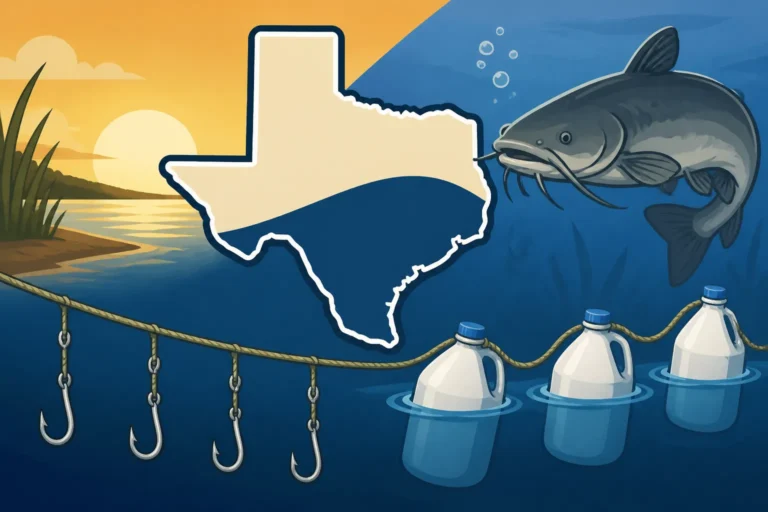
Beyond just the location, certain fishing activities or gear types also necessitate a license. For instance, if you plan on using trotlines, juglines, or other non-traditional fishing devices, you'll still need a standard fishing license. While the license itself doesn't grant permission for all methods (some are prohibited), it's the baseline requirement for engaging in any form of recreational fishing that isn't specifically exempted.
Even if you're just using a simple rod and reel, if you're targeting fish in public waters and are 17 or older, the license is mandatory. There aren't special exemptions based on the simplicity of your gear; the act of fishing itself is what triggers the requirement. This ensures that all anglers contribute to conservation, regardless of their preferred method. Whether you're fly fishing for trout in the Guadalupe River or bait fishing for catfish in Lake Livingston, the license is your entry ticket.
Exemptions: Who Can Fish Without a License
While the general rule is "if you're 17 or older and fishing in public waters, you need a license," there are some very important and well-appreciated exemptions in Texas. These exceptions are put in place to encourage participation for certain demographics or in specific scenarios. Knowing these can save you money and ensure you're fishing legally. If you want a full overview, check out "Who Doesn't Need a Texas Fishing License".
Age-Based Exemptions: Kids and Seniors
Texas is quite generous when it comes to age-based exemptions, making fishing accessible for both the youngest and some of the oldest members of our communities. As mentioned, children under 17 years of age do not need a fishing license. This is a fantastic incentive for families to get out on the water, allowing parents to focus on teaching their kids to fish rather than navigating multiple license purchases. Whether they're catching their first bluegill off a dock or reeling in a bass on a big lake, the joy of fishing is free for them.
On the other end of the spectrum, Texas residents born before September 1, 1931, are also exempt from the fishing license requirement. This is often referred to as a "grandfather clause" and acknowledges a lifetime of contributions from our senior anglers. It’s a way to honor those who have seen Texas waters through many changes. If you fall into this category, you can fish freely in Texas public waters without purchasing a license. For residents born after this date but who are 65 or older, there are still significant benefits. They can purchase a discounted Senior Resident Fishing License. This is not a full exemption but a substantial discount to make fishing more affordable for our cherished older population, details of which can be found in "Texas Senior Fishing License Discount".
Special Exemptions: Disabled Veterans and Mentally Disabled Persons
Texas also recognizes the sacrifices of its service members and provides for those with certain disabilities. Any Texas resident who is a disabled veteran and has a service-connected disability of 50% or more, or who has lost a limb or suffered an injury that deprives them of the use of a limb, is eligible to fish without a license. This is a profound way the state thanks its veterans for their service and provides them an opportunity to enjoy the therapeutic benefits of fishing.
To qualify, disabled veterans typically need to carry documentation issued by the Veterans Administration or the branch of the armed forces that clearly indicates their disability status. It's not an automatic exemption; you'll need to be able to prove your eligibility if requested by a game warden. Additionally, Texas residents who are legally blind and can provide proof of their condition are also exempt. Furthermore, residents who are mentally disabled are exempt if they are fishing under the direct supervision of a licensed angler, and carry a physician's statement verifying their condition. These exemptions ensure that more individuals, regardless of physical or mental challenges, can partake in the joy of fishing. You can find more detailed information regarding the requirements for veterans in "Texas Disabled Veteran Fishing License Rules".
Other Specific Scenarios (e.g., Free Fishing Day, private property)
Beyond age and disability, there are a few other specific situations where a Texas fishing license isn't required:
- Texas Free Fishing Day: Each year, typically the first Saturday in June, Texas hosts a statewide Free Fishing Day. On this special day, anyone can fish in any public water in Texas without a fishing license. It’s a fantastic opportunity for new anglers to try out the sport, or for families to enjoy a day on the water without the license expense. While the license requirement is waived, all other fishing regulations, such as bag limits and length limits, still apply. It's a day to celebrate fishing and encourage participation. To know the exact date and details, you should check out "Texas Free Fishing Day".
- Fishing on Private Property: If you are fishing in a privately owned lake, pond, or tank that is wholly enclosed within the boundaries of private land, and you have the landowner's permission, you do not need a fishing license. The key here is "wholly enclosed." If the body of water connects to a public river, stream, or bay system, even temporarily, then it is considered public water, and a license would be required. This is a common misconception, especially for those with access to ranches or farm ponds. Always verify the water's status.
- Free Shoreline Fishing at State Parks: Many Texas State Parks offer opportunities for shoreline fishing from a bank or pier without requiring a fishing license. This is a huge benefit for families or individuals who want to try fishing without the initial investment of a license. However, if you are fishing from a boat in a state park, or if you leave the immediate designated fishing area, a license would still be necessary. These specific locations are clearly marked, and it's always best to confirm with park staff. You can find out which parks offer this in "Free Shoreline Fishing at Texas State Parks".
Different Types of Texas Fishing Licenses
Texas offers a variety of fishing licenses designed to cater to different angling preferences and needs. Understanding these options is crucial to ensure you purchase the right one for your specific fishing plans, whether you’re targeting freshwater giants or saltwater beauties.
Freshwater, Saltwater, and All-Water Licenses
The core of Texas fishing licenses revolves around the type of water you plan to fish:
- Freshwater Fishing License: This license permits you to fish in all public freshwater lakes, rivers, and streams throughout Texas. If your passion lies in catching largemouth bass, catfish, crappie, or white bass in our inland waters, this is the license for you. It's ideal for those who primarily fish reservoirs like Lake Sam Rayburn, the vast stretches of the Red River, or local community ponds. This license does not cover fishing in saltwater areas.
- Saltwater Fishing License: If the sound of crashing waves and the hunt for redfish, speckled trout, and flounder call to you, then a saltwater fishing license is essential. This license covers all public saltwater bays, estuaries, and the Gulf of Mexico along the Texas coast. If you’re planning a trip to Galveston Bay, Matagorda Bay, or heading out into the open Gulf, this is your required permit. Like its freshwater counterpart, this license does not allow you to fish in freshwater.
- All-Water Fishing License (Combination Package): For the versatile angler who enjoys both the serene lakes and the dynamic coast, the All-Water Fishing License is usually the most convenient and often the most cost-effective option. This single license combines both freshwater and saltwater privileges into one package. It eliminates the need to buy two separate licenses and ensures you’re covered no matter where your fishing adventures take you within Texas. Many seasoned Texas anglers opt for this package for maximum flexibility. You can learn more about this comprehensive option in "Texas All-Water Fishing License Explained".
Specialized Endorsements and Tags
Beyond the basic freshwater and saltwater designations, Texas also has specific endorsements and tags for certain species or activities. While a general fishing license covers most recreational fishing, these additional requirements are typically for specific, highly managed species or for particular gear.
- Red Drum Tag (Saltwater Endorsement): If you purchase an annual saltwater fishing license or an All-Water Fishing License, it automatically includes the required "Red Drum Tag." This tag is essential if you plan to keep a Red Drum (redfish) that exceeds the upper slot limit (currently 20-28 inches) as an oversized trophy fish. Each angler is typically allowed one oversized red drum per license year, and the tag must be immediately attached to the fish upon harvest. This system helps manage the population of larger, spawning redfish. It's critical to understand that even if you have a saltwater license, the rules for oversized redfish are very strict, and the tag is non-negotiable for keeping one. This is also covered implicitly in "Do you need a saltwater endorsement to fish Texas bays?" because the Red Drum Tag is part of the overall saltwater endorsement.
- Federal Permit for Highly Migratory Species (HMS): While not issued by TPWD, if you plan to fish for highly migratory species like tuna, marlin, or swordfish in federal waters (beyond 9 nautical miles offshore in the Gulf), you will need a federal HMS permit, along with your Texas saltwater license. These are managed by NOAA Fisheries and have their own set of regulations.
- Oyster and Shrimp Licences: For recreational harvest of oysters and shrimp, which is distinct from finfish, specific permits are sometimes required in certain areas or during certain seasons. These are less common for the average recreational angler but important to be aware of if you branch into these types of harvesting.
Temporary and Annual License Options
Texas fishing licenses come in various durations to suit different needs, from a quick weekend trip to a full year of angling:
- Annual Licenses: These are the most common and cost-effective option for anyone planning to fish regularly throughout the year. As discussed, they are valid from September 1st to August 31st. Purchasing an annual license upfront saves money compared to buying multiple temporary licenses. For example, a Texas resident planning to fish monthly would find an annual license far more economical than several one-day or five-day options.
- Temporary Licenses (e.g., One-Day, Five-Day): For visitors or Texans who only fish occasionally, temporary licenses are an excellent choice.
- One-Day All-Water Fishing License: This is perfect for a spontaneous day trip to a lake or the coast. It covers both freshwater and saltwater, giving you maximum flexibility for a short period. This is often purchased by tourists visiting cities like Corpus Christi or Dallas for a brief stay.
- Special Resident All-Water Fishing Package (Saltwater and Freshwater Fishing): While not explicitly a "temporary" license like the one-day option, this is the standard annual license package for residents, offering comprehensive coverage.
- Non-Resident Annual and Temporary Options: Non-residents also have access to annual licenses, which are more expensive than resident versions, but also shorter-term options like the One-Day All-Water Fishing License, which is very popular for out-of-state visitors.
It’s always a good idea to assess how often you plan to fish within the license year (September 1 – August 31) before making a purchase. If you anticipate more than a few trips, an annual license will almost certainly be the better value.
Here's a simplified table comparing common license types:
| License Type | Covers Freshwater | Covers Saltwater | Resident Cost (Approx.) | Non-Resident Cost (Approx.) | Validity Period | Who It's Best For |
|---|---|---|---|---|---|---|
| Annual Freshwater | Yes | No | $30 | $68 | Sep 1 – Aug 31 | Freshwater-only anglers, economical |
| Annual Saltwater | No | Yes | $35 | $68 | Sep 1 – Aug 31 | Saltwater-only anglers, includes Red Drum Tag |
| Annual All-Water (Combination) | Yes | Yes | $40 | $75 | Sep 1 – Aug 31 | Versatile anglers, best value for both |
| One-Day All-Water | Yes | Yes | $11 | $11 | 24 hours | Short trips, visitors, testing the waters |
| Senior Resident (65+) | Yes | Yes | $12 | N/A | Sep 1 – Aug 31 | Texas residents 65+, provides both at a deep discount |
Note: These are approximate costs and do not include the administrative fee. Always check the official TPWD website for the most current pricing.
Where and How to Purchase Your License
Getting your Texas fishing license is a pretty straightforward process, thanks to modern technology and a wide network of vendors. You have several convenient options, so there's no excuse for hitting the water without one. To dive deeper into the purchasing process, read "How to Get a Texas Fishing License".
Online, Phone, and In-Person Options
The Texas Parks and Wildlife Department has made purchasing a license incredibly accessible:
- Online: This is by far the most convenient method for many anglers. You can visit the official TPWD website at any time, day or night, from your computer or smartphone. The online portal guides you through the process step-by-step. You select your desired license type, provide your personal information, and pay with a credit card. Once purchased, you can often print a temporary license immediately or save a digital copy to your phone, allowing you to legally fish right away. The actual physical license will then be mailed to you within a few weeks.
- By Phone: If you prefer to speak to someone or don't have easy internet access, you can purchase a license over the phone by calling the TPWD customer service line. This method is also quick and allows you to ask any questions you might have about license types or regulations. Similar to online purchases, you'll receive a confirmation number that serves as your temporary license, with the physical license mailed later.
- In-Person Retailers: For those who prefer a more traditional approach or need a license immediately without waiting for mail, there are thousands of licensed retailers across the state. This includes most Academy Sports + Outdoors stores, local bait and tackle shops, many sporting goods retailers, and even large department stores like Walmart. When you purchase in person, you walk out with a physical license immediately, which is great for last-minute trips. These vendors are also often a great resource for local fishing tips and current conditions.
For example, if you're planning a spontaneous weekend trip to Lake Grapevine from Dallas, you could swing by an Academy Sports + Outdoors on your way out of town, pick up your All-Water license, and be good to go in minutes. Or, if you're at home on a Tuesday night planning a trip for the next month, purchasing online is likely the easiest route.
What Information You'll Need to Provide
Regardless of how you choose to purchase your license, you'll need to have some basic information ready. This helps the TPWD correctly identify you and ensure you receive the appropriate license and any applicable exemptions.
Typically, you'll need:
- A valid driver's license or state ID card: This verifies your identity and residency.
- Date of birth: Essential for determining age-based exemptions or eligibility for senior discounts.
- Social Security Number (SSN): This is required for all hunting and fishing licenses in Texas, primarily for compliance with federal mandates related to delinquent child support payments. It’s a standard requirement across many states.
- Physical address: For mailing your physical license and for residency verification.
- Contact information: Phone number and email address for communication and digital receipts.
Having this information readily available will speed up the purchasing process, whether you're typing it into a website or providing it to a clerk. Without all the necessary details, you won't be able to complete your purchase.
Understanding the Administrative Fee and Other Costs
When you look at the advertised price of a Texas fishing license, it’s important to remember that there’s often a small administrative fee added to the total cost. This fee, typically around $5, is a standard charge applied to all recreational hunting and fishing licenses and permits. It helps cover the costs associated with processing and issuing the licenses, whether online, over the phone, or through a retailer.
So, if you see an annual resident all-water fishing license advertised for $40, expect the final price to be around $45 once the administrative fee is applied. This fee is non-negotiable and consistent across all purchase methods. It's not a hidden charge, but rather a standard operational cost. Additionally, if you purchase online or by phone, there might be a very small transaction fee from your credit card provider, but the primary additional cost you'll encounter is the TPWD administrative fee. It’s always best to budget for this small extra amount when planning your license purchase.
Staying Compliant: Carrying Your License and Avoiding Penalties
Having a license is one thing, but knowing how to properly carry it and what to do if you lose it is just as important. Staying compliant means being prepared for an encounter with a game warden and understanding the ramifications of not adhering to the rules.
Physical vs. Digital License Display
In today's digital age, carrying a physical piece of paper can sometimes feel outdated. Thankfully, Texas has embraced technology to make compliance easier. While you can certainly carry your traditional physical license (which is mailed to you after purchase, or printed instantly at a retailer), the TPWD also allows for digital display of your license.
You can show a valid digital image of your license on your smartphone or other electronic device. This means if you purchased online, you can simply save the email confirmation or a screenshot of your temporary license, or log into the TPWD app, and that's sufficient. This is a huge convenience, especially if you're prone to forgetting your wallet or losing small cards. However, always ensure your device is charged and accessible. A dead phone battery is not an excuse for not being able to present your license. It's a good practice to still keep a physical copy in your tackle box or boat, just in case technology fails. Always remember that the information on the license must be legible and the license must be valid for the current season.
Consequences of Fishing Without a Valid License
Fishing without a valid Texas fishing license, when one is required, is a serious offense that can lead to significant penalties. This isn't just a slap on the wrist; it's a legal violation.
The penalties for fishing without a license in Texas typically include:
- Fines: You can expect to face fines that usually range from around $25 to $500, depending on the specific circumstances and the discretion of the court. This doesn't include court costs, which can add significantly to the total.
- Court Costs: In addition to the fine, you will almost certainly be responsible for court costs, which can sometimes be as much as or more than the fine itself.
- Confiscation of Gear: In some cases, a game warden may confiscate your fishing equipment, including rods, reels, and even your boat. While this is not always the immediate outcome for a first offense, it's a possibility, especially if other violations are present.
- Loss of Future Privileges: Repeated offenses or more severe violations can lead to the suspension or revocation of your hunting and fishing license privileges for a period of time, meaning you wouldn't be able to purchase a license in Texas.
Imagine you're out on Lake Texoma, enjoying a beautiful morning catching striped bass, when a game warden pulls up for a routine check. If you're over 16 and can't produce a valid license, that relaxing morning could turn into a costly legal headache. It's simply not worth the risk. Always ensure you have your license before your line hits the water. To understand the full scope of potential issues, look at "Penalties for Fishing Without a Texas License".
Replacing a Lost or Damaged License
Losing your fishing license can be a frustrating experience, but thankfully, replacing it in Texas is relatively easy. There are a few ways to get a duplicate:
- Online: The quickest way to get a replacement is often through the TPWD online licensing system. You can log into your account, and there will typically be an option to print a duplicate or have a replacement mailed to you for a small fee. This is especially useful if you need immediate proof of licensure.
- In-Person Retailer: You can also visit any licensed retailer (like Academy Sports + Outdoors or Walmart) where licenses are sold. They can look up your record and issue you a duplicate license on the spot for a small replacement fee. This is helpful if you're already out and about or need a physical copy immediately.
- By Phone: Calling the TPWD customer service line is another option. They can verify your information and arrange for a duplicate license to be mailed to you.
It's important to remember that you should not fish without a valid license, even if you just lost yours. You must have a current, valid license or a documented temporary proof of purchase (like a screenshot or email confirmation) before you resume fishing activities. A replacement fee, usually around $10, is typically charged for duplicates.
Common Misconceptions and Specific Scenarios
Even with all the rules laid out, there are still some situations that tend to confuse anglers. Let's clear up some of these common misunderstandings to ensure you're always on the right side of the law.
Fishing from Piers, State Parks, and Public Shorelines
This is a big one. Many anglers assume that if they aren't on a boat, they don't need a license. This is a common misconception. Generally, if you are fishing in public waters, whether from a boat, kayak, pier, jetty, or the bank, you need a valid Texas fishing license (if you meet the age requirement). The method of access does not negate the license requirement.
However, there are two crucial exceptions to this rule:
- Texas State Parks: As mentioned, many Texas State Parks offer specific designated areas, usually piers or defined shoreline sections, where you can fish without a license. This is part of the "Free Shoreline Fishing at Texas State Parks" program, designed to make fishing more accessible. Always confirm with park staff or signage if this exemption applies to the specific spot you're fishing. If you venture outside these designated areas or fish from a boat within the park, a license is required.
- Private Piers: If you are fishing from a pier that is entirely on private property (e.g., your own dock or a friend's dock on a private lake) and the water body itself is also entirely private, then no license is needed. But if that private pier extends into a public body of water, even if owned by you, a license is generally required because you are accessing public fishing grounds. The demarcation between private and public water can sometimes be tricky, so when in doubt, get a license.
Consider the popular Galveston Island State Park. You can fish from their designated fishing areas without a license. But if you walk a mile down the beach outside the park boundaries and cast into the Gulf, you absolutely need a saltwater license. Always know where you stand.
Reciprocal Agreements: Lake Texoma and Border Waters
Texas shares some of its most productive fishing waters with neighboring states, which can create confusion about licensing. The most prominent example is Lake Texoma, a massive reservoir shared with Oklahoma, famous for its striped bass fishing.
- Lake Texoma Agreement: Due to a unique reciprocal agreement, a valid Texas fishing license (with the appropriate freshwater or all-water endorsement) allows you to fish on the entire Texas and Oklahoma portions of Lake Texoma. This is a huge convenience for anglers from both states. Similarly, an Oklahoma resident with a valid Oklahoma fishing license can fish the entire lake. This special agreement is specific to Lake Texoma and is a fantastic example of interstate cooperation for anglers. However, it's vital to note that while your license is valid, you must still adhere to the fishing regulations (bag and length limits, gear restrictions) of the state whose waters you are fishing in at that moment. So, if you're fishing the Oklahoma side, you follow Oklahoma's rules. This distinction is critical and often overlooked. For more details on this specific scenario, consult "Lake Texoma Fishing License Rules".
Other border waters, like Toledo Bend Reservoir shared with Louisiana, or parts of the Sabine River, may have different or more limited reciprocal agreements. For Toledo Bend, generally, you need a license from either Texas or Louisiana to fish the entire lake, but again, local regulations apply. Always verify the specific agreements for any shared body of water before you go, as they can change. When in doubt, carrying both states' licenses, or the appropriate Texas license, is the safest bet.
Fishing on Private Property vs. Public Access
This is another area ripe for misunderstanding. The general rule is: if the water body is wholly on private land and does not connect to public waters (like a river, stream, or bay), and you have the landowner's permission, no license is required. This applies to thousands of farm ponds, ranch lakes, and stock tanks across Texas.
However, the moment that "private" water connects to a public stream or river, even via a small culvert or during heavy rainfall, it often becomes subject to public water regulations, including the need for a fishing license. Similarly, if you own property that borders a river, you own the land up to the "gradient boundary" (the usual flow of the river), but the river itself is considered public water. Therefore, fishing from your private bank into a public river still requires a license.
The key takeaway here is to always assume the water is public unless you are absolutely certain it is a fully enclosed, private body of water. If there's any ambiguity, or if you're unsure if the water connects to a public system, play it safe and purchase a license. It’s always better to be over-compliant than under-compliant when it comes to fishing regulations.
Beyond the License: Additional Regulations to Know
While securing your Texas fishing license is the first and most crucial step, it’s just the beginning. A responsible angler understands that a license is not a free pass to fish however and whenever you please. There’s a whole ecosystem of rules designed to protect fish populations and ensure fair chase for everyone.
Bag and Length Limits
Once you’ve got your license in hand, the next critical set of rules to familiarize yourself with are bag and length limits. These regulations dictate how many fish of a particular species you can keep in a single day (the daily bag limit) and the minimum or maximum size a fish must be to be legally harvested (length limits). These limits vary significantly by species, by water body, and sometimes even by season.
For instance, the bag limit for largemouth bass in most Texas public waters is 5 fish per day with a 14-inch minimum length. However, specific lakes, like Lake Fork, have special regulations with higher minimums or different slot limits to promote trophy bass production. Redfish on the coast often have a slot limit (e.g., 20-28 inches), meaning you can only keep fish within that specific size range, with a daily bag limit (e.g., 3 fish). Keeping a redfish outside this slot requires the special Red Drum Tag discussed earlier, and only one per year. These limits are not arbitrary; they are scientifically determined by TPWD biologists to ensure sustainable populations for the future. Ignorance of these limits is not a defense, and violations can lead to hefty fines and confiscation of your catch. Before every trip, especially to a new lake or coastal area, it’s imperative to check the most current "Texas Fish Bag and Length Limits" regulations.
Gear Restrictions and Permitted Methods
Just as important as what you catch and how many, is how you catch it. Texas has regulations concerning the types of gear and methods that are legally permitted for recreational fishing. While a standard rod and reel setup is generally universal, there are rules around things like:
- Number of Poles/Lines: In most freshwater bodies, you are limited to a certain number of fishing poles or lines per angler (typically two). Using more than the allowed number can lead to a citation.
- Trotlines and Juglines: These passive fishing methods have very specific regulations regarding the number of hooks allowed, the required identifying tags (your name and address/TPWD customer ID), and where they can be set. For example, trotlines typically have a hook limit, and both juglines and trotlines need to be checked regularly.
- Spearfishing and Bowfishing: These methods are permitted for certain species in specific waters but often come with their own unique rules and restrictions. For instance, spearfishing for game fish in freshwater is often prohibited, but allowed for non-game species. Bowfishing also has rules about which species can be targeted.
- Atypical Methods: Noodling (hand fishing for catfish), cast netting for bait, and other traditional or specialized methods also have their own set of rules concerning legality, target species, and seasons.
It’s your responsibility as an angler to know what gear and methods are legal for the species you’re targeting and the water body you’re fishing. You can find comprehensive details in the official TPWD outdoor annual, often available for free at license retailers or online. This applies to both "Texas Freshwater Fishing Regulations" and "Texas Saltwater Fishing Regulations".
Reporting Your Catches and Conservation Efforts
While most recreational anglers aren't required to report every catch, there are specific programs and instances where reporting is encouraged or even mandatory. One notable example is the Toyota ShareLunker Program for trophy largemouth bass. If you catch a largemouth bass weighing 13 pounds or more in Texas, TPWD encourages you to loan it to the ShareLunker program for spawning purposes. This voluntary program is vital for producing bigger, better bass for future generations of anglers.
Beyond specific programs, every angler plays a role in conservation simply by adhering to the regulations. Catch and release practices, especially for undersized or oversized fish, significantly contribute to healthy fish populations. Proper disposal of fishing line and litter prevents environmental harm. Supporting organizations like TPWD through license purchases and donations ensures continued habitat protection and species management. Even something as simple as using biodegradable bait can make a difference. Your actions on and off the water directly impact the future of Texas fishing. By being a well-informed and responsible angler, you're contributing to a sustainable legacy for everyone to enjoy.
Disclaimer
Please remember that fishing regulations are subject to change. While this guide provides comprehensive and up-to-date information at the time of writing, it is always your responsibility to consult the official Texas Parks and Wildlife Department (TPWD) Outdoor Annual or website for the most current and specific regulations before engaging in any fishing activity. This article is for informational purposes only and should not be considered legal advice.