Can you transfer a Texas fishing license to someone else?
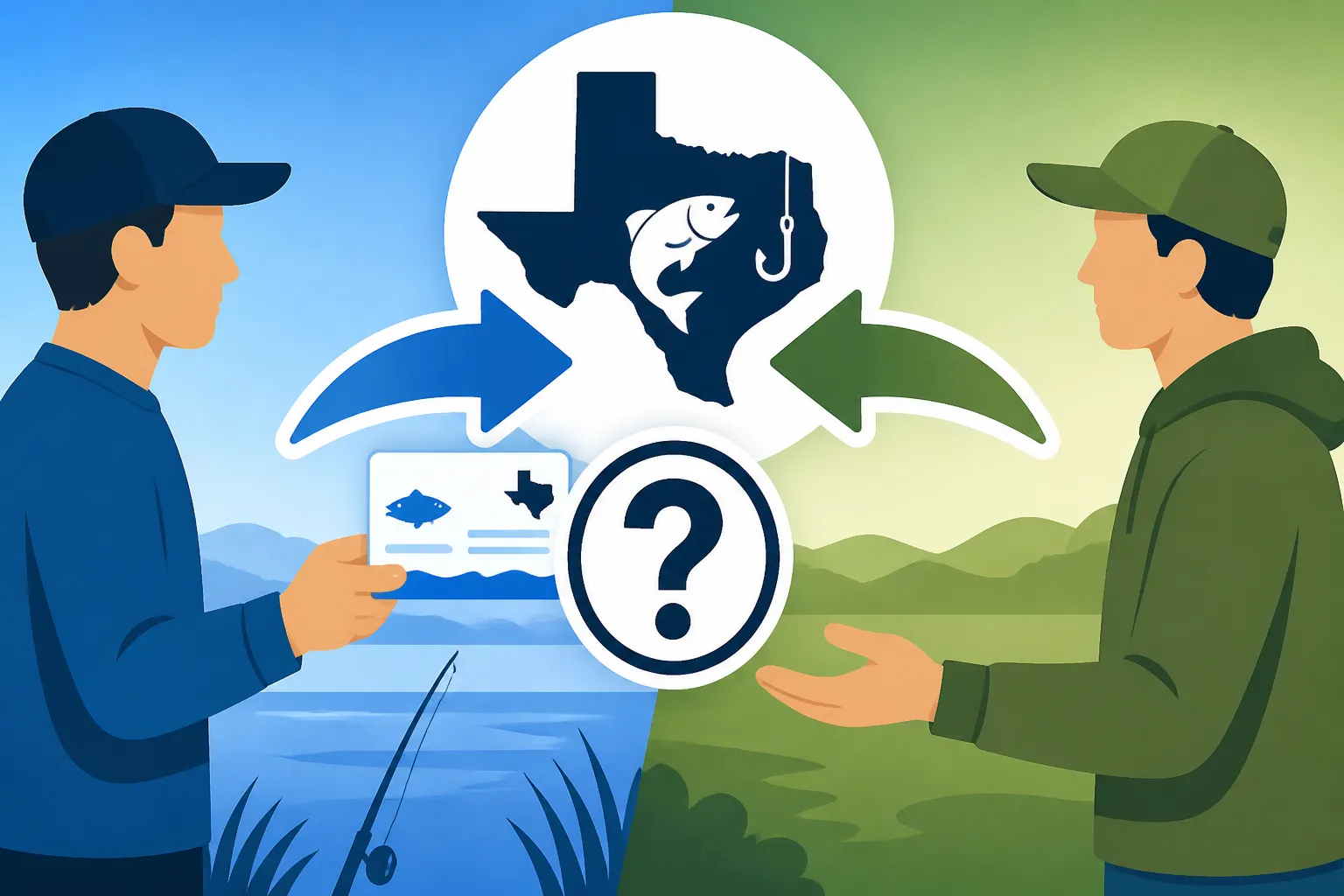
It's a common thought, especially if you find yourself with an unused fishing license or want to share the joy of angling with someone new: "Can I just transfer my Texas fishing license?" Unfortunately, as logical or convenient as that might sound in the moment, the simple answer is no. Texas fishing licenses are personal documents issued to an individual, and trying to transfer one to someone else can lead to some pretty significant headaches and legal issues. This guide is here to walk you through exactly why you can't transfer a Texas fishing license, what the rules really are, and what legitimate alternatives exist for getting your friends and family out on the water.
Understanding Texas Fishing License Non-Transferability
When you purchase a fishing license in Texas, you're not just buying a piece of paper or a digital pass; you're obtaining a permit tied directly to your unique identity. The Texas Parks and Wildlife Department (TPWD) has specific regulations in place for a good reason, and understanding these is key to staying on the right side of the law.
Why Licenses Are Personal Documents
A Texas fishing license, much like a driver's license or a passport, is considered a personal document. It's issued in your name, with your specific date of birth, and sometimes includes other identifying information. This individualization is crucial for a number of reasons related to conservation, management, and enforcement. Think of it this way: your license allows the TPWD to track who is fishing, and in a broader sense, contributes to the data used for managing fish populations and habitats across the state.
The legal framework supporting this non-transferability is designed to ensure accountability. If licenses could be freely passed around, it would be impossible to accurately assess fishing pressure on specific species or bodies of water. This data is vital for setting Texas Fish Bag and Length Limits and making informed decisions about stocking programs and conservation efforts. Every license dollar spent is a direct investment in the future of Texas fishing, and that investment needs to be clearly attributed to individual anglers.
Furthermore, game wardens rely on the personal nature of licenses to enforce fishing regulations effectively. When a warden asks to see your license, they're verifying that the person holding the rod is the same person whose name is on the document. This prevents individuals from sidestepping regulations or using a license that might have been revoked or suspended. It’s all part of ensuring a fair and sustainable fishing environment for everyone.
The Legal Ramifications of Attempted Transfer
Trying to use a fishing license that isn't issued in your name, or allowing someone else to use yours, isn't just a minor oversight; it's a violation of Texas law. The consequences can range from inconvenient to quite serious, potentially ruining a perfectly good day on the lake or bay.
If a Texas Parks and Wildlife game warden encounters you fishing with a license that doesn't belong to you, or if you've given your license to another person, you could both be cited for fishing without a valid license. The penalties for fishing without a license in Texas typically involve fines that can easily run into the hundreds of dollars. Beyond the financial hit, there's the potential for your fishing gear to be confiscated, and in some cases, repeat offenses or more severe violations could lead to civil restitution for the fish caught, or even the suspension of future licensing privileges. It's simply not worth the risk.
Game wardens are well-versed in identifying discrepancies and are equipped to verify licenses on the spot. They can cross-reference your identification with the license details, and any mismatch will quickly become apparent. This is why the state is very clear about Texas Fishing License Requirements Explained: each angler needs their own. It’s far better to ensure everyone has their own valid license than to face the embarrassment and expense of a citation.
Common Scenarios and Why Transfer Isn't an Option
Many anglers wonder about transferring a license in specific situations, often with good intentions. Let's break down some common scenarios and clarify why license transfers aren't permitted under Texas law.
Gifting and Sharing Licenses
It’s completely understandable to want to share the joy of fishing, especially if you have a friend or family member who's expressed interest or perhaps needs a little encouragement to get started. You might think, "I have an extra license, or one I won't use much, can I just give it to them?" Unfortunately, this isn't how it works. While you can absolutely buy a fishing license for someone else as a gift, that license must be issued directly in their name with their personal information.
Imagine a scenario where a grandparent, perhaps slowing down on their fishing trips, wants their grandchild to get more use out of their valid, but mostly unused, annual license. As heartwarming as the sentiment is, that grandparent cannot legally pass their physical license document to the grandchild to use. The grandchild would need their own license, unless they fall under one of the specific exemptions for age, which we’ll discuss shortly. The spirit of the law ensures that every active angler is properly licensed, contributing to conservation funds, and accounted for in population management data.
Similarly, if you buy an annual Texas All-Water Fishing License Explained for yourself and later decide you'll only be fishing freshwater, you can't simply detach the saltwater endorsement and give it to a buddy. Each component of a Texas fishing license package is tied to the original purchaser. If you want to encourage a friend to try saltwater fishing, the best approach is to guide them through the process of obtaining their own license.
Lost, Stolen, or Unused Licenses
Life happens, and sometimes licenses get lost, misplaced, or even stolen. When this occurs, the solution isn't to acquire someone else's license or to accept a "transfer" from a friend. The original owner of the license must go through the proper channels to replace their own lost document. The good news is that replacing a lost Texas fishing license is a relatively straightforward process. You can often do it online, by phone, or in person at a licensed vendor.
What about licenses that simply go unused? Perhaps you bought an annual license with big plans for the season, but life got in the way, and you barely wet a line. It's a bummer, for sure! However, an unused license cannot be transferred, sold, or refunded at the end of the season. Texas fishing licenses are valid from September 1st through August 31st of the following year, regardless of when they are purchased within that period. This is the reasoning behind the Texas fishing license year explained: why it ends August 31 – it's a fixed cycle. Once the August 31st deadline passes, that license simply expires, and you'll need to purchase a new one for the upcoming season if you plan to continue fishing.
This policy might seem rigid, but it underpins the financial model for wildlife management. Every dollar from a license sale, even for an unused one, contributes to the critical work of the TPWD. So, while you can’t transfer an unused license, know that your initial purchase still supported a good cause for Texas’s natural resources.
Alternatives to "Transferring" a License
While direct transfer of a fishing license is a non-starter, there are several legitimate and easy ways to ensure everyone who wants to fish legally in Texas can do so. These alternatives are designed to be convenient and ensure compliance with state regulations.
Purchasing a New License for Someone Else
The most straightforward way to get a fishing license for another person is to simply purchase one for them. This is a perfectly legal and common practice. Whether it's for a child, a spouse, a friend, or a visiting relative, you can facilitate their license acquisition. The key is that the license must be issued in their name, using their correct personal information (name, date of birth, etc.). You’re essentially acting as the payer and facilitator, not the license holder.
You can purchase licenses for others in several convenient ways:
- Online: Visit the official Texas Parks and Wildlife Department website. You'll need the recipient's personal details to complete the transaction. There might be a small Texas Online License Purchase Fees charged for this convenience.
- In Person: Head to any licensed vendor, which includes most sporting goods stores like Academy Sports + Outdoors, many Walmart locations, and independent bait shops across the state. Just be sure to bring the recipient's accurate information with you.
- By Phone: You can also call the TPWD's licensing division directly, and they can assist you with purchasing a license for someone else over the phone.
Instead of trying to transfer an old license, think about the excitement of giving a new angler their very own first license. You could even pair it with some new fishing gear bought from a trusted retailer like Amazon to complete the gift! A fresh rod and reel, or a new tackle box filled with a few essentials, alongside their brand-new, legally acquired Texas fishing license, makes for a truly memorable gift.
Exploring Exemptions and Special Circumstances
Not everyone needs a fishing license in Texas, and understanding these exemptions can save you time and money. While these aren't "transfers," they cover situations where an individual might not need to purchase a license at all.
One of the most common exemptions is for youth. Children under the age of 17 are not required to have a fishing license in Texas. This is a fantastic incentive to get kids hooked on fishing early without the added cost. Additionally, older Texans born before September 1, 1931, are also exempt from needing a license. If you're planning a trip with a diverse group, make sure to check Who Doesn't Need a Texas Fishing License to see if anyone in your party qualifies.
Texas also offers a fantastic annual event called Texas Free Fishing Day, typically held in early June. On this day, everyone can fish in public waters without a license. It's an excellent opportunity for beginners or those who rarely fish to experience the sport without any financial commitment. Keep in mind that all other fishing regulations, such as bag and length limits, still apply on this day.
For active-duty military personnel, certain disabled veterans, or those with specific disabilities, there are also special licensing rules or exemptions. For example, eligible disabled veterans residing in Texas may be entitled to a free Super Combo Hunting and All-Water Fishing License. Details on these specific rules can be found in resources like Texas Disabled Veteran Fishing License Rules. These programs are designed to honor and assist those who serve or have served, making fishing more accessible.
Here’s a quick overview of who needs a license versus alternatives:
| Scenario | Legitimate Action | Invalid Action (Non-Transferable) |
|---|---|---|
| Individual Wants to Fish | Purchase a personal license in their name. | Use a license belonging to a parent, friend, or spouse. |
| Gifting a License | Buy a new license issued to the recipient. | Give an unused license from your name to someone else. |
| Lost License | Original owner replaces their lost license. | Use an "extra" license from someone else. |
| Youth Angler | No license needed for under 17 years old. | (Not applicable, as they don't need one unless 17+) |
| Free Fishing Day | Fish on the designated annual Free Fishing Day. | Rely on someone else's license on a regular day. |
| Elderly Angler | Exempt if born before Sept 1, 1931. | (Not applicable, as they don't need one if born before that date) |
| Military/Veteran | Apply for specific military/veteran licenses/exemptions. | Try to use a spouse's or friend's military-discounted license. |
The Importance of Individual Licensing for Conservation
It might seem like a small detail, but the individual nature of fishing licenses is a cornerstone of effective wildlife conservation and management in Texas. Every single license sale plays a vital role in maintaining the health and abundance of our state's diverse aquatic ecosystems.
How License Sales Fund Conservation Efforts
When you purchase a fishing license, those funds don't just disappear into a general state budget. The revenue generated from license sales directly supports the Texas Parks and Wildlife Department's extensive conservation programs. This money is earmarked for crucial initiatives like fish stocking programs in public lakes and rivers, restoring vital aquatic habitats, and conducting essential research to monitor fish populations and ecological health. These funds also contribute significantly to the enforcement efforts of game wardens, ensuring that regulations are followed and our natural resources are protected for future generations.
Imagine if licenses were freely transferable. The TPWD wouldn't have an accurate count of active anglers, making it nearly impossible to project revenue for these conservation projects. Without a reliable funding stream tied to individual participation, programs that stock millions of fish annually, maintain public access points, or study invasive species would simply not be sustainable. Your individual purchase, therefore, is a direct investment in the vibrant fishing culture and ecological health of Texas. Even if you purchase a license and find yourself unable to use it much, like a fishing pole you might buy from Amazon that doesn't see as much action as you hoped, that initial investment still contributes to the greater good of Texas waters.
Maintaining Fair and Equitable Access
The individual licensing system also ensures fairness and equitable access for all anglers. By requiring each person who fishes to have their own license, it establishes a level playing field where everyone is contributing to the collective good of the resource. This system prevents potential abuses where a single license might be used by multiple people, effectively undermining the funding model and distorting data on fishing pressure.
Accurate angler data, derived from individual license sales, is indispensable for managing our fisheries responsibly. This data helps the TPWD understand how many people are fishing, which areas are most popular, and how different regulations impact angler behavior and fish populations. These insights are then used to make informed decisions about future regulations, ensuring that popular species like bass, catfish, redfish, and trout remain abundant for all Texans to enjoy. The system is designed to promote a sense of shared responsibility among anglers, recognizing that access to Texas's incredible fishing opportunities comes with an obligation to contribute to their preservation.
Disclaimer
This article is for general informational purposes only and does not constitute professional advice. Laws, prices and regulations vary by location and change over time. Consult a qualified professional for guidance on your specific situation.