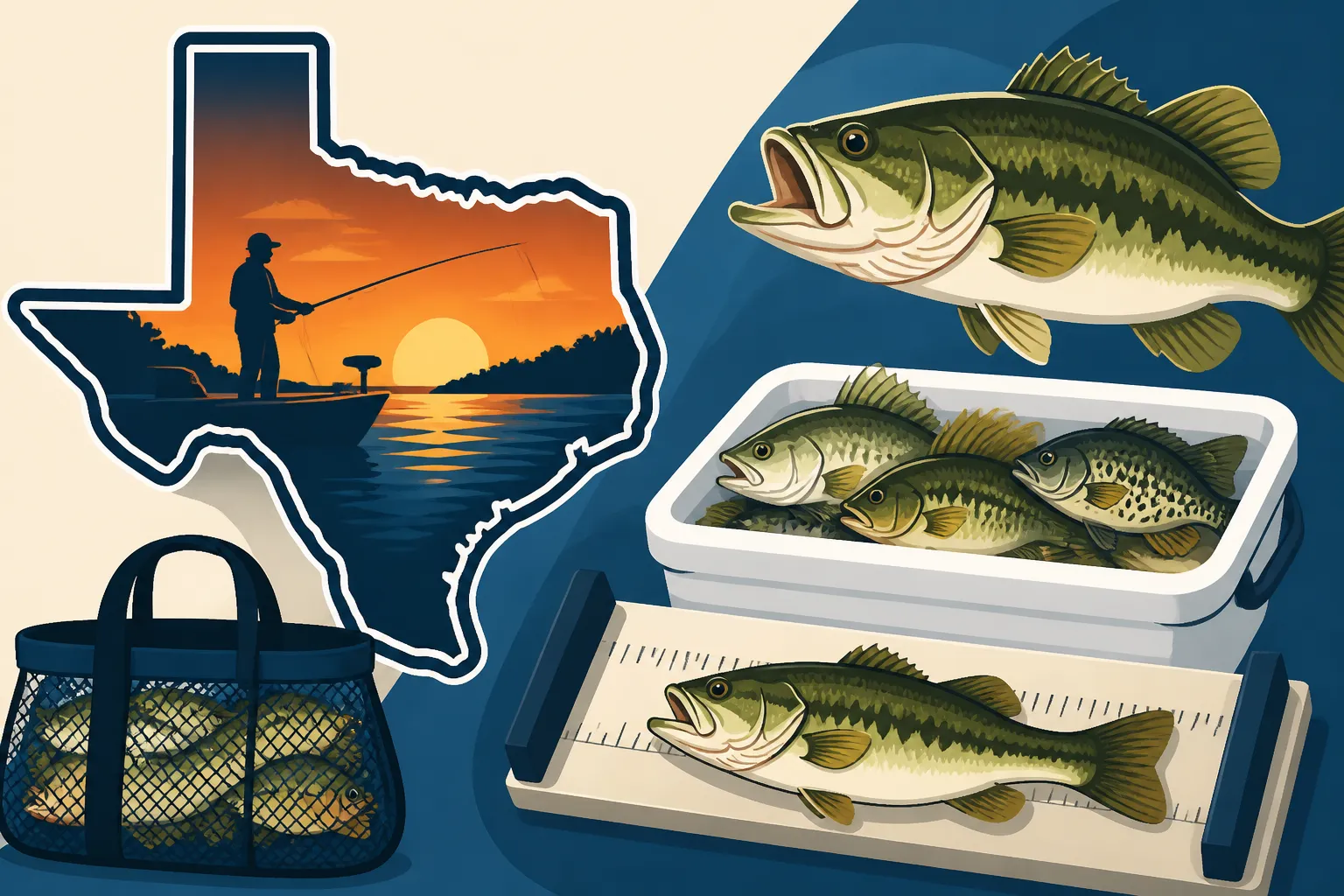
Texas Fish Bag and Length Limits
There's nothing quite like the thrill of reeling in a beautiful fish in Texas, but the moment you start wondering if it's a keeper – what size it needs to be, or how many you're allowed to take home – things can get a little confusing. Many anglers, new and seasoned alike, grapple with the often complex and sometimes shifting rules around fish bag and length limits. This comprehensive guide is here to untangle those regulations, helping you confidently understand the legal requirements so you can enjoy your time on the water without worry.
Why Bag and Length Limits Matter for Texas Anglers
Understanding and adhering to bag and length limits might seem like just another hurdle to jump through to enjoy your fishing trip, but these rules are actually the backbone of sustainable angling in Texas. They're not just arbitrary numbers; they're carefully crafted guidelines designed to protect our precious aquatic resources for generations to come. Ignoring them isn't just a legal risk, it's a disservice to the future of our sport.
Protecting Fish Populations for Future Generations
Think of our lakes, rivers, and coastal bays as natural fish factories. If we take too many fish, or specifically, take fish that are too young (before they've had a chance to reproduce) or too old (the prime breeders), that factory's output diminishes significantly. Length limits, particularly minimum length limits, are put in place to ensure that fish have at least one, if not several, opportunities to spawn before they can be harvested. This is crucial for maintaining healthy population levels. For instance, allowing a largemouth bass to reach a certain size before it can be kept means it has likely contributed to the next generation of bass. Bag limits, on the other hand, prevent overharvesting by individuals, ensuring that the total number of fish removed from a system remains within a sustainable range. It's all about finding that delicate balance where we can enjoy our sport without depleting the resource.
Ensuring Fair Share and Quality Fishing
Imagine going out to your favorite fishing spot, only to find that all the fish are either tiny juveniles or that the population has been decimated by unchecked harvesting. That's a disappointing scenario that bag and length limits aim to prevent. By distributing the harvest among many anglers and protecting larger, more desirable fish within certain "slot" limits, these regulations help maintain a healthy size structure in the fish population. This doesn't just benefit the fish; it benefits you by ensuring there are still plenty of quality fish to catch, both now and in the future. It means a better chance of landing a respectable size fish, rather than just a bunch of small ones. These rules create a more equitable system, ensuring everyone has a fair shot at a good day on the water, rather than a few people taking all the prime catches.
Avoiding Legal Headaches and Fines
Let's be real: nobody wants to get a ticket while they're out enjoying a peaceful day of fishing. Game wardens in Texas are vigilant, and they take violations of bag and length limits very seriously. The penalties for not adhering to these rules can range from hefty fines to the confiscation of your catch and even your fishing equipment. Beyond the financial sting, there's the inconvenience, the court appearance, and the potential impact on your fishing privileges. It's a preventable situation if you simply take the time to understand the rules before you cast your line. A quick review of the Texas Fishing License Requirements Explained and the specific regulations for the species you're targeting can save you a world of trouble. Always assume regulations are enforced, and it's your responsibility as an angler to know them.
Understanding the Basics of Texas Fishing Regulations
Navigating the Texas Parks and Wildlife Department (TPWD) regulations can sometimes feel like trying to decipher a secret code. But once you understand the core concepts of daily bag limits, possession limits, and various length limits, it all starts to click. These aren't just terms; they're the fundamental building blocks of how we manage fish populations.
Daily Bag Limit Explained
The "daily bag limit" is perhaps the most straightforward regulation. It's the maximum number of fish of a particular species or group of species that an individual angler can keep in a single day. This isn't just about what you harvest; it's also about what you retain. Once you've caught your limit, you generally can't continue fishing for that species and keep any more, even if you release them. The idea is to cap the daily take per person. For example, if the daily bag limit for largemouth bass is 5, you can only keep 5 largemouth bass within a 24-hour period. If you catch and keep 5 in the morning, you're done keeping bass for the day, even if you go out again in the evening. This rule resets at midnight, so if you fish into the next day, you start a new daily limit. It's crucial to understand this 24-hour clock, as many anglers get confused about when their limit "resets."
Possession Limit Clarified
This is where things can get a little trickier, especially for those planning multi-day fishing trips or if you process your catch. The "possession limit" is the maximum number of fish of a particular species or group of species that an individual can have in their possession at any given time, whether they are fresh, frozen, or otherwise processed. In Texas, the general rule of thumb is that the possession limit is twice the daily bag limit. This means if you fish for two days and hit your daily bag limit each day, you can have up to the possession limit in your cooler or freezer.
However, there are important caveats. If you're still on the water or actively engaged in fishing, your possession limit typically reverts to the daily bag limit. The "twice the daily bag" rule usually applies to fish that have been transported from the fishing site and are no longer actively being pursued. For instance, if you're out on Galveston Bay for a weekend trip, your daily bag limit for speckled trout is 5, but you might be allowed to have 10 in your possession back at your cabin, provided no one else in your party has already reached their limit for those specific fish. The key is that once you leave the fishing site and are headed home, those fish count against your possession limit. Always check the current Texas Saltwater Fishing Regulations or Texas Freshwater Fishing Regulations for specifics, as some species may have different possession limits.
Minimum and Maximum Length Limits
Length limits are all about managing the size structure of a fish population.
- Minimum Length Limits: These are set to protect juvenile fish, allowing them to grow to maturity and reproduce at least once (and often several times) before they can be harvested. If a fish is shorter than the minimum length, it must be immediately released unharmed. For example, if a lake has a 14-inch minimum length limit for largemouth bass, any bass shorter than 14 inches must go back into the water.
- Maximum Length Limits: Less common but equally important, maximum length limits protect the largest, most productive breeding stock. These larger fish contribute significantly to the genetic health and overall resilience of the population. If a fish is longer than the maximum length, it must also be immediately released.
- Slot Limits: This is where both minimum and maximum limits come into play, creating a "slot" of allowable fish sizes. For example, a 14-18 inch slot limit means you can only keep fish that measure between 14 and 18 inches. Any fish shorter than 14 inches or longer than 18 inches must be released. This method is often used for popular game fish like redfish, where protecting both young fish and large breeders is critical. It's a nuanced approach to management that ensures a healthy distribution of sizes within the population, enhancing the overall fishing experience.
Freshwater Fish Bag and Length Limits in Texas
Texas is a freshwater angler's paradise, with countless lakes, rivers, and ponds teeming with various species. However, each species, and sometimes even specific bodies of water, comes with its own set of rules. It’s absolutely vital to know these rules before you drop a line, especially if you're hoping to take some fish home for the dinner table.
Largemouth Bass Rules: The Texas Favorite
The largemouth bass is arguably the most popular freshwater game fish in Texas, and as such, its regulations are carefully managed to ensure robust populations. While the statewide daily bag limit is generally 5 fish, with a 14-inch minimum length limit, it’s not always that simple. Many specific lakes operate under "special regulations" that can significantly alter these numbers. For instance, some trophy bass lakes might have an even higher minimum length limit, or a slot limit designed to protect the growth of larger fish. Other lakes might have no minimum length limit, allowing anglers to keep smaller bass, but still with the 5-fish daily bag.
An example of special regulations can be seen on lakes participating in the Budweiser ShareLunker program, or those known for producing giant bass. These areas often have unique rules to foster the growth of these trophy fish. Always check the Outdoor Annual for the specific lake you're visiting, as ignoring these nuances could lead to violations. For a deeper dive into the specific size restrictions, you might want to read our guide on Texas Largemouth Bass Length Limits. Remember, a measuring board is your best friend when it comes to bass fishing; you can find sturdy, accurate ones on Amazon.
Catfish Species: Channel, Blue, and Flathead
Texas is a fantastic state for catfish, offering incredible opportunities for anglers chasing channel, blue, and flathead cats. These species are not only fun to catch but also make excellent table fare. The regulations for catfish vary by species and water body, so attention to detail is key.
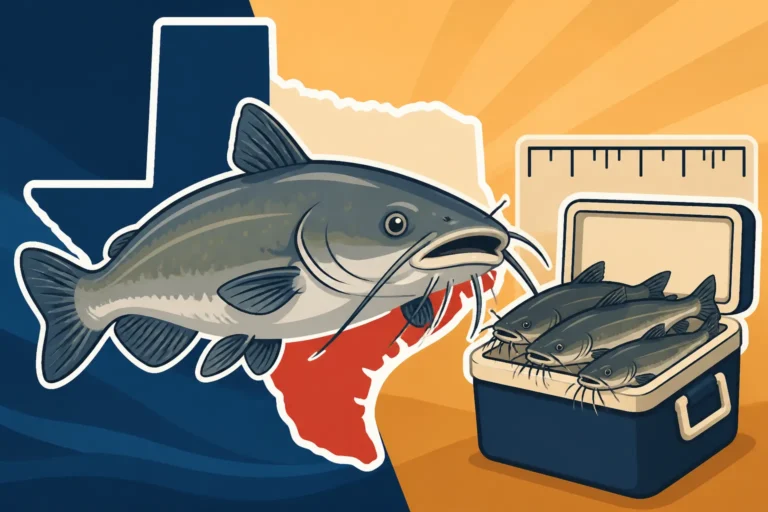
- Channel Catfish and Blue Catfish: For these two species, the statewide daily bag limit is a combined total of 25 fish, with a 12-inch minimum length limit. This means you can keep any combination of channel and blue catfish, as long as the total doesn't exceed 25, and each fish is at least 12 inches long. However, there are exceptions. Some community fishing lakes and specific reservoirs might have different limits. For example, some urban ponds participating in the Neighborhood Fishin' Program may have a higher daily bag limit with no length restriction to encourage harvest.
- Flathead Catfish: Flathead catfish, known for their solitary nature and impressive size, have a more restrictive statewide daily bag limit of 5 fish, with an 18-inch minimum length. These larger, predatory catfish are important components of the ecosystem, and their numbers are managed differently to protect their populations.
It's crucial to accurately identify which type of catfish you've caught, as misidentification could lead to unknowingly violating a limit. You can learn more about specific regulations in our article on Texas Catfish Bag Limits.
Crappie and White Bass: Panfish and Schooling Fun
Crappie (both white and black) and white bass are beloved by many Texas anglers for their schooling behavior and delicious taste. They often provide fast-paced action, especially during their spawning runs.
- Crappie: The statewide daily bag limit for crappie (combined white and black) is 25 fish, with a 10-inch minimum length limit. This applies to most public waters. During the spring, when crappie move into shallower waters to spawn, it's easy to catch a lot of them quickly. Maintaining an accurate count and measuring each fish is essential to stay within the legal limits. Some specialized crappie lakes might have different rules, so always verify locally. More details can be found in our guide to Texas Crappie Bag Limits.
- White Bass: White bass are famous for their aggressive feeding "runs" up rivers and creeks in early spring. The statewide daily bag limit for white bass is 25 fish, with a 10-inch minimum length limit. These limits are fairly consistent across the state, making them a little easier to remember. However, just like with crappie, the sheer volume of fish you can encounter during a good run makes it imperative to keep track of your catch to avoid exceeding the limit.
Both species can be easily caught on light tackle, often with small jigs or spinnerbaits. Keep a compact measuring tape handy for crappie and white bass, ensuring every fish you keep meets the minimum size.
Other Popular Freshwater Species
Beyond the big three, Texas freshwater systems host a variety of other popular game fish, each with its own set of rules.
- Rainbow Trout: These cold-water beauties are not native to Texas but are regularly stocked by TPWD during the cooler months, primarily in the Guadalupe River and numerous urban ponds. For stocked rainbow trout, the statewide daily bag limit is 5 fish, with no minimum length limit. This is often a favorite for family outings, as even smaller trout are legal to keep.
- Sunfish (Bream, Perch): Species like bluegill, redear sunfish, and green sunfish are abundant and provide excellent fishing opportunities, especially for children. For most sunfish species, there are no daily bag or length limits on public waters, allowing anglers to keep as many as they wish, regardless of size. This makes them a perfect target for beginners, and many an angler started their journey catching bream. However, always double-check the specific regulations for the water body you are fishing, as some very localized exceptions might exist.
- Striped Bass and Hybrid Striped Bass: While not entirely freshwater, these powerful fish are found in many large Texas reservoirs. The statewide daily bag limit is 5 fish, with an 18-inch minimum length limit. However, certain lakes, especially the popular Lake Texoma, have unique reciprocal agreements with Oklahoma, meaning different rules apply there. Always consult specific regulations for border waters.
The diversity of freshwater fishing in Texas is incredible, but it puts the onus on the angler to be well-informed. Consulting the official Texas Outdoor Annual, available online and often in print at sporting goods stores, is your best bet for the most current information.
Saltwater Fish Bag and Length Limits on the Texas Coast
The Texas Gulf Coast offers some of the most diverse and thrilling saltwater fishing experiences in the nation. From the shallow bays to the deep offshore waters, anglers can target a variety of prized game fish. However, just like in freshwater, stringent regulations are in place to manage these valuable marine resources. Understanding the bag and length limits for species like redfish, speckled trout, and flounder is critical for any coastal angler.
Redfish: The Iconic Texas Inshore Fighter
The red drum, or redfish as it's commonly known, is a true Texas icon. Known for its powerful fight and delicious fillets, it's a primary target for bay and surf anglers. The regulations for redfish are a prime example of a "slot limit" designed to protect both juvenile fish and the vital spawning population.
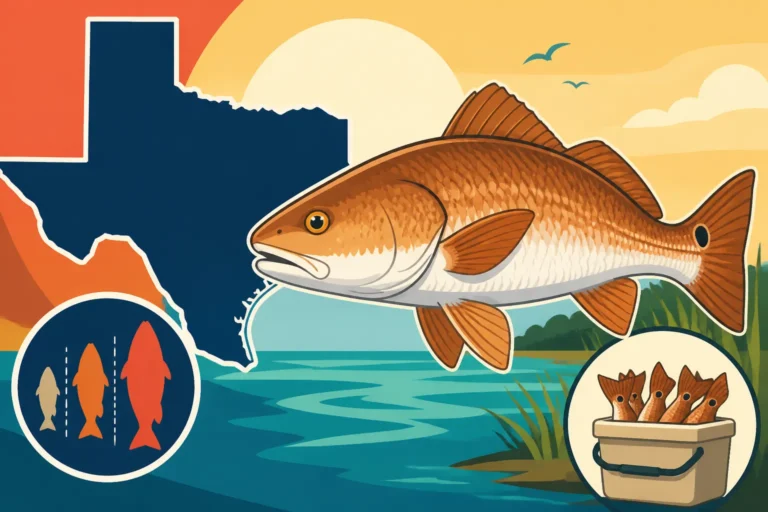
The current statewide daily bag limit for redfish is 3 fish per person. These three fish must fall within a 20- to 28-inch slot length limit. This means any redfish shorter than 20 inches or longer than 28 inches must be immediately released unharmed. The logic here is clear: the smaller fish need to grow up and reproduce, and the larger "bull reds" (those over 28 inches) are the primary breeders, essential for maintaining future stocks.
There's a special provision for trophy-sized redfish: one red drum over the 28-inch maximum length limit may be retained per year by an angler, provided it is tagged with a Texas Parks and Wildlife Department "trophy red drum tag" from their fishing license. This tag is often part of the Texas All-Water Fishing License Explained or a specific saltwater endorsement. It's a coveted tag that allows an angler to keep one truly massive redfish in their lifetime of fishing each year, but only after adhering to strict tagging rules. For more details on these specific rules, check out our article on Texas Redfish Size and Bag Limits.
Speckled Trout: A Bay System Staple
Speckled trout (spotted seatrout) are another cornerstone of Texas bay fishing. These opportunistic predators are popular for their aggressive strikes and tasty white meat. Like redfish, they are heavily managed to ensure sustainable populations.
The statewide daily bag limit for speckled trout is 5 fish per person, with a 15-inch minimum length limit. This means any trout caught under 15 inches must be released. There is generally no upper slot limit for speckled trout, but the 15-inch minimum is strictly enforced to protect younger fish.
It's important to note that while the 5-fish, 15-inch rule is statewide, regulations can be subject to change based on scientific assessments of the population. For instance, in times of extreme cold or other environmental pressures, emergency closures or reduced bag limits might be enacted for short periods to protect the species. Always check for the most current regulations, especially if fishing after a significant weather event. A detailed breakdown of these rules can be found in our guide on Texas Speckled Trout Bag Limits.
Flounder: Seasonal Considerations and Gigging Rules
Southern flounder are a unique and highly sought-after species in Texas, especially during their fall migration. Known for their delicious flavor and the challenge of gigging them, flounder regulations are among the most dynamic, with specific seasons and methods of take.
The daily bag limit for southern flounder is 2 fish per person for most of the year. However, during the crucial fall spawning migration, specific regulations come into play. Historically, there has been a significant closure period, often in November, when flounder fishing is either prohibited or heavily restricted to protect the migrating spawners. Outside of these closures, the minimum length limit is 15 inches.
Gigging, a popular method for harvesting flounder at night, is allowed during open seasons, but with specific gear and light restrictions. This makes it crucial to be aware of the exact dates for open and closed seasons, as fishing during a closure, even by accident, can result in severe penalties. Our post on Texas Flounder Season and Limits provides more in-depth information on these critical dates and rules. Keeping an eye on the TPWD website or your local bait shop is essential for up-to-date flounder season information.
Other Coastal Species: Black Drum, Sheepshead, etc.
Beyond the "big three," the Texas coast offers a bounty of other species, each with its own set of rules.
- Black Drum: These robust fish are common in bays and surf. The daily bag limit is generally 5 fish per person, with a 14- to 30-inch slot length limit. Similar to redfish, one black drum over 30 inches can be retained per year with a valid trophy tag.
- Sheepshead: Known for their human-like teeth and talent for stealing bait, sheepshead have a daily bag limit of 5 fish and a 15-inch minimum length limit.
- Gafftopsail Catfish: Often called "gafftop," these saltwater catfish are abundant and often caught incidentally. They have a daily bag limit of 10 fish and a 14-inch minimum length limit.
- King Mackerel and Spanish Mackerel: These pelagic species are popular for offshore and nearshore anglers. King mackerel typically have a daily bag limit of 2 fish and a 27-inch minimum length. Spanish mackerel usually have a daily bag limit of 15 fish and a 14-inch minimum length.
- Cobia (Ling): A prized catch offshore, cobia generally have a daily bag limit of 2 fish and a 37-inch minimum length limit.
For all saltwater fishing, acquiring a Texas Saltwater Endorsement Explained is typically required in addition to your general fishing license. Always carry a reliable tape measure and be familiar with fish identification to ensure you're compliant with all regulations. Getting yourself a good fish identification chart (easily found on Amazon) for the Gulf Coast can be incredibly helpful for quickly identifying your catch.
Special Regulations and Considerations
While the general statewide rules cover many scenarios, Texas fishing regulations have nuances that demand attention. Certain gear types, specific bodies of water, and even how close you are to state borders can all change the rules of the game. Being aware of these special considerations is what separates a knowledgeable angler from one who might inadvertently break the law.
Artificial Baits and Gear Restrictions
Texas law is specific not just about what you catch, but how you catch it. While rod and reel fishing with artificial lures or natural bait is the most common method, other traditional fishing methods like trotlines and juglines come with their own detailed set of regulations. For example, trotlines and juglines must adhere to strict rules regarding the number of hooks allowed, the type of line, and mandatory identification tags. These tags typically need to bear the angler's name and address or their TPWD customer number. Failing to properly tag your gear, or exceeding the hook limits, can lead to fines and confiscation of your equipment.
Furthermore, some water bodies may have restrictions on certain types of bait or gear. For instance, some smaller community fishing ponds might prohibit the use of live bait to prevent the introduction of invasive species or to manage existing fish populations. There are also specific rules for methods like bowfishing and gigging, especially for species like alligator gar and flounder, respectively. Always consult the "Means and Methods" section of the Outdoor Annual to ensure your chosen fishing technique is legal for your target species and location. Our guide on Texas Trotline and Jugline Rules can provide more specific details on those methods.
Public vs. Private Waters
One of the most common questions anglers have is whether regulations apply to private property. The general rule in Texas is that if you are fishing in a pond or lake that is wholly contained on private property and does not have access to public waters, you typically do not need a fishing license, nor do the statewide bag and length limits apply. This means if you're fishing your buddy's stock pond that's entirely on his land and has no outflow to a river or creek, you're usually exempt from most state regulations for that specific body of water.
However, this exemption is very specific. If the private water body is fed by or drains into public waters, or if it's large enough to be considered "public water" by the state, then all standard Texas fishing license requirements and regulations, including bag and length limits, do apply. Lakes and rivers that flow through private property are still considered public waters. When in doubt, it's always safer to assume state regulations apply and fish with a valid license, adhering to all bag and length limits.
Reciprocal Agreements and Border Waters
Texas shares several significant fishing destinations with neighboring states, and these "border waters" often have unique reciprocal agreements that can affect license requirements and fishing regulations. The two most prominent examples are:
- Lake Texoma (Texas/Oklahoma): This massive reservoir on the Red River is famous for its striped bass fishing. Because it straddles the Texas-Oklahoma border, a special Lake Texoma fishing license is often available, or anglers may fish with either a valid Texas or Oklahoma fishing license, provided they stay within specific zones or adhere to the more restrictive of the two states' rules. The bag and length limits for species like striped bass can also differ from statewide Texas rules. Always check the specific Lake Texoma regulations before fishing there, as they are distinct from general Texas statewide rules.
- Toledo Bend Reservoir (Texas/Louisiana): Another huge border lake, Toledo Bend, shared with Louisiana, also operates under a reciprocal agreement. Anglers possessing a valid fishing license from either Texas or Louisiana may fish in any portion of Toledo Bend Reservoir without needing an additional license. However, anglers must comply with the bag and length limits of the state whose license they hold, regardless of which side of the lake they are fishing on. This can be a point of confusion, so knowing your own state's rules is paramount.
Fishing these border waters requires extra diligence to ensure compliance. The convenience of reciprocal agreements makes it easy to enjoy these vast fisheries, but it's crucial not to let your guard down regarding the specific rules.
How to Stay Up-to-Date on Texas Fishing Regulations
The world of fishing regulations isn't static. Fish populations change, environmental factors shift, and management strategies evolve. What was true last year might have a slight modification this year. As a responsible angler, it's your duty to ensure you're always operating with the most current information. Luckily, the Texas Parks and Wildlife Department provides several excellent resources to keep you in the know.
The Official Outdoor Annual: Your Essential Guide
Without a doubt, the single most authoritative and comprehensive source for all Texas hunting and fishing regulations is the Texas Parks and Wildlife Department Outdoor Annual. This publication is updated annually and contains every single regulation you need to know, from license requirements to specific bag and length limits for every species in every county and major body of water.
Many seasoned anglers consider the Outdoor Annual their fishing bible. It's available in several formats:
- Printed Booklet: You can pick up a physical copy for free wherever hunting and fishing licenses are sold, such as at sporting goods stores like Academy Sports + Outdoors or even at many Walmart locations. Many anglers even order a physical copy of the Texas Parks and Wildlife Department's (TPWD) Outdoor Annual directly from Amazon to keep in their tackle box or boat.
- Online Version: A fully digital, interactive version is available on the TPWD website. This is incredibly convenient as you can access it from your phone or tablet while on the go.
- Mobile App: The official TPWD Outdoor Annual app is available for both iOS and Android devices. This app is fantastic because it allows you to carry the entire regulation book in your pocket, accessible even without an internet connection once downloaded. It often features easy-to-navigate sections, making quick look-ups a breeze while you're on the water.
Make it a habit to review the Outdoor Annual at the start of each license year (September 1st in Texas) or whenever you plan to fish a new body of water or target a new species.
Online Resources and Mobile Apps
Beyond the official Outdoor Annual, the TPWD website (tpwd.texas.gov) is a treasure trove of information. Here you'll find:
- Regulation Updates: Any emergency closures, temporary changes, or new regulations are typically announced and posted immediately on the TPWD website. Checking this site before a trip, especially if there have been unusual weather events, is a smart move.
- Fish Stocking Reports: Wondering if your local lake has been stocked with rainbow trout or channel catfish? The TPWD website has up-to-date stocking schedules and reports.
- Fishing Reports: While not directly regulatory, fishing reports often mention local conditions and any specific rules that guides or local experts are emphasizing.
- Mobile Apps: As mentioned, the official Outdoor Annual app is a must-have. Additionally, there are other apps available from third-party developers that can help with fish identification or provide access to lake maps and fishing hot spots, though always double-check regulatory information against official TPWD sources.
Utilizing these digital tools can significantly enhance your fishing experience and ensure you're always compliant.
Consulting Local Experts and Bait Shops
While official sources are paramount, local knowledge is invaluable. Bait and tackle shops, especially those right near popular fishing spots, are often hubs of current information. The folks working there usually know the waters intimately and are often happy to share insights on recent changes, local hot spots, and even nuances of regulations specific to their area.
- Ask Questions: Don't hesitate to ask about current bag and length limits, any recent changes, or specific rules for the lake or bay you're about to fish. They can often provide practical advice, like where to find the best measuring devices or what tackle is working for certain species.
- Guides and Charters: If you're hiring a fishing guide or charter captain, they are professional experts in their field and are legally obligated to know and follow all regulations. They are an excellent resource for learning the ropes and understanding how to apply the rules in real-time.
- Fellow Anglers: While always verify critical information with official sources, chatting with other anglers at the boat ramp or on the pier can also offer anecdotal insights into local conditions and common practices.
Combining official resources with practical local advice creates a well-rounded understanding of Texas fishing regulations, ensuring you're both compliant and well-prepared for a successful trip.
Common Mistakes and How to Avoid Them
Even with the best intentions, anglers can sometimes fall afoul of regulations due to common mistakes. These aren't usually malicious acts, but rather oversights or misunderstandings that can still result in fines or penalties. Being aware of these pitfalls is the first step toward avoiding them and ensuring a smooth, enjoyable fishing trip.
Misidentifying Fish Species
One of the most frequent errors leading to violations, particularly with bag and length limits, is simply misidentifying your catch. Texas is home to many fish species that look similar, especially to an inexperienced eye. For example:
- White Bass vs. Striped Bass vs. Hybrid Striped Bass: These three can be notoriously difficult to tell apart, especially when they're smaller. Each has different bag and length limits, so mistaking a hybrid for a pure striper could put you in violation.
- Channel Catfish vs. Blue Catfish: While their combined bag limit is often the same, knowing the distinction is good practice, and some specific bodies of water might have different rules.
- Spotted Bass vs. Largemouth Bass: These "black bass" species share many characteristics, but their exact length limits can vary by lake.
- Red Drum vs. Black Drum: Though distinct, in a moment of excitement or low light, an angler might confuse a smaller black drum for a redfish, or vice-versa.
How to avoid it:
- Study Fish Identification: Before your trip, familiarize yourself with the key identification markers of the fish you plan to target and those that closely resemble them. Many resources, including the TPWD website and various fishing books, offer excellent diagrams.
- Use an Identification Guide: Keep a laminated fish identification chart or an app on your phone handy. You can find comprehensive charts on Amazon that are waterproof and durable for on-the-water use.
- When in Doubt, Release: If you're truly unsure about a fish's identity and its corresponding regulation, the safest and most ethical choice is always to release it unharmed.
Incorrectly Measuring Fish
Another common mistake is incorrectly measuring a fish, especially when dealing with minimum or slot length limits. How you measure can significantly impact whether a fish is legal to keep or not.
In Texas, fish are generally measured from the tip of the snout to the farthest tip of the tail, with the tail pinched together (compressed). This ensures you're getting the absolute maximum length. Some anglers make the mistake of measuring to the fork of the tail or letting the tail flop naturally, which can result in an inaccurate, shorter measurement.
How to avoid it:
- Invest in a Reliable Measuring Device: A sturdy, flat measuring board is ideal, especially for bass and saltwater species. Flexible tape measures are acceptable, but a solid board helps ensure accuracy. Again, good quality measuring boards are readily available on Amazon.
- Understand the "Pinch Tail" Rule: Always pinch the tail to get the full length. Place the fish on its side on the measuring device, with its snout touching the zero mark, and compress the tail to read the measurement at the furthest point.
- Practice Measuring: Before your trip, practice measuring items of known length to get comfortable with the technique. It sounds silly, but practicing ensures you're efficient and accurate when a live fish is on the line.
- Measure on a Flat Surface: Try to measure the fish on a flat, stable surface if possible. This reduces error compared to trying to hold a wiggly fish and a tape measure simultaneously.
A clear understanding of how to measure a fish is as important as knowing the limit itself.
Forgetting Endorsements or Special Tags
Having a basic fishing license is just the first step. Texas fishing often requires additional endorsements or tags depending on what and where you're fishing. Forgetting these can render your license incomplete for certain activities.
- Saltwater Endorsement: If you plan to fish in saltwater, you must have a valid Texas Saltwater Endorsement Explained in addition to your general fishing license. This applies whether you're fishing from a pier, boat, or wading in the bays.
- Freshwater Drum Tag/Red Drum Tag: For specific species like trophy redfish or black drum, a special tag (often called a "trophy red drum tag") that comes with your license may be required to keep an over-slot fish. Using this tag means you've used your annual allotment for that specific species.
- Federal Permits: If you venture far offshore into federal waters (beyond 9 nautical miles from the coast), you may need additional federal permits for certain highly migratory species like tuna or billfish.
How to avoid it:
- Review Your License Annually: When you purchase or renew your Texas Fishing License Renewal Rules, take a moment to review all the endorsements available and ensure you have purchased everything you need for your planned activities.
- Check the Outdoor Annual: The "Licenses and Permits" section of the Outdoor Annual clearly outlines all required endorsements.
- Ask When Purchasing: When buying your license, ask the vendor if there are any additional endorsements needed for the type of fishing you'll be doing. They are often knowledgeable about common requirements.
Making sure your license is fully compliant with all necessary endorsements and tags is a small step that prevents big problems, allowing you to focus on the joy of fishing in Texas.
Summary of Common Texas Fish Regulations
To give you a quick reference for some of the most commonly targeted species in Texas, here’s a summary table. Please remember that these are general statewide regulations and special limits can apply to specific lakes, rivers, or bays. Always consult the official TPWD Outdoor Annual for the most current and localized information.
| Species | Daily Bag Limit (Statewide) | Minimum Length Limit (Statewide) | Slot/Maximum Length Limit (Statewide) | Notes |
|---|---|---|---|---|
| Largemouth Bass | 5 | 14 inches | None (unless special regulation) | Many lakes have special length/slot limits. Check local rules. |
| Channel/Blue Cat | 25 (combined) | 12 inches | None | Some exceptions for community fishing lakes. |
| Flathead Catfish | 5 | 18 inches | None | Larger, more predatory species. |
| Crappie | 25 (combined) | 10 inches | None | White and Black Crappie combined. |
| White Bass | 25 | 10 inches | None | Excellent during spring runs. |
| Redfish | 3 | 20 inches | 28 inches (1 over 28" with trophy tag) | Slot limit is critical. |
| Speckled Trout | 5 | 15 inches | None | Subject to change based on conditions (e.g., freeze events). |
| Southern Flounder | 2 | 15 inches | None | Highly seasonal, check for closures (especially in fall). |
| Black Drum | 5 | 14 inches | 30 inches (1 over 30" with trophy tag) | Similar slot rules to Redfish. |
| Sheepshead | 5 | 15 inches | None | Often found around jetties and structure. |
| Rainbow Trout | 5 | None | None | Stocked in cooler months, popular for family fishing. |
| Sunfish (Bream) | No limit | No limit | No limit | Bluegill, Green Sunfish, Redear Sunfish. Great for beginners. |
Disclaimer
The information provided in this guide is intended for general informational purposes only and is subject to change. While we strive to offer accurate and up-to-date content, fishing regulations, bag limits, and length restrictions in Texas can be modified by the Texas Parks and Wildlife Department (TPWD) at any time. It is the sole responsibility of each angler to review and comply with all current state and local fishing laws and regulations before engaging in any fishing activity. Always consult the most recent official TPWD Outdoor Annual or the TPWD website for the definitive and legally binding rules. We are not responsible for any violations or consequences incurred by individuals based on the information presented here.