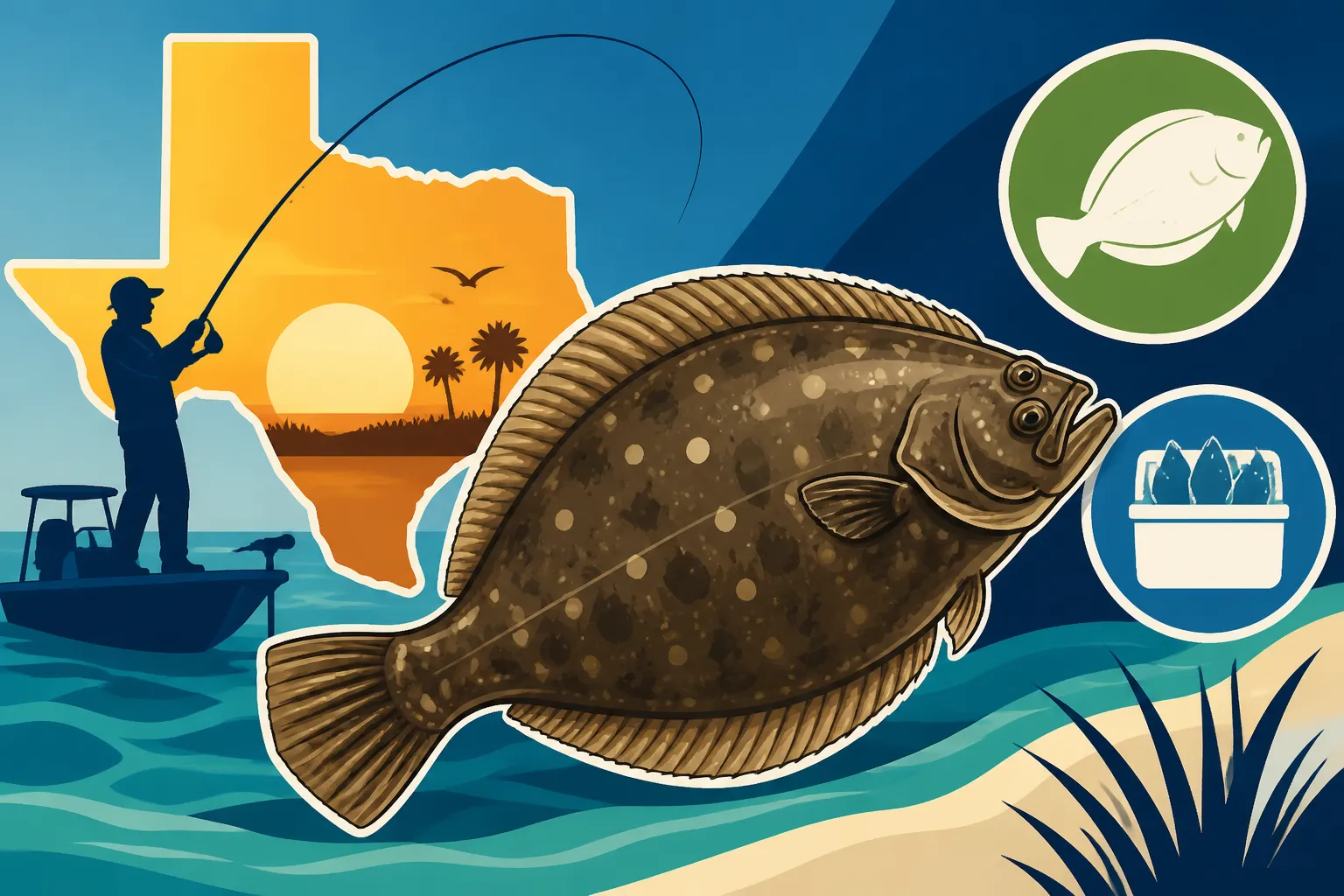
Texas Flounder Season and Limits
It can be incredibly frustrating to plan a fishing trip, only to realize the season for your target species is closed, or you’re unsure of the exact limits. For many Texas anglers, especially those chasing that delicious flounder, navigating the specific regulations around their season and limits can feel like trying to untangle a knotted fishing line. This comprehensive guide will meticulously break down the intricate rules governing Texas flounder fishing, from the annual closure to daily bag and length limits, helping you stay compliant and make the most of your time on the water.
Understanding the Texas Flounder Season Closure
Texas is a truly special place for fishing, offering incredible diversity, but with that comes a need for careful management, especially for popular species like the southern flounder. These flatfish are highly sought after for their delicate flavor and the unique challenge they present to anglers, particularly those who enjoy the nighttime pursuit of gigging. However, to ensure these populations remain healthy for future generations, the Texas Parks and Wildlife Department (TPWD) has implemented specific seasonal closures and limits, the most notable being the annual flounder ban.
The Critical Annual November-December Restrictions
For years, Texas anglers have known that November brings a change to flounder regulations, and in recent times, those restrictions have extended further into December. Specifically, from November 10 through December 14, the rules shift significantly. During this period, the daily bag limit for flounder is reduced to a mere two fish, and, critically, flounder may only be taken by means of pole-and-line. This means that if you're an avid gig fisherman, your gigging season is effectively closed during this time.
This annual shutdown for gigging and the reduced bag limit for rod-and-reel anglers aren't arbitrary. It's a calculated conservation effort designed to protect flounder during a crucial biological phase. November and early December mark the peak of the flounder's annual offshore migration to spawn. These fish congregate in specific areas, making them incredibly vulnerable to harvest, especially through gigging. By restricting methods and reducing limits, TPWD aims to allow a significant portion of the spawning population to reproduce successfully, safeguarding the species' future. It's a tough pill to swallow for many, especially when the weather is prime for fishing, but it's a necessary step for sustainable angling.
How These Restrictions Impact Anglers
Knowing these dates is absolutely paramount to avoiding a hefty fine or even losing your fishing privileges. Imagine heading out on a crisp November night with your gigging gear, ready to fill your cooler, only to be stopped by a game warden and discover you're breaking the law. The consequences for fishing without a Texas license or violating bag and length limits can be severe, so understanding these specific seasonal nuances is vital. These regulations also mean a shift in fishing strategy for many. If you typically rely on gigging, this period forces you to put away the lights and try your hand at rod-and-reel techniques, perhaps even exploring different species.
It's also a good time to reconsider your gear. While many flounder anglers prefer heavier setups for controlling bigger fish in current, the pole-and-line restriction doesn't necessarily mean you need specialized gear just for this period. However, it does emphasize the importance of having a versatile setup if flounder is your target year-round. You might find yourself on Texas Freshwater Fishing Regulations looking for other options, or exploring Texas Saltwater Fishing Regulations for species that remain open with more generous limits during the flounder closure.
Key Flounder Limits You Need to Know
Beyond the seasonal closure, there are standing rules for flounder that apply for the majority of the year. These limits are in place to ensure fair harvest and to prevent overfishing, maintaining a balance in our coastal ecosystems. Understanding these numbers is just as important as knowing when you can and cannot gig.
Daily Bag Limits and Possession
For the bulk of the year, specifically from December 15 through November 9, the daily bag limit for southern flounder is 5 fish per person. This means that in a single day, you are allowed to keep up to five legal-sized flounder that you have caught. It’s important to clarify that this is a daily limit, not a possession limit over multiple days unless you're talking about commercial operations or specific scenarios, which recreational anglers usually don't need to worry about.
What about possession? Generally, you can possess up to the daily bag limit for the current day's fishing. If you're on a multi-day trip and storing fish, things can get a bit trickier. The rule of thumb is often that you can't possess more than the daily bag limit unless the fish are properly labeled with information like the angler's name, license number, and the date the fish were caught. This is especially true if you have fish at home in a freezer. Always default to keeping precise records if you're holding onto fish from previous trips to avoid any misunderstandings with enforcement.
Minimum Length Requirements
Size truly matters when it comes to flounder. To ensure that fish have a chance to mature and spawn at least once, TPWD has set a strict minimum length limit. All southern flounder caught in Texas waters must be at least 15 inches in length to be legally retained. This measurement is taken from the tip of the snout to the tip of the tail, with the fish lying flat. If you catch a flounder that doesn't meet this 15-inch minimum, you must immediately release it back into the water.
This minimum length limit means anglers need to be prepared with a reliable measuring device. A simple tape measure or a marked cooler can save you a lot of trouble. Releasing undersized fish quickly and carefully is crucial for their survival. Wet your hands before handling, avoid touching their gills, and get them back into the water as fast as possible. This commitment to conservation helps ensure that there are plenty of larger fish available for future catches. You can find more detailed information on Texas Fish Bag and Length Limits.
| Season/Period | Daily Bag Limit | Minimum Length Limit | Permitted Fishing Method |
|---|---|---|---|
| Dec 15 – Nov 9 | 5 Flounder | 15 inches | Rod-and-Reel, Gigging |
| Nov 10 – Dec 14 | 2 Flounder | 15 inches | Pole-and-Line (Rod-and-Reel) Only |
| (Gigging is PROHIBITED during Nov 10 – Dec 14) |
Identifying Southern Flounder and Protecting Others
When you’re out on the water, especially in the low light conditions often favored for flounder fishing, it’s easy to mistake one flatfish for another. Texas waters are home to a few different species of flounder and other flatfish, but the regulations we're discussing specifically target the Southern Flounder (Paralichthys lethostigma). Knowing how to correctly identify your catch is key to complying with regulations and practicing responsible angling.
Southern Flounder Characteristics
Southern Flounder are masters of camouflage, blending seamlessly with the sandy or muddy bottoms where they ambush their prey. They have a characteristic flat, oval-shaped body with both eyes located on one side of their head – typically the left side, though right-eyed individuals do occur. Their coloration varies widely depending on their surroundings, ranging from mottled brown and gray to greenish hues, often with scattered dark spots or blotches.
One of the most defining features to look for, especially when distinguishing them from other flatfish, is their relatively large mouth, which extends well beyond the eye. They also possess sharp, conical teeth. This predatory mouth is a tell-tale sign of their ambush hunting style. When you're bringing one into the boat or up to the bank, take a moment to observe these characteristics. Getting familiar with the subtle differences between species is a mark of a truly experienced and ethical angler.
Differentiating from Other Flatfish Species
While Southern Flounder are the most common and regulated, Texas waters also host other flatfish like Gulf Flounder (Paralichthys albigutta), Fringed Flounder (Etropus crossotus), and Hogchokers (Trinectes maculatus). The Gulf Flounder is perhaps the most easily confused with the Southern Flounder. Gulf Flounder typically have three distinct, ocellated spots (eye-like spots with a dark center and lighter ring) in a triangle pattern on their body, which Southern Flounder lack or have only faintly.
Another important distinction is that while most flounder have their eyes on the left side, other species of flatfish, like some sole, might have their eyes on the right. Always remember that the regulations specifically pertain to "Southern Flounder." If you're unsure, it's always best to err on the side of caution and release the fish. Carrying a small, laminated fish identification guide, which you can easily purchase from places like Amazon, can be a huge asset in these situations, helping you quickly confirm your catch on the spot. Your knowledge helps protect the less common or unregulated flatfish populations.
Effective Flounder Fishing Techniques Before and After the Closure
Flounder fishing is an art, whether you’re targeting them with a rod and reel or stalking them with a gig. Each method has its own charm and requires a specific approach. Understanding when and how to deploy these techniques effectively, especially with the regulations in mind, can significantly boost your success.
Pre-Closure Strategies: Gigging and Rod-and-Reel
Before the November 10th restriction kicks in, gigging is a highly popular and effective method for catching flounder, especially at night. It involves wading in shallow, clear coastal waters (typically 1-3 feet deep) with a powerful light and a multi-pronged gig. The idea is to spot flounder lying camouflaged on the bottom and then quickly spear them. Areas with sandy bottoms adjacent to grass beds, oyster reefs, or channel edges are prime locations. For successful gigging, clear water is crucial, as is a good light source that can cut through the water effectively. Many experienced giggers swear by powerful LED lights that illuminate a wide area, which you can find a great selection of on Amazon.
For rod-and-reel anglers, artificial lures like soft plastics rigged on jig heads are incredibly effective. A slow, steady retrieve along the bottom, mimicking a wounded baitfish or shrimp, often entices a strike. Live bait, such as mud minnows, shrimp, or small mullet, fished on a Carolina rig or a simple bottom rig, can also be deadly. Look for flounder in similar areas as giggers – shallow flats, mouths of bayous, channel edges, and around structure like piers or docks. The key is to keep your bait or lure on or very near the bottom, as flounder are ambush predators. Learning Texas Saltwater Fishing Techniques can give you an edge.
Post-Closure Tactics: Pole-and-Line Only
Once November 10th hits and until December 14th, gigging is off the table, and you're limited to pole-and-line. This means focusing entirely on traditional rod-and-reel methods. Don't be discouraged, though; flounder can absolutely be caught this way, and sometimes the challenge makes the catch even sweeter. During this period, flounder are still in their migratory patterns, often moving towards deeper passes and channels as they head offshore to spawn. Target these areas with live bait on a Carolina rig, letting the current carry your bait naturally along the bottom.
Many anglers find success fishing around jetties, passes, and deeper bay channels during this time. The fish are often more concentrated, albeit fewer in number due to the migration. Slow-drifting with live bait or meticulously working soft plastics along the bottom remains the most productive approach. Consider using heavier jig heads if fishing in stronger currents to ensure your lure stays down where the flounder are. This period is a great opportunity to refine your angling skills and appreciate the subtle takes of a flounder on the line. You'll often find seasoned anglers focusing on Texas Flounder Minimum Length Limit and ensuring their catch is legal before it hits the cooler.
Common Misconceptions and Legalities of Flounder Fishing
The world of fishing regulations can be complex, and flounder rules are no exception. Misunderstandings can lead to unintentional violations, which no angler wants. Let’s clear up some common areas of confusion surrounding flounder fishing in Texas.
Common Violations to Avoid
One of the most frequent violations during the November 10 – December 14 closure period is illegal gigging. Even if you're out there with your light, not actively gigging, but have a gig on board, you could face questions from a game warden. The rule is very specific: "flounder may only be taken by means of pole-and-line." This means no gigs, no nets specifically for flounder, and certainly no spearing during this period. Another common mistake is keeping undersized fish. That 15-inch minimum length limit is non-negotiable, and even being an inch short can result in a citation. Always measure your fish, especially if you're in doubt.
Lastly, exceeding the daily bag limit is another easy trap to fall into, especially if you're having a particularly good day. Remember, it's 5 fish from December 15 through November 9, and then a strict 2 fish from November 10 through December 14. "Just one more" can quickly turn into a fine. These rules apply whether you're fishing from a boat, kayak, or wading the flats. Proper adherence to these regulations is a sign of respect for the fishery and your fellow anglers. For additional details on specific restrictions, you might want to look at Texas Flounder Bag Limits by Species.
Texas Flounder Season Dates and Reciprocal Agreements
It’s often asked whether there are any regional differences or special rules for flounder, especially near border waters. For instance, questions often arise about reciprocal agreements with states like Louisiana on shared waterways like the Sabine River. While Texas has specific reciprocal license agreements with Louisiana for certain waters, particularly on the Sabine River and Toledo Bend Reservoir, these typically cover fishing license requirements rather than specific species regulations like bag and length limits.
Generally, when fishing on the Texas side of any shared border water, you are expected to adhere to Texas regulations. Conversely, on the Louisiana side, Louisiana rules apply. It’s a common misconception that having a reciprocal license means all rules are harmonized. Always check the specific regulations for the state you are physically fishing in, especially concerning species-specific rules like flounder seasons. This also applies to special zones or state park piers. For instance, some state parks might have slightly different rules or offer Free Shoreline Fishing at Texas State Parks, but the core flounder season and limits usually remain consistent with statewide mandates. To avoid any confusion, always refer to the official TPWD outdoor annual. For more on border waters, check out Texas-Louisiana Reciprocal Fishing License Rules.
Why These Regulations Exist: Conservation Efforts
It's easy to view fishing regulations as obstacles, but they are, in fact, the bedrock of sustainable angling. The specific rules surrounding Texas flounder, especially the annual closure and reduced limits, are direct results of scientific research and a concerted effort to manage a valuable natural resource.
Protecting Spawning Populations
The primary driver behind the November 10 – December 14 flounder season closure for gigging and the reduced rod-and-reel limit is to protect the species during its critical spawning migration. Southern flounder migrate from the shallow bay systems out into the Gulf of Mexico during late fall and early winter to reproduce. During this journey and while congregated offshore, they are particularly vulnerable to harvest.
By implementing these restrictions, the TPWD aims to allow a significant portion of the adult flounder population to successfully complete their spawning cycle. More spawners mean more eggs, more larvae, and ultimately, more juvenile flounder recruiting back into our bays in subsequent years. This ensures a robust population for future fishing seasons. Without such measures, intensive fishing pressure during this vulnerable period could lead to a severe decline in flounder numbers, impacting both the ecosystem and the recreational fishing economy. This is Why is Texas flounder season closed in November is such a crucial question for understanding the deeper purpose.
Monitoring and Population Management
The TPWD doesn't just set these rules and walk away; they continuously monitor flounder populations through various research programs. This includes collecting data on catch rates, fish sizes, age, and reproductive health. Biologists use this information to assess the health of the fishery and make informed decisions about future regulations. It’s a dynamic process, and limits can change based on the latest scientific findings.
These efforts are about long-term sustainability. They ensure that Texans can continue to enjoy flounder fishing for generations to come. While sometimes inconvenient, these regulations are a testament to our collective responsibility to preserve our natural heritage. Being a responsible angler means understanding and respecting these conservation goals. This is also why an understanding of the Texas All-Water Fishing License Explained is important, as it covers the costs and requirements that help fund these vital conservation efforts.
Texas Flounder Fishing Gear and Tips
Having the right gear and knowledge beyond just the regulations can make your flounder fishing experience much more enjoyable and successful. It’s not just about what you can do, but what you should do to improve your chances.
Essential Gear for Flounder Anglers
Whether you’re gigging or rod-and-reeling, some gear is simply indispensable. For gigging, a powerful, submersible light is your most important tool. LED lights have come a long way, offering incredible brightness and battery life. You’ll also need a sturdy gig, often with 3-5 prongs, and a comfortable pair of wading boots or shoes to protect your feet from oyster shells and stingrays. A good quality mesh bag or stringer is useful for keeping your catch. For wading in cooler months, a good pair of waders, which you can often find readily on Amazon, will make a huge difference in comfort.
For rod-and-reel fishing, a medium-light to medium action spinning rod, about 6.5 to 7 feet long, paired with a 2500-3000 series spinning reel spooled with 10-15 lb braided line and a fluorocarbon leader is a fantastic all-around setup. This provides enough sensitivity to feel those subtle flounder bites and enough backbone to handle a good-sized fish. You’ll need a selection of jig heads (1/8 to 1/4 oz are common) and soft plastics in natural colors like clear, white, or pumpkinseed. If using live bait, a selection of Kahle hooks or similar wide-gap hooks in sizes 1/0 to 3/0, along with appropriate weights for Carolina rigs, are essential. Don't forget a reliable measuring tape!
Tactics for Higher Success Rates
Flounder are primarily nocturnal feeders, which is why night fishing, whether gigging or with a rod and reel under lights, is so effective. However, they can absolutely be caught during the day, especially in murky or overcast conditions. Focus on areas where baitfish are abundant, as flounder will stage themselves to ambush prey. Look for subtle changes in bottom contour, like drop-offs, potholes in grass beds, or the edges of channels.
The key to catching flounder on rod and reel is patience and a slow presentation. They won't chase a fast-moving lure far. Cast your bait or lure out, let it sink to the bottom, and then retrieve it with a slow, methodical drag, punctuated by pauses and small hops. Think of it as slowly dragging a tasty meal directly in front of their face. If you feel a "thump" or sudden weight, set the hook firmly. Flounder often grab the bait and sit on it for a moment before fully engulfing it, so don't be too quick or too slow to react. Learning How to fish a Texas rig for bass can even teach you techniques applicable to flounder, as both species relate to the bottom.
Navigating Your Texas Fishing Adventure
Equipped with a solid understanding of Texas flounder season and limits, you're much better prepared for a rewarding and legal fishing experience. These regulations, though sometimes challenging to keep track of, are essential tools for maintaining the health and abundance of our precious coastal fisheries.
Planning Your Next Trip
Before every flounder trip, make it a habit to check the current TPWD Outdoor Annual for any last-minute changes to regulations. While this guide provides the most up-to-date information, rules can occasionally be modified, and staying current is your responsibility as an angler. Consider downloading the official TPWD app or keeping a printed copy of the regulations handy.
Think about the time of year you plan to go. If it's outside the November 10 – December 14 closure, you have the full 5-fish bag limit and the option for gigging. If it falls within that period, adjust your expectations to a 2-fish pole-and-line only approach. This proactive planning prevents frustration and ensures you're fishing legally. Also, remember that a valid Texas Fishing License Requirements Explained is always necessary, no matter the season or species (unless you meet specific exemptions).
Contributing to Conservation
Every angler plays a role in conservation. By adhering to bag and length limits, practicing careful catch-and-release of undersized fish, and respecting seasonal closures, you're directly contributing to the sustainability of the flounder population. Consider going a step further by reporting any suspicious illegal activity you witness to game wardens.
Being an informed and ethical angler means more than just catching fish; it means cherishing and protecting the environment that provides them. The beauty of Texas fishing lies in its abundance, and by understanding and respecting the rules, we can ensure that abundance continues for generations of anglers to come.
Disclaimer
The information provided in this guide is intended for general informational purposes only and is based on current Texas Parks and Wildlife Department regulations at the time of writing. Fishing regulations, seasons, and limits are subject to change. Always consult the most recent official Texas Parks and Wildlife Department Outdoor Annual or their website for the most accurate and up-to-date information before engaging in any fishing activities. Compliance with all applicable laws and regulations is the sole responsibility of the angler.