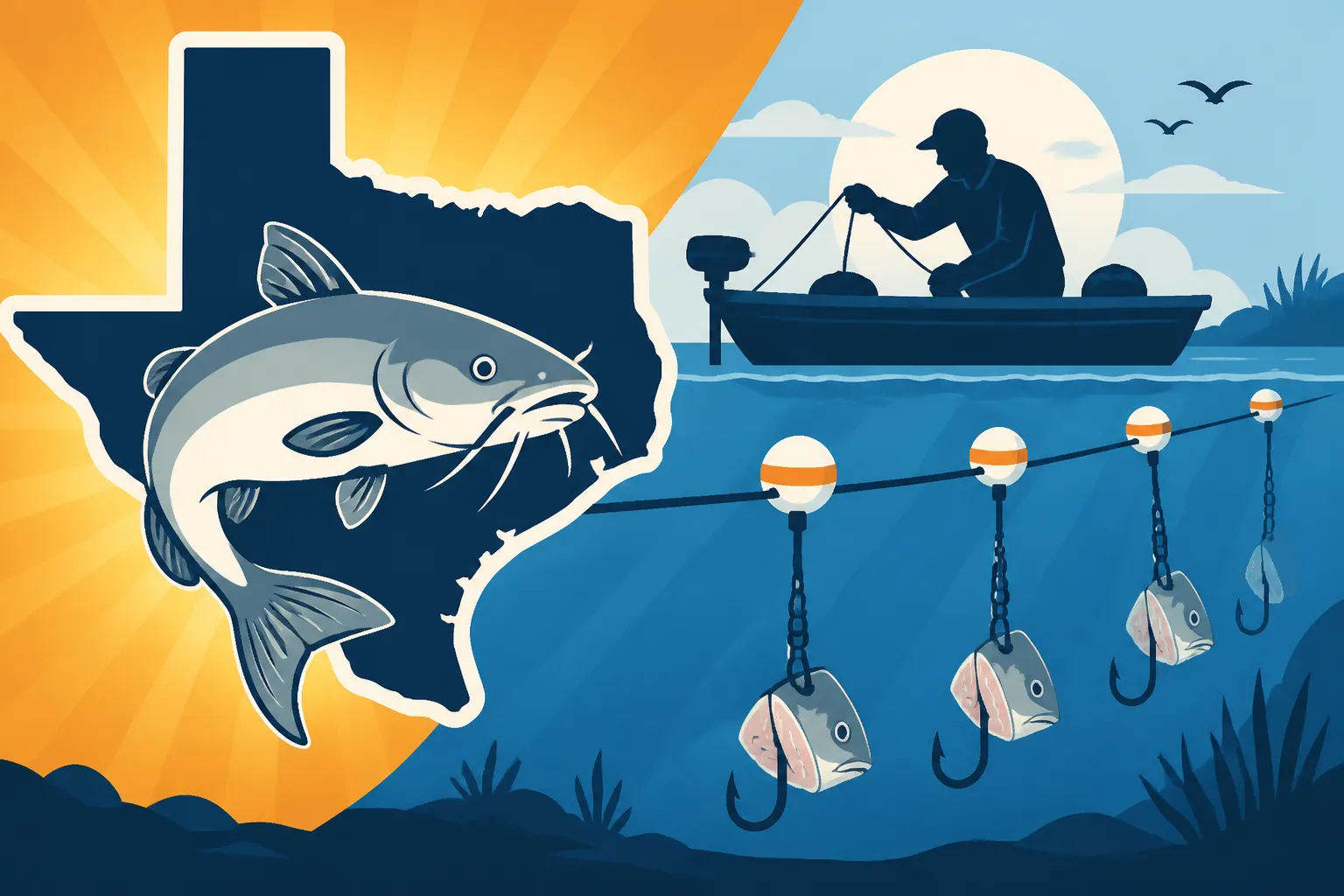
Texas jugline regulations explained
Navigating the myriad of fishing regulations in Texas can feel like trying to untangle a particularly stubborn snarl in your fishing line – frustrating, confusing, and sometimes, you just want to give up. For those of us who love the laid-back, yet incredibly effective, method of juglining, understanding the specific rules is paramount to enjoying a peaceful day on the water without the anxiety of potentially breaking the law. This guide aims to clear up all the intricacies of Texas jugline regulations, helping you confidently deploy your lines and, hopefully, haul in some impressive catches.
Understanding What a Jugline Truly Is in Texas Waters
Before we dive deep into the nitty-gritty of the rules, it's essential to really grasp what the Texas Parks and Wildlife Department (TPWD) considers a "jugline." It's not just any floating device with a hook; there are specific criteria that set it apart from other passive fishing gear like trotlines or throwlines. Getting this definition right is the very first step toward legal and responsible juglining.
Defining the Texas Jugline: More Than Just a Bottle
When you picture a jugline, you probably imagine a plastic bottle or a foam float drifting lazily on the water, with a line descending into the depths. And you'd be mostly right! However, the official definition in Texas specifies it's a fishing line, with a hook or hooks, attached to a "free-floating device." The "free-floating" aspect is key here; unlike a trotline that's anchored or tied off, a jugline is meant to drift with the current or wind. This mobility is part of its charm and effectiveness, allowing it to cover more water and find those elusive fish.
But here's where it gets interesting: each jugline needs to be clearly marked. We’re not talking about just any scribble. The regulations require that each jugline must have a white plastic jug or a similar white float. On this float, you need to legibly display the angler's name and address or, alternatively, their current TPWD customer number. This identification is crucial for enforcement officers to quickly ascertain who the gear belongs to, especially if there's a problem or a violation. Think of it as the license plate for your mini fishing vessel! You can often find durable white plastic jugs suitable for this purpose on platforms like Amazon, making it easy to comply with this requirement.
The "Why" Behind Jugline Popularity
So, why do so many Texas anglers, myself included, gravitate towards juglining? It's really about efficiency and strategy. Juglining is a fantastic method for catching larger, bottom-dwelling fish, particularly catfish, without constantly holding a rod and reel. You can set out multiple lines, covering a wider area and increasing your chances of a catch, especially in larger bodies of water. Imagine setting out a dozen jugs in the evening, enjoying the sunset, and then returning the next morning to check your bounties. It’s a completely different rhythm than active angling.
This passive nature makes it incredibly popular for targeting species like channel, blue, and flathead catfish. These fish are often found patrolling creek channels, river bends, and deep holes in lakes, areas where a drifting jugline can present bait right in their feeding zones. It's also a great way to introduce new anglers, especially kids, to fishing, as the anticipation of checking a bobbing jug can be incredibly exciting. However, the ease of this method also means strict regulations are necessary to prevent overfishing and ensure fair access to public waters for everyone. Without rules, a few individuals could saturate a lake with hundreds of lines, impacting the natural ecosystem and other anglers' experiences.
Navigating the Core Texas Jugline Regulations
Once you understand what a jugline is, the next step is to master the specific regulations that govern its use. These aren't just suggestions; they are laws, and violating them can lead to significant penalties. We’ll cover everything from who needs a license to where you can actually drop a line and how many hooks you can attach.
License and Identification Requirements for Juglines
First things first: do you even need a fishing license to use a jugline in Texas? Absolutely! Just like any other form of recreational fishing, if you're 17 years of age or older and not exempt, you'll need a valid Texas fishing license. This includes using juglines, trotlines, or any other legal fishing device. There’s no special "jugline license" required, but your general fishing license covers it. You can learn more about the specific requirements by checking out the comprehensive guide on Texas Fishing License Requirements Explained.
Remember that identification on your jug? It's not just a suggestion; it's a hard and fast rule. Every single jugline you deploy must have your name and address, or your current TPWD customer number, legibly marked on the white plastic float. This isn't just about accountability; it helps game wardens quickly identify abandoned gear or trace violations back to the responsible party. If your jugline is found without proper identification, it can be considered illegal gear and confiscated, and you could face a citation if caught. Imagine forgetting to mark a jug and having it pulled by a game warden – all that effort for nothing, and a potential fine to boot! These gear tags are part of the broader Texas gear tag requirements for trotlines and juglines, so it's critical to be informed.
Permitted and Prohibited Waters for Jugline Use
This is where things can get a little tricky, as not all Texas waters are open to juglining. Generally, juglines are permitted in most public freshwaters of Texas. This includes many of the state's major reservoirs, rivers, and large creeks. However, there are some very important exceptions you need to be aware of:
- Community Fishing Lakes (CFLs) and State Park Lakes: Juglines are generally not allowed in Community Fishing Lakes, which are typically smaller, urban ponds managed by TPWD for easy public access, or in waters within a state park. These areas are managed for rod and reel angling and often have different regulations to promote family fishing. Always check the specific regulations for any state park or community lake before deploying a jugline. For example, while some state parks might allow shoreline fishing, they often restrict passive gear like juglines.
- Specific River Sections: There might be specific river sections or stretches of water where juglines are prohibited due to local ordinances, safety concerns, or to protect certain species. Always consult the current TPWD Outdoor Annual or local signage before setting your lines.
- National Parks/Wildlife Refuges: Federal lands and waters often have their own set of fishing regulations that supersede state rules, and juglines are typically not allowed.
Conversely, juglines are generally not permitted in public saltwater. While you might occasionally see people trying it, it’s typically restricted to freshwater. If you’re planning to fish coastal waters, you’ll need to familiarize yourself with the Texas Saltwater Fishing Regulations, which focus more on rod and reel, cast nets, and other specific saltwater gear. Always double-check the TPWD Outdoor Annual for the most up-to-date information, as regulations can change.
Hook Limits and Configuration Rules for Juglines
Now, let's talk about the business end of the jugline: the hooks. Texas regulations are quite specific about how many hooks you can have and how they should be configured.
- Maximum Number of Hooks: Each individual jugline is limited to a maximum of five hooks. This is a crucial number to remember. You can't just string up a dozen hooks on one float, hoping for a massive haul. This limit is designed to prevent overfishing and ensure sustainability.
- Single-Hook or Treble-Hook: The "hooks" can be either single hooks or treble hooks. A treble hook still counts as a single hook for this rule. So, you could have five treble hooks on one jugline, and that would be perfectly legal.
- Line Length: While there isn't a specific statewide maximum length for the line attached to your jug, common sense and practicality dictate a reasonable length. You want it long enough to reach the desired depth where fish are, but not so long that it becomes an entanglement hazard for other boaters or wildlife, or impossible to retrieve. Most anglers use lines that are anywhere from 10 to 30 feet, depending on the depth of the water they are fishing.
- Spacing of Hooks: There are no specific regulations dictating the spacing between hooks on a single jugline, as long as you adhere to the five-hook maximum. However, experienced jugliners often space their hooks out to cover different depths or to present multiple baits more effectively.
Breaking these hook limits is a common violation and can result in a fine. It’s always better to err on the side of caution and ensure each of your juglines strictly adheres to the five-hook maximum.
Essential Gear, Setup, and Practical Considerations
Knowing the rules is one thing, but putting them into practice effectively and safely is another. This section will walk you through setting up your juglines legally, deploying them responsibly, and understanding how they fit into the broader framework of Texas fishing.
Constructing Your Legal Texas Jugline Setup
A legal and effective jugline setup is quite simple, which is part of its appeal. Here’s what you’ll generally need:
- The Float (Jug): As mentioned, this needs to be a white plastic jug or a similar white float, clearly marked with your name and address or TPWD customer number. Gallon milk jugs, laundry detergent bottles (cleaned thoroughly!), or purpose-built foam floats from fishing supply stores work well. The white color is mandated for visibility. You can often find multi-packs of white floats or suitable plastic jugs on Amazon.
- The Line: Durable monofilament or braided fishing line is typically used. For catfish, which can be quite powerful, something in the 50-100 lb test range is common. The length will depend on the depth of the water you are fishing, ensuring your bait reaches the strike zone without dragging on the bottom unnecessarily.
- Hooks: Up to five hooks per jugline. Circle hooks are highly recommended, especially if you plan to catch and release some fish, as they tend to hook fish in the corner of the mouth, reducing gut-hooking. Sizes typically range from 2/0 to 8/0, depending on the size of catfish you’re targeting.
- Weights: A weight (like a lead sinker or a heavy nut) is attached near the bottom hook to keep the line suspended vertically in the water column and prevent it from tangling excessively or drifting too high. The weight helps present the bait effectively at a desired depth.
- Swivels and Leaders: Many anglers use swivels to prevent line twist and leaders (often a slightly lighter or heavier test line) between the main line and the hook. This can make replacing hooks easier and provides a bit of shock absorption when a big fish hits.
When putting it all together, focus on sturdy knots and quality components. A jugline lost due to a snapped line or a weak knot is a frustrating experience and leaves gear in the water, which isn't good for the environment.
Best Practices for Deploying and Retrieving Juglines
Deploying juglines correctly maximizes your chances of success and minimizes problems. Here are some best practices:
- Scout Your Location: Look for areas with good catfish habitat – deep channels, creek mouths, timber, or submerged structures. Check current fishing reports or use a depth finder if you have one.
- Bait Selection: Catfish are not picky eaters. Common baits include cut bait (shad, carp, perch), chicken liver, worms, and various stink baits. Match your bait to the size of fish you're after. For tips on bait, check out our guide on Best Catfish Bait for Texas Lakes.
- Deployment Strategy:
- Spacing: Don’t deploy all your jugs in one tight cluster. Spread them out to cover more territory.
- Current/Wind: Understand how the current and wind will move your jugs. Deploy them upstream or upwind of your target area so they drift through it.
- Visibility: Always keep an eye on your jugs. They are free-floating, so they can drift far. A good pair of binoculars helps.
- Retrieval: Always retrieve all your juglines! It’s not just ethical; it’s a legal requirement. Abandoned fishing gear is a major problem, causing ghost fishing and environmental damage. Make sure you count your jugs when you put them out and count them again when you pull them in. Set a reminder, tell a friend, do whatever it takes to ensure no gear is left behind. This is part of responsible angling and helps keep Texas waters clean and healthy.
Species-Specific Regulations and Catch Limits with Juglines
While juglines are fantastic for catfish, the general Texas fishing regulations regarding bag and length limits still apply to whatever you catch. Just because you're using passive gear doesn't mean you're exempt from these rules.
- Catfish Limits: Texas has specific bag and length limits for various catfish species. For example, blue and channel catfish usually have a combined daily bag limit of 25 fish, with a minimum length of 12 inches for blue catfish and 12 inches for channel catfish, though specific rules can vary by water body. Flathead catfish often have different limits, such as a daily bag of 5 and a minimum length of 18 inches. It's vital to consult the current Texas Fish Bag and Length Limits and the more specific Texas Catfish Bag Limits to ensure compliance.
- Other Species: While less common, you might occasionally catch other species on a jugline. If you do, the bag and length limits for those species still apply. You cannot keep an undersized bass or crappie caught on a jugline, for instance.
- Responsible Handling: When checking your jugs, be prepared to handle fish responsibly. Have a cooler with ice ready for fish you intend to keep. For fish you plan to release, unhook them quickly and gently to minimize stress. Using circle hooks can significantly improve the survival rate of released fish.
Common Pitfalls and Staying on the Right Side of the Law
Even with the best intentions, it's easy to make mistakes if you're not fully aware of the nuances. Understanding common pitfalls can help you avoid unwanted encounters with game wardens and ensure your juglining experience remains enjoyable.
Avoiding Accidental Violations and Misinterpretations
Many violations aren't malicious; they're simply due to a lack of knowledge or a momentary lapse. Here are some common mistakes jugliners make and how to avoid them:
- Unmarked Jugs: This is perhaps the most frequent violation. Forgetting to clearly mark your white float with your name and address or TPWD customer number is an immediate red flag for game wardens. Always double-check this before deploying.
- Exceeding Hook Limits: Putting six, seven, or more hooks on a single jugline might seem like a way to increase your catch, but it's illegal. Stick to the maximum of five hooks per jugline.
- Leaving Juglines Unattended for Too Long: While juglines are passive gear, they aren't meant to be set and forgotten for days. TPWD regulations imply that fishing devices should be attended regularly. While there isn't a specific hourly limit, abandoning gear for extended periods (e.g., more than 24-48 hours) can lead to citations, especially if fish are left to die on the lines. Regularly check your lines, ideally at least once or twice a day.
- Fishing in Prohibited Waters: As discussed, certain lakes and state park waters prohibit juglines. Always verify the regulations for the specific body of water you intend to fish. A quick search of the TPWD Outdoor Annual online can save you a lot of trouble.
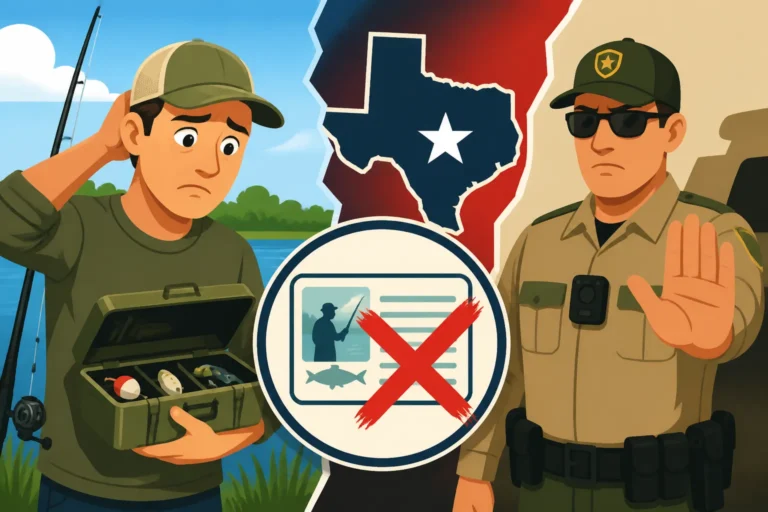
- No Fishing License: Thinking that passive fishing methods don't require a license is a costly mistake. If you're 17 or older and not exempt, you need a valid Texas fishing license. If you're unsure about your licensing needs, refer to How to Get a Texas Fishing License or Who Doesn't Need a Texas Fishing License.
The Consequences of Non-Compliance: What to Expect
Violating Texas fishing regulations, including those for juglines, can lead to serious consequences. This isn't just a slap on the wrist; it can impact your ability to fish in the future and hit you in the wallet.
- Fines and Fees: The most immediate consequence is typically a fine. These can range from moderate to substantial, depending on the severity and nature of the violation. For instance, fishing without a license or with illegal gear can result in significant penalties. You can find more details on this in our article about the Fine for fishing without a license in Texas.
- Confiscation of Gear: Any illegal fishing gear, including improperly marked or configured juglines, can be seized by game wardens. This means you lose your floats, lines, hooks, and bait.
- Criminal Charges: More serious or repeated offenses can lead to criminal charges, which might include jail time in extreme cases.
- Loss of Fishing Privileges: Depending on the severity of the violation, you could have your fishing license suspended or revoked, preventing you from legally fishing in Texas for a period. This is particularly painful for dedicated anglers.
- Court Appearances: Even for minor violations, you may be required to appear in court, which takes time, effort, and potentially legal fees.
It's clear that understanding and adhering to these regulations is not just about being a good citizen; it's about protecting your angling privileges and your wallet. Take the time to review the official TPWD Outdoor Annual, which is available online and at many license retailers. It's your ultimate resource for staying legal on the water.
Texas Jugline Regulations Summary Table
To help you keep track of the most critical jugline regulations, here's a quick reference table:
| Regulation Aspect | Requirement in Texas Public Freshwater |
|---|---|
| Fishing License | Required for all anglers 17 years and older, unless exempt. |
| Float Type | Must be a white plastic jug or similar white float. |
| Identification | Each jugline's float must be legibly marked with the angler's name and address OR current TPWD customer number. |
| Maximum Hooks | A maximum of five hooks (single or treble) per individual jugline. |
| Permitted Waters | Generally allowed in most public freshwaters. |
| Prohibited Waters | Generally NOT allowed in Community Fishing Lakes, State Park Lakes, most saltwater, and specific restricted river sections. Always check local regulations. |
| Attendance | Must be regularly attended (not left for extended periods, usually implied within 24-48 hours). |
| Retrieval | All deployed juglines must be retrieved. |
| Bag/Length Limits | All state-mandated bag and length limits for specific fish species caught (e.g., catfish, bass) still apply. |
Disclaimer
Please remember that fishing regulations are subject to change. While this guide aims to provide accurate and up-to-date information, it is your responsibility to consult the most current official Texas Parks and Wildlife Department Outdoor Annual before engaging in any fishing activities. This resource should be used for informational purposes only and does not constitute legal advice.