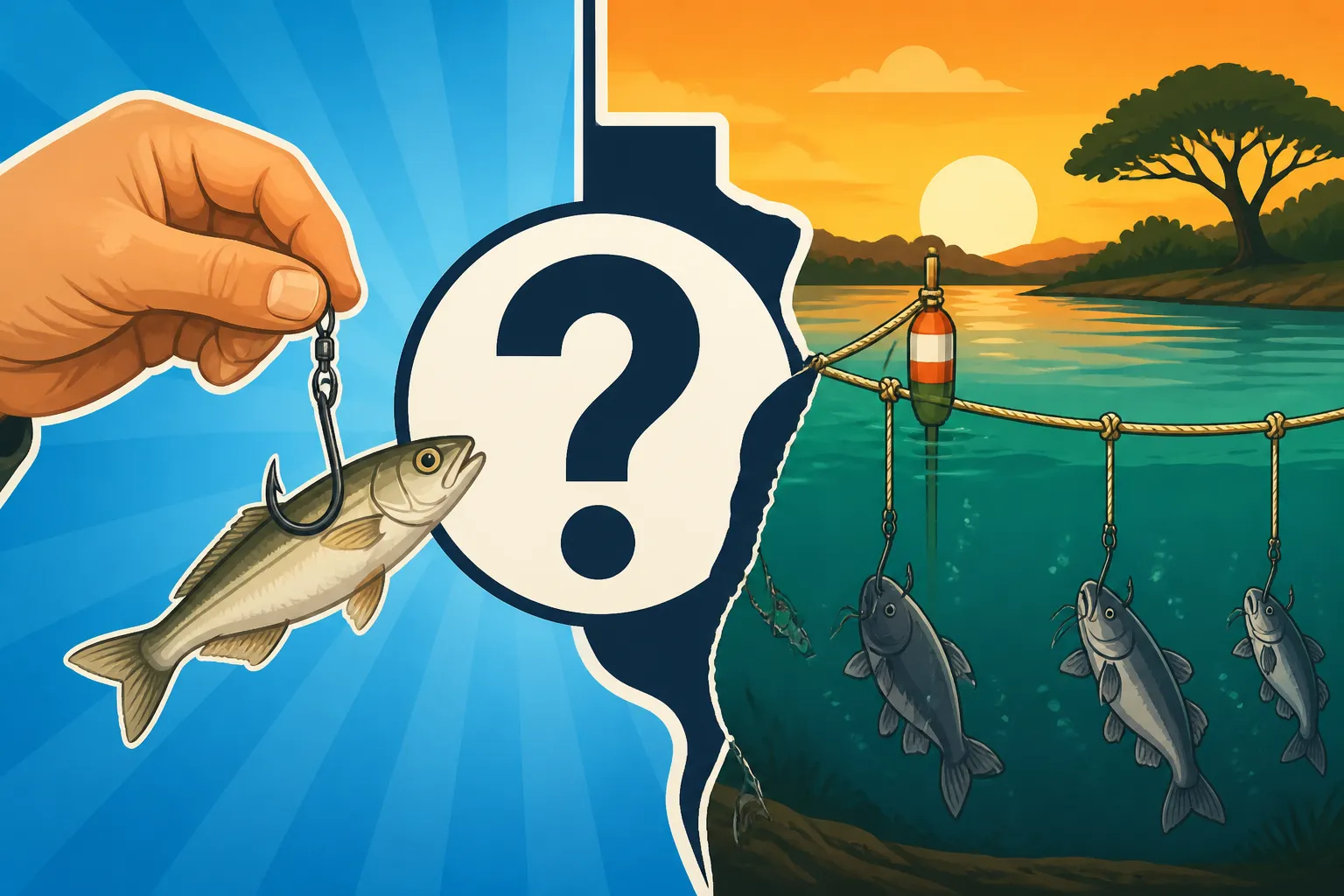
Can you use live bait on a Texas trotline?
There's often a bit of a gray area, or at least a lot of questions, when it comes to specific bait regulations for trotlines in Texas. Many anglers wonder if they can use live bait to target those big catfish or other species, fearing they might unknowingly violate a rule and end up with a hefty fine. This guide aims to clear up all that confusion, diving deep into the Texas Parks and Wildlife Department (TPWD) regulations regarding live bait on trotlines, so you can set your lines with confidence and stay on the right side of the law.
Understanding Texas Trotline Regulations
Fishing in Texas comes with its own set of rules, and trotlines are no exception. They're a traditional and highly effective method, especially for those who love to target the larger species that lurk in our lakes and rivers, but understanding the regulations is crucial before you even think about dropping a line.
What Exactly is a Trotline in Texas?
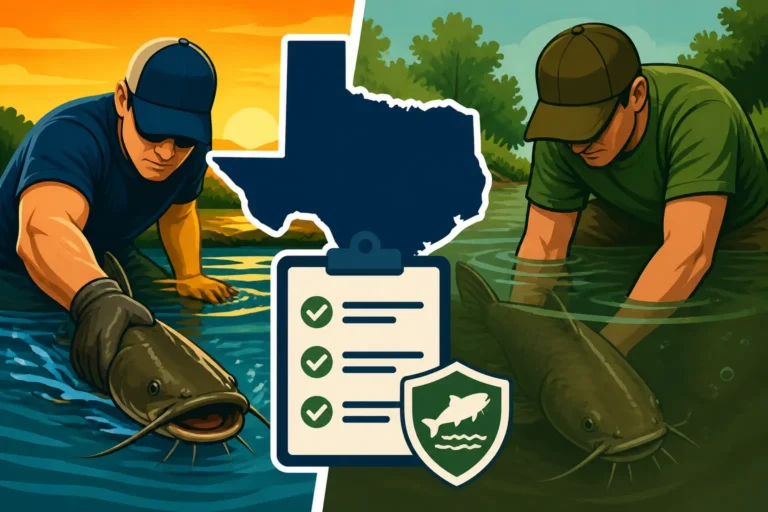
First, let's get clear on what a trotline actually is in the eyes of Texas law. A trotline is essentially a fishing line that has multiple baited hooks attached to it, stretching across a body of water or anchored between two points. It’s not something you hold in your hand like a rod and reel. Instead, it’s set and left to fish passively, usually checked periodically by the angler. The legal definition specifies that a trotline, throwline, or similar device must have no more than 50 hooks total. This is a crucial limit, and exceeding it can lead to problems. Each hook must also be at least 3 feet apart on the line. This spacing helps prevent entanglement and gives each fish enough room. These regulations are designed to ensure fair play and prevent overharvesting, as well as to minimize the chances of non-target species getting unnecessarily caught. For more in-depth information, you might want to read up on the official rules for things like Texas trotline hook limit rules or Texas jugline regulations explained.
When we talk about trotlines, we're typically thinking about catching bigger fish, often bottom-feeders like catfish. The efficiency of a trotline means you can cover a lot more water and present more bait than you could with just a few rods. This makes them a popular choice for anglers looking to stock their freezer or simply enjoy a different kind of fishing experience. However, with this efficiency comes responsibility to adhere strictly to the rules.
General Rules for Trotline Placement and Identification
Beyond the number and spacing of hooks, there are important rules about where and how you can set your trotline. You can't just string a line anywhere you please. For instance, trotlines cannot be set in public waters within 100 feet of any dam or within 100 feet of the edge of the main channel of any river or stream. These restrictions are often about safety, navigation, and protecting concentrated fish populations in certain areas. It's about ensuring that everyone can enjoy our beautiful waterways safely and sustainably.
Another absolutely vital rule is proper identification. Every trotline, throwline, or jugline must be clearly marked with the angler's name and address, or a valid Texas Parks and Wildlife customer number. This information needs to be attached to the line in a way that is easily visible and legible. Imagine a game warden patrolling the lake and finding an unmarked line – that's an instant red flag and can lead to fines. Many anglers buy small, durable tags online, sometimes even from places like Amazon, to ensure their lines are always properly identified. These tags are often made of plastic or metal and can withstand the elements. This requirement isn't just bureaucratic; it's about accountability. It ensures that if a line is improperly set, abandoned, or causing a hazard, there's a way to identify the responsible party. Additionally, knowing Texas gear tag requirements for trotlines and juglines is not just good practice, it's the law.
Live Bait on Texas Trotlines: The Specifics
This is where the rubber meets the road for many anglers. The question isn't just if you can use live bait, but how you can use it, and what kind of live bait is actually permitted. The good news is, yes, you generally can use live bait on a Texas trotline, but there are some important caveats.
Permitted Live Baits and Restrictions
Texas regulations are quite specific about the types of live bait you can use. For instance, game fish, such as a live bass, crappie, or even a smaller catfish, generally cannot be used as bait on a trotline. The intent here is to prevent anglers from illegally catching one game fish just to use it as bait for another. This practice would undermine conservation efforts and bag limits. The general rule of thumb is that any fish you use as live bait must not be a protected game fish, and it must also adhere to any size or bag limits if you were to keep it for consumption. This means using common baitfish like shad, sunfish (bluegill, perch), or minnows is perfectly fine, as long as you obtained them legally. Often, anglers will catch their own baitfish using a cast net or minnow trap, which themselves have their own regulations regarding size and usage. It’s a good idea to check the Texas Freshwater Fishing Regulations specifically for baitfish rules.
The key is always to check the current TPWD Outdoor Annual. Laws can change, and what was legal last year might have subtle differences this year. For example, some species of baitfish might have specific regulations regarding their capture or use in certain bodies of water. You don't want to inadvertently use a prohibited species or one caught in a restricted manner. Many experienced trotline anglers swear by live perch or shad for tempting those trophy blue catfish, often ordering specialized bait hooks from online retailers like Amazon to ensure they're using the right gear to present their lively offerings effectively. The vibrant struggle of a live baitfish is often irresistible to larger predatory fish that might ignore a dead or artificial lure.
How Live Bait Can Enhance Your Trotline Success
Using live bait on a trotline can significantly increase your chances of success, especially when targeting larger, more aggressive fish species like blue catfish or even the elusive flathead. The natural movement, scent, and vibrations emitted by live bait are incredibly enticing to predatory fish, often outperforming dead bait or artificial lures.
Imagine a lively bluegill hooked carefully, swimming erratically near the bottom. This frantic movement sends distress signals through the water, attracting the attention of hungry catfish from a distance. The natural scent trail created by a live baitfish is also much stronger and more appealing than that of a dead, cut bait that has been soaking for hours. This is particularly true in murky waters where visibility is low and fish rely more heavily on their sense of smell and lateral line system to hunt. Many seasoned anglers will tell you that the difference in catch rates between live and dead bait can be astonishing, especially for species that prefer to chase their prey. If you're really interested in maximizing your chances, knowing the Best time of day to catch catfish can further enhance your live bait strategy.
Furthermore, live bait can sometimes be more selective. While a chunk of cut bait might attract various smaller scavengers, a lively baitfish often targets bigger predators that are actively hunting. This can save you the frustration of constantly removing small, unwanted fish from your hooks. However, it's also important to ensure your live bait is healthy and vigorous when you put it on the hook. Weak, dying bait won't have the same allure. Investing in a good aerated bait bucket, easily found on Amazon or at local tackle shops, can make all the difference in keeping your bait lively until it's time to set the hook.
Responsible Trotlining Practices and Ethical Considerations
While the law tells us what we can do, responsible angling goes a step further, urging us to consider what we should do. Using trotlines, especially with live bait, comes with a heightened responsibility to be ethical and minimize harm to both the environment and non-target species.
Preventing Unintended Catches and Minimizing Harm
One of the biggest concerns with trotlines is the potential for bycatch – catching species you weren't targeting, or fish you can't keep due to size or bag limits. This is where responsible planning comes in. For example, if you're specifically targeting large blue catfish with live bait, you might choose to use larger hooks designed for those fish. Smaller hooks might snag smaller, non-target fish like sunfish or even juvenile game fish, leading to unnecessary mortality. You can often find a variety of hook sizes and types specifically for trotlining on Amazon, allowing you to choose what's appropriate for your target species.
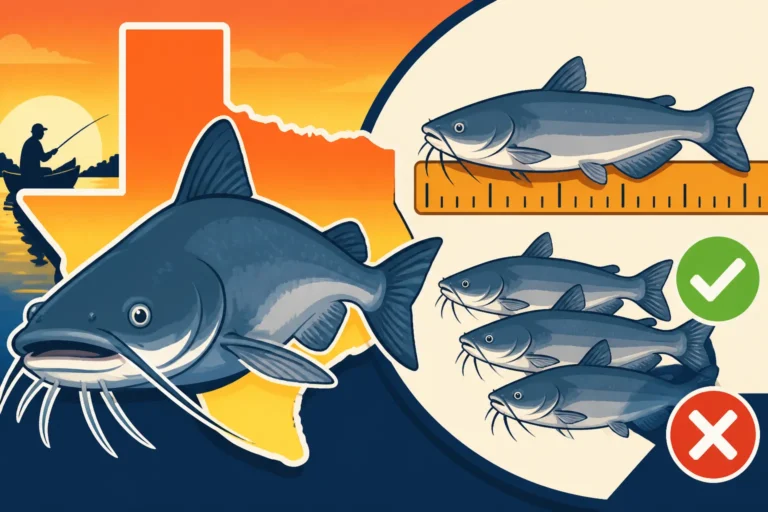
When setting your trotline, consider the habitat. Are you placing it in an area known for turtle populations, which can easily get hooked and drown? Or in areas where protected bird species might dive for fish? While sometimes unavoidable, being mindful of these factors can help reduce unintended consequences. Regularly checking your trotlines is another critical aspect of minimizing harm. Texas law requires that all non-game fishing devices, including trotlines, be checked at least once every 24 hours. This isn't just a rule; it’s an ethical imperative. Leaving a fish on a hook for too long causes undue stress, injury, or even death, and can attract scavengers that further injure the caught fish or damage your line. The sooner you can release an unintended catch, the higher its chances of survival. For more details on species-specific limits, checking resources like Texas channel catfish length and bag limit or the broader Texas Catfish Species Guide is always a good idea.
Gear Tagging and Monitoring Requirements
As mentioned earlier, proper tagging of your trotline is not just a suggestion – it's a legal requirement. Every trotline must have a durable tag attached that clearly displays your name and address, or your Texas Parks and Wildlife customer number. This tag must be visible above the waterline or easily accessible for inspection by game wardens. This helps identify the owner and ensures accountability. Lost or abandoned gear can become a "ghost fishing" hazard, continuing to catch and kill marine life long after the angler has left.
Beyond the legal requirement, monitoring your lines vigilantly helps prevent your gear from becoming a hazard. High winds, boat traffic, or strong currents can move or tangle trotlines, turning them into navigational hazards or environmental problems. By checking your lines frequently, not just every 24 hours but ideally more often, you can ensure they remain properly set, are not causing an obstruction, and that any caught fish are dealt with quickly. If you run a trotline, you also need to make sure you have the proper fishing license. You don't need a special license to run a trotline, but you absolutely need a standard Texas fishing license that covers the waters you are fishing. For example, if you're fishing for catfish in a freshwater lake, you'll need a freshwater fishing endorsement or an all-water license. For clarity, you might look into Texas Fishing License Requirements Explained or perhaps even Do you need a license to run a trotline in Texas?. Always carry your license with you when checking or tending your lines, as a game warden might ask to see it.
Common Misconceptions and Troubleshooting
Despite clear regulations, misunderstandings about trotlines and live bait persist. Let's tackle a couple of the most common ones.
The Difference Between Live Bait and Artificial Lures on Trotlines
Sometimes, anglers conflate the rules for live bait with those for artificial lures when it comes to trotlines. It’s important to understand they are treated differently. While live bait has specific restrictions (e.g., no game fish), artificial lures generally do not have such limitations on trotlines, though it's rare to use artificial lures on a passive trotline designed for bait fishing. The main distinction lies in the potential for unintended capture and the ecological impact. Live bait, especially if it's struggling, can attract a wider array of species and carries the risk of introducing non-native species if transported incorrectly. Artificial lures, on the other hand, are inert and pose no such biological risk once removed from the water.
However, the primary purpose of a trotline is to utilize multiple baited hooks to maximize the chance of catching fish. Artificial lures, while effective on active rods, typically don't perform well when left static on a trotline. Their effectiveness usually comes from angler manipulation – reeling, twitching, jigging – actions that a static trotline cannot replicate. So, while technically not forbidden, using artificial lures on a trotline is highly unconventional and generally ineffective for the purpose of the device. Stick to the baits that attract fish passively, and always ensure that if you're using live bait, it meets the legal criteria.
When to Avoid Using Live Bait on a Trotline
While live bait can be incredibly effective, there are times when it might be best to opt for dead bait or even consider alternative fishing methods. For instance, in extremely hot Texas summer weather, keeping live bait alive and active on your hooks can be a real challenge. The water temperatures, especially in shallow areas, can quickly stress or kill baitfish, rendering them ineffective or even attracting unwanted scavengers. In such conditions, fresh cut bait, which is often easier to keep viable, might be a more practical choice.
Another scenario is if you're fishing in waters known to have a high population of protected or endangered species that might be attracted to live bait. While you're always required to release any game fish caught on a trotline immediately and unharmed, prevention is always better. If you find yourself consistently catching and releasing the same protected species, it might be a sign to switch bait, move your trotline, or rethink your approach entirely. Your goal should always be a clean catch and minimal impact on the ecosystem. Furthermore, if you’re fishing in an area where local ordinances have stricter rules than state law – perhaps a city park pond – always defer to the more restrictive regulations. These local rules can sometimes be found on park signage or specific city websites.
Remember, a Texas All-Water Fishing License Explained will cover you for both fresh and saltwater, but always double-check the specifics for your target waters and species.
Summary of Trotline Bait Regulations
To make things a bit clearer, here's a quick overview of bait types for trotlines in Texas:
| Bait Type | Legality on Trotlines (General) | Key Restrictions | Best For (Generally) |
|---|---|---|---|
| Live Non-Game Fish | Legal | Cannot be game fish (e.g., bass, crappie). Must meet size/bag limits if applicable. | Catfish (Blue, Flathead), Alligator Gar |
| Dead Bait (Cut Bait) | Legal | No restrictions on species (e.g., shad, carp, perch). | Catfish (Blue, Channel), Gar, Eels |
| Artificial Lures | Legal (but highly ineffective) | No specific restrictions, but rarely used due to passive nature of trotlines. | Not recommended for trotlines; better for rod/reel |
| Live Game Fish | Illegal | Cannot use any fish classified as game fish as live bait. | Not permitted |
This table is a general guide, and it's always best to consult the current TPWD Outdoor Annual for the most up-to-date and specific regulations for the waters you plan to fish. Staying informed is the best way to ensure your fishing adventures are both successful and compliant.
Disclaimer
The information provided in this guide is for general informational purposes only and does not constitute legal advice. Fishing regulations in Texas can change, and specific rules may vary by location and species. Always consult the most current Texas Parks and Wildlife Department Outdoor Annual and any local ordinances before engaging in fishing activities to ensure compliance.