Texas noodling and hand fishing license rules
You've heard the whispers, seen the wild videos, and maybe even dreamt of catching a monster catfish with your bare hands. Noodling, or hand fishing, is a time-honored tradition in Texas, steeped in a mix of thrill, challenge, and sometimes, a little bit of mystery about its legality. For many, the idea of getting into the water and wrestling a giant flathead from its lair is an irresistible adventure, but figuring out the exact rules – especially whether you need a license – can feel like a riddle. This guide is here to untangle all that confusion, helping you understand the specific license requirements and detailed regulations for hand fishing in the Lone Star State so you can noodle safely and legally.
Understanding Noodling and Hand Fishing in Texas
Noodling, also sometimes called hand fishing, grabbling, or catfisting, is a truly unique method of fishing that has deep roots in many parts of the southern United States, including Texas. It’s an incredibly primal and exhilarating way to catch fish, but it’s crucial to understand exactly what it entails and its legal standing before you even think about dipping your toes in the water.
What Exactly is Noodling or Hand Fishing?
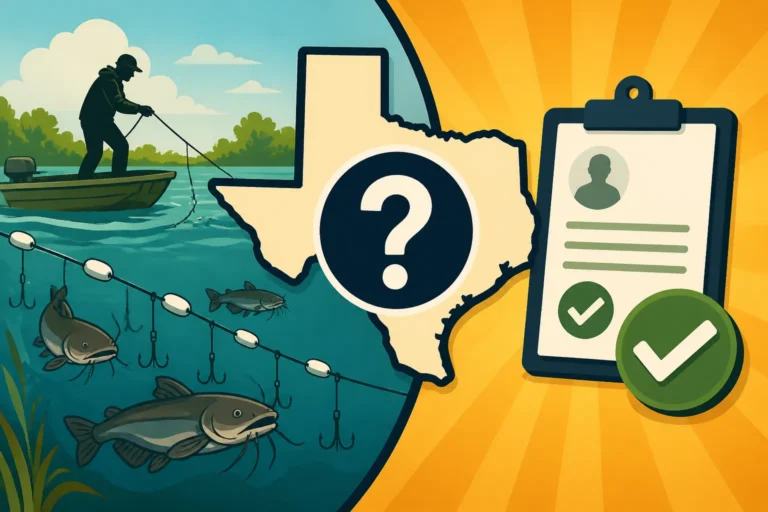
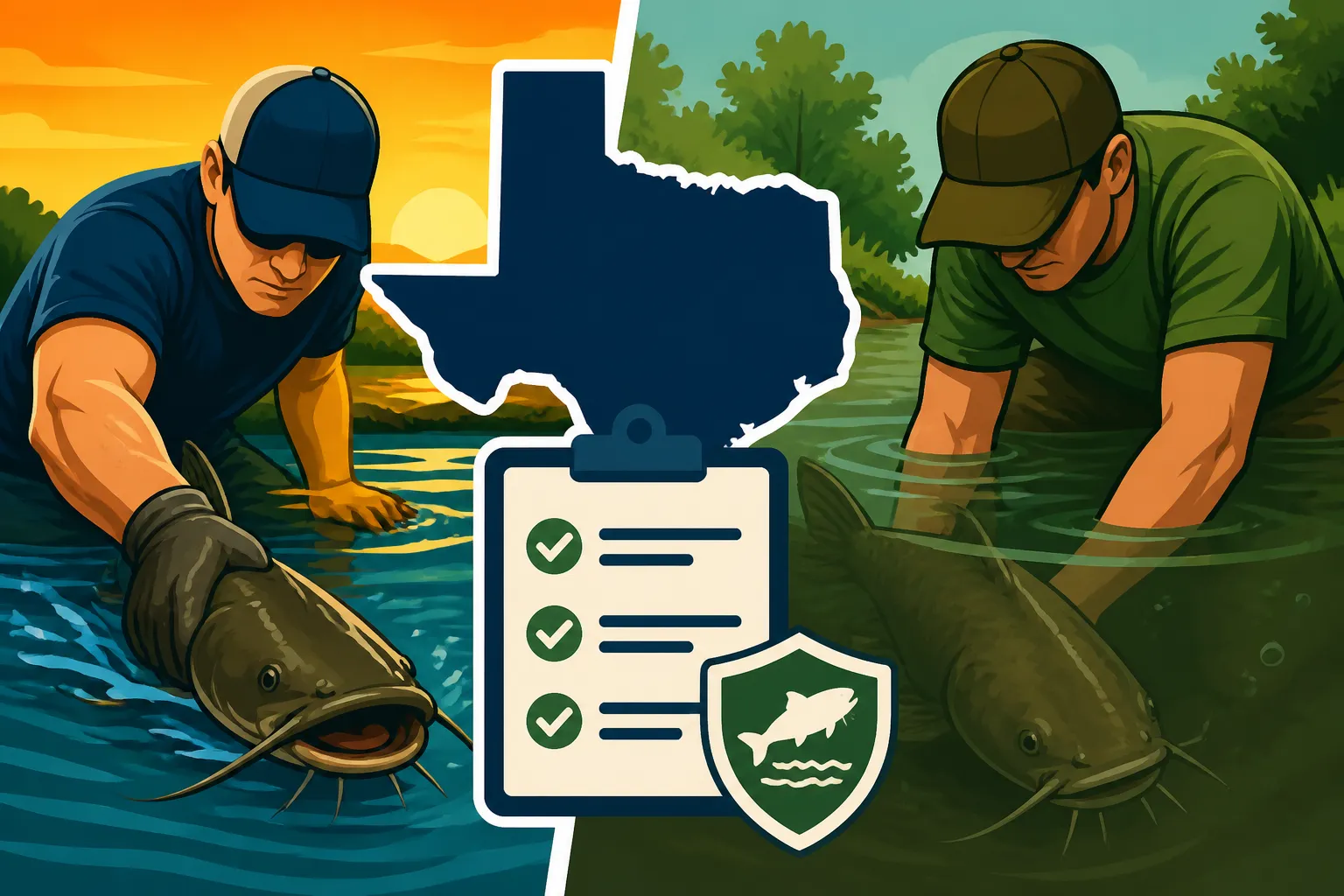
At its heart, noodling is the practice of catching fish using only your bare hands, typically by reaching into underwater holes, crevices, or hollow logs where large fish, especially catfish, like to hide and spawn. The angler literally feels around in these submerged structures until they encounter a fish, then attempts to grab it, often by the mouth or gills, and pull it out. It's a method that requires immense courage, physical strength, and an intimate knowledge of fish behavior and habitat.
Historically, noodling has been passed down through generations, often seen as a cultural tradition in rural areas. It's not about rods, reels, or fancy bait; it's about a direct, personal challenge between angler and fish. While the image of a seasoned noodler emerging from the murky water with a giant catfish is legendary, the reality is that it's a demanding activity that carries inherent risks, from sharp fins and strong fish to underwater hazards and even other wildlife. Despite the thrill, it’s a method that commands respect for the environment and strict adherence to regulations.
The Legal Status of Noodling in Texas
One of the biggest questions newcomers and even experienced anglers have is, "Is noodling even legal in Texas?" The short answer is yes, noodling is legal in Texas, but it comes with very specific conditions and restrictions. It’s not a free-for-all; the Texas Parks and Wildlife Department (TPWD) has clear guidelines in place to manage this unique fishing method and protect fish populations.
Crucially, in Texas, hand fishing is primarily permitted only for catfish. You cannot legally noodle for other species of game fish. This is a vital distinction, as attempting to hand-catch a largemouth bass or a redfish would be a violation of state law. The TPWD recognizes catfish as the traditional target for this method and has tailored its regulations accordingly. Furthermore, while the act itself is about bare hands, you are not allowed to use any artificial devices or tools to assist in the capture. This means no hooks, no snares, no gaffs, and no ropes to aid in pulling the fish out of its hole. It’s strictly hands-on.
Why the Confusion Around Legality?
The confusion surrounding noodling's legality often stems from a few sources. Firstly, it's prohibited in many other states, leading to a misconception that it might be universally banned. Secondly, the sheer intensity and "wild" nature of the activity can make it seem too extreme to be legal. You see videos online, perhaps, of people pulling massive fish from seemingly dangerous spots, and you might think, "How can that be allowed?"
Another point of confusion arises from the difference between noodling and other types of "hand fishing" or "snagging" that are illegal. For instance, using your hands to intentionally snag a fish on a bed during spawning season without a hook is often illegal because it targets fish when they are most vulnerable and not actively feeding. True noodling, as defined by Texas law, is specifically about reaching into natural cavities to extract fish with your bare hands, primarily targeting catfish. The specific rules, which we'll dive into, are designed to ensure that even this primitive method is conducted sustainably and ethically within the framework of responsible angling.
Specific License Requirements for Noodling and Hand Fishing
The number one question most folks have about noodling is whether they actually need a fishing license to participate in this unique style of fishing. It's a common misconception that because you're not using traditional tackle, you might be exempt. Let's clear that up right away.
Do You Need a Fishing License for Noodling in Texas?
Yes, absolutely. If you are 17 years of age or older and intend to noodle or hand fish in public waters in Texas, you are legally required to possess a valid Texas fishing license. There's no special "noodling license," but rather, you need a standard freshwater fishing license or an all-water fishing license, just like any other angler using a rod and reel. The Texas Parks and Wildlife Department views noodling as a legitimate form of recreational fishing, and as such, it falls under the same licensing regulations as other methods.
Ignoring this requirement can lead to serious consequences, including fines and confiscation of your catch. Game wardens take all fishing regulations seriously, regardless of the method. For a detailed breakdown of costs and requirements, you might want to check out our guide on Texas Fishing License Requirements Explained. It’s always better to be prepared and legal than to risk a citation.
Which License Type is Required?
Since noodling is almost exclusively for freshwater catfish, your primary requirement will be a valid Texas Freshwater Fishing License. This license covers all non-coastal public waters in the state. If you plan to fish both freshwater and saltwater (perhaps you do some traditional angling on the coast as well), then an All-Water Fishing License would be your most comprehensive option.
Here’s a quick overview of the main options for residents and non-residents:
| License Type | Texas Resident Annual Cost (Approx.) | Texas Non-Resident Annual Cost (Approx.) | Coverage |
|---|---|---|---|
| Freshwater Fishing License | $30 | $58 | All public freshwater in Texas |
| All-Water Fishing License | $40 | $68 | All public freshwater and saltwater in Texas |
| One-Day All-Water License | $11 | $11 | All public freshwater and saltwater (1 day) |
| Senior Freshwater (65+) | $12 | N/A | Freshwater for Texas residents 65+ |
Note: Prices are approximate and subject to change by TPWD, often with an additional administrative fee.
It’s important to remember that these licenses are typically valid from September 1st through August 31st of the following year, regardless of when you purchase them. So, if you buy your license in June, it will still expire on August 31st. You can easily purchase your license online through the TPWD website, by phone, or in person at various retailers like local sporting goods stores or even larger outlets like Walmart. For more information on where and how to buy, refer to our article on How to Get a Texas Fishing License.
Age Exemptions and Special Cases
Just like with rod-and-reel fishing, there are certain age exemptions and special categories that may alter or remove the need for a fishing license when noodling:
- Youth (Under 17): Individuals under the age of 17 do not need a fishing license to fish in Texas, including for noodling. This is a fantastic way to introduce younger generations to the tradition, under proper supervision, of course.
- Seniors (65 and Older): Texas residents who are 65 years of age or older can purchase a discounted Senior Freshwater Fishing License. While not entirely free, it's significantly reduced. For more details on this, check out Texas Senior Fishing License Discount.
- Disabled Veterans: Qualified disabled veterans who are Texas residents may be eligible for a free Super Combo hunting and fishing license. This is a wonderful benefit for those who have served. Specific documentation is required to prove eligibility.
- Free Fishing Day: Texas typically has one Free Fishing Day each year, usually in early June. On this day, everyone, residents and non-residents alike, can fish in public waters without a license. However, all other regulations, such as bag and length limits, still apply. It's a great opportunity to try out fishing, or even noodling, without the initial license cost. You can learn more about this special day by looking up Texas Free Fishing Day.
Remember, even if you are exempt from the license requirement, it's crucial to carry a valid form of identification that can prove your age or veteran status if you're ever approached by a game warden.
Texas Parks and Wildlife Department Regulations Beyond Licensing
Having the correct license is just the first step. Noodling in Texas, while a raw and exciting method, is still subject to the full breadth of TPWD regulations designed to ensure sustainable fish populations and fair chase. These rules apply whether you're a seasoned noodler or just curious about trying it for the first time.
Species-Specific Noodling Rules
As mentioned, the most critical species-specific rule for noodling in Texas is that it is legal only for catfish. This primarily includes the three major species: channel catfish, blue catfish, and flathead catfish. These fish are robust, often found in the types of underwater structures noodlers target, and their populations can generally withstand this method of harvest when managed properly.
What about other species? Absolutely not. Attempting to noodle for bass, crappie, gar, or any other species in Texas is illegal. This is a strict rule, and violating it can lead to significant penalties. Game fish like largemouth bass, for instance, are managed very differently, often with strict catch-and-release practices in certain areas, and noodling would disrupt their spawning processes and overall conservation efforts. If you're looking to target a specific catfish species, it's a good idea to familiarize yourself with their characteristics, which you can find in guides like our Texas Channel Catfish Identification Guide or Texas Blue Catfish Identification Guide.
Beyond species, all standard bag and length limits for catfish still apply to noodlers. For example, if the daily bag limit for blue and channel catfish combined is 25 fish with no minimum length, and flathead catfish have a 15-fish daily bag limit with a minimum length of 18 inches, those rules apply to fish caught by hand just as they would to fish caught with a rod and reel. These limits are crucial for maintaining healthy populations. Always consult the most current Texas Fish Bag and Length Limits regulations before you head out, as they can change.
Gear and Method Restrictions
The very definition of noodling or hand fishing implies minimal gear, and Texas regulations reinforce this. The core restriction is that only your bare hands can be used to catch the fish. This means:
- No artificial aids: You cannot use gaffs, hooks, ropes, spears, nets, or any other type of device to assist in capturing the fish from its hole. The entire process, from finding the fish to securing it and pulling it out, must be done with your hands.
- No disturbing habitat: While you're reaching into holes, you generally shouldn't be destroying the habitat to access fish. This includes breaking apart rock formations or tearing up logs. The idea is to use existing natural or man-made structures (like old tires or culverts) as the fish's hiding spot.
- No intentional snagging: Noodling is about the fish biting or being grabbed by the mouth/gills. It's not about intentionally snagging a fish on its body. This distinction, while sometimes subtle in practice, is important legally.
These rules are designed to keep the playing field fair and to prevent overharvesting or undue stress on the fish. The challenge of noodling is precisely in its primitive nature, and these regulations preserve that.
Penalties for Non-Compliance
Let's be realistic: Texas game wardens are out there, and they enforce fishing laws rigorously. If you're caught noodling without a valid license, or if you violate species, bag, or method restrictions, you could face significant penalties.
Typically, fishing without a license in Texas is considered a Class C misdemeanor, carrying a fine of up to $500. However, depending on the severity of the violation, such as exceeding bag limits or catching protected species, the charges could be elevated, leading to higher fines, court costs, civil restitution for the value of the fish, and even the confiscation of your gear or catch. Repeated offenses can result in loss of fishing privileges. It's simply not worth the risk. Always ensure you have your Texas Fishing License Requirements Explained fully understood before venturing out.
Best Practices and Safety for Texas Noodlers
Noodling is an exhilarating sport, but it's also inherently risky. Beyond just legal compliance, responsible noodlers prioritize safety for themselves, their fishing partners, and the aquatic environment. Being prepared and cautious is just as important as knowing the regulations.
Finding Legal and Safe Noodling Spots
The thrill of noodling often involves exploring murky waters, but you can't just jump into any hole you find. It's crucial to identify suitable and legal locations.
- Public Waters are Key: Remember, your Texas fishing license is for public waters. This means rivers, public lakes, and reservoirs across the state. Always ensure you are on public land or have explicit permission from private landowners if fishing on private property. Fishing on private land without permission, even with a license, is trespassing.
- Targeting Catfish Habitat: Catfish, particularly flatheads and blue cats, love to hide in dark, secluded spots. Look for undercut banks, submerged logs, rock crevices, old tires, concrete culverts, and bridge pilings. These are prime spots where large catfish will make their homes, especially during spawning season when they are guarding their nests. Rivers like the Trinity, Brazos, and Colorado are renowned for their catfish populations and offer numerous potential noodling spots, though local conditions and access points vary widely.
- Water Conditions Matter: Clear water might seem safer, but catfish often prefer murkier conditions, which also give them a sense of security. However, avoid extremely turbid water where visibility is zero, as this increases the risk of unseen hazards. Also, be mindful of strong currents, especially after heavy rains, which can make noodling extremely dangerous. Safety should always be your top priority.
Essential Gear for Hand Fishing
While the core of noodling is bare-handed, a few pieces of supplementary gear can significantly enhance safety and comfort. Think of these as your personal protective equipment for wrestling with a wild fish!
- Durable Gloves: Many seasoned noodlers swear by thick, elbow-length gauntlet gloves to protect their hands and forearms from sharp catfish fins, teeth (yes, catfish have sandpaper-like teeth!), and jagged underwater debris. You can find excellent options on online retailers like Amazon, specifically designed for heavy-duty work or fishing.
- Waders or Sturdy Water Shoes: You’ll be in the water, often navigating slippery banks and submerged obstacles. Waders can keep you dry and protect your legs, especially in cooler water or from abrasive surfaces. At a minimum, sturdy water shoes with good grip are essential to prevent slips and cuts from sharp rocks or submerged hazards. Again, a quick search on Amazon will show you a wide array of choices.
- Headlamp or Flashlight: If you plan to noodle in low light conditions or simply need to inspect a hole more closely, a waterproof headlamp is invaluable. It keeps your hands free and illuminates your immediate surroundings.
- Pliers or Hook Removers: Even though you're not using hooks, a good pair of pliers or a hook remover can be handy for safely handling the fish, especially if you need to quickly remove any external parasites or if a tag needs to be noted for conservation purposes.
- Life Vest: If you're in deeper water or strong currents, a personal flotation device (PFD) is a non-negotiable safety item. Drowning risks are very real in unpredictable waters.
- First-Aid Kit: Small cuts and scrapes are common in noodling. A compact, waterproof first-aid kit with antiseptic wipes, bandages, and pain relievers is a smart addition to any noodler's gear bag. Many compact kits are available on Amazon that are perfect for outdoor adventures.
Noodling Safely and Responsibly
Beyond gear, your mindset and practices are vital for a safe and responsible noodling experience.
- Never Noodle Alone: This is perhaps the most important rule. Always go with a buddy or a group. If you get into trouble, need help extracting a large fish, or encounter an unexpected hazard, having someone there could save your life.
- Know Your Limits: Don't overestimate your strength or underwater breath-holding capabilities. Start with smaller, more accessible holes and work your way up. If a fish is too big or too strongly lodged, sometimes it's better to let it go than to risk injury.
- Be Aware of Wildlife: Texas waters are home to more than just catfish. Alligators, snakes, snapping turtles, and even venomous spiders can inhabit the same underwater structures. Always approach holes cautiously, feeling around gently before committing your hand deeply. A stick can be used to probe an area gently before you reach in.
- Check Local Conditions: Before heading out, check weather forecasts, recent rainfall, and current water levels. High water levels and strong currents make noodling significantly more dangerous.
- Respect the Resource: Follow all bag and length limits. Only take what you need, and consider releasing larger breeding fish to ensure future populations. Responsible anglers understand that conservation is everyone's duty, regardless of their fishing method. Noodling, like all forms of fishing, contributes to the overall pressure on fish populations, so practicing good stewardship is essential. For information on local populations and how they're managed, you might find our article on Texas Freshwater Fishing Regulations helpful.
Noodling is a wild, thrilling way to connect with nature and put your angling skills to the ultimate test. But like any adventure, it demands preparation, respect for the rules, and a strong commitment to safety. Stay legal, stay safe, and enjoy the unique experience of hand fishing in Texas!
Disclaimer
The information provided in this guide is for general informational purposes only and does not constitute legal advice. Fishing regulations, including those for noodling and hand fishing, are subject to change by the Texas Parks and Wildlife Department. Always consult the most current official TPWD Outdoor Annual or website before engaging in any fishing activities to ensure compliance with all state and local laws.