Texas 600-foot dam fishing restriction explained
It can be incredibly confusing and sometimes even frustrating trying to keep up with all the specific regulations that come with fishing in Texas, especially when you're just trying to enjoy a peaceful day on the water. One rule that often leaves anglers scratching their heads, or worse, inadvertently breaking the law, is the 600-foot dam fishing restriction. This comprehensive guide will break down exactly what this rule means, why it’s in place, and how it impacts your fishing plans, so you can stay safe and compliant.
Understanding the 600-Foot Dam Restriction
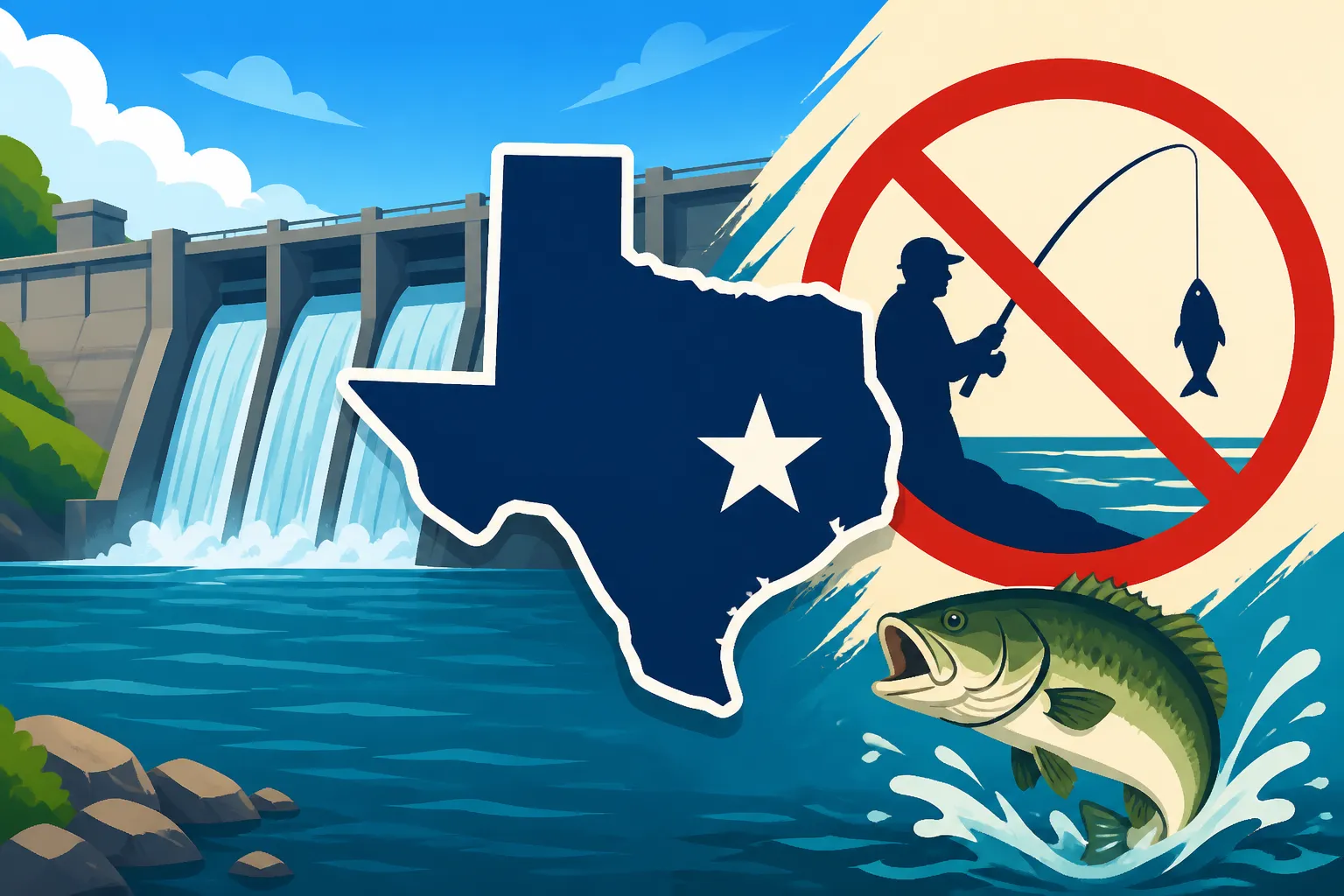
Alright, let's get straight to the heart of the matter: what exactly is this 600-foot dam restriction? Simply put, Texas Parks and Wildlife Department (TPWD) regulations state that it is illegal to fish within 600 feet of the water side of any dam, spillway, or other water retention structure across public water. This applies whether you're in a boat, wading, or even fishing from the bank if the bank is considered part of that restricted zone. It's not a suggestion; it's a hard and fast rule designed with angler safety and resource management in mind.
Think about it this way: when you're on the water, you might not always realize the immense power lurking beneath the surface, especially near these structures. Dams are complex pieces of engineering, and the water dynamics around them can be unpredictable and extremely dangerous. This 600-foot buffer zone acts as a critical safety perimeter, protecting you from strong currents, sudden water releases, and other hazards that are inherent to these areas. It’s important to remember that this rule isn't meant to restrict your fun, but rather to prevent serious accidents that could turn a great fishing day into a tragedy.
Defining "Dam" and "Spillway" in Texas Waters
When we talk about dams and spillways, it's crucial to understand what the TPWD considers these terms to encompass. We're not just talking about massive hydroelectric dams you see on major rivers. This restriction generally applies to any structure that impounds water and creates a significant drop-off or turbulent flow. This could include:
- Large Reservoir Dams: Obvious examples like the Mansfield Dam on Lake Travis or the Denison Dam on Lake Texoma. These are usually clearly marked and well-known.
- Smaller Dams or Weirs: Less obvious structures that might create a localized waterfall or a strong current. These are often found on rivers or smaller impoundments and can be trickier to spot, especially if you're unfamiliar with the area.
- Spillways: These are channels or structures designed to release excess water from a dam or reservoir. The area immediately around an active spillway can be incredibly turbulent, with strong undertows and debris, making it a high-risk zone.
The key takeaway here is that if a structure is holding back a significant body of water or creating a dramatic change in water flow, it's best to assume the 600-foot rule applies unless you can confirm otherwise with local signage or TPWD resources. Always err on the side of caution.
Why the 600-Foot Rule is in Place
Understanding why a rule exists often makes it easier to follow. The 600-foot restriction around dams and spillways is fundamentally about safety, but it also touches on ecological and operational aspects. These structures aren't just there to look pretty; they regulate water levels, generate power, and control floodwaters, and their operation can create dangerous conditions for unsuspecting anglers.
One of the primary dangers is the sudden release of water. Dams can open floodgates or activate turbines with little to no warning, creating incredibly strong currents, sudden drops or rises in water level, and powerful undertows that can easily capsize a boat or sweep a wader off their feet. Imagine being focused on a bite, only for the water beneath you to suddenly surge with enough force to drag you into a spillway. It's a terrifying thought, and unfortunately, it's a real possibility without these restrictions.
Beyond immediate safety, there's also the risk of equipment damage and environmental disturbance. Boats caught in turbulent water can be damaged by debris or struck against the structure itself. Fishing lines and gear can get tangled in machinery or snagged in dangerous currents, contributing to pollution or operational issues for the dam. So, while it might feel like a hassle, this rule truly is for everyone's benefit.
Navigating the Dangers: Safety and Enforcement
The dangers around dams aren't just theoretical; they are very real and have unfortunately led to serious accidents in the past. It’s easy to get caught up in the thrill of fishing, especially when you hear about fish congregating near turbulent water, but ignoring these warnings can have dire consequences. TPWD game wardens take this rule seriously, and for good reason. Their job is to keep you safe and ensure compliance with all Texas Fishing License Requirements Explained and regulations.
The Real Hazards of Dam Proximity
Let's talk specifics about the hazards. It's more than just strong currents, although that's certainly a major one.
- Turbulence and Undertows: The churning water immediately below a spillway or dam can create unpredictable eddies, whirlpools, and powerful undertows that can pull a person or boat under with alarming speed. Even strong swimmers can be overwhelmed.
- Sudden Water Level Changes: If a dam releases water, the water level downstream can rise rapidly, trapping anglers on banks or islands, or making it impossible for a boat to navigate safely. Conversely, a sudden drawdown of water can leave boats stranded or expose dangerous underwater hazards.
- Debris: Turbulent water often carries submerged logs, branches, and other debris that can collide with boats, damage propellers, or injure individuals.
- Hypothermia/Hyperthermia: If you do go into the water due to an accident, the extreme temperatures of swift-moving water (especially in colder months) can lead to hypothermia, while long exposure in the sun after being stranded can cause hyperthermia.
- Electrical Hazards: For hydroelectric dams, there can be electrical components and wiring, making proximity even more dangerous.
It's clear that these areas are not just "good fishing spots with a strong current"; they are zones of significant risk. This is why having proper Texas Boat Safety Equipment Requirements is critical, especially if you're boating anywhere near such structures.
Enforcement and Penalties for Violations
Texas game wardens patrol all public waters, and they are well aware of the common hotspots and areas where anglers might be tempted to push the limits. If you're caught fishing within the 600-foot restricted zone, you're not just getting a slap on the wrist. Violating this regulation can lead to significant penalties.
Typically, fishing in a prohibited area is classified as a Class C misdemeanor, which can carry a fine of up to $500. And yes, game wardens have the authority to issue citations on the spot. Beyond the monetary fine, you could also face court costs, and your fishing license might even be revoked or suspended. Imagine the frustration of having your license pulled for a year, just because you didn't pay attention to a warning sign or bothered to check the map. This is why it's so important to understand Penalties for Fishing Without a Texas License and other regulatory fines, even if you do have a license. It’s better to be overly cautious than to deal with the legal and financial repercussions.
Practical Implications for Texas Anglers
So, what does all this mean for your actual fishing trips? The 600-foot dam restriction definitely narrows down some prime real estate, but it doesn't mean you can't find incredible fishing opportunities elsewhere. It just requires a bit more planning and awareness. Rather than seeing it as a total loss, view it as an opportunity to discover new, safer spots that might be less pressured.
Identifying Restricted Zones on the Water
Knowing where the 600-foot mark is can be tricky. It's not always a clearly marked line on the water, especially in expansive lakes or rivers. However, there are several ways to stay informed:
- Navigational Charts and Maps: Many detailed lake maps, both paper and digital (like those on modern fish finders), will show hazard zones or restricted areas around dams. Always consult these before heading out. Apps like Navionics or C-MAP are fantastic for this.
- Signage: Many larger dams and spillways will have physical signs posted on the banks or buoys in the water indicating the restricted zone. Keep an eye out for these.
- GPS and Rangefinders: If you're in a boat, your GPS unit can be invaluable. Mark the dam structure, and then use the distance measuring tool (if available) to ensure you stay outside the 600-foot radius. For bank anglers, a handheld laser rangefinder, like those found on Amazon, can help you visually confirm your distance from the structure. It might seem excessive, but it’s a small investment for peace of mind.
- Local Knowledge: Talk to bait shop owners, other experienced anglers, or fishing guides. They often have the most up-to-date and practical knowledge about specific local regulations and how to interpret them.
Alternative Fishing Spots Near Dams (and Where to Go Instead)
Just because you can't fish within 600 feet of a dam doesn't mean the entire area is off-limits. Often, the waters just outside the restricted zone can be highly productive. Fish are attracted to the oxygenated, turbulent water that flows from dams, and they'll often hold in calmer areas adjacent to these flows, waiting for an easy meal to come by.
Instead of trying to hug the dam, consider these strategies:
- Downstream Access: If allowed and safe, focus on fishing further downstream from the spillway or dam. The current will be less intense, and fish will often stack up in eddies, current breaks, or deeper pools created by the flow.
- Upstream Reservoir Fishing: On the reservoir side, you can often fish right up to the 600-foot mark. Points, humps, and submerged structures leading up to the dam can be excellent spots for targeting various species, from bass to catfish. Check out a guide on Texas Freshwater Fishing Regulations to ensure you're compliant with species-specific rules for these areas.
- Local Parks and Public Access Points: Many lakes and rivers have public parks or access points further away from the dam structures. These can offer excellent bank fishing opportunities or boat ramps for safer access. For specific locations, you might want to look into Best Texas State Parks for Fishing or Best Texas Rivers for Fishing for ideas.
Remember, fish are everywhere! There are thousands of miles of shoreline and countless acres of water in Texas, so don't get hung up on just one spot.
Gear and Technology to Help You Stay Safe
Beyond knowing the rules, having the right gear can significantly enhance your safety and enjoyment when fishing anywhere near these powerful structures.
For Boaters:
- Reliable GPS/Chartplotter: As mentioned, a good GPS unit is crucial. Brands like Garmin, Lowrance, and Humminbird offer excellent chartplotters with detailed mapping that can help you identify and maintain safe distances. You can find many options on Amazon.
- Strong Anchor System: If you're going to be holding a position near a current, ensure your anchor is appropriately sized for your boat and the conditions, and that it's in good working order.
- Powerful Motor: Being able to quickly maneuver away from danger is key. Make sure your boat's motor is well-maintained and reliable.
- Marine Radio/Cell Phone: Always have a way to call for help in an emergency.
For Bank Anglers and Waders:
- Waders with Belt: If wading near currents, always wear a wading belt. This prevents your waders from filling with water and dragging you down if you fall.
- Wading Staff: A sturdy wading staff provides stability and helps you gauge water depth and current strength before committing.
- Personal Flotation Device (PFD): Even if you're a strong swimmer, a PFD (life jacket) is a non-negotiable item when fishing near swift currents or in deep water. You can find comfortable, modern PFDs that don't hinder casting, often available on Amazon.
- Laser Rangefinder: A compact, waterproof laser rangefinder allows you to precisely measure your distance from the dam structure, giving you confidence that you're outside the 600-foot zone.
Tips for Responsible Fishing Near Dams
Being a responsible angler means understanding and respecting the rules, but also being proactive about safety. Here are some actionable tips to ensure your fishing adventures around Texas dams are safe and enjoyable.
Always Check Local Conditions and Forecasts
This might sound like common sense, but it bears repeating, especially around dams. Water levels and discharge rates can change rapidly based on rainfall, upstream reservoir operations, and even scheduled power generation.
- TPWD and River Authority Websites: Check websites for the Texas Parks and Wildlife Department and local river authorities (e.g., Guadalupe-Blanco River Authority, Brazos River Authority) for current water levels, flow rates, and any specific alerts or closures for the body of water you plan to fish.
- Weather Forecasts: Heavy rains upstream can dramatically increase flow rates downstream of a dam, even if it's sunny where you are. Always check the broader regional weather forecast.
- Observe Before You Fish: When you arrive, take a few minutes to observe the water. Are the currents unusually strong? Is there a lot of debris? Are there any visible markers or signs you missed on your map? If it looks too dangerous, it probably is.
Table: Dam Fishing: Do's and Don'ts
To help consolidate these safety rules, here's a quick guide:
| Action | Do | Don't |
|---|---|---|
| Proximity to Dam/Spillway | Stay at least 600 feet away from the water side. | Fish within 600 feet of any dam, spillway, or water retention structure. |
| Boating Safety | Ensure your boat's motor is reliable and your anchor system is adequate. | Navigate directly into strong currents or turbulent water near spillways. |
| Wading Safety | Wear a PFD and use a wading staff in currents. Always wear a wading belt. | Wade into water with unknown depths or rapidly changing currents. |
| Information Gathering | Consult navigational maps, TPWD, and river authority websites for current conditions. | Rely solely on visual estimation of distance or assume an area is safe without checking. |
| Emergency Preparedness | Carry a fully charged cell phone or marine radio. Let someone know your float plan. | Go fishing alone near dams without informing anyone of your whereabouts. |
| Respecting Signage | Obey all posted signs, buoys, and warnings immediately. | Ignore warning signs or buoys, even if others appear to be disregarding them. |
| Gear & Identification | Use GPS, rangefinders, or known landmarks to confirm safe distances. Keep your Texas Fishing License Cost for Residents and Nonresidents handy. | Assume you know the distance without confirmation, especially in unfamiliar territory. |
Enjoying the Abundance of Texas Fishing Safely
Texas offers some truly incredible fishing, from the expansive freshwater lakes brimming with Texas Largemouth Bass Fishing Guide to the diverse opportunities for Texas Catfish Species Guide in its numerous rivers. The goal of these regulations, including the 600-foot dam restriction, isn't to make fishing harder, but to ensure everyone can enjoy these natural resources safely and responsibly.
By being informed, exercising caution, and utilizing the tools and information available to you (including guides like this one!), you can avoid potential hazards and legal issues. There are so many fantastic, safe places to cast a line in Texas. Whether you're exploring the shores of a vast reservoir or floating down a peaceful river, a little bit of planning goes a long way. So, get out there, enjoy the beauty of Texas, and fish smart!
Disclaimer
The information provided in this guide is for general informational purposes only and is not intended as legal advice. Fishing regulations in Texas can change, and it is always the angler's responsibility to consult the most current Texas Parks and Wildlife Department (TPWD) Outdoor Annual or official TPWD website for the latest rules and regulations before fishing. Local conditions and specific dam operational rules may vary, so always observe posted signs and exercise caution.