Texas Fishing License Cost for Residents and Nonresidents
It can be incredibly confusing to figure out exactly what kind of fishing license you need in Texas, let alone how much it's going to cost you. With different prices for residents, nonresidents, various license types, and special exemptions, it's easy to feel overwhelmed before you even cast a line. This comprehensive guide is here to untangle all that jargon and clearly break down the Texas fishing license costs, ensuring you know exactly what to buy to enjoy our amazing waters legally and without worry.
Understanding the Basics of Texas Fishing Licenses
Before we dive into the nitty-gritty of pricing, it's really helpful to understand the foundational elements of Texas fishing licenses. Think of it like this: knowing the rules of the road before you hit the highway. This section will set the stage, explaining why these licenses exist, how their validity period works, and the main categories of licenses you'll encounter. It's more than just a piece of paper; it's your ticket to some of the best fishing in the country.
Why a License is Necessary for Most Anglers
The most common question I hear from new anglers, or even those just visiting, is "Do I really need a fishing license?" The short answer for most people is a resounding "yes." Texas Parks and Wildlife Department (TPWD) requires almost all anglers to possess a valid fishing license. This isn't just about collecting money; it's fundamental to maintaining healthy fish populations and preserving our natural resources for future generations. The funds generated from license sales are directly reinvested into conservation efforts, habitat restoration, fish stocking programs, and law enforcement that ensures fair and sustainable fishing practices.
Imagine if everyone could fish without any regulation. Our lakes, rivers, and coastal waters would quickly become overfished, leading to declining populations of popular species like largemouth bass, redfish, and crappie. These licenses allow TPWD biologists to monitor fishing pressure, collect data, and implement science-based management strategies to keep our fisheries vibrant. It's a small fee to pay for the privilege of enjoying such incredible natural beauty and abundant fishing opportunities.
Now, there are some very specific situations where you might not need a license. For instance, children below a certain age are exempt, and there are special days where everyone can fish for free. We'll delve into those details later, but for the vast majority of adults, especially those planning to fish regularly, a license is non-negotiable. It's always best to be prepared and ensure you're compliant with the rules to avoid any unnecessary hassle or fines. If you're wondering about all the ins and outs, our guide on Texas Fishing License Requirements Explained offers a deeper dive into who needs a license and why.
The Texas Fishing License Year Explained
One of the trickiest things for many anglers to grasp is the Texas fishing license year. Unlike some states where licenses are valid for a full 12 months from the purchase date, Texas operates on a fixed annual cycle. Every single annual Texas fishing license, regardless of when you buy it, becomes effective on September 1st and expires on August 31st of the following year. This means if you buy a license in March, it will still expire on August 31st of the same year, not the following March.
This fixed expiration date often catches people off guard, especially those who only fish for a few months out of the year or decide to get a license mid-season. It can feel like you're not getting a full year's worth of fishing, which is a valid frustration. For example, if you purchase an annual license in June, you're only getting a little over two months of use before it expires and you have to renew. That's why understanding this cycle is so crucial for maximizing the value of your purchase.
The good news is that if you plan your purchase, particularly closer to the September 1st renewal date, you can get a full year of enjoyment. Many savvy anglers wait until late August or early September to purchase their new licenses, ensuring they get the absolute most out of their investment. This fixed annual period applies to all annual resident and nonresident licenses, as well as combination licenses. We cover more about the specifics in our article titled Texas fishing license year explained: why it ends August 31.
Different Types of Licenses Available
Texas offers a variety of fishing licenses designed to fit different needs, whether you're a local who fishes every weekend or a tourist just visiting for a quick trip. Understanding these options is key to choosing the most cost-effective license for your personal fishing adventures. It's not a one-size-fits-all situation, and picking the wrong type could mean you either pay too much or aren't fully covered for the waters you plan to fish.
The primary categories include all-water licenses, which cover both fresh and saltwater fishing, and then more specific freshwater-only or saltwater-only options. For residents, there are also various combination licenses that bundle fishing with hunting privileges, often at a discounted rate compared to buying each separately. For nonresidents, especially those on shorter trips, there are also temporary daily or short-term licenses that provide flexibility without committing to a full annual purchase.
Each license type serves a specific purpose, and understanding their scope is important. For instance, if you only ever fish inland lakes for bass and crappie, a freshwater-only license might be sufficient. However, if your fishing plans include trips to Galveston Bay for redfish and Lake Fork for largemouth, an all-water license or a freshwater license plus a saltwater endorsement would be necessary. We'll break down the specifics of each of these options in the following sections, so you can make an informed decision and avoid any surprises out on the water.
Texas Resident Fishing License Costs
For those of us lucky enough to call Texas home, the resident fishing license options are generally more affordable and offer greater variety. However, even with resident status, navigating the various types of licenses and their associated costs can still feel like trying to untangle a particularly stubborn fishing line. This section aims to clear up that confusion, detailing the prices for annual licenses, specific freshwater and saltwater options, and combination packages.
Annual All-Water Fishing License for Residents
The most popular choice for Texas residents who enjoy both the freshwater lakes and the Gulf Coast bays is the Annual All-Water Fishing License. This license is truly your golden ticket, covering you for virtually all public waters across the state, from the smallest farm ponds to the mighty offshore reefs (within state waters, of course). It’s designed for convenience, allowing you to transition between different types of fishing without needing multiple licenses or endorsements.
As of my last check, the annual cost for a Texas resident All-Water Fishing License is typically around $30, plus a small administrative fee that often brings the total closer to $35-37. This price point represents excellent value, especially if you plan to fish more than just a couple of times a year. It eliminates the guesswork and the potential headache of accidentally fishing in the wrong type of water with the wrong license. Many long-time Texas anglers opt for this option year after year because it offers maximum flexibility for their diverse fishing interests.
This license includes what's known as a "saltwater endorsement" built right into it, which means you don't have to purchase it separately. If you plan on fishing any saltwater, this is the simplest and often the most economical way to go. It's also easy to purchase online through the TPWD website, at most sporting goods stores like Academy Sports + Outdoors, or local bait shops. You can also pick up a variety of fishing accessories, from lures to tackle boxes, on Amazon after you've secured your license. For a direct look at the total expense, our guide on Texas resident all-water fishing license cost provides the most up-to-date pricing.
Freshwater-Only and Saltwater-Only Options
While the All-Water license is popular, not everyone needs or wants to fish both fresh and saltwater. Thankfully, TPWD offers specific licenses for those whose fishing preferences are more focused. These can be a more budget-friendly choice if you know exactly where you'll be spending your time on the water.
For the dedicated freshwater angler, perhaps someone who primarily targets bass on Lake Fork, crappie on Lake Palestine, or catfish in the Trinity River, the Freshwater Fishing License is the perfect fit. This license typically costs less than the all-water option, often around $20-25, plus administrative fees. It covers all legal freshwater fishing activities within Texas public waters. This is a great choice if your angling adventures never take you to the coast, saving you a few dollars that can then be spent on new baits or a good quality fishing hat.
On the flip side, if your passion lies exclusively with the coastal waters – chasing redfish in Galveston Bay, speckled trout in Port Aransas, or flounder along the jetties – then the Saltwater Fishing License (with a Red Drum Tag) is what you'll need. This license is also usually in the $20-25 range, plus fees. It covers all legal saltwater fishing in Texas public waters. Just remember, if you decide to try freshwater fishing with this license, you won't be covered and would need to upgrade or purchase an additional freshwater license. Choosing the right specific license can really help manage your Texas resident freshwater fishing license cost or Texas resident saltwater fishing license cost.
Combination Hunting and Fishing Licenses
For the true outdoors enthusiast who enjoys both casting a line and pursuing game, Texas offers a variety of combination licenses. These licenses package both hunting and fishing privileges into a single purchase, often at a reduced total cost compared to buying separate annual licenses for each activity. It’s a smart financial move if you participate in both sports throughout the year.
The most comprehensive of these is often referred to as the Super Combo, or specifically the All-Water Fishing & All-Game Hunting Package. This license provides statewide hunting for all legal game species and all-water fishing. While the price is higher than a standalone fishing license, typically in the range of $60-70 plus fees, it represents significant savings for individuals who would otherwise purchase separate licenses for hunting and fishing. It also includes all the necessary endorsements and tags, like the saltwater endorsement and the migratory game bird stamp, simplifying your licensing needs.
There are also more tailored combination licenses available, such as a "Harvest Data" combo or specific packages that include particular hunting stamps. These options cater to different levels of participation in hunting, allowing you to choose a package that best suits your individual needs. Always compare the cost of a combination license against buying individual licenses to see where you get the best value. This is especially true if you only hunt certain species or only fish freshwater. The convenience of having one document cover both passions, however, is often a huge draw for many Texans. Our article on the Texas Combination Hunting and Fishing License details the various options available.
| License Type | Resident Annual Cost (Approx.) | Covers | Notes |
|---|---|---|---|
| All-Water Fishing License | $30 (plus fees) | Freshwater & Saltwater | Includes Saltwater Endorsement and Red Drum Tag |
| Freshwater Fishing License | $20 (plus fees) | Freshwater Only | Excludes Saltwater fishing |
| Saltwater Fishing License | $20 (plus fees) | Saltwater Only | Includes Red Drum Tag; Excludes Freshwater fishing |
| Senior Resident All-Water | $12 (plus fees) | Freshwater & Saltwater | For residents 65 and older |
| Super Combo (Hunt & Fish) | $69 (plus fees) | All Hunting & All Fishing | Most comprehensive; includes all endorsements/tags |
| One-Day All-Water | $11 (plus fees) | Freshwater & Saltwater | Short-term option for residents |
Note: Prices are approximate and subject to change. Always verify current pricing on the official TPWD website.
Texas Nonresident Fishing License Costs
Visiting Texas to fish is a fantastic experience, whether you're coming for the famous bass lakes, the prolific striped bass fisheries, or the amazing coastal opportunities. However, as a nonresident, the licensing structure and costs are a bit different from what residents pay. It's crucial to understand these distinctions to ensure you're legally compliant and get the most out of your trip without any unexpected fines. Let's break down the options for our out-of-state visitors.
Annual All-Water Fishing License for Nonresidents
If you're a nonresident planning multiple trips to Texas throughout the year, or if you're staying for an extended period, an Annual All-Water Fishing License might be your best bet. This license mirrors the resident version in terms of coverage, allowing you to fish in both freshwater and saltwater public waters across the state. It's the most comprehensive option for nonresidents who anticipate frequent or varied fishing adventures in Texas.
However, the cost for nonresidents is significantly higher than for residents, reflecting the investment by Texans in their state's fisheries. As of current information, a nonresident Annual All-Water Fishing License typically costs around $58-60, plus the standard administrative fee which brings the total closer to $63-65. This price point, while higher, still offers excellent value if you plan to fish extensively. It also includes the saltwater endorsement and a red drum tag, just like the resident all-water license, so there are no hidden add-ons needed for coastal trips.
Many nonresidents who own property in Texas or travel frequently for fishing tournaments find this annual license worthwhile. It removes the stress of needing to purchase a new license for every trip and ensures full compliance whether you're chasing trophy bass in East Texas or wade fishing for redfish on the Laguna Madre. You can easily purchase this license online through the TPWD website, which is often the most convenient method for out-of-state visitors, or at any authorized license retailer when you arrive. For current pricing, refer to our page on Texas nonresident all-water fishing license cost.
Short-Term Options for Visitors
For nonresidents who are only visiting Texas for a short fishing trip, perhaps a long weekend or a week-long vacation, an annual license might be overkill and frankly, not the most economical choice. Thankfully, TPWD understands this and offers short-term license options that are perfect for temporary visitors. These licenses provide flexibility and can save you money if your time on the water is limited.
The most common short-term option is the Nonresident One-Day All-Water Fishing License. This license is valid for 24 hours from the time of purchase and covers both freshwater and saltwater fishing. It's an ideal choice if you're just planning a single day of fishing, maybe as part of a larger family vacation to Galveston or a quick trip to Lake Texoma. The cost for a one-day license is typically around $11, plus fees. While this might seem a bit high for just one day, it's significantly cheaper than an annual license if you're truly only fishing for a day or two. If you're wondering about the exact price, check out our guide on the Texas nonresident one-day fishing license price.
Another popular short-term option is the Nonresident Special 3-Day All-Water Fishing License. This license provides coverage for three consecutive days of fishing, both fresh and saltwater, and costs approximately $16-18 plus fees. This is a fantastic value for a long weekend trip, allowing you to explore different fishing spots without having to worry about daily renewals. Both of these short-term licenses are super convenient and can be purchased quickly online or at most retailers, making it easy to hit the water without much fuss.
Considering Reciprocal Agreements
Texas shares several prominent bodies of water with neighboring states, most notably Oklahoma and Louisiana. This can lead to a lot of confusion about which state's license you need, especially if you're fishing a lake that straddles a state line. Thankfully, Texas has reciprocal agreements in place for some of these shared waters, which can impact your licensing needs and potentially save nonresidents from buying multiple licenses.
The most well-known reciprocal agreement is for Lake Texoma, which lies on the border of Texas and Oklahoma. For anglers fishing on Lake Texoma, a valid fishing license from either Texas or Oklahoma is typically recognized for the entire lake, regardless of which state's side you're on. This means if you're an Oklahoma resident with an Oklahoma fishing license, you don't necessarily need a Texas fishing license to fish the Texas side of Texoma, and vice-versa for Texas residents. However, specific state regulations regarding bag and length limits for certain species might still apply to the waters of the state where the fish is caught, so it's always wise to be aware of both states' rules. Our guide on Lake Texoma Fishing License Rules clarifies these unique circumstances.
Similarly, reciprocal agreements exist for certain border waters shared with Louisiana, such as Toledo Bend Reservoir and the Sabine River. For these specific bodies of water, a valid fishing license from either Texas or Louisiana is generally sufficient to fish the entire shared water body. For example, if you're a Louisiana resident fishing Toledo Bend, your Louisiana license might cover you in both states' portions of the lake. However, these agreements can have nuances, and it's absolutely critical to confirm the most up-to-date details with TPWD or the Louisiana Department of Wildlife and Fisheries before you go. Specific species regulations can still differ, and it's your responsibility to know the rules. It's often easier to grab a quick guide or regulation summary from Amazon before your trip to review these details.
Special Pricing and Exemptions for Anglers
Texas is incredibly generous when it comes to offering reduced-cost or even free fishing opportunities for specific groups of individuals. These exemptions and special pricing categories are designed to honor service, support youth participation, and provide access for senior citizens. It's worth exploring these options if you fall into one of these categories, as it can significantly reduce your licensing expenses.
Texas Senior Fishing License Discounts
Texas greatly values its senior citizens and offers a fantastic discount on annual fishing licenses for residents aged 65 and older. This is a wonderful initiative that encourages seniors to stay active, enjoy the outdoors, and continue their passion for fishing. It's a recognition of a lifetime of contributions and a way to make accessing Texas's waters more affordable during retirement years.
For Texas residents aged 65 and over, the annual All-Water Fishing License is available at a significantly reduced price, typically around $12, plus the administrative fee. This is a substantial saving compared to the regular adult resident license and includes all the same privileges, such as the saltwater endorsement and red drum tag. It provides full access to both freshwater and saltwater fishing throughout the license year. Many seniors take advantage of this to enjoy the serene lakes for crappie or the calming bay waters for trout.
To qualify for the senior discount, you must be a Texas resident and be 65 years of age or older. You'll usually need to provide proof of age and residency when purchasing the license, whether online or in person. This discount applies only to residents; nonresidents aged 65 and older still pay the standard nonresident rates. This discount helps make fishing an accessible and enjoyable pastime for our elder community members. You can find more details in our article on Texas Senior Fishing License Discount.
Disabled Veteran and Active Military Exemptions
Texas proudly honors its active-duty military personnel and disabled veterans by providing significant exemptions and special licensing opportunities. These programs are a small token of gratitude for their service and sacrifice, making it easier for them to enjoy the peace and recreation that fishing can offer.
For active-duty military personnel, regardless of their state of residence, a free annual fishing license is often available. This applies to both Texas residents and nonresidents who are actively serving in the U.S. armed forces. They usually need to present valid military identification when obtaining their license. This is a fantastic benefit, allowing those who serve to enjoy all of Texas's incredible fisheries without the burden of license fees. It’s a small way to give back to those who protect our freedoms.
Perhaps one of the most impactful exemptions is for disabled veterans. Texas residents who are veterans with a service-connected disability, and who receive compensation from the U.S. Department of Veterans Affairs for a disability rating of 50% or more, or whose disability is due to a mental disorder and who are officially classified as 100% disabled, are eligible for a free Super Combo hunting and fishing license. This comprehensive license covers all hunting and fishing activities, including all endorsements and tags, absolutely free of charge. It’s an incredibly generous offering that acknowledges the profound sacrifices these individuals have made. Proof of disability rating from the VA is required for this exemption. More information can be found on our page dedicated to Texas Disabled Veteran Fishing License Rules.
Youth Fishing License Rules and Free Fishing Opportunities
Introducing children to the joys of fishing is one of the most rewarding experiences for any angler. Texas makes it incredibly easy and affordable to get kids hooked on fishing by offering generous exemptions for young anglers. This encourages families to spend time outdoors together and helps foster a new generation of conservationists.
In Texas, all children under the age of 17 are completely exempt from needing a fishing license. This applies to both residents and nonresidents! You read that right – if your child is under 17, they can fish in any public water in Texas without a license, as long as they adhere to all other fishing regulations like bag and length limits. This is a huge advantage for families, as it means you only need to worry about purchasing licenses for the adults (and any children 17 or older) in your group. It removes a potential barrier for getting kids involved and makes family fishing trips much more accessible.
Beyond the ongoing exemption for those under 17, Texas also hosts an annual Free Fishing Day, typically in June. On this special day, every person in the state, regardless of age or residency, can fish in any public water without needing a fishing license. This is a fantastic opportunity for anyone curious about fishing to try it out without any financial commitment to a license. It's also a great day for experienced anglers to introduce friends or family members who might be hesitant to buy a license. While the license requirement is waived, all other regulations, such as bag and length limits, still apply on Free Fishing Day. Our guide on Texas Free Fishing Day gives you all the details you need to plan.
Additional Fees and Endorsements to Consider
Just when you think you've got the license types and costs down, there are a few extra bits and bobs that can affect your final price. These additional fees and endorsements aren't always applicable to everyone, but they're important to understand, especially if you plan on specific types of fishing or prefer certain purchasing methods. Ignoring them could mean you're not fully compliant, or you might pay more than you need to.
The Saltwater Endorsement Explained
If you're a freshwater angler who occasionally ventures to the coast, or if you purchase a freshwater-only license and later decide to try saltwater fishing, you'll need to understand the saltwater endorsement. This isn't just a recommendation; it's a legal requirement to fish in Texas's public saltwater.
The saltwater endorsement is an add-on that grants you the legal right to fish in coastal waters, bay systems, and the Gulf of Mexico. It's crucial because without it, even if you have a valid freshwater license, you're not authorized to fish for saltwater species. This endorsement also includes a Red Drum Tag, which is a physical tag you attach to any red drum (redfish) you keep that falls into the "oversized" slot limit, allowing you to legally retain one trophy redfish per license year.
The cost for a standalone saltwater endorsement is typically around $10, plus administrative fees. This is separate from the base license fee. Remember, if you purchase an All-Water Fishing License (either resident or nonresident), the saltwater endorsement is usually already included in the price, so you won't need to buy it separately. It's mainly for those who opt for a freshwater-only license initially and then change their mind about coastal fishing. Our article on the Texas Saltwater Endorsement Explained details everything you need to know about this crucial add-on.
Online and Administrative Fees
In the age of digital convenience, purchasing your Texas fishing license online or over the phone is incredibly common. However, it's important to be aware that these convenient purchasing methods often come with small, unavoidable administrative or processing fees. These aren't hidden costs, but they can add a few dollars to your total, so it's good to factor them into your budget.
When you purchase a license through the TPWD online licensing system or via their phone service, you'll typically encounter a nominal administrative fee, often around $5. This fee helps cover the operational costs of maintaining these digital platforms, processing transactions, and issuing licenses electronically. While it's a small amount, it's an important consideration, especially if you're trying to calculate the precise cost of your license. This fee applies to most license types, including annual, short-term, and combination licenses.
It's worth noting that if you purchase your license in person at an authorized retailer, such as a sporting goods store, bait shop, or even some Walmarts, these locations might also add a small vendor fee. These fees vary by retailer but are usually clearly communicated at the point of sale. While you might save a few pennies by buying in person at certain places compared to online, the convenience of purchasing from your couch is often worth the small online fee for many anglers. Knowing about the Texas online license purchase fees can help you decide how and where to buy your license.
Special Permits and Tagging Requirements
Beyond the standard fishing license and saltwater endorsement, there are a few niche situations where additional permits or specific tagging requirements might come into play. These are less common for the average recreational angler but are vital to be aware of if your fishing activities fall into these specialized categories.
One example relates to certain species with specific management needs. For instance, the Red Drum Tag, as mentioned, is included with your saltwater endorsement or all-water license. This tag is specifically for retaining one redfish over the legal maximum length (typically 28 inches) per license year. If you catch an oversized redfish and wish to keep it, you must immediately attach and validate this tag. Failing to do so can result in serious penalties.
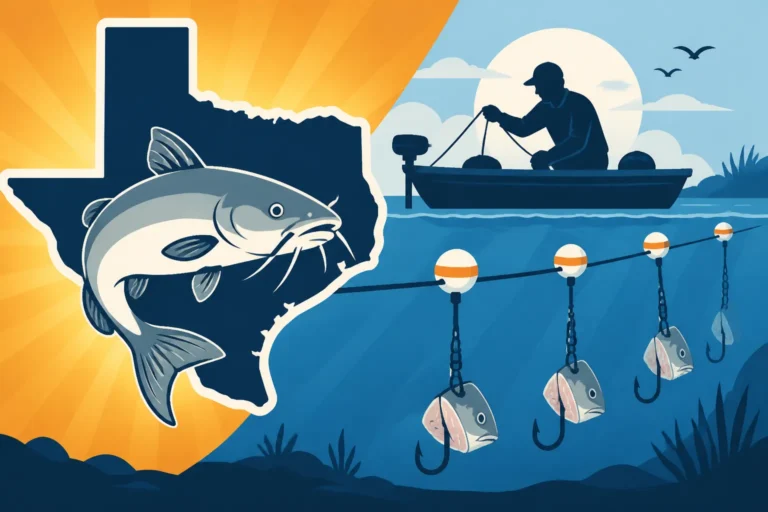
Other special permits might be required for activities like fishing tournaments, especially if they involve specific regulations or collection of data. While most recreational fishing doesn't require these, if you're organizing an event or participating in a competitive setting, always check with TPWD. Additionally, specialized gear like trotlines or juglines often have specific gear tagging requirements to identify the owner, ensuring accountability and adherence to regulations. These requirements are in place to ensure fair chase, proper resource management, and help TPWD monitor fishing effort on specific species. Ignoring these can lead to fines, so it’s always best to be informed.
Where and How to Purchase Your Texas Fishing License
Now that you know what kind of license you need and how much it will cost, the next logical step is to understand where and how to actually buy one. Thankfully, Texas Parks and Wildlife Department has made the process relatively straightforward, offering several convenient options to fit almost everyone's preferences. Whether you're a tech-savvy online shopper or prefer the traditional in-person experience, you'll find a way to get your license quickly.
Online Purchase Process and What to Expect
For many, the easiest and fastest way to get a Texas fishing license is online, directly through the Texas Parks and Wildlife Department website. This method is incredibly convenient, allowing you to purchase your license from the comfort of your home, day or night, without having to travel to a physical location. It’s perfect for last-minute purchases before a fishing trip or for renewing your license right when the new season begins.
The process is generally user-friendly. You'll navigate to the TPWD licensing portal, select the type of license you need (e.g., resident All-Water, nonresident One-Day), provide your personal information (name, address, date of birth, driver's license number or other ID), and then complete the transaction using a credit or debit card. Once processed, you'll receive a temporary license that you can print out immediately. This temporary document is valid for a short period (usually a few days) until your official license arrives in the mail, or for the duration of a short-term license. For most short-term licenses, the printed receipt is often your legal document.
One of the biggest advantages of online purchase is that you'll have a digital record, and your license information will be immediately updated in the TPWD system. This means if you misplace your paper copy, wildlife wardens can often verify your license status electronically. Just remember, as discussed earlier, there will be a small administrative fee added to your total for online transactions. Our guide on How to buy a Texas fishing license online walks you through each step.
In-Person Retailers and Convenience Stores
For those who prefer a more traditional approach or need to pick up bait and tackle at the same time, purchasing a Texas fishing license in person is still a widely available option. There are thousands of authorized license retailers located across the state, making it easy to find a spot near your home or fishing destination.
You can typically find TPWD license vendors at major sporting goods stores such as Academy Sports + Outdoors or Bass Pro Shops. Many Walmarts also serve as license retailers, which is incredibly convenient, especially in smaller towns. Beyond the big box stores, you'll often find local bait and tackle shops, gun shops, and even some convenience stores (like Stripes or Buc-ee's) that are authorized to sell licenses. These smaller, local shops can be great places to get not only your license but also valuable local fishing advice.
When purchasing in person, you'll need to bring valid identification, such as your driver's license. The retailer will enter your information into the TPWD system, print your official license on the spot, and hand it to you. This method is great because you walk out with your physical license immediately, eliminating any wait time for mail delivery. Just be prepared for potential small vendor fees in addition to the base license cost and remember that these retailers often have staff who can answer basic questions about license types. Our post on Where to Buy a Texas Fishing License In Person lists common retail chains and types of stores.
Mobile App and Phone Purchase Options
In an effort to keep up with modern technology and provide even more flexibility, TPWD also offers ways to purchase or carry your license using your phone. This can be a real lifesaver if you're already at the lake and realize you forgot your paper license or if you decide on a spontaneous fishing trip.
The official My Texas Hunt Harvest mobile app, available for both iOS and Android devices, allows you to purchase licenses directly from your smartphone. It's a fantastic tool that keeps your license readily accessible on your device. Once purchased, your license is digitally stored within the app, and this digital display is recognized as valid proof of licensure by Texas Game Wardens. This means you don't necessarily need to carry a physical paper copy, which is a huge convenience for many anglers. This app also allows you to digitally report harvests, like deer or turkey, and manage your stamps and permits.
If you prefer to speak to a person but still want the convenience of purchasing over the phone, you can call the TPWD Customer Service Center. Their representatives can assist you in selecting the correct license and processing your payment. Similar to online purchases, a small administrative fee will apply. While the mobile app and phone options offer unparalleled convenience, especially for on-the-go anglers, always ensure your phone is charged! Nothing worse than a dead battery when a game warden asks to see your license. Our article on the Texas fishing license mobile app explained dives into how to use this handy tool.
Avoiding Penalties and Common Mistakes
Understanding license costs and where to buy them is one thing, but making sure you're always on the right side of the law while fishing is another. Trust me, nobody wants a surprise visit from a game warden that ends with a fine instead of a fish tale. This section will walk you through the pitfalls to avoid, ensuring your Texas fishing adventures are always legal and stress-free.
Consequences of Fishing Without a Valid License
This is perhaps the most important takeaway for any angler: fishing without a valid license in Texas is a serious offense, and the consequences can quickly turn a fun day on the water into a very expensive headache. Game wardens are diligent and knowledgeable; they're out there not to ruin your day, but to protect the state's natural resources, and enforcing license requirements is a major part of that job.
If you're caught fishing without a valid license, you can expect a citation, which typically carries a fine. The base fine can vary, but generally, expect it to be in the hundreds of dollars, far exceeding the cost of any annual license. Beyond the monetary penalty, you could also face court costs, and in some cases, your fishing gear might be confiscated. Repeat offenses can lead to even steeper fines and potentially the suspension of future licensing privileges. It's simply not worth the risk.
Furthermore, ignorance of the law is not an acceptable defense. Even if you genuinely forgot your license at home, didn't realize it had expired, or bought the wrong type of license (e.g., freshwater only when fishing saltwater), you can still be cited. The responsibility to know and abide by the rules falls squarely on the angler. Always double-check your license validity and ensure you have the correct type for the waters you're fishing. Our guide on Penalties for Fishing Without a Texas License delves into the specifics of these consequences.
Keeping Your License Accessible and Valid
Having a license is one thing; having it on you and knowing it's valid is another. A common mistake many anglers make is simply forgetting their paper license at home, or not realizing their digital license on the app requires a quick refresh. Ensuring your license is always accessible and current is a simple step that saves a lot of potential grief.
When you're out fishing, your license needs to be readily available for inspection by a game warden. This means either carrying your physical paper license, having your valid license displayed on the My Texas Hunt Harvest mobile app, or being able to quickly access it through a digital photo or email confirmation (though the official app is preferred for ease of verification). Don't bury it deep in a tackle box or leave it in the truck; keep it in an easily reachable spot, perhaps in a waterproof wallet or a dedicated pocket on your fishing vest. Many people will store their physical license in a small, waterproof pouch on a lanyard, which they can then clip to their vest or life jacket. You can find many such convenient storage solutions on Amazon.
Equally important is knowing your license's expiration date. Remember, most annual Texas fishing licenses expire on August 31st, regardless of when you bought them. Set a reminder on your phone, mark it on your calendar, or make a mental note to renew around late August. A quick check of your license before heading out can prevent an embarrassing and costly encounter with a game warden. You can easily check the expiration date on your physical license or within the My Texas Hunt Harvest app.
Understanding Expiration Dates and Renewal
The fixed expiration date for Texas fishing licenses can be a point of confusion and frustration for many anglers. It's not a rolling 12-month period from your purchase date, but rather a hard stop on August 31st of each year. Understanding this crucial detail is key to avoiding penalties and ensuring seamless fishing throughout the year.
If you purchase your annual license in, say, October, it will still expire on August 31st of the following year. This means you get almost 11 months of fishing. However, if you purchase it in July, you only get about two months. This is a deliberate system designed for ease of administration for TPWD, but it requires anglers to be mindful of the calendar. Many seasoned anglers will purchase their new license in late August or early September to maximize their fishing time for the upcoming year.
Renewing your license is as simple as purchasing a new one. You can renew online through the TPWD website, via the My Texas Hunt Harvest app, over the phone, or in person at any authorized retailer. Most methods allow for quick processing, so you won't have to endure any significant downtime. Setting up an annual reminder on your phone or marking your calendar for early August is a great way to ensure you never miss the renewal deadline and avoid the disappointment of being caught unprepared on the water.
Maximizing Your Fishing Budget in Texas
Fishing in Texas should be an enjoyable and relaxing experience, not one filled with financial worries or licensing confusion. By understanding the options and planning ahead, you can make smart decisions that maximize your fishing opportunities while keeping your budget in check. Let's look at some strategies to ensure you're getting the best value for your hard-earned dollars.
Is an All-Water License Always the Best Value?
This is a question many Texas anglers, especially new ones, grapple with. On the surface, the Annual All-Water Fishing License seems like the obvious choice because it covers everything. However, it's not always the best value for every single angler. The "best value" truly depends on your personal fishing habits and preferences.
If you're someone who genuinely fishes both freshwater lakes and coastal bays/the Gulf throughout the year, then absolutely, the All-Water Fishing License is likely your best bet. It offers the most flexibility, includes the saltwater endorsement, and saves you the hassle of trying to figure out which specific license you need for each trip. The convenience alone often justifies the slightly higher price compared to individual freshwater or saltwater options.
However, if you only ever fish for bass and catfish in freshwater lakes, and have no intention of ever wetting a line in saltwater, then purchasing a freshwater-only license will save you money. Similarly, if your entire fishing life revolves around targeting redfish and speckled trout in the bays, a saltwater-only license (which includes the Red Drum Tag) might be more economical. Take a moment to honestly assess where you spend most of your fishing time. The goal is to avoid paying for coverage you simply don't need. Our guide on Texas all-water license vs buying two separate licenses offers a detailed comparison to help you decide.
Planning Around Texas Free Fishing Day
One of the best ways to get a taste of Texas fishing, introduce someone new to the sport, or simply enjoy a day on the water without worrying about license fees, is to take advantage of Texas Free Fishing Day. This annual event is a fantastic opportunity provided by TPWD to encourage participation in fishing and connect people with the outdoors.
Texas Free Fishing Day typically occurs in early June each year. On this designated day, anyone can fish on any public water in the state of Texas without a fishing license. This includes both residents and nonresidents, children and adults. It's a prime chance to explore a new lake, try a different fishing technique, or simply enjoy the camaraderie of a fishing trip without the initial cost barrier of a license. Imagine taking your whole family out to a local community fishing pond, or even a state park pier, without needing to buy a single license – it's a great experience!
While the license requirement is waived on Free Fishing Day, it's crucial to remember that all other fishing regulations still apply. This includes bag limits, length limits, gear restrictions, and any local rules specific to the water body you're fishing. It's still your responsibility to know these rules to ensure a legal and enjoyable outing. Mark your calendar when the date is announced each year, gather your fishing gear (maybe a new rod and reel combo from Amazon!), and plan a fun day on the water.
Weighing Short-Term vs. Annual Licenses for Nonresidents
For nonresidents, choosing between a short-term license (like the one-day or three-day option) and an annual license is often a strategic decision that comes down to frequency of visits and duration of stay. Making the right choice can save you a significant amount of money over time.
If you are a nonresident planning only one or two short fishing trips to Texas within the license year, the short-term licenses are almost certainly your most economical option. For example, a single one-day license costs around $11-12, and a three-day license is typically $16-18. If you only visit for a couple of weekends a year, buying a few of these short-term licenses will be much cheaper than the ~ $60 annual nonresident license. This approach gives you great flexibility without a large upfront commitment.
However, if you plan to visit Texas for fishing three or more times within the license year, or if your trips are extended (a week or more), then the annual nonresident license quickly becomes the better value. For instance, three three-day licenses would cost around $48-54 (plus fees), bringing you very close to the annual fee, and any subsequent trips would then require additional short-term purchases. At that point, the annual license provides unlimited fishing for the entire license year, offering peace of mind and better overall value. Always do a quick calculation based on your anticipated trips to determine which option makes the most sense for your Texas nonresident fishing license cost.
Disclaimer
Please remember that fishing regulations, license requirements, and costs are subject to change by the Texas Parks and Wildlife Department (TPWD). While every effort has been made to provide accurate and up-to-date information in this guide, it is always the angler's responsibility to verify the most current rules and prices directly with TPWD before engaging in any fishing activities. This guide is for informational purposes only and should not be considered legal advice.