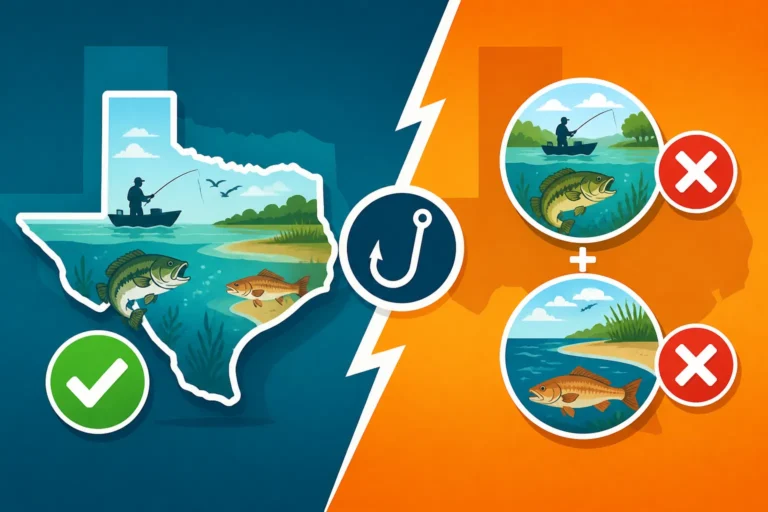
Texas Fishing License for Anglers Over 65
It's no secret that fishing is a cherished pastime in Texas, a way to connect with nature, unwind, and maybe even reel in a trophy. But if you're an angler over the age of 65, navigating the requirements for a Texas fishing license can sometimes feel like trying to untangle a particularly stubborn fishing line – confusing, frustrating, and prone to snags. You might wonder if you still need one, if there are special discounts, or what type of license is best for your golden years of angling. This comprehensive guide is here to clear up all those questions, helping you understand everything you need to know about Texas fishing licenses for seniors, so you can spend less time worrying about paperwork and more time enjoying the bountiful waters of our great state.
Understanding the Texas Senior Fishing License Landscape
For many of us who've been casting lines for decades, the idea of paying for a license every year might seem like a formality, but it's an essential part of responsible angling in Texas. The funds generated from license sales directly support the Texas Parks and Wildlife Department (TPWD) in conservation efforts, fish stocking programs, and maintaining public access to our lakes, rivers, and coastal waters. For senior anglers, Texas offers some well-deserved benefits and reduced fees, acknowledging a lifetime of contributions and making it easier to continue enjoying the sport we love.
Eligibility Criteria for Seniors
The primary qualification for a "Senior Resident Fishing License" in Texas is straightforward: you must be a Texas resident and be 65 years of age or older. This isn't just a courtesy; it's a specific category designed to provide a financial break for our seasoned anglers. You'll need to provide proof of age, usually a valid Texas driver's license or another state-issued ID, when purchasing your license. It's a simple process, but ensuring you meet the age and residency requirements is the first step. Without this specific senior resident status, you'd fall into the regular resident or even non-resident categories, which come with different price points. Think of it as one of the perks of getting a few more birthdays under your belt!
The Grandfathered Exception Pre-1931 Birthdate
Now, here's where it gets really interesting for a select group of our most veteran anglers. There's a special "grandfathered" exception in Texas law for individuals born before September 1, 1931. If you fall into this unique category, you are exempt from the requirement to purchase a recreational fishing license to fish in Texas. This means you can fish to your heart's content without ever having to buy a state fishing license.
However, and this is a big "however," this exemption only applies to the state fishing license itself. You are still required to comply with all other fishing regulations, including bag limits, length limits, and fishing methods. Furthermore, even if you don't need a license, you do still need to purchase any necessary endorsements that might apply to your specific fishing activities, such as a Red Drum Tag if you're catching and keeping certain redfish. While these endorsements are typically purchased alongside a license, the TPWD has a system in place for those with this exemption to acquire them separately. It's a truly wonderful nod to the generations who've contributed so much to Texas's outdoor heritage, allowing them to enjoy the waters freely, save for those specific tags or endorsements. If you're wondering, "Do people born before 1931 need a Texas fishing license?", the answer for the basic license is generally no, but keep those endorsements in mind!
Types of Licenses Available for Anglers Over 65
While the "Senior Resident Fishing License" is a broad category, it's essential to understand that it encompasses various choices, just like regular licenses do. You're not just buying a license; you're selecting the right fit for your specific angling adventures. This ensures you only pay for what you need, whether you're chasing bass in a freshwater lake or reds along the coast.
Senior Resident Freshwater Fishing License
If your passion lies solely in the lakes, rivers, and ponds of inland Texas, the Senior Resident Freshwater Fishing License is your go-to option. This license covers all legal freshwater fishing activities within the state, from catching catfish on the Trinity River to reeling in largemouth bass on Lake Fork. It's ideal for those who primarily fish at local reservoirs, community ponds, or rivers like the Brazos or Guadalupe. This license is priced more affordably than an all-water option because it doesn't include the saltwater privileges you might not use. For many seniors who enjoy the peace and quiet of a lakeside morning, this is the perfect, cost-effective choice. It's important to remember that this license does not permit you to fish in public saltwater, including bays, estuaries, or the Gulf of Mexico.
Senior Resident Saltwater Fishing License
Conversely, if the call of the Texas coast is what truly stirs your angler's soul, the Senior Resident Saltwater Fishing License is what you'll need. This license allows you to fish in all public coastal waters, from the bays and flats of Galveston and Corpus Christi to the jetties and surf of Port Aransas. This is the license for chasing speckled trout, redfish, flounder, and other fantastic inshore and offshore species. Just like its freshwater counterpart, this license is specifically for saltwater only and will not cover you if you decide to try your luck in a freshwater lake. While it’s tempting to think a general "senior license" covers everything, understanding the distinction between freshwater and saltwater is key to staying compliant. Do you need a saltwater endorsement to fish Texas bays? If you have a general freshwater license, then yes, you would need the additional endorsement or the all-water license.
Senior Resident All-Water Fishing License
For those of us who love the diversity Texas offers, equally enjoying a day on Lake Sam Rayburn as much as a trip to Matagorda Bay, the Senior Resident All-Water Fishing License is the ultimate convenience. This single license covers both freshwater and saltwater fishing across the entire state of Texas. It eliminates the need to buy two separate licenses or worry about whether you're crossing invisible lines between water types.
While it's typically the most expensive single fishing license option, for seniors, the discounted rate still makes it an incredibly attractive and often cost-effective choice if you plan to fish both environments. Many anglers find the peace of mind knowing they're covered wherever they cast their line well worth the investment. It’s definitely a popular choice, especially if you spend part of the year up north near freshwater and part down south on the coast. Consider this your golden ticket to explore all corners of Texas's aquatic treasures. You can read more about the Texas All-Water Fishing License Explained if you're weighing your options.
Combination Hunting and Fishing Licenses
For our senior outdoor enthusiasts who enjoy more than just fishing, Texas offers a variety of combination hunting and fishing licenses. These licenses, like the "Super Combo," merge the privileges of both activities into a single, comprehensive package. For seniors, these combo licenses also come with a reduced price.
If you enjoy deer hunting in the Hill Country as much as you love catching bass in East Texas, a combination license might be the most economical and convenient route. It means carrying one less piece of paper and often saving money compared to buying separate hunting and fishing licenses. Make sure to check the specifics of each combination package, as they can vary, and ensure it covers all the species and activities you plan to pursue. The Texas combination hunting and fishing license cost is also adjusted for seniors, making it an excellent value.
Here's a quick overview of the main senior resident fishing license types and their typical costs (always check the current TPWD website for the absolute latest pricing, as these can change slightly each year):
| License Type | Covers | Typical Senior Resident Cost (Excluding admin fee) | Key Benefit |
|---|---|---|---|
| Senior Resident Freshwater Fishing | Freshwater only | ~$12 | Most affordable for lake/river anglers |
| Senior Resident Saltwater Fishing | Saltwater only | ~$12 | Most affordable for coastal anglers |
| Senior Resident All-Water Fishing | Freshwater & Saltwater | ~$22 | Comprehensive coverage, ultimate convenience |
| Senior Resident All-Water & Hunting (Super Combo) | All Fishing & Hunting | ~$68 | Best value for multi-sport enthusiasts |
Note: These prices are estimates and do not include the administrative fee, which applies to all license purchases.
Cost and Where to Purchase Your Senior Fishing License
Once you know which type of senior fishing license is right for you, the next step is understanding the actual cost and where you can go to get it. Texas has made the process incredibly accessible, offering several convenient ways to purchase your license.
Current Costs for Senior Licenses
As mentioned in the table above, the senior discounts in Texas are quite substantial. For a general fishing license, a Texas resident age 65 or older can typically expect to pay around $12 for either a freshwater or saltwater-only license, and approximately $22 for the all-inclusive all-water license. These prices are significantly lower than the standard adult resident licenses, which can run upwards of $30-50 for similar coverage. These reduced rates are a fantastic benefit, acknowledging that many seniors are on fixed incomes and aiming to keep fishing an accessible hobby for everyone.
It's crucial to remember that these base prices do not include the administrative fee. Each license purchase, regardless of type or age group, includes a small administrative fee, usually around $5. This fee contributes to the operational costs of the licensing system. So, when you're budgeting for your license, make sure to add that extra charge to the base price. For example, if the base senior all-water license is $22, with the $5 admin fee, your total would be $27. Knowing the Texas fishing license cost with the $5 admin fee included helps avoid any surprises at checkout.
Online, Phone, and In-Person Purchase Options
Texas Parks and Wildlife Department understands that convenience is key, especially for seniors. That's why they offer multiple ways to purchase your fishing license:
- Online: This is often the quickest and easiest method. You can visit the official TPWD website, select your desired license, provide your personal information (including proof of age), and pay with a credit card. Your license can usually be printed immediately, or you can opt to have it mailed to you. Many people find this method simple and efficient, especially if they're comfortable with online transactions. It's a great way to avoid lines and get your license from the comfort of your home. You can learn more about How to buy a Texas fishing license online.
- By Phone: If you prefer to speak with a person, you can call the TPWD's license sales line. A representative will walk you through the process, confirm your eligibility, and process your payment over the phone. They can then send your license via mail or provide instructions for temporary proof of purchase. This is a good option if you have questions or prefer direct assistance.
- In-Person: For those who like to handle things face-to-face or don't have internet access, licenses can be purchased at various retail locations across the state. These include most sporting goods stores like Academy Sports + Outdoors, many local Walmart stores (yes, you can buy a Texas fishing license at Walmart!), and numerous independent bait and tackle shops. When purchasing in person, you'll need to bring your valid Texas ID for age and residency verification. These local vendors are often knowledgeable and can answer specific questions about local regulations.
No matter which method you choose, it's generally a smooth process designed to get you out on the water as quickly as possible. The TPWD also has a handy Texas fishing license mobile app explained where you can often display your license digitally, saving you from carrying a paper copy.
Handling the Administrative Fee
It's worth reiterating the administrative fee, as it's a common point of confusion. This fee is a standard part of almost every Texas Parks and Wildlife license purchase. It's not a "senior-specific" charge; it applies to everyone, from youth licenses to adult combination packages. The fee typically appears as a separate line item during the purchase process, so you'll see the base license cost and then the additional administrative fee. It's a transparent charge, and understanding it beforehand can save you a moment of surprise when you see the final total. This fee helps cover the costs of the licensing system, from processing applications to printing and distribution.
Benefits and Special Considerations for Senior Anglers
Beyond the obvious financial savings, being a senior angler in Texas comes with a certain set of considerations and, frankly, a lot of wisdom gained from years on the water. It’s about leveraging these advantages and staying informed to ensure every fishing trip is enjoyable and compliant.
Discounted Rates and How They Help
The discounted rates for seniors are more than just a nice gesture; they genuinely make fishing more accessible. For many fixed-income retirees, every dollar counts. Saving over $20 on an all-water license or even more on a combination package can free up funds for better bait, a new lure, or even gas money for an extra trip to your favorite fishing hole. This encourages continued participation in outdoor activities, which is vital for physical and mental well-being in later life. It's a testament to Texas's commitment to supporting its senior population and recognizing the value of their continued engagement with the state's natural resources. This also makes it easier to justify exploring different types of fishing, perhaps trying saltwater for the first time without the higher initial cost of a full-price license.
Maintaining Compliance: Carrying Your License
Even with a discounted senior license, the responsibility to carry it while fishing remains. Texas law requires all licensed anglers to have their valid license and any necessary endorsements in their possession while engaged in fishing activities. This doesn't necessarily mean a physical paper copy anymore. With advancements in technology, you can often display your license digitally on your smartphone through the official TPWD Outdoor Annual app. This is a super convenient option for many, especially if you've ever found yourself rushing out the door and forgetting your wallet.
Game wardens routinely check for licenses, and not having one can lead to a citation and fines. A ticket for not having a license, even if you just forgot it at home, can be a real damper on a fishing trip. You might think, "Do you have to carry your Texas fishing license while fishing?", and the unequivocal answer is yes, in some form. If you're using a physical copy, consider laminating it to protect it from water damage and wear and tear. You can learn more about the Penalties for Fishing Without a Texas License and why it's so important to always have it with you.
Staying Informed About Rule Changes
Regulations, bag limits, and length restrictions can change. Sometimes these changes are minor, affecting only specific bodies of water or species, while other times they can be more significant. As a senior angler, staying informed is just as important as it is for any other age group.
The best way to stay current is to review the annual Texas Parks and Wildlife Outdoor Annual, which is available online, as a mobile app, and in print wherever licenses are sold. Pay particular attention to sections regarding Texas Freshwater Fishing Regulations and Texas Saltwater Fishing Regulations, as these are updated annually. Subscribing to the TPWD newsletter or checking their website regularly can also keep you abreast of any emergency closures or special announcements. Remember, ignorance of the law is not an excuse, so a quick yearly check of the rules will ensure your continued enjoyment without any unwelcome surprises. Even if you've been fishing the same lake for 50 years, a regulation can change, like a new slot limit for largemouth bass or a different seasonal closure for flounder.
Common Questions and Misconceptions
There are always a few lingering questions and common misunderstandings when it comes to fishing regulations, and senior licenses are no exception. Let's tackle some of these to provide absolute clarity.
What if I'm a Non-Resident Senior?
This is a frequently asked question, and it's an important one. The special discounted senior fishing licenses in Texas are specifically for Texas residents who are 65 years of age or older. If you are a senior but not a resident of Texas, you will need to purchase a non-resident fishing license.
While there isn't a separate, deeply discounted "non-resident senior" category like there is for residents, non-residents do have options. You can purchase a non-resident annual freshwater or saltwater license, or an all-water license, which are more expensive than the resident options. However, a popular choice for visiting seniors who only fish for a few days is the Texas One-Day Fishing License for Visitors. These are typically much more affordable than an annual non-resident license and are perfect for a vacation trip or a weekend visit. Always be sure to check the current rates for non-resident licenses on the TPWD website, as these can vary significantly from resident fees.
Does a Senior License Cover Special Endorsements?
A common misconception is that a senior license is an "all-inclusive" pass that automatically covers every possible fishing scenario. While your senior resident fishing license (whether freshwater, saltwater, or all-water) covers the basic requirement to fish, it typically does not automatically include special endorsements or tags that might be required for certain activities or species.
For example, if you plan to keep a red drum (redfish) of a certain size, you might still need to purchase a "Red Drum Tag" or other specific tags. Similarly, if you're using specific gear types like trotlines or juglines, there are usually separate gear tags and regulations to adhere to, regardless of your age or primary fishing license.
Always refer to the current Outdoor Annual for a complete list of endorsements and specific requirements. The rule of thumb is: your senior license grants you the privilege to fish, but certain specific activities or species might require additional permits or tags. Think of it like a driver's license – it lets you drive, but you might need an endorsement for a motorcycle or to drive a commercial vehicle. This distinction is crucial to avoid any unexpected citations. Understanding these additional requirements is part of Texas Fishing License Requirements Explained.
Final Thoughts on Your Texas Fishing Adventures
Getting older means we've earned a bit of a break, and thankfully, Texas recognizes that with its senior fishing license program. It's a thoughtful way to ensure that the joy of fishing remains accessible to our most experienced anglers. Whether you’re casting a line into the serene waters of a Hill Country river or battling a feisty redfish in the Gulf, having the right license means you can focus on what truly matters: the experience.
Always remember to double-check the current regulations before heading out, keep an eye on those bag and length limits, and if you’re ever unsure, the Texas Parks and Wildlife Department website is a treasure trove of information. You can also find great resources for gear and apparel on sites like Amazon, ensuring you're comfortable and well-equipped for your next outing. So grab your rod, your tackle box, and your senior fishing license, and go make some more incredible memories on the water!
Disclaimer
Please note that while every effort has been made to provide accurate and up-to-date information, fishing regulations and license requirements can change. This article is intended for informational purposes only and should not be considered legal advice. Always consult the official Texas Parks and Wildlife Department (TPWD) website or the current Outdoor Annual for the most precise and legally binding information before engaging in any fishing activities.