Texas combination hunting and fishing license cost
Navigating the myriad of licenses and regulations for outdoor activities in Texas can feel like trying to untangle a stubborn fishing line, especially when you're keen on both hunting and fishing. It’s easy to get overwhelmed trying to figure out which licenses you need, what they cover, and most importantly, how much it's all going to cost you. This guide is here to untangle that knot, specifically focusing on the Texas combination hunting and fishing license, helping you understand its benefits and exact costs.
Understanding the Texas Combination License for Anglers and Hunters
For many of us who love the great outdoors in Texas, the passion doesn't stop at just fishing or just hunting; it often encompasses both. The idea of juggling multiple licenses for different activities can be a real headache. That's where the combination license comes in as a streamlined solution.
What is a Combination License?
Simply put, a Texas combination hunting and fishing license is a single, unified document that grants you the legal privilege to participate in both hunting and fishing activities across the state. Instead of purchasing a separate annual hunting license, a separate freshwater fishing license, and potentially a separate saltwater fishing license, you can often bundle these together into one convenient package. This isn't just about reducing the number of pieces of paper you carry; it's designed to offer a more straightforward, and often more cost-effective, approach for Texans who embrace both pursuits throughout the year. It covers the broad strokes of recreational hunting and fishing, allowing you to chase deer in the fall and reel in bass in the spring, all under one umbrella. However, it's crucial to remember that while comprehensive, these licenses still operate within the framework of specific regulations, bag limits, and seasons that apply to individual species and locations.
Who Benefits Most from a Combination License?
The combination license is truly a game-changer for a specific type of outdoor enthusiast. First and foremost, it's ideal for anyone who regularly participates in both hunting and fishing activities within the same licensing year. If you're someone who might spend your mornings stalking whitetail deer and your afternoons casting for catfish, this license is tailor-made for you. It eliminates the hassle of tracking multiple expiration dates and ensures you're always covered, regardless of whether you're heading to the deer lease or launching your boat on Lake Fork. From a financial perspective, choosing a combination license often represents a noticeable cost saving compared to buying all the necessary licenses and endorsements separately. Instead of paying individual fees for a hunting license, a freshwater license, and a saltwater endorsement, the combination package typically offers a reduced cumulative price. This makes it an attractive option for budget-conscious adventurers who want to maximize their time in Texas's diverse landscapes.
The Annual Texas Licensing Period
One of the most common points of confusion for both new and seasoned anglers and hunters in Texas is the licensing period. Unlike some states that might align licenses with the calendar year, Texas operates on a unique cycle. All annual Texas hunting and fishing licenses are valid from September 1st of one year through August 31st of the following year. This means that if you buy a license in March, it will still expire on August 31st, not the following March. It’s a crucial detail that often catches people off guard, especially if they're used to a traditional 12-month validity from the purchase date. Understanding this timeframe is vital for planning your purchases and ensuring you're always legally covered. For instance, if you buy a license in July, you're only paying for a couple of months of coverage before you'll need to renew it for the next season. It’s a system designed around the natural cycles of hunting seasons and fish migrations, but it requires a bit of foresight from license holders. You can find more details on why it ends August 31 in our comprehensive guide, "Texas fishing license year explained: why it ends August 31".
Breaking Down the Cost: Resident Combination Licenses
For Texans, the combination license offers a fantastic way to enjoy both hunting and fishing without breaking the bank or managing multiple documents. There are a few different options available, each catering to slightly different needs and age groups, but all designed to simplify your outdoor adventures.
Standard Resident Combination License Costs
When you're a Texas resident, you've got a couple of straightforward options if you want to combine your hunting and fishing privileges. The most popular choice is the Resident Combination Hunt & All-Water Fishing license. This bad boy covers you for general hunting, freshwater fishing, and saltwater fishing, including the crucial saltwater endorsement you'd otherwise have to purchase separately. As of the most recent updates, this comprehensive package typically runs around $68. This single purchase means you can hunt white-tailed deer in the Piney Woods and then head down to Galveston Bay to target redfish and speckled trout, all legally. If your fishing adventures are strictly confined to freshwater, perhaps you primarily fish lakes like Ray Roberts for bass or the Trinity River for catfish, then there's a slightly less expensive option. The Resident Combination Hunting & Freshwater Fishing license omits the saltwater component, bringing the cost down a bit, usually to around $48. Both of these prices include the mandatory $5 administrative fee that applies to almost all license purchases. Understanding "Texas fishing license cost with the $5 admin fee included" can help you budget accurately. These options truly offer a great value, making it easier to enjoy the diverse outdoor opportunities Texas provides.
Special Resident Combination Licenses and Discounts
Texas takes care of its diverse population of outdoor enthusiasts, offering significant discounts and special licenses for certain resident groups. These aren't just minor reductions; they represent substantial savings and make the outdoors accessible to everyone.
- Youth Licenses: For our younger anglers and hunters, typically those under 17 years old, the state makes it incredibly affordable to get started. While there isn't a direct "combination" license specifically labeled for youth that bundles everything, a youth annual hunting license is very inexpensive, and kids under 17 do not need a fishing license at all in Texas. This essentially means their "combo" is a low-cost hunting license and free fishing access. This is fantastic for encouraging the next generation of conservationists and outdoorspeople. You can learn more about "Texas Youth Fishing License Rules".
- Senior Discounts: Texans aged 65 and older receive incredible benefits. The Senior Resident Combination Hunt & All-Water Fishing license is a steal, often priced around $32. This includes general hunting and all-water fishing, including that all-important saltwater endorsement. This significant discount acknowledges the lifetime contributions of our seniors and ensures they can continue to enjoy hunting and fishing well into their golden years. It's a fantastic program that makes staying active in the outdoors much more affordable. Details about this discount can be found in "Texas Senior Fishing License Discount".
- Disabled Veteran Licenses: Perhaps one of the most impactful programs is for Texas residents who are disabled veterans. Qualifying veterans can receive a free Super Combo hunting and all-water fishing package. This is a tremendous gesture of gratitude, allowing those who have served our country to enjoy Texas's rich outdoor heritage without the financial burden of licensing. Eligibility usually requires a 50% or more service-connected disability or a determination by the VA of individual unemployability. You'll need specific documentation, which is covered in our article, "What documents prove disabled veteran status for a free Texas license". This commitment to our veterans is something truly special.
- Lifetime Licenses: For those who truly commit to the Texas outdoors for the long haul, lifetime licenses are an investment that pays dividends over decades. While the upfront cost is substantial, typically several hundred dollars for a combination hunting and fishing package, it means you'll never have to worry about renewing an annual license again. These are not always widely advertised as "combination" licenses in the same way annual ones are, but they encompass all resident hunting and fishing privileges. It's the ultimate hassle-free solution for dedicated Texas outdoor enthusiasts.
What Each License Includes
Understanding what you're actually getting with your combination license is key to appreciating its value and ensuring you're covered for your planned activities.
- General Hunting: At its core, the hunting component of a combination license allows you to hunt most legal game species in Texas. This typically includes deer, dove, turkey, squirrel, javelina, and certain exotic species. However, it’s important to remember that this doesn't include specialized tags or endorsements like the Federal Duck Stamp, which is required for hunting waterfowl, or specific permits for alligators or certain other unique hunting opportunities. Always check the current year's "Outdoor Annual" for specific bag limits, seasons, and any additional requirements for the species you intend to hunt.
- Freshwater Fishing: This part of the license covers you for all public freshwater bodies across Texas. Think of the sprawling reservoirs like Lake Sam Rayburn and Toledo Bend, the vast network of rivers like the Brazos and Colorado, and countless smaller lakes and ponds. With this, you can legally pursue largemouth bass, catfish, crappie, white bass, and an array of other freshwater species. It covers the basic act of rod-and-reel fishing, and for many, this is all they'll ever need. For more details on species, check out our guide to "Texas Freshwater Bag Limits by Species".
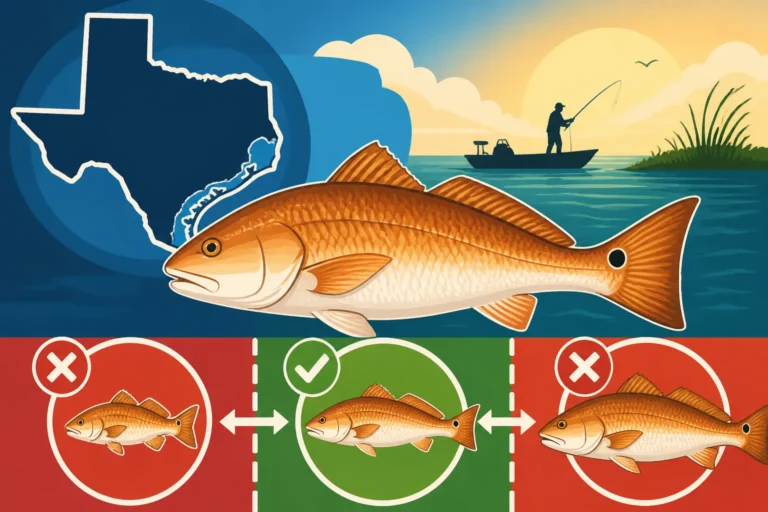
- Saltwater Fishing and Endorsements: The "All-Water Fishing" part of the combination license is where the real value often lies for coastal anglers. This includes the required "Texas Saltwater Endorsement Explained", which would cost you extra if you bought a freshwater-only license and then decided to fish the bays. With this, you're cleared to fish in the Gulf of Mexico, the numerous bays (like Galveston Bay, Matagorda Bay, and Corpus Christi Bay), and the coastal surf. This means you can legally target iconic Texas saltwater species such as redfish, speckled trout, flounder, and black drum. For those who frequently visit the coast, this integrated endorsement is incredibly convenient and a definite cost-saver. Always be mindful of the "Texas Saltwater Bag Limits by Species" to stay within legal parameters.
Non-Resident Combination License Costs and Options
If you're visiting Texas from another state and want to experience the thrill of both its hunting and fishing opportunities, you're in luck! Texas offers combination licenses for non-residents, though they generally come with a higher price tag than those for residents, reflecting the state's resource management and conservation efforts primarily funded by its residents.
Non-Resident Combination General Hunting & All-Water Fishing
For our out-of-state visitors looking for the full Texas outdoor experience, the Non-Resident Combination General Hunting & All-Water Fishing license is the most comprehensive option. This license is designed to cover general hunting for a wide array of game species and allows you to fish in both freshwater and saltwater bodies across the state. As of recent information, this license is a significant investment, often costing upwards of $300. While this might seem steep, it's a bundled price that offers substantial convenience and is typically less expensive than purchasing a separate non-resident general hunting license (which can be over $300 on its own) and a non-resident all-water fishing license (around $68). So, for serious non-resident outdoor enthusiasts, the combination route still presents a clear financial advantage over buying individual licenses. It’s important to research the specific pricing for the current licensing year, as costs can be adjusted. Our guide on "Texas Nonresident Fishing License Cost" offers a deeper dive into the fishing-only side of things.
Short-Term Non-Resident Options
While the annual non-resident combination license is the most comprehensive, Texas does offer shorter-term options, primarily for fishing, which can be combined with short-term hunting licenses if your trip is brief. For fishing, a Non-Resident One-Day Fishing License is available, and it's quite affordable, usually around $11. You can purchase multiple one-day licenses if your fishing trip extends beyond a single day. For hunting, non-residents typically have options like a 5-day special hunting license, which is much less expensive than the annual general hunting license but has restrictions on what game can be harvested.
However, it's crucial to understand that there isn't usually a direct "short-term combination" license that bundles a 5-day hunting and a one-day fishing license into one single reduced-price product. You would typically purchase these as separate short-term licenses. So, while you can certainly hunt and fish as a non-resident for a shorter duration, the "combination" aspect primarily refers to the annual bundle for the biggest savings and convenience. If your stay is brief, carefully calculate the cost of individual short-term licenses versus the annual combination to see which offers the best value for your specific trip.
Why Non-Residents Might Choose a Combo
For non-residents, the decision to opt for an annual combination hunting and fishing license, despite its higher cost compared to resident licenses, boils down to a few key advantages:
- Simplification: The primary benefit is simply having one license to worry about. If you're traveling a distance to enjoy Texas's outdoors, the last thing you want is to be fumbling with multiple permits. A single combination license simplifies compliance, making it easier to keep track of your legal standing while you focus on enjoying your trip. This is especially true if you plan multiple trips throughout the September 1st to August 31st licensing year.
- Value for Extended or Multiple Trips: If you anticipate visiting Texas more than once within the licensing year, or if your single trip is extended and involves both hunting and fishing, the annual combination license often represents better value. For example, if you plan a week-long deer hunt in November and then a spring break fishing trip to the coast in March, buying the annual combo upfront can be significantly cheaper than purchasing separate short-term hunting and fishing licenses for each occasion.
- Comprehensive Coverage: It ensures you’re covered for virtually all general hunting and fishing opportunities without needing additional purchases for basic freshwater or saltwater access. This provides peace of mind, allowing you to spontaneously decide to cast a line after a successful morning hunt, or vice-versa, without worrying about being out of compliance. It truly maximizes your flexibility to experience Texas’s diverse ecosystems.
Additional Fees and Endorsements
While the combination license is a fantastic way to bundle your core hunting and fishing privileges, it's rare that it’s the only thing you'll ever need. Texas has a system of additional fees and endorsements that can apply, depending on your specific activities. Thinking ahead about these can save you from unexpected costs or, worse, running afoul of regulations.
Administrative Fees and Online Purchase Costs
It’s an almost universal truth that bureaucracy comes with its own small price tags. In Texas, when you purchase any annual hunting or fishing license, including combination licenses, you'll encounter a mandatory $5 administrative fee. This fee is usually tacked on top of the base price of the license itself. It's not a hidden charge, but it's important to factor it into your total cost, as it's almost always there.
When you choose the convenience of purchasing your license online through the Texas Parks and Wildlife Department (TPWD) website, you might also incur a small online processing fee. This fee is typically nominal, often just a couple of dollars, but it's another small addition to the final tally. While these fees are small, they are cumulative, and it's just good practice to know they're coming. Many anglers appreciate the ease of online purchase, allowing them to get their "How to Get a Texas Fishing License" sorted from their couch, even if it means a small extra charge. If you’re buying multiple licenses for a family or a group, these fees add up.
Necessary Endorsements Beyond the Basic Combo
Even with a comprehensive combination license, there are still a few scenarios where you might need to purchase additional endorsements or stamps. These are usually for highly specialized activities or species, reflecting specific conservation efforts or federal requirements.
- Federal Duck Stamp: If you're planning on hunting migratory waterfowl like ducks and geese, a Federal Duck Stamp is absolutely required, regardless of your state hunting license. This stamp is an essential part of waterfowl conservation, and 98% of the purchase price goes directly to habitat acquisition. You can usually purchase this at most post offices or through licensed retailers like Academy Sports + Outdoors. It's a federal requirement, so your state combination license won't cover it.
- Archery Endorsement: While most general hunting licenses cover archery equipment, some specialized hunts or public hunting lands might require a separate Archery Endorsement. Always double-check the regulations for the specific hunting lease or public hunting unit you plan to visit. It's not universally required for all archery hunting but can be crucial in certain contexts.
- Upland Game Bird Endorsement: For hunters targeting certain upland game birds beyond the general scope, such as pheasant or chachalaca, an Upland Game Bird Endorsement may be required. Again, the "Outdoor Annual" is your best friend here, providing precise details on which species necessitate this endorsement.
- Federal Sandhill Crane Permit: If sandhill cranes are on your hunting list, you'll need a special Federal Sandhill Crane Permit in addition to your general hunting license and Federal Duck Stamp. This is a very specific requirement for a specific migratory bird.
These endorsements ensure that the costs of managing and conserving these particular species are covered by the hunters who pursue them. It's a system that helps maintain healthy populations for future generations of outdoor enthusiasts.
Avoiding Hidden Costs
Nobody likes surprises, especially when it comes to legal requirements and money. The best way to avoid any "hidden" costs or unexpected fines is through thorough preparation and understanding of the rules.
- Read the Outdoor Annual: This cannot be stressed enough. The Texas Parks and Wildlife Department's (TPWD) annual "Outdoor Annual" is the definitive guide to all hunting and fishing regulations, bag limits, seasons, and licensing requirements. It's available online for free and in print at many license vendors. Before every season, or even before every trip, consult it. Ignorance of the law is not an excuse.
- Check Local Regulations: Beyond state-wide rules, some specific lakes, rivers, or public hunting areas might have unique local regulations, special permits, or access fees. For example, some city parks might have specific fishing rules, or a wildlife management area might require a limited public use permit. Always check the specific rules for your intended destination.
- Understand Endorsements: As discussed, even with a combination license, specific activities require additional endorsements. Before you head out, confirm that your license covers everything you plan to do. Planning to duck hunt? Make sure you have that Federal Duck Stamp. Thinking of trying to gig flounder? Double-check flounder season and specific regulations for that method.
- Don't Forget About Boats: If you're fishing or hunting from a boat, remember that boat registration and titling are separate from your personal hunting and fishing licenses. Don't forget to check "Texas Boat Registration Requirements" if you plan to hit the water in your own vessel.
By proactively educating yourself, you can enjoy your time in the Texas outdoors confidently, knowing you've met all legal obligations and avoided any unnecessary expenses or penalties, such as those detailed in "Penalties for Fishing Without a Texas License".
Where and How to Purchase Your Combination License
Getting your Texas combination hunting and fishing license is a straightforward process, thanks to multiple convenient options. Whether you prefer the digital route or a more traditional in-person transaction, the Texas Parks and Wildlife Department (TPWD) has made it accessible.
Online Purchase
For many, the most convenient way to purchase a Texas combination license is online through the official Texas Parks and Wildlife Department website. This method allows you to buy your license 24/7 from the comfort of your home, and you can even print a temporary license immediately to use until your official license arrives in the mail.
Here's how it generally works:
- Visit the TPWD Website: Navigate to the official TPWD online license sales portal.
- Create or Log In to Your Account: If you're a returning customer, simply log in. New users will need to create an account, which typically involves providing personal details like your name, date of birth, and driver's license number.
- Select Your License: Browse the options and select the combination hunting and fishing license that best suits your needs (e.g., Resident Combination Hunt & All-Water Fishing).
- Add Endorsements (if needed): If you require any additional endorsements like the Federal Duck Stamp, you can usually add these during the online purchase process.
- Review and Pay: Double-check your selections, confirm your personal information, and then proceed to payment. You'll need a credit or debit card. Remember to factor in the $5 administrative fee and any small online processing fee.
- Print Temporary License: Once the transaction is complete, you'll have the option to print a temporary license. Keep this with you as proof of purchase until your official durable license arrives.
The online method is especially useful for quickly getting your license before an impromptu trip. Plus, TPWD has made it easier to display your license on your phone through their app, as detailed in "Can you show a Texas fishing license on your phone?"
In-Person Retailers
If you prefer a face-to-face transaction or need some guidance, there are thousands of licensed retailers across Texas where you can purchase your combination license. These vendors are often staffed by knowledgeable individuals who can help you choose the right license.
Common places to buy a license in person include:
- Walmart: Many Walmart locations in Texas have a sporting goods department where you can purchase hunting and fishing licenses. It's a convenient option, especially if you're already doing your weekly shopping.
- Academy Sports + Outdoors: As a major sporting goods retailer, Academy is an excellent place to get your license. Their staff is often familiar with the different license types and can answer questions about gear too.
- Local Bait and Tackle Shops: Don't overlook your local, independent bait and tackle shops. These small businesses are often hubs of local fishing and hunting information, and they'll happily process your license purchase. You might even pick up some local tips while you're there!
- TPWD Field Offices: While less common for everyday purchases, some TPWD regional or state park offices can also issue licenses.
When purchasing in person, remember to bring a valid form of identification, such as a Texas driver's license, and be prepared to provide information like your Social Security Number. Payment can typically be made with cash, credit, or debit. For a comprehensive list of locations, check out "Where to Buy a Texas Fishing License In Person".
Phone Purchase
For those who prefer to speak with someone directly but don't want to visit a physical location, purchasing by phone is another option. You can call the TPWD customer service line during business hours. A representative will guide you through the process, ask for the necessary information, and process your payment over the phone.
While convenient, it's worth noting that you won't immediately have a physical license in your hand with this method. You'll still need to wait for it to be mailed, or in some cases, you might be given a confirmation number that serves as temporary proof of purchase. It's a good alternative if you have specific questions or technical difficulties with the online system.
Important Documents Needed for Purchase
Regardless of how you choose to purchase your Texas combination hunting and fishing license, you'll need to provide some basic information and, in some cases, specific documentation:
- Proof of Identity: A valid Texas driver's license or state ID card is usually sufficient for residents. Non-residents will need a valid government-issued ID from their home state or country.
- Social Security Number (SSN): The TPWD requires your SSN for all license purchases. This is not uncommon and is often used for compliance with federal mandates, such as child support enforcement.
- Proof of Residency: If you're claiming resident status, your Texas driver's license typically serves as proof. If you've recently moved to Texas, you might need to provide additional documentation to establish residency, such as utility bills or voter registration.
- Disabled Veteran Documentation: If you're a qualifying disabled veteran applying for a free Super Combo license, you'll need specific documentation from the VA proving your service-connected disability rating. This is a critical step to ensure you receive the benefits you are entitled to.
Having all your information ready before you start the purchase process will make it much smoother, whether you're at the register at Academy Sports + Outdoors or buying online. You can even find outdoor gear and apparel on Amazon to prepare for your trip, but the actual license must come from TPWD or a licensed vendor.
Texas Combination Hunting and Fishing License Costs at a Glance
To help simplify the decision-making process, here's a quick overview of some of the most common combination license options and their approximate costs for the current licensing year. Prices can change, so always verify the latest information on the official TPWD website.
| License Type | Resident Cost (Approx.) | Non-Resident Cost (Approx.) | Key Inclusions |
|---|---|---|---|
| Combination Hunt & All-Water Fishing | $68 | $315+ | General hunting, freshwater fishing, saltwater fishing (with endorsement). |
| Combination Hunting & Freshwater Fishing | $48 | N/A (usually separate) | General hunting, freshwater fishing. |
| Senior Combination Hunt & All-Water Fishing | $32 | N/A | General hunting, freshwater fishing, saltwater fishing (with endorsement) for residents 65+. |
| Youth Hunting License (Fishing is generally free for youth under 17) | $7 | $7 (youth hunting only) | General hunting for residents/non-residents under 17. Fishing free for under 17, making it an effective "combo." |
| Lifetime Resident Hunting and Fishing | ~$1000-$1800 | N/A | All resident hunting and fishing privileges for life (significant upfront investment, long-term savings). |
| Administrative Fee | $5 | $5 | Added to almost all annual license purchases. |
| Online Processing Fee | ~$2-5 | ~$2-5 | Added for online purchases via TPWD website. |
| Federal Duck Stamp (if waterfowl hunting) | $25 | $25 | Required federally for hunting migratory waterfowl, purchased separately from state license. Can often be found on Amazon or sporting goods stores. |
Note: All prices are approximate and subject to change by the Texas Parks and Wildlife Department. Always consult the official TPWD website for the most current and exact pricing for the September 1st – August 31st licensing year.
Disclaimer
The information provided in this guide is for general informational purposes only and is subject to change. While we strive to keep the content up-to-date and accurate, regulations, seasons, and costs for Texas hunting and fishing licenses are determined by the Texas Parks and Wildlife Department (TPWD) and can be modified at any time. Always consult the official TPWD website or the current "Outdoor Annual" for the most precise and legally binding information before engaging in any hunting or fishing activities.