What waters are open on Texas Free Fishing Day
There's nothing quite like the urge to cast a line, feel the tug of a fish, and enjoy the tranquility of Texas waters. But for many folks, the thought of navigating all the license requirements can be a real roadblock, making them hesitant to even try. That's why Texas Free Fishing Day is such a fantastic opportunity! This guide is going to walk you through exactly which waters are open for you to enjoy a day of fishing without needing a state fishing license, so you can focus on the fun.
The Spirit of Texas Free Fishing Day
Free Fishing Day in Texas isn't just a random date on the calendar; it's a dedicated effort by the Texas Parks and Wildlife Department (TPWD) to invite everyone, from seasoned anglers to curious beginners, to experience the joy of fishing without the initial hurdle of purchasing a license. It's about fostering a love for the outdoors, connecting with nature, and perhaps sparking a lifelong passion for angling in the Lone Star State. It's especially wonderful for families and those who might be visiting Texas and want to try their hand at fishing without committing to a full year's license.
What This Special Day Really Means
Think of Texas Free Fishing Day as an open invitation. On this particular day, the state waives the requirement for a fishing license for anyone fishing in public waters. This means if you've ever thought about trying fishing, or if you have friends or family who are hesitant to buy a license but want to give it a shot, this is their perfect chance. It removes that first barrier, making the sport more accessible. It’s also a fantastic opportunity for experienced anglers to introduce newcomers, especially kids, to the sport without any extra cost considerations beyond basic gear and bait. It truly embodies the spirit of sharing the natural beauty and resources of Texas. You can learn more about Texas Free Fishing Day specifically to understand its full scope.
When You Can Enjoy License-Free Fishing
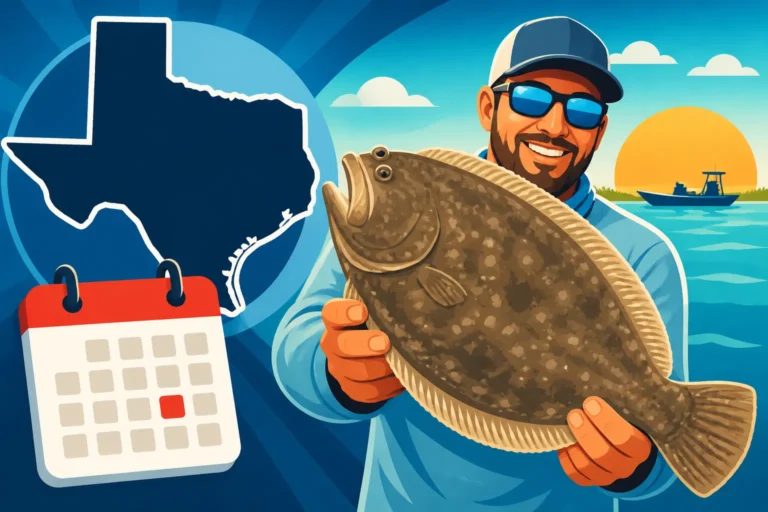
Texas Free Fishing Day always falls on the first Saturday in June. This means it's a predictable annual event, making it easy to mark on your calendar and plan ahead. Because it's in early summer, the weather is usually fantastic, though it can get quite warm in some parts of the state. This timing often coincides with active fish behavior, from bass patrolling the shallows to catfish biting strong, offering a great chance for a successful outing. Knowing the date well in advance allows you to gather your gear, scout potential locations, and even invite friends and family to join in the fun. Just remember, it's only that one specific Saturday each year where the fishing license requirement is lifted for public waters.
Unveiling the Waters: Where You Can Fish for Free
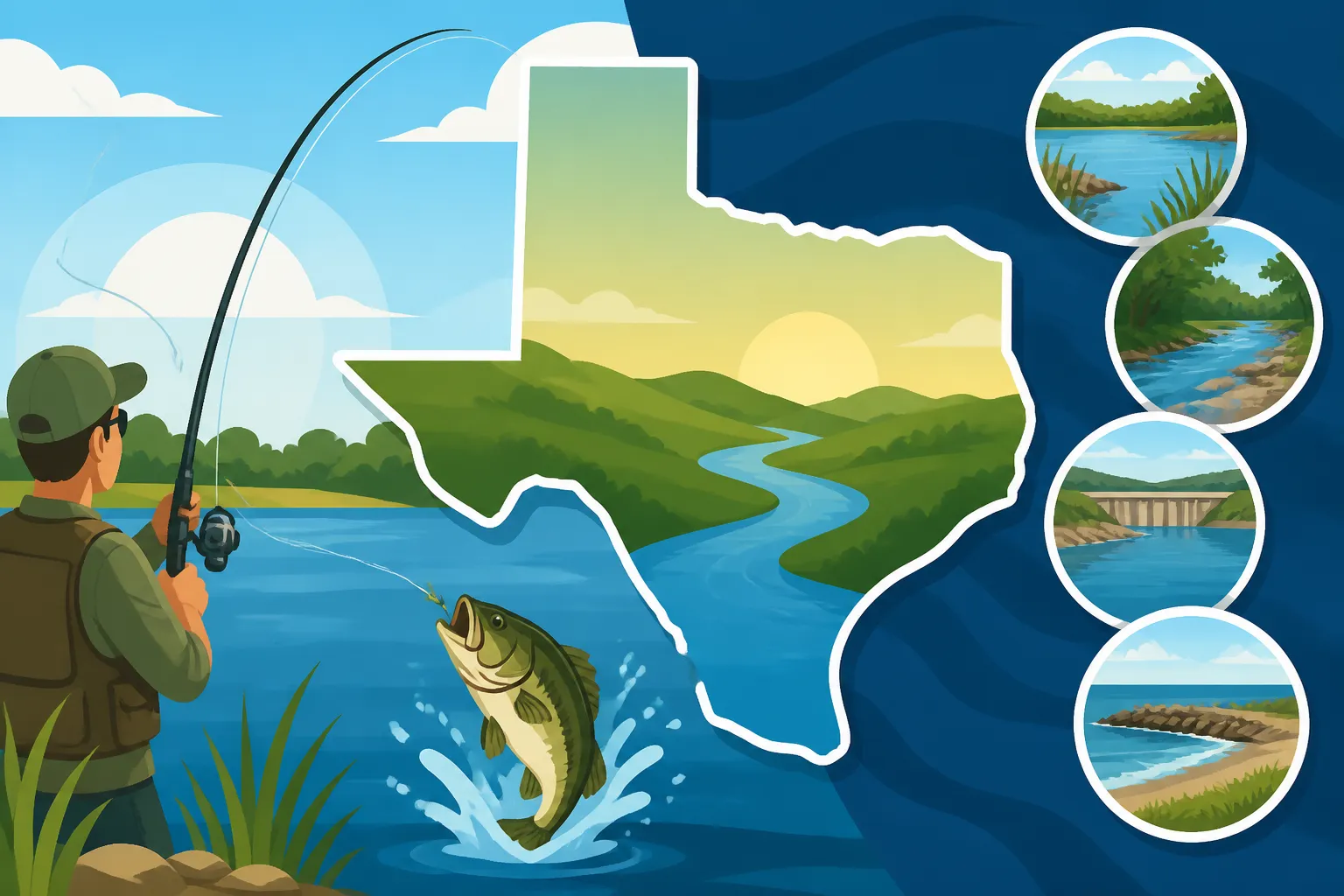
The simple and most straightforward answer to "What waters are open on Texas Free Fishing Day?" is this: all public waters in Texas are open for license-free fishing on this designated day. This covers an incredible diversity of fishing environments, from vast freshwater lakes and meandering rivers to the expansive coastal bays and even the Gulf of Mexico. This broad access is what makes the day so special, offering everyone a chance to cast a line regardless of their preferred fishing environment.
The Vastness of Public Inland Waters
Texas boasts an astonishing array of freshwater lakes and rivers, and on Free Fishing Day, every single one that's publicly accessible is yours to explore without a license. This includes all the major reservoirs that anglers flock to year-round. We're talking about legendary bass fishing destinations like Lake Fork, Sam Rayburn Reservoir, and Toledo Bend Reservoir in East Texas, or the big striper lakes like Lake Texoma. Even smaller, local reservoirs and the countless rivers flowing across the state – from the Trinity River and Brazos River to the Colorado River and Guadalupe River – become accessible. If a lake or river has public access points, you can fish there. This is a huge benefit for those who primarily fish freshwater and want to explore a new spot or just enjoy their favorite local honey hole without the usual Texas Fishing License Requirements Explained.
| Type of Water | License Needed on Free Fishing Day | Additional Considerations |
|---|---|---|
| State-Owned Lakes/Rivers | No | Public access points required. All other regulations (bag/length limits) still apply. |
| Texas Coastal Waters | No | Public access to bays, estuaries, Gulf. All saltwater regulations still apply. |
| City/Community Ponds | No | Often part of TPWD Neighborhood Fishin' Program. Check local park rules for hours. |
| State Parks (Fishing Only) | No | Park entrance fees may still apply. Fishing itself is license-free from shore/piers. |
| Private Property | Yes, owner permission is needed | Free Fishing Day only waives the state license. Private property rules remain. |
Exploring Texas's Coastal Treasures Without a License
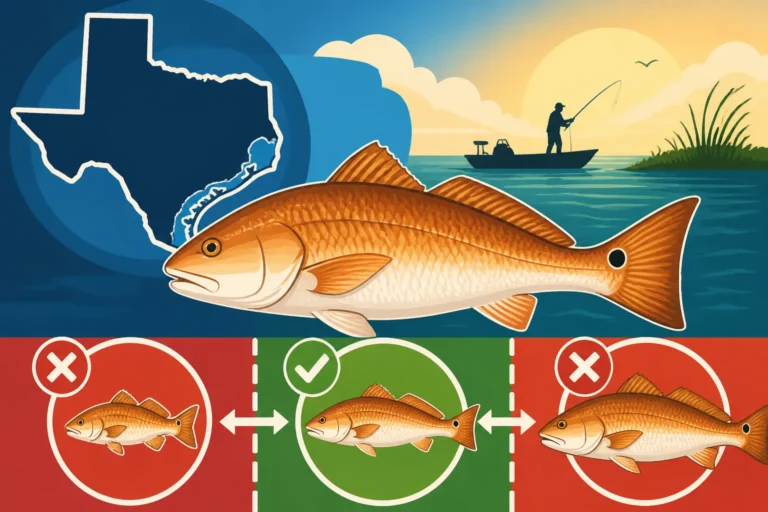
For those who dream of saltwater fishing, Free Fishing Day extends to the entire Texas coast. This means the vast bay systems that are so famous for redfish and speckled trout are entirely open. You can wade the shallow flats of Galveston Bay, Matagorda Bay, Aransas Bay, or Corpus Christi Bay. You can fish from public piers, jetties, or even venture into the nearshore waters of the Gulf of Mexico, all without needing a saltwater fishing license or the typical Texas Saltwater Endorsement Explained. This is an incredible opportunity for coastal communities to get out and enjoy their local waters, whether it's dropping a line off a pier in Port Aransas or casting for reds in the Laguna Madre. Just remember, while the license is waived, all specific Texas Saltwater Fishing Regulations and bag limits, like those for Texas Redfish Size and Bag Limits or Texas Speckled Trout Bag Limits, still apply.
Urban Oases: City and Community Fishing Ponds
You don't always need to travel far to find great fishing spots, especially on Free Fishing Day. Many cities across Texas have community fishing ponds, often stocked by the TPWD as part of their Neighborhood Fishin' program. These ponds are specifically designed to provide easy, family-friendly fishing opportunities close to home. Locations in major metropolitan areas like Dallas, Fort Worth, Houston, Austin, and San Antonio often have these accessible ponds. On Free Fishing Day, you can fish these waters without a license. It’s a perfect scenario for introducing young children to fishing, as these ponds are typically well-maintained, easily accessible, and frequently stocked with catfish or rainbow trout (depending on the season). You can find information on specific locations and stocking schedules through the TPWD website, making it simple to plan a local outing. Many of these offer Free Shoreline Fishing at Texas State Parks year-round, but Free Fishing Day extends the license-free perk even further.
Important Rules and Limitations to Keep in Mind
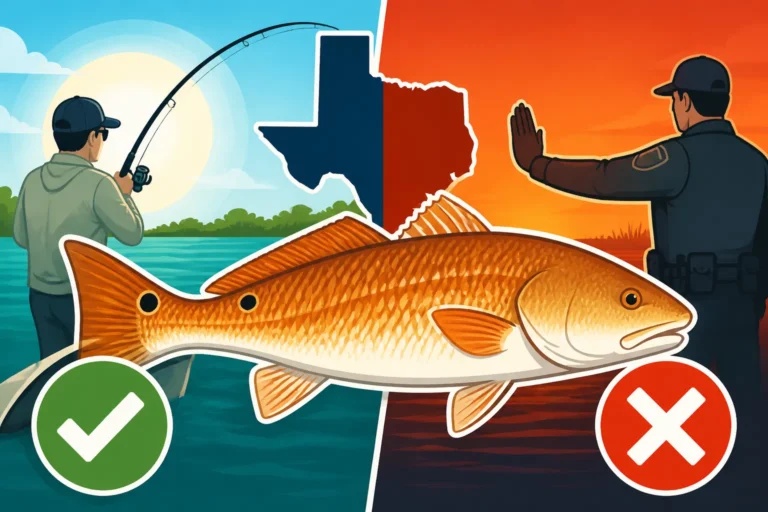
While Texas Free Fishing Day is a fantastic opportunity, it's crucial to understand that it's not a free-for-all. The "free" aspect specifically refers to the fishing license requirement. All other regulations designed to protect our fish populations and ensure fair play for all anglers remain firmly in place. Ignoring these can lead to fines and legal trouble, which would definitely spoil your day.
Private Property Is Still Private Property
This is perhaps the most important caveat: Free Fishing Day does not grant you access to private property without permission. If a lake, pond, or a section of a river or bay is on private land, you still need to obtain explicit permission from the landowner before you can fish there. Trespassing laws remain in full effect, regardless of the fishing license waiver. This is a common misunderstanding, especially for those new to fishing. Always respect property boundaries. If you're unsure, look for public access points, boat ramps, or designated fishing parks. There's no magical "free access" card just because it's Free Fishing Day.
Understanding State Parks and Federal Land Nuances
Fishing within Texas State Parks typically requires a valid Texas fishing license, unless you're fishing from the shore or a pier within a state park (which is license-free year-round). However, on Free Fishing Day, you don't need a license anywhere within a state park's public waters. What does often still apply, however, is the park's entrance fee. So, while you won't need a fishing license to cast a line at, say, Inks Lake State Park, you might still need to pay to get into the park itself unless you have a Texas State Parks Pass. It's a minor distinction but an important one to avoid surprises. Federal lands, such as those managed by the U.S. Army Corps of Engineers around many Texas lakes, generally follow state regulations for fishing licenses, so those public waters would also be open for license-free fishing on this day.
All Other Fishing Regulations Remain in Force
This cannot be stressed enough: all other Texas fishing regulations still apply on Free Fishing Day. This includes:
- Bag and Length Limits: You still must adhere to the specific daily bag limits and minimum/maximum length limits for every species you catch. For instance, if you're targeting largemouth bass, you'll need to know the Texas Largemouth Bass Length Limits, and if you're on the coast, you must respect the Texas Redfish Size and Bag Limits. These rules are vital for conservation and ensuring healthy fish populations for the future.
- Method Restrictions: Legal fishing methods remain the same. No using illegal gear like certain types of nets, unregulated trotlines, or other unlawful devices. All the rules about bait, hooks, and tackle still apply. You can explore topics like Texas Trotline and Jugline Rules if you plan to use such methods, even on Free Fishing Day.
- Gear Tag Requirements: If you're using passive fishing gear like trotlines or juglines, these still require proper tagging with your customer ID and other information, even without a license.
- Boating Regulations: If you're fishing from a boat, all standard boating regulations regarding registration, safety equipment (like life jackets), and operation still apply. Free Fishing Day only pertains to the fishing license, not your boat's legal requirements or your own safe boating practices. You can read up on Texas Boat Registration Requirements to ensure you're compliant.
- Prohibited Areas: Some areas, like certain spillways, around dam structures, or wildlife refuges, might have specific fishing restrictions or be entirely off-limits. These prohibitions are still in effect.
Failing to follow these rules can result in significant penalties, including fines. Don't let a violation ruin your fun day of fishing. You can find information on Penalties for Fishing Without a Texas License to understand the severity of violations.
Planning Your Perfect Free Fishing Day Adventure
Now that you know where you can legally cast your line, let's talk about making your Free Fishing Day experience as enjoyable and successful as possible. A little planning goes a long way, especially if you're new to the sport or introducing it to others.
Essential Gear for a Successful Outing
You don't need to break the bank to get started, but having a few basics will certainly improve your chances and comfort.
A good starter kit often includes:
- Rod and Reel: A medium-action spinning combo is versatile for catching a variety of fish, from panfish to smaller bass and catfish.
- Fishing Line: Choose a line suitable for your target species, usually 6-10 lb test for freshwater.
- Hooks: A variety of sizes to match your bait and target fish.
- Sinkers/Weights: To help your bait sink to the desired depth.
- Bobbers: Great for visible strike detection, especially for beginners.
- Bait: Live worms, crickets, or corn work for many freshwater species. For saltwater, shrimp or cut bait are often effective.
- Pliers/Forceps: Essential for safely removing hooks.
- Small Cooler: For drinks, snacks, and keeping any fish you plan to keep.
- Sun Protection: Hat, sunglasses (polarized sunglasses can be a game-changer for spotting fish, and you can find many options on Amazon), and sunscreen are a must in the Texas sun.
- First Aid Kit: Always a good idea to have on hand.
You can find great beginner gear sets and individual components on sites like Amazon, which makes it super convenient to gather what you need without a big upfront investment. For more ideas, check out a Beginner Fishing Gear Checklist for Texas.
Finding the Best Spots and Checking Conditions
Even though all public waters are open, some spots are definitely better than others.
- TPWD Resources: The Texas Parks and Wildlife Department website is a goldmine of information. They often publish fishing reports for major lakes, listing what's biting, where, and what baits are working. They also have detailed maps of state parks and community fishing lakes.
- Local Bait Shops: These are invaluable resources. The folks working at your local bait shop know the area's fishing spots like the back of their hand and can give you up-to-the-minute advice on conditions and hot baits.
- Online Fishing Forums/Groups: Texas has a vibrant online fishing community. A quick search can yield recent reports and tips from other anglers.
- Weather and Water Conditions: Always check the weather forecast before you go. Strong winds, storms, or extreme heat can impact both safety and fishing success. Water clarity and temperature can also play a huge role in fish behavior.
If you're heading out to the coast, understanding the tides is paramount. High tides often bring fish closer to shore, while outgoing tides can concentrate baitfish in channels. Many apps and websites provide tidal charts for Texas coastal areas.
Focusing on Family Fun and First-Time Anglers
Texas Free Fishing Day is truly an ideal time to introduce children or friends to fishing. The low barrier to entry makes it less intimidating.
- Keep it Simple: Don't overcomplicate things. Simple live bait setups (a hook, sinker, and bobber with a worm) are often the most effective for catching panfish or catfish, which provide consistent action for kids.
- Patience is Key: Fishing teaches patience. Celebrate every nibble, not just every catch.
- Safety First: Ensure everyone has a life jacket if on a boat, even if not required for adults (though they are always recommended). Keep hooks covered when not in use, and teach kids how to safely handle fish.
- Make it an Experience: Pack a picnic, bring games, and enjoy the overall outdoor experience. Even if the fish aren't biting, the time spent together in nature is invaluable. A comfortable chair and a good cooler from a brand like Yeti or RTIC (also available on Amazon) can make a day by the water much more pleasant.
Common Misconceptions to Avoid
It’s easy to get confused with all the rules and exceptions, especially for something like Free Fishing Day. Let’s clear up a couple of common misunderstandings to ensure your day is truly hassle-free.
Free Fishing Day Doesn't Mean "Anything Goes"
As we’ve emphasized, the biggest misconception is that Free Fishing Day means all rules are off. That’s simply not the case. It's a waiver of the license fee, nothing more. All conservation laws, such as Texas Fish Bag and Length Limits for species like Texas Largemouth Bass Length Limits or Texas Crappie Bag Limits, are still strictly enforced. Game wardens are often out and about on Free Fishing Day, not to spoil the fun, but to ensure that everyone is abiding by these critical regulations. Their presence is a good reminder that responsible angling is key to preserving Texas's amazing fisheries for generations to come. So, make sure you know your limits and respect the resource.
Boating Rules Are Separate from Fishing Licenses
Another common mistake is thinking that if you don't need a fishing license, you don't need to worry about boating regulations either. This is incorrect. If you're operating any type of motorized boat, or even a larger non-motorized vessel, all the standard Texas Boat Registration Requirements still apply. You must have your boat properly registered and titled, and you need to carry all required safety equipment, such as life jackets for everyone on board, a fire extinguisher, and sounding devices. While you may not need a fishing license to drop a line from your kayak or canoe, depending on its size and propulsion, it may still require registration, and certainly, you'll need to adhere to life jacket rules. For more details on specific age requirements for life jackets, you can refer to relevant TPWD guidelines.
Disclaimer
Please remember that fishing regulations can change. While this guide provides comprehensive and up-to-date information, it is always your responsibility to verify the latest rules and regulations directly with the Texas Parks and Wildlife Department before heading out on your fishing trip.