Beginner Fishing Gear Checklist for Texas
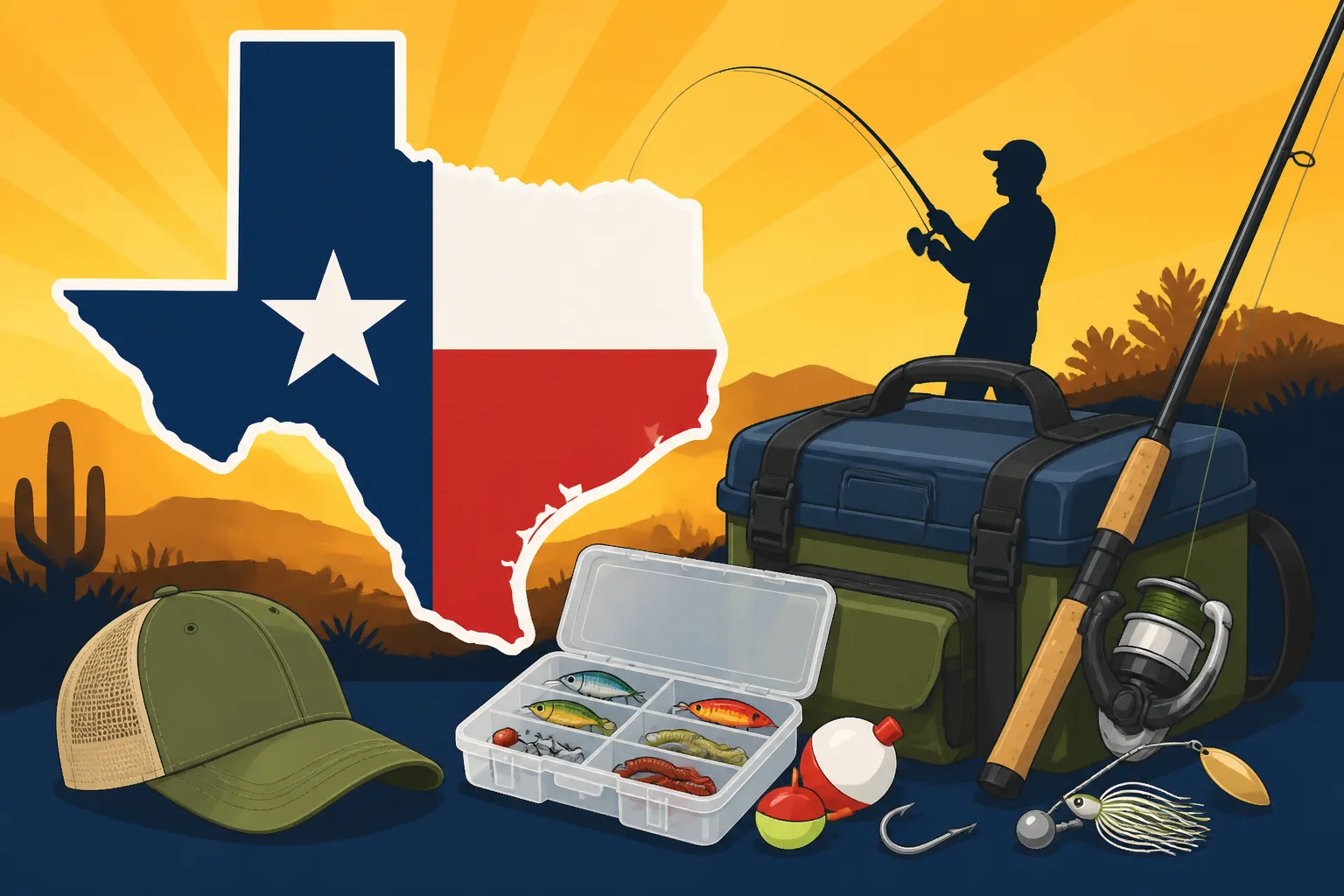
Stepping into the vast and incredible world of Texas fishing can feel like trying to navigate a whole new language, especially when you're staring down the aisles of a tackle shop wondering what on earth you actually need. It's easy to get overwhelmed by the sheer volume of rods, reels, baits, and gadgets out there, and many aspiring anglers end up buying too much or the wrong stuff. This guide is here to cut through the confusion and provide a clear, empathetic checklist of essential gear for beginners eager to cast a line in the Lone Star State, ensuring you're well-equipped without breaking the bank.
Getting Started: The Absolute Essentials for Your First Texas Fishing Trip
Before you even think about hitting the water, there are a few non-negotiable items every Texas angler, especially a beginner, needs in their tackle box. These are the fundamental tools that will allow you to legally and effectively fish, no matter if you're chasing catfish in a local pond or trying your hand at bass in a big reservoir. Think of these as your fishing "starter pack."
Your Texas Fishing License
This might not be a piece of "gear" in the traditional sense, but it is absolutely the most crucial item on your checklist. Trying to fish without a valid license in Texas is a quick way to turn a relaxing day into a hefty fine and a lot of frustration. The Texas Parks and Wildlife Department (TPWD) manages all fishing licenses, and you'll need one for nearly all public waters, whether fresh or saltwater.
For beginners, understanding the different types of licenses can seem a bit daunting. Do you need a freshwater license, a saltwater license, or an all-water license? If you plan on fishing both bays and lakes, an all-water package is usually the most convenient and cost-effective option. If you're just focused on a local lake for now, a freshwater-only license will suffice. There are also specific exemptions, like for certain age groups or on designated "Free Fishing Days," but it's always best to assume you need one. You can find more details on Texas Fishing License Requirements Explained to make sure you're covered.
The process of actually acquiring your license is thankfully pretty straightforward. You can usually purchase one online through the TPWD website, over the phone, or in person at various retailers like sporting goods stores, bait shops, and even some grocery stores. Make sure you get it well in advance of your trip, as some online purchases might require printing, and you'll always need to have it on your person while fishing. Losing it can happen, so know What happens if you lose your Texas fishing license.
A Reliable Rod and Reel Combo
For a beginner, the thought of pairing a rod with a reel can be paralyzing. There are so many lengths, actions, powers, gear ratios, and reel types! My advice? Don't overthink it. Start with a pre-spooled rod and reel combo. These are fantastic because they're designed to work together, they're typically affordable, and many even come with line already on the reel, ready to go.
Spinning combos are almost universally recommended for beginners, and for good reason. They are incredibly easy to cast, minimize frustrating backlashes (a common headache with baitcasting reels for novices), and are versatile enough for a wide range of Texas fishing scenarios, from panfish to small bass. Look for a medium-light to medium power rod, typically 6 to 7 feet long, with a fast action. This setup will give you enough sensitivity for smaller bites but still enough backbone to handle a decent-sized fish. Brands like Ugly Stik, Penn, and Daiwa often offer excellent entry-level spinning combos that are durable and won't break the bank. You can find a vast selection at any Bass Pro Shops or even online through Amazon.
The reel size usually corresponds to the rod's power, so a 2500-3000 series spinning reel is a great all-around choice. This size offers a good balance of line capacity and retrieve power for many common Texas species. While you can certainly get into the nitty-gritty of Best Fishing Rods for Texas Anglers and Best Fishing Reels for Texas Anglers later, a basic spinning combo is your best friend when you're just starting out. It allows you to focus on the fun parts—casting and catching—without getting bogged down in complex gear choices.
Monofilament Fishing Line
Once you have your rod and reel, the next crucial component is fishing line. For beginners, there's really only one type of line I wholeheartedly recommend: monofilament. It's affordable, easy to tie knots with, has a good amount of stretch (which can be forgiving when fighting fish), and is relatively easy to manage on a spinning reel.
For general freshwater fishing in Texas, a 8-12 pound test monofilament line is a fantastic starting point. This strength is versatile enough to handle panfish, crappie, average-sized bass, and even smaller catfish. If your combo didn't come pre-spooled, getting a spool of monofilament and having the tackle shop fill your reel is a smart move. They have specialized machines that ensure the line is spooled correctly, preventing twists and tangles down the road.
While there are other types of line, like braided and fluorocarbon, which you'll probably explore as you gain experience, they come with their own learning curves and specific applications. Braided line, for example, is incredibly strong and sensitive but can be challenging for beginners to tie knots with and might dig into the spool if not spooled correctly. Fluorocarbon is nearly invisible underwater but can be stiff and more prone to memory. Stick with good old mono for now; it's the friendly choice for new anglers.
Terminal Tackle: The Business End of Your Line
Okay, you've got your license, a rod and reel, and some line. Now it's time to talk about the stuff that actually connects to your line and presents your bait to the fish. This is often called "terminal tackle" because it's at the very end of your setup. Don't worry, we're keeping it simple for now.
Hooks, Sinkers, and Floats
These three items are the fundamental building blocks for almost any bait fishing rig. You'll use them constantly, and they're inexpensive, so stock up a bit.
Hooks: A good selection of hooks is key. For a beginner in Texas, you'll primarily be focused on bait fishing for common species like sunfish, crappie, catfish, and smaller bass. I recommend a variety pack that includes sizes from small (like a size 8 or 6) for panfish, up to medium (like a 1/0 or 2/0) for larger bass or catfish. The most common types are Aberdeen hooks for panfish and circle hooks for catfish. Circle hooks are particularly great for beginners because they are designed to hook fish in the corner of the mouth, making for easier release and reducing gut-hooking. Brands like Gamakatsu and Owner make excellent, sharp hooks, but any reputable brand will do for starting out.
You might find yourself wondering about the different shapes and sizes, but don't get too hung up on it. A simple J-hook or circle hook in a few sizes will cover most of your initial needs. As you get more specific about the species you're targeting or the baits you're using, you'll naturally learn which hooks work best. For example, if you're chasing Texas Crappie Fishing Guide, smaller, sharper hooks are a must.
Sinkers (Weights): Sinkers help you cast further and get your bait down to where the fish are. For beginners, a small assortment of split-shot weights and perhaps a few egg or bullet sinkers will suffice. Split-shot weights are tiny, round weights that pinch onto your line and are perfect for light baits and floats. Egg sinkers are great for bottom fishing, especially for catfish, as they allow the line to slide through them without the fish feeling resistance immediately.
Understanding when to use what kind of sinker comes with practice, but generally, lighter weights are for calmer, shallower water, or when you want your bait to drift naturally. Heavier weights are for deeper water, current, or when you need to cast a long distance. Always try to use the lightest weight possible that still allows you to cast effectively and get your bait to the desired depth.
Floats (Bobbers): Floats, or bobbers, are your visual indicator that a fish is biting. They also help suspend your bait at a certain depth. For beginners, classic red-and-white round bobbers or slip floats are excellent choices. A round bobber simply clips onto your line, making it easy to adjust the depth. Slip floats are a bit more advanced but allow you to fish much deeper water by letting the line slide through the float until it hits a small stopper knot.
Using a float is particularly enjoyable for new anglers and kids because it provides that exciting moment when the bobber dips or disappears. It's a clear signal that something is happening beneath the surface! They are especially effective when targeting panfish or crappie, where a subtle bite might otherwise go unnoticed.
Swivels and Leaders
These items might seem a bit more advanced, but they serve important functions and are easy enough for a beginner to use.
Swivels: Swivels are small metal devices that connect two pieces of line or a line to a lure/rig. Their primary purpose is to prevent line twist, which can be a real headache, especially if you're using spinning lures or retrieving your line repeatedly. A simple barrel swivel or snap swivel (which has a clip on one end) is all you need.
For beginners, snap swivels are particularly useful because they allow you to quickly change lures or leaders without having to re-tie your main line every time. This saves time and frustration, letting you experiment with different baits more easily. Just make sure the swivel's strength matches your main line so it doesn't become a weak point in your setup.
Leaders: A leader is a short section of line (often fluorocarbon or monofilament) that you tie to the end of your main line, and then attach your hook or lure to it. Leaders serve a couple of purposes: they can be less visible to fish than your main line, and they can protect your main line from abrasive surfaces or sharp teeth. For species like bass with good eyesight, a fluorocarbon leader can make a difference. For catfish, a heavier monofilament leader can stand up better to their rough mouths and any snags on the bottom.
While not strictly essential for your very first trip, incorporating a simple leader (a few feet of 10-20 lb test fluorocarbon or mono) tied with a simple knot like an Albright or double-uni to your main line can significantly increase your chances of success, especially in clear water. It's a good habit to start early.
Baits and Lures: What to Put on the Hook
Now for the fun part: what are you going to use to tempt those fish? Texas has such a diverse range of fishing opportunities, from massive freshwater reservoirs to the expansive Gulf Coast bays, so your bait and lure choices will vary greatly depending on what you're targeting.
Live Bait Options
For beginners, live bait is almost always the easiest and most effective way to catch fish. It offers natural movement, scent, and appearance, which fish find irresistible.
Worms (Earthworms, Nightcrawlers): You absolutely cannot go wrong with worms. They are the quintessential beginner bait. Easy to handle, cheap, and effective for almost every freshwater fish that swims in Texas – panfish, crappie, catfish, and even bass will eat a worm. A container of nightcrawlers from a local bait shop or even a grocery store is a must-have for any initial freshwater outing. They are versatile for bank fishing, fishing from a pier, or even a boat.
Using worms is as simple as threading a piece onto your hook, making sure the hook point is exposed. Fish them under a bobber or on the bottom with a sinker, and you're in business. It's a tried-and-true method that has been catching fish for generations, and it's particularly great for introducing kids to fishing.
Minnows and Shiners: If you're targeting crappie or white bass, live minnows or shiners are incredibly effective. You can buy them by the dozen at most bait shops. You'll need a small bait bucket or a live well to keep them frisky. Minnows are fished by hooking them lightly through the lips or just behind the dorsal fin, allowing them to swim naturally.
These are excellent choices when the fish are a bit pickier or when you're specifically targeting gamefish that feed on smaller baitfish. While a bit more involved than worms (you need to keep them alive), the results can be well worth the effort, especially during specific times like the Texas White Bass Run Timing or when crappie are schooling up.
Artificial Lures for Beginners
While live bait is a sure bet, learning to use artificial lures is a rewarding part of fishing. They offer the thrill of actively "hunting" for fish and experimenting with different techniques.
Spinnerbaits: For freshwater bass and even some aggressive panfish, a simple spinnerbait is a fantastic choice for beginners. These lures have one or more blades that spin as you retrieve them, creating flash and vibration that attract fish. They're relatively snag-resistant, making them great for fishing around weeds and submerged timber.
A white or chartreuse spinnerbait in a 1/4 to 3/8 ounce size is a great starting point for Texas bass. Just cast it out and reel it back in at a steady pace. It's a simple, effective presentation that requires minimal skill but can yield exciting results. You'll often find these in beginner tackle kits at Bass Pro Shops.
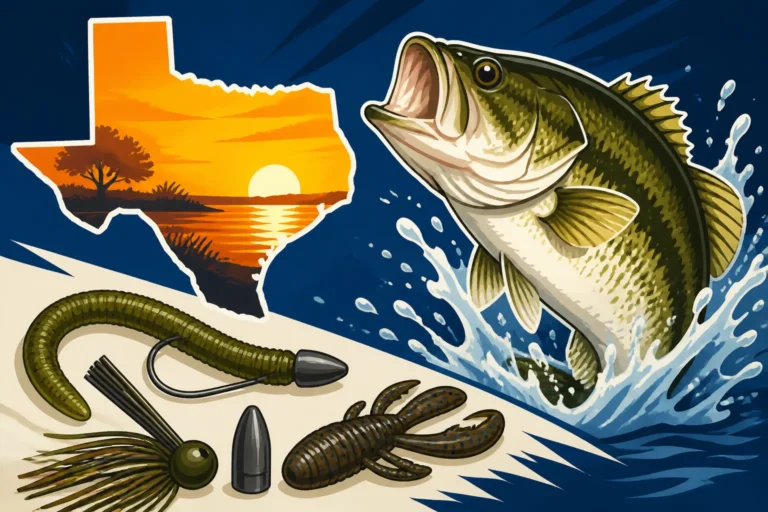
Soft Plastics (Worms, Grubs): Soft plastic lures, especially simple plastic worms or grubs, are incredibly versatile. They can be rigged in many ways, but for a beginner, a simple Texas rig (a worm threaded onto a hook with a bullet weight pegged in front) is a great way to start for bass. These plastics come in countless colors, but natural tones like green pumpkin, junebug, or watermelon seed are consistently effective in Texas lakes.
Plastic grubs are excellent for crappie and panfish when jigged under a bobber or slowly retrieved. They imitate small baitfish or insect larvae. While learning to rig soft plastics might take a couple of tries, they are a very effective and fun way to catch fish once you get the hang of it. How to fish a Texas rig for bass is a great resource to learn this technique.
Spoons: Metal spoons are simple yet effective lures for both freshwater and saltwater. They imitate injured baitfish with their wobbling action. A silver or gold spoon can catch everything from freshwater white bass and striped bass to saltwater redfish and speckled trout. For trout specifically, smaller, lighter spoons can be deadly.
Spoons are easy to cast and retrieve, and their effectiveness lies in their flash and vibration. For saltwater, a heavier spoon can be cast a mile and is great for searching large areas of water, especially along the jetties or in the open bays.
Essential Accessories: Beyond the Rod and Reel
Fishing isn't just about the rod and reel; there are a few other items that will make your trip much safer, more comfortable, and more successful. Don't skip these; they can make a huge difference in your overall experience.
Pliers, Line Cutters, and a Multi-Tool
These small but mighty tools are absolutely indispensable. You'll use them more than you think.
Fishing Pliers: A good pair of fishing pliers is crucial for safely removing hooks from fish, crimping split shot, cutting wire leaders, and sometimes even bending hooks back into shape. Look for a pair with a long nose to reach deeply embedded hooks and a sturdy construction that can handle saltwater if you plan to hit the coast. Brands like KastKing or Piscifun offer affordable and durable options.
Trying to remove a hook from a thrashing fish with your bare hands is a recipe for disaster, both for you and the fish. Pliers protect your fingers and allow for a quick, clean release.
Line Cutters: While many fishing pliers have a line cutter, a dedicated pair of sharp line cutters or even a small pair of nail clippers tied to a lanyard are incredibly useful. They make quick, clean cuts through monofilament and fluorocarbon, which is essential for tying strong knots. Dull cutters can fray your line, weakening your knots and potentially costing you a fish.
Multi-Tool: A compact multi-tool with various blades, screwdrivers, and pliers can be a lifesaver on the water. You never know when you'll need to tighten a screw on your reel, open a stubborn package, or perform a quick repair. It's like having a miniature toolbox right at your fingertips.
Tackle Box or Bag
You need somewhere to keep all your hooks, weights, lures, and tools organized. A tackle box or bag is essential for protecting your gear and making it easy to find what you need.
For beginners, a small to medium-sized plastic tackle box with several compartments is perfect. These are typically inexpensive, durable, and keep everything neatly separated. As you accumulate more gear, you might upgrade to a soft-sided tackle bag with utility boxes, which are popular for their portability and customizable storage. However, for now, a simple hard-sided box will do the trick. You can find many great options at Bass Pro Shops or even general retailers like Walmart.
Proper organization in your tackle box means less time fumbling and more time fishing. Keep your hooks separated by size, your weights in their own compartment, and your lures organized so they don't tangle. This simple step saves a lot of frustration, especially when you're learning.
Cooler or Stringer
Once you catch a fish, you need a way to keep it fresh if you plan to take it home for dinner. A cooler or a stringer are your main options.
Cooler: A small to medium-sized cooler filled with ice is ideal for keeping your catch fresh, especially in the relentless Texas heat. It's also handy for keeping your drinks and snacks cold! Make sure it's well-insulated. Brands like Igloo or Coleman offer good, affordable options that are perfect for a day trip. Always make sure to immediately place your fish on ice after catching if you intend to keep it. This preserves the quality of the meat.
Stringer: A stringer is a simpler, more old-school method, particularly popular for catfish or panfish. It's essentially a rope or chain with a metal clip or needle that you run through the fish's mouth and gills, then tie to the bank or your boat. This keeps the fish alive in the water until you're ready to leave. However, in very warm water or if left out of the water too long, fish on a stringer can spoil quickly. For general purposes, a cooler with ice is usually the better choice for maintaining fish quality.
Safety and Comfort: Prepare for the Texas Elements
Texas weather can be beautiful, but it can also be extreme. Being prepared for sun, heat, and unexpected situations is just as important as having the right fishing gear.
Sun Protection (Hat, Sunglasses, Sunscreen)
The Texas sun is no joke, even on cloudy days. Protecting yourself from harmful UV rays is paramount for an enjoyable and safe day on the water.
Hat: A wide-brimmed hat or a baseball cap offers crucial protection for your face, ears, and neck. Choose one made from lightweight, breathable material. This simple piece of gear will prevent sunburn and keep you cooler.
Polarized Sunglasses: These are a game-changer for fishing. Polarized lenses reduce glare off the water, allowing you to see into the water much more clearly. This means you can spot submerged structure, fish swimming, or even your line better. It's not just about comfort; it can actually help you catch more fish by improving your vision. Furthermore, they protect your eyes from stray hooks or lures that might fly back during a cast.
Sunscreen: Always apply broad-spectrum sunscreen with a high SPF (30 or higher) to all exposed skin. Reapply frequently, especially if you're sweating or getting splashed. Sunburn can quickly ruin a fishing trip and has long-term health implications. Many anglers also opt for UV-protective clothing, which we'll discuss next.
Appropriate Clothing
Your clothing choices can significantly impact your comfort and safety when fishing in Texas. Think layers and sun protection.
Lightweight, Breathable Clothing: Even if it's not scorching hot, Texas can get warm quickly. Wear light-colored, loose-fitting clothing made from moisture-wicking materials. Long sleeves and pants, even in summer, can offer excellent sun protection and often feel cooler than shorts and a t-shirt when made from the right fabrics.
Rain Gear (Optional but Recommended): Texas weather can be unpredictable, with pop-up showers occurring even on sunny days. A lightweight, packable rain jacket can save you from a miserable, soaked experience. While not an absolute essential for your very first trip, it quickly becomes a must-have as you spend more time outdoors.
First-Aid Kit
Accidents happen, even on the most peaceful fishing trips. A basic first-aid kit is something you should never leave home without.
Your kit should include band-aids, antiseptic wipes, pain relievers, insect repellent, and most importantly, supplies for treating cuts and scrapes from hooks or fins. A small bottle of rubbing alcohol or hydrogen peroxide can also be useful for sterilizing minor wounds. Make sure it's stored in a waterproof bag or container. This is a crucial safety item that can turn a minor mishap into a non-issue.
Water and Snacks
Staying hydrated and fueled is vital, especially during a long day under the Texas sun.
Always bring plenty of water, far more than you think you'll need. Dehydration can creep up quickly and lead to fatigue, headaches, and even more serious issues. Pack some easy-to-eat snacks like granola bars, fruit, or sandwiches to keep your energy levels up. A good cooler, as mentioned earlier, will keep these items perfectly chilled.
Specialized Gear for Specific Texas Fishing Adventures
As you get more comfortable with the basics, you'll naturally start to explore different types of fishing and want to acquire more specialized gear. Texas offers so many unique fishing experiences, from the Guadalupe River's cold-water trout to the Gulf Coast's vast estuaries.
Waders and Boots (For River/Stream Fishing)
If you plan on exploring Texas's rivers and streams, especially for species like the native Guadalupe Bass or the stocked rainbow trout in the Guadalupe River, a good pair of waders and wading boots will become indispensable.
Waders allow you to step directly into the water, giving you access to prime fishing spots that might be inaccessible from the bank. They keep you dry and, in colder months, warm. Stocking-foot waders paired with separate wading boots offer the best comfort and ankle support for navigating slippery river bottoms. Just make sure to get the right fit and choose a breathable material for warmer weather. For more on this, you might check out Guadalupe River Trout Fishing Guide.
Kayak or Small Boat (For Expanded Access)
While you can do a lot of great fishing from the bank or piers in Texas, having a kayak or small boat opens up a whole new world of opportunities.
Fishing Kayak: Kayaks designed for fishing are stable, relatively affordable, and allow you to access shallow waters and quieter coves that larger boats can't reach. They're excellent for targeting bass, crappie, or even redfish in the shallow coastal flats. You'll also need a paddle and a personal flotation device (PFD) if you opt for a kayak. Some even come with pedal drives for hands-free propulsion! Explore Best Kayaks for Texas Fishing if this piques your interest.
Small Jon Boat or Flat-Bottom Boat: For river fishing or exploring smaller lakes, a jon boat or a flat-bottom boat with a small outboard motor can be a fantastic investment. These boats are stable, relatively easy to launch, and offer more space for gear and friends than a kayak. Just remember that boats require registration and safety equipment.
Specialized Tackle (Saltwater vs. Freshwater)
As you delve deeper into specific types of fishing, your tackle will become more specialized.
Saltwater-Specific Lures: If you're heading to the coast, you'll want to invest in lures designed for saltwater species. Soft plastic paddletails or shrimp imitations rigged on jigheads are killer for speckled trout and redfish. Topwater lures can provide exhilarating strikes from aggressive fish in the bays. Look for tackle that can withstand the corrosive effects of saltwater. For an in-depth look, see Texas Saltwater Fishing Techniques.
Largemouth Bass Lures: For dedicated bass anglers, the world of lures is vast. Crankbaits, jerkbaits, jigs, frogs, and various soft plastics like worms, creature baits, and swimbaits all have their place. Each lure is designed for specific conditions and presentations. While a beginner doesn't need all of them, gradually adding a few key bass lures to your collection will expand your capabilities. You can always refer to Texas Largemouth Bass Fishing Guide for specific bait recommendations.
Final Checklist Summary
Here’s a quick recap of your beginner fishing gear checklist for Texas. Remember, you don't need everything at once, but these items will set you up for success.
| Category | Essential Items | Beginner Recommendation |
|---|---|---|
| Legal & Core Gear | Texas Fishing License | Freshwater or All-Water package (check TPWD for current rules) |
| Rod & Reel Combo | 6-7 ft Medium-Light to Medium Power Spinning Combo (e.g., Ugly Stik, Penn) | |
| Fishing Line | 8-12 lb Test Monofilament (pre-spooled or ask tackle shop) | |
| Terminal Tackle | Hooks | Assorted J-hooks or Circle hooks (sizes #8 to 2/0) |
| Sinkers (Weights) | Assorted Split-shot weights, a few Egg or Bullet sinkers (1/8 oz to 1/2 oz) | |
| Floats (Bobbers) | Small to medium clip-on round bobbers | |
| Swivels | Small barrel or snap swivels (size 10-12) | |
| Baits & Lures | Live Bait | Nightcrawlers (freshwater); Live shrimp (saltwater, if applicable) |
| Artificial Lures (Optional but Recommended) | 1-2 Spinnerbaits (1/4-3/8 oz, white/chartreuse), a few Plastic Worms/Grubs (green pumpkin) | |
| Accessories | Fishing Pliers | Long-nose pliers with line cutters |
| Line Cutters / Nail Clippers | Small, sharp clippers for clean cuts | |
| Tackle Box / Bag | Small, hard-sided tackle box with compartments | |
| Cooler / Stringer | Small cooler with ice for keeping catch fresh | |
| Safety & Comfort | Sun Protection | Wide-brimmed hat, polarized sunglasses, SPF 30+ sunscreen |
| Hydration & Snacks | Ample water, easy-to-eat snacks | |
| First-Aid Kit | Basic kit for minor cuts, scrapes, insect bites | |
| Appropriate Clothing | Lightweight, breathable, long-sleeved shirt, pants/shorts (consider UV-protective) |
Embarking on your Texas fishing journey with this beginner's checklist will ensure you're prepared for a fun and successful time on the water. Don't feel pressured to buy the most expensive gear; focus on reliable, functional items. As you gain experience, you'll naturally discover what works best for you and the types of fishing you enjoy most. Happy fishing, and welcome to the wonderful world of Texas angling!
Disclaimer
This article is for general informational purposes only and does not constitute professional advice. Laws, prices and regulations vary by location and change over time. Consult a qualified professional for guidance on your specific situation.