Best Jon Boats for Texas Rivers
Navigating the winding, often shallow and debris-filled rivers of Texas can be a real challenge for anglers. If you've ever found yourself wishing your fancy bass boat could squeeze through that narrow cut or silently glide over a gravel bar, you know the frustration. This guide is all about helping you discover why a jon boat might just be the perfect vessel for unlocking those hidden honey holes and experiencing the best river fishing Texas has to offer.
Why Jon Boats Are Perfect for Texas Rivers
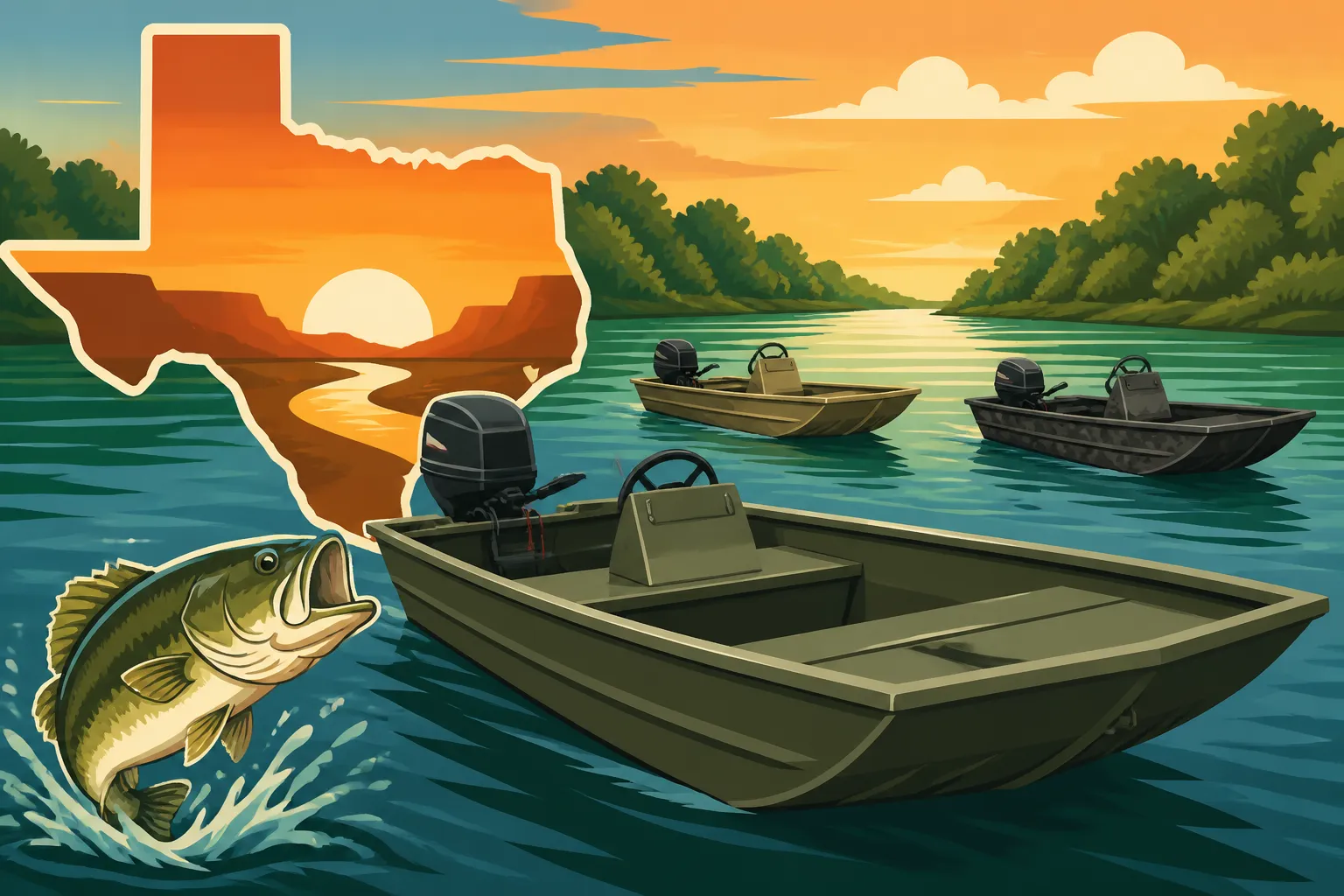
Texas rivers are incredibly diverse, from the wide, slow-moving Trinity to the rocky, fast-flowing Guadalupe. What makes a jon boat so universally appealing for these varied conditions is its unique design, which seems almost custom-made for the challenges of river fishing. They’re a no-frills, get-it-done kind of boat, and that's precisely their strength when you're tackling tricky currents and unknown depths.
Shallow Water Access and Durability
The defining characteristic of a jon boat is its flat bottom. This design allows it to float in incredibly shallow water, often just a few inches deep, making it an absolute game-changer for accessing parts of rivers that traditional V-hull boats can only dream of reaching. Think about those serene backwaters, oxbow lakes, or stretches of river where a fallen tree has created a hidden eddy – these are the places where big fish often hide, and a jon boat gets you there. You won't be constantly worrying about scraping your prop or hitting submerged obstacles in the same way you would with a deeper draft boat, which is a huge stress reliever when you're exploring unfamiliar stretches.
Beyond their shallow-water prowess, jon boats are built tough, typically from aluminum. This material is incredibly durable and forgiving, capable of shrugging off bumps, scrapes, and minor impacts with rocks, stumps, and fallen branches that are so common in river environments. It's not uncommon to hear a "thunk" as you glide over a submerged log, only to check the hull later and find nothing more than a cosmetic scratch. This resilience means you can push into more adventurous spots without fear of ruining your investment, giving you the confidence to explore Texas's wilder waterways.
Versatility for Diverse River Fishing
One of the unsung heroes of the jon boat is its sheer versatility. While they might appear simple, their open, uncluttered layout makes them highly adaptable to almost any kind of river fishing you can imagine. Whether you're targeting elusive Guadalupe bass with finesse techniques in the Hill Country, running trotlines for giant blue catfish in the Brazos, or trying to fill a cooler with crappie in a Trinity River slough, a jon boat can be configured to suit your needs. Their stable platform is also fantastic for stand-up casting, giving you a better vantage point to spot fish or structure.
The ability to customize a jon boat is another major plus. Want to add a comfortable casting deck? A few sheets of marine plywood and some carpet, and you're good to go. Need more rod holders or a robust livewell? The open gunwales and ample space mean you can mount just about anything you need without complex modifications. This means your boat can evolve with your fishing style and preferences, offering a truly personalized experience. Many anglers love to buy a basic model from a retailer like Bass Pro Shops and then outfit it exactly how they envision their ultimate river fishing machine.
Key Features to Look For in a River Jon Boat
Choosing the right jon boat for Texas rivers isn't just about grabbing the first one you see. There are specific features and considerations that will make a big difference in your experience, from how easily you navigate skinny water to how comfortably you can spend a full day on the river. Thinking through these details before you buy can save you a lot of headaches and ensure you get a boat that truly fits your fishing adventures.
Size and Layout for Texas Waters
When it comes to jon boats, size really does matter, especially on Texas rivers. For most river applications, anglers often find a boat between 14 and 16 feet in length to be the sweet spot. A 14-footer is incredibly nimble and easy to launch, perfect for smaller, tighter rivers or if you frequently fish solo. It's also lighter, making it easier to pole or paddle through very shallow sections. A 16-footer, on the other hand, offers more stability, carrying capacity for extra gear or a fishing buddy, and handles choppy water a bit better, which can be a factor on wider river stretches like parts of the Brazos or when dealing with boat wakes.
Beyond length, consider the beam (width) and hull thickness. A wider beam equals more stability, which is great for standing and casting, but a narrower beam can slip through tighter spots. Hull thickness, often measured in gauge (a lower gauge number means thicker aluminum), dictates durability. For rougher rivers with plenty of submerged obstacles, a thicker hull will offer more peace of mind. The interior layout also plays a role: some jon boats come with built-in bench seats, while others are more open. An open layout provides maximum flexibility for customization, allowing you to add portable seats, tackle storage, or even a small casting platform.
Transom Height and Motor Compatibility
The transom is the flat, vertical section at the back of the boat where your outboard motor mounts, and its height is critical for river fishing. Most jon boats come with either a "short shaft" (15-inch) or "long shaft" (20-inch) transom. It's absolutely crucial that you match your outboard motor's shaft length to the boat's transom height. If you use a long shaft motor on a short shaft transom, your prop will be too deep, potentially dragging in shallow water and hitting submerged objects more frequently. Conversely, a short shaft motor on a long shaft transom will have your prop ventilating or even cavitating, losing thrust and making it hard to get on plane.
For Texas rivers, where shallow water is a constant factor, many anglers opt for a short shaft transom to keep the motor as high as possible. However, if you plan to navigate larger, deeper sections or occasionally venture onto small lakes, a long shaft might offer a better balance. Always double-check these specifications before purchasing either the boat or the motor. This detail can make or break your river fishing experience, affecting both performance and frustration levels.
Built-in Features and Customization Potential
While jon boats are known for their simplicity, many modern models offer some excellent built-in features that can enhance your river fishing. Look for things like a flat floor (often diamond plate aluminum or a wood insert), which provides a stable, slip-resistant surface for standing and moving around. Some jon boats, especially those designed with anglers in mind, might come with pre-wired navigation lights, a bilge pump, or even basic rod storage tubes along the gunwales. These factory-installed conveniences can save you time and effort down the line.
However, the true magic of a jon boat often lies in its blank-slate potential for customization. Many anglers prefer to start with a very basic model and build it out to their exact specifications. You can easily add aftermarket accessories such as tackle storage systems, additional rod holders, a comfortable swivel seat, or even a small electronics console. Retailers like Bass Pro Shops and Amazon offer a vast array of marine accessories that can transform a bare-bones jon boat into a highly functional fishing machine tailored to your specific needs. This ability to truly make the boat your own is a huge draw for many river anglers who have specific techniques or preferences.
| Feature | Smaller Jon Boat (e.g., 12-14 ft) | Mid-Size Jon Boat (e.g., 15-16 ft) | Larger Jon Boat (e.g., 17-18+ ft) |
|---|---|---|---|
| Primary Use | Very shallow creeks, small rivers, solo fishing | Most Texas rivers, 1-2 anglers, versatility | Wider rivers, light lake use, 2-3 anglers, more gear |
| Maneuverability | Excellent, easy to pole/paddle | Good, balanced | Moderate, can be tight in narrow bends |
| Draft (Depth) | Extremely shallow | Very shallow | Relatively shallow, but more than smaller options |
| Stability | Good for size, can feel tippy when standing | Very good, stable casting platform | Excellent, handles chop well |
| Power Needs | Smaller outboards (5-15 HP), excellent with trolling | Mid-range outboards (15-40 HP), strong trolling | Larger outboards (40-75 HP), powerful trolling essential |
| Trailering Ease | Very easy, often launchable by hand | Easy to moderate | Moderate, requires good ramp access |
| Durability Focus | Good for light bumps | Excellent, designed for river abuse | Excellent, handles harsher conditions |
Powering Your River Jon Boat: Motors and Trolling
Once you've got your perfect jon boat hull, the next crucial decision is how you'll power it. For river fishing in Texas, this usually means a combination of a reliable outboard motor for covering distances and a quiet, efficient trolling motor for precise boat control. The right power setup can make a world of difference in your ability to navigate currents, sneak up on fish, and get back to the ramp safely at the end of a long day.
Outboard Motor Choices for Rivers
When selecting an outboard for your jon boat, you'll generally be looking at horsepower ranges from 5 HP for smaller boats up to 40 or even 75 HP for larger, wider models designed for faster rivers or occasional lake use. Four-stroke outboards are incredibly popular now for their fuel efficiency, quieter operation, and smoother performance. They're great for long runs on bigger rivers like the Trinity or the Colorado, offering excellent endurance. However, they tend to be a bit heavier than their two-stroke counterparts, which can be a consideration if you're trying to maximize shallow water performance on a smaller boat.
Two-stroke outboards, while a bit louder and less fuel-efficient, are often lighter and can provide a bit more "punch" for their size, which some river anglers appreciate for quick bursts of speed or getting out of sticky situations. They can also be simpler to maintain for the DIY angler. For extremely shallow and obstacle-laden rivers, an outboard with a jet drive lower unit is a fantastic option. Instead of a propeller, a jet drive sucks water in and expels it, allowing you to run in mere inches of water without fear of prop damage. Brands like Mercury and Yamaha offer reliable jet drive options. While they sacrifice a little top-end speed and fuel economy, the ability to navigate over virtually submerged sandbars and rocks is an invaluable asset for serious river explorers. Remember that you also need to understand Texas Boat Registration Requirements for any motorized vessel.
The Indispensable Trolling Motor
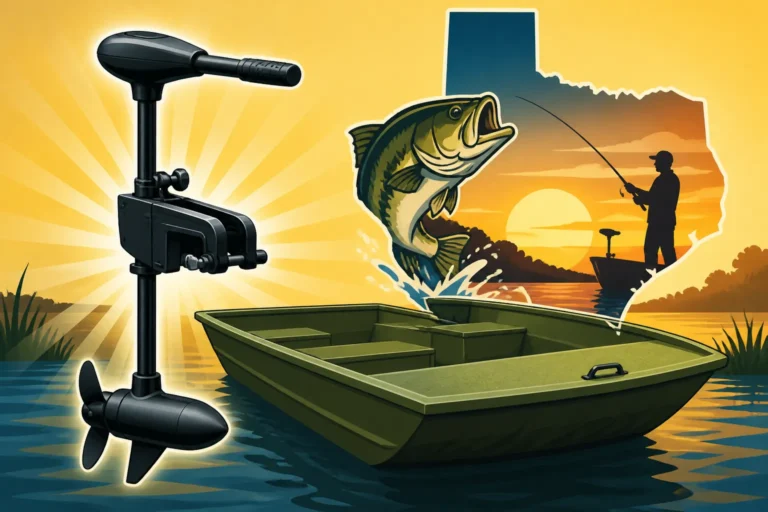
For true control and stealth on Texas rivers, a trolling motor is an absolute must-have. While your outboard gets you from point A to B, the trolling motor allows you to precisely position your boat, hold against a current, or slowly drift down a promising stretch of water without spooking fish. You'll primarily choose between bow-mount and transom-mount options. Bow-mount trolling motors are generally preferred by serious anglers because they pull the boat, offering much better steering and control, especially in current or wind. Transom-mount motors push the boat, which can make steering less intuitive.
When it comes to thrust, you'll want to ensure you have enough power to fight the river's current. A general rule of thumb is 2 pounds of thrust for every 100 pounds of fully loaded boat weight. So, a 1,000-pound boat would need at least 20 pounds of thrust, but for river currents, many anglers choose a more powerful option, like a 55-pound thrust or even 80-pound thrust model, especially if they have a larger jon boat or frequently fish windy conditions. Many modern trolling motors also come with GPS-enabled features like "Spot-Lock" (Minn Kota) or "Anchor Mode" (MotorGuide), which use GPS to automatically hold your boat in a specific position. This is an incredible advantage on rivers, allowing you to fish a single eddy or stump pile effectively without constantly fussing with the foot pedal or hand control. For more on selecting this key piece of gear, check out our guide on Best Trolling Motors for Texas Bass Boats, as many principles apply to jon boats as well.
Essential Accessories and Gear for River Jon Boats
A jon boat, by its very nature, is a minimalist vessel. But that doesn't mean you should go out unprepared. Equipping your boat with the right accessories and gear is crucial for safety, comfort, and maximizing your fishing success on Texas rivers. From navigation tools to storage solutions, a few thoughtful additions can transform a simple aluminum shell into a highly functional river fishing platform.
Safety and Navigation Gear
Safety should always be your top priority, especially when exploring unfamiliar river stretches or navigating currents. Always carry enough life jackets for everyone on board, and ensure they are easily accessible. A throwable flotation device, like a cushion or ring buoy, is also a must. Given the shallow and sometimes rocky nature of Texas rivers, a sturdy paddle is indispensable for getting unstuck from sandbars or quietly maneuvering into tight spots where a motor might be too loud or impractical. An anchor, preferably a grappling anchor designed to grab onto river bottoms, with plenty of rope, is vital for holding your position in current or while you’re setting up Texas Trotline and Jugline Rules gear.
For navigation, a reliable GPS unit or a chartplotter with detailed mapping of river systems can be a lifesaver. Texas rivers can have rapidly changing depths and hidden hazards, and knowing your position relative to known channels or submerged structures is incredibly important. Even if you think you know a river well, conditions can change quickly, especially after heavy rains. Many modern fish finders also incorporate GPS capabilities, offering a two-in-one solution. You might also find our comprehensive guide on Texas Boat Safety Equipment Requirements helpful for ensuring you have everything you need to stay safe and compliant.
Storage and Comfort Solutions
While jon boats don't typically come with elaborate storage, there are plenty of ways to add it. Dry bags are your best friend for keeping electronics, wallets, phones, and extra clothing safe from splashes and rain. A good quality cooler is essential not just for drinks and snacks, but also for keeping your catch fresh, especially during those scorching Texas summers. Look for marine-grade coolers that can hold ice for extended periods. Rod holders mounted on the gunwales can keep your valuable rods secure and out of the way when you're moving or re-rigging, preventing accidental damage.
Comfort is another area where a little planning goes a long way. While the bare aluminum benches might be fine for short trips, consider adding removable padded seats or even a pedestal seat for the person running the trolling motor. These simple additions can make a full day on the water much more enjoyable and reduce fatigue. Some anglers even build small, elevated casting platforms at the bow or stern to provide a better vantage point for spotting fish or making longer casts for species like Texas Largemouth Bass Fishing Guide. These small touches, often available from stores like Amazon or your local marine supply shop, can significantly improve your overall experience in a jon boat.
Maintenance and Care for Longevity on Texas Rivers
Jon boats are renowned for their ruggedness, but even the toughest boats benefit from regular care and maintenance, especially when they're regularly put through the paces on Texas rivers. The unique challenges of river fishing—like shallow water scrapes, submerged debris, and varied water quality—mean that a little proactive attention can significantly extend the life of your boat, motor, and trailer, keeping you on the water for years to come.
Hull Care and Minor Repairs
After every river trip, it's a good practice to give your jon boat a thorough rinse, inside and out. Rivers can carry a lot of sediment, algae, and even invasive species, and cleaning your hull helps prevent buildup and the spread of unwanted organisms. Pay close attention to the bottom of the hull, inspecting it for any dings, dents, or scratches. While aluminum is tough, heavy impacts can sometimes cause minor leaks around rivets or welds. Small leaks can often be addressed with marine-grade sealants or epoxy specific to aluminum, but for significant damage, it's always best to consult a professional boat repair shop.
Regularly check your drain plug for wear and tear, and ensure it forms a tight seal. It sounds obvious, but a faulty drain plug can quickly turn a fun day into a miserable one. Also, periodically inspect any added accessories like rod holders, trolling motor mounts, or electronics for secure attachment and corrosion, especially if you're venturing into brackish lower river sections that eventually lead to the coast. Maintaining the hull's integrity means your boat will continue to float high and perform reliably, allowing you to focus on How to Catch Catfish in Texas or any other species.
Motor and Trailer Maintenance
Your outboard motor is the heart of your river jon boat, and it deserves consistent care. After running in freshwater rivers, it's always a good idea to flush your motor with fresh water using "earmuffs" or a built-in flushing port, if available. This removes any silt or debris from the cooling system and helps prevent corrosion. Regularly check your propeller for dings, bends, or missing pieces. Even small imperfections can significantly impact performance and fuel efficiency. Keeping a spare prop and the necessary tools for changing it on the water is a smart move for river anglers. Also, keep an eye on your engine's oil levels (for 4-strokes) and fuel filters, and adhere to the manufacturer's recommended service intervals.
The trailer that transports your jon boat to those often-remote river access points also takes a beating. Frequent submersion in water, especially at unpaved or less-maintained ramps, can be hard on wheel bearings. Regularly check your trailer's wheel bearings for play and ensure they are properly greased. Inspect your tires for proper inflation and wear, including the spare. Check all trailer lights before each trip, as they can often be damaged or corroded from repeated dunking. Lastly, always secure your boat properly to the trailer with transom straps and a bow strap to prevent it from shifting during transport, especially when navigating rough roads to get to your favorite How to Fish a Texas River for Catfish spot.
Disclaimer
This article is for general informational purposes only and does not constitute professional advice. Laws, prices and regulations vary by location and change over time. Consult a qualified professional for guidance on your specific situation.