Best cooler for keeping fish on ice in Texas heat
There’s nothing quite like a day out on the water in Texas, reeling in a beautiful catch, whether it’s a lunker bass from Lake Fork or a redfish from Galveston Bay. But all that hard work can go to waste if your prized fish don't make it home fresh. The brutal Texas heat is a formidable adversary, and a standard-issue cooler just won't cut it. This guide is all about helping you understand what makes a fishing cooler truly great for our unique Texas climate, ensuring your fish stay on ice and taste as fresh as the moment you caught them.
The Challenge of Keeping Fish Fresh in Texas Heat
Let's be honest, fishing in Texas is often a battle against the elements, and the heat is probably the toughest opponent, especially when it comes to preserving your catch. It's frustrating to spend hours strategizing and fighting fish, only to worry about them spoiling before you even get back to the dock.
Why Texas Heat is Your Fish's Worst Enemy
Anyone who's spent a summer afternoon on a Texas lake or bay knows that the sun can be relentless. Air temperatures often soar into the high 90s, and sometimes well over 100 degrees Fahrenheit. The water itself can be surprisingly warm, too, which means your fish are already starting off at a higher temperature than you might realize. This extreme heat creates a perfect storm for rapid spoilage. Bacteria thrive in warmer conditions, and without proper cooling, your fish can begin to degrade quickly, affecting both taste and safety.
Imagine you're out on Lake Fork Fishing Guide all day, hitting all the prime bass spots. You've landed a couple of real beauties, destined for the dinner table. You toss them into your cooler, confident the ice will hold. But if that cooler isn't up to snuff, you could arrive back at the boat ramp only to find a pool of lukewarm water and fish that have lost their firm texture and fresh scent. It's a truly disheartening experience that every Texas angler wants to avoid. That's why investing in the right cooler is just as important as having the right Best Fishing Rods for Texas Anglers or Best Fishing Reels for Texas Anglers.
Beyond Just "A Box with Ice": What a Good Cooler Really Does
A cooler isn't just a plastic box to hold ice. In the Texas heat, it needs to be a highly efficient, insulated vessel designed to fight off thermal intrusion from every angle. Think of it as a personal refrigerator for your fish, built to withstand the rigors of a fishing trip. The difference between a cheap, thin-walled cooler and a high-performance one is staggering. Cheap coolers leak cold air, absorb heat from the sun, and offer minimal insulation, meaning your ice melts into water in just a few hours.
A truly good fishing cooler, especially for Texas conditions, is engineered with thick, high-density insulation, often packed into a rotomolded shell. It features robust, freezer-grade gaskets that create an airtight seal when the lid is closed, preventing precious cold air from escaping and warm air from seeping in. This superior construction means that your ice lasts not just for hours, but often for days, even when exposed to the brutal sun during How to Fish in Hot Texas Summers. It’s about protecting your catch, preserving its quality, and ultimately, honoring the effort you put into your fishing adventure.
Key Features to Look for in a Texas Fishing Cooler
Choosing the right cooler for Texas fishing isn't just about grabbing the biggest one you see. It's about understanding the specific features that make a cooler excel in our demanding climate.
Insulation: The Heart of Ice Retention
When you’re looking at coolers, insulation is king. For maximum ice retention, particularly in the scorching Texas sun, you'll want to prioritize coolers with thick, injected foam insulation. Many top-tier coolers use a process called rotomolding (rotational molding), which creates a single, seamless piece of plastic for the cooler body and lid. This construction eliminates weak points where heat can enter, making the cooler incredibly durable and insulating.
The thickness of the insulation, particularly in the walls and lid, is paramount. We’re talking about several inches of polyurethane foam, designed to keep the cold in and the heat out. Combine this with a tight-fitting lid and a freezer-grade gasket—that thick rubber seal found in high-quality refrigerators—and you have a fortress for your ice. This gasket ensures an airtight seal when the latches are secured, stopping thermal transfer dead in its tracks. Without robust insulation and a proper seal, your cooler simply becomes an ice-melting machine in the Texas heat. Many anglers find a great selection of these high-insulation coolers at retailers like Bass Pro Shops, where you can compare different models side-by-side.
Durability and Construction for the Rugged Outdoors
Texas fishing isn't always a gentle activity. Coolers get bumped, dragged, stacked, and exposed to harsh UV rays. That's why durability is non-negotiable. Look for coolers made from UV-resistant materials. The sun's powerful rays can degrade plastic over time, making it brittle and less effective. A good cooler will be built to withstand years of direct sunlight without warping or fading.
Heavy-duty latches are another critical component. Flimsy latches can break, leading to a compromised seal and rapid ice melt. Metal or robust rubber T-latches are generally the most reliable. Hinges also need to be built to last; many premium coolers feature integrated, full-length hinges or heavy-duty pin-style hinges that won't snap under pressure. Non-slip feet are also a blessing, preventing your cooler from sliding around the deck of your boat, the bed of your truck, or the damp ground at your campsite. Investing in a cooler with these rugged construction features means it will stand up to countless fishing trips across Texas.
Practical Features for Anglers
Beyond insulation and brute strength, certain practical features can make a world of difference for anglers. A good drain plug is essential. You want one that's large enough to quickly empty melted water, but also secure enough not to leak. Many coolers feature a tethered drain plug, so you don't lose it in the excitement of a catch. Easy-to-clean interiors are also a huge plus. Fish slime, blood, and scales can make a mess, so a smooth, non-porous interior that wipes clean easily saves a lot of hassle.
Comfortable handles are important, especially when your cooler is loaded with ice and fish. Rope handles with rubber grips or sturdy molded handles make transport much easier. Lastly, consider tie-down slots or integrated anchor points. These allow you to secure your cooler in your boat or vehicle, preventing it from sliding around during travel or while navigating rough water on Best Boats for Texas Lake Fishing. Some coolers even come with an integrated ruler molded into the lid, which is incredibly handy for quickly checking if your catch meets Texas Fish Bag and Length Limits without fumbling for a tape measure.
Cooler Types and When to Use Them
Just like there are different types of fishing, there are different types of coolers, each with its own strengths and ideal scenarios for Texas anglers.
High-Performance Hard Coolers
These are the heavy-duty champions, designed for multi-day excursions or when ice retention is absolutely paramount. Brands like Yeti, RTIC, and Orca are well-known names in this category. They are typically rotomolded, boasting incredibly thick walls and lids, and equipped with those essential freezer-grade gaskets and robust latches we discussed earlier. Their ice retention capabilities are legendary, often keeping ice solid for several days, even in sweltering Texas conditions. If you're planning a weekend camping and fishing trip at Lake Texoma Fishing Guide or a serious offshore adventure on the Gulf Coast, a high-performance hard cooler is your best friend.
The trade-off? They tend to be heavier and come with a higher upfront cost. However, for serious anglers who demand the best in terms of ice life and durability, they are often seen as a worthy investment that pays dividends in unspoiled catches and peace of mind. Many anglers will research these types of coolers thoroughly on sites like Amazon before making their purchase, comparing features and user reviews.
Soft-Sided Coolers and Insulated Fish Bags
Not every trip calls for a rugged, multi-day hard cooler. Sometimes, portability and flexibility are key. Soft-sided coolers and insulated fish bags fit this niche perfectly. These are typically much lighter and easier to carry, making them ideal for shorter trips, kayak fishing, or as a secondary cooler for drinks and snacks while your main hard cooler holds the fish. While they won't match the multi-day ice retention of their hard-sided counterparts, modern soft coolers use advanced insulation materials to offer impressive performance for a day trip.
Insulated fish bags, in particular, are fantastic for specific situations. They're often long and flexible, perfect for laying out a large redfish or speckled trout from Texas Saltwater Fishing Techniques without having to bend it. They can be rolled up for storage, saving space in a smaller boat or vehicle. For kayak anglers navigating the bayous or fishing from a pier, a good soft-sided cooler or fish bag can be much more practical than a bulky hard cooler. They provide that critical immediate cooling for your catch without weighing you down.
Mid-Range and Budget-Friendly Options
Let's face it, not everyone needs or wants to spend top dollar on a cooler. The good news is that the market has expanded, and there are many mid-range and budget-friendly hard coolers that offer significantly better performance than the coolers of yesteryear. These coolers might not keep ice for five days, but they can easily handle a full day or a long weekend with proper ice management. Brands like Igloo and Coleman often offer models that provide excellent value for the money, especially their marine-grade or "extreme" lines.
These coolers are a great choice for casual anglers, family fishing trips to Best Texas Lakes for Family Fishing, or those who simply don't need multi-day ice retention. They're often lighter than premium rotomolded coolers and can be a fantastic entry point into better fish preservation without breaking the bank. With a little strategic ice packing and keeping them out of direct sunlight, these coolers can serve you very well on the vast majority of Texas fishing adventures.
Here's a quick comparison of cooler types for Texas anglers:
| Cooler Type | Ice Retention (Texas Summer) | Durability | Portability | Typical Cost Shape | Best Use Cases |
|---|---|---|---|---|---|
| High-Performance Hard | 3-7+ days | Extremely High | Low-Medium | Higher | Multi-day trips, remote locations, trophy fish |
| Mid-Range Hard | 1-3 days | High | Medium | Moderate | Day trips, weekend outings, general family fishing |
| Soft-Sided/Fish Bag | 12-36 hours | Medium-High | High | Moderate | Kayak fishing, quick trips, secondary cooler |
Tips for Maximizing Ice Retention in Your Texas Fishing Cooler
Even the best cooler can fall short if you don't use it wisely. In Texas, where the sun is always trying to melt your ice, these strategies are crucial. You're already fighting against the elements during Texas Fishing Seasons Month by Month, so let's make sure your cooler is doing its job optimally.
Pre-Chilling is Your Best Friend
This is probably the single most overlooked tip, but it's incredibly effective, especially in Texas. Your cooler, when stored in your garage or shed, is likely at ambient air temperature, which could be 80-90 degrees or more. If you dump ice directly into a warm cooler, a significant portion of that ice will melt immediately just to cool down the cooler's walls.
To pre-chill, simply load your cooler with a sacrificial bag of ice or a few frozen water bottles the night before your trip. Let it sit overnight, allowing the cooler's internal temperature to drop significantly. In the morning, dump out the melted water and add your fresh ice for the day. This simple step can add hours, if not a full day, to your ice retention. Think of it as warming up your engine before a big drive; you're priming your cooler for peak performance against the Texas heat.
Ice Management Strategies
The type and quantity of ice also play a huge role. When considering How much ice do you need for a full day of fishing, remember that more is almost always better in Texas. Blocks of ice melt much slower than cubed ice because they have less surface area exposed to warmer air. A combination often works best: lay a base of block ice, then add your fish, and cover them with cubed ice to fill the voids and ensure maximum contact. Freezing water in plastic bottles or milk jugs can also work wonders, as they not only provide ice but also leave you with cold drinking water as they melt.
Additionally, consider using rock salt. A sprinkle of rock salt on your ice can lower its freezing point, making it colder and last longer. Just be mindful if your fish will be in direct contact with it, as some find it can affect the texture of the fish if left too long. Lastly, and this might seem obvious but it's easy to forget in the heat of the moment: minimize opening the lid. Every time you open your cooler, you let warm air in and cold air out. Plan your retrieve, grab what you need, and seal it up quickly.
Strategic Placement and Protection
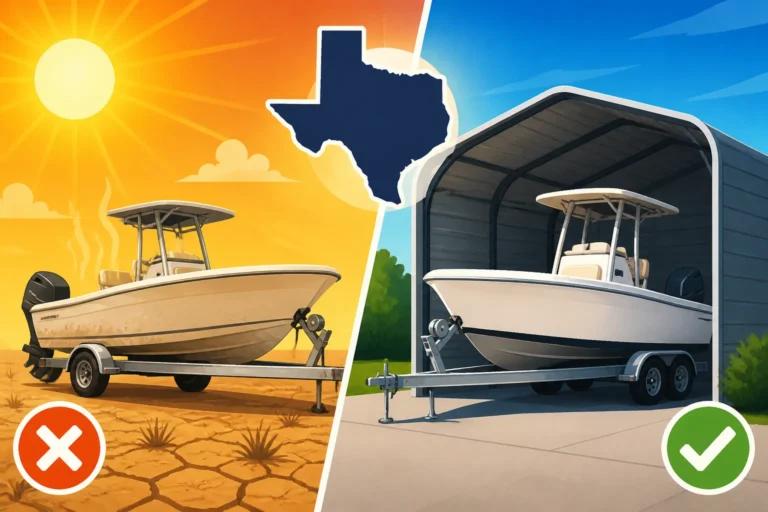
Where you place your cooler and how you protect it can significantly impact ice life. On a boat or in the bed of a truck, keep your cooler out of direct sunlight as much as possible. Even a brief period under the intense Texas sun can heat up the cooler's exterior, forcing the insulation to work harder. If shade isn't available, consider covering your cooler with a wet towel, a reflective tarp, or even just a light-colored blanket. The evaporative cooling from the wet towel can surprisingly help keep the surface temperature down.
Finally, a full cooler retains ice better than an empty one. If your cooler isn't full of fish, fill the empty space with extra ice, towels, or even crumpled newspaper. Air pockets allow warm air to circulate, contributing to ice melt. A densely packed cooler, especially one filled with fish and plenty of ice, creates a more stable thermal environment. Remember to keep your cooler well-maintained, too. Regularly cleaning the gasket and ensuring latches are working properly are part of keeping your Best Coolers and Live Wells for Texas Fishing performing its best.
Disclaimer
This article is for general informational purposes only and does not constitute professional advice. Laws, prices and regulations vary by location and change over time. Consult a qualified professional for guidance on your specific situation.