How much ice do you need for a full day of fishing
There’s nothing worse than heading out for a glorious day of fishing on a scorching Texas lake, only to reach for a refreshing drink and find it lukewarm, or worse, open your cooler to discover your prized catch isn't as cold as it should be. The relentless Texas sun can turn ice to water faster than you can say "hook, line, and sinker," leaving many anglers scratching their heads about how much ice they really need. This guide is here to help you figure out the perfect ice strategy for your full day on the water, ensuring your drinks stay frosty and your fish stay fresh.
Factors Influencing Your Ice Consumption
Determining the exact amount of ice you’ll need isn't a one-size-fits-all answer, especially in a state like Texas where temperatures can swing wildly from mild to downright brutal. Several key factors play a massive role in how quickly your ice melts. Ignoring these elements is often why anglers find themselves running out of ice by lunchtime, leading to a frustrating day.
The Quality of Your Cooler
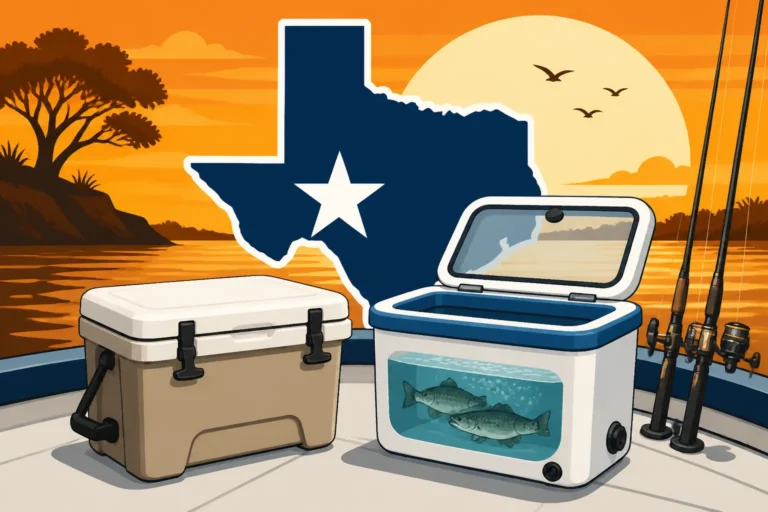
Let's be honest, not all coolers are created equal. You’ve got your basic, budget-friendly models and then you have the heavy-duty, roto-molded giants. The difference in insulation and construction quality is a primary determinant of how long your ice will last.
A standard cooler, often found at your local grocery store or convenience shop, might keep ice for a few hours, especially if it’s opened frequently or left in direct sunlight. These are usually fine for a quick couple of hours by the creek, but for a full day of serious angling, they often fall short. They lack the thick, dense insulation and tight-sealing gaskets that prevent thermal transfer.
On the other hand, premium coolers, which you might find at specialty outdoor retailers like Bass Pro Shops, are designed for extreme conditions. They boast extra-thick walls, pressure-injected insulation, and heavy-duty latches that create an airtight seal. These features dramatically slow down ice melt, sometimes extending ice retention for days. Investing in a quality cooler, even if it feels like a splurge upfront, pays dividends in comfort and peace of mind on those long, hot Texas days.
Ambient Temperature and Sun Exposure
This one seems obvious, but it's often underestimated how much the environment impacts your ice. Fishing in January in North Texas is a vastly different experience than battling the heat on Lake Fork in July. The hotter the air temperature, the faster your ice will melt, it’s just physics.
Direct sunlight is another major culprit. Even the best cooler will struggle if it's baking under the intense Texas sun all day. The dark colors of many coolers absorb heat, making the internal temperature rise more quickly. Imagine leaving a black car in the sun versus a white one – same principle applies.
Anglers often forget that the surface their cooler sits on can also contribute to heat transfer. If your cooler is on a hot boat deck or the blacktop of a parking lot, that heat can seep into the bottom of the cooler, accelerating melt. Thinking strategically about where you place your cooler can make a significant difference in how long your ice holds up, especially during peak summer months.
Frequency of Cooler Opening
Every time you open your cooler, you’re essentially inviting warm air inside. This warm air then mixes with the cold air and ice, causing a portion of your ice to melt as it works to re-cool the air. This might seem like a minor detail, but it adds up quickly over a full day.
Consider a scenario where you're constantly grabbing drinks for yourself and your buddies, or repeatedly accessing bait or fish you’ve caught. Each time that lid lifts, you’re losing a little bit of your precious ice. This is why having a separate cooler for drinks is a game-changer for serious anglers. Best Coolers and Live Wells for Texas Fishing often suggests having dedicated compartments or separate coolers for different items.
By reducing the number of times you open the main cooler holding your catch or essential perishables, you create a much more stable, cold environment. This simple habit can drastically extend the life of your ice, keeping your prize bass chilled and ready for the fillet knife.
Calculating Your Ice Needs for the Day
Once you understand the factors at play, you can start to make educated guesses about how much ice you'll actually need. There's no magic formula, but a few general guidelines and practical considerations can get you very close to the mark. It's always better to have a little too much ice than not enough, especially when dealing with perishable items.
General Guidelines: The 1:1 or 2:1 Ratio
A common rule of thumb for general cooler use is a 1:1 ratio of ice to contents by volume. So, if you have a 50-quart cooler, you'd aim for 25 quarts of ice and 25 quarts of whatever you're trying to keep cold. This ratio is a good starting point for a moderate day with moderate opening frequency in a decent quality cooler.
However, for a full day of fishing in Texas, especially during warmer months, many seasoned anglers lean towards a 2:1 ice-to-contents ratio, particularly if they are storing fish. This means for every one part of fish or drinks, you have two parts of ice. This higher ratio provides a greater thermal mass, meaning more cold energy to absorb heat and keep everything chilled for longer. For example, if you plan to put 10 pounds of fish in your cooler, you might want to pack 20 pounds of ice.
It's also crucial to consider the cooler's total capacity. If you have a 100-quart cooler but only plan to store a few drinks, you won't need 100 quarts of ice. Instead, fill the empty space with extra ice or even crumpled newspaper to reduce air pockets, as air is a poor insulator and will accelerate melting.
Different Needs for Drinks vs. Fish Storage
When it comes to ice, not all contents are created equal. The requirements for keeping a six-pack cold are quite different from those for preserving a limit of freshly caught speckled trout. This distinction is vital for successful long-day trips.
For drinks, the primary goal is usually just to make them cold and keep them that way. You might open the cooler frequently, and a slightly higher melt rate might be acceptable as long as the drinks remain chilled. Cubed ice works perfectly here, as it's easy to pour over cans and bottles. If you’re using a dedicated drink cooler, you might even consider a strategy where you use one cooler for the first half of the day, and a second pre-chilled cooler for the latter half, topping it off with fresh ice. This approach keeps the contents extra cold and reduces the number of times you open your main fish cooler.
For fish, however, freshness and food safety are paramount. You want to drop the fish's core temperature quickly and keep it consistently cold to prevent spoilage. This is where block ice combined with cubed ice or an ice slurry truly shines. An ice slurry (a mix of ice and a small amount of water) provides maximum contact with the fish, drawing heat away very efficiently. When planning to keep fish, aim for that higher 2:1 ice-to-fish ratio and prioritize a cooler with excellent insulation. Knowing Texas Fish Bag and Length Limits is also important so you can estimate the size and number of fish you'll be storing.
Types of Ice and How to Use Them Effectively
Just like lures and fishing techniques, not all ice is created equal for every situation. The type of ice you choose and how you deploy it can significantly impact its longevity and effectiveness in your cooler.
Block Ice vs. Cubed Ice
The debate between block ice and cubed ice is a classic one among anglers, and each has its distinct advantages. Understanding when to use which can make a huge difference in your ice retention strategy.
Block Ice: This is the king of longevity. Block ice has a smaller surface area-to-volume ratio compared to cubed ice, meaning it takes much longer for external heat to penetrate and melt it. If your primary goal is to keep things cold for an extended period, especially on multi-day trips or extremely hot single days, block ice is your best friend. Many anglers will place a layer of block ice at the bottom of their cooler, then add their contents, and then layer more block or cubed ice on top. It acts as a long-lasting cold core. However, block ice doesn't conform as well to irregular shapes, so it might not offer immediate, even cooling for every item. You can find solid blocks of ice at most bait shops, larger grocery stores, or even make your own by freezing water in gallon jugs or plastic containers.
Cubed Ice: This is the workhorse of immediate cooling. Cubed ice has a large surface area, allowing it to quickly surround and chill items. It's excellent for filling gaps, getting into crevices, and creating an instant cold bath for drinks. It's also much more readily available and easier to scoop and distribute. The downside is that cubed ice melts much faster than block ice due to its greater surface area exposure to warm air and contents. Many smart anglers use a combination: block ice for the long-term cold base, and cubed ice to fill the voids and provide immediate chilling power around their items.
The Power of an Ice Slurry
An often-overlooked secret weapon for keeping fish perfectly chilled is the ice slurry. This is simply a mixture of cubed ice and a small amount of water, creating a slushy, super-cold bath.
The magic of an ice slurry lies in its ability to achieve maximum contact with whatever you're trying to cool. Unlike solid ice cubes that might leave air pockets, a slurry completely surrounds your fish, ensuring every inch is in contact with the chilling medium. Water conducts heat far more efficiently than air, so the fish's body heat is rapidly transferred to the icy water, bringing its core temperature down quickly. This is crucial for maintaining the quality and freshness of your catch, preventing bacterial growth, and keeping that "just caught" taste.
To create an effective slurry, simply fill your cooler with your cubed ice, then add a small amount of water. You don't want to drown your fish, but rather create a thick, slushy consistency. As the day progresses and the ice melts, you might need to drain some water and add more ice to maintain the slurry's effectiveness. This technique is especially popular among saltwater anglers targeting species like redfish and speckled trout, where quick chilling is paramount. Texas Saltwater Bag Limits by Species and Texas Freshwater Bag Limits by Species can help you predict the volume of fish you might need to chill.
Best Practices for Maximizing Ice Retention
Beyond choosing the right cooler and the right type of ice, how you manage your cooler throughout the day can significantly extend its ice-holding capabilities. These small habits can collectively add hours, or even an entire day, to your ice life.
Pre-Chilling Your Cooler
This is perhaps the single most important step many anglers skip, and it makes a huge difference. Your cooler, when stored in a garage or shed, is likely at ambient air temperature, which in Texas can be 80-90 degrees or even higher. Dumping fresh ice into a warm cooler means that a significant portion of your ice will immediately melt just trying to cool down the cooler walls and air.
To pre-chill, simply fill your empty cooler with a bag of cheap ice or even frozen gallon jugs of water the night before your trip. Close the lid and let it sit overnight. By morning, the cooler's interior walls will be cold, and the air inside will be chilled. You can then dump out the "pre-chilling" ice (which will have melted considerably, proving its worth) and replace it with your fresh, good ice for the day. This simple step can add hours to your ice retention. Think of it like pre-heating an oven; you’re setting the stage for optimal performance.
Smart Packing and Layering
How you pack your cooler isn't just about fitting everything in; it's about optimizing ice longevity. Avoid throwing everything in haphazardly.
Start with a layer of block ice or frozen gel packs at the bottom. These will provide a long-lasting cold foundation. Next, add items you want to keep coldest, like fish or sensitive perishables, ideally surrounded by cubed ice or submerged in a slurry. For drinks, layer them on top of or between ice, ensuring good contact. Fill any empty spaces with more ice, crumpled newspaper, or towels to reduce air pockets. Remember, air is an insulator, but in a cooler, it works against you by transferring heat. Best Ice Chests for Keeping Fish Fresh in Texas Heat often details specific layering techniques.
Try to arrange items so that the ones you access most frequently are near the top, reducing the need to dig deep and expose the core contents to warm air. This thoughtful approach to packing ensures even cooling and minimizes unnecessary heat exchange.
Minimizing Air Exposure and Drainage
Once your cooler is packed and sealed, treat it like a precious treasure vault. Every time you open it, warm air rushes in, increasing the ice melt.
Keep the lid closed as much as possible. If you need a drink, grab it quickly and seal the lid immediately. Consider using a smaller, secondary cooler for drinks or snacks you'll access frequently throughout the day, leaving your main catch cooler undisturbed. This can be a game-changer for ice retention. Many seasoned anglers use a simple cooler just for water and sodas, and a high-performance cooler for their actual catch.
Another important point: don't drain the melted water unless your contents are actively submerged in a cold slurry. Cold water is still cold! It acts as an insulator and helps keep remaining ice frozen longer, especially with cubed ice. Only drain water if you're worried about your fish sitting in lukewarm water, or if you need to add fresh ice to maintain a slushy consistency. However, if you're using block ice and just trying to keep drinks cold, let the cold water accumulate. It helps maintain the overall internal temperature of the cooler.
Utilizing Shade and Cooler Covers
This is a simple but effective strategy, especially under the relentless Texas sun. If your cooler is sitting out in direct sunlight, its exterior temperature can soar, quickly transferring heat to the interior.
Always try to position your cooler in the shade if possible. Under a boat’s T-top, beneath a large umbrella, or even under a damp towel can help. A light-colored towel draped over a dark cooler will reflect sunlight, significantly reducing its surface temperature. Some anglers even invest in insulated cooler covers, which add another layer of protection against the sun's radiant heat.
Even a slight reduction in external heat absorption can translate into hours of extended ice life. This is a free and easy way to protect your ice and ensure your hard-earned catch stays in prime condition until you get home. It's a small effort that yields big returns in the battle against the Texas heat.
Summary of Ice Needs and Best Practices
To give you a quick overview, here's a helpful table summarizing your ice needs based on common scenarios for a full day of Texas fishing. Remember, these are guidelines; always adjust based on your specific cooler, ambient conditions, and how often you plan to access it.
| Scenario | Cooler Type | Ice-to-Contents Ratio | Recommended Ice Type | Key Strategies |
|---|---|---|---|---|
| Short Trip (2-4 hrs, mild weather) | Standard | 1:1 | Cubed | Pre-chill if possible, limit opening. |
| Full Day (6-8 hrs, moderate weather) | Decent to Premium | 1.5:1 | Mix of Block & Cubed | Pre-chill, use separate drink cooler, keep in shade. |
| Full Day (6-8 hrs, HOT Texas Summer) | Premium (Roto-molded) | 2:1 or more | Block + Slurry | Essential: Pre-chill, separate drink cooler, keep in deep shade, consider cooler cover, don't drain cold water. |
| Fish Storage (any duration) | Premium (for best results) | 2:1+ (heavy on ice) | Block + Slurry | Rapid chilling with slurry, minimal opening, maintain cold core with block ice. |
| Drinks Only (any duration) | Any (dedicated cooler) | 1:1 | Cubed | Open freely for access, can replenish ice if needed. |
Ultimately, the best approach is to be proactive. Pre-chill your cooler, pack it intelligently, use the right type of ice for the job, and minimize exposure to heat. By following these tips, you'll be well-prepared to keep your drinks cold and your catch fresh, making for a much more enjoyable day out on the water, no matter how much that Texas sun tries to melt your resolve. Remember, you can always pick up extra block or cubed ice at convenience stores or tackle shops across Texas, and online retailers like Amazon offer great deals on premium coolers and accessories to upgrade your setup.
Disclaimer
This article is for general informational purposes only and does not constitute professional advice. Laws, prices and regulations vary by location and change over time. Consult a qualified professional for guidance on your specific situation.