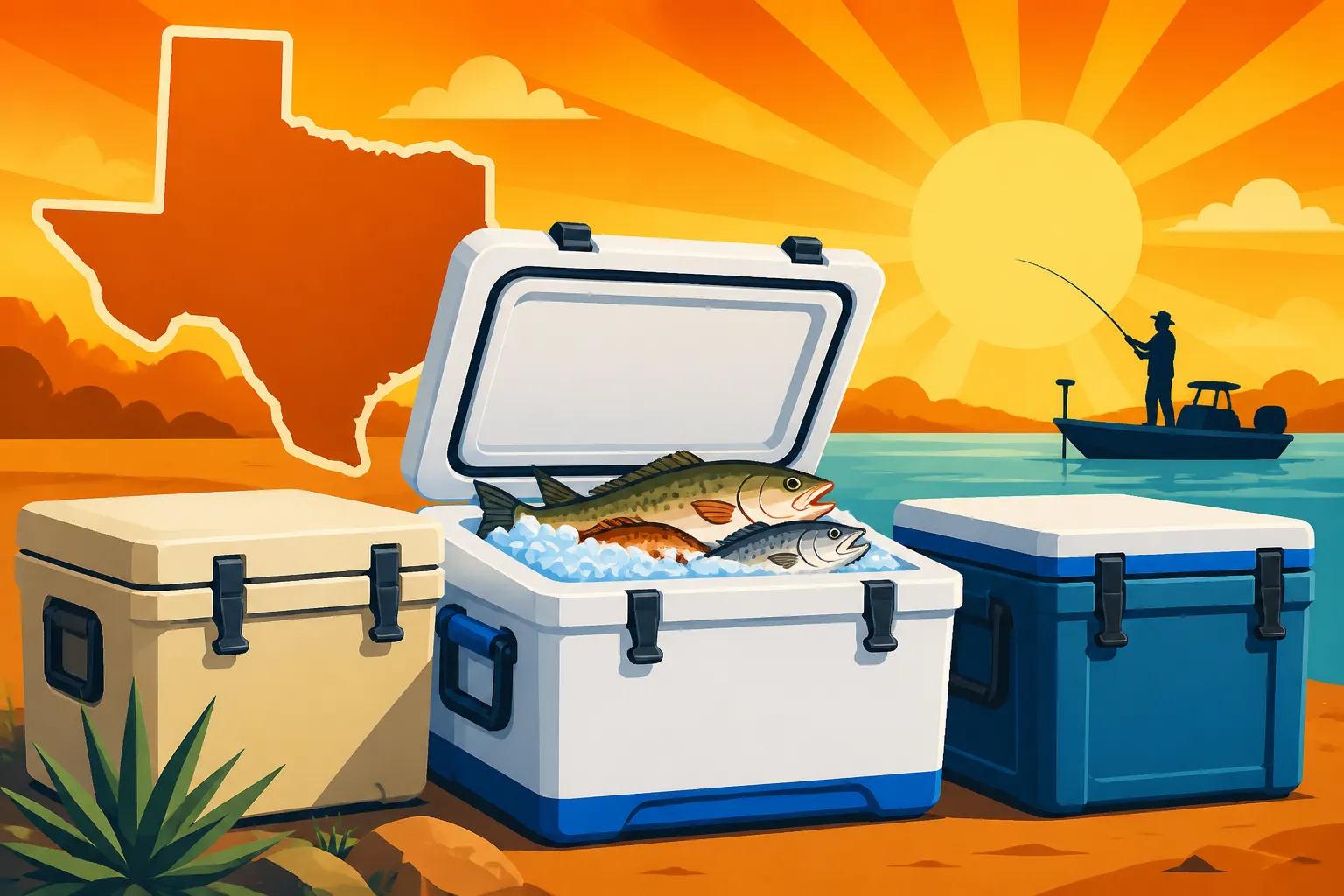
Best Ice Chests for Keeping Fish Fresh in Texas Heat
The scorching Texas sun can turn a fantastic fishing trip into a race against time, especially when you've landed a cooler full of beautiful fish you want to bring home fresh. There's nothing worse than seeing your hard-earned catch start to spoil because your old cooler just can't stand up to the relentless heat. This guide is all about helping you pick the absolute best ice chests designed to beat the Texas heat, ensuring your fish stay perfectly chilled from the moment they hit the deck until they're on your dinner plate.
Why Texas Heat is the Ultimate Ice Chest Challenge
Anyone who's spent a summer day fishing in Texas knows that the heat here isn't just warm; it's a relentless, suffocating force that seems determined to melt ice faster than you can say "hook, line, and sinker." This isn't just about personal comfort; it's about preserving your precious catch. The challenges posed by Texas's climate demand more from your gear, especially your ice chest, than almost anywhere else.
The Relentless Triple-Digit Assault
Imagine you're out on Lake Fork, it's August, and the air temperature is pushing 100 degrees Fahrenheit. The sun is beaming down, radiating heat onto every surface, including your cooler sitting exposed in the boat or on the bank. This isn't a gentle warming; it's a full-on assault. Standard, flimsy coolers designed for a picnic in milder climates simply don't stand a chance. They'll quickly succumb, turning your ice to water and your fresh fish to a worrying warm mess long before you make it back to the cleaning station. The constant high ambient temperatures, combined with direct sunlight, create an environment where only truly robust ice chests can perform. This is where your investment really pays off, preventing the heartbreak of a wasted catch.
For saltwater anglers down on the coast, say near Galveston Bay or Matagorda Bay, the humidity adds another layer to the challenge. That thick, moist air might not feel as "dry hot" as West Texas, but it still transfers heat to your cooler with surprising efficiency. Plus, the salt spray can accelerate wear and tear on cheaper materials, compromising seals and hardware. It's not just about keeping the inside cold; it's about the cooler's ability to withstand the harsh external elements of a full day under the intense Texas sun and humid conditions.
The Importance of Rapid Cooling and Sustained Cold
When you're out reeling in speckled trout in the bays or hauling in blue catfish from Lake Livingston, you want to get them on ice as quickly as possible. The longer a fish stays at ambient air temperature after being caught, the faster its quality deteriorates. A good ice chest in Texas isn't just about eventually chilling your fish; it needs to initiate rapid cooling and then sustain that cold over many hours, often an entire day or even multiple days, until you can properly process your catch.
Think about a busy morning on the water. You've just pulled in a couple of nice redfish, and you quickly slot them into your ice chest. If that cooler isn't already super cold and packed with plenty of ice, those fish will be sitting in a lukewarm environment for a crucial period. The heat from the fish, combined with the extreme outside temperatures, will rapidly melt any insufficient ice. A quality cooler, pre-chilled and well-packed, will immediately drop the fish's core temperature, preserving its flavor and texture. This sustained cold means you don't have to constantly worry about running to buy more ice or rushing home prematurely, allowing you to enjoy your Texas Saltwater Fishing Techniques or even How to Catch Catfish in Texas to the fullest.
Beyond Just Ice: Protecting Your Catch's Quality
It's easy to think of an ice chest as just a box for ice, but for anglers, it's a critical tool for food preservation. Keeping your fish fresh goes beyond just temperature; it's about maintaining their quality, appearance, and taste. Warm temperatures can lead to bacterial growth, mushy flesh, and a "fishy" odor that's anything but appealing. A top-notch fishing cooler helps mitigate all these issues.
Consider the difference when you bring home fish that has been perfectly maintained at near-freezing temperatures versus fish that has been sitting in meltwater. The perfectly chilled fish will have firm flesh, clear eyes, and a fresh, clean smell. It's ready for filleting and cooking with minimal effort. The fish from a poorly performing cooler, however, might show signs of bruising, a softer texture, and a less desirable aroma, even if it hasn't completely spoiled. This is especially true for delicate species like crappie or smaller white bass. Investing in a great cooler is investing in the quality of your hard-earned meal, ensuring that the effort you put into catching your fish is rewarded with delicious results.
Key Features to Look for in a Texas-Ready Ice Chest
When you're battling the Texas heat, not all ice chests are created equal. To truly keep your fish fresh, you need to look beyond the basic foam box. Certain features are absolutely non-negotiable for anglers in this climate, acting as your first line of defense against the relentless sun.
Insulation Technology: More Than Just Foam
The heart of any good ice chest is its insulation. Forget thin walls and minimal foam; for Texas, you need serious thermal barriers. The best coolers, particularly the premium ones, utilize pressure-injected polyurethane foam that fills every cavity between the inner and outer shells. This dense, closed-cell foam is far superior to the cheaper, often loosely packed styrene foam found in budget models. The thicker the walls and lid, and the denser the insulation, the longer your ice will last.
Think about the difference between your home's thin exterior wall and a highly insulated freezer door. That's the kind of difference we're talking about. Many top-tier brands boast several inches of insulation on all sides, including the lid and bottom, creating a true cold locker. This superior insulation minimizes heat transfer from the outside world into your cooler's interior, even when the ambient temperature is pushing triple digits. When you're out all day targeting trophy bass on Lake Fork or stalking redfish in the Laguna Madre, this insulation is what keeps your catch in pristine condition, ready for the grill or fryer.
Durability and Construction: Built for the Bumps and Bruises
A fishing cooler isn't just a static storage unit; it's a piece of gear that gets hauled, dragged, dropped, and generally put through its paces. Especially in Texas, where you might be navigating rocky lake shores, bouncing around in a boat on choppy water, or loading it in and out of the back of a truck, durability is paramount. This is where the construction material and design really come into play.
Look for ice chests made with rotomolded construction. This process creates a single, seamless piece of plastic for the cooler body and lid, eliminating weak points and joints that can crack or break under stress. The material itself is typically UV-resistant polyethylene, which means it won't become brittle and degrade when exposed to constant Texas sunshine, a common problem with cheaper plastics. Handles should be heavy-duty, often made of marine-grade rope with comfortable grips, securely attached to the cooler. This robust construction means your cooler can take a beating and keep on chilling, ensuring it lasts for countless fishing adventures. It's a key reason why many anglers consider these an essential part of their Beginner Fishing Gear Checklist for Texas.
Seal, Latches, and Hinges: The Unsung Heroes of Cold Retention
You can have the best insulation in the world, but if your cooler leaks cold air or lets warm air in, it's all for naught. The seal, latches, and hinges are the unsung heroes of ice retention, often overlooked but critical for performance, especially in extreme heat.
A commercial-grade gasket, often made of freezer-quality rubber, is essential. This gasket creates an airtight seal between the lid and the cooler body, preventing any air exchange. Imagine your home refrigerator door; it uses a similar principle. Without a tight seal, warm air seeps in, and precious cold air escapes, turning your ice into water much faster. Latches need to be robust and secure, pulling the lid down firmly against that gasket. Rubber T-latches are popular because they provide excellent compression and are durable. Finally, the hinges should be heavy-duty and integrated, not just flimsy pins that will snap after a few uses. Stainless steel rod hinges are a common feature on high-quality fishing coolers, built to withstand constant opening and closing, even with a heavy load. These components collectively ensure that once you close that lid, the cold stays in, and the heat stays out.
Different Types of Ice Chests: Which One is Right for Your Fishing Style?
Just like there are different fishing techniques for different species, there are various types of ice chests, each with its own strengths and ideal uses. Understanding the distinctions will help you choose the best option to keep your hard-earned catch fresh, whether you're embarking on an offshore adventure or a quick trip to a local pond.
Rotomolded Coolers: The Gold Standard for Extreme Conditions
When you hear anglers talking about "premium" coolers, they're almost certainly referring to rotomolded ice chests. Rotational molding (rotomolding) is a manufacturing process that creates a single, incredibly durable piece of plastic. This seamless construction, combined with thick, pressure-injected insulation, makes these coolers virtually indestructible and unparalleled in ice retention. They're designed to withstand everything from being tossed around in a boat to serving as a casting platform.
For serious Texas anglers, especially those spending long days on lakes like Sam Rayburn Reservoir or venturing offshore from Port Aransas, a rotomolded cooler is often the best investment. They can easily hold ice for several days, sometimes even a week, in milder conditions, and still deliver superior performance during the peak of summer. Brands like YETI, RTIC, and Orca are popular examples in this category, often available at outdoor retailers or online platforms like Amazon and Bass Pro Shops. Their heft, superior latches, and integrated hinges all contribute to their incredible cold-keeping abilities. However, this level of performance comes with a higher price tag and increased weight, which are important considerations for portability. You might need assistance loading and unloading a large, full rotomolded cooler.
Traditional Hard-Sided Coolers: A Practical and Accessible Choice
Before rotomolded coolers became the rage, traditional hard-sided coolers were the workhorses of the fishing world, and they still have a very important place. These coolers typically consist of an inner and outer plastic shell with foam insulation injected between them. While not as robust or as efficient at ice retention as their rotomolded counterparts, modern designs have significantly improved their performance.
Traditional hard-sided coolers offer a great balance of cost, durability, and decent ice retention for many anglers. They are much lighter than rotomolded options of similar capacity, making them easier to transport, especially for solo trips or when you're just moving them short distances. For a day trip targeting white bass during the spring run or an afternoon outing on Canyon Lake, a good quality hard-sided cooler can easily keep your catch cold. They are also much more accessible in terms of price, making them a solid choice for anglers who might not need multi-day ice retention or who are just starting out and building their gear collection. You can find a wide variety of these coolers at various price points, often offering features like integrated cup holders, wheeled options, and durable handles.
Soft-Sided Coolers and Insulated Bags: For Shorter Trips and Convenience
For shorter excursions, kayak fishing, or situations where portability is paramount, soft-sided coolers and insulated bags are fantastic options. While they can't match the multi-day ice retention of hard-sided or rotomolded coolers, their lightweight design and flexibility make them incredibly convenient. They are perfect for carrying a few drinks and snacks, or for keeping a smaller catch chilled for a few hours.
If you're planning a quick wade fishing trip in the bays, a solo kayak outing to a nearby pond, or if you're restricted on space, a soft-sided cooler might be exactly what you need. Many are designed with waterproof liners, leak-proof zippers, and comfortable shoulder straps, making them easy to carry. They often feature extra pockets for gear, which is a bonus for anglers. While they won't hold ice for days on end in the Texas heat, they're excellent for keeping a handful of fish fresh on a three to four-hour trip. Just be mindful of their limitations and pack accordingly with plenty of ice or frozen gel packs. Brands offer various sizes, from small personal coolers to larger tote-style bags, available at retailers like Bass Pro Shops and Amazon.
Here's a quick comparison of these cooler types:
| Feature | Rotomolded Cooler | Traditional Hard-Sided Cooler | Soft-Sided Cooler / Bag |
|---|---|---|---|
| Ice Retention | Excellent (Multi-day, even in high heat) | Good (1-2 days, moderate heat) | Fair (Several hours to a half-day, moderate heat) |
| Durability | Exceptional (Virtually indestructible) | Good (Durable, but can crack with extreme abuse) | Moderate (Puncture-resistant, but not rigid) |
| Construction | Seamless, thick-walled polyethylene | Inner/outer plastic shells with injected foam | Insulated fabric exterior with waterproof liner |
| Weight (Empty) | Heavy | Moderate | Lightweight |
| Portability | Difficult for large sizes (especially when full) | Easy to moderate (some have wheels) | Very Easy (shoulder straps, flexible) |
| Price Point | High | Moderate | Low to Moderate |
| Ideal Use | Multi-day trips, extreme conditions, large hauls | Day trips, weekend camping, general fishing | Short trips, kayak fishing, picnics, secondary cooler |
| Common Materials | UV-resistant polyethylene, dense polyurethane | HDPE/LDPE plastic, EPS/PU foam | Nylon, Polyester, TPU, insulated foam layers |
Maximizing Ice Retention: Tips and Tricks for Texas Anglers
Even the best ice chest in the world can fall short if you don't know how to properly use it, especially when trying to defy the Texas heat. There's a bit of an art and a science to maximizing ice retention, ensuring your fish stay frosty for as long as possible.
Pre-Chilling Your Cooler for Peak Performance
This is one of the most overlooked but crucial steps, especially in Texas. Dropping ice into a warm cooler is like pouring cold water into a hot mug – a lot of energy is wasted just trying to bring the container itself down to temperature. Before your trip, aim to pre-chill your cooler for at least 12-24 hours.
The easiest way to do this is to fill your empty cooler with a sacrificial bag of ice the night before your fishing trip. This chills the interior walls and lid, bringing them down to a lower temperature. For a truly deep chill, some anglers will even put the entire cooler in a walk-in freezer or an air-conditioned room overnight. When you're ready to pack for your trip, dump out any remaining meltwater and the sacrificial ice, then immediately load your fresh ice and catch. This simple step ensures that your primary ice isn't battling the residual heat of the cooler itself, significantly extending its life. This is a vital technique to learn if you're wondering How to keep fish alive in a Texas summer live well, as the same principle applies.
The Art of Ice Selection and Loading
Not all ice is created equal, and how you load it makes a huge difference. For the best ice retention, a combination of block ice and crushed or cube ice works wonders. Block ice melts much slower due to its larger mass and smaller surface area, providing long-lasting cold. Crushed or cube ice, on the other hand, excels at filling voids and making immediate contact with your fish, initiating rapid cooling.
When loading, place a layer of block ice on the bottom of the pre-chilled cooler. Then, arrange your fish in a layer on top of the block ice. Now, cover the fish generously with crushed or cube ice, ensuring every part of the fish is in direct contact. You want to create an "ice sandwich" with your fish in the middle, surrounded by cold. Don't be shy with the ice; a general rule of thumb for hot climates is a 2:1 ratio of ice to fish by volume. Filling any empty air space with more ice is key, as air transfers heat much faster than ice or fish. The more ice you have, the longer it will last. For optimal results, avoid draining the meltwater immediately; a layer of ice-cold water actually helps insulate the remaining ice, though some prefer to keep their fish out of the water.
Strategic Placement and Usage On the Water
Once your cooler is packed, how you position and use it on your boat or at the bank matters. Keep your ice chest out of direct sunlight whenever possible. If you have a T-top, Bimini top, or even an umbrella, utilize it to provide shade. Direct sunlight will rapidly increase the external temperature of your cooler, forcing the insulation to work harder and melting ice faster.
Minimize how often you open the lid. Every time you open it, warm air rushes in, and cold air escapes. Plan your retrieves so you're not constantly opening the cooler. If you need to access drinks or snacks frequently, consider having a separate, smaller cooler for those items, leaving your main fish cooler undisturbed. When you do open it, be quick and purposeful. If you're bank fishing, try to place your cooler in a shady spot under a tree or even cover it with a wet towel, which can help by evaporative cooling. These small habits can collectively add hours to your ice retention, making a real difference on a long, hot Texas day.
Top Considerations for Choosing Your Ideal Fishing Cooler
With so many options out there, choosing the right fishing cooler can feel overwhelming. Beyond insulation and durability, there are practical considerations that will help you narrow down the field and find the perfect partner for your Texas fishing adventures.
Size and Capacity: Matching Your Haul and Your Vehicle
The size of your ice chest is perhaps the most obvious, yet often miscalculated, factor. You need a cooler large enough to accommodate your typical catch, plus plenty of ice, but not so large that it's unwieldy or won't fit in your vehicle or boat.
Consider the kind of fishing you do. If you're primarily targeting panfish or smaller bass for a few hours, a 35-quart cooler might be perfect. If you're after trophy largemouth bass or planning to bring home limits of redfish from the coast, you'll likely need something in the 65-quart to 100-quart range, or even larger. Remember the ice-to-fish ratio we discussed – a significant portion of your cooler's volume will be dedicated to ice. So, if you think you need a 50-quart cooler for fish, you might actually need a 75-quart to comfortably fit the fish and enough ice to keep them fresh in the Texas heat. Also, measure your boat's deck space or your truck bed to ensure the cooler fits properly and leaves room for other essential Texas Boat Safety Equipment Requirements or gear. A cooler that's too big to transport comfortably will quickly become a nuisance, no matter how well it performs.
Portability and Ergonomics: Getting It from Truck to Boat
A cooler only helps you if you can get it to where you need it. The weight of the cooler itself, coupled with the weight of ice and fish, can make even a moderately sized cooler incredibly heavy. Think about how you'll be moving it.
For many anglers, especially those without a large boat or truck, portability is key. Look for coolers with comfortable, sturdy handles. Rope handles with rubber grips are excellent for spreading the load and preventing hand fatigue. For larger coolers, some models come with wheels, which can be a game-changer if you frequently move your cooler over paved surfaces, docks, or relatively smooth terrain. However, wheels aren't always practical on rough boat decks or sandy beaches. If you're a kayak angler, you might prioritize a smaller, lighter soft-sided cooler that can be strapped to your Best Kayaks for Texas Fishing or easily carried by hand to and from the water. Consider if you'll often be moving it solo or with help. A 100-quart rotomolded cooler full of ice and fish can easily weigh over 150 pounds, requiring two people to lift safely.
Budget vs. Performance: Investing in Your Fresh Catch
Let's be real: quality ice chests, especially the rotomolded varieties, can be a significant investment. It's easy to get sticker shock when comparing prices. However, it's crucial to weigh the initial cost against the long-term benefits and the value of your catch.
Think of it this way: a cheaper cooler might save you money upfront, but if it melts ice quickly, you'll be constantly buying more ice, costing you money over time. More importantly, if it fails to keep your fish fresh, you're potentially wasting the entire day's effort and the cost of bait, fuel, and license. For serious anglers who fish frequently and value the quality of their catch, a higher-performance cooler often pays for itself in preserved fish and reduced ice costs over its lifespan. Brands like YETI or RTIC, available at Bass Pro Shops, offer superior ice retention and durability that can last for decades. For those on a tighter budget, there are many excellent mid-range options that offer significant improvements over entry-level coolers without breaking the bank. Evaluate how often you fish, the conditions you fish in, and how important ice retention is to you. It's about finding the sweet spot where performance meets your financial comfort zone.
Maintaining Your Ice Chest for Longevity in Texas Conditions
Your high-quality ice chest is an investment, especially one built to tackle the Texas heat. Just like your fishing rods, reels, and other gear, proper maintenance and care will ensure it performs optimally for years to come and continues to keep your catch fresh.
Thorough Cleaning and Odor Control
After a successful day of fishing, your cooler will likely have fish slime, blood, and general debris inside. Leaving this to fester is a recipe for unpleasant odors and potential bacterial growth, which can even affect the taste of future catches. Proper cleaning is non-negotiable.
As soon as you've unloaded your fish, give the cooler a good rinse with a hose, removing any loose debris. Then, use a mild dish soap or a specialized cooler cleaning solution and a soft brush or sponge to thoroughly scrub the interior. Pay extra attention to corners, gaskets, and drain plugs where gunk can accumulate. For stubborn odors, a mixture of baking soda and water (left to sit for a few hours or overnight) or a diluted bleach solution (rinse thoroughly afterward) can work wonders. Many anglers also use a diluted vinegar solution as a natural disinfectant and deodorizer. The key is to rinse meticulously, ensuring no cleaning residues remain. For more tips on keeping all your gear pristine, check out our Beginner Fishing Gear Checklist for Texas.
Proper Storage to Prevent Wear and Tear
How you store your ice chest between trips is almost as important as how you use it on the water. Improper storage can lead to accelerated wear and tear, compromise seals, and even permanent odors.
After cleaning, always ensure your cooler is completely dry before storing it. Any moisture trapped inside can lead to mildew, mold, and a persistent musty smell. Once dry, store the cooler with the lid slightly ajar. This allows for air circulation, preventing moisture buildup and keeping the interior fresh. Never store your cooler in an airtight, sealed condition; it's a guaranteed way to trap odors. Store it in a cool, dry place, out of direct sunlight. While quality coolers are UV-resistant, prolonged exposure to harsh Texas sun during storage can still degrade plastics and rubber gaskets over many years. Keeping it in a garage, shed, or even under a patio cover is ideal. This simple practice helps maintain the integrity of the gasket, latches, and the plastic itself.
Dealing with Common Cooler Issues: Drains and Gaskets
Even the most robust ice chests can encounter minor issues over time. Knowing how to troubleshoot and maintain specific components can save you money and extend your cooler's life. The drain plug and lid gasket are two common areas that might need attention.
Drain Plugs: These can sometimes get lost or become brittle over time, leading to leaks. Most quality cooler manufacturers offer replacement drain plugs that are easy to screw in. It's a good idea to have a spare on hand, especially if you often misplace small items. Always ensure the drain plug is securely tightened before filling your cooler, but don't overtighten it, which can strip the threads or damage the seal. Regularly check the rubber gasket on the drain plug for cracks or hardening; if it's compromised, it won't seal effectively.
Lid Gaskets: The rubber gasket around the lid is critical for creating an airtight seal. Over time, these can dry out, crack, or become compressed, leading to poor ice retention. Inspect your gasket periodically. If it looks dry or stiff, a light coating of a food-grade silicone lubricant (often sold as "o-ring lubricant") can help keep it pliable. If the gasket is severely cracked or no longer creates a tight seal, many manufacturers sell replacement gaskets that are relatively easy to install. Replacing a worn-out gasket is a much more cost-effective solution than buying an entirely new cooler and will restore its ice-keeping prowess. Taking care of these small details ensures your cooler remains a reliable tool for keeping your precious Texas Fish Bag and Length Limits catch in perfect condition.
Disclaimer
This article is for general informational purposes only and does not constitute professional advice. Laws, prices and regulations vary by location and change over time. Consult a qualified professional for guidance on your specific situation.