Best Kids Fishing Gear for Texas Trips
There’s nothing quite like watching a child’s face light up as they feel that first tug on their line. Introducing kids to fishing in Texas can be one of the most rewarding experiences, but let’s be honest, walking into a tackle shop or browsing online for "kid's fishing gear" can be utterly overwhelming. It’s a jungle out there with so many options, and you want to make sure you're getting something that's not only appropriate for their age and skill level but will also make their trip enjoyable and safe. This guide is here to cut through the noise, helping you pick out the best kids' fishing gear for memorable Texas trips, ensuring they have the right tools to fall in love with the sport.
Choosing the Perfect Kid-Friendly Rod and Reel Combo
One of the biggest hurdles for parents is figuring out what kind of rod and reel setup is genuinely suitable for a child. You don't want something too complicated that leads to frustration, but you also don't want a flimsy toy that breaks after one outing. The key is matching the gear to their age and budding abilities, focusing on ease of use and durability.
Spincast Combos: The Ultimate Starter Kit
For the youngest anglers, usually toddlers up to around age seven or eight, a spincast rod and reel combo is absolutely the way to go. These are often called "push-button" reels for a reason: they are incredibly simple to operate. All a child needs to do is push a button, bring the rod forward, and release the button to cast. There's no complex bail to flip or thumb control to master, which drastically reduces the learning curve and, let's be real, the potential for tangled messes that can quickly sour a fun day.
Many parents make the mistake of grabbing the cheapest spincast combo they can find, thinking it's "just for a kid." However, those super inexpensive models often come with flimsy rods, sticky reels, and line that tangles at the slightest provocation. There’s nothing more frustrating for a child (or an adult trying to untangle it) than a reel that constantly jams or a line that twists into a bird's nest. Investing a little more in a slightly better quality spincast setup will pay dividends in enjoyment and fewer headaches. Look for a combo with a smooth push-button release, a durable rod that isn't too stiff, and pre-spooled monofilament line that's not too heavy.
The beauty of a good spincast combo is how it empowers a child. They can quickly learn to cast independently, which is a massive confidence booster. Imagine their beaming face as they successfully send their bait flying towards the water, feeling like a real angler. This early success is crucial for fostering a lifelong love of fishing. They’re not just holding a stick; they’re actively participating, and that feeling is priceless. When shopping, you might find some great options at places like Bass Pro Shops, which often have a dedicated kids' section where you can try out different sizes.
Stepping Up to Spinning Combos for Older Kids
As kids grow and their coordination improves, typically around 8 to 10 years old, they might be ready to graduate to a spinning combo. This is a significant step up in control and versatility, but it does introduce a bit more complexity with the open-face reel and the need to manually flip the bail and control the line with their finger. However, once mastered, a spinning reel offers a much more refined fishing experience.
The benefits of a spinning reel are considerable for a blossoming angler. They offer greater casting distance, especially with lighter lures or baits, and allow for more precise presentations. A spinning reel’s drag system is generally smoother and more adjustable, which is vital when a feisty bass or catfish decides to make a run for it. This type of reel also handles a wider range of line types and fishing techniques, opening up more possibilities for what they can target. When considering this upgrade, it's worth checking out resources like Best Fishing Reels for Texas Anglers for broader insights into reel mechanics that also apply to kid-sized versions.
When choosing a spinning combo for an older child, look for a lightweight setup that won't fatigue their arms, especially during longer fishing sessions. The handle grip should be comfortable for their hands, and the reel should retrieve smoothly. Avoid anything that feels overly complicated or has too many small, fiddly parts. The goal is still ease of use, but with added capability. Practice casting in the yard first, without hooks, to get them comfortable with the mechanics before hitting the water. This transition from a spincast can feel like a big leap, but with a little patience and the right gear, they'll be slinging lures like pros in no time.
Essential Terminal Tackle for Little Anglers
Once you have the rod and reel sorted, it's time to think about the bits and bobs that actually catch fish – the terminal tackle. For kids, simplicity and safety are the watchwords here. You don't need a massive, overflowing tackle box to have a successful and fun day on the water.
Hooks, Weights, and Floats: The Basic Rig
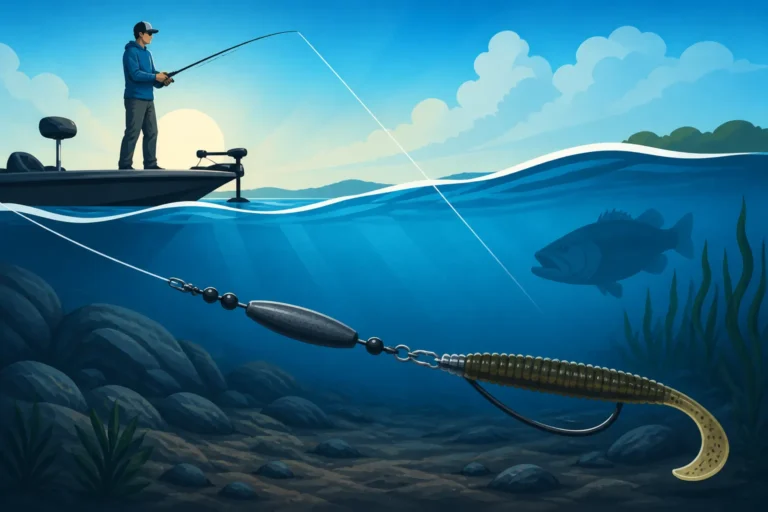
When putting together a fishing rig for a child, keep it incredibly simple. A basic setup of a hook, a weight, and a bobber is usually all you need to catch common Texas species like sunfish, small bass, or catfish. For hooks, opt for smaller sizes (like a size 8 or 10) as they are perfect for the mouths of smaller fish, and consider using barbless hooks. While not always readily available, barbless hooks make removing the hook much easier and safer for both the fish and tiny fingers, especially if you’re planning on catch-and-release. If you can’t find barbless, simply pinching down the barb with a pair of pliers works just as well.
For weights, split shot sinkers are your friend. These small, round weights can be easily pinched onto the line above the hook, and their position can be adjusted quickly. They help cast the bait further and get it down to where the fish are. Having a small assortment of different sizes is helpful – a lighter one for shallow water or when the fish are skittish, and a heavier one to combat wind or current. Remember, you don't want to overload their line, as that can make casting difficult and less enjoyable.
And then there are bobbers, the classic red-and-white indicators that bring so much joy and anticipation to a child's fishing experience. There’s something truly magical about watching a bobber dance on the water, then slowly dip, and finally disappear beneath the surface. This visual cue is often what hooks kids on fishing. Clip-on bobbers are easiest for little hands, but as they get older, you can introduce slip bobbers that allow the bait to be fished at a predetermined depth. The bobber isn't just a practical tool; it's a source of constant entertainment and excitement, turning a waiting game into an active observation.
Bait Choices That Keep Them Interested
When fishing with kids, bait isn't just about what catches fish; it's about what keeps them engaged and offers an interesting tactile experience. For most freshwater fishing in Texas, you can't go wrong with classic natural baits. Live worms are practically universal fish candy for panfish, catfish, and even smaller bass. Crickets are fantastic for sunfish, and who can resist watching a child squeal with delight (or mild disgust) as they hold a wiggling worm? Simple things like canned corn or pieces of hot dog can also be surprisingly effective for various species and are easy for kids to handle and bait onto the hook (with adult supervision, of course!).
The act of baiting a hook, even with something as simple as a worm, is a crucial part of the fishing experience for a child. It connects them directly to the process and to nature. Talk them through it, let them help, and praise their efforts. As they develop their skills and patience, you can slowly introduce simple artificial lures like small jigs or spinners. These can be exciting to cast and retrieve, teaching them different techniques and how to "work" a lure. However, start with natural bait to guarantee action, as getting bites frequently is key to keeping young anglers interested.
Finding bait is usually pretty straightforward. Most local tackle shops and even many convenience stores in Texas carry live worms and crickets. Larger retailers like Bass Pro Shops are also reliable sources for both live and artificial bait. For specific insights on what fish eat in Texas, check out guides such as Texas Freshwater Fishing Regulations which often includes details on bait restrictions. Remember, the goal is to make it fun, and often, the wiggliest, smelliest bait is the most entertaining for kids!
Prioritizing Safety and Comfort on the Water
Fishing should be a fun and memorable experience, but safety absolutely has to come first, especially when children are involved. Texas can be hot, and water can be unpredictable, so being prepared is not just smart, it's essential for a stress-free trip.
Life Jackets: Non-Negotiable Safety Gear
When fishing near or on the water with kids, a properly fitted life jacket (also known as a Personal Flotation Device or PFD) is not an option; it is a critical piece of safety equipment. This isn't just for when you're on a boat; if you're fishing from a pier, a dock, or even a steep bank, an accidental slip or fall can happen in an instant. Drowning can occur silently and quickly, even in shallow water. Make it an unbreakable rule: when near the water, the life jacket goes on. You can learn more about specific requirements in Texas Life Jacket Requirements for Boats.
Choosing the right life jacket is paramount. It needs to fit snugly enough so it doesn't ride up over their head, but still be comfortable enough for them to wear for extended periods without complaint. There are different types of PFDs designed for various activities; for fishing, a recreational vest that allows for arm movement is usually ideal. Many come in bright, kid-friendly colors, which can make them seem less like a chore and more like part of the adventure gear. Always check the weight rating on the label to ensure it matches your child's size.
Making wearing a PFD a consistent habit from their very first fishing trip is key. If they see you, as the adult, also wearing one (or at least having one readily available), they're more likely to accept it as a normal and necessary part of fishing. Explain why it's important in simple terms – "It keeps us safe near the water." This early instilling of safety habits will serve them well not only in fishing but in any water-related activity throughout their lives.
Sun Protection and Hydration
The Texas sun is no joke, especially during those long summer days when the fish are biting. Protecting delicate young skin from harmful UV rays is just as important as protecting them from the water itself. A wide-brimmed hat is a must-have, providing shade for their face, ears, and neck. Good quality sunglasses, preferably polarized, will not only protect their eyes but can also help them see into the water, adding to their excitement. And, of course, don't forget the sunscreen – apply liberally and reapply frequently, especially after splashing or sweating.
Consider lightweight, long-sleeved fishing shirts made from moisture-wicking, quick-drying fabrics. These offer excellent sun protection without being overly hot. Many brands make "performance" clothing designed specifically for anglers that offers UPF (Ultraviolet Protection Factor) ratings, which is a huge bonus for kids who are spending hours outdoors. Think of it as a wearable shield against those intense rays.
Beyond sun protection, hydration is absolutely crucial. Kids can get so absorbed in fishing that they forget to drink, especially in the heat. Bring plenty of water – more than you think you'll need – and encourage them to drink regularly, not just when they feel thirsty. Electrolyte drinks or fruit juices can also be a good idea for longer trips. Pack plenty of easy-to-eat snacks too, like fruit, granola bars, or sandwiches, to keep their energy levels up and prevent "hanger" from ruining the fun. A reliable cooler is essential for keeping drinks and snacks cold; for advice on this, you might find Best Coolers and Live Wells for Texas Fishing helpful. Being comfortable, cool, and well-fed makes for a much happier and more engaged young angler.
Beyond the Basics: Gear for a More Enhanced Experience
Once your child has mastered the basics of casting and reeling, and you've got safety covered, there are a few other pieces of gear that can significantly enhance their fishing experience, making it even more enjoyable and educational. These items help build good habits and add to the excitement of a successful catch.
Tackle Boxes and Storage Solutions
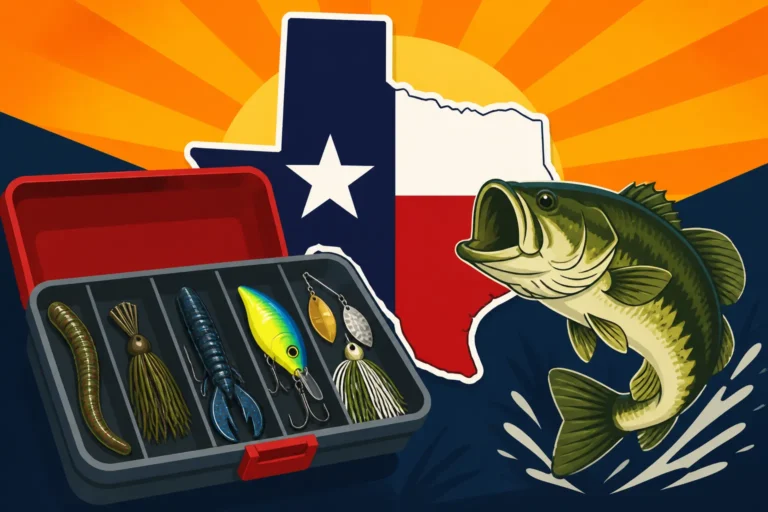
A child's very own tackle box, even a small one, is more than just a place to store hooks and weights; it’s a tool for teaching responsibility and organization. It gives them a sense of ownership over their gear and allows them to feel like a "real" angler. Choose a box that's durable, not too heavy when filled, and easy for small hands to open and close. Clear compartments are a huge plus, as kids can quickly see where everything is, reducing frustration and making setup and breakdown a breeze.
Encourage them to organize their own box. Start with just a few essential items: a small selection of hooks, split shot weights, a bobber or two, maybe a small pair of blunt-nosed pliers (with supervision), and a couple of their favorite lures. Allowing them to pick out a few bright, colorful plastic worms or small spinnerbaits can make the tackle box feel personalized and exciting. This ritual of packing and unpacking their own gear teaches valuable lessons about preparation and care for their equipment. Beginner Fishing Gear Checklist for Texas has more great ideas for what to include.
You can find excellent options for kids' tackle boxes at pretty much any sporting goods store, including Bass Pro Shops, where they often have themed boxes, or online retailers like Amazon, which offers a wide array of sizes and designs. The goal is to make it a manageable system for them, not a miniature version of your own complex setup. A well-organized tackle box means less time searching and more time fishing, which is exactly what you want when you have an excited child eager to cast a line.
Nets and Fish Handling Tools
For any angler, but especially for kids, successfully landing a fish is a huge moment. A small, lightweight landing net can be a game-changer. It makes bringing the fish ashore or into the boat much easier, reducing the chances of the fish getting off the hook at the last minute. This not only prevents disappointment for the child but also helps ensure the fish is handled gently, especially if you plan on releasing it. A net teaches them how to "finish the fight" and makes the whole process feel more professional and exciting.
Beyond a net, introducing proper fish handling tools is a fantastic way to teach respect for the catch and promote ethical angling. A pair of fish grippers can help keep hands safe from sharp fins and hooks, particularly with species like catfish. Alternatively, simply teaching them to use a damp cloth or towel to gently hold the fish can prevent damage to the fish's protective slime layer. Emphasize the importance of minimizing the time the fish is out of the water, especially if it’s destined to be released. This demonstrates a valuable conservation lesson early on.
Making catch-and-release easy and educational is a huge part of fishing with kids. Explain why you're releasing the fish (to let it grow bigger, to make more fish). The joy of seeing a fish swim away strongly after being caught and released can be just as profound, if not more so, than taking it home. These tools facilitate that process, making it less intimidating for kids to handle their catch and participate in the entire fishing cycle.
| Age Group | Recommended Rod Type | Ideal Target Fish | Key Features to Look For |
|---|---|---|---|
| 3-6 years | Spincast combo (short, light) | Sunfish, small panfish | Push-button, small grip, durable rod |
| 7-10 years | Spincast or light spinning | Sunfish, small bass, catfish | Smoother reel, slightly longer rod |
| 11-14 years | Light spinning combo | Bass, catfish, crappie | Better drag, comfortable handle, medium action |
| 15+ years | Standard adult spinning/baitcast | Any game fish in Texas | Specific to target species, angler preference |
Keeping Them Engaged: Fun Accessories and Tools
Fishing with kids isn't always about catching the biggest fish; often, it's about the entire experience and keeping their interest piqued. Sometimes, a few thoughtful accessories can make all the difference between a bored child and a budding angler. These tools add elements of fun, comfort, and learning that round out the perfect Texas fishing trip.
Fish Identification Guides and Measuring Tapes
Imagine the excitement when a child catches a fish and can actually identify it! A small, laminated fish identification guide for Texas freshwater or saltwater species is an incredibly engaging tool. You can find these at many sporting goods stores or even online. It turns every catch into a mini-science lesson. They can look at the patterns, colors, and fin shapes to figure out what kind of fish they've landed. This detective work adds another layer of fun and learning to the day.
Along with identification, a simple, flexible measuring tape or a fish ruler (often found on boat gunwales or cooler lids) teaches kids about size limits and responsible harvesting. Explaining that some fish have to be a certain length to be kept, or if they are too big, helps them understand conservation efforts. It's a tangible lesson in regulations and respecting the ecosystem. For instance, Texas Fish Bag and Length Limits and Texas Freshwater Fishing Regulations detail these rules for various species. This also reinforces the idea that fishing isn't just about taking; it's about balance.
These tools transform the fishing experience from a passive activity into an active learning adventure. It’s not just about the tug on the line, but about understanding what’s on the other end, how big it is, and where it fits into the natural world. This kind of engagement fosters a deeper appreciation for nature and the sport itself.
Comfortable Seating and Entertainment
While the thrill of the catch is paramount, there will always be downtime in fishing. Keeping kids comfortable and entertained during these lulls is essential to maintaining their enthusiasm. A small, lightweight folding chair or stool can be a godsend, especially when bank fishing or on a long pier. Perching on rocks or standing for hours can quickly lead to fatigue and impatience. Giving them a comfortable spot to rest, observe, and wait makes a huge difference.
Beyond seating, consider bringing a small nature journal, binoculars, or even a waterproof camera. They can sketch the scenery, identify birds, or take pictures of their catches and the beautiful Texas landscapes. These aren't strictly "fishing" gear, but they enhance the overall outdoor experience, ensuring that even when the fish aren't biting, there's still plenty to see and do. A small snack box and a cool drink within easy reach also contribute immensely to their comfort and ability to stay focused and happy.
Remember, the goal is to create positive associations with fishing. If they're comfortable, engaged, and learning, they're much more likely to want to come back for more. Combining the core fishing gear with these thoughtful accessories turns a simple outing into a holistic outdoor adventure. And who knows, you might even find some hidden gems for yourself by exploring the "Best Fishing Spots for Kids in Texas" where these accessories can come in handy.
Disclaimer
This article is for general informational purposes only and does not constitute professional advice. Laws, prices and regulations vary by location and change over time. Consult a qualified professional for guidance on your specific situation.