Best Tackle Box Setup for Texas Anglers
Oh, the classic angler's dilemma! You arrive at your favorite fishing spot, full of anticipation, only to spend the first twenty minutes rummaging through a tangled mess of lures, hooks, and half-empty plastic bags. It’s frustrating, inefficient, and sometimes, it means missing that crucial bite window. Whether you’re chasing trophy bass in a sprawling reservoir or stalking redfish in the shallow bays, having a well-organized tackle box isn't just about neatness; it's about readiness, efficiency, and ultimately, more successful fishing trips. This guide will help you craft the perfect tackle box setup tailored for the diverse and challenging waters of Texas, ensuring you’re always prepared for whatever bites.
Understanding Your Fishing Needs: Freshwater vs. Saltwater in Texas
Before you even think about buying a new utility box or soft-sided bag, the absolute first step in building the best tackle box setup for Texas fishing is to honestly assess where and what you typically fish for. Texas offers an incredible variety of angling opportunities, from vast freshwater lakes teeming with bass to productive saltwater estuaries. What works perfectly for a largemouth bass on Lake Fork won't necessarily be ideal for a speckled trout in Galveston Bay, and vice-versa. Trying to cram everything you might need for every scenario into one gargantuan box is a recipe for disorganization and wasted space.
Freshwater Focus: Lakes, Rivers, and Ponds
If your passion lies in the abundant freshwater fisheries of Texas, your tackle box will look significantly different than a coastal angler’s. Our lakes and rivers are famous for their largemouth bass, catfish, crappie, and white bass. Each of these species, and the environments they inhabit, calls for specific baits, rigs, and terminal tackle. You'll likely encounter a mix of clear and stained water, open water and heavy cover like hydrilla or submerged timber, requiring a versatile yet specialized selection.
For example, a typical freshwater trip might target largemouth bass, demanding a range of soft plastics, crankbaits, spinnerbaits, and jigs. You'll also need specific hooks, weights, and maybe some bobbers for different presentations. If you're heading to a local pond for panfish or a river for catfish, your bait choices might shift to live worms, cut bait, or stink baits, along with different hook sizes and heavier sinkers. The key is to think about the fish you most often pursue and the conditions you most often face. Check out our comprehensive Texas Freshwater Fishing Regulations to ensure your gear choices comply with local rules.
Saltwater Focus: Bays, Jetties, and Surf
The Texas Gulf Coast offers a completely different world of fishing, targeting species like redfish, speckled trout, flounder, and black drum. The environment here—salty, often brackish water, strong currents, oyster reefs, grassy flats, and sandy beaches—dictates a completely different tackle strategy. Corrosion resistance is paramount, and your lures and terminal tackle need to be able to withstand the harsh saline environment. You'll be dealing with different forage bases, such as shrimp, baitfish like mullet, and crabs, which influences your lure selections.
A saltwater tackle setup for Texas might include an array of soft plastics on jig heads, topwater plugs, and perhaps some spoons for chasing schooling fish. For wade fishing or fishing from a kayak in the bays, you'll want a streamlined, portable setup. If you're hitting the jetties or the surf, heavier weights, longer rods, and more robust tackle are often required to cast through the wind and current, and to handle larger, stronger fish. Understanding Texas Saltwater Fishing Regulations is critical before you even tie on your first lure.
The All-Around Angler's Dilemma
Now, what if you're like many Texas anglers who enjoy both freshwater and saltwater adventures? This is where having a single, universal tackle box becomes unwieldy. Trying to combine everything often means a heavy, disorganized mess. Instead, consider organizing your tackle into systems rather than just one box. You might have a primary "freshwater bass box" and a separate "saltwater bay box." Then, keep a smaller, more portable "everyday essentials" box that contains universal items like pliers, line clippers, a measuring tape, and a small first-aid kit.
The beauty of this modular approach is that you only grab what you need for a specific trip. Heading to Lake Ray Roberts for bass? Grab your bass box. Planning a trip to Matagorda Bay for redfish? Grab your bay box. This prevents the constant shuffling and searching that plagues many anglers. You can find excellent modular systems at retailers like Bass Pro Shops, where you can buy various utility boxes that stack and fit neatly into larger bags or boat compartments. This helps keep your specialized gear protected and ready for action.
Choosing the Right Tackle Box or System
Once you’ve identified your primary fishing focus (or decided on a modular approach for diverse fishing), the next crucial step is selecting the right tackle storage system. This isn't just about aesthetics; it's about functionality, durability, and how well it supports your fishing style. Texas weather can be brutal, from scorching summer heat to sudden downpours, so your storage needs to be tough and protect your gear.
Traditional Hard-Sided Boxes
Ah, the classic tackle box! Many of us grew up with these, and they still have a place in an angler’s arsenal. Traditional hard-sided boxes, often made of durable plastic, typically feature cantilever trays that open up to reveal multiple compartments. They are excellent for holding a large volume of small items and can offer decent protection against impacts.
However, they do have their downsides. The fixed compartments can be limiting, making it hard to customize for different lure sizes or tackle. They also tend to become disorganized quickly as items shift during transport, leading to tangled hooks and mixed-up weights. Furthermore, older models often lack sufficient waterproofing, which is a significant concern for expensive lures and sensitive terminal tackle, especially in humid Texas conditions or if left exposed to rain. While they are a budget-friendly option and great for a simple, general-purpose setup for a beginner or for storing bulky items like extra line spools or tools, serious anglers often find them less efficient for modern tackle organization.
Soft-Sided Bags and Backpacks
For many Texas anglers, especially those who move frequently, fish from kayaks, or wade the flats, soft-sided tackle bags and backpacks have become the preferred choice. These systems typically use removable plastic utility boxes (often called 3600 or 3700 series, referring to their dimensions) that slide into dedicated compartments. This modular design is a game-changer for organization and versatility.
Soft-sided bags, often constructed from heavy-duty nylon or polyester, are lightweight, flexible, and can be easier to transport than rigid boxes. Many models come with external pockets for tools, snacks, or a water bottle, and some even include waterproof bases or rain covers. Tackle backpacks are particularly popular for bank anglers or those who hike to remote fishing spots, keeping hands free and distributing weight comfortably. Brands like Plano and Wild River offer excellent options that are designed with specific angler needs in mind. For kayak fishing, a specialized waterproof bag or dry box that straps securely is invaluable to protect gear from splashes and capsizes.
Specialty Tackle Storage Systems
Beyond the traditional and soft-sided options, there are several specialty storage solutions that cater to specific needs. These include dedicated worm binders for soft plastics, waterproof cases for electronics, and small, pocket-sized boxes for ultra-light tackle or fly fishing. For larger items like spinnerbaits, crankbaits, or topwater lures, specialized utility boxes with custom dividers or dedicated compartments prevent hooks from tangling and lures from getting scratched.
A very practical approach for Texas anglers, particularly those targeting specific species, is to invest in a collection of these specialized utility boxes and then consolidate them into a larger soft-sided bag. For instance, you could have one utility box just for bass jigs, another for crankbaits, and a third for soft plastics rigged on Texas rigs. This level of organization not only saves time on the water but also helps protect your investments. You can find a vast selection of these specialized boxes from manufacturers like Plano, Flambeau, and Bass Pro Shops, allowing you to truly customize your internal storage to fit your exact tackle. When you're constantly swapping between different techniques, like trying to How to Fish a Texas rig for bass or experimenting with different Best Bait and Lures for Texas Fishing, having this level of organization is incredibly beneficial.
Here's a quick comparison of common tackle storage types:
| Feature | Traditional Hard Box (Cantilever) | Soft-Sided Bag (Utility Box System) | Specialty Storage (e.g., Worm Binder, Waterproof Case) |
|---|---|---|---|
| Customization | Low (fixed compartments) | High (interchangeable utility boxes) | High (designed for specific items) |
| Portability | Medium (can be bulky) | High (backpacks, shoulder bags) | High (small, often pocket-sized) |
| Durability | High (rigid plastic) | Medium-High (fabric, sometimes reinforced) | Varies (often high for specific protection) |
| Water Resistance | Low-Medium | Medium-High (many models offer good protection) | High (many are fully waterproof) |
| Organization | Medium (items can shift) | High (dedicated utility boxes) | Very High (item-specific) |
| Best For | General purpose, bulky items, budget | Versatile anglers, bank, kayak, boat | Specific tackle types, electronics, extreme protection |
Essential Freshwater Tackle Components for Texas
Now let’s get into the nitty-gritty of what actually goes inside your tackle box for those incredible Texas freshwater adventures. This isn't just a list; it's a strategic selection designed to cover the most common scenarios and target species you'll encounter, from the expansive lakes of East Texas to the smaller ponds and rivers across the state.
Bass Fishing Must-Haves
Largemouth bass are the kings of Texas freshwater, and a well-stocked bass tackle box is crucial. You'll want a good mix of lure types to adapt to different conditions, water clarity, and fish moods.
- Soft Plastics: These are arguably the most versatile bass baits. Stock up on creature baits, worms (think straight tail, curly tail, and stick baits), flukes, and swimbaits in various colors (greens, browns, black & blue, watermelon red flake are Texas staples). Don't forget your jig heads, worm hooks (offset, wide gap), and bullet weights for Texas rigging and Carolina rigging. How to Fish for Bass in Texas gives great insight into various techniques.
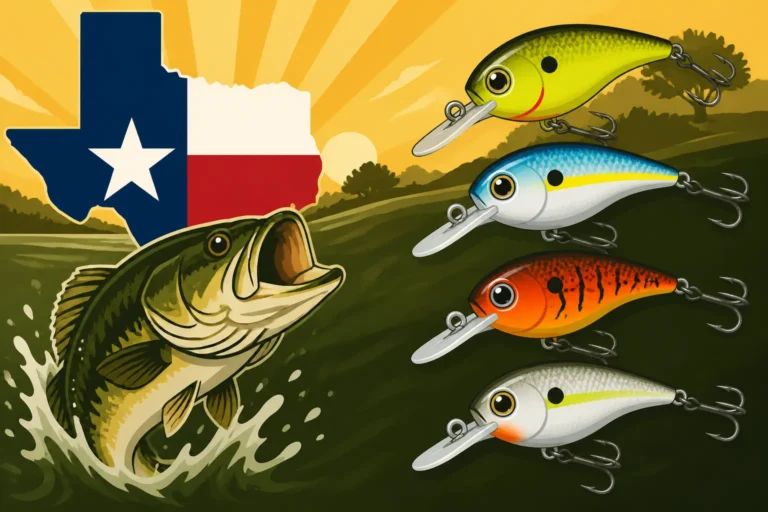
- Crankbaits: Dive-depth specific crankbaits are essential. Have a few shallow runners, medium divers, and deep divers. Colors should range from natural baitfish patterns (shad, bluegill) to more vibrant options for stained water (chartreuse, firetiger). Lipless crankbaits are also deadly, especially for covering water or during the white bass run.
- Spinnerbaits and Chatterbaits: These are fantastic for covering water, fishing around sparse cover, or when the bass are aggressive. Blade combinations (willow leaf, Colorado) and skirt colors (white, chartreuse, black & blue) offer versatility. Chatterbaits (bladed jigs) provide a unique vibration and flash that bass can't resist.
- Topwater Lures: When the conditions are right, nothing beats a topwater strike! Poppers, walking baits (like a Zara Spook), and prop baits are essential. Early mornings, late evenings, and overcast days are prime topwater times, especially in warmer months.
- Jigs: Flipping jigs, pitching jigs, and football jigs are indispensable for targeting bass in heavy cover, around docks, or on offshore structure. Pair them with a variety of plastic trailers (craws, chunks) in matching or contrasting colors.
Having a dedicated utility box for each of these lure categories, or at least for soft plastics and hard baits, makes it incredibly easy to find what you need without a fuss. A tackle binder for soft plastics, where bags of worms and creatures are stored flat, can also save a ton of space and prevent your plastics from getting bent or mangled.
Catfish and Crappie Essentials
Beyond bass, Texas offers incredible fishing for catfish (channel, blue, and flathead) and crappie (white and black). Your tackle box should have specific items to target these delicious species.
- For Catfish: You'll need an array of terminal tackle.
- Hooks: Circle hooks are highly recommended as they tend to hook fish in the corner of the mouth, making for easier release and reducing gut-hooking. Sizes from 2/0 to 8/0 will cover most catfish. Treble hooks can also be used for stink bait.
- Weights: Sinkers of various sizes, from 1/2 oz up to 3 oz or more for strong currents, are necessary. Egg sinkers, no-roll sinkers, and pyramid sinkers are common.
- Line: Heavier monofilament or braided line (20-50 lb test) is often preferred for catfishing due to their strong fights and potential for large sizes.
- Baits: While not kept in the tackle box, be prepared with stink baits, cut bait (shad, perch), chicken livers, or live worms. You might want a separate, small, airtight container for prepared baits. For more on this, consult Best Catfish Bait for Texas Lakes.
- For Crappie: These panfish are a blast to catch and excellent table fare.
- Jigs: Small jigs (1/32 to 1/8 oz) with soft plastic bodies are the go-to. Colors like chartreuse, white, black, and pink are popular.
- Minnows: Live minnows are incredibly effective for crappie, so have appropriate small hooks (size 2-6 light wire Aberdeen or Kahle hooks) and split shots if you plan to use live bait.
- Bobbers: Small slip bobbers or clip-on bobbers are essential for presenting baits at specific depths.
- Tubes and Grubs: Tiny tube jigs and curl-tail grubs are also highly effective, especially when fished around brush piles or standing timber. Need tips for cold water? Check out How to Catch Crappie in Cold Water.
For these species, a smaller, dedicated utility box with specific compartments for hooks, weights, and small jigs can prevent them from getting lost or mixed in with your larger bass tackle.
Terminal Tackle for Freshwater
Regardless of your target species, some terminal tackle items are universally essential for freshwater angling in Texas.
- Swivels and Snaps: Ball bearing swivels and snap swivels are crucial for preventing line twist, especially with spinnerbaits or when retrieving lures quickly. They also make changing lures faster.
- Leaders: Fluorocarbon leaders are excellent for increasing stealth in clear water, and heavier monofilament leaders can offer abrasion resistance when fishing around rocks or timber.
- Pliers/Forceps: A good pair of multi-tool pliers is indispensable for removing hooks, cutting wire, and crimping sleeves. Forceps are great for smaller hooks and delicate extractions.
- Line Cutters: Small, sharp line cutters (or nail clippers) are always needed.
- Weights: Beyond the specific weights mentioned for bass and catfish, having an assortment of split shots and small bell sinkers is always smart for various rigs.
- Extra Line: A spare spool of your primary fishing line is a lifesaver if you get a major bird's nest or excessive line damage. Many anglers keep a small spool of leader material too.
- Indicators: For finesse fishing or detecting subtle bites, small strike indicators can be very useful.
Keeping these items in a small, easily accessible compartment within your main tackle box or in a separate utility box ensures you're never scrambling when you need to re-tie or adjust your rig. For example, a small, waterproof utility box from a brand found on Amazon could be perfect for these smaller, critical items.
Key Saltwater Tackle Components for Texas Coasts
Venturing into the Gulf Coast waters of Texas demands a specialized tackle setup that can withstand the corrosive saltwater environment and effectively target the unique species found there. Your tackle box for the bay, surf, or jetty needs to be rugged, resistant to rust, and stocked with lures and terminal tackle designed for brackish and saline conditions.
Redfish and Speckled Trout Necessities
Redfish and speckled trout are two of the most popular game fish on the Texas coast, known for their aggressive strikes and strong fights. An effective tackle box will be geared towards these species.
- Soft Plastics and Jig Heads: This combination is arguably the most versatile for both reds and trout. Stock up on shrimp imitations, paddle-tail swimbaits, and worm/fluke style baits. Popular colors include 'new penny' (copper/brown), 'chartreuse' (for stained water), 'watermelon red flake', and 'pearl white'. Pair these with a variety of jig head weights (1/8 oz to 1/2 oz) to match depth and current, ensuring they have good quality, corrosion-resistant hooks. Many experienced anglers keep a dedicated utility box just for their favorite soft plastics, often sorted by color and size. Check out our Texas Redfish Fishing Guide and Texas Speckled Trout Fishing Guide for more in-depth strategies.
- Topwater Lures: Much like bass, redfish and speckled trout will readily attack topwater lures during low-light conditions, especially during spring and fall. "Walking the dog" style lures in bone, chrome, or clear with a rattle are highly effective. Keep a few sizes and colors to match the baitfish present.
- Spoons: Gold and silver spoons are classics for a reason – they imitate fleeing baitfish and can be cast a mile, making them great for covering flats or targeting schooling fish. Ensure they are saltwater-grade and corrosion-resistant.
- Cork Rigs (Popping Corks): These are absolute staples for Texas saltwater. A popping cork creates noise and splash, attracting fish to your suspended live bait (shrimp, mullet) or soft plastic under the cork. Have various sizes and colors.
When selecting lures, prioritize those with strong, sharp, corrosion-resistant hooks. Many lures come with cheaper hooks that will rust quickly; it's often worth upgrading these hooks before your first trip.
Flounder and Bay Favorites
Beyond reds and trout, Texas bays offer great opportunities for flounder and a variety of other species that require slightly different tackle approaches.
- Flounder Rigs: Flounder are ambush predators, often found on sandy or muddy bottoms near structure. Their unique mouth requires specialized rigs.
- Jig Heads: Heavier jig heads (1/4 oz to 3/4 oz) with plastic grubs or Gulp! shrimp are very effective.
- Live Bait Rigs: A simple Carolina rig with a kahle or treble hook (size 1 to 2/0) and a live mud minnow, finger mullet, or shrimp is a flounder killer. Keep an assortment of egg sinkers and swivels for these rigs.
- Flounder Gigs: If you're into gigging, that's a whole other set of gear, but your tackle box should at least support the rod-and-reel methods. For understanding the season, read Texas Flounder Season and Limits.
- Leader Material: Fluorocarbon leader (20-40 lb test) is almost a necessity in saltwater. It's more abrasion-resistant than monofilament and less visible to fish in clear water. Have a spool of it readily available.
- Heavy Bottom Fishing Gear: For fishing from piers, jetties, or anchored boats targeting species like black drum, sheepshead, or larger redfish, you'll want heavier terminal tackle.
- Weights: Pyramid sinkers, surf sinkers, and spider weights (to hold bottom in current) ranging from 1 oz to 6 oz or more.
- Hooks: Kahle hooks, circle hooks, and J-hooks in sizes appropriate for large baits (shrimp, crab, cut bait), typically 1/0 to 5/0.
- Heavy Duty Swivels: Barrel swivels and heavy-duty snap swivels that can handle larger fish and heavier lines.
Consider having a separate, small, highly waterproof box just for your most essential saltwater terminal tackle like hooks, swivels, and weights. The salt air and spray can be merciless on metal components, even those advertised as "saltwater proof."
Terminal Tackle for Saltwater
Just like in freshwater, certain terminal tackle items are non-negotiable for saltwater fishing, but with an emphasis on corrosion resistance and strength.
- Pliers and Hook Removers: Saltwater-grade pliers made from stainless steel or aluminum are vital. They need to be robust enough to cut braided line, crimp sleeves, and remove hooks from toothy fish. Long-nosed pliers or de-hooking tools are also excellent for safely removing hooks. A good investment here pays off quickly.
- Line Clippers: A good pair of line clippers (preferably stainless steel) is crucial.
- Fillet Knife and Sharpener: If you plan on keeping your catch, a sharp fillet knife is essential. Keep it separate from your tackle, but always accessible.
- Sunscreen and Insect Repellent: These aren't tackle, but they are absolutely critical for comfort and safety on the Texas coast. Keep travel-sized bottles in an external pocket of your bag.
- First-Aid Kit: Small, waterproof first-aid kits are a must for dealing with cuts, scrapes, or hook punctures – which, let's be honest, happen to the best of us.
- Extra Spools of Line: Just like freshwater, having extra spools of fluorocarbon leader material and main line (braid or mono) is smart. Saltwater can be brutal on line, so re-spooling might be necessary after a tough trip or if you encounter excessive abrasion.
- Gloves: Fishing gloves can protect your hands from sun, abrasion, and fin spines, especially when handling rough fish like redfish or stingrays.
Remember, the saltwater environment is harsh. Regularly rinse all your tackle (especially metal components) with fresh water after each trip and allow them to air dry completely before storing them. This simple act will significantly extend the life of your gear.
Organization Strategies and Maintenance Tips
Having the right tackle is only half the battle; keeping it organized and in good condition is what separates a successful, stress-free angler from one constantly battling tangled lines and rusty hooks. Effective organization saves time, prevents frustration, and prolongs the life of your valuable gear.
Logical Layouts and Labeling
The key to a truly efficient tackle box setup is a logical and intuitive layout. Think about how you fish and what you need to access quickly.
- Sort by Lure Type/Size: For soft plastics, dedicate a utility box or a binder page to each major category (worms, craws, flukes) and then sort by color or size within those. For hard baits, group crankbaits by diving depth, topwaters by action (popper, walking bait), and jigs by weight or trailer type. This allows you to quickly grab the right bait for the situation.
- Separate Terminal Tackle: Keep hooks, weights, swivels, and beads in their own small, compartmentalized utility boxes. You might even have a box specifically for bass terminal tackle and another for saltwater. Within these boxes, use dividers to separate different hook sizes or weight types. Imagine needing a specific Best hook size for Texas crappie fishing and knowing exactly where to find it.
- Label Everything: This might seem overkill, but trust me, it’s a game-changer. Use a permanent marker and label your utility boxes with their contents (e.g., "Bass Jigs 1/2 oz," "Saltwater Soft Plastics – Pearl," "Catfish Hooks & Weights"). For soft plastic bags, use a small piece of painter's tape to note the color and size if the original packaging is damaged or missing. This is especially helpful if you own a variety of similar-looking baits or have multiple boxes that look alike.
- Prioritize Accessibility: Place your most frequently used items in the most accessible spots. If you primarily throw Texas rigs for bass, ensure your worm hooks, bullet weights, and favorite soft plastics are within easy reach. Tools like pliers, line cutters, and a measuring tape should always be in an external pocket or a top tray for instant access.
Many anglers find that using clear utility boxes helps immensely, as you can see the contents without opening each one. Bass Pro Shops and Amazon offer a wide range of clear utility boxes that are perfect for this strategy.
Seasonal and Situational Adjustments
Texas fishing is dynamic, with conditions changing dramatically throughout the year and even day to day. A truly effective tackle box isn't static; it evolves with the seasons and situations.
- Seasonal Swaps: Just like you swap out your wardrobe, you should consider seasonal tackle adjustments. In spring, when bass are spawning, you’ll want more creature baits, jigs, and perhaps smaller finesse baits. In summer, when fish go deep or become more lethargic in the heat, deep diving crankbaits, heavy jigs, and night fishing lures might dominate your freshwater box. For saltwater, the flounder run in the fall means a focus on flounder rigs and jigging plastics. Don't be afraid to pull out tackle that's irrelevant for the current season and store it safely until it's needed again.
- Situational Kits: Consider creating small, specialized kits for specific scenarios. For instance, a "clear water finesse kit" might include drop shot weights, small worms, and light fluorocarbon leaders. A "muddy water kit" could have bright-colored crankbaits, spinnerbaits with large thumping blades, and rattles. If you're planning a trip to a new lake, research the specific forage and conditions, and build a small kit tailored to that trip. This prevents you from hauling your entire collection when only a few specific items are likely to be effective.
- Weight Management: It's easy to overpack. Regularly review your tackle and remove anything you haven't used in a long time, or items that are broken beyond repair. A lighter, more streamlined tackle box is easier to carry and more efficient to use.
This flexible approach ensures your tackle box is always optimized for the moment, rather than being a catch-all that's never quite right. Having a dedicated space in your garage or tackle room to store your "off-season" boxes and bulk tackle makes these swaps easy and efficient.
Cleaning and Maintenance for Longevity
The elements are harsh on fishing gear, especially in Texas. Proper cleaning and maintenance are critical to extending the life of your tackle and ensuring it performs when you need it most.
- Rinse After Saltwater Use: This cannot be stressed enough. After every saltwater trip, open up your utility boxes and thoroughly rinse all lures, hooks, and metal components with fresh water. Allow everything to air dry completely, preferably in the sun, before closing the boxes. Even "saltwater-grade" hooks and lures will corrode if left uncared for.
- Inspect Hooks: Before and after each trip, inspect all your hooks for rust, dullness, or bends. Replace rusty hooks immediately. Sharpen dull hooks with a hook sharpener. A sharp hook is paramount for good hooksets.
- Check Lures: Look for cracked crankbait lips, broken spinnerbait skirts, or damaged soft plastics. Replace or repair as needed. Store soft plastics away from heat to prevent melting or sticking.
- Clean Your Box/Bag: Periodically empty your tackle box or bag and clean it out. Wipe down hard surfaces, and for soft-sided bags, vacuum out debris and wipe down with a damp cloth. This prevents grime buildup and keeps your tackle system looking and functioning well.
- Lubricate Zippers: For soft-sided bags, especially those used in saltwater, regularly lubricate zippers with a silicone spray or wax stick to keep them running smoothly and prevent corrosion.
- Store Properly: When not in use, store your tackle box in a cool, dry place, out of direct sunlight. Avoid leaving it in your car where extreme temperatures can warp plastics or melt soft baits.
A well-maintained tackle box not only performs better but also saves you money in the long run by preventing premature wear and tear on your gear. Taking a few minutes after each trip for maintenance will make a huge difference in your overall fishing experience.
Disclaimer
This article is for general informational purposes only and does not constitute professional advice. Laws, prices and regulations vary by location and change over time. Consult a qualified professional for guidance on your specific situation.