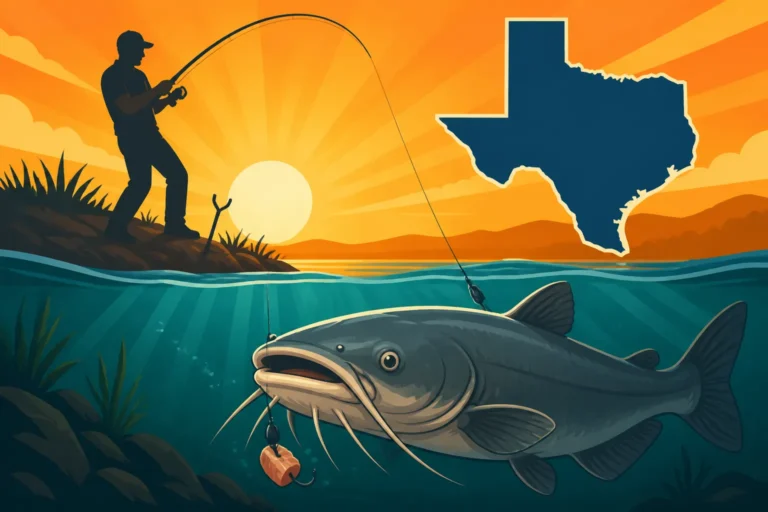
Best Catfish Bait for Texas Lakes
You’ve been out on a Texas lake, rods set, lines in the water, but nothing’s biting. You start wondering if you’re using the right bait for those elusive catfish. It’s a common frustration, isn't it? You see other anglers reeling them in, and you’re left scratching your head. This comprehensive guide is here to cut through the confusion and help you discover the absolute best catfish bait for Texas lakes, ensuring your next trip is more successful and, frankly, more fun.
Understanding Texas Catfish and Their Diets
Before we even talk about specific baits, it’s super important to understand the different kinds of catfish we're chasing here in Texas and what generally makes them tick. These aren't all one-size-fits-all critters when it comes to their dinner plate. Knowing their typical feeding habits and preferred menu items is your first big step toward filling that cooler.
General Catfish Feeding Habits
Catfish are fascinating creatures, primarily bottom feeders with incredible senses that make them highly efficient predators and scavengers. They rely heavily on their barbels – those whisker-like protrusions around their mouths – which are packed with taste buds. These barbels allow them to "taste" and "smell" their environment, picking up on the subtlest chemical cues in the water, even in murky conditions. This is why scent is such a critical factor in effective catfish bait.
Beyond their sensory capabilities, catfish are opportunistic eaters. They'll munch on whatever is available and easy to catch. This includes small fish, insects, crustaceans, worms, and even decaying organic matter. They’re not picky eaters in the way a largemouth bass might be, but they do have distinct preferences based on their species, size, and the specific environment they inhabit. Understanding this generalist approach, combined with their strong reliance on scent, is key to selecting the most attractive bait.
Species-Specific Catfish Diets in Texas
Texas waters are home to three primary species of catfish: Channel Catfish, Blue Catfish, and Flathead Catfish. While they share some similarities, their dietary preferences diverge quite a bit, making bait selection crucial. You can learn more about these fish in our comprehensive guide, "Texas Catfish Species Guide."
Channel Catfish are the most widespread and are truly omnivorous. They’ll eat almost anything from small fish, insects, and crawfish to berries, seeds, and even algae. They are particularly attracted to strong-smelling baits. Think about anything pungent or a bit "off" – that's often a channel cat magnet. They're typically found in rivers, streams, and reservoirs, thriving in a variety of water conditions.
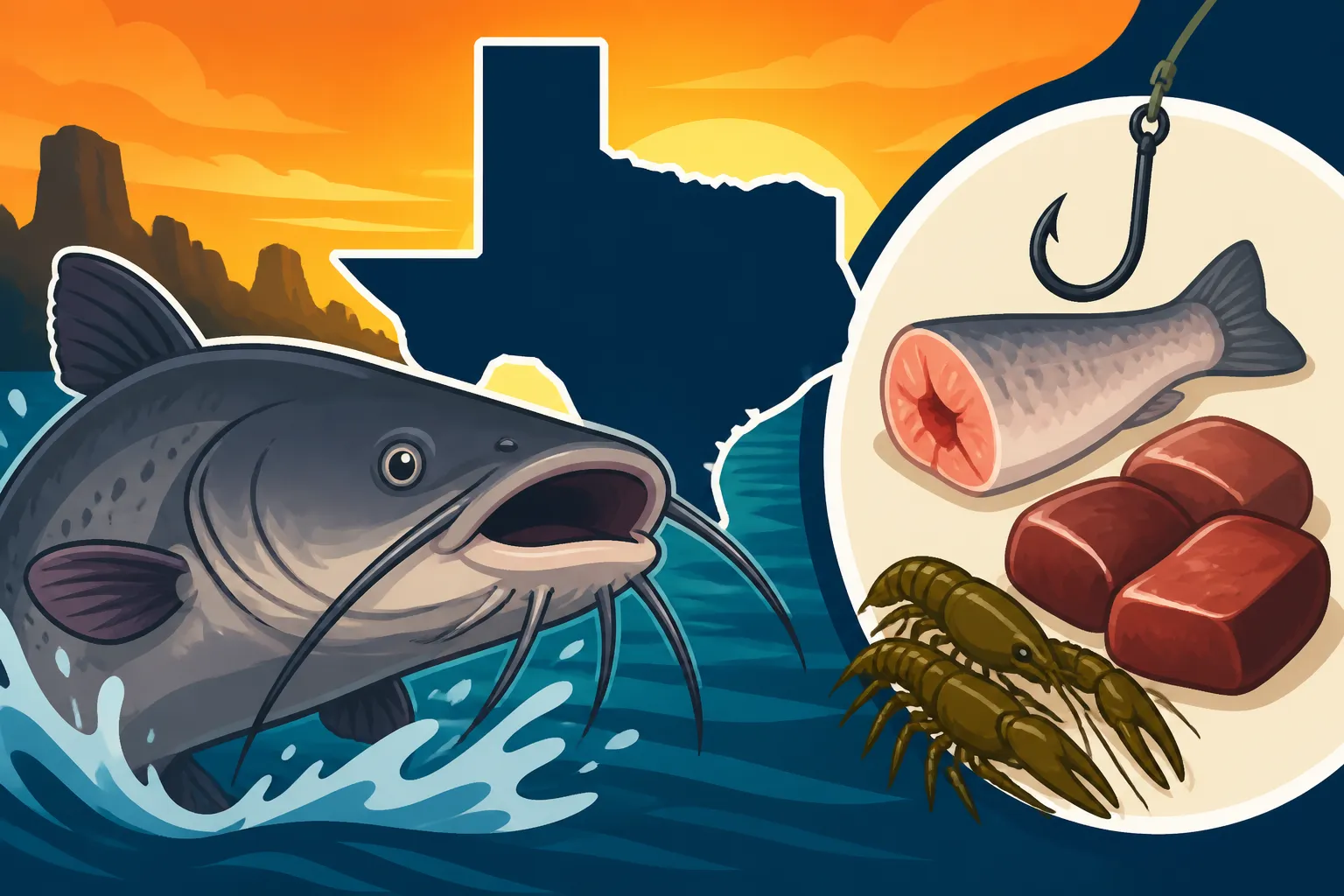
Blue Catfish, on the other hand, are much more piscivorous, meaning they primarily eat other fish. As they grow larger, their diet shifts almost exclusively to fish like shad, carp, and even smaller game fish. They are also known to scavenge on dead fish. Blue cats are the giants of the Texas catfish world, often found in large reservoirs and major river systems. For big blues, you've got to use big, fresh cut bait.
Flathead Catfish are the true ambush predators of the catfish family. Unlike their scavenging cousins, flatheads prefer live prey. They will hide in structure – submerged timber, rock piles, or undercut banks – waiting to ambush unsuspecting live fish like sunfish, perch, or small carp. They are not typically interested in stink baits or cut baits once they reach a decent size. If you're targeting trophy flatheads, live bait is almost always the answer. For more detail on identifying these species, check out "Texas Channel Catfish Identification Guide," "Texas Blue Catfish Identification Guide," and "Texas Flathead Catfish Identification Guide."
Natural Baits: The Tried-and-True Favorites
When it comes to catfish fishing, sometimes the simplest, most natural options are the best. These are the baits that catfish encounter in their everyday environment, making them instantly recognizable and often irresistible. From wriggling worms to freshly cut fish, natural baits are staples for a reason.
Live Baits for Flathead and Blue Catfish
For targeting those impressive Flathead Catfish, especially the bigger ones, live bait is king. Flatheads are predatory by nature and prefer to ambush live, struggling prey. Small sunfish (like bluegill or green sunfish), shad, or small carp are excellent choices. The key is to keep them lively on the hook, as their movement and vibrations are what attract the flathead. Rigging them through the back, above the lateral line, or through the lips allows them to swim naturally and stay alive longer.
Similarly, large Blue Catfish also have a strong preference for live or very fresh cut bait. While they'll certainly hit cut bait, a live shad or perch can sometimes entice a bite when nothing else will, especially from a cautious trophy blue. You want your live bait to be locally sourced if possible, as fish from the same water body are what the resident catfish are accustomed to feeding on. Make sure to check local regulations regarding the use of live baitfish, as some areas may have restrictions to prevent the spread of invasive species.
Cut Baits: A Scent Trail for Blues and Channels
Cut bait is arguably the most popular and effective bait for Blue Catfish and is also highly effective for Channel Catfish. The beauty of cut bait lies in its ability to release a powerful scent trail into the water, drawing catfish in from a distance. Freshness is paramount here. The fresher the cut bait, the more blood and oils it will release, and the more appealing it will be. Common choices for cut bait in Texas include shad (gizzard shad, threadfin shad), carp, perch, and even mullet or buffalo.
To prepare cut bait, you can either use chunks, strips, or fillets. For smaller Channel Cats, a one-inch chunk might be perfect. For larger Blue Cats, you might use a 2-4 inch steak or a large fillet strip. Hooking the bait securely is important so it doesn't get torn off by smaller fish or current. The trick is to have enough bait on the hook to appeal to a larger cat but not so much that it's difficult for them to get it in their mouth. For more on rigging, check out our guide on "How to Rig Cut Bait for Catfish."
Worms and Insects: Classic Channel Catfish Temptations
Ah, the humble worm! For generations, earthworms, especially nightcrawlers, have been a go-to bait for Channel Catfish and smaller Blues. Their wriggling action and natural scent are irresistible to hungry catfish. You can buy them at almost any bait shop or even collect your own after a good rain. Bunching several worms on a hook creates a larger, more appealing target and increases the scent signature.
Beyond worms, many insects can also be fantastic catfish baits. Grasshoppers, crickets, and even cicadas (when they’re abundant) are natural food sources for catfish, particularly those living in rivers and smaller ponds where these insects might fall into the water. For a more unique, yet highly effective option, some anglers swear by shrimp – particularly those that have started to get a little "ripe." The strong smell of slightly fermented shrimp can be a powerful attractant for Channel Cats. These baits are generally easy to acquire and use, making them excellent choices for casual anglers or those fishing with kids.
Prepared & Processed Baits: Scented Powerhouses
While natural baits have their undeniable charm, sometimes you need something with an extra punch, a scent that screams "dinner" across the water. That's where prepared and processed baits come into play. These are often designed to be super pungent, durable, and highly attractive to catfish.
Stink Baits and Dough Baits
Stink baits are exactly what they sound like – baits formulated with incredibly strong, often foul odors designed to mimic decaying organic matter, which is a huge draw for Channel Catfish and smaller Blue Catfish. They come in various forms, including pastes, dips, and chunks. Brands like Berkley PowerBait Catfish Bait or Sonny's Super Sticky Baits are popular choices. The consistency can be tricky; some are very soft and require special bait holders (like sponge hooks or plastic worms with ridges) to stay on the hook.
Dough baits are similar but often have a different texture and sometimes a milder (though still potent to a cat) scent profile. They are often made from a mixture of flour, cornmeal, cheese, garlic, and other ingredients, sometimes with a fermentation process to enhance the smell. Many anglers enjoy making their own secret dough bait recipes. These baits appeal to the omnivorous nature of Channel Catfish and are generally easy to mold around a hook. When fishing with either stink or dough bait, remember that the goal is a consistent scent trail, so don't be afraid to refresh your bait regularly, especially if you're not getting bites.
Punch Baits: Holding Power and Potent Scent
Punch baits are a special category of prepared baits, typically very thick and sticky, designed to adhere to a treble hook when "punched" into the container. They are renowned for their incredible holding power on the hook and their potent, long-lasting scent. Often made with a base of cheese, blood, and other strong-smelling ingredients, punch baits are a favorite among serious catfish anglers in Texas. Brands like Catfish Pro or Secret 7 are widely used and often available at local tackle shops or online. You can sometimes find bulk tubs of effective punch bait on Amazon.
The advantage of punch bait is that it stays on the hook even in strong currents or when pecked at by smaller fish, meaning you spend more time fishing and less time re-baiting. This is particularly valuable when targeting larger Channel or Blue Catfish that might take a moment to commit to a bite. To use them, you simply press a treble hook into the bait, give it a twist, and pull it out, leaving a blob of sticky, stinky goodness on your hooks. Just be warned: they live up to their "stink" name, so dedicated bait towels and gloves are often recommended!
Manufactured Pellets and Chunks
Beyond the custom concoctions, there’s a whole world of manufactured pellets and chunks that can be surprisingly effective. These often include commercial fish foods, trout chow, or even specialized catfish nuggets. While not as universally potent as some stink baits, they offer convenience and a consistent product. Many of these contain fish meal, grains, and attractants that catfish readily recognize as food.
One popular option is using cheap dog or cat food kibble, which can be soaked to soften it or mashed into a paste. While not as effective as dedicated catfish baits, they can certainly catch smaller Channel Cats and provide a cost-effective alternative for high-volume baiting. Some anglers even use fermented grain mixtures, often soaked in a bucket for several days, to create a pungent, irresistible mush. These tend to work best in calmer waters where the bait can dissolve slowly, creating a lingering scent cloud that draws catfish in.
Unconventional Baits: Thinking Outside the Tackle Box
Sometimes, the best bait isn't found in the tackle shop but in your pantry or even the grocery store. Catfish are notoriously opportunistic, and some seemingly strange items can be absolute dynamite, especially for Channel Catfish. These "unconventional" baits often have a unique scent or texture that triggers a strong feeding response.
Chicken Livers and Other Entrails
Chicken livers are a legendary catfish bait, especially for Channel Catfish. Their soft texture, combined with a strong, bloody scent, makes them incredibly appealing. The challenge, however, is keeping them on the hook due to their delicate nature. Many anglers use special bait holders, wrap them in nylon netting, or simply thread them multiple times onto a treble hook to improve retention. For tougher options, chicken gizzards or even parts of beef heart can be effective and stay on the hook better, though they don't release as much immediate scent as liver.
To boost the effectiveness of chicken livers, some anglers let them "ripen" slightly in the sun for a few hours (or even days, for the truly brave!) before fishing. This enhances the smell significantly. Another trick is to marinate them in garlic powder, kool-aid, or a mixture of salt and sugar to toughen them up and add extra scent. You can often find pre-packaged chicken livers at grocery stores, making them a readily available and inexpensive option. They’re messy, no doubt, but few baits consistently produce Channel Cats like a good ol’ chicken liver.
Hot Dogs and Franks
It might sound odd, but plain old hot dogs (or Vienna sausages) can be incredibly effective for Channel Catfish, particularly in smaller ponds, rivers, and urban fishing spots. Their processed meat smell, often combined with garlic or other seasonings, seems to hit just the right note for hungry cats. They’re also durable, staying on the hook well, and are incredibly easy to acquire.
Many anglers "supercharge" their hot dogs by cutting them into chunks and soaking them in various concoctions. Marinades can include garlic powder, red Kool-Aid (for color and sweetness), vanilla extract, or even a dash of fish oil. Letting them soak overnight in a sealed container can infuse them with powerful attractants. When fishing with hot dogs, a simple circle hook threaded through a chunk works wonders. This is an excellent bait for beginners, kids, or anyone looking for a low-cost, low-mess option that still gets results.
Soap Baits
This is one that might raise eyebrows, but certain types of soap, particularly strong-smelling brands, have been used as catfish bait for decades. The logic is that the animal fats and strong perfumes in some soaps can mimic the oils and decaying matter that catfish are attracted to. Ivory soap, in particular, has a cult following among some traditional catfishermen.
To use soap as bait, you simply cut it into small, hook-sized chunks. It’s surprisingly durable and stays on the hook well. While not as universally effective as cut bait or stink bait, it's a cheap, easy-to-store option that can sometimes produce surprising results, especially for Channel Catfish in specific waterways. It's an old-school trick that harkens back to a time when anglers experimented more freely, and it’s a fun one to try if you’re feeling adventurous and want to use something truly "outside the box."
Matching Your Bait to Texas Catfish Species and Conditions
Successfully catching catfish isn’t just about having the "best" bait; it's about having the right bait for the right fish in the right conditions. Understanding the nuances of each Texas species and how environmental factors influence their feeding will dramatically improve your catch rate.
Channel Catfish Preferences
Channel Catfish are the most common and arguably the most forgiving catfish species in Texas. As true omnivores, their diet is incredibly varied, making them susceptible to a wide array of baits. They are highly attracted to strong, often pungent, smells. Think about it: a Channel Cat cruising murky water is relying on its powerful sense of smell to locate food.
For these reasons, cut bait (especially shad, carp, or even shrimp), stink baits (both commercial varieties and homemade concoctions), punch baits, and chicken livers are consistently top producers. Worms, hot dogs, and even corn or cheese also work well, especially for smaller to medium-sized Channel Cats. If you're fishing a pond or a smaller river, the strong scent of a prepared bait or a bloody chicken liver will often draw them in quickly. When fishing for them, consider a setup that allows the scent to disperse effectively, such as a Carolina rig with a medium-sized hook.
Blue Catfish Preferences
Blue Catfish, especially the larger ones, are predominantly piscivorous, meaning they prefer fish. As they grow, their diet shifts almost entirely away from insects and smaller invertebrates to shad, carp, perch, and other baitfish. This makes fresh cut bait, particularly fresh shad or carp, the undisputed champion for targeting big blues in Texas's major reservoirs like Lake Texoma or Lake Livingston. They are also known to scavenge, so a slightly "ripe" piece of cut bait can be incredibly effective.
Live bait, like a struggling bluegill or a small shad, can also be a fantastic option, particularly if the blues are being picky or you're targeting a true trophy. While some smaller blue cats might take stink bait, it's generally not the go-to for the larger specimens. When fishing for Blue Catfish, use larger hooks (like a 5/0 to 8/0 circle hook) and sturdy tackle, as these fish can grow to impressive sizes. You'll want to target deeper channels, humps, and ledges where baitfish congregate, presenting your fresh cut or live bait right in their wheelhouse. Don't forget to check the Texas Blue Catfish Length and Bag Limit before your trip!
Flathead Catfish Preferences
Flathead Catfish stand apart from their cousins due to their highly predatory nature. Unlike Channel and Blue Cats, flatheads strongly prefer live bait. They are ambush predators that lie in wait for unsuspecting live fish to swim by. This means that if you’re serious about catching a trophy flathead, you pretty much need to stick to live bait.
The best live baits for flatheads are hardy, native baitfish found in the same water body, such as sunfish (bluegill, green sunfish), small carp, or suckers. The size of your live bait should match the size of the flathead you’re hoping to catch – bigger flatheads want bigger bait. Hook your live bait through the back or lips to keep it active and swimming naturally. Forget the stink baits, the punch baits, and even most cut baits for flatheads; they simply don't respond to them in the same way. You'll find these fish near heavy cover like log jams, submerged trees, or rock piles in rivers and reservoirs. Fishing for them requires patience, as they can be less active than other catfish species, but the reward of a big flathead is truly something special. Be sure to be aware of the Texas Flathead Catfish Minimum Length Limit to stay compliant.
Seasonal and Water Condition Adjustments
Catfish feeding habits, and thus their bait preferences, can shift dramatically with the seasons and water conditions. What works great in the spring might be a bust in the scorching Texas summer.
In spring, as water temperatures rise, catfish become more active and start feeding aggressively after the slower winter months. This is a fantastic time for a wide variety of baits. For Channel Cats, stink baits and chicken livers are excellent. For Blues, fresh cut bait becomes highly effective as they move into shallower areas. Flatheads will also start hitting live bait with more enthusiasm.
During the hot Texas summer, catfish often retreat to deeper, cooler waters during the day. Night fishing for catfish becomes incredibly popular and productive when the temperatures drop. Strong-smelling baits like punch baits, cut bait, and chicken livers become even more critical because they help attract fish from a distance in deeper water or low light. For blue and flathead catfish in deep water, knowing How Deep Do You Fish for Catfish in Summer can make a huge difference.
In fall, as water temperatures begin to cool, catfish often go on a feeding frenzy to bulk up for winter. This can be a prime time for both cut bait and live bait for all three species. They'll be more aggressive and often more willing to chase bait.
Finally, in winter, catfish activity slows down considerably. They tend to congregate in deep holes, channels, and thermal refuges. While fishing can be tougher, patient anglers can still find success using fresh, larger pieces of cut bait or live bait presented slowly right in their cold-water haunts. Scent remains vital, but a slower presentation is often key. Water clarity also plays a role; in muddy water, rely heavily on pungent baits. In clearer water, fresher, more natural-looking baits might be better.
| Bait Type | Target Species (Primary) | Key Feature | Best Use Scenario | Pros | Cons |
|---|---|---|---|---|---|
| Fresh Cut Bait | Blue Catfish, Channel Catfish | Strong blood/oil scent | Large reservoirs, rivers, trophy blues | Highly effective, good for big fish | Can be messy, needs to be fresh |
| Live Bait | Flathead Catfish, Large Blue Catfish | Natural movement, irresistible | Near structure, ambush points, trophy flatheads | Best for flatheads, attracts big fish | Harder to keep alive, regulation limits |
| Stink Bait | Channel Catfish | Potent, foul odor | Ponds, slow rivers, general catfishing | Great scent trail, easy to apply | Very messy, soft texture, less selective |
| Punch Bait | Channel Catfish, Smaller Blue Catfish | Super sticky, long-lasting scent | Medium to strong current, high volume | Stays on hook well, consistent scent | Very messy, can be hard to remove |
| Chicken Livers | Channel Catfish | Bloody, rich scent | Ponds, calm rivers, high volume | Inexpensive, highly attractive | Extremely messy, hard to keep on hook |
| Hot Dogs/Franks | Channel Catfish | Processed scent, durable | Family fishing, urban ponds | Easy to use, clean, durable | Less potent than other baits, less selective |
| Worms/Insects | Channel Catfish, Small Blue Catfish | Natural movement, subtle scent | Ponds, small streams, beginner fishing | Universally available, clean, natural | Attracts small fish, less effective for big cats |
Effective Bait Presentation and Rigging
Having the best bait in the world won’t do you much good if you don’t present it properly. The way you rig your bait and where you place it in the water are just as important as the bait itself. Understanding proper techniques will ensure your bait looks appealing and stays put long enough for a hungry cat to find it.
Choosing the Right Rig for Your Bait
The rig you use is crucial for presenting your chosen bait effectively. For most bottom-feeding catfish, a variation of a bottom rig is ideal. The Carolina Rig is a perennial favorite for both cut bait and live bait. It consists of a sliding sinker (like an egg sinker or no-roll sinker) on your main line, followed by a bead (to protect your knot), a swivel, and then a leader (usually 12-24 inches) tied to your hook. This rig allows the catfish to pick up the bait and run without feeling the weight of the sinker immediately, which can lead to more solid hooksets. For a detailed guide on this, see "Best Line for Texas Catfish Rigs."
Another excellent option, especially in areas with current, is a Santee Cooper Rig. This is essentially a Carolina Rig but with a small float added to the leader, just above the hook. The float keeps your bait suspended just off the bottom, preventing it from getting lost in weeds or mud and making it more visible to cruising catfish. This is particularly effective with cut bait or chicken livers. For fishing in snaggy areas, a simple three-way swivel rig can be useful, allowing you to tie a separate dropper line for your sinker, which can break off if snagged, saving your main line and fish. The choice of rig often depends on the type of bait, the water conditions, and the structure of the lakebed.
Locating Catfish for Bait Placement
Even the most irresistible bait needs to be placed where the catfish are. Catfish are often found near structure, in deeper channels, or where food sources are abundant. For Channel Catfish, look for humps, submerged timber, creek channels, and the edges of weed beds. They will also congregate around areas where current delivers food, such as river bends or dam discharges. Small ponds and urban lakes often hold good numbers of Channel Cats, which can be found cruising the entire water column but typically feed near the bottom.
Blue Catfish are often found in large, open water reservoirs and major river systems. They prefer deeper channels, ledges, humps, and submerged roadbeds, especially during the day. Look for schools of baitfish (often indicated by diving birds or disturbances on the surface) – where the baitfish are, the blue cats are usually not far behind. A good fish finder can be invaluable for locating these deeper structures and baitfish schools.
Flathead Catfish are notorious for holding tight to heavy cover. Log jams, undercut banks, rock piles, and deep holes with submerged timber are prime flathead territory. They are ambush predators, so they’ll sit in these hiding spots, waiting for prey. Presenting live bait right into or at the edge of this heavy cover is key. Knowing How to Catch Catfish in Texas covers many of these location strategies. Remember, catfish often become more active and move into shallower water to feed during low light conditions (dawn, dusk, and night), which is why How to Catch Catfish at Night in Texas is such a popular approach.
Disclaimer
Fishing regulations, including bag and length limits and legal baits, can change. Always consult the latest Texas Parks and Wildlife Department (TPWD) Outdoor Annual or website before heading out to fish. This guide provides general information and recommendations, but it is your responsibility to ensure compliance with all current rules and regulations.