How to Catch Catfish in Texas
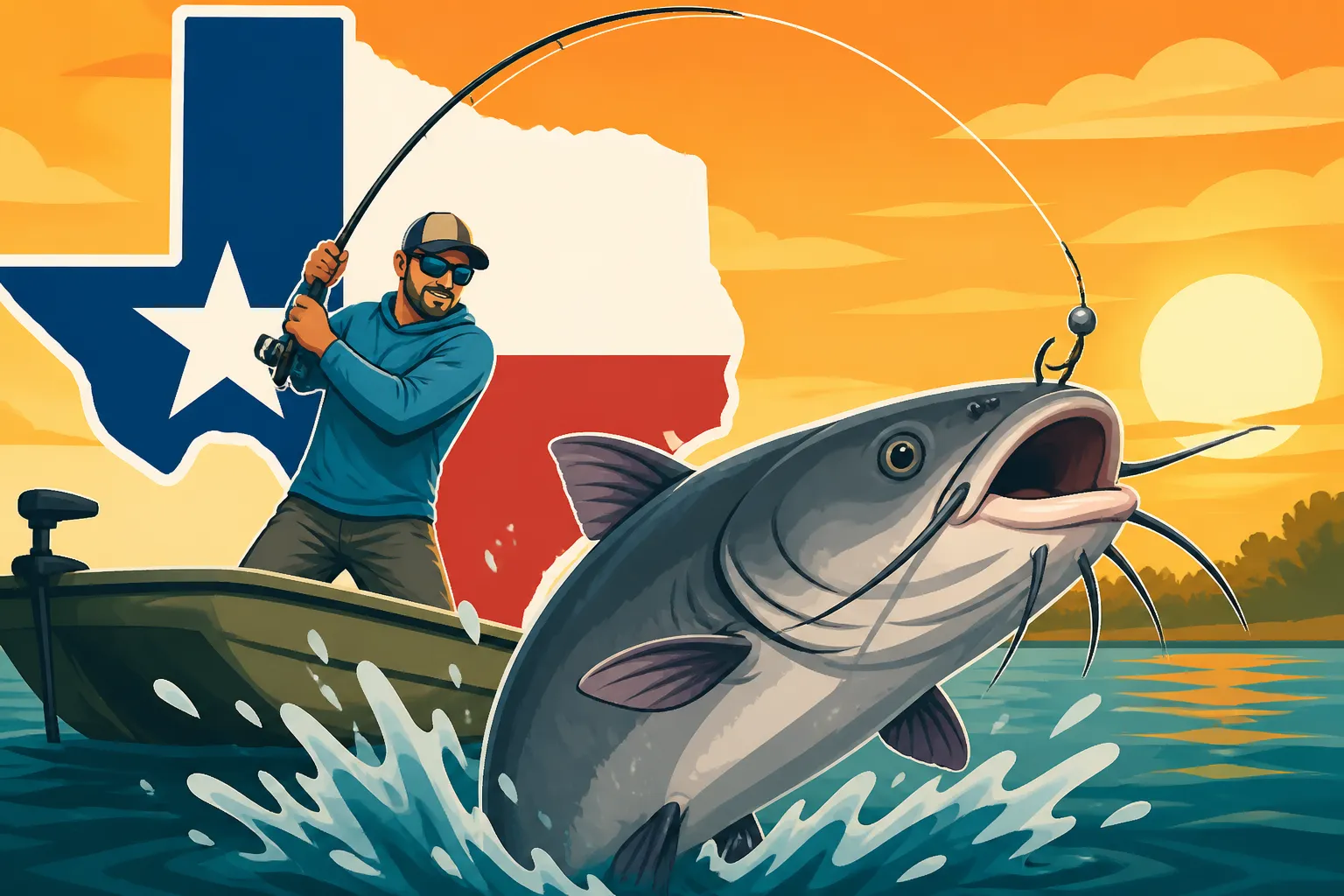
There's nothing quite like the thrill of feeling that distinct tug on your line, knowing it's a powerful catfish on the other end, ready to put up a serious fight. But for many anglers, especially those new to the Lone Star State's vast waters, figuring out how to consistently catch these whiskered wonders can feel like a daunting puzzle. From understanding their diverse habits to selecting the right bait and navigating the endless array of fishing spots, it's easy to get overwhelmed. This comprehensive guide is here to untangle all those complexities, sharing practical, real-world advice to help you land more catfish and truly enjoy the fantastic catfishing opportunities Texas has to offer.
Understanding Texas Catfish Species
Before you can even think about casting a line, it's incredibly helpful to know who you're trying to catch. Texas is home to several species of catfish, each with its own quirks, preferred habitats, and feeding behaviors. Knowing these differences will dramatically increase your success rate and make you a much more adaptable angler. It's not just about "a catfish" – it's about targeting the right catfish for the situation.
Blue Catfish
The blue catfish is the heavyweight champion of Texas freshwater, the fish that dreams of breaking state records are made of. These are true monsters of the deep, known for their immense size, powerful runs, and schooling tendencies. They are highly sought after by trophy hunters and commercial anglers alike due to their substantial fillets and fighting prowess. If you're looking for a serious challenge, the blue cat is your target.
Blue cats typically inhabit large rivers and reservoirs, preferring areas with strong currents and deep channels. Think about the main lake bodies, old riverbeds, and deep structural features in massive impoundments like Lake Texoma, Lake Tawakoni, or Lake Livingston. They're often found in schools, especially the smaller "eater" blues, and will follow baitfish concentrations. Larger blues tend to be more solitary or found in smaller groups, lurking in deep holes or near significant underwater structures like ledges, humps, or submerged timber. Their diet primarily consists of other fish – shad, sunfish, carp, and even smaller catfish are all on the menu. This makes fresh cut bait, especially oily species like gizzard shad or carp, an absolute magnet for them. Understanding the nuances of these magnificent creatures is key, and you can learn more about them with our in-depth Texas Blue Catfish Identification Guide.
When you're targeting blue catfish, you're not just fishing; you're often engaging in a strategic hunt. These fish are powerful and require robust gear, but their schooling behavior also means that if you find one, you're likely to find more. They can be found at varying depths depending on the season and water temperature, but during the summer months, they often retreat to cooler, deeper water, especially during the day. In winter, they might congregate in deep holes in the main river channel, becoming a prime target for anglers who brave the cold. Observing how other successful blue cat anglers fish specific bodies of water can provide invaluable insights into their patterns.
Channel Catfish
The channel catfish is arguably the most recognizable and widely distributed catfish species in Texas, and for good reason. These are the "everyman's catfish" – abundant, relatively easy to catch, and fantastic table fare. If you grew up fishing Texas ponds or rivers, chances are your first catfish was a channel cat. They might not reach the gargantuan sizes of blue cats, but they offer consistent action and are a perfect target for anglers of all skill levels, especially families with kids.
Channel cats are incredibly adaptable, thriving in a wide range of habitats from small ponds and streams to large rivers and reservoirs. Unlike blue cats who prefer strong currents, channel cats are comfortable in slower-moving or still waters, often congregating around submerged cover like brush piles, fallen trees, or undercut banks. They're also frequent residents of shallower flats, especially during cooler parts of the day or after a rain event. Their diet is incredibly varied; they are opportunistic omnivores. This means they'll eat everything from insects and crustaceans to small fish, fruits, seeds, and even algae. This diverse palate makes them susceptible to a huge variety of baits, from traditional worms and chicken liver to stink baits and even artificial lures. You can identify them by their distinct forked tail, spotted bodies (though spots can fade with age), and smaller, more slender appearance compared to their blue and flathead cousins. For more details on these ubiquitous fish, check out our Texas Channel Catfish Identification Guide.
Because of their widespread distribution and varied diet, channel cats are often the species targeted in community fishing programs and smaller urban lakes. They're excellent for bank fishing and are often caught incidentally while targeting other species. Their willingness to bite a wide range of baits makes them incredibly fun and rewarding to pursue. While they don't grow to the same monumental sizes as blue cats, a 5-10 pound channel cat can still put up a respectable fight, making them a fantastic sport fish for light to medium tackle.
Flathead Catfish
The flathead catfish is a creature of ambush, a solitary hunter with a distinct, flattened head and protruding lower jaw that gives it a somewhat prehistoric appearance. Unlike the schooling blue cats or the opportunistic channel cats, flatheads are predominantly piscivorous, meaning they prefer live fish as their meal. They are often found in different types of habitats than blues and channels, preferring snag-filled areas where they can lie in wait.
Flatheads typically inhabit slow to moderate current areas in larger rivers and reservoirs, often associating with heavy cover such as log jams, rock piles, or deep undercut banks. They are masters of camouflage, blending into their surroundings as they patiently wait for unsuspecting prey to swim by. They are less likely to be found in open water or schooling like blue cats. Their diet is almost exclusively live fish – bluegill, sunfish, carp, and shad are their favorites. This preference means that live bait, actively presented, is usually the most effective way to entice a strike from a flathead. Using large, lively baits is key to getting their attention. Learn more about identifying these unique predators with our comprehensive Texas Flathead Catfish Identification Guide.
Anglers targeting flatheads often need a different approach. It's about patience and precision, placing a live bait right into their ambush zone. They are not as numerous as channel cats, nor do they typically school like blue cats, making them a more challenging but incredibly rewarding catch for those who seek them out. A large flathead can be an incredible battle, combining brute strength with a dogged determination to stay in the cover where it lives. Their meat is firm and flaky, highly prized by those who manage to land them.
Essential Gear for Texas Catfishing
You wouldn't bring a butter knife to a steak dinner, right? The same goes for catfishing. If you're serious about landing those big, hard-fighting whiskerfish that Texas is famous for, you need the right tools for the job. Going out with inadequate gear is a surefire way to end up frustrated, broken-hearted (when that monster snaps your line!), and empty-handed. Let's break down what you absolutely need to outfit yourself for successful catfishing.
Rods and Reels
When it comes to catfish, especially the larger blue cats and flatheads, you need power. These aren't dainty panfish. They pull hard, run deep, and will test your gear to its limits. This means your rod and reel setup needs to be robust and reliable, capable of handling heavy lines, big baits, and even bigger fish. Skimping here will only lead to disappointment.
For heavy-duty catfishing, most experienced anglers lean towards medium-heavy to heavy power rods, typically between 7 and 10 feet long. The extra length provides better casting distance with heavy sinkers and allows for more leverage when fighting a powerful fish. A moderate-fast action is often preferred, offering enough backbone to set a big hook but enough flex in the tip to absorb sudden runs. Brands like Ugly Stik, Berkley, and Shimano all offer excellent catfish-specific rods that can take a beating. For reels, you have a choice between conventional (baitcasting) reels and heavy-duty spinning reels. Conventional reels are favored by many for their superior cranking power, line capacity for thick mono or braid, and durability, especially when using heavy weights and targeting truly massive fish. Look for models with a strong drag system and a low gear ratio for maximum torque. However, heavy-duty spinning reels, particularly those designed for saltwater or big game, can also be highly effective, offering easier casting for some and excellent drag performance. No matter which you choose, ensure it has a robust metal frame, smooth retrieves, and a high-quality drag. We dive deeper into specific recommendations in our guide on Best Rods for Texas Catfish Fishing.
Consider the size of the fish you're realistically expecting to catch. For smaller channel cats in ponds, a medium-heavy freshwater bass rod and reel combo might suffice. But if you're venturing onto Lake Texoma for those massive blue cats, you'll want something much more substantial. Many anglers will set up multiple rod and reel combos with different line sizes or bait presentations to maximize their chances and adapt to various conditions throughout the day or night. Having a backup is never a bad idea either, because when that trophy fish hits, you don't want to be fumbling with a failing reel or a snapped rod tip.
Line, Hooks, and Weights
These three components form the backbone of your catfishing rig, connecting you directly to the fish. They need to be strong, appropriate for your target species, and correctly matched to each other to ensure optimal performance and minimize break-offs. This isn't the place for finesse fishing gear; we're talking about robust, reliable terminal tackle.
For line, braided line has become incredibly popular among serious catfishermen. Its zero stretch provides excellent sensitivity, allowing you to feel even the slightest tap, and its incredible strength-to-diameter ratio means you can spool on a much stronger line than monofilament. For heavy catfishing, many anglers use 50-80 lb braided line. However, a strong monofilament line, typically 20-40 lb test, is still a favorite for its abrasion resistance, shock absorption, and affordability. Some anglers even use a braided main line with a monofilament or fluorocarbon leader to combine the best of both worlds. When it comes to hooks, circle hooks are almost universally recommended for catfishing. They significantly reduce gut-hooking, leading to healthier releases, and are incredibly effective at hooking fish in the corner of the mouth when the fish pulls away. Sizes range from 5/0 to 10/0, depending on the size of your bait and target fish. Brands like Gamakatsu and Mustad make excellent circle hooks. For weights, you'll need enough to hold your bait on the bottom, especially in current. Slip sinkers (egg sinkers or flat 'no-roll' sinkers) are common, allowing the line to run freely through the weight, so the fish doesn't feel resistance. Pyramid sinkers are great for strong currents or soft bottoms where you need to anchor your bait. Weights can range from 1 ounce up to 8 ounces or more in heavy current.
The choice between braided and monofilament often comes down to personal preference and fishing conditions. If you're fishing in incredibly snaggy areas, the abrasion resistance of mono can be a lifesaver. If you're trying to detect subtle bites in deep water, the sensitivity of braid is unmatched. Always check your line for nicks and abrasions, especially after landing a fish or getting snagged. Hooks should always be sharp; a dull hook will lead to missed bites. Investing in a good hook sharpener is a small price to pay for increased success. Similarly, having a variety of weights on hand is crucial, as current and depth can change drastically in different fishing spots, even on the same body of water.
Terminal Tackle and Accessories
Beyond the basics, a few extra pieces of terminal tackle and accessories will make your catfishing experience smoother, safer, and more successful. These are the little things that often get overlooked but make a big difference when you're out on the water. Having a well-stocked tackle box isn't just about lures; it's about having everything you need for quick adjustments and repairs.
You'll definitely want heavy-duty swivels, typically barrel swivels or ball bearing swivels, to prevent line twist, especially when using cut bait that might spin in the current. Rating them higher than your main line is always a good practice. Leaders made of heavy monofilament or fluorocarbon (50-80 lb test) are also essential, especially if you're using braided mainline, to provide abrasion resistance against sharp teeth or rough bottom structure. A good set of long-nosed pliers or hook removers is critical for safely extracting hooks from toothy catfish, especially if you plan to release them. A sturdy pair of line cutters or sharp scissors for braid is also a must. Many anglers also like to use bells or lighted bobbers for night fishing, which give a visual or auditory signal when a fish takes the bait, letting you relax a bit more between bites. Don't forget a large, sturdy landing net or a set of fishing gloves to handle those big, slimy, and sometimes spiny catfish safely.
Think about the longevity and practicality of your gear. A robust tackle box or bag that can withstand the elements and keep your gear organized is invaluable. I've found some great options on Amazon that are specifically designed for heavy tackle. Having a cooler dedicated to your bait, and another for your catch, especially in the Texas heat, is also vital. Speaking of the heat, consider a good pair of polarized sunglasses to reduce glare and help you see structure or baitfish on the surface, and always bring plenty of water. These small additions improve not just your comfort but also your effectiveness and safety on the water.
The Best Baits for Texas Catfish
Catfish are notoriously opportunistic eaters, but that doesn't mean any bait will do. The right bait, presented correctly, can be the difference between a frustrating day of waiting and a phenomenal day of catching. Understanding what each species prefers, and when, is a game-changer. Texas catfishing offers a smorgasbord of bait options, from live critters to pungent concoctions, each with its own time and place to shine.
Natural Live and Cut Baits
When it comes to tempting big blue cats and flatheads, nothing beats natural baits. These mimic what catfish naturally feed on in their environment, making them incredibly effective. The key here is freshness and proper presentation to maximize scent and appeal.
Live bait is the undisputed king for flathead catfish. They are pure predators and prefer their meals kicking. Small bluegill, sunfish, shad, perch, or small carp, typically 4-8 inches long, are excellent choices. Hooking them through the back or lips (depending on current and desired presentation) allows them to swim naturally and attract attention. Keep your live bait lively! A good aerated bait tank is essential, especially in warm Texas weather. The more active your bait, the more enticing it will be to a hungry flathead lying in ambush. For blue catfish, while they will certainly hit live bait, fresh cut bait is often even more effective, especially for locating schools of active fish. Oily fish like gizzard shad, carp, mullet, drum, or even smaller bluegill cut into strips or chunks release a strong scent trail that can attract blue cats from a distance. The fresher the cut bait, the better. Many experienced anglers catch their own baitfish right before a trip to ensure peak freshness. The scent dispersed by freshly cut bait, especially from oily species, travels far downstream and is an irresistible signal to blue cats that a meal is at hand.
Properly cutting your bait can also make a difference. For shad, a large chunk from the body might be best for trophy blues, while strips from the belly or tail can be effective for a wider range of sizes. For flatheads, the lively action of the bait is paramount, so ensure your hook placement doesn't impede its swimming. Remember, catfish, especially flatheads, can be surprisingly finicky about a stale or dead bait, so regularly checking and refreshing your offerings is a good practice. Having an assortment of live and cut bait can also help you adapt to what the fish are keying in on that particular day.
Prepared and Stink Baits
While live and cut baits excel for larger, predatory catfish, prepared baits (often called "stink baits" or "dough baits") are phenomenal for channel catfish and smaller blues, especially in waters where their natural food sources might be less abundant or where you're targeting fish primarily by scent. These baits are designed to be incredibly pungent and easy for catfish to locate using their keen sense of smell.
Prepared baits come in many forms: dough balls, dip baits, punch baits, and various commercial formulations. Dip baits are typically thick, sticky concoctions loaded with strong scents, often requiring a specialized bait worm or sponge to hold them on the hook. Punch baits are similar but have a fibrous texture that allows them to be "punched" onto a treble hook with a stick or tool, creating a very resilient bait ball that stays on the hook well. Brands like Sonny's Super Sticky Baits and Catfish Charlie are popular choices among Texas anglers. These baits are particularly effective in stagnant or slow-moving water, like ponds, smaller lakes, or slow river sections, where the scent can disperse without being washed away too quickly. They work by creating a strong, localized scent cloud that channel catfish find irresistible. Many anglers have their own "secret sauce" recipes for stink baits, often involving cheese, blood, garlic, or other potent ingredients. The goal is to create a scent bomb that catfish can't ignore.
Using prepared baits is a fantastic way to target numbers of channel catfish, making for exciting fishing, especially for younger anglers. They're also often much less messy to handle than live or cut bait. When using them, ensure your bait presentation allows the scent to leach out effectively. For dip baits, reapply frequently to maintain a strong scent trail. For punch baits, ensure the bait is firmly pressed onto the hook to prevent it from flying off during a cast. These baits are less effective for larger flatheads, as their predatory instincts typically lead them to ignore static, non-moving baits. However, for a consistent bite from channel cats, they are hard to beat.
Other Effective Baits
Beyond the primary categories, a few other common household items or readily available baits can prove surprisingly effective for Texas catfish, especially channel cats. These can be great fallback options if your primary bait isn't working or if you just want to experiment.
Chicken liver is a classic, go-to bait for channel catfish. It's incredibly bloody, soft, and releases a powerful scent trail that catfish absolutely love. The main challenge with chicken liver is keeping it on the hook, as it's very tender. Many anglers will tie it on with thread or use a treble hook to secure it. If you're struggling to keep it on, let it sit out in the sun for a bit to firm up, or try freezing and thawing it. Another surprising but effective bait is shrimp, particularly peeled shrimp. It works well for both channel and smaller blue catfish, especially in brackish waters or tidal rivers where shrimp are a natural food source. Pieces of hot dog, particularly those soaked in garlic or kool-aid, can also tempt channel cats, making them a fun and inexpensive option, especially for kids. Even earthworms, nightcrawlers, and red wigglers, while often associated with panfish, can catch channel catfish of all sizes, especially after a rain when worms are washed into the water.
These "other" baits can be excellent additions to your tackle bag, offering versatility and sometimes providing an unexpected edge. For instance, when fishing a local pond where channel cats might be accustomed to more unusual food sources, a piece of hot dog could outperform traditional cut bait. Experimentation is often key in catfishing, and having a diverse bait selection allows you to adapt to the fish's preferences on any given day. Remember, catfish are scavengers at heart, and if it smells good and is easy to eat, they'll often give it a try.
Where to Find Catfish in Texas Waters
Texas is a massive state with an incredible diversity of waterways, from sprawling reservoirs to winding rivers and countless small ponds. Pinpointing where catfish hang out can feel overwhelming, but understanding their preferred habitats in different types of water bodies will drastically narrow down your search and put you on more fish. Catfish are generally structure-oriented, meaning they relate to underwater features that provide cover, current breaks, or access to food.
Lakes and Reservoirs
Texas is dotted with hundreds of large lakes and reservoirs, many of which are renowned for their incredible catfishing. These impoundments can seem vast and featureless, but beneath the surface lie highways and neighborhoods for catfish. Learning to read these underwater maps is crucial for success.
In large reservoirs like Lake Livingston, Lake Tawakoni, or Richland Chambers Reservoir, blue catfish often congregate in the main river channels that run through the lake. These channels, often visible on sonar or contour maps, provide deeper, cooler water and consistent current that blue cats favor. Look for areas where these channels intersect with humps, ledges, or submerged roadbeds – these are prime ambush points. During the warmer months, blue cats will often suspend over these deep channels, following schools of shad. For channel catfish, shallower flats near creek mouths, brush piles, or flooded timber can be excellent, especially during twilight hours or after dark. They also frequent areas with a slight current, such as near dam outflow structures or causeways where water funnels through. Flathead catfish, being ambush predators, will seek out the heaviest cover possible in these lakes: massive log jams, isolated rock piles, or areas of standing timber, often found in tributary arms or deeper pockets where current is still present but not overwhelming. They will lie hidden, waiting for live bait to swim by.
Utilizing your electronics, such as a fish finder or depth sounder, is incredibly helpful in these large bodies of water. Look for baitfish schools, which often indicate the presence of predatory catfish. Pay attention to subtle changes in depth, hard bottoms, and any visible structure. Even subtle humps or depressions on an otherwise flat bottom can hold fish. Many anglers will drift baits over deep flats or along old river channels, covering a lot of water until they locate active schools. Once you find them, you can often anchor up and focus your efforts. Keep an eye on local fishing reports as well; they often provide valuable, up-to-date information on where the catfish are biting.
Rivers and Creeks
Texas rivers and creeks offer a more dynamic and often less crowded catfishing experience compared to large reservoirs. The constant flow of water creates distinct features that catfish love, and understanding how current affects their positioning is key to success in these moving waters.
Major river systems like the Trinity River, Brazos River, and Colorado River are prime real estate for all three major Texas catfish species. In these rivers, deep holes are absolute magnets for catfish, offering refuge from strong currents and a place for food to settle. Look for these holes on the outside bends of rivers where the current has scoured out the bottom. Log jams, brush piles, and fallen trees along riverbanks provide excellent cover for flatheads to ambush prey and for channel cats to hide. Current breaks, such as behind large rocks, bridge pilings, or submerged wing dams, are also prime spots. Catfish will often sit just out of the main current, waiting for food to drift by with minimal energy expenditure. The mouths of smaller creeks or tributaries that feed into the main river can also be hotspots, especially after a rain when they wash in food and nutrients.
Fishing in rivers often means dealing with current, so your rigging and weight selection will be crucial. Heavy slip sinkers or pyramid sinkers are often needed to keep your bait on the bottom. Consider positioning your boat or fishing from the bank upstream of a promising spot, allowing your bait to drift naturally into the strike zone. Night fishing on rivers can be exceptionally productive, especially for larger flatheads and blue cats that become more active under the cover of darkness. Don't overlook the smaller creeks either; while they might not hold trophy blue cats, they can offer fantastic action for channel cats, particularly in spring and fall.
Ponds and Smaller Bodies of Water
You don't always need a massive lake or river to find great catfishing. Texas has an abundance of smaller ponds, community lakes, and private stock tanks that can offer incredible action, especially for channel catfish. These smaller venues are often perfect for a quick trip, family outings, or for beginners honing their skills.
In ponds and smaller lakes, catfish still gravitate towards structure and deeper water. Look for the deepest sections of the pond, which often serve as cooler refuges during the summer. Features like submerged brush piles, old tires, rock piles, or even aeration systems can attract channel cats. Areas around docks, piers, or boat ramps can also be productive, as they often have deeper water and offer anglers easy access. Overhanging trees or vegetation along the bank can provide shade and cover, drawing in catfish during the heat of the day. Many Texas cities participate in the Neighborhood Fishin' Program, stocking channel catfish (and rainbow trout in winter) into urban ponds, making them easily accessible and consistently productive for anglers of all ages. These spots are fantastic for introducing kids to fishing and often have amenities like paved paths and picnic areas.
Fishing these smaller waters often means lighter tackle and simpler presentations are effective. A simple slip-sinker rig with a worm, chicken liver, or prepared bait is usually all you need. Focus on fishing the bottom near any visible cover or in the deepest available water. Early morning and late evening are often the most productive times, but in well-stocked ponds, you can often get bites throughout the day. Remember to check local regulations for these specific ponds, as bag limits or bait restrictions might apply. These intimate settings can provide some of the most consistent and enjoyable catfishing experiences, proving that you don't need a huge boat or an all-day expedition to catch a mess of fish. You can find many local spots listed under Best Places to Fish in Texas.
Top Techniques for Catching Texas Catfish
Once you know what kind of catfish you're after and where they generally hang out, it's time to talk tactics. Catfishing isn't just about throwing a bait out and waiting; there are specific techniques that drastically increase your chances of success, whether you're targeting small channel cats from the bank or monster blues from a boat. Mastering these approaches will make you a much more versatile and effective angler.
Bottom Fishing with Stationary Rigs
Bottom fishing is perhaps the most fundamental and widely used technique for catching catfish, and for good reason: most catfish species spend a significant amount of their time feeding on or near the bottom. This method is versatile, effective from both boats and banks, and relatively easy to master.
The most common setup for stationary bottom fishing is the slip-sinker rig, often referred to as a "Carolina rig" by bass anglers. This rig consists of a sliding sinker (typically an egg sinker or a no-roll sinker) on the main line, followed by a swivel, then a leader (usually 12-24 inches of heavier line), and finally, your hook. The sliding sinker allows the fish to pick up the bait and move off without feeling the resistance of the weight, leading to more confident bites. This is crucial when targeting wary fish. Another effective rig, particularly in areas with moderate current or where you want to present multiple baits at different depths off the bottom, is the three-way swivel rig. This rig uses a three-way swivel, with one eye tied to the main line, another to a short leader (6-12 inches) with a sinker, and the third to a longer leader (12-36 inches) with your baited hook. This lifts the bait slightly off the bottom, making it more visible and allowing for some natural movement in the current.
When bottom fishing, casting your bait to promising structure, deep holes, or current seams and letting it settle is key. Once your bait is on the bottom, tighten your line just enough to feel the weight, then put your rod in a sturdy rod holder with the bail open or clicker engaged if using a baitcaster. This allows the fish to run with the bait. Waiting for a solid, sustained pull before setting the hook is usually more effective than striking at every little tap. This technique is incredibly effective for all species of catfish, from eager channel cats in a pond to trophy blue cats in a river. It's also a great method for group fishing, as you can set out multiple lines covering different areas.
Drifting and Trolling
Sometimes, catfish aren't holding in one specific spot; they're on the move, actively searching for food, or spread out across large areas. In these situations, covering water is essential, and drifting or slow trolling can be incredibly effective tactics, especially for blue catfish in large reservoirs.
Drifting involves letting your boat move naturally with the wind or current, dragging your baited rigs behind or alongside the boat. This allows you to present your bait to a wide range of areas, increasing your chances of encountering active fish. When drifting, it's crucial to use enough weight to keep your baits on the bottom, but not so much that they constantly snag. You'll often use the same slip-sinker rigs or three-way swivel rigs, but scaled up for deeper water and stronger currents. Many anglers will use multiple rods, spacing them out using rod holders, and sometimes even employing planer boards to spread lines horizontally and cover an even wider swath of water. This is particularly effective on large, relatively featureless flats or along the edges of old river channels in big lakes like Lake Fork or Sam Rayburn Reservoir. Trolling, on the other hand, involves using your boat's motor (often a quiet electric trolling motor) to maintain a slow, controlled speed, systematically covering specific depths or structures. This method gives you more control over your presentation and is excellent for targeting fish suspended over deeper water or along contour lines.
Both drifting and trolling require constant attention to your fish finder to monitor depth, bottom composition, and the presence of baitfish or catfish. Adjusting your speed, weight, and even leader length can be necessary to keep your bait in the strike zone. GPS is invaluable for marking productive drift paths or trolling runs, allowing you to replicate success. These techniques are particularly popular for targeting blue catfish, which are often found in large schools and can be located by systematically searching vast areas. When you're fishing expansive waters, these methods can save you a lot of time and lead to finding those elusive schools of active fish.
Juglining and Trotlining
For anglers looking to maximize their catch or target large numbers of catfish, especially for a fish fry or family gathering, juglining and trotlining are traditional and highly effective methods. However, these techniques come with specific regulations in Texas that must be followed diligently. You can find full details on these regulations in our comprehensive guide to Texas Trotline and Jugline Rules.
Juglining involves setting out individual, free-floating lines, each attached to a buoyant "jug" (often a plastic bottle or foam noodle) and baited with a single hook. The jugs drift with the current or wind, covering large areas and attracting curious catfish. Each jug acts as an independent fishing device, and when a fish takes the bait, the jug will move erratically, signaling a bite. Trotlining uses a main line anchored between two points (often shore to shore, or between two weights in open water), with multiple baited hooks attached at intervals along its length. This allows you to set dozens of hooks in a single deployment, dramatically increasing your chances of catching multiple fish. Both methods are passive, allowing you to set them and then periodically check them, making them popular for overnight fishing or when you want to fish multiple locations simultaneously.
Regulations for both juglining and trotlining include specific rules on the number of hooks, length of lines, required identification tags, and permissible waters. For instance, in Texas, trotlines generally require an identifying tag bearing the angler's name and address, and limits apply to the maximum number of hooks. Juglines also have specific tagging requirements and are generally allowed to have one hook per line. Both methods are incredibly effective for catching blue and channel catfish, which are attracted to the strong scent of the multiple baited hooks. Flatheads can be caught on trotlines if baited with live fish, but their solitary nature means they're less common targets for this method. These techniques are not just about catching fish; they're also a deeply rooted part of Texas's fishing heritage, providing a unique and often productive way to harvest catfish.
Seasonal Catfishing Strategies
Catfish behavior isn't static; it changes dramatically with the seasons, influenced by water temperature, spawning cycles, and food availability. Understanding these seasonal shifts is crucial for consistently putting fish in the boat or on the bank. What works in the scorching Texas summer heat likely won't be effective in the chilly depths of winter.
Spring Catfishing
Spring in Texas is a fantastic time for catfishing as the water begins to warm up, triggering increased activity and preparing fish for their spawning cycles. This transition period offers some of the best opportunities for catching all three major species.
As water temperatures rise from the cold winter lows into the 50s and 60s Fahrenheit, catfish become more active and begin to move into shallower areas to feed heavily after the leaner winter months. This "pre-spawn" period sees fish bulking up, making them aggressive and willing to chase baits. Blue and channel catfish will often move into creek mouths, shallow flats, and areas warmed by the sun, especially after a few consecutive warm days. Look for areas where spring rains might be washing in new food sources. They'll be feeding on baitfish that are also moving shallow, as well as worms and insects. Flatheads will similarly start to become more active, moving out of their deep winter haunts to feed on live fish in shallower, snag-filled areas. Their bite will increase significantly as the water warms, making live bait presentations increasingly effective.
As the water continues to warm into the high 60s and 70s, blue and channel catfish will begin their spawn. During this time, they often seek out secluded, protected areas like undercut banks, hollow logs, or rock crevices to lay their eggs. While they might be less focused on feeding during the peak of the spawn, they can still be caught, especially by presenting baits directly to their spawning areas or by targeting pre- or post-spawn fish in slightly deeper adjacent waters. Targeting them in spring is often about finding that sweet spot of warming water and increased activity, before the intense summer heat drives them deep.
Summer Catfishing
Texas summers are legendary for their heat, and while the high temperatures can make fishing challenging for anglers, they can also create some phenomenal catfishing opportunities, especially at night or in specific deep-water locations. Adaptability is key when the mercury soars. You can dive deeper into summer strategies with our How to Fish in Hot Texas Summers guide.
During the scorching summer months, catfish, particularly blue cats and flatheads, will often retreat to deeper, cooler waters during the day. Look for them in the main river channels of large reservoirs, deep holes in rivers, or around submerged structure like humps, ledges, and flooded timber where they can find thermal refuge. They might suspend over these deep areas, following schools of shad, or hug the bottom. Channel catfish are a bit more tolerant of warmer water but will also seek out cooler spots, often concentrating around aeration systems in ponds or deeper sections of smaller lakes. The intense heat of the day often makes the bite slower, so targeting low-light periods becomes paramount. Night fishing for catfish in Texas summers is incredibly popular and productive. As the sun sets and temperatures drop, catfish move shallower to feed, becoming much more active.
Night fishing for catfish in the summer often involves using potent stink baits for channel cats or fresh cut bait for blue cats, cast into shallower flats, creek mouths, or along illuminated piers. The cooler temperatures make for a more comfortable experience for anglers, and the fish are often more aggressive. When fishing during the day in summer, focus on the deepest available water and target early morning or late evening hours. Don't be afraid to use heavier weights to get your bait down quickly through the warmer surface water to the cooler depths where catfish are holding. Keep an eye on your fish finder for thermoclines – temperature breaks where fish often congregate. The summer challenge is real, but the rewards can be massive if you adjust your tactics. Learn more about specific tactics in our article How to Catch Catfish at Night in Texas.
Fall and Winter Catfishing
As the brutal Texas summer heat gives way to cooler fall temperatures and then the mild winter chill, catfish behavior undergoes another significant transformation. These seasons can offer some of the most consistent and often spectacular catfishing of the year, especially for large blue catfish.
In the fall, as water temperatures begin to drop from their summer highs, catfish enter a "feeding frenzy." They know winter is coming and need to pack on fat reserves. Blue and channel catfish will become incredibly active, often schooling up in large numbers and chasing baitfish. This is a prime time to target them in mid-range depths, often along creek channels, points, and humps where baitfish are congregating. Drifting with fresh cut bait across these structures can be incredibly productive. Flatheads will also be feeding heavily on live fish, and their activity will remain high until water temperatures drop significantly. This autumn surge of activity makes for some truly epic fishing trips, with anglers often catching multiple large fish in a single outing.
When winter truly sets in and water temperatures drop into the 40s and 50s, catfish activity slows, but they don't stop eating. Instead, they tend to congregate in large, tight schools in the deepest, most stable water available. For blue catfish, this means deep holes in river channels, deep humps, or thermal refuges in large reservoirs. Anglers targeting them in winter often use heavy tackle to present fresh cut bait directly to these deep-water schools. Sonar and GPS are indispensable for locating these wintering grounds. The bite might be subtle, but once you find a school, the action can be non-stop. Channel catfish will also school up in deeper areas of ponds and lakes, though their activity will be greatly reduced compared to fall. Winter flatheads will remain in deep, heavy cover, becoming much less active but still catchable if a lively bait is presented right on their nose. While the weather might be cold, the potential for trophy-sized fish makes winter catfishing an exciting prospect. For a general overview of seasonal patterns, our Best Time of Year to Fish in Texas offers broader insights.
Essential Tips for Success and Safety
Beyond the specific techniques and baits, a few overarching principles and practical tips can dramatically improve your catfishing success and ensure a safe and enjoyable experience on the water. Catfishing, like any outdoor pursuit, comes with its own set of challenges and responsibilities.
Reading the Water and Weather
Understanding your environment is paramount to consistent fishing success. Catfish, like all fish, are highly influenced by their surroundings, and learning to interpret those signals will give you a significant edge.
When you arrive at a fishing spot, don't just blindly cast. Take a moment to "read the water." Are there visible currents? What's the water clarity like? Are there any signs of baitfish on the surface or on your sonar? In rivers, look for current breaks, eddies, and subtle depth changes. In lakes, identify points, humps, creek channels, and areas with submerged timber or rock. Pay attention to how the wind is affecting the water; a strong wind can push baitfish to one side of the lake, and where the bait goes, the catfish often follow. Weather patterns also play a huge role. Barometric pressure changes, cold fronts, and sudden temperature shifts can all impact a catfish's mood and location. For example, before a strong cold front moves in, fish often feed aggressively, while during and immediately after, the bite might shut down as they move to deeper, more stable water. Heavy rains can wash new food into rivers and creeks, triggering a feeding spree, but too much runoff can muddy the water and make fishing challenging. Checking local weather forecasts and understanding how these conditions affect catfish behavior will allow you to adjust your tactics proactively.
Experience teaches you to recognize patterns. Keep a fishing log, noting the date, time, weather conditions, water temperature, moon phase, bait used, and areas fished, along with your results. Over time, you'll start to see correlations and develop an intuitive sense for what the fish will do under certain conditions. This observational skill is what separates consistently successful anglers from those who only catch fish by chance.
Handling and Releasing Catfish
Catfish, especially the larger ones, can be powerful and possess sharp spines that can inflict painful punctures. Knowing how to safely handle your catch, whether you plan to keep it or release it, is crucial for both your safety and the well-being of the fish.
Always bring a sturdy pair of fishing gloves, especially when handling larger catfish. The pectoral and dorsal fins of catfish have sharp, serrated spines that can easily prick your hand, leading to a painful sting and potential infection. When lifting a catfish, support its weight, especially if it's a large one, to avoid stressing its internal organs. For smaller catfish, you can often grip them firmly behind the head, being careful to avoid the dorsal and pectoral spines. For larger blue or flathead catfish, a lip gripper can be an invaluable tool to control the fish safely while you remove the hook. If you plan to release the fish, minimize its time out of the water. Remove the hook as quickly and gently as possible. Circle hooks are excellent for this as they typically hook the fish in the corner of the mouth, making removal easy. If the hook is deeply embedded, it's often best to cut the line as close to the hook as possible rather than tearing at the fish's throat.
When releasing a large catfish, especially after a long fight, ensure it is revived properly. Hold it upright in the water by its tail and under its belly, allowing water to flow over its gills, until it regains its strength and can swim away on its own. Never just toss a tired fish back into the water. Proper handling and release practices not only ensure the fish's survival, contributing to healthy fish populations, but also protect you from injury. Taking a moment to admire the fish and snap a quick photo before a careful release is always a great practice.
Regulations and Conservation
Fishing in Texas is a privilege, and with that comes the responsibility to understand and abide by the state's fishing regulations. These rules are in place to ensure the sustainability of our fisheries for future generations. Ignorance of the law is not an excuse, and violating regulations can lead to hefty fines and loss of fishing privileges.
The first and most fundamental regulation is that almost all anglers over the age of 17 need a valid Texas fishing license. There are exceptions for certain groups like youth, seniors, and disabled veterans, and also during the annual Texas Free Fishing Day. Always ensure your Texas Fishing License Requirements Explained are met before you cast a line. Beyond the license, you must be aware of specific bag limits and length limits for each species of catfish. These limits dictate how many fish you can keep (the daily bag limit) and the minimum and/or maximum size of fish that can be legally harvested (the length limit). For instance, blue and channel catfish often have a combined daily bag limit, while flatheads may have different rules. These limits can vary by water body, so always check the current Texas Parks and Wildlife Department (TPWD) Outdoor Annual or use their mobile app for the most up-to-date information. Our Texas Fish Bag and Length Limits and Texas Catfish Bag Limits guides can help clarify these for you.
Conservation is about more than just following the rules; it's about being a responsible steward of our natural resources. This includes practicing catch-and-release when appropriate, properly disposing of trash, using lead-free sinkers, and reporting any suspicious activity that could harm fish populations or habitat. By respecting the regulations and practicing good conservation habits, you help ensure that Texas remains a premier destination for catfishing for years to come. Remember, the future of fishing is in our hands.
Cooking and Enjoying Your Catch
So, you've battled those Texas catfish, followed the rules, and now you have a cooler full of delicious fillets. The final, and arguably most rewarding, step is transforming your catch into a fantastic meal. Catfish is incredibly versatile in the kitchen, and there's nothing quite like the taste of freshly caught, properly prepared fish.
Cleaning and Filleting Catfish
For many, the thought of cleaning a slimy, whiskered catfish can be a deterrent. But with the right tools and a bit of practice, it's a straightforward process that leads to delicious, boneless fillets. The key is to be methodical and safe.
First, gather your tools: a sharp fillet knife, a pair of heavy-duty pliers (essential for skinning), a cutting board, and a sink or bucket for scraps. Some anglers also use specialized "catfish skinners" or electric fillet knives, which can make the job even easier. The first step is to humanely dispatch the fish if you haven't already. Next, lay the catfish on its side. Using your pliers, grip the skin firmly near the head, and with your knife, make a shallow cut behind the head, just deep enough to cut through the skin. Then, using the pliers, pull the skin firmly while carefully working your knife to separate the skin from the meat, peeling it down towards the tail. This takes a bit of force, but once you get the hang of it, the skin will come off in one piece. Once skinned, you can proceed to fillet. Make a cut behind the gills, down to the backbone, then turn your knife flat and run it along the backbone towards the tail, separating the fillet. Flip the fish over and repeat on the other side. Some prefer to remove the "mud vein" or lateral line of red meat, which can sometimes impart a stronger flavor, especially in larger catfish.
Practice makes perfect when it comes to cleaning fish. Don't get discouraged if your first few attempts aren't perfectly clean fillets. With each fish, you'll get faster and more efficient. The reward of fresh, clean catfish fillets ready for cooking is well worth the effort. Properly cleaned fillets will be firm, white, and ready to absorb the flavors of your chosen recipe.
Popular Texas Catfish Recipes
Texas takes its catfish seriously, and there are countless ways to prepare it, from simple fried fillets to elaborate stews. The beauty of catfish lies in its firm, flaky, and mild-tasting white meat, which holds up well to various cooking methods.
Without a doubt, fried catfish is the quintessential Texas preparation. The classic method involves dipping fillets in an egg wash or buttermilk, then dredging them in a seasoned cornmeal mixture (often with a kick of cayenne pepper or chili powder), and deep-frying until golden brown and crispy. Serve it with hushpuppies, coleslaw, and a squeeze of lemon, and you've got a meal that's pure comfort food. For a healthier option, grilled or baked catfish is equally delicious. Marinate fillets in a simple blend of olive oil, lemon juice, garlic, and your favorite Texan spices (think cumin, chili powder, paprika), then grill over medium heat or bake until flaky. Catfish also shines in stews and gumbos. Its firm texture means it won't fall apart during simmering, soaking up all the rich flavors of a spicy, savory broth. Try a catfish étouffée or a hearty fish stew with tomatoes, onions, and bell peppers.
Don't be afraid to experiment with your catfish recipes! Whether you're using a famous store-bought fish fry mix you found on Amazon, or crafting your own spice blend, catfish is incredibly forgiving. Remember that fresh catfish has a much milder flavor than frozen, so enjoy your catch soon after harvesting for the best taste. These delicious recipes are the perfect culmination of a successful day out on the Texas waters, allowing you to share the bounty of your efforts with friends and family.
Disclaimer
Fishing involves inherent risks. Always prioritize safety, understand local regulations, and fish responsibly. This guide provides general information and recommendations, but conditions and rules can change. Always consult the latest Texas Parks and Wildlife Department regulations before fishing.