Texas Saltwater Fishing Techniques
Venturing into the vast, shimmering expanses of the Texas coast can be an exhilarating, yet often overwhelming, experience for any angler. From the tranquil bay systems teeming with life to the relentless surf and the boundless Gulf waters, Texas saltwater fishing presents a unique blend of challenges and immense rewards. This comprehensive guide is designed to equip you with the knowledge, techniques, and insider tips to confidently navigate these diverse aquatic landscapes and hook into the incredible species that call our coast home.
Understanding Texas Coastal Environments
The Texas coastline is a magnificent tapestry of diverse habitats, each offering unique fishing opportunities and demanding specific techniques. Before you even cast a line, understanding these distinct environments is paramount to your success.
Bays and Estuaries: The Nurseries of the Coast
Texas's bay and estuary systems, like Galveston Bay, Matagorda Bay, and Corpus Christi Bay, are the beating heart of our inshore fishery. These shallow, nutrient-rich waters are where freshwater rivers meet the Gulf of Mexico, creating a brackish paradise for a multitude of species. You'll find a labyrinth of oyster reefs, vast seagrass beds, muddy bottoms, and winding bayous. These areas serve as crucial nurseries, protecting juvenile fish and providing abundant food sources.
Fishing in these environments often involves targeting structure. Oyster reefs, for instance, are magnets for speckled trout and redfish, as baitfish gather around them for food and cover. Similarly, extensive seagrass beds, particularly those found in the clearer lower Laguna Madre, harbor shrimp, crabs, and small fish, making them prime hunting grounds for predatory species. The constantly changing depths, influenced by tides and winds, also play a huge role; fish will move with the water, seeking comfortable temperatures and easy access to meals. Knowing how to read the water – spotting subtle color changes, current lines, or baitfish schools – is a learned skill that pays dividends here.
Nearshore Waters: Jetties, Piers, and Surf Zones
Just beyond the sheltered bays, the nearshore waters present another exciting realm for Texas anglers. This includes the long, rock jetties that guard our passes, the numerous public and private fishing piers stretching into the Gulf, and the iconic Texas surf. Each offers a different experience, often requiring a shift in strategy and tackle. Jetties, like those at Galveston or Port Aransas, act as artificial reefs, attracting a wide array of fish from schooling speckled trout and redfish to flounder, drum, and even tarpon during migration. The currents around jetties can be strong, demanding heavier tackle and different bait presentations.
Piers provide accessible fishing for those without boats, allowing access to deeper water than most bank fishing spots. Here, you might encounter similar species to the jetties, plus mackerel, pompano, and even small sharks. The key to pier fishing is often adaptability, as conditions and target species can change hourly. Then there's the surf, a true Texas tradition. Sticking your toes in the sand and casting into the pounding waves of the Gulf of Mexico is an experience like no other. Surf fishing challenges you with constant wave action, shifting sandbars, and the need for long casts, but it offers the chance for trophy red drum, speckled trout, pompano, and sharks. Understanding the subtle cuts, guts, and sandbars created by the waves is crucial for success.
Offshore Beyond the Bays: Gulf Waters
While many anglers focus on inshore opportunities, the vast expanse of the Gulf of Mexico just beyond our passes offers an entirely different, and often more adrenaline-fueled, experience. This is where you'll find true bluewater species, from king mackerel and dorado (mahi-mahi) to snapper, ling (cobia), and even tuna further offshore. Fishing here typically requires a capable boat, specialized electronics, and heavier-duty gear designed to handle powerful, fast-swimming fish and deeper water.
Offshore techniques can vary widely, from trolling baits and lures along weed lines or rips for pelagic species to bottom fishing over artificial reefs, oil rigs, or natural rock formations for snapper and grouper. The sheer size of the fish and the unpredictability of the open ocean make offshore fishing a commitment, but the rewards are truly spectacular. While this guide primarily focuses on inshore and nearshore techniques, it’s worth noting that the transition from bay to nearshore to offshore is a journey many Texas anglers eventually make.
Essential Gear for Texas Saltwater Fishing
Having the right tools for the job can make all the difference between a frustrating day and a fantastic one on the Texas coast. Saltwater environments are tough on gear, so investing in quality, corrosion-resistant equipment is crucial.
Rod and Reel Combinations for Inshore Angling
For the vast majority of inshore fishing in Texas bays and nearshore areas, you'll want a versatile rod and reel setup. A medium-light to medium-heavy spinning rod, typically 6'6" to 7'6" in length, is a fantastic all-around choice. This length provides good casting distance while still offering enough control for working lures and fighting fish in relatively confined spaces. The action should be fast, meaning the rod bends mostly in the top third, which provides sensitivity for detecting subtle bites and ample backbone for setting the hook.
Pair this with a reliable spinning reel in the 2500 to 4000 size range, spooled with 10-20 lb braided line. Braided line offers superior casting distance, sensitivity, and strength-to-diameter ratio. You'll then attach a 2-4 foot leader of 20-30 lb fluorocarbon. Fluorocarbon is nearly invisible underwater, more abrasion-resistant, and helps absorb shock. For those who prefer baitcasting, a similar rod in a medium to medium-heavy power and fast action, paired with a low-profile baitcasting reel spooled with braid and a fluorocarbon leader, is also highly effective, especially for precision casting around structure or working heavier lures. You can often find great deals and a wide selection of these setups on online retailers like Amazon. Remember to always rinse your rod and reel thoroughly with freshwater after every saltwater outing to prevent corrosion.
Tackle Box Essentials for Texas Saltwater Species
Your tackle box is your mobile arsenal, and for Texas saltwater, it needs to be stocked for versatility and durability. Start with hooks: a variety of circle hooks (sizes 1/0 to 5/0) are excellent for live bait and aid in preventing gut-hooking, especially for species you might release. J-hooks are also useful for certain artificial presentations. Weights are next: ensure you have an assortment of sinkers like egg sinkers, pyramid sinkers (great for surf fishing), and split shot. Don't forget jig heads in various weights (1/8 oz to 1/2 oz) and hook sizes for soft plastics.
Leaders are critical. As mentioned, fluorocarbon is preferred, but having extra spools of 20-40 lb test is smart. Swivels (barrel or snap swivels) are essential for preventing line twist, especially when using spoons or live bait that spins. When it comes to lures, a solid collection includes soft plastic paddle tails and jerk shads in natural colors (white, pink, chartreuse) and darker hues (root beer, plum). Topwater plugs like "Skitter Walk" or "She Dog" are must-haves for speckled trout and redfish, as are silver spoons (like a Johnson Sprite) for long casts and flash. Always choose saltwater-grade tackle components designed to resist the corrosive effects of saltwater.
Essential Accessories and Safety Gear
Beyond rods, reels, and tackle, a few key accessories can significantly enhance your fishing experience and ensure your safety. A good pair of long-nosed pliers or dehookers is indispensable for removing hooks, especially from toothy fish or deep-hooked catches. A fish gripper or "BogaGrip" style tool is excellent for safely handling fish, particularly large redfish or speckled trout, minimizing stress on both the fish and your hands. For wade fishing, a stringer is vital for keeping your catch fresh.
Polarized sunglasses are non-negotiable; they cut glare, allowing you to spot fish, bait, and submerged structure, especially in shallow flats. Sun protection—hats, long-sleeved shirts, and sunscreen—is also crucial under the intense Texas sun. Don't forget a first-aid kit for minor cuts or hook punctures. If you're fishing from a boat or kayak, ensure you have appropriate personal flotation devices (PFDs) for everyone on board, as well as other required safety equipment like a whistle or horn. A reliable cooler, ideally a robust one like a YETI or an RTIC, filled with plenty of ice, is paramount for keeping your catch fresh, especially during our hot Texas summers. Staying hydrated is also key, so pack extra water.
Mastering Live and Cut Bait Techniques
While artificial lures are incredibly effective, sometimes nothing beats the real thing. Live bait and cut bait techniques are foundational to successful saltwater fishing in Texas, often enticing strikes when finicky fish ignore everything else.
Common Live Baits and How to Rig Them
Live bait often mimics the natural prey of saltwater species, making it irresistible. The king of live baits in Texas bays is arguably live shrimp. They're a favorite food of speckled trout, redfish, flounder, and many other species. To rig a live shrimp, you can either hook it just behind the horn on its head, being careful not to hit the brain, or through the tail for a more natural, darting action. Free-lining a live shrimp under a popping cork or with a small split shot is a deadly technique, especially around grass beds or oyster reefs.
Another excellent live bait is a live finger mullet or mud minnow. These small baitfish are incredibly hardy and work wonders for redfish and larger speckled trout. Hook them through the lips or just above the tail fin. Croaker, especially during the summer, are irresistible to big speckled trout. Hooking a croaker through its mouth, up and out the top of its head, allows it to swim naturally and present an enticing meal. Always keep live bait in a well-aerated livewell or bait bucket to ensure they remain lively, as their natural movements are what attract predatory fish.
Effective Cut Baits for Bottom Dwellers
When targeting fish that primarily feed on the bottom, or when you want to create a strong scent trail, cut bait is your friend. This technique is particularly effective for species like red drum, black drum, large catfish, and even sharks. Cut mullet is a classic choice. A fresh mullet, cut into chunks or strips, releases a powerful oily scent that can draw fish from a distance. The size of your cut bait should match the size of the fish you're targeting – smaller chunks for drum, larger chunks for big reds or sharks.
Other effective cut baits include shad, potent oily fish like pogies (menhaden), or even sections of crab. When using cut bait, a Carolina rig is often the preferred setup. This involves threading an egg sinker onto your main line, followed by a bead (to protect the knot), then tying on a swivel. To the other end of the swivel, attach a fluorocarbon leader (18-30 inches) and a circle hook. This rig allows the bait to move naturally on the bottom while the sinker holds it in place, and the circle hook helps ensure proper hook sets in the corner of the fish's mouth. This setup is particularly effective when fishing near jetties or off piers where strong currents are common.
Collecting Your Own Bait: Cast Netting and Trapping
One of the most rewarding aspects of saltwater fishing can be catching your own bait. Not only does it save money, but fresh, lively bait is often far more effective than store-bought options. Cast netting is a skill every serious Texas saltwater angler should learn. A good 6-10 foot cast net can be used to catch live shrimp, mullet, shad, and other small baitfish in shallow bay waters, around docks, or near marsh edges. Practice is key to a wide, flat throw. Look for signs of bait on the surface, such as nervous water, small splashes, or diving birds, and cast over them.
For slower-moving baits like mud minnows or small crabs, bait traps can be highly effective. These simple wire or plastic cages, baited with bread or fish scraps, can be deployed in shallow ditches, bayous, or tidal creeks and left for a few hours. Always be mindful of local regulations regarding cast netting sizes, bait trap usage, and species you're allowed to collect. Having a readily available supply of live bait, caught just hours before your trip, can give you a significant edge.
Popular Artificial Lure Strategies for the Texas Coast
While live bait certainly has its place, many Texas anglers prefer the challenge and reward of enticing strikes with artificial lures. The sheer variety of lures available allows for incredible versatility and the ability to adapt to changing conditions and target specific species.
Soft Plastics: Versatility for Trout and Redfish
Soft plastics are, without a doubt, a staple in any Texas saltwater angler's tackle box. Their versatility is unmatched, allowing them to imitate everything from shrimp and baitfish to crabs. Paddle tail soft plastics, like those from {{Amazon}} or other popular brands, are incredibly effective. Their tail creates a vibrant thumping action that mimics a swimming baitfish. They come in various sizes (2-5 inches) and an endless array of colors. Natural colors like 'watermelon red flake', 'smoked shrimp', or 'chicken on a chain' are great for clear water, while brighter colors like 'chartreuse' or 'pink' excel in stained or muddy conditions.
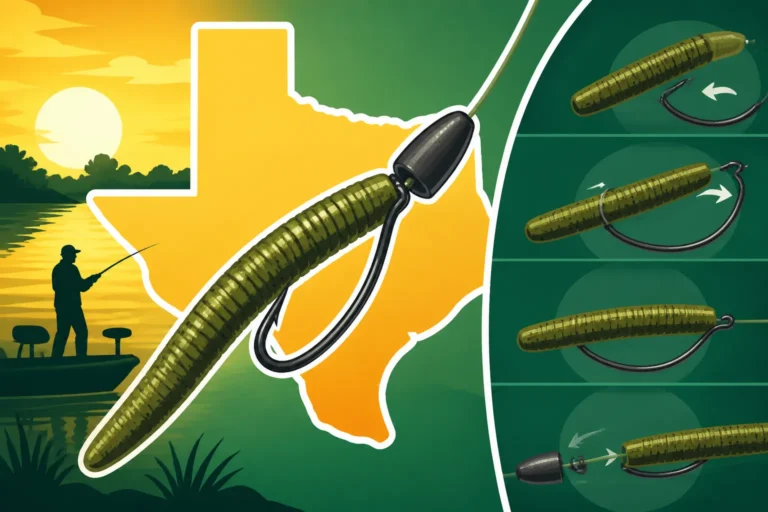
Rigging is typically done on a lead-head jig. The weight of the jig head (1/8 oz to 1/2 oz) should match the depth and current you're fishing. For instance, a lighter jig head for shallow grass flats allows for a slower, more natural fall, while heavier ones are needed for deeper channels or stronger currents. Retrieve techniques vary: a slow, steady retrieve can imitate a cruising baitfish; a "bump-and-go" involves lifting the rod tip and letting the lure fall, mimicking a shrimp or injured baitfish; and a fast, erratic retrieve can trigger reaction strikes. For fishing in thick grass, weedless soft plastics rigged on a weighted worm hook can be indispensable for avoiding snags.
Topwater Lures: Excitement on the Surface
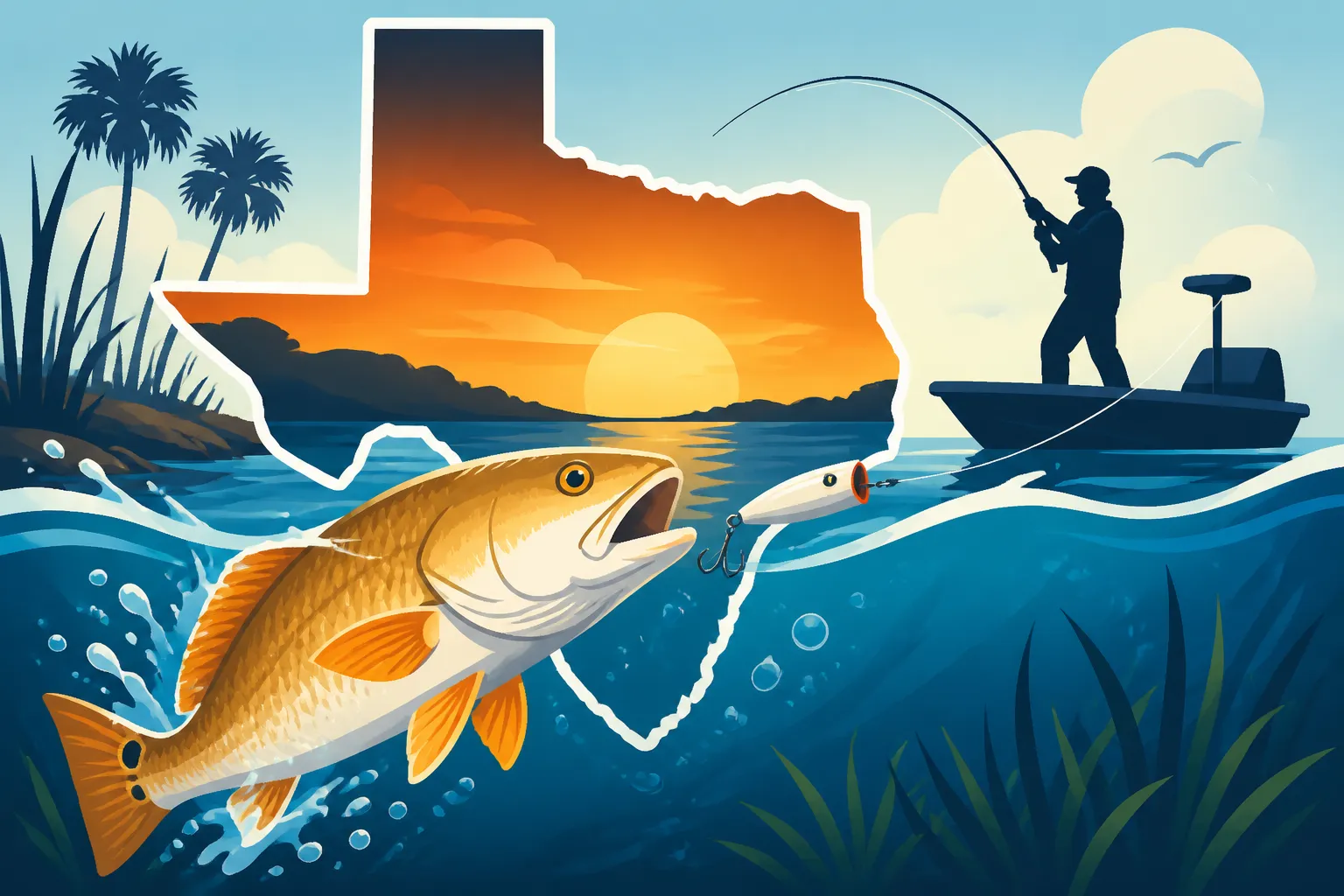
There's nothing quite like the explosive strike of a speckled trout or redfish blowing up on a topwater lure. These lures are designed to be fished exclusively on the surface, creating commotion that draws fish up from below. Walking baits, such as the Heddon Super Spook or the MirrOlure She Dog, are the most popular. They have a slender body and are worked with a "walk-the-dog" retrieve – a rhythmic twitching of the rod tip that causes the lure to sashay side-to-side across the surface. This mimics a wounded baitfish struggling on the surface, an irresistible target.
Poppers, with their cupped faces, create a loud "bloop" and splash when retrieved, imitating a panicking baitfish. Prop baits have small propellers that churn water, creating a buzzing sound and flash. Topwater lures are most effective during low light conditions (dawn and dusk), on calm water, or when fish are actively feeding on the surface over grass flats or shallow oyster reefs. The key is patience; resist the urge to set the hook on the splash. Wait until you feel the weight of the fish before reeling in. This often means your heart will be pounding, but the reward is worth it.
Spoons, Plugs, and Jigs: Covering the Water Column
Beyond soft plastics and topwaters, a variety of other artificial lures are highly effective for Texas saltwater species, allowing you to target different depths and presentations. Spoons, especially gold or silver weedless spoons, are fantastic for long casts and covering large areas, particularly over shallow grass flats for redfish. Their wobbling action and flash mimic a struggling baitfish, and they're relatively snag-proof. A steady retrieve with occasional twitches is usually all it takes.
Plugs encompass a wide range of hard-bodied lures. Suspending plugs, like the MirrOlure MirrOdine, are excellent for imitating baitfish just below the surface, especially when the water is cold, and fish are lethargic. Diving plugs, with their bills, can get down to specific depths, making them good for targeting fish in channels or around deeper structure. Twitching these plugs can produce powerful strikes. Jigs, in their many forms (bucktails, lead head jigs with soft plastics, or even specialized shrimp imitations), are incredibly versatile. They can be bounced along the bottom, vertically jigged around structure, or retrieved with a steady swim, depending on the target species and conditions. A bucktail jig, tipped with a piece of shrimp, is an old-school but highly effective method for flounder and redfish.
Targeting Specific Texas Saltwater Species
The Texas coast is renowned for its incredible diversity of game fish. While many techniques are general, understanding the habits and preferences of specific species will dramatically increase your success rate.
Redfish: The Powerful Bull Reds and Slot Reds
Redfish, also known as red drum, are one of the most iconic and sought-after game fish on the Texas coast. They range from the smaller "rat reds" found in shallow bayou systems to the massive "bull reds" caught offshore or in the surf. Slot reds (typically 20-28 inches in Texas) are the prime targets for anglers looking for a tasty meal and a strong fight. Redfish are often found patrolling shallow grass flats, cruising shorelines, or around oyster reefs and jetties. They are opportunistic feeders with a keen sense of smell.
For shallow water and sight casting, a weedless spoon or a soft plastic rigged weedless is deadly. Watch for their telltale "tails" breaking the surface as they feed head-down on the bottom. Live shrimp or a cut mullet on a Carolina rig are irresistible to them, especially when fished near structure or in the surf. On the jetties or in passes, free-lining a live mullet or croaker can tempt larger bull reds. When a redfish hits, be prepared for a powerful run; they are known for their strength and endurance. Understanding the Texas Redfish Size and Bag Limits is crucial before your trip.
Speckled Trout: The Wily Predators of the Bay
Speckled trout, or "specks," are arguably the most popular inshore game fish in Texas. Known for their striking colors and aggressive strikes, they are a favorite among light-tackle anglers. Speckled trout prefer clear to slightly stained water and are often found over seagrass beds, around oyster reefs, along channel edges, and under diving birds feeding on baitfish. They are primarily piscivores, meaning they love to eat other fish, but they won't pass up a shrimp.
Soft plastics are the go-to lure for speckled trout, particularly paddle tails and jerk shads in clear (e.g., 'bone,' 'pearl') or iridescent colors. Rig them on a lightweight jig head (1/8 to 1/4 oz) and retrieve them with a "twitch, twitch, pause" action, letting the lure flutter on the fall. Topwater lures are incredibly effective for larger trout, especially at dawn and dusk. Live shrimp under a popping cork is also a classic and highly effective method. During cooler months, trout will often move to deeper channels and drop-offs, making slower presentations with heavier jig heads necessary. Pay attention to the Texas Speckled Trout Bag Limits to ensure you're fishing legally. If you are looking to learn how to adapt your methods for cooler temperatures, read up on How to Catch Speckled Trout in Winter.
Flounder: Masters of Ambush
Flounder are fascinating flatfish, masters of camouflage, lying in wait on the bottom to ambush unsuspecting prey. They are highly prized for their delicious white meat. Flounder prefer sandy or muddy bottoms near structure, such as channel edges, jetties, bulkheads, and especially during their annual fall migration, around passes and inlets. Their unique ambush predator style means you need to fish slowly and deliberately.
The most effective technique for flounder is slow-dragging a live bait, like a mud minnow or small finger mullet, along the bottom on a Carolina rig. Alternatively, a slow-bounced soft plastic grub or a bucktail jig tipped with a piece of shrimp can also entice strikes. The bite is often subtle, feeling like a slight "thump" or added weight on the line. It's crucial to give the flounder a few seconds to fully engulf the bait before setting the hook. Many anglers also pursue flounder at night by gigging them during specific seasons. Understanding the Texas Flounder Season and Limits is especially important, as they have strict seasonal closures, particularly in November. If you're planning to target these tasty flatfish, knowing How to Fish the Texas Flounder Run can be incredibly helpful.
Other Notable Species: Black Drum, Sheepshead, and More
While redfish, speckled trout, and flounder often steal the spotlight, the Texas coast offers a bounty of other fantastic species. Black drum, often mistaken for redfish, are large, powerful bottom feeders. They love live or cut bait, especially crab or shrimp, fished on the bottom around oyster reefs, jetties, and muddy channels. They can grow to impressive sizes and put up a formidable fight. Sheepshead, with their distinctive human-like teeth, are notorious bait stealers but offer excellent table fare. They feed on crustaceans and mollusks, so small pieces of live shrimp or fiddler crabs fished on a small hook close to pilings, jetties, or oyster reefs are highly effective.
Other species you might encounter include the hard-fighting pompano in the surf, often caught on small jigs or sand fleas; tripletail around floating debris or buoys; and various species of snapper and mackerel if you venture slightly further out from the passes. Each of these species presents its own unique challenge and requires subtle adjustments in bait, presentation, or location.
Essential Techniques for Different Fishing Scenarios
The beauty of Texas saltwater fishing lies in its varied access points and environments. Whether you're wading across a shallow flat or casting from a towering pier, adapting your technique to the specific scenario is key.
Wade Fishing: Stealth and Intimacy with the Flats
Wade fishing is a truly immersive experience that allows you to become one with the environment. By stepping out of a boat or off the bank and into the water, you minimize disturbance, can approach fish more stealthily, and cover expansive shallow flats effectively. This technique is particularly deadly for targeting redfish and speckled trout in clear, calm bay systems. Essential gear includes sturdy wading boots (to protect against oyster shells and stingrays), waders (especially in cooler months), a wading belt with a stringer, a small tackle bag for essentials, and a reliable fish gripper.
The technique itself involves slowly shuffling your feet to avoid spooking fish and to alert any stingrays in your path, allowing them time to move away. Make long casts, fanning your lures or baits across the flats. Pay close attention to subtle changes in bottom contour, grass lines, and areas with baitfish activity. In shallow water, sight casting – spotting a fish before you cast – is incredibly rewarding. A good pair of polarized sunglasses is indispensable for this. For a deeper dive into this specific technique, consider reading How to Wade Fish for Redfish in Texas.
Pier and Jetty Fishing: Accessibility and Diverse Catches
Fishing from piers and jetties offers incredible accessibility and the chance to catch a wide variety of species without the need for a boat. Jetties, with their rock structure, attract baitfish and larger predators. Pier fishing often allows you to reach deeper water than shore-based angling. When fishing these structures, heavier tackle is often beneficial, especially for dealing with strong currents and potentially larger fish. A medium-heavy to heavy rod with a matching reel spooled with 30-50 lb braid is a good starting point.
For bottom fishing, a Carolina rig with cut bait or a fish finder rig is standard. For active schooling fish like speckled trout or Spanish mackerel, casting spoons, jigs, or even popping corks with live shrimp can be very effective. Be aware of your surroundings, as these spots can get crowded. Cast out and let your bait settle, or retrieve artificials with a varied action. Always be mindful of the currents, which can dictate where fish hold and how your bait presents. Safety is paramount; watch for slippery rocks on jetties and respect other anglers' space on piers.
Kayak Fishing: Low Impact, High Reward
Kayak fishing has exploded in popularity along the Texas coast, offering a low-impact, intimate way to explore shallow bays, marsh creeks, and even nearshore waters. The stealth of a kayak allows anglers to get into skinny water where larger boats can't go, often leading to incredible sight-casting opportunities for redfish and trout. Essential kayak fishing gear includes a comfortable, stable fishing kayak (pedal-drive models are very popular), a high-quality PFD, a reliable anchor (like a stake-out pole or drag anchor), rod holders, and a dry bag for electronics and valuables.
Techniques often mirror wade fishing, but from a seated position. Paddle or pedal quietly into position, then use your anchor to hold steady while you cast. Many kayak anglers rig their boats with fish finders and GPS units to maximize efficiency. Safety is a primary concern: always check weather conditions before heading out, wear your PFD, and let someone know your float plan. While kayaks are incredibly stable, the open bay can become dangerous quickly in strong winds. Make sure you are also familiar with Texas Life Jacket Requirements for Boats before heading out.
Boat Fishing: Covering More Water, Accessing Deeper Spots
For anglers seeking to cover vast areas of the bay, venture into deeper channels, or explore remote marsh ponds, a powerboat is indispensable. Bay boats, specifically designed for Texas inshore conditions, offer a shallow draft for skinny water and enough hull to handle choppy bay crossings. These vessels allow you to quickly move between hot spots, drift fish over expansive flats, or anchor precisely on structure. If you are in the market for a new vessel, consider checking out the Best Bay Boats for the Texas Coast.
Boat fishing often involves using electronics – fish finders and GPS – to locate submerged structure, bait schools, and depth contours. Drift fishing, where you allow the wind or current to carry your boat over a productive area while you cast, is a very popular and effective technique. Alternatively, anchoring strategically on oyster reefs, channel edges, or near jetties allows for precise presentations. When fishing from a boat, always be respectful of other anglers, especially waders and kayakers. Proper boat handling, navigation, and adherence to safety regulations are paramount.
Seasonal Considerations and Environmental Factors
Successful saltwater fishing in Texas isn't just about bait and lures; it's about understanding the dynamic coastal environment and how fish react to its constant changes throughout the year.
The Impact of Tides and Moon Phases
Tides are the breath of the bay, dictating water movement, depth, and fish activity. Understanding tidal patterns is fundamental. Generally, incoming (flood) and outgoing (ebb) tides are the most productive times to fish because the moving water stimulates baitfish activity and brings food to predatory fish. Fish will often stage themselves to ambush bait flowing with the current, such as along grass lines, channel edges, or points. An incoming tide can push bait into shallow flats, while an outgoing tide can pull bait out of marsh drains, creating feeding opportunities.
Slack tide, the period of minimal water movement between the high and low tide, is often the least productive. While not as critical as tides, moon phases do influence the strength of tides. Full and new moons typically create stronger tidal currents (spring tides), which can be excellent for fishing, while quarter moons result in weaker tides (neap tides). Always check a local tide chart before your trip to plan your attack around peak feeding windows.
Water Temperature and Salinity: Key to Fish Location
Water temperature is a primary driver of fish behavior and location. During the scorching Texas summers, fish often seek deeper, cooler water in channels or near passes during the day, becoming more active in shallow water during cooler low-light hours. Conversely, in the winter, fish might gravitate to warmer, shallower mud flats heated by the sun, or move into deeper, more stable temperatures found in channels or protected bayous. A sudden cold front can drastically drop water temperatures, making fish sluggish and pushing them to seek thermal refuge.
Salinity, the salt content of the water, also plays a significant role, particularly in estuarine systems where freshwater runoff from rivers mixes with saltwater from the Gulf. Heavy rains can lower salinity in upper bay systems, pushing saltwater-loving species like speckled trout further south or closer to the Gulf passes. Redfish are generally more tolerant of varying salinities. Paying attention to these environmental cues, often reported in local fishing reports, helps you pinpoint where fish are likely to be holding.
Weather Patterns and Their Influence on Fishing
The weather in Texas can be incredibly fickle, and savvy saltwater anglers learn to adapt. Wind is perhaps the most impactful weather factor. A steady, moderate breeze can be beneficial, creating a "chop" on the water that breaks up the surface, making it harder for fish to see you and often stimulating a feeding frenzy. However, strong winds can make casting difficult, muddy up the water, and make boating hazardous. Northerly fronts, common in fall and winter, can drop temperatures, clear out muddy water (which can be good), but also push tides out, making shallow areas unfishable.
Rain can temporarily cool surface temperatures and add freshwater runoff, affecting salinity and clarity. Lightning and thunderstorms are serious safety concerns and demand that anglers seek shelter immediately. Always check the marine forecast before heading out. Understanding how weather impacts fish behavior—from making them aggressive to shutting them down—allows you to adjust your techniques, lure choices, and fishing locations for the best chance of success. This might mean switching to scent-heavy cut bait in muddy water or focusing on deep holes after a strong cold front.
Disclaimer
Fishing involves inherent risks. Always prioritize safety, wear appropriate personal flotation devices, and be aware of your surroundings. Regulations, bag limits, and seasons can change, so always consult the latest rules and regulations from the Texas Parks and Wildlife Department before heading out. This guide provides general information and should not replace official guidelines or local expertise.