How to catch bass on a crankbait
Getting a bass to commit can sometimes feel like trying to convince a teenager to clean their room – utterly frustrating and seemingly impossible. You've cast every jig, every worm, and every spinnerbait in your box, only to be met with indifferent swirls or, worse, absolute silence. But what if I told you there's a dynamic, erratic, and often wildly successful lure that many anglers overlook or misuse? This guide is all about demystifying the crankbait, helping you understand how to pick the right one, how to work it effectively, and ultimately, how to consistently put more Texas bass in your boat.
Demystifying Crankbait Varieties for Texas Anglers
Crankbaits aren't just one type of lure; they're a whole family, each designed for a specific purpose. Understanding the nuances of these different styles is absolutely crucial, especially when you're facing the diverse conditions found across Texas, from the sprawling, timber-filled depths of Lake Fork to the shallower, grass-laden flats of Sam Rayburn. It's not enough to just throw a crankbait; you need to throw the right crankbait for the situation at hand.
Shallow Diving Squarebills and Lipless Wonders
Let's start with the workhorses of the shallow water game: squarebill crankbaits and lipless crankbaits. These are your go-to options when bass are cruising in less than 8 feet of water, especially around heavy cover where other lures might get snagged instantly.
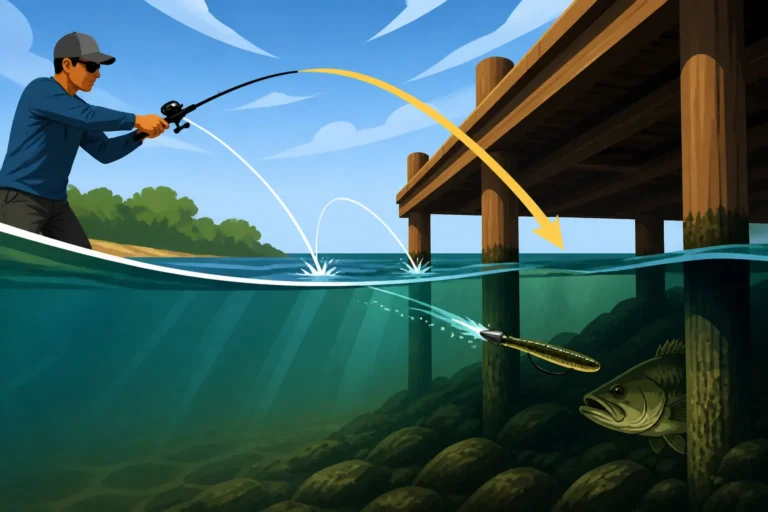
Squarebills, with their distinctive square-shaped lip, are absolute champions when you're fishing around wood, rocks, or any kind of hard structure. The square lip helps the bait deflect off obstacles rather than digging in and getting hung up. This deflection is key! When a squarebill bumps into a stump or a submerged rock, it creates an erratic, sudden change in direction that often triggers a reaction strike from a nearby bass. Think of it like a sudden darting movement from a fleeing baitfish – that's what gets a bass's attention. I've had countless days on Toledo Bend Reservoir where a chartreuse and black squarebill bounced off cypress knees has been the ticket to a phenomenal day. You'll often find a great selection of these on Amazon, making it easy to experiment with different brands and colors.
Lipless crankbaits, on the other hand, are a different beast altogether. They lack the diving lip and often have rattles inside, producing a loud, vibrating action that's irresistible to bass, especially in stained or murky water. These baits sink, so their depth is controlled by your retrieve speed and how long you let them fall. They excel in fishing over submerged grass beds, ripping them free from the vegetation to trigger strikes, or yo-yoing them along points and humps. In the springtime, during the pre-spawn phase, a chrome lipless crankbait can be incredibly effective when bass are staging in slightly deeper water before moving to the banks. They're also fantastic for covering a lot of water quickly, helping you locate active fish. For those looking to master How to Catch Bass in Spring in Texas, lipless crankbaits should be a staple in your tackle box.
Medium and Deep Diving Crankbaits for Texas Depths
Once the bass move deeper, especially as the Texas summer heat really starts to bake, you'll need crankbaits that can reach those fish. This is where your medium and deep diving crankbaits come into play. These lures feature longer, more angled lips that allow them to plunge to significant depths, mimicking baitfish in deeper water columns.
Medium divers typically reach depths of 8 to 15 feet. They're excellent for targeting fish on main lake points, roadbeds, or submerged humps. The length and angle of the bill dictate how quickly and how deep the bait will dive. A shorter, wider bill will give you a shallower, wider wobble, while a longer, narrower bill will dig deeper with a tighter wiggle. Knowing the contour of the lake bottom is paramount here. You want your crankbait to "tick" the bottom, stirring up sediment and creating commotion, or deflect off any structure it encounters. This contact with the bottom isn't just about triggering a strike; it also tells you that you're in the right zone where bass are likely feeding. A good starting point for exploring these options is to check out brands like Strike King and Rapala, which are widely available at local tackle shops or online retailers.
Deep diving crankbaits are truly impressive, designed to reach depths of 15 to 25 feet, or even more in some cases. These lures have incredibly long bills and are built for a grueling retrieve that can really wear you out. But the reward can be huge, especially on large reservoirs like Lake Amistad or Richland Chambers, where bass often suspend or relate to deep structure. Fishing these effectively means understanding the thermocline in summer – that layer of water where the temperature changes rapidly, often holding baitfish and bass. Cranking through that zone can be deadly. It also means paying close attention to your retrieve. A longer cast, combined with a steady, slow retrieve, allows these baits to reach their maximum depth. When you feel that distinctive "thump" as the lure hits the bottom, you know you're in the strike zone. If you're wondering How to Fish in Hot Texas Summers, deep diving crankbaits are an absolute must-have technique.
Crankbait Diving Depth Quick Guide
To help visualize, here's a quick reference for common crankbait types and their typical diving ranges:
| Crankbait Type | Typical Diving Depth (Feet) | Ideal Conditions/Cover | Common Retrieve |
|---|---|---|---|
| Lipless Crankbait | 0 – 15+ (variable) | Grass beds, open water, windy conditions, deeper jig | Steady, rip-and-fall, yo-yo |
| Squarebill Crankbait | 0 – 8 | Shallow wood, rocks, docks, stumps, sparse grass | Steady, erratic deflection off cover |
| Medium Diver | 8 – 15 | Main lake points, humps, roadbeds, ledges | Steady, bottom-ticking, occasional pause |
| Deep Diver | 15 – 25+ | Deep ledges, offshore humps, creek channels, thermocline | Long cast, steady slow retrieve, bottom contact |
Mastering the Art of the Crankbait Retrieve
Having the right crankbait is only half the battle; knowing how to work it effectively is where the real magic happens. Bass aren't always going to smack a crankbait on a simple, straight retrieve. Often, it's the subtle (or not-so-subtle) variations in your presentation that make all the difference, provoking those powerful, often unexpected reaction strikes.
The Steady Grind and the Stop-and-Go Dance
Let's talk about the fundamentals of retrieving a crankbait. The most common, and often very effective, method is the steady retrieve or "grind." This involves casting your crankbait out and reeling it back at a consistent pace. The key here is consistency. Each crankbait has a natural wobble or wiggle at a certain speed, and this retrieve allows the bait to perform as designed. This is especially good for lipless crankbaits when covering expansive grass flats or for any crankbait in clear water where bass have more time to inspect the lure. Sometimes, a consistent, fleeing baitfish presentation is exactly what a hungry bass wants.
However, bass are finicky, and sometimes they need a little more persuasion. That's where the stop-and-go retrieve comes in. This involves reeling for a few seconds, then pausing briefly (1-3 seconds), and then resuming your retrieve. That pause can be absolutely lethal, especially with a floating or suspending crankbait. When you pause, a floating crankbait will slowly rise, mimicking a dying baitfish, while a suspending crankbait will hang motionless, an easy target. Often, the strike comes on the pause or right as you start to reel again. This retrieve adds an element of unpredictability that can trigger strikes from hesitant bass. Try it out on your next outing, perhaps experimenting with different pause durations around submerged brush piles or rocky transitions.
Cranking Around Structure: Bouncing and Deflecting
This is arguably the most important aspect of successful crankbait fishing, especially with squarebills. Bass are ambush predators, and they love to hide around structure – stumps, rocks, fallen trees, dock pilings, ledges, you name it. A crankbait isn't just meant to swim past these areas; it's designed to interact with them.
The concept is simple: cast your crankbait so it makes contact with the structure. With a squarebill, this means literally bouncing it off a stump, scraping it over a rock, or deflecting it off a dock post. When the crankbait hits something, its action becomes highly erratic and unpredictable, often darting sideways or kicking up mud. This sudden change in direction perfectly imitates a baitfish attempting to escape a predator or disoriented. That unexpected movement is a huge trigger for bass. They don't have time to think; their predatory instinct just kicks in, and they strike. This technique is particularly potent when you're fishing for Texas largemouth bass around flooded timber or rocky banks.
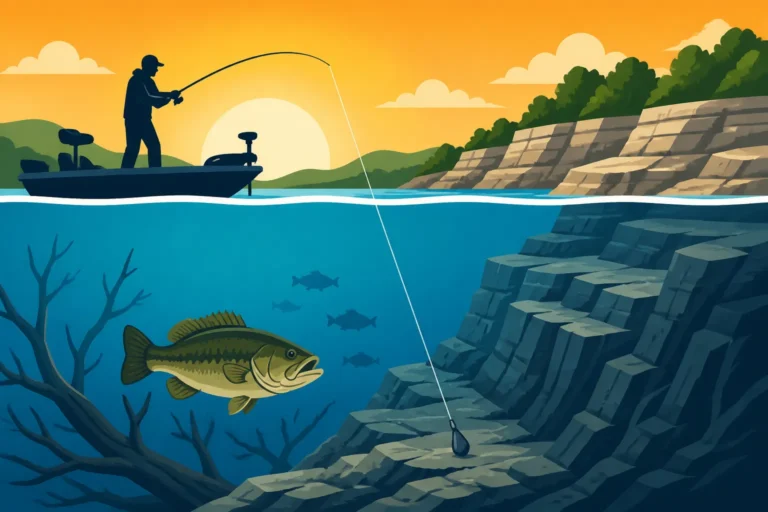
For medium and deep divers, the goal is often to "tick" the bottom or a deep ledge. You want to feel your crankbait digging into the sand or gravel, occasionally bumping off a submerged rock or tree. That constant bottom contact creates a commotion that tells bass there's something down there worth investigating. Learning to feel this contact through your rod tip is a skill that comes with practice. A good quality graphite rod with a moderate action, paired with fluorocarbon line, will transmit those subtle bumps and scrapes directly to your hands, allowing you to react instantly when a bass inhales your bait.
Selecting the Right Crankbait for Texas Waters
Texas is a massive state with incredibly diverse fishing environments. From the muddy, alligator gar-filled waters of the Trinity River to the crystal-clear depths of Canyon Lake, a "one-size-fits-all" approach to crankbait selection simply won't cut it. To truly excel, you need to understand how factors like water clarity, time of year, and prevailing forage influence your choice of crankbait.
Color Theory and Water Clarity
Crankbait color might seem like a minor detail, but it can be the difference between a fantastic day and a frustrating skunk. The general rule of thumb revolves around water clarity:
-
Murky or Stained Water: In muddy or heavily stained waters, such as those often found after heavy rains or in some East Texas reservoirs, you want colors that create a strong silhouette and offer high contrast. Chartreuse, bright orange, red, and black are excellent choices. Often, combinations like chartreuse/black back or firetiger patterns will shine here. The loud rattles of a lipless crankbait in these colors can be particularly effective because bass rely more on sound and vibration than sight. Consider checking the latest fishing reports for Texas Bass Spawning Season Guide as water clarity can change drastically then.
-
Clear Water: When you're fishing in pristine, clear lakes like parts of Lake Travis or Buchanan Lake, bass have excellent visibility. Here, you want to "match the hatch" as closely as possible. Natural baitfish patterns – shad, bluegill, perch, crawfish – in realistic colors like silver, chrome, natural greens, and browns are usually best. Translucent colors can also be very effective, allowing light to pass through and create a more natural appearance. Sometimes, a subtle touch of red on the belly can mimic an injured baitfish without being too flashy. For clear water, it’s also important to use lighter line, like fluorocarbon, to minimize visibility.
-
Cloudy Days or Low Light: On overcast days, during dawn and dusk, or deep underwater, colors that glow or have a strong reflective quality can work wonders. Chrome, silver, and gold can be fantastic in these conditions, as they catch what little light is available and flicker like a struggling baitfish. Even in relatively clear water, a shiny crankbait on a cloudy day can outfish a natural pattern.
Remember, these are guidelines, not unbreakable laws. Sometimes, an "unnatural" color in clear water can trigger a reaction strike simply because the bass hasn't seen it before. Don't be afraid to experiment, but always start with the general principles.
Seasonal Crankbait Strategies for Texas's Diverse Calendar
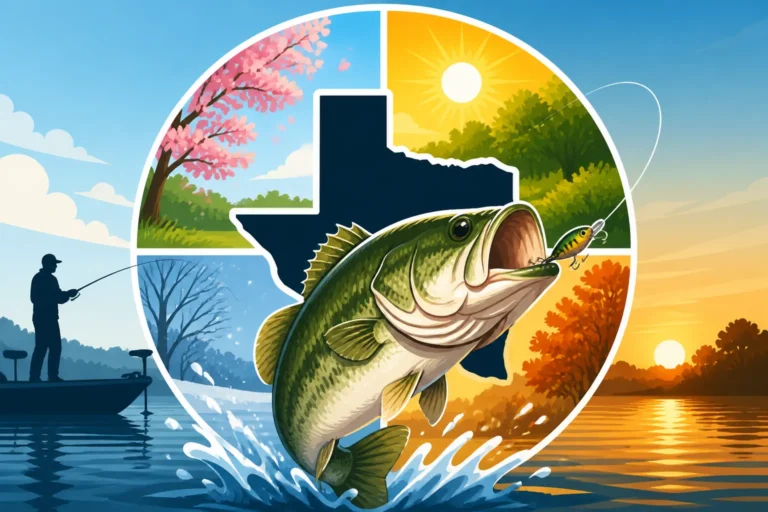
Texas offers a year-round fishing season, and crankbaits can be effective in every month, provided you adjust your approach. Each season presents unique challenges and opportunities for bass anglers.
-
Spring (Pre-spawn and Spawn): Spring is prime time for crankbaits. As bass move from their deeper wintering grounds to shallower spawning areas, they become incredibly aggressive and hungry. Lipless crankbaits are phenomenal for covering staging areas, especially over grass. Squarebills are excellent when bass are pushing up into shallow cover. In the actual spawn, it's a bit trickier, as bass are more focused on protecting beds, but a crankbait accidentally bumping a bed can still trigger a vicious strike. Look for areas where bass might be moving from deep water to shallow flats. This is a critical time to understand Texas Bass Spawning Season Guide.
-
Summer: The brutal Texas summer heat sends bass deep, forcing them to find cooler, more oxygenated water. This is the domain of the deep diving crankbait. Target main lake points, ledges, humps, and submerged creek channels. Often, bass will relate to the thermocline if one exists. Early mornings and late evenings can still produce shallow bites on squarebills or medium divers around docks or shaded areas, but generally, summer means going deep. Focus on offshore structure on lakes like Cedar Creek Reservoir or Lake Whitney.
-
Fall: As water temperatures begin to cool, bass start their "fall feeding frenzy" to pack on weight for winter. This is a fantastic time for all types of crankbaits. Bass will be chasing baitfish, which are often schooling up. Lipless crankbaits and medium divers are excellent for fishing schooling activity in open water or along long, tapering points. Squarebills can still be very effective in creek arms and shallow coves where baitfish are abundant. The fall transition is a period of high activity, so don't hesitate to cover a lot of water with your crankbaits.
-
Winter: Winter fishing can be tough, but crankbaits still have their place. Bass are lethargic and often hold tight to deep structure. Slow-rolling a deep diving crankbait along ledges or channel swings can entice a sluggish bass. Sometimes, even a lipless crankbait worked slowly along the bottom in slightly deeper, clear water can get a bite. Focus on sunny days, or periods of stable weather, and fish very slowly. Targeting these deep fish often requires precision. If you want to learn more about How to Catch Bass in Winter in Texas, crankbaits are a key tool.
Gearing Up for Crankbait Success
You can have the best crankbait in the world, but if your rod, reel, and line aren't properly matched, you're going to miss bites, lose fish, and generally have a bad time. The right setup maximizes your casting distance, improves your feel for the lure, and gives you the leverage to fight those strong Texas bass. It's an investment, but one that truly pays off on the water.
Rods, Reels, and Line: The Perfect Setup
Let's break down the ideal components for your crankbait arsenal.
-
Rods: When it comes to crankbait rods, you want something with a moderate or moderate-fast action. Unlike jig or worm fishing where you need a fast action for instant hooksets, crankbaits require a rod with more "give." This softer action allows the bass to engulf the bait without the rod pulling it away too quickly. It also helps prevent tearing the hooks out during the fight, especially with treble hooks. The ideal length is often between 6'10" and 7'6". Shorter rods offer more accuracy, while longer rods increase casting distance and leverage. For squarebills in shallow cover, a 7' medium-heavy, moderate action rod is fantastic. For deep divers, a 7'4" to 7'6" medium-heavy, moderate action rod will help you cast those heavy baits a country mile and absorb the shock of a hard strike. You can find excellent options on Amazon from brands like St. Croix or Daiwa. Many anglers consider a specialized crankbait rod to be one of the Best Fishing Rods for Texas Anglers.
-
Reels: The gear ratio of your baitcasting reel is paramount for crankbait fishing. For most crankbait applications, especially deep diving, you want a lower gear ratio reel, something in the range of 5.1:1 to 6.4:1. A lower gear ratio means more cranking power, making it easier to reel in those high-resistance deep divers all day long. It also naturally encourages a slower retrieve, which is often crucial for deep crankbaiting or when fish are lethargic. For squarebills or lipless crankbaits, where you might want a slightly faster retrieve to cover water, a 6.4:1 or even a 7.1:1 can work, but for pure deep cranking, stick to the lower ratios. A good quality reel with a smooth drag is essential, as bass can really pull on a crankbait. Consider a Shimano Curado or a Daiwa Tatula for reliable performance. This falls under the general category of Best Fishing Reels for Texas Anglers.
-
Line: Your choice of fishing line has a huge impact on crankbait performance.
- Fluorocarbon: This is often the top choice for many crankbait anglers. It's nearly invisible underwater, extremely sensitive, and has low stretch, allowing you to feel every bump and bite. More importantly for crankbaits, fluorocarbon sinks, which helps your bait reach its maximum diving depth and stay there. For deep diving crankbaits, 10-14 lb test fluorocarbon is common. For squarebills, you might go up to 15-20 lb test if fishing around really heavy cover.
- Monofilament: While not as sensitive as fluorocarbon, monofilament has more stretch, which can act as a shock absorber during a vicious strike, preventing hooks from pulling out. It also floats, which can be an advantage for shallow running crankbaits if you want to keep them just above submerged grass. It's a good, economical choice for many applications.
- Braided Line: Braid is incredibly strong and sensitive, with no stretch. However, its visibility and tendency to float make it less ideal for direct crankbait tying. Where it shines is as a mainline with a fluorocarbon or monofilament leader. This gives you the strength and casting distance of braid, combined with the invisibility and sinking properties of fluorocarbon. This setup is particularly effective for fishing around extremely heavy cover with squarebills, allowing you to rip the bait free from snags.
Understanding the right combination of these elements is part of having the Best Tackle for Texas Bass Fishing in your arsenal. Experiment with different setups to find what feels most comfortable and effective for your fishing style and the specific Texas waters you frequent.
Disclaimer
Fishing conditions and regulations in Texas can change. Always consult the latest Texas Parks and Wildlife Department (TPWD) regulations before heading out on the water. This guide is for informational purposes only and does not supersede official rules or professional advice.